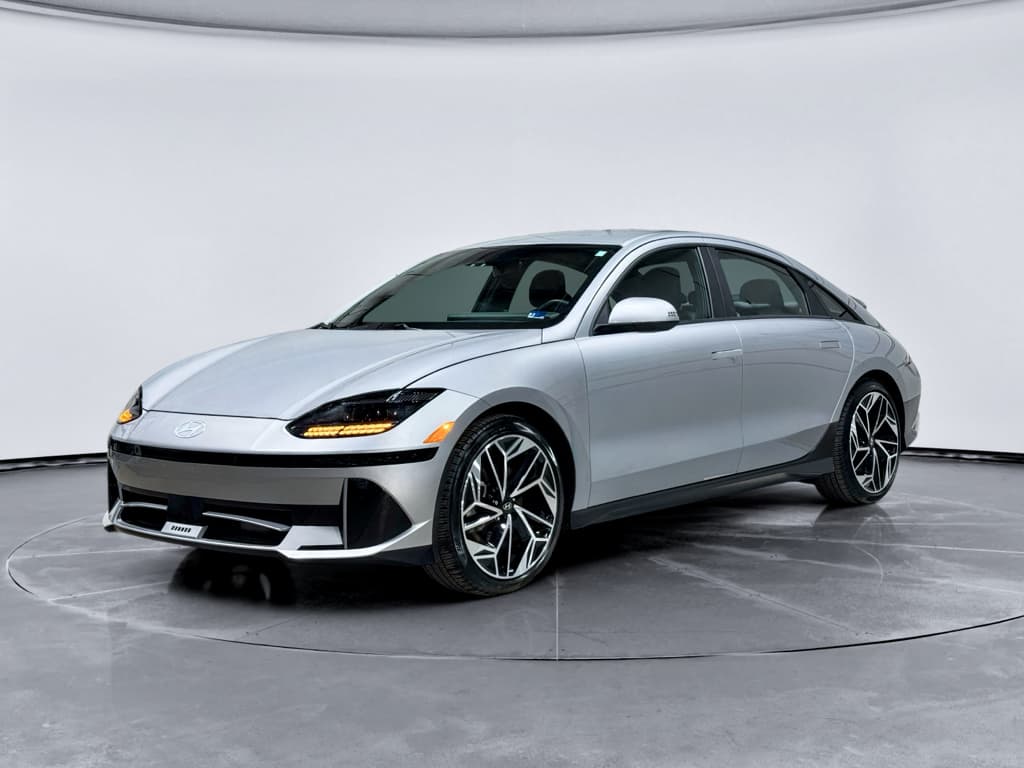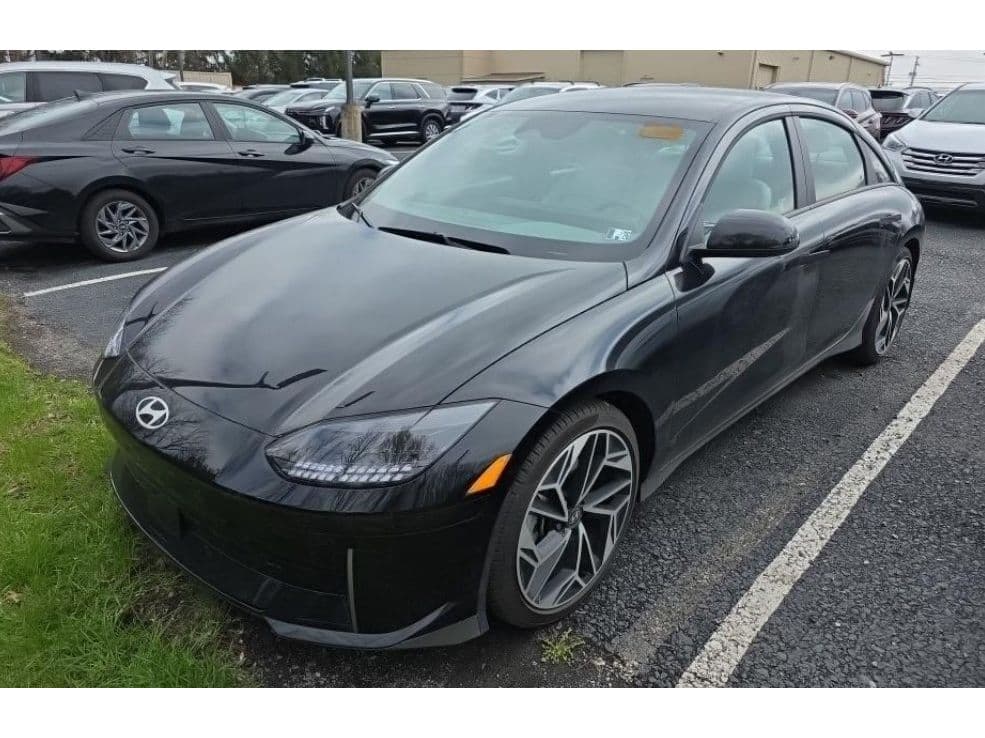
If you’re looking at a Hyundai IONIQ 6, whether new or used, the first spec you should understand isn’t 0–60 time or range. It’s the battery warranty. The pack under the floor is the single most expensive component in the car, and Hyundai’s high‑voltage warranty is one of the reasons the IONIQ 6 is such a compelling EV, especially on the used market.
Key takeaway
Hyundai IONIQ 6 battery warranty at a glance
Core IONIQ 6 battery & vehicle warranty numbers (U.S.)
Hyundai positions its coverage as “America’s Best Warranty,” and for EV buyers there’s real substance behind the slogan. On the 2024–2025 IONIQ 6, Hyundai USA specifies a Limited 10‑year/100,000‑mile High Voltage Battery Warranty, alongside a 5‑year/60,000‑mile New Vehicle Limited Warranty and 10‑year/100,000‑mile Powertrain Limited Warranty for the electric drive components.
Where to see your exact coverage
What’s actually covered: high-voltage battery basics
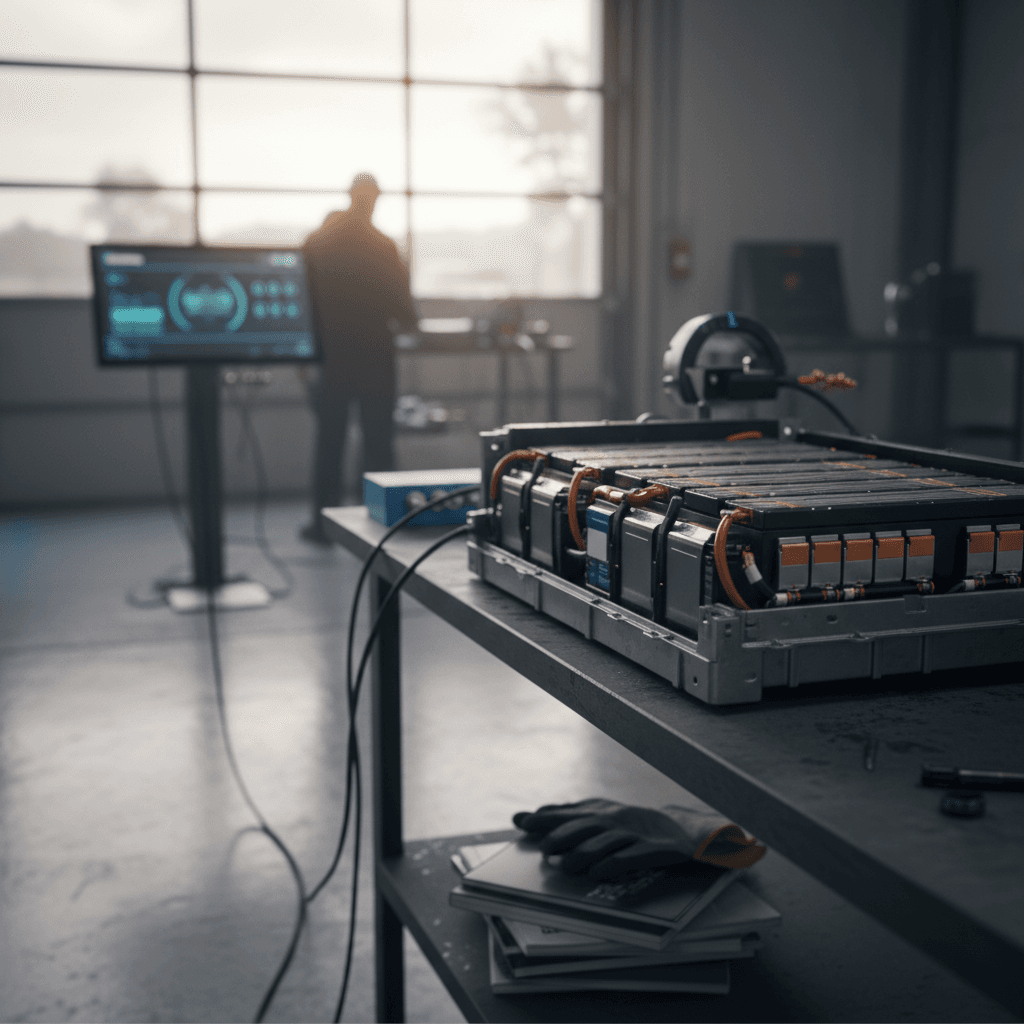
The IONIQ 6’s main drive battery is a liquid‑cooled lithium‑ion pack (53 kWh or 77.4 kWh depending on trim) running an 800‑volt architecture. Hyundai’s High Voltage Battery Warranty in the U.S. covers this pack if it has a defect in factory materials or workmanship during the first 10 years or 100,000 miles, whichever comes first.
- Battery modules and cells inside the high‑voltage pack
- High‑voltage battery enclosure and pack‑internal wiring/connectors
- Battery Management System (BMS) electronics, when part of the pack assembly
- Internal contactors, relays, and sensors that are integral to pack function
If any of these components fails due to a manufacturing defect, not misuse or external damage, Hyundai will repair or replace the pack or affected components. In practice, that often means replacing the entire pack if there’s a serious failure or if capacity drops below Hyundai’s guaranteed threshold within the warranty period.
High-voltage vs. 12‑volt battery
Capacity loss and the 70% threshold
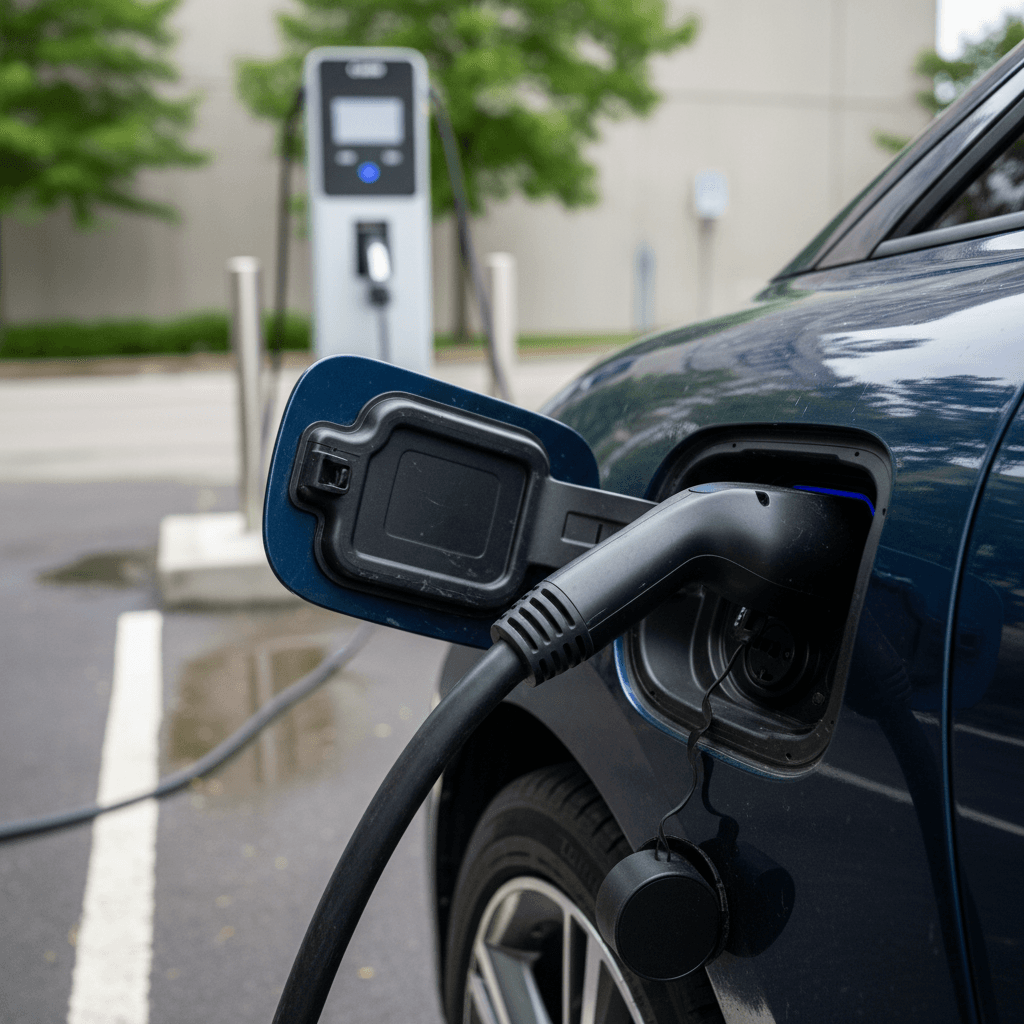
A crucial detail, especially if you’re buying used, is that Hyundai’s EV battery warranty isn’t just about the pack working or not. It also includes a minimum capacity guarantee. If the high‑voltage battery’s usable capacity falls below roughly 70% of its original value within the 10‑year/100,000‑mile window, Hyundai can repair or replace it under warranty.
You can’t claim just because range dropped a little
In practice, Hyundai or a dealer service department will run a factory battery health test on your IONIQ 6 using diagnostic equipment. That test measures the pack’s State of Health (SoH), an estimate of remaining capacity versus new. If the SoH is below Hyundai’s specified threshold (around 70%) and the pack hasn’t been abused or damaged, you’re in strong territory for a warranty claim.
Used-car angle: insist on real battery data
What’s not covered: common warranty exclusions
Like every automaker, Hyundai draws a bright line between defects and misuse, accidents, or normal wear. Understanding this line is the difference between a smooth claim and an expensive surprise.
Typical exclusions from IONIQ 6 battery warranty coverage
These are scenarios where Hyundai can legitimately deny a high‑voltage battery claim.
Collision or impact damage
Flooding or immersion
Unauthorized modifications
Edge cases owners ask about
Not every frustrating situation is a warranty failure.
Gradual range loss
Extreme operating conditions
Charging equipment issues
Don’t DIY high-voltage repairs
How the battery warranty interacts with other Hyundai coverage
New Vehicle Limited Warranty (5 years/60,000 miles)
This is Hyundai’s bumper‑to‑bumper coverage for your IONIQ 6. It covers most non‑wear components, electronics, interior hardware, body hardware, HVAC, and more. Some battery‑adjacent items like wiring, connectors, and control modules may be covered under this umbrella in the early years if they’re not considered part of the high‑voltage pack.
Powertrain & EV system coverage (10 years/100,000 miles)
Separate from the pack itself, Hyundai also warranties key EV components like the electric drive motor, reduction gear, and some power electronics for 10 years/100,000 miles. Think of this as protection for the stuff that turns battery energy into motion.
Most owners never need to parse which warranty pays what, Hyundai and the dealer service department sort that out behind the scenes. But when you’re evaluating a used IONIQ 6, it’s worth knowing that after year five, the battery and powertrain coverage are often the main remaining safety nets.
Stacked protection for long-term owners
New vs. used IONIQ 6: how warranty transfer works
Hyundai’s high‑voltage battery warranty on the IONIQ 6 is vehicle‑based, not owner‑based. That means it follows the car, not the first buyer. If you purchase a used IONIQ 6 in the U.S., you get whatever remains of the original 10‑year/100,000‑mile battery coverage, provided the car hasn’t been branded salvage or heavily modified.
How IONIQ 6 battery warranty looks over time
Approximate coverage from original in‑service date for later owners.
| Ownership timing | Vehicle age | Approximate battery warranty remaining | What it means |
|---|---|---|---|
| Buy new | 0 years | Full 10 yrs / 100k mi | Maximum protection, best for long‑term keepers. |
| Buy 3‑year‑old IONIQ 6 | 3 years | ~7 yrs / remaining to 100k mi | Strong coverage window for most used buyers. |
| Buy 6‑year‑old IONIQ 6 | 6 years | ~4 yrs / remaining to 100k mi | Battery still under warranty but general bumper‑to‑bumper has expired. |
| Buy 9‑year‑old IONIQ 6 | 9 years | ~1 year / remaining to 100k mi | Time‑limited coverage; good to know before buying high‑mileage cars. |
Always verify the original in‑service date (when the car was first sold or leased) to know how much warranty is left.
Salvage or branded titles are different
This transferability is a big reason IONIQ 6 residual values look relatively strong. From a used‑buyer point of view, it’s similar to getting a built‑in extended warranty on the most expensive part of the car, without paying extra for a third‑party plan.
Real-world longevity, costs, and replacement scenarios
So what happens if things go wrong, or, more commonly, if you’re simply worried about long‑term battery life? There are three buckets to think about: expected degradation, rare failures within warranty, and out‑of‑warranty scenarios.
- Most IONIQ 6 packs should retain the majority of their capacity well past 10 years if driven and charged reasonably.
- The 800‑volt E‑GMP platform uses liquid cooling and robust battery management, which helps keep cells in a favorable temperature window.
- Real‑world owner reports across Hyundai/Kia EVs using similar packs show modest degradation in the first few years, with steeper drops being the exception, not the rule.
What a replacement pack might cost without warranty
When a pack does have a covered failure within the warranty window, Hyundai typically replaces it with a new or remanufactured unit that meets current specifications. In some cases, owners even see a slight range increase if replacement packs use newer cell revisions or updated software tuning.
How to protect your IONIQ 6 battery, and its warranty
Simple habits that support battery health (and avoid disputes)
1. Avoid living at 0% or 100%
Reserve 0–10% and 90–100% for trips. For daily use, keeping your IONIQ 6 between roughly 20% and 80% state of charge is easier on the cells.
2. Use DC fast charging strategically
Ultra‑fast charging is a key advantage of the IONIQ 6’s 800‑volt system, but regular daily use of 200+ kW charging will stress the pack more than Level 2 home charging.
3. Keep software up to date
Hyundai regularly tweaks battery management via software updates. Staying current ensures you benefit from any improvements in thermal control or charging logic.
4. Don’t ignore battery warnings
If you see battery or high‑voltage system warnings on the dash, get the issue documented and checked promptly. Waiting months can complicate warranty decisions.
5. Document service and charging setup
Keep records for any electrical work related to your home charger and all dealer services. If a claim ever touches charging behavior or wiring, that paper trail helps.
6. Store the car sensibly
If you park the IONIQ 6 for weeks, leave it around 40–60% charge in a temperate environment, not at 100% in blazing summer heat.
Home charging done right
Buying a used IONIQ 6? Battery warranty checklist
For used‑EV shoppers, the IONIQ 6’s battery warranty is a major asset, but only if you confirm what’s left and how healthy the pack actually is. Here’s a structured way to approach it.
Used IONIQ 6 battery & warranty due diligence
1. Confirm the in‑service date
Ask for documentation showing when the car was first sold or leased. That’s when the 10‑year clock starts.
2. Verify current mileage
Compare odometer reading against the 100,000‑mile cap. A 3‑year‑old car with 20,000 miles has much more remaining coverage than one with 70,000.
3. Check the title status
Avoid salvage, rebuilt, or flood titles if you care about warranty. Factory coverage is often reduced or void in those cases.
4. Get a real battery health report
Ask for a documented State of Health reading or a third‑party battery diagnostic. At Recharged, the <strong>Recharged Score Report</strong> gives you this data upfront.
5. Review charging history if available
Frequent DC fast charging isn’t automatically bad, but a car used almost exclusively on fast chargers and living near 0–100% extremes deserves closer scrutiny.
6. Confirm dealer service history
A Hyundai dealer service printout can reveal any previous high‑voltage issues, campaigns, or updates that might affect future warranty conversations.
How Recharged simplifies this
Ready to find your next EV?
Browse VehiclesFAQ: Hyundai IONIQ 6 battery warranty details
Frequently asked questions about IONIQ 6 battery coverage
Bottom line: what this warranty really means for you
The Hyundai IONIQ 6’s battery warranty is one of the most owner‑friendly policies in the mass‑market EV space. A 10‑year/100,000‑mile high‑voltage battery warranty, paired with robust powertrain coverage, turns what could be your biggest EV anxiety, long‑term battery life, into a manageable, quantifiable risk. For new buyers, it’s a decade of peace of mind. For used buyers, it’s a built‑in hedge against the rare but costly scenario of an early battery defect.
The key is to treat the warranty as a safety net, not a maintenance plan. If you charge and store the car thoughtfully, keep software and service up to date, and insist on real battery health data when buying used, the odds are good you’ll replace the IONIQ 6 itself before you ever need to replace its battery out of pocket. And if you want a shortcut through all that homework, shopping a used IONIQ 6 through Recharged means you get transparent battery diagnostics, expert EV support, and a buying process that’s built around making long‑term EV ownership as simple, and predictable, as it should be.