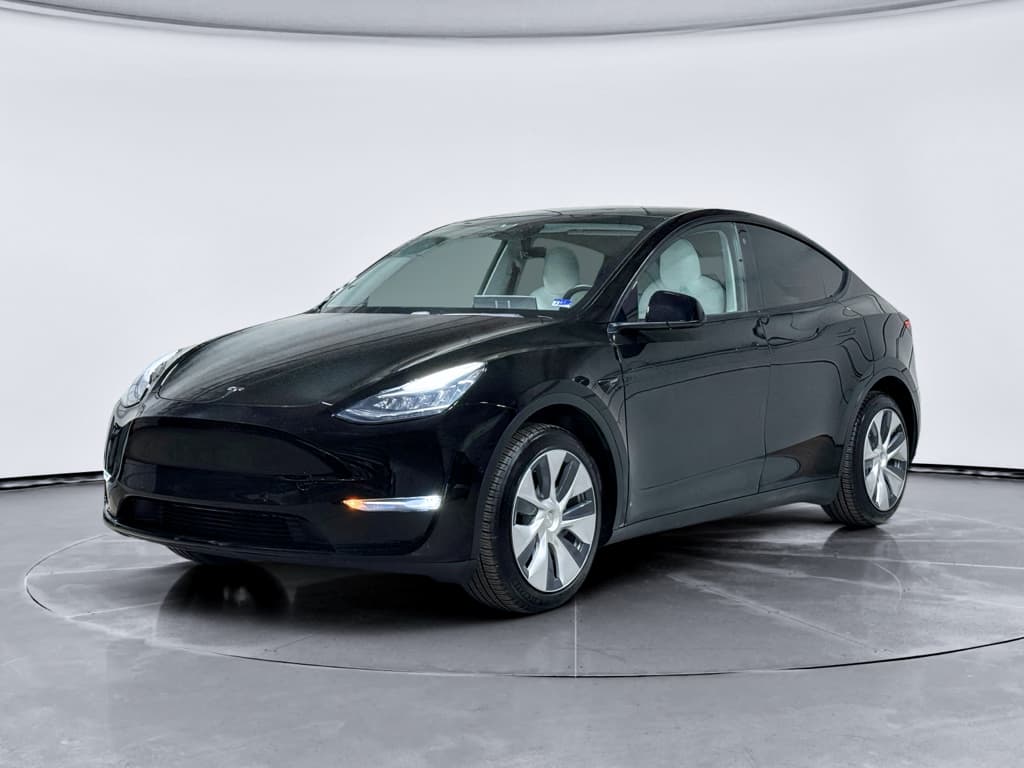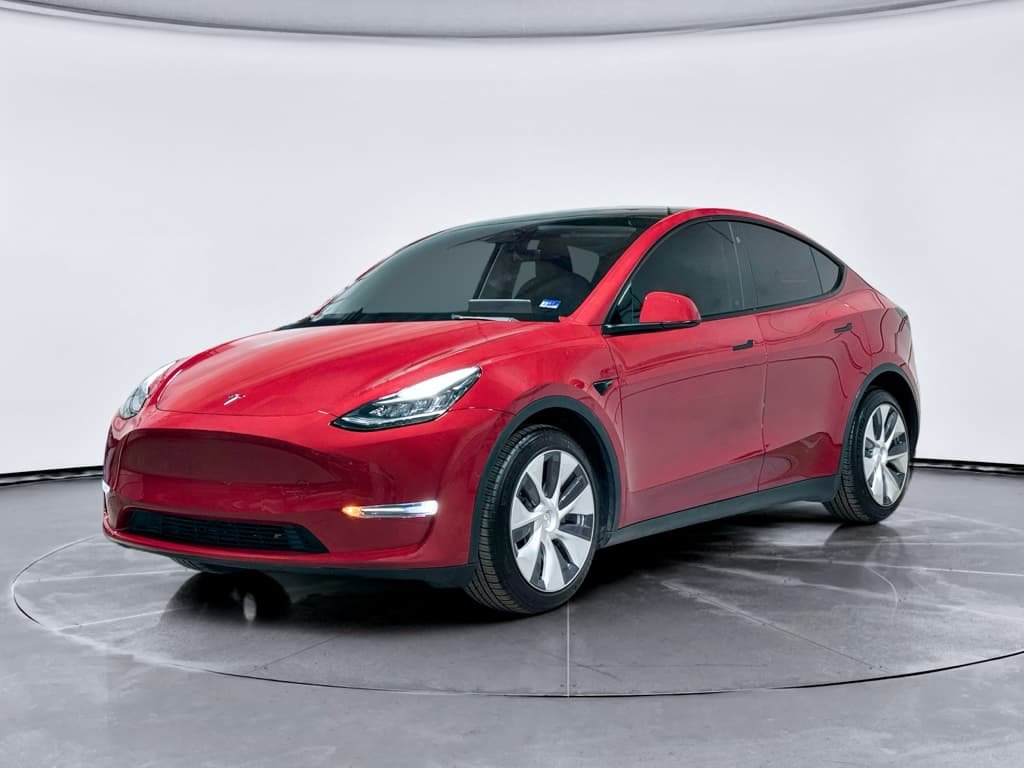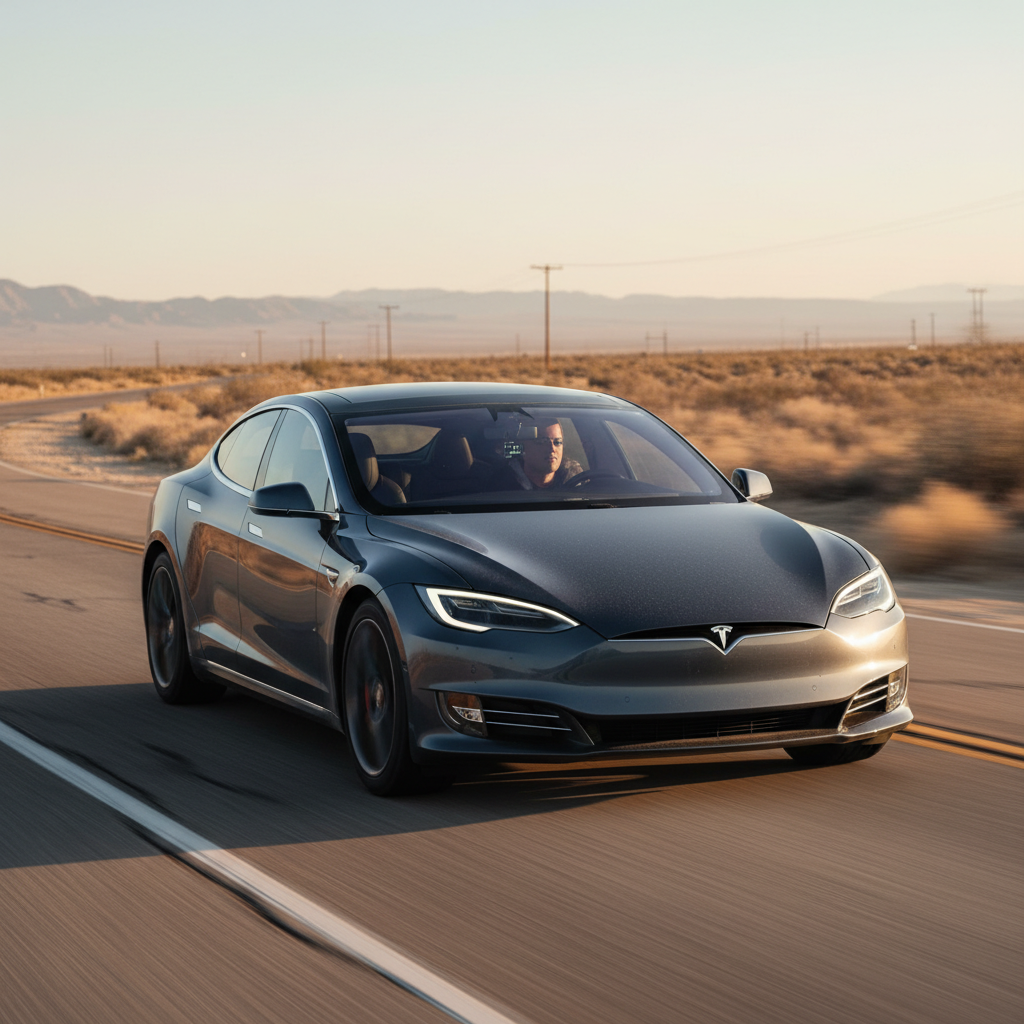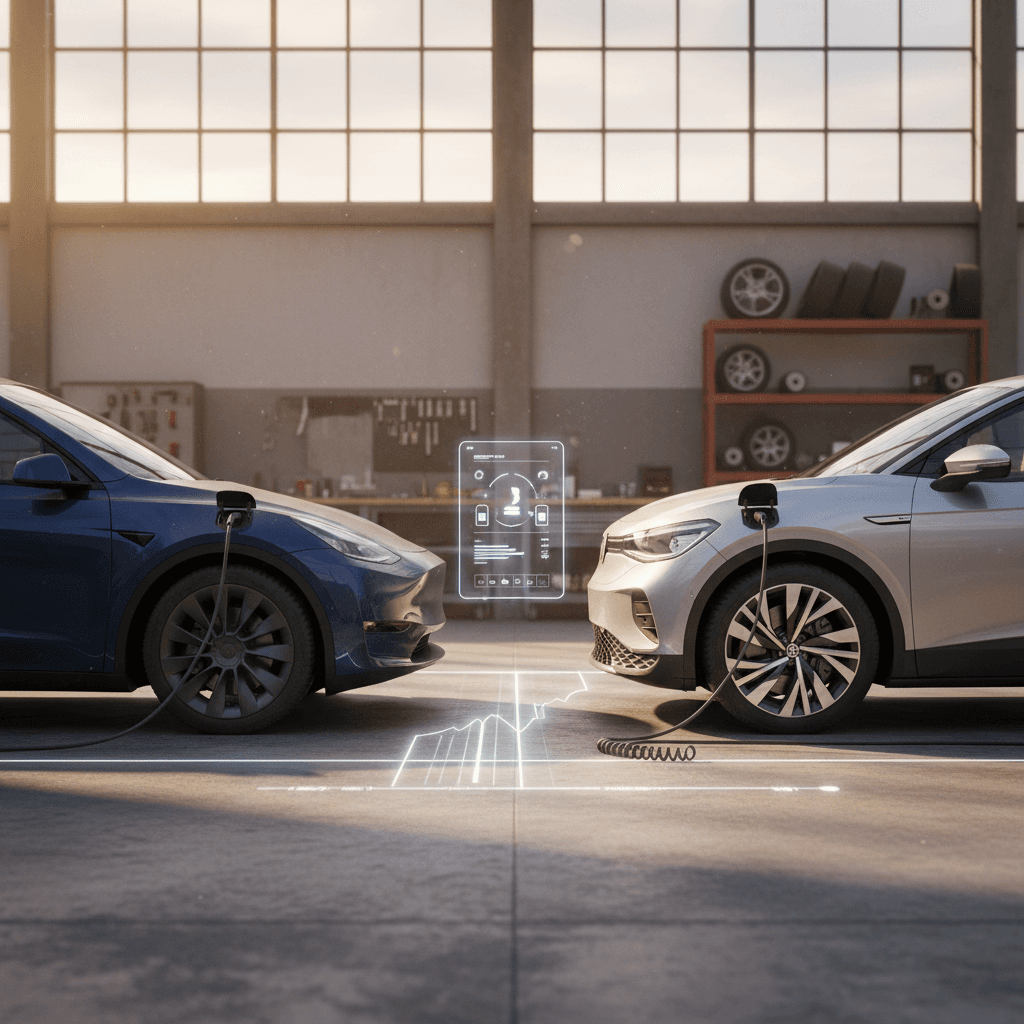
You’re standing in the used lot, metaphorically or literally, staring down two of the most important electric SUVs of the decade: a used Tesla Model Y and a used Volkswagen ID.4. Same basic recipe, compact electric crossover, five doors, hatchback, but very different flavors. In 2026, with prices down and more inventory than ever, this is one of the smartest, and most confusing, choices you can make in the used EV market.
What this comparison covers
Overview: Used Model Y vs ID.4 in 2026
Tesla Model Y (used)
- Strengths: Class‑leading range and efficiency, access to Tesla’s Supercharger network, slick software, strong performance and good resale value.
- Weaknesses: Firmer ride and more road noise, sparse interior isn’t for everyone, build quality can be inconsistent, insurance often higher.
- Best for: Road‑trippers, tech‑forward drivers, people who care about charging speed and network more than soft‑touch plastics.
Volkswagen ID.4 (used)
- Strengths: Softer, more comfortable ride, traditional interior layout, standard tow hitch on many AWD trims, often cheaper to buy than an equivalent Model Y.
- Weaknesses: Shorter range, slower fast‑charging, infotainment and app experience lag Tesla, depreciation hits harder.
- Best for: Families who prioritize comfort, city and suburban drivers, shoppers value‑hunting a roomy EV SUV with a gentler driving demeanor.
Where these two sit in the used EV market (2026 snapshot)
Quick specs: used Tesla Model Y vs VW ID.4
Core spec comparison (typical U.S. used trims)
Think of this as the ballpark for what you’ll see on a used lot in 2026, not the full menu of every configuration ever sold.
| Model | Typical battery (usable) | EPA range when new | Drive layout | 0–60 mph | Max DC fast charge |
|---|---|---|---|---|---|
| Tesla Model Y Long Range AWD (2021–2023) | ~75–79 kWh | ~318 mi (varies by wheel/yr) | Dual‑motor AWD | 4.6 s | ~250 kW |
| Tesla Model Y RWD/Standard Range (2022–2024) | ~60 kWh | ~244–260 mi (market‑dependent) | RWD | 6.0–6.6 s | ~170 kW |
| VW ID.4 Pro / Pro S (82 kWh, RWD, 2021–2024) | 77–82 kWh | 260–291 mi (trim/year) | RWD | 7.3–7.9 s | ~135–170 kW |
| VW ID.4 AWD Pro (82 kWh, 2021–2024) | 77–82 kWh | ~249–275 mi | Dual‑motor AWD | 5.7–6.0 s | ~135–170 kW |
Representative specs for common used trims like Model Y Long Range and ID.4 Pro/Pro S with the larger battery packs.
Specs vs reality
Used pricing & depreciation in 2026
The used market in 2026 is a very different beast from the heady days of 2021. New‑EV price cuts and federal incentives have dragged used values downward, and both the Tesla Model Y and Volkswagen ID.4 have felt it, just not equally.
How money matters: Model Y vs ID.4
Sticker shock, or lack thereof, is often what decides this comparison.
Typical used prices (Spring 2026)
- Model Y: Shoppers commonly see early Long Range AWD examples in the low–mid $30,000s, with newer low‑mile cars still into the $40,000s depending on options.
- ID.4: Comparable‑age ID.4 Pro and AWD Pro models often list in the mid‑$20,000s to low‑$30,000s, undercutting the Y by several thousand dollars.
Exact pricing swings weekly and varies by mileage, trim, and region, but the pattern is clear: the ID.4 is usually the cheaper ticket in.
Depreciation trends
- Model Y: After the big Tesla price resets in 2023–2024, depreciation has stabilized. Projections into 2026 still show the Y retaining more of its original value than most rival EV SUVs.
- ID.4: Tracks close to the segment average but tends to lose more value than the Model Y over the first five years, which is why you’ll often find very compelling used deals.
If you’re buying used, that steeper ID.4 drop is your friend, it’s someone else’s loss, your discount.
Used tax credits sweeten the deal
Range, battery & efficiency
Range is where Tesla still plays bully on the playground. The Model Y is consistently one of the most efficient electric SUVs on sale, and that carries over into the used market. But the ID.4 isn’t hopeless; it’s just more of a realist than a fantasist.
- Model Y Long Range AWD: Real‑world owners often see roughly 260–290 miles on a full charge in mixed driving once a few years of degradation are factored in, with cold weather taking its usual winter tax.
- Model Y RWD/Standard Range: You’re realistically shopping in the ~200–230‑mile usable window depending on climate and highway speeds, still fine for most commuting and moderate road‑trip legs.
- ID.4 Pro / AWD Pro (82 kWh pack): Expect more like 220–250 miles in mixed use for a few‑year‑old car. The updated motors in later 82 kWh versions improved efficiency, but the ID.4 still can’t match the Y’s miles‑per‑kWh heroics.
- ID.4 62 kWh / Standard battery cars: These are city‑suburb weapons, not interstate cruisers. Real‑world mixed range frequently lands around 170–200 miles when used.
Battery health on used examples
Battery‑health checks before you choose
1. Look beyond the range number on the dash
That number can be influenced by recent driving. What you want is an objective <strong>state‑of‑health (SoH)</strong> reading or a professional battery test, not just the in‑car guess.
2. Ask for a battery report
For a used Tesla Model Y, app logs and service history can hint at charging habits. For ID.4, dealer service records and a third‑party diagnostic scan are helpful. At Recharged, every car gets a <strong>Recharged Score battery health diagnostic</strong> so you’re not guessing.
3. Consider climate and previous use
Cars that lived in very hot climates or did constant DC fast‑charging (ride‑share, delivery) may show more degradation. A garage‑kept commuter that mostly AC‑charged at home often ages more gracefully.
4. Check for software updates
On both cars, some range and efficiency improvements have been delivered via software. Make sure a used example is up to date; an owner who ignores updates probably ignored other maintenance too.
Charging experience & road‑trip usability
Charging is where the used Model Y tends to feel like it’s playing a home game, and the ID.4 is the visiting team trying to read the playbook on the sidelines. The hardware on both is broadly capable; the ecosystem around them is not equally mature.
Tesla Model Y: home‑field advantage
- Supercharger access: As of 2026, U.S. Tesla drivers still enjoy the most seamless DC fast‑charging experience. You plug in, walk away, and the billing happens in the background. No RFID cards, no apps roulette.
- Speed: Peak rates up to roughly 250 kW on many Long Range cars mean fast 10–80% sessions under ideal conditions, especially on V3 and newer Superchargers.
- Network density: For cross‑country travel, the Y’s route planning and charger density remain a huge advantage. The car will precondition the battery on the way to a Supercharger to improve speed.
Volkswagen ID.4: catching up, not caught up
- Public DC fast charging: Many ID.4 owners lean on networks like Electrify America, EVgo, and others. When it all works, 82 kWh cars can see ~135–170 kW peaks, but charging curves and station reliability are more hit‑or‑miss than Tesla’s network.
- NACS overlap: By 2026, more non‑Tesla EVs, including many ID.4s via adapters or future ports, can tap certain Superchargers, but it’s not as plug‑and‑play as a native Tesla experience yet.
- Home charging: At home, the playing field levels. Both cars are happy on a 40‑ or 48‑amp Level 2 charger, adding 25–35 miles of range per hour depending on model.
If you live in an apartment or rely on public DC fast charging
Space, comfort & everyday practicality
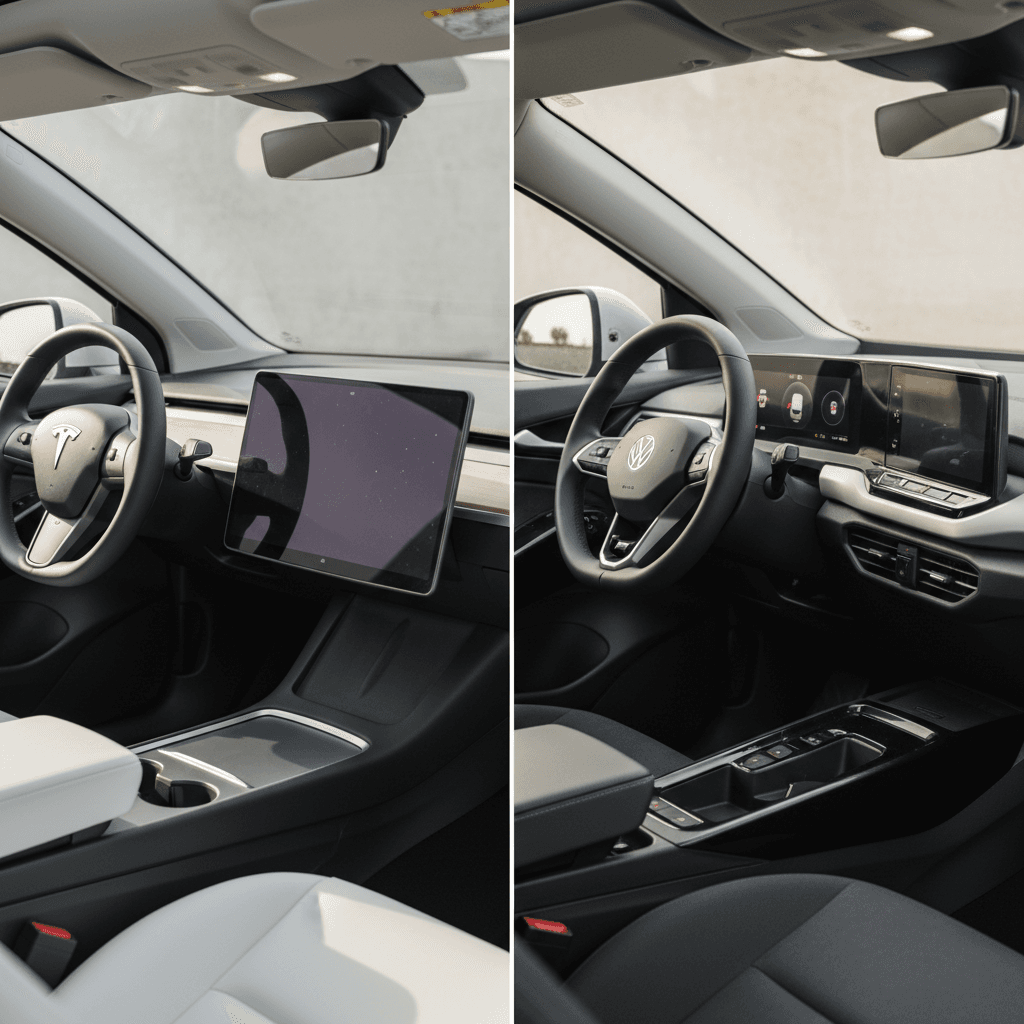
On paper, these two are within inches of each other in most dimensions. In the real world, they feel very different. The Model Y is all sharp lines and minimalist futurism; the ID.4 is your friendly neighborhood family crossover that just happens to run on electrons.
Interior and cargo: how they really live
Specs don’t load strollers, cargo shapes and seat comfort do.
Cargo & versatility
- Model Y: Think of it as a rolling shipping container. With seats down, it famously swallows a borderline‑absurd amount of stuff and even offers a front trunk. Some tests show it fitting slightly more cargo boxes than ID.4 with the rear seats folded.
- ID.4: Loses the frunk battle but wins in usable rear cargo shape, especially behind the second row. Squarer dimensions and a lower load floor make family luggage Tetris a bit easier.
Ride comfort & seating
- Model Y: Firm seats and a comparatively stiff, sometimes busy ride. Great body control, less great at hiding broken pavement. Road noise is more noticeable than in many legacy crossovers.
- ID.4: Softer suspension tuning, quieter cabin, and a more relaxed driving position. If your commute is full of potholes and expansion joints, the VW feels like the nicer place to do time.
Small kids, big car seats
Driving experience, software & tech
The way these two drive mirrors their dashboards. The Tesla wants to be your smartphone on wheels. The Volkswagen wants to be your Golf that went to an EV spa weekend and came back calmer.
Performance and feel
- Model Y: Even the non‑Performance trims are brisk. Instant torque, quick 0–60 times, and a tightly tuned chassis mean it can be genuinely fun on a back road, if a bit unrefined over bad surfaces.
- ID.4: Less dramatic. RWD Pro models feel adequately quick; AWD variants add useful shove but never feel properly fast. Steering is light, the ride is composed, and the overall vibe is relaxed over urgent.
Software, UI and driver assists
- Model Y: Over‑the‑air updates can add features years after you buy the car. The interface is fast and fluid, and the mobile app remains one of the best in the business. Autopilot and optional advanced driver‑assist suites are mature and well integrated.
- ID.4: Early cars suffered from laggy infotainment and fussy capacitive controls; software updates have improved things but it still doesn’t feel as polished as Tesla’s. VW’s driver assists are competent, but the overall experience is less cohesive.
If the Model Y is an iPhone on wheels, the ID.4 is a well‑worn analog notebook that someone thoughtfully converted to digital. Both work; one feels more futuristic, the other more familiar.
Reliability, common issues & warranty
Both Tesla and Volkswagen have had their share of early‑EV growing pains, and the used market is where those stories either haunt you or quietly fade into the background. The good news: neither the Model Y nor the ID.4 has a systemic battery‑failure reputation. The less‑good news: each has its own quirks.
What tends to go wrong (and what usually doesn’t)
Patterns from early‑owner reports, service bulletins, and used‑market data.
Tesla Model Y trouble spots
- Build quality: Panel gaps, trim fit, wind noise, and paint issues pop up more than you’d hope, especially on earlier build years.
- Minor hardware: Door handles, window regulators, and some suspension components have generated complaints, though not on a catastrophic level.
- Software quirks: Updates rarely brick anything, but features move around and occasionally regress before later patches fix them.
Volkswagen ID.4 trouble spots
- Infotainment: Laggy screens, occasional freezes, and idiosyncratic menu layouts are the most common knocks, especially on 2021–2022 cars.
- 12V battery: Some owners report early 12V battery failures leading to no‑start conditions, a common early‑EV issue, not unique to VW.
- Charging/app glitches: Connectivity hiccups between the car, app, and charging networks can make remote monitoring and session starts more fiddly than in a Tesla.
Warranty safety net on used cars
Ready to find your next EV?
Browse VehiclesWhich used EV SUV fits you? (Buyer profiles)
Choose your path: which one sounds like you?
The Road‑Trip Maximalist
You regularly drive 200+ miles in a day, sometimes across states.
You value reliable, dense DC fast‑charging more than a soft ride.
You’re comfortable living in a screen‑heavy, software‑centric car.
<strong>Recommendation:</strong> A used Tesla Model Y Long Range AWD is the obvious play. You’ll pay more up front, but the charging network and efficiency make it the better long‑haul tool.
The Comfort‑First Daily Commuter
Your driving is mostly commuting, errands, and weekend trips under 150 miles one way.
You care more about quietness and ride comfort than 0–60 bragging rights.
You like physical controls and a more traditional cabin layout.
<strong>Recommendation:</strong> A used Volkswagen ID.4 Pro or AWD Pro is a sweet spot, comfortable, practical, and often several thousand dollars cheaper than a comparable Model Y.
The Value Hunter
Price matters a lot; you want maximum EV for the money.
You’re fine giving up some range and charging dazzle for a lower payment.
You’re planning to keep the car several years, not flip it quickly.
<strong>Recommendation:</strong> The ID.4 usually wins here. Its steeper depreciation means you can buy a newer or better‑equipped VW than Tesla for the same budget.
The Tech Enthusiast
You love over‑the‑air updates, phone‑as‑key, and integrated apps.
You want the car to feel like a piece of evolving consumer electronics.
You don’t mind a firmer ride or minimalist interior.
<strong>Recommendation:</strong> The Model Y plays directly to this personality. Even used, it feels more like a living software product than a static appliance.
How Recharged helps you shop used Model Y and ID.4
Shopping for a used EV is not like walking a row of used crossovers and kicking tires. Battery health, charging history, and software versions matter as much as mileage and tire tread. That’s exactly the puzzle Recharged was built to solve.
- Recharged Score battery diagnostics: Every used Tesla Model Y or Volkswagen ID.4 listed on Recharged includes a Recharged Score Report with verified battery health, charging behavior insights, and range expectations, so you’re not gambling on the most expensive component in the car.
- Transparent, fair pricing: Recharged benchmarks fair‑market pricing across thousands of listings, depreciation data, and local trends, so you can see at a glance whether that Model Y or ID.4 is priced reasonably.
- EV‑specialist guidance: You can talk with EV‑savvy specialists, not generic salespeople, who understand things like NACS adapters, charge curves, and realistic road‑trip planning.
- Flexible ways to sell or swap: If you’re coming out of another EV or gas car, Recharged can help with trade‑ins, instant offers, or consignment, and handle nationwide delivery from our fully digital retail platform.
- Hands‑on experience: Near Richmond, VA? Visit the Recharged Experience Center to sit in a Model Y and ID.4 back‑to‑back, load strollers, test seating positions, and decide with your spine as much as your spreadsheet.
FAQ: Used Tesla Model Y vs Volkswagen ID.4
Frequently asked questions
Bottom line: Model Y vs ID.4 in 2026
Viewed coldly, the used Tesla Model Y is the better electric vehicle: more range, better efficiency, a vastly superior fast‑charging network, and software that feels genuinely modern. Viewed humanly, the Volkswagen ID.4 is often the better car for the money: more comfortable, easier‑going, and available at compelling discounts on the used market.
Neither choice is a mistake. The mistake is buying blind, ignoring battery health, charging reality, and how you actually use your car. That’s where a structured comparison, a proper test drive, and a Recharged Score Report change the game. Decide whether you’re a tech‑forward road‑tripper or a comfort‑first pragmatist, then let the spec sheet serve your life, not the other way around.