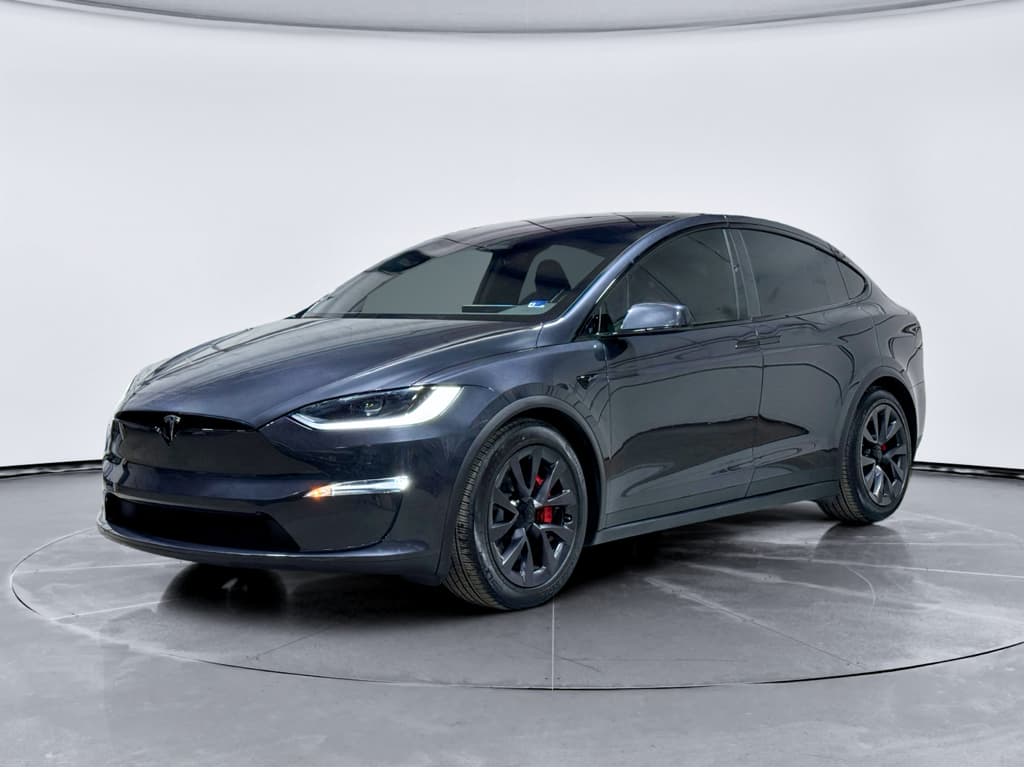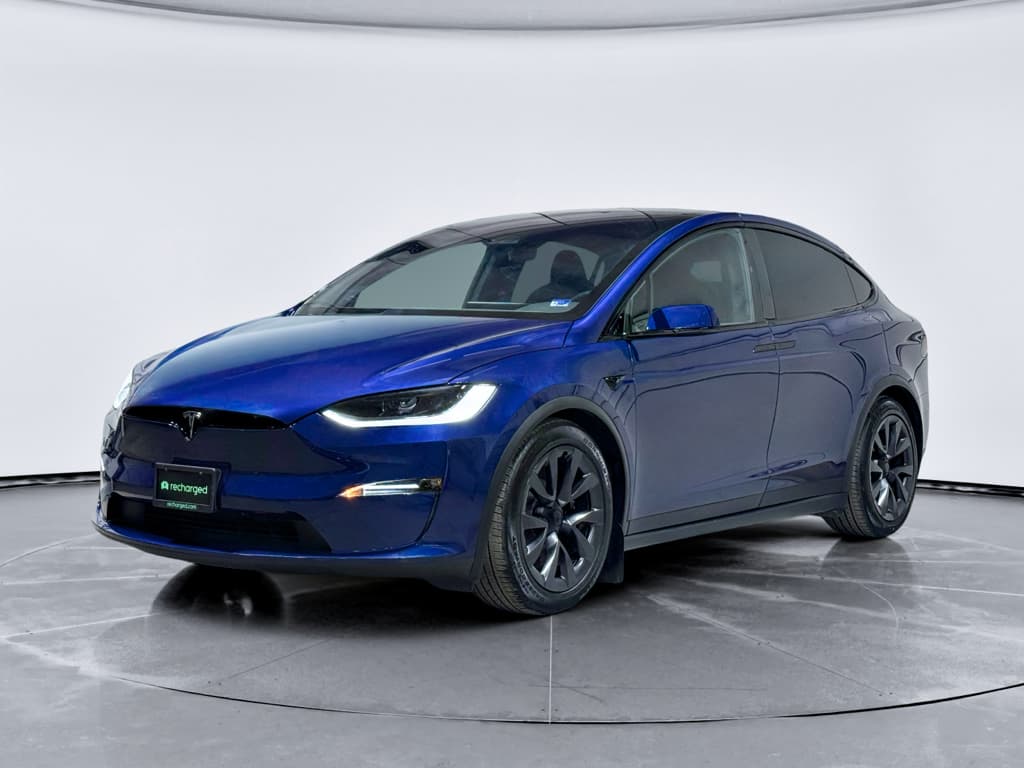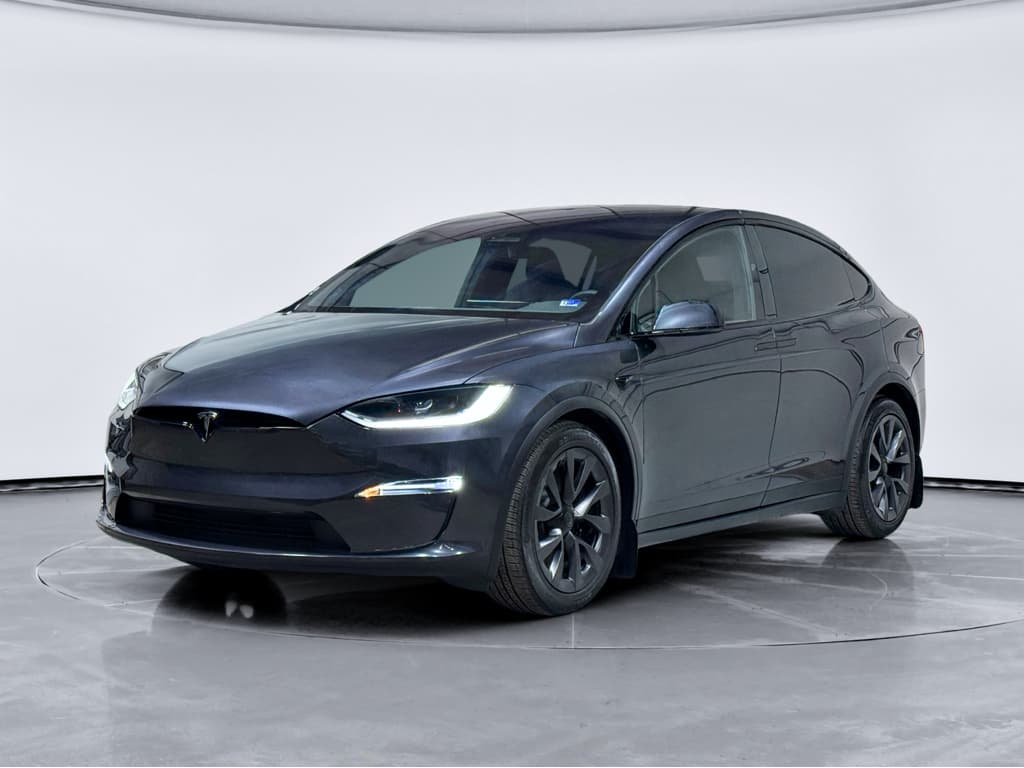
If you’re looking at a 2022 Tesla Model X range test, you’re probably trying to answer a simple question: how far will this 5,000‑plus‑pound electric SUV really go on a charge in the real world, on your commute, on a winter ski trip, or hammering down the interstate at 75 mph? Official ratings tell one story; day‑to‑day driving often tells another.
Why real-world range matters more than specs
2022 Tesla Model X range basics
For the 2022 model year refresh, Tesla simplified the Model X lineup in North America to two core variants, both using roughly a 100 kWh battery pack:
2022 Tesla Model X trims and official range
Approximate EPA-rated ranges for the 2022 Model X lineup on standard 20-inch wheels in mild conditions.
| Trim | Drive | Battery (approx. usable) | EPA-rated range (20" wheels) | EPA-rated range (22" wheels) |
|---|---|---|---|---|
| Model X Long Range | Dual motor AWD | ~95 kWh | ~348 miles | ~330 miles |
| Model X Plaid | Tri motor AWD | ~95 kWh | ~333 miles | ~311 miles |
Exact ratings vary slightly by market and software revision, but this table reflects the ballpark numbers most owners see on the window sticker.
Ratings assume ideal conditions
2022 Tesla Model X range at a glance
EPA-rated vs real-world range for the 2022 Model X
Tesla’s displayed "rated" range is based on EPA test-cycle consumption, not your personal driving data. That’s why you’ll see a full charge show something close to the official number even if you just spent a week driving 85 mph into a headwind.
What the EPA number assumes
- Mild temperatures (around 70°F).
- Speeds that average well below typical U.S. interstate cruising.
- Standard 20" wheels with efficiency-oriented tires.
- No rooftop boxes, bike racks, or heavy towing.
What your daily driving looks like
- 70–80 mph highway segments and aggressive passing.
- Winter mornings with cabin pre-heating and seat heaters.
- 22" wheels or all‑season performance tires.
- Kids, luggage, and maybe a small trailer or hitch rack.
Independent range testing worldwide routinely finds real‑world results 5–20% below lab ratings for many EVs when you normalize for speed and temperature. The 2022 Model X is no exception: treat the EPA number as the optimistic upper bound, not a guaranteed result.
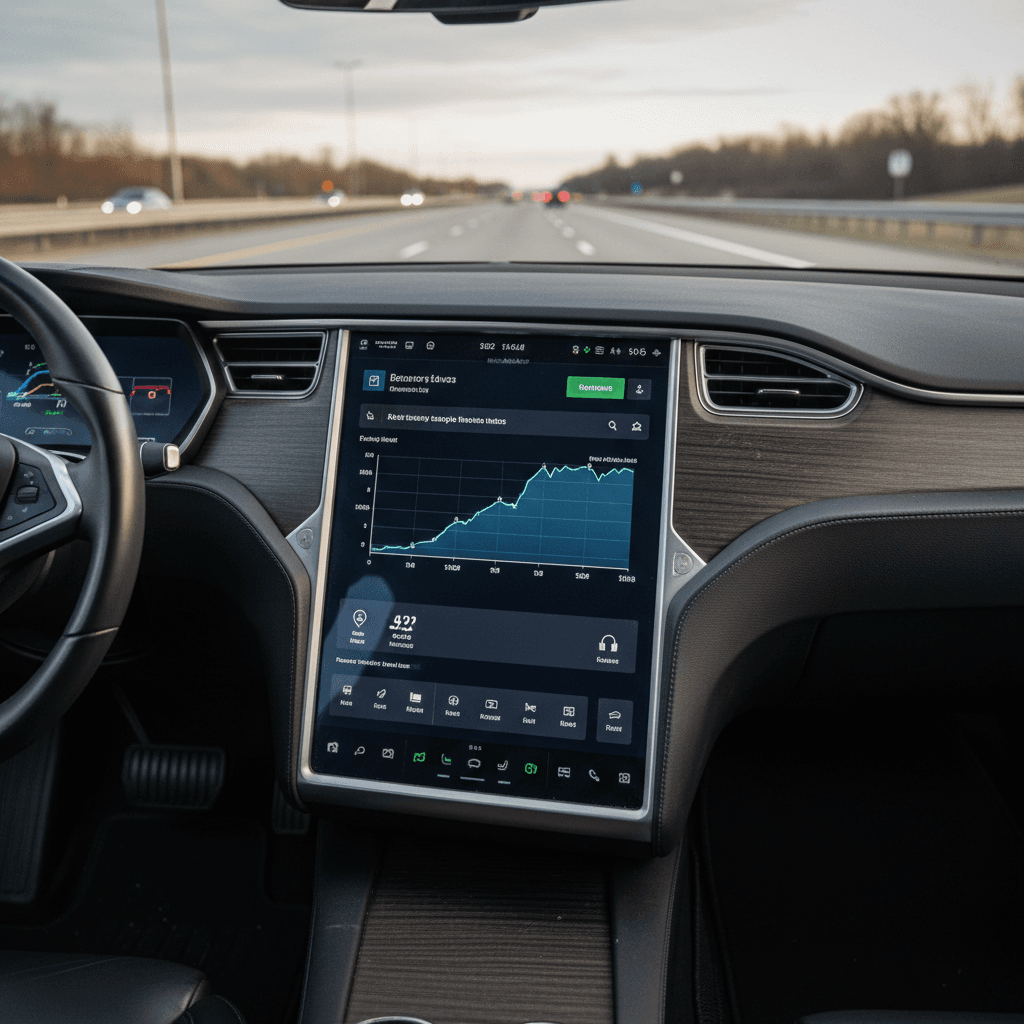
Use the energy graph, not just the rated miles
Highway range test scenarios and what to expect
Highway use is the toughest test for any big, boxy EV. Aerodynamic drag rises with the square of speed, and the 2022 Model X has a huge frontal area. If you’re trying to benchmark your highway range, the single biggest variable is how fast you drive.
Typical 2022 Model X Long Range highway scenarios
Assuming a healthy battery, 20" wheels, mild temperatures, and starting at 100% down to about 5–10%.
65 mph cruise
Realistic highway range: ~290–310 miles
If you baby the throttle, keep HVAC moderate, and avoid big elevation changes, you can get surprisingly close to the EPA figure.
72–75 mph cruise
Realistic highway range: ~260–290 miles
This is where many U.S. owners land in practice on long interstate runs.
80+ mph, heavy traffic
Realistic highway range: ~220–250 miles
High speeds, frequent passes, and headwinds can eat 25%+ of your rated range.
Cold highway driving is a double penalty
Towing is its own category. A Model X pulling a medium travel trailer or tall utility trailer can see its Wh/mi double. That turns a 280‑mile highway cruiser into a 140‑mile rig between charging stops. For families using a 2022 Model X as a tow vehicle, conservative planning is your friend.
City and mixed-driving range in a 2022 Model X
The good news is that the 2022 Model X is generally more efficient around town than on the highway. Lower speeds and frequent opportunities for regenerative braking let you recapture energy you’d otherwise waste as heat in friction brakes.
- In temperate weather, a Long Range Model X can often beat its EPA rating on slow, suburban commutes and school runs.
- Stop‑and‑go traffic isn’t a disaster if you’re gentle on the accelerator; regen does most of the work.
- Very short trips in cold weather are the exception, they’re range killers because you repeatedly warm up a cold battery and cabin for just a few miles of driving.
Where the Model X shines
2022 Model X Plaid vs Long Range: which goes farther?
On paper, the 2022 Model X Long Range has a modest edge over the Model X Plaid in rated range. Same battery size, two motors instead of three, and slightly lower peak power output all work in its favor.
Plaid vs Long Range: efficiency comparison
How the two 2022 Model X trims differ in range and energy use, assuming similar wheels and conditions.
| Trim | EPA-rated range (20") | Highway Wh/mi at 70–75 mph (typical) | Highway range estimate |
|---|---|---|---|
| Model X Long Range | ~348 miles | ~340–370 Wh/mi | ~260–290 miles |
| Model X Plaid | ~333 miles | ~360–390 Wh/mi | ~240–275 miles |
The differences aren’t massive, but they add up over a long road trip.
In practice, the gap often widens a bit because Plaid drivers tend to use the power more. Hard launches, higher cruising speeds, and more frequent passing all push consumption up. If maximum road‑trip range is your priority, the Long Range is the safer bet.
Plaid is about performance, not range
Biggest factors that shrink (or boost) your range
If you only remember one thing from any 2022 Tesla Model X range test, make it this: your right foot and your environment matter more than the brochure. Here are the levers that move your real‑world range up or down the most.
Key range variables for the 2022 Model X
Each of these can swing your usable range by 10–30%.
Speed & wind
Above ~65 mph, every extra 5 mph can noticeably raise consumption. Strong headwinds effectively add speed, while tailwinds help.
Temperature & HVAC
Cold batteries are less efficient, and electric cabin heat is energy‑intensive. Precondition on shore power when you can.
Wheel & tire choice
22" wheels and aggressive tires look great but routinely cost 5–10% of your range compared with 20" aeros.
Elevation & terrain
Climbing mountains burns range quickly; you’ll gain some back on the descent, but not all of it.
Driving style
Smooth inputs, moderate acceleration, and anticipating traffic let regen do more work and keep Wh/mi down.
Payload & towing
Extra passengers, cargo boxes, and trailers create drag and weight. A tall trailer can easily chop range in half.
Three quick wins for more range
How to run your own 2022 Model X range test safely
You don’t need a proving ground or lab equipment to understand what your 2022 Model X can really do. A structured, repeatable test on roads you normally drive will tell you far more than any YouTube video of someone else’s car in someone else’s weather.
DIY range test: step-by-step
1. Pick a repeatable route
Choose a loop or out‑and‑back route you can safely drive at a steady speed, ideally a mix of uphill and downhill so you end where you started.
2. Start with a warm battery
Supercharge to ~80–90% or drive 15–20 minutes before the test. A warm battery gives more realistic consumption than a cold‑soaked pack.
3. Set a target speed
Decide on 65 or 72 mph and stick to it using Autopilot or cruise control where safe. Consistent speed is key to a meaningful test.
4. Log your numbers
Reset Trip A, then note distance, average Wh/mi, and remaining state of charge (SoC) after 30–60 miles. Avoid running below 5–10% SoC for test purposes.
5. Use the energy graph
Switch the energy app to "Consumption" and view the 15‑ or 30‑mile average. Let the projected range line tell you how far you’d go at this efficiency.
6. Repeat in different conditions
Run the same test in winter vs summer, with 20" vs 22" wheels, or solo vs fully loaded. You’ll quickly see which variables matter most for your use case.
Don’t chase 0%
Buying a used 2022 Model X: what range should you expect?
If you’re shopping for a used 2022 Model X, the natural worry is, "How much range has this battery lost?" The encouraging reality is that Tesla packs typically lose range slowly in the first few years if they’ve been charged and stored reasonably.
Healthy 2022 pack, typical use
- After ~2–4 years and normal mileage, many owners see a 5–10% drop in displayed full‑charge range.
- A Long Range that once showed ~348 miles might now show somewhere in the low‑to‑mid 300s at 100%.
- In real‑world highway use, that might translate to 240–270 miles instead of 260–290.
Signs of potential battery abuse
- Car lived on frequent 100% Supercharges and is now well below peers in rated miles.
- Inconsistent or rapidly changing range estimates after full charges.
- Warning messages or large, sudden SoC swings while driving.
How Recharged evaluates Model X battery health
Ready to find your next EV?
Browse VehiclesIf you’re comparing two used 2022 Model X SUVs with similar mileage, prioritize the one with better documented charging habits (home Level 2 vs constant DC fast charging) and a stronger range test. Even a 5% difference in usable capacity adds up over years of ownership and road trips.
Frequently asked questions about 2022 Model X range
2022 Tesla Model X range: common questions
Key takeaways: making the most of your 2022 Model X
The 2022 Tesla Model X is one of the few three‑row EVs that can credibly handle long‑distance family road‑tripping, but only if you understand the gap between the glossy EPA number and what you’ll actually see at 70–80 mph in real weather. A well‑kept Long Range on 20" wheels will often deliver 260–290 miles of honest highway range, and more in slower mixed driving, while a Plaid or 22" setup will trim that back.
If you’re running your own 2022 Tesla Model X range test, focus on consistency: fixed routes, fixed speeds, and a warm battery. Use the car’s energy tools to watch Wh/mi, test in different conditions, and then plan your long trips around what you’ve learned, not just the rating on the Monroney sticker.
And if you’re looking at a used 2022 Model X, pay close attention to how each example’s real‑world efficiency compares to the spec sheet. At Recharged, every Model X we list includes a Recharged Score Report with verified battery health, fair market pricing, and EV‑specialist guidance, so you can shop confidently and spend your time planning the next trip instead of worrying whether you’ll make it to the next Supercharger.