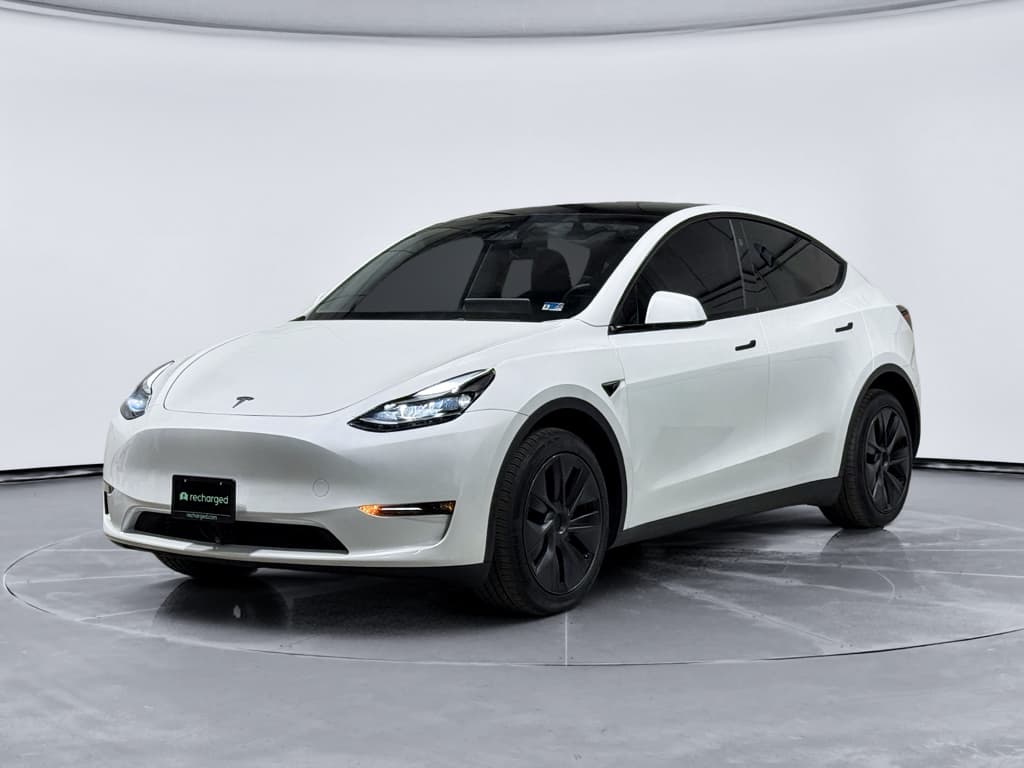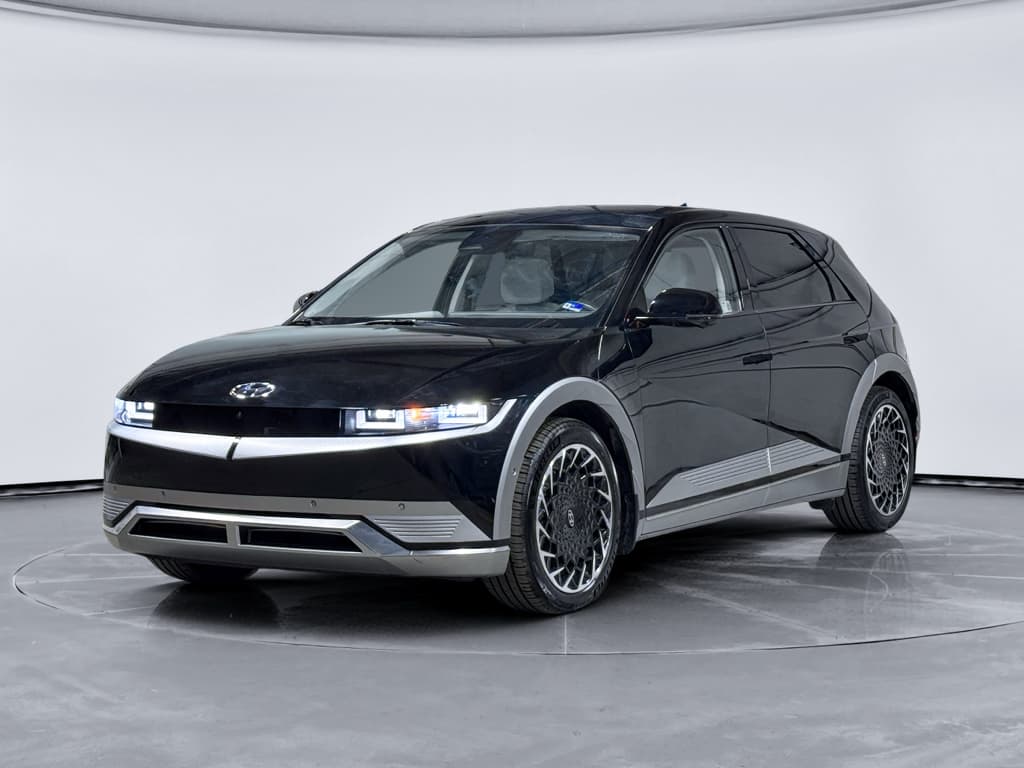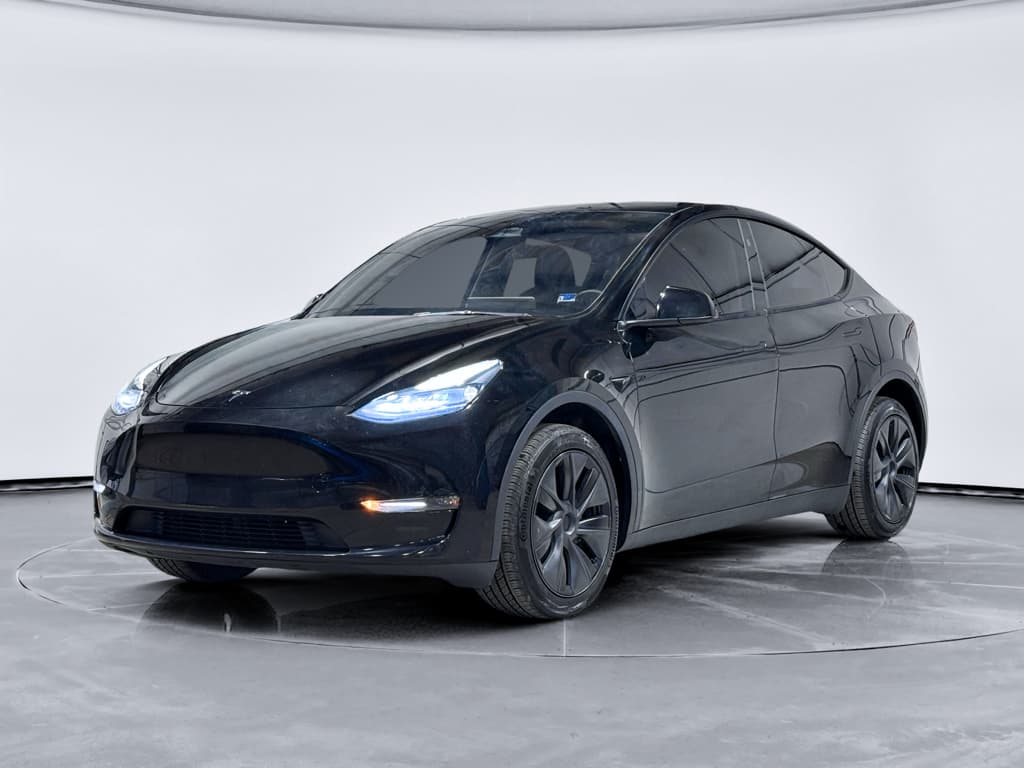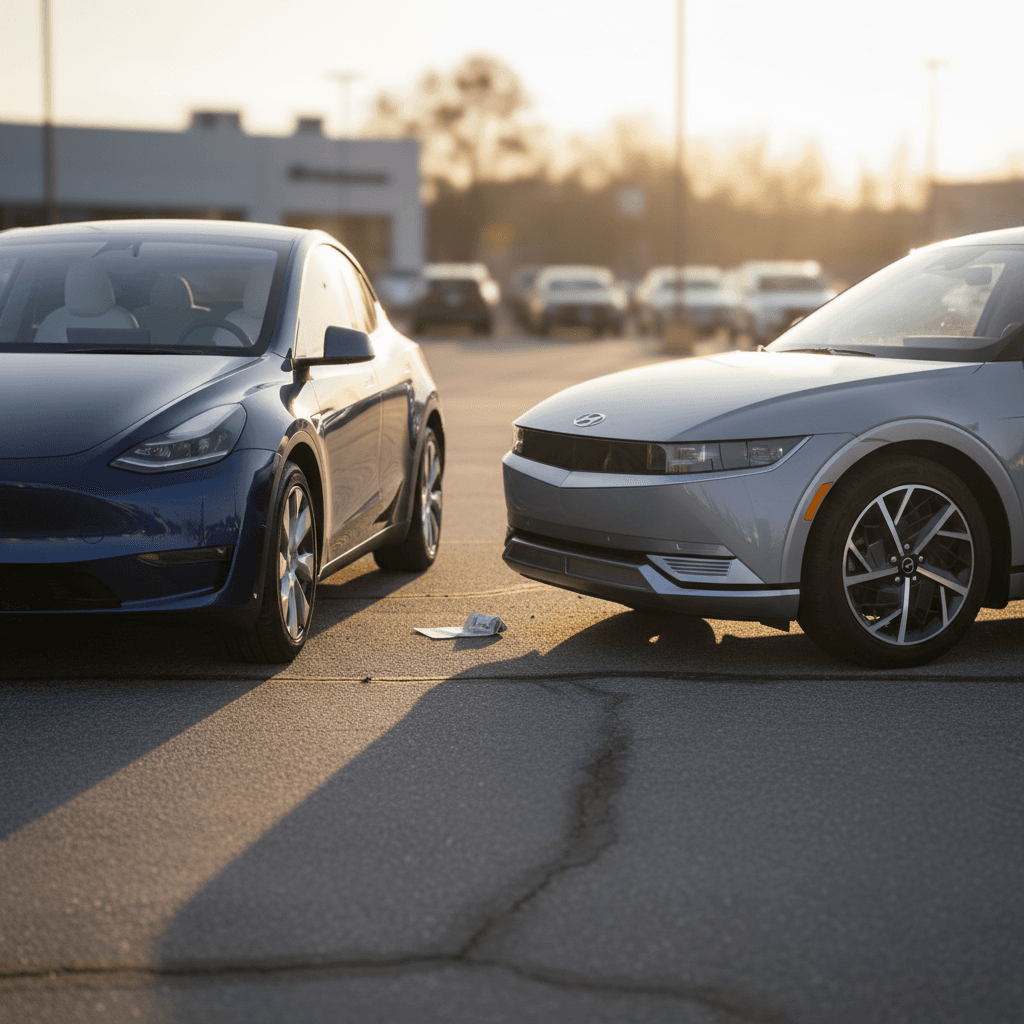
If your budget tops out around $30,000, a **used Tesla Model Y vs used Hyundai Ioniq 5 under $30,000** is probably high on your short list. Both are roomy all‑electric crossovers, both have strong range, and both promise dramatically lower running costs than a comparable gas SUV. But they’re very different ownership experiences, and at this price point you’re shopping very different years, trims, and mileages for each.
The short answer
Understanding the $30,000 used EV budget
Before you decide between these two EVs, it helps to be realistic about what **$30,000 actually buys** in today’s U.S. used‑EV market. After a spike of price cuts in 2024–2025, used Tesla values stabilized and have even ticked back up in early 2026, especially on popular crossovers like the Model Y. Meanwhile, depreciation on the Hyundai Ioniq 5 has brought many well‑equipped 2022–2023 examples into the mid‑$20,000s to low‑$30,000s, especially with average mileage.
- Under $25,000: Mostly higher‑mileage Ioniq 5s, earlier build years, or cars with cosmetic/accident history. Model Y inventory here is rare and usually heavily used or compromised.
- $25,000–$30,000: Sweet spot for clean‑title 2022–2023 Ioniq 5s with reasonable miles. Model Y options exist, but they’re more likely to be 2020–2021 cars with higher miles or base trims.
- Over $30,000: Larger selection of clean used Model Y along with newer, nicer‑trim Ioniq 5s.
Think “out‑the‑door,” not sticker
Can you actually find a used Tesla Model Y under $30,000?
In most U.S. markets today, a **used Tesla Model Y under $30,000** is possible but not common. Early‑production 2020–2021 Long Range and Standard Range models with higher mileage, basic interiors, or prior accident history are the most likely candidates in this price band.
What a sub‑$30k Model Y usually looks like
Expect trade‑offs versus similar‑budget Ioniq 5s
Older build years
Most sub‑$30k Model Y listings will be 2020–2021 vehicles, occasionally 2022 with very high miles or stories in their history reports.
Higher mileage
It’s common to see 60,000–100,000+ miles at this price, especially on all‑wheel‑drive Long Range models used for long‑distance commuting or ride‑share.
More compromises
Salvage or rebuilt titles, cosmetic damage, missing accessories, and out‑of‑basic‑warranty cars are all more likely when a Model Y dips below $30k.
Watch out for false bargains
Used Hyundai Ioniq 5 pricing under $30,000
The **used Hyundai Ioniq 5** landscape is friendlier in this budget. In 2026, many 2022–2023 Ioniq 5s, especially mid‑level trims and rear‑wheel‑drive models, trade in roughly the **mid‑$20,000s to low‑$30,000s**, depending on mileage, options, and battery health. That means a $30k cap can buy you a newer car, often with some factory warranty still in play.
Typical Ioniq 5 deal under $30k
Why Ioniq 5 is easier under $30k
Key specs: Model Y vs Ioniq 5 at a glance
Tesla Model Y vs Hyundai Ioniq 5 (common used trims under $30k)
Approximate specs for popular configurations you’re likely to see near the $30,000 mark. Always verify exact equipment on the VIN you’re buying.
| Spec | Used Tesla Model Y (Typical Sub‑$30k) | Used Hyundai Ioniq 5 (Typical Sub‑$30k) |
|---|---|---|
| Common years | 2020–2021 Long Range / Standard Range | 2022–2023 SE / SEL / Limited |
| Battery size (gross) | ~75–82 kWh | 58 kWh (Standard) or ~77 kWh (Long‑range) |
| EPA range (best‑case trims) | Up to ~326 miles new | Up to ~303 miles new (RWD, big battery) |
| Drivetrain | RWD or Dual‑motor AWD | RWD or Dual‑motor AWD |
| DC fast‑charge peak | ~250 kW (Supercharger V3) | Up to ~235 kW (800‑V architecture) |
| Seating | 5 or optional 7 (small 3rd row) | 5 (no third row) |
| Cargo volume (approx.) | 30+ cu ft behind 2nd row | 27+ cu ft behind 2nd row |
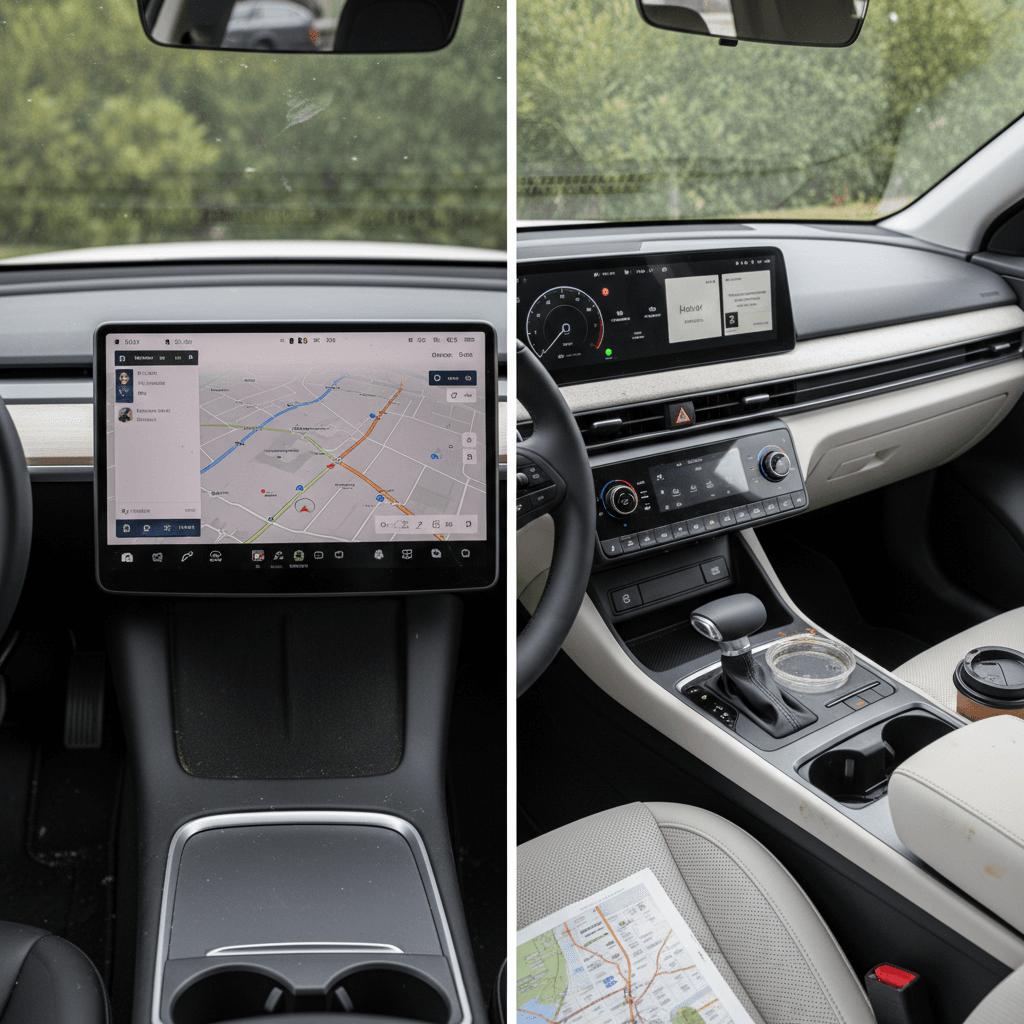
| Infotainment | 15" Tesla touchscreen, no CarPlay/Android Auto | Dual 12.3" screens, wired CarPlay/Android Auto (region‑dependent on year/trim) |
Specs will vary by year, drivetrain, and wheel size, treat this as a starting point, not gospel.
Range, efficiency, and real‑world commuting
When these vehicles were new, the **Tesla Model Y Long Range** posted slightly higher EPA range numbers than most Ioniq 5 trims. But by the time you’re comparing **3‑ to 5‑year‑old used examples under $30,000**, a lot depends on battery health, wheel size, climate, and how the previous owner drove and charged the car.
Used Model Y: range expectations
- Early Long Range cars were rated around 316–326 miles when new.
- Real‑world highway range at 70 mph often falls in the 230–270 mile band depending on conditions.
- High‑mileage cars may show modest degradation; how they were charged (lots of DC fast charging vs home AC) matters.
Used Ioniq 5: range expectations
- Long‑range RWD versions are typically rated around 280–303 miles when new, depending on wheels.
- Exceptional efficiency in city and mixed driving, especially in moderate climates.
- Some early owners report very low degradation with proper care, thanks to active thermal management.
Match range to your daily pattern
Charging experience: Tesla vs Hyundai
Charging is where the ownership experiences really diverge, and where your local infrastructure and travel habits should heavily influence your decision.
Home and public charging: what it feels like to live with each
Same electrons, very different ecosystems
Tesla Model Y
- Instant access to Tesla’s **Supercharger network**, still the gold standard in simplicity and reliability in many parts of the U.S.
- Navigation tightly integrated with chargers: the car preconditions the battery and routes you optimally.
- Adapters open up many CCS/J1772 public options, but most owners lean on Superchargers plus home charging.
Hyundai Ioniq 5
- Ultra‑fast 800‑V DC charging on compatible stations, 0–80% in roughly 18–20 minutes in ideal conditions.
- Relies on **third‑party networks** (Electrify America, EVgo, etc.), which can be excellent in some regions and frustrating in others.
- Standard J1772/CCS hardware makes it easy to use Level 2 stations at work, apartments, and public lots.
Know your local network
Space, comfort, and everyday usability
Both the Model Y and Ioniq 5 are family‑friendly crossovers, but they approach packaging very differently. The Model Y looks and feels like a conventional taller hatchback, prioritizing cargo volume and, optionally, a small third row. The Ioniq 5 leans into its EV skateboard platform with a long wheelbase, flat floor, and lounge‑like cabin.
Tesla Model Y usability highlights
- Available third‑row seats (best for kids) can be a deciding factor for larger families.
- Deep rear well and frunk provide strong total cargo space.
- Ride quality skews firm; some owners find it busy on rough pavement.
Hyundai Ioniq 5 usability highlights
- Excellent rear‑seat legroom and a sliding rear bench make it feel almost like a midsize SUV inside.
- Flat floor and squared‑off roofline make installing car seats and loading bulky items easy.
- Quieter, more relaxed ride than many crossovers, great for longer drives.
Kids, car seats, and pets
Tech, safety, and driver‑assistance
Both of these EVs are packed with tech, but Tesla and Hyundai prioritize different philosophies. Under $30,000, you’re typically comparing an earlier‑software Model Y with basic Autopilot against a newer Ioniq 5 loaded with Hyundai’s latest safety suite.
Technology trade‑offs
Minimalist Tesla vs feature‑rich Hyundai
Infotainment & apps
Model Y: Huge 15‑inch screen, slick UI, lots of built‑in apps and games, but no Apple CarPlay or Android Auto.
Ioniq 5: Dual 12.3‑inch screens, conventional menus, and wired CarPlay/Android Auto on many trims, which many shoppers prefer.
Driver assistance
Model Y: Standard Autopilot (adaptive cruise + lane keeping) on most used cars. Optional, pricier Full Self‑Driving on some used examples, treat it as driver assist, not autonomy.
Ioniq 5: Hyundai’s Highway Driving Assist and Smart Cruise Control deliver confident lane‑centering and traffic‑jam support.
Safety ratings
Both vehicles have strong crash‑test performance and a full suite of airbags and active safety features. As always, check the exact model year and trim you’re buying for standard vs optional safety tech.
Reliability, battery health, and warranty
A used EV is only as good as its **battery and major electronics**. Here, you’re weighing Tesla’s massive fleet experience and over‑the‑air software updates against Hyundai’s long factory warranty and promising early‑data on Ioniq 5 battery longevity.
Tesla Model Y reliability notes
- Common issues reported on early cars include wind noise, trim fit, and occasional infotainment glitches, many addressed under warranty.
- Battery and drive units have generally held up well, but out‑of‑warranty repairs can be costly.
- Service availability and turnaround times can vary widely by region.
Hyundai Ioniq 5 reliability notes
- Hyundai backs the high‑voltage battery with a long warranty (commonly 8 years/100,000 miles in the U.S.). Many 2022–2023 cars are still covered.
- Early owner reports show low battery degradation when cars are charged and stored sensibly.
- There have been scattered reports of 12‑volt battery and electronics hiccups; dealer support quality can vary, but parts pricing tends to be less painful than Tesla’s for non‑battery repairs.
How Recharged helps on battery health
Ready to find your next EV?
Browse VehiclesOwnership costs, insurance, and resale
Once you get beyond the purchase price, both of these EVs are inexpensive to run compared with a gasoline SUV. Electricity is cheaper than gas in most regions, and there are fewer moving parts to service. The real differences under $30k tend to show up in **insurance, potential repair bills, and future resale value**.
- Insurance: In many markets, Teslas carry higher insurance premiums than comparable non‑luxury brands. The Ioniq 5 often costs less to insure, but local carrier data is key, get quotes on the specific VINs you’re considering.
- Repairs: Out‑of‑warranty Tesla work done at Tesla Service Centers can be costly, though independent EV specialists are slowly expanding. Hyundai repairs can often be performed at a wide network of dealers with more predictable pricing.
- Resale: Tesla’s brand recognition and Supercharger access have historically supported strong resale. But EV depreciation is evolving quickly, and as more brands adopt the same charging standard, the gap could narrow. A well‑bought Ioniq 5 at today’s softer prices can be a very smart value play.
Run the numbers, not just the price tag
How to choose: Model Y vs Ioniq 5 under $30k
If we strip the comparison down to what matters for a used‑EV shopper with a firm $30,000 cap, patterns emerge. The Model Y delivers the **Tesla ecosystem** and a bit more real‑world range in many cases, but you’ll likely be buying older hardware with more miles. The Ioniq 5 trades that brand cachet for **newer model years, richer equipment, and more warranty** at the same budget.
Who should pick which under $30k?
Use‑case based guidance
Pick a used Tesla Model Y if…
- You road‑trip often and live in an area where Tesla Superchargers outnumber CCS fast‑chargers.
- You value the Tesla app ecosystem, minimalist interior, and higher range more than having the newest model year.
- You’re comfortable shopping older, higher‑mileage cars and leaning on an independent EV inspection to avoid problem examples.
Pick a used Hyundai Ioniq 5 if…
- You want the newest, lowest‑mileage EV SUV you can get under $30k, ideally with warranty left.
- You prefer a more conventional control layout, Apple CarPlay/Android Auto, and a quieter, more comfortable ride.
- Your region has solid CCS fast‑charging, or most of your driving will be done within home‑charging range.
Checklist: test‑driving a used EV SUV
Smart steps before you buy any used Model Y or Ioniq 5
1. Confirm battery health
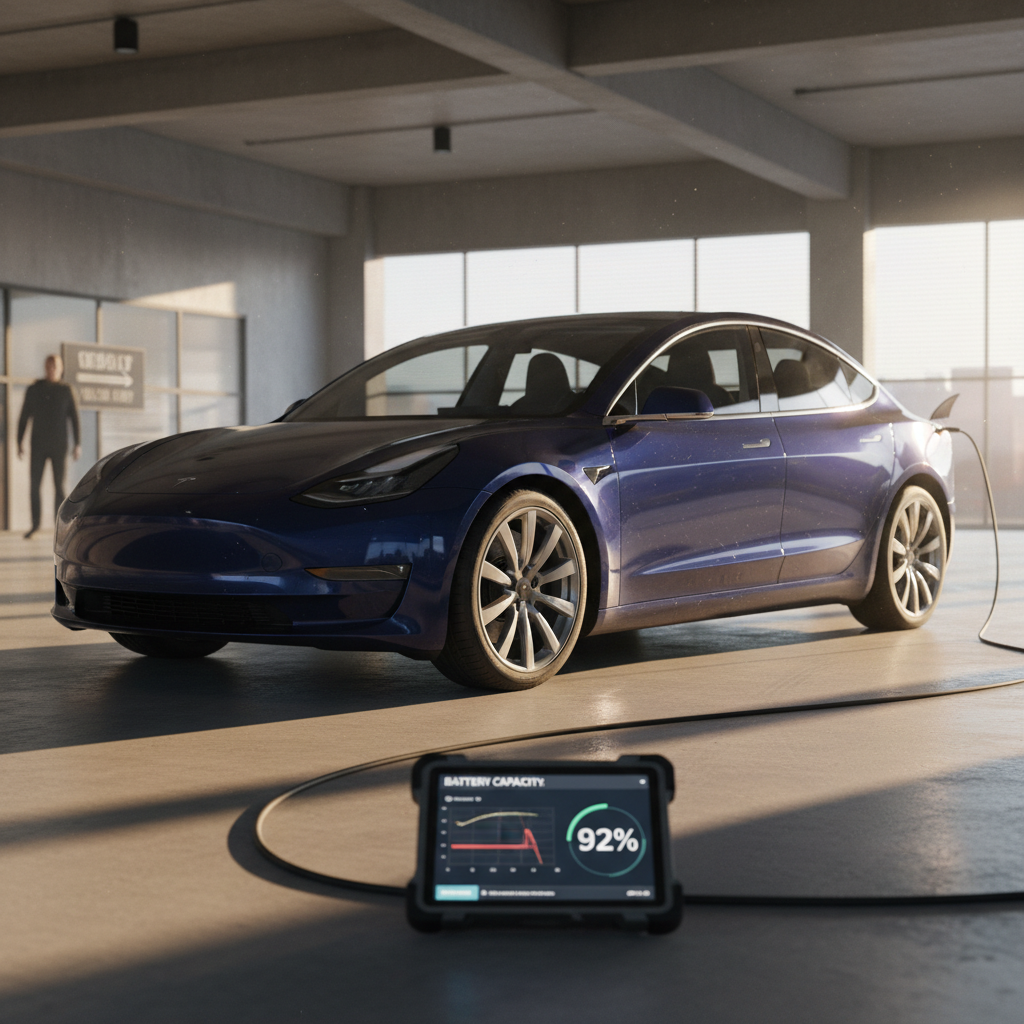
Ask for objective battery health data, not just the dash range estimate. On Recharged, the Recharged Score Report summarizes remaining capacity and charging history so you can compare candidates apples‑to‑apples.
2. Review the charging history
Frequent DC fast‑charging isn’t a deal‑breaker, but a car that lived almost exclusively on fast‑chargers deserves closer scrutiny. Look for a balance of home Level 2 and road‑trip DC fast‑charging.
3. Inspect tires and brakes
EVs are heavy and quick; they eat tires faster than many gas cars. Uneven wear can reveal alignment issues or suspension damage, factor replacement tires into your budget if they’re near the wear bars.
4. Test all driver‑assistance features
On your test drive, engage Autopilot/Highway Driving Assist, adaptive cruise, and lane‑keeping on a safe stretch of road. Any warning lights, steering pull, or erratic behavior should be resolved before you buy.
5. Check infotainment and connectivity
Pair your phone, test CarPlay/Android Auto on the Ioniq 5, and explore Tesla’s apps on the Model Y. A glitchy or laggy interface can get old fast in daily use.
6. Get an independent EV‑focused inspection
A pre‑purchase inspection from an EV‑savvy technician, or a transparent condition and battery report from a marketplace like Recharged, can save you from expensive surprises.
FAQ: used Tesla Model Y vs used Hyundai Ioniq 5 under $30,000
Frequently asked questions
Bottom line: which used EV SUV is the better buy?
If you’re shopping **used Tesla Model Y vs used Hyundai Ioniq 5 under $30,000**, the pragmatic answer is this: at that budget, the Ioniq 5 usually gives you more car, newer build, lower miles, richer trim, and more remaining warranty. The Model Y still makes sense if you live squarely in Tesla country, take frequent road trips, and can find a clean, well‑documented example that fits your budget. But for many value‑oriented used‑EV buyers, an Ioniq 5 sourced from a transparent marketplace like Recharged, with a verified battery‑health report and nationwide delivery, is the smarter, lower‑stress path into electric SUV ownership.