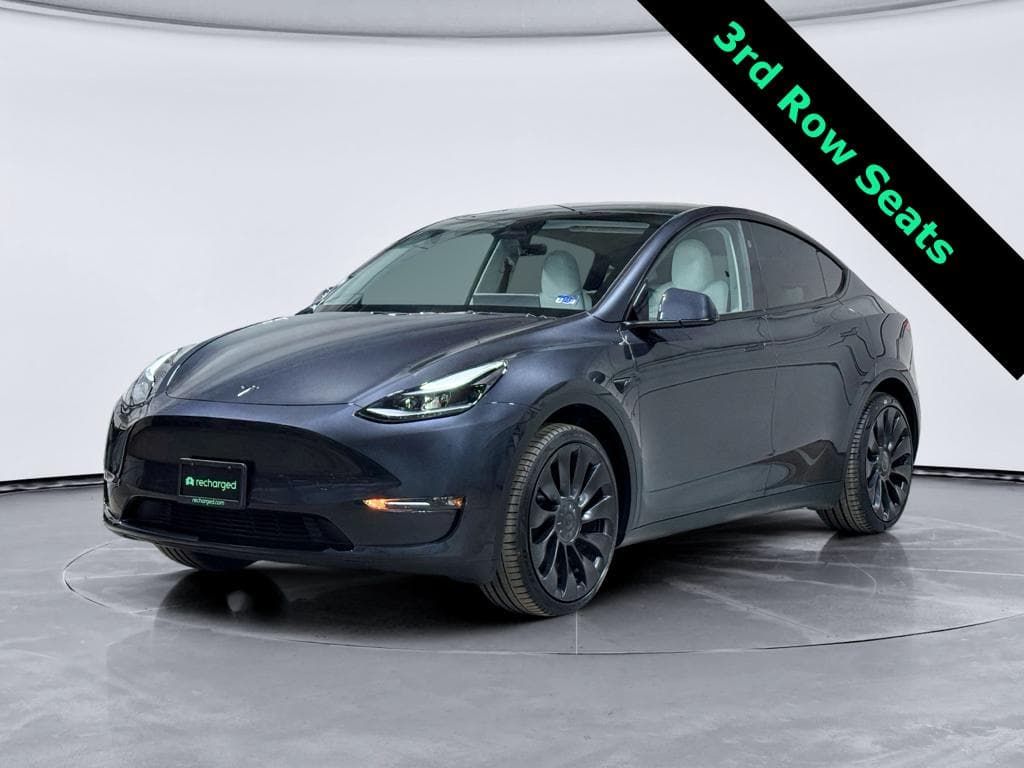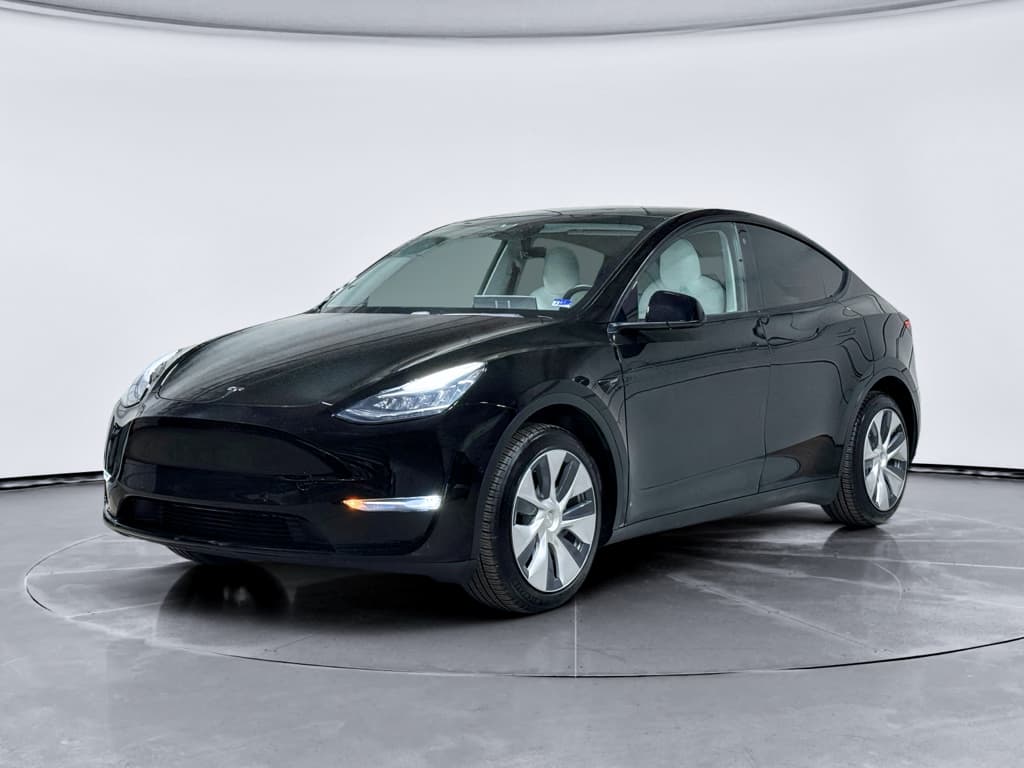
If you’re deciding between a used Tesla Model Y and a Toyota RAV4 Hybrid, you’re probably less worried about 0‑60 times and more interested in the total cost of ownership. This guide walks through real‑world 5‑year costs, purchase price, fuel or electricity, maintenance, insurance, and resale value, so you can see how a used Tesla Model Y vs Toyota RAV4 Hybrid total cost really compares.
Quick take
Why compare a used Tesla Model Y vs Toyota RAV4 Hybrid?
On paper, the used Tesla Model Y and Toyota RAV4 Hybrid occupy the same space: practical, family‑friendly compact SUVs with strong efficiency. The RAV4 Hybrid is the default choice if you want low fuel costs without going full EV. The Model Y is the most popular electric SUV in the U.S. and a common entry point into EV ownership, especially on the used market, where early depreciation has already hit.
Comparing these two helps you answer the real question: Is a used EV actually cheaper to live with than a top‑tier hybrid? To do that honestly, we need clear assumptions and transparent math, not rosy marketing.
Baseline assumptions: how we calculated total cost
Total cost of ownership swings a lot based on how you drive and where you live. To keep this comparison grounded, we’ll use a common scenario and then show how changes in miles or energy prices affect the outcome. All numbers are rounded and meant as directional guidance, not a quote from a lender or insurer.
- Timeframe: 5 years of ownership on a used vehicle purchased today
- Annual mileage: 12,000 miles/year (U.S. average); we’ll mention high‑mileage cases at 15,000–18,000 miles
- Fuel price: about $3.50 per gallon of regular gas
- Home electricity: about $0.15 per kWh blended rate
- Driving mix: mostly suburban/highway with some city traffic
- Financing: 60‑month loan with similar interest rate for both vehicles
- Models compared: mid‑trim used Tesla Model Y Long Range vs mid‑trim RAV4 Hybrid XLE/XSE with similar mileage and condition
Important disclaimer
At-a-glance: 5‑year cost anchors (illustrative)
5‑year total cost: used Model Y vs RAV4 Hybrid at a glance
Illustrative 5‑year total cost of ownership
Approximate 5‑year ownership costs for a used Tesla Model Y Long Range vs Toyota RAV4 Hybrid, assuming 12,000 miles per year. Numbers are rounded to keep the comparison simple and are for example purposes only.
| Cost category | Used Tesla Model Y | Toyota RAV4 Hybrid |
|---|---|---|
| Purchase price (used, out the door) | $38,000 | $34,000 |
| Finance interest (5 years) | $4,000 | $3,500 |
| Energy (electricity or fuel) | $3,900 | $8,400 |
| Maintenance & repairs | $3,000 | $4,000 |
| Insurance (5 years) | $7,500 | $6,500 |
| Taxes/registration/fees | $3,000 | $2,800 |
| Estimated depreciation (5 years) | $13,000 | $11,000 |
| Approx. 5‑year total | $72,400 | $70,200 |
| Approx. cost per mile (60,000 mi) | $1.21/mi | $1.17/mi |
All figures are estimates and will vary by market, lender, insurer, and specific vehicle condition.
What this table actually says
Purchase price and financing for a used Model Y and RAV4 Hybrid
Used pricing moves quickly, but broadly speaking, a used Tesla Model Y Long Range with reasonable mileage (say 30,000–60,000 miles) usually lists above an equivalent‑age RAV4 Hybrid. The gap may be a few thousand dollars, but it depends on trim, options, and local demand.
How purchase price typically compares
Ballpark used prices for similar‑age vehicles in good condition
Used Tesla Model Y
- Often priced in the mid‑$30,000s to low‑$40,000s for mainstream trims.
- Performance and newer Long Range variants can push higher.
- EV tax credits on used vehicles may apply in some cases, reducing effective cost.
Used Toyota RAV4 Hybrid
- Commonly found in the low‑$30,000s to mid‑$30,000s for similar model years.
- Top trims or low‑mile examples climb higher.
- Fewer direct federal incentives, but some states help hybrids with tax or HOV perks.
Where Recharged can help on price
Financing magnifies any price difference. A few thousand dollars more on the sale price can easily translate into $40–$70 more per month on a 60‑month loan. On the flip side, if you qualify for a used EV tax credit or secure better terms on the Model Y, you can narrow or erase that gap.
Fuel vs electricity costs: where the Model Y can win big
Energy is where the Tesla looks strongest. The RAV4 Hybrid is one of the most efficient gas SUVs you can buy, but it still burns gasoline. The Model Y uses electricity only, and if you charge mostly at home, your per‑mile cost is usually dramatically lower.
Estimated 5‑year energy costs (12,000 miles/year)
Illustrative fuel vs electricity comparison for a RAV4 Hybrid and Tesla Model Y with mixed driving.
| Vehicle | Assumed efficiency | Energy price | Annual energy cost | 5‑year energy cost |
|---|---|---|---|---|
| Toyota RAV4 Hybrid | ~40 mpg combined | $3.50/gal gas | ~$1,680 | ~$8,400 |
| Tesla Model Y | ~28 kWh/100 mi (~3.6 mi/kWh) | $0.15/kWh home | ~$780 | ~$3,900 |
Real‑world mileage and electricity rates will change these numbers, but the directional difference is consistent: electricity is typically cheaper per mile than gasoline.
Where high‑mileage drivers win big with EVs
When the Model Y clearly saves you money
- You can charge at home most nights at a reasonable kWh rate.
- You drive more than average miles, especially highway commuting.
- Your local gas prices are regularly above the national average.
- You rarely need to rely on expensive DC fast charging.
When the RAV4 Hybrid narrows the gap
- You live in an area with high electricity prices and cheap gasoline.
- You can’t install home charging and rely on public DC fast chargers.
- You drive fewer miles per year, so fuel savings are small in absolute dollars.
- Time spent detouring to public chargers has a real cost to you.
Maintenance and repairs: EV simplicity vs Toyota reliability
The RAV4 Hybrid has a stellar reputation for reliability, but it’s still a gasoline vehicle at its core. It needs oil changes, transmission fluid, exhaust system components, and more complex hardware than a pure EV. The Tesla Model Y trades all of that for a simpler powertrain, but introduces EV‑specific concerns like battery health and out‑of‑warranty repair costs.
Typical maintenance profile over 5 years
What you’re likely to pay for each vehicle type (excluding accidents and major one‑offs)
Tesla Model Y (used)
- No oil changes; far fewer moving parts.
- Tires and brake service still required, EVs can be hard on tires due to weight and torque.
- Cabin air filter, brake fluid checks, and occasional software‑related service.
- Out‑of‑warranty items (door handles, suspension, screens) can be pricey but infrequent.
Illustrative 5‑year budget: around $3,000 for routine maintenance and light repairs, assuming no major battery or drive‑unit issues.
Toyota RAV4 Hybrid (used)
- Regular oil and filter changes.
- Engine air filter, spark plugs, transmission and coolant service over time.
- Hybrid system is generally robust but more complex than pure EV hardware.
- Brake wear can be mild thanks to regenerative braking, but there is still a full exhaust and fuel system to maintain.
Illustrative 5‑year budget: around $4,000 in routine maintenance and modest repairs for a used example.
Battery health matters more for the Tesla
Insurance, taxes, and fees: what many shoppers forget
Insurance can tilt this comparison in either direction depending on your profile. In many markets, Teslas, especially newer ones with expensive bodywork and advanced driver‑assist hardware, carry higher comprehensive and collision premiums than mainstream Toyotas. That’s why we assumed a modest insurance advantage for the RAV4 Hybrid.
Illustrative 5‑year insurance and fee costs
Approximate totals based on a typical suburban U.S. driver with good credit and a clean record.
| Category | Used Tesla Model Y | Toyota RAV4 Hybrid |
|---|---|---|
| Insurance (5 years) | ~$7,500 | ~$6,500 |
| Sales tax, title, and registration | ~$3,000 | ~$2,800 |
Local insurance rating factors and state tax rules can move these numbers significantly. Always get quotes for the specific VINs you’re considering.
Don’t forget incentives and EV‑specific fees
Depreciation and resale value for used Model Y and RAV4 Hybrid
Because we’re looking at used vehicles, the steepest first‑year depreciation has already happened for both. That’s good news. From here, the question is how quickly each will lose value over another 5 years.
Used Tesla Model Y
- EV resale values are sensitive to new‑EV price cuts, technology changes, and evolving tax credits.
- Battery health, software features, and Supercharging access all influence what buyers will pay later.
- We assumed roughly $13,000 in depreciation over the next 5 years for a mainstream Model Y, but that could shift with future EV incentives.
Toyota RAV4 Hybrid
- Historically strong resale value thanks to Toyota’s reputation and hybrid demand.
- Less exposed to sudden tech shifts than a software‑heavy EV.
- We assumed about $11,000 in depreciation over 5 years for a comparable RAV4 Hybrid, slightly stronger residuals in percentage terms.
Why depreciation is hard to forecast
Non‑financial factors: charging, convenience, and driving experience
Total cost is more than dollars. Daily convenience and how the vehicle fits your life matter just as much, sometimes more. Here the Model Y and RAV4 Hybrid are very different experiences.
Living with a used Model Y vs RAV4 Hybrid
Key everyday trade‑offs beyond the spreadsheet
Charging vs fueling
Model Y: Charge at home overnight if you have a driveway or garage, no gas station stops, but you’ll need to install or arrange access to a charger. Road trips require planning around fast‑charging networks.
RAV4 Hybrid: Standard gas‑station experience; no need to think about charging infrastructure.
Driving feel
Model Y: Instant torque, quiet cabin, and strong acceleration. Feels more like a tech product than a traditional SUV.
RAV4 Hybrid: Smooth, efficient, and predictable. Not as quick, but familiar to most drivers.
Tech and software
Model Y: Over‑the‑air updates, large central screen, and an app‑centric experience.
RAV4 Hybrid: Conventional infotainment with CarPlay/Android Auto in most trims; fewer over‑the‑air changes.
The biggest deal‑breaker: home charging
Who should choose a used Tesla Model Y vs RAV4 Hybrid?
When a used Tesla Model Y is the smarter financial move
- You can install or already have Level 2 home charging.
- You drive moderate to high annual miles (12,000+), especially if gas is expensive locally.
- You qualify for a favorable used EV incentive or strong financing terms.
- You’re comfortable with a tech‑heavy vehicle and potential software quirks.
- You plan to keep the vehicle long enough to harvest the fuel savings (5+ years).
When the RAV4 Hybrid is the safer bet
- You can’t easily charge at home or rely heavily on street parking.
- You want predictable, low‑drama ownership with widespread dealer support.
- Your insurance quotes for the Model Y come in noticeably higher.
- You value proven long‑term reliability and mainstream resale over cutting‑edge tech.
- You drive fewer miles, so fuel savings don’t add up as quickly.
Checklist: what to do before you pick Model Y or RAV4 Hybrid
Pre‑purchase checklist: EV vs hybrid SUV
1. Get actual insurance quotes for both VINs
Don’t rely on averages. Ask your insurer (or a comparison site) for quotes on a specific used Tesla Model Y and a specific RAV4 Hybrid. A difference of <strong>$30–$60 per month</strong> can swing your total cost.
2. Map out your charging or fueling routine
If you’re leaning Model Y, be honest about where you’ll charge most nights and what it would take to add a <strong>Level 2 home charger</strong>. If that’s not realistic, factor in time and cost for public charging.
3. Compare real monthly payment scenarios
Look at total out‑the‑door price, down payment, term length, and rate. A slightly higher sticker on the Model Y might translate to a manageable difference, or not, depending on your financing.
4. Estimate your own energy costs
Pull a recent utility bill to see your actual <strong>$/kWh</strong>, then run the math against your annual mileage. Do the same with local gas prices and RAV4 Hybrid mpg to see your personal break‑even point.
5. Check battery and vehicle health on the Tesla
For any used Model Y, review objective battery‑health data if you can. Every EV sold through Recharged includes a <strong>Recharged Score Report</strong> with battery diagnostics, so you’re not guessing about future range or degradation.
6. Think about your exit strategy
Are you likely to keep the vehicle for 3 years or 8? Shorter ownership periods make <strong>depreciation and resale</strong> more important and can favor vehicles with stronger, more predictable used demand in your market.
Frequently asked questions: used Tesla Model Y vs RAV4 Hybrid costs
Common questions about Model Y vs RAV4 Hybrid total cost
Bottom line: which is cheaper to own?
When you run the numbers honestly, the used Tesla Model Y vs Toyota RAV4 Hybrid total cost story is not a blowout either way. With typical assumptions, they land within a few thousand dollars of each other over 5 years. The Model Y tends to win on energy and routine maintenance, while the RAV4 Hybrid leans on lower insurance, mainstream reliability, and strong resale.
If you have convenient home charging, drive more than average, and like the idea of an all‑electric SUV, a well‑vetted used Model Y can be the smarter financial and ownership play. If charging is a stretch or you simply want a conservative, low‑drama choice, the RAV4 Hybrid remains a benchmark. Either way, using a structured cost framework, and, for EVs, objective battery‑health data like the Recharged Score, will help you choose not just the right vehicle, but the right total cost for your life.