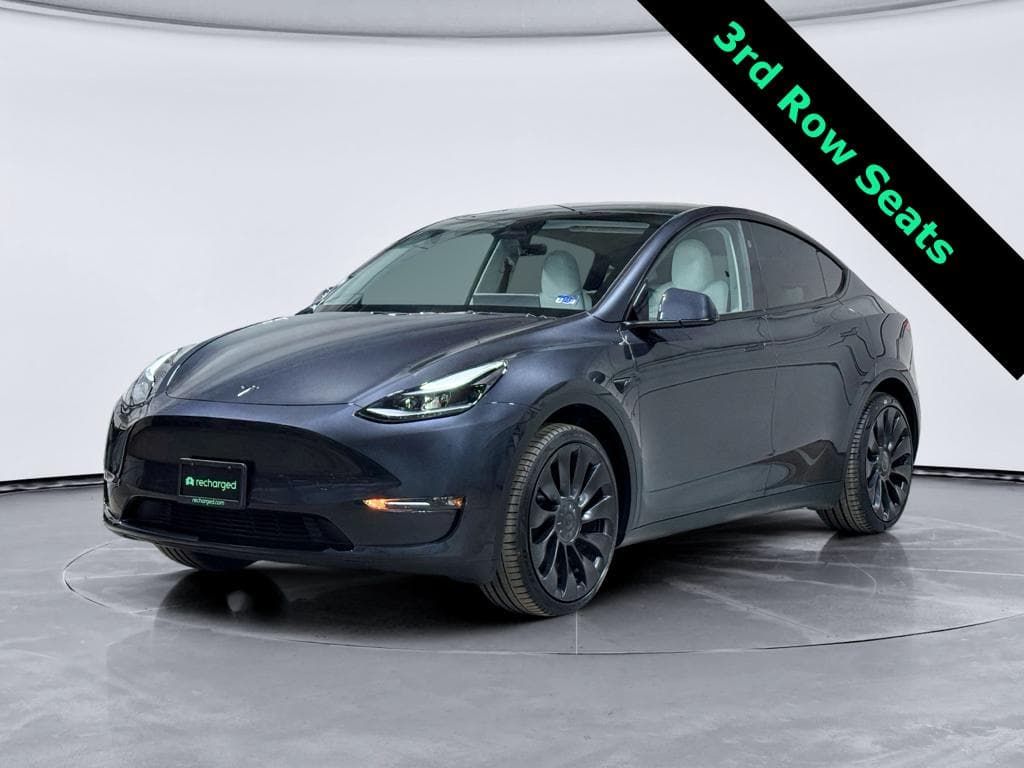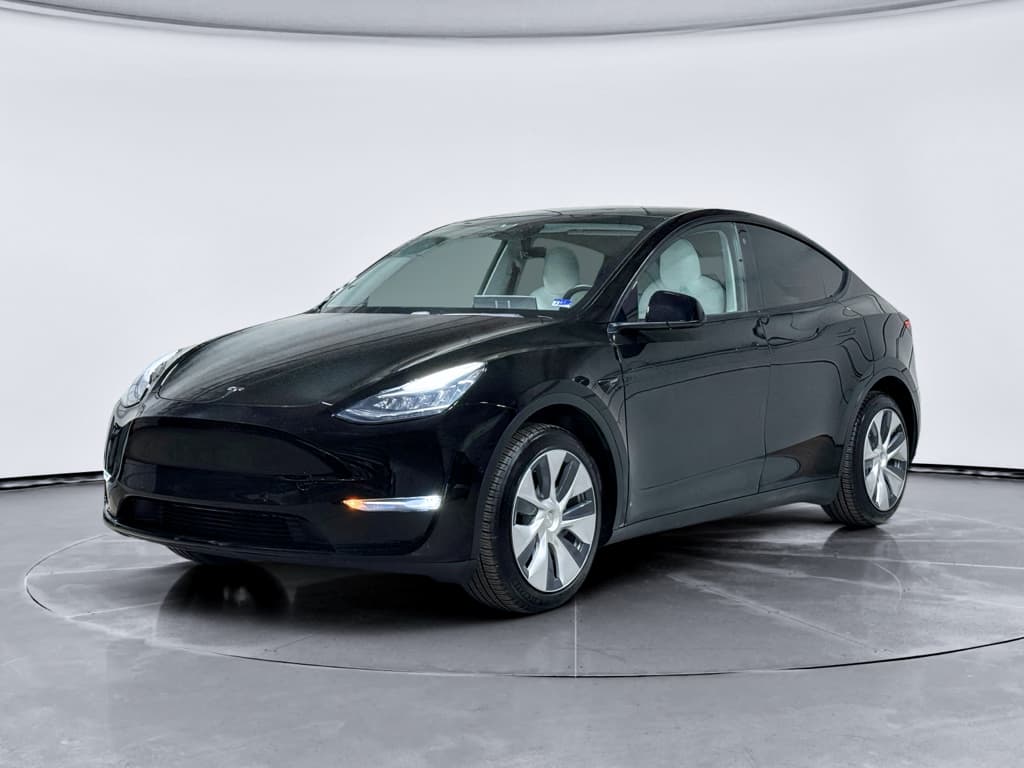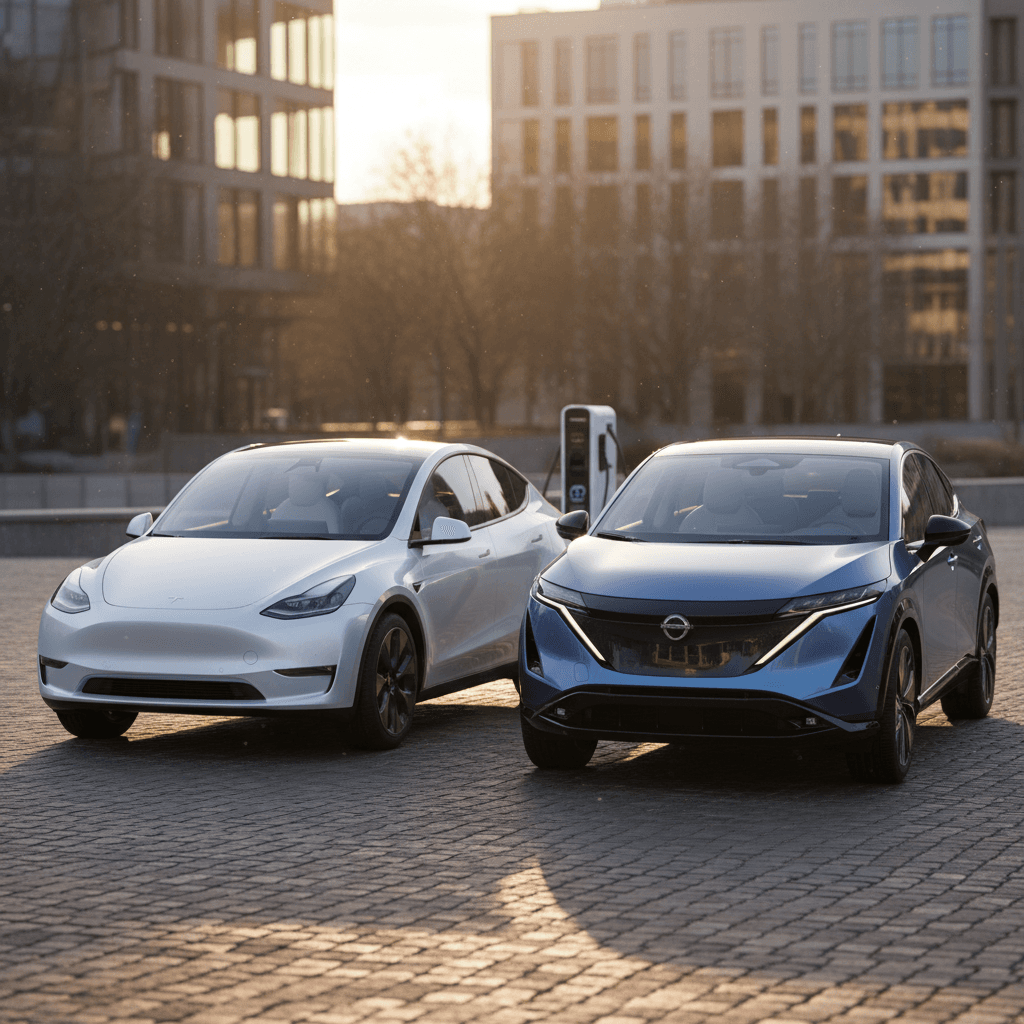
If you’re shopping for a used electric SUV, you’ll almost inevitably land on the used Tesla Model Y vs Toyota bZ4X debate. One is the default EV choice with big range and access to the Supercharger network. The other is Toyota’s first modern EV SUV, backed by a reputation for long-term reliability and a calmer, more traditional driving experience.
Two different paths to the same goal
Overview: Used Tesla Model Y vs Toyota bZ4X
On the U.S. used market in 2026, you’ll mostly see **2020–2024 Tesla Model Y** examples and **2023–2025 Toyota bZ4X** models. Both are compact-to-midsize crossover EVs with two rows of seats (some Model Y trims add a small third row) and similar exterior footprints. Under the skin, though, they take very different approaches to range, charging, and in-car tech.
Who each used EV SUV is best for
Match the car to your real daily life, not just the spec sheet
Used Tesla Model Y
Best for:
- Frequent highway trips and road‑trips
- Drivers who want long range and fast charging
- Tech‑forward owners who like over‑the‑air updates
Toyota bZ4X
Best for:
- Suburban and urban commuters
- Drivers who value comfort and a calmer interface
- Shoppers who prioritize Toyota’s brand reputation
Used EV value shoppers
Consider both if:
- You want a practical family EV SUV
- You plan to keep the car for many years
- You’re willing to trade some range for a better price
Quick specs: how a used Model Y and bZ4X compare
Exact numbers depend on model year and trim, but here’s how a typical used Tesla Model Y and Toyota bZ4X stack up in the real world.
Core specs: used Tesla Model Y vs Toyota bZ4X (typical U.S. trims)
Approximate EPA figures and commonly found specs for 2023–2024 model years.
| Spec | Used Tesla Model Y Long Range AWD | Used Toyota bZ4X FWD | Used Toyota bZ4X AWD |
|---|---|---|---|
| EPA range | Up to ~330 miles | Up to ~250–252 miles | ~220–228 miles |
| DC fast‑charge peak | Up to 250 kW on Supercharger | Up to ~150 kW (CCS/NACS) | Up to ~150 kW (CCS/NACS) |
| 0–60 mph | ~4.5–4.8 seconds (Long Range) | ~7.0–7.5 seconds | ~6.5–7.0 seconds |
| Cargo volume (rear seats up) | Roughly mid‑20s cu ft + front trunk | Low‑20s cu ft | Low‑20s cu ft |
| Drive types | RWD or AWD; some with 3rd row seat | FWD | AWD |
| Onboard AC charger | Up to 11.5 kW (newer) | 7.6–11 kW depending on year | 7.6–11 kW depending on year |
Always confirm exact range and charging numbers for the specific VIN you’re considering.
Used spec sheet trap
Range and charging: weekend warrior vs daily commuter
Range and charging are where the used Tesla Model Y vs Toyota bZ4X comparison stops being theoretical and starts changing your daily life. If you road‑trip often or drive big highway miles, you’ll feel these differences every single week.
Tesla Model Y: Long legs, big network
- Typical Long Range AWD examples advertise around 300+ miles of EPA range, with some trims a bit above or below.
- Access to the Tesla Supercharger network with up to 250 kW DC fast charging means 10–80% charges can be quick, especially on road trips.
- Even older Model Y builds tend to hold a comfortable highway range buffer above 200 miles, which reduces planning stress.
For a lot of U.S. drivers, that means you can drive all weekend or make a regional work trip with just one well‑timed fast charge.
Toyota bZ4X: Enough for most commutes
- Early U.S. bZ4X models offer up to roughly 250 miles EPA range in FWD form, and around the low‑220s for AWD.
- Peak DC charging is around 150 kW, with Toyota improving cold‑weather performance over time.
- Recent updates add support for Tesla’s North American Charging Standard (NACS) and better pre‑conditioning, making road‑trip charging less of a pain than on launch‑year cars.
For a suburban commuter who charges at home most nights, the range is perfectly workable. But long highway stints will require more frequent planning than in a Model Y.
How to think about range on a used EV
Battery health and degradation on the used market
You can’t see battery health by kicking the tires, and this is where a used EV is very different from a used gas SUV. Both the Model Y and bZ4X use liquid‑cooled packs and sophisticated thermal management, but they have different track records and warranty approaches.
Battery and warranty basics (typical U.S. spec)
Tesla has the advantage of more years of high‑volume EV production. Real‑world Model Y owners have reported gradual, mostly predictable battery degradation when charged and driven reasonably. Toyota engineered the bZ4X conservatively after decades of hybrid experience, but the earliest versions struggled with efficiency and cold‑weather charging. Updated software and hardware have helped, and newer models add features like pre‑conditioning and improved packs.
Why a third‑party health report matters
Space, comfort, and usability for real life
These two EVs appeal to the same households: kids, cargo, and maybe a dog or two. But they serve that mission in slightly different ways.
Model Y: Maximum interior efficiency
- A low, flat battery and minimalist interior yield generous legroom and headroom for a compact footprint.
- Cargo space is a strong point, especially with the rear seats folded, and you also get a useful front trunk (frunk).
- Some used Model Y examples have a small third row; it’s kid‑sized and best for short trips, but handy in a pinch.
If you regularly haul sports gear or do Costco runs, the Tesla’s packaging will make your life easier.
bZ4X: Feels like a familiar Toyota SUV
- Two spacious rows, with seating for five and a traditional hatchback cargo area.
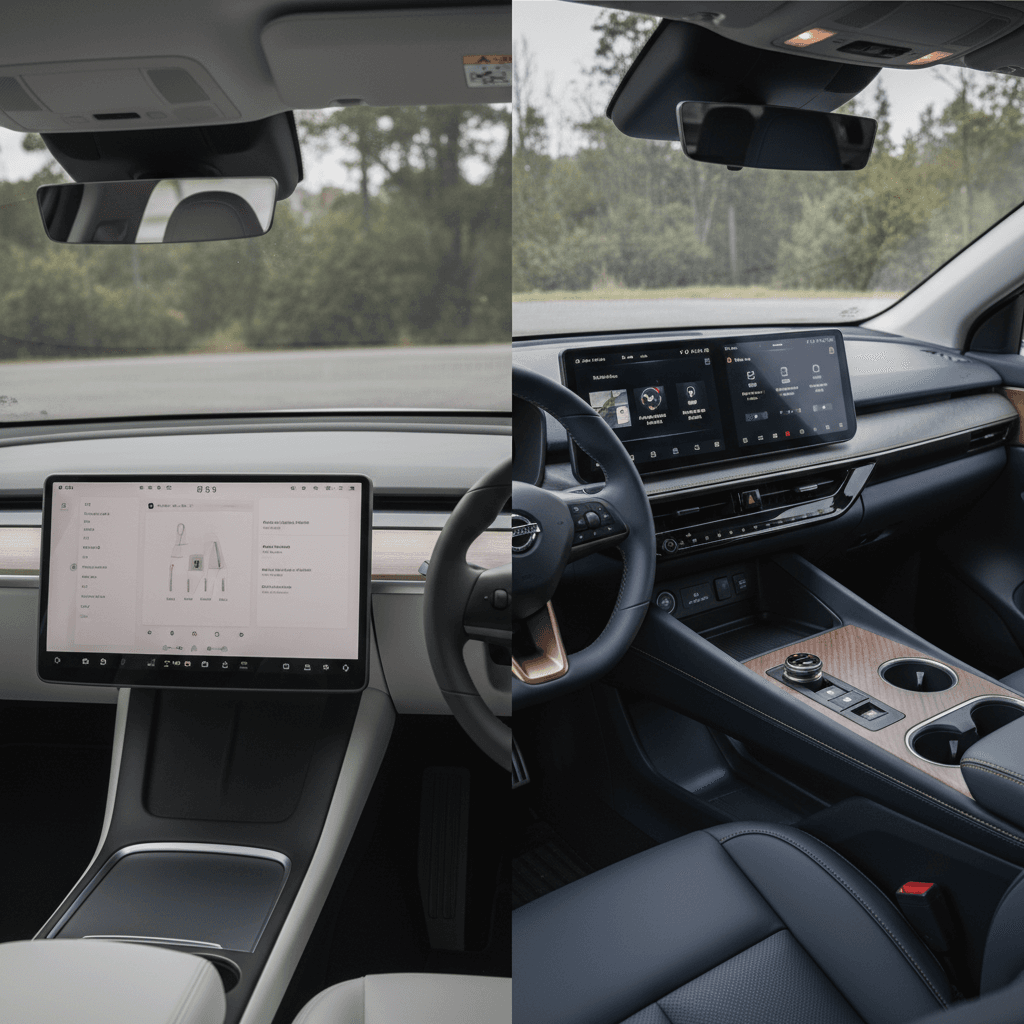
- The cabin has more physical controls and a warmer, more conventional layout than Tesla’s stark minimalism.
- Ride quality tends to be a bit softer and quieter, especially on later builds with added sound insulation and suspension tweaks.
If you’re coming out of a RAV4 or Highlander, the bZ4X’s cabin will feel more familiar on day one.
Driving experience, tech, and safety
From behind the wheel, the two SUVs almost feel like they were designed for different personalities. The Tesla prefers a clean, almost video‑game‑like interface and quick responses. The Toyota feels more like an upgraded version of the brand’s hybrids you’ve probably rented or owned before.
How they drive and what it’s like to live with them
Performance, driver assistance, and interior tech
Performance
- Model Y: Even Long Range trims feel quick; Performance models are legitimately fast.
- bZ4X: Adequate power for everyday driving; AWD trims feel more confident merging and passing.
In‑car tech
- Model Y: Huge central touchscreen runs nearly everything. Over‑the‑air updates routinely add features.
- bZ4X: Toyota’s newer infotainment with a big screen, plus wireless Apple CarPlay/Android Auto on later models.
Safety and assist systems
- Both offer strong crash‑test performance and advanced driver‑assist suites.
- Model Y leans on camera‑based “Autopilot” features; bZ4X uses Toyota Safety Sense with more traditional lane‑keeping and adaptive cruise.
Test the tech before you commit
Ownership costs, reliability, and resale value
On paper, an EV should be cheaper to own than a gas SUV thanks to lower fueling and maintenance costs. In practice, your costs will depend on charging habits, local electricity rates, and how long you keep the vehicle. For used buyers, depreciation and long‑term reliability matter just as much as MPGe.
- Energy costs: Both SUVs are far cheaper to “fuel” than gasoline crossovers, especially if you charge at home overnight. The bZ4X’s efficiency has improved with updates, but the Model Y still tends to go farther on a kilowatt‑hour in highway driving.
- Maintenance: Both largely skip oil changes and complex multi‑gear transmissions. You’re mostly looking at tires, brake fluid, cabin filters, and occasional software or hardware campaigns.
- Reliability: Tesla’s track record is mixed, great powertrains, but variable build quality and squeaks/rattles. Toyota, conversely, has built its reputation on long‑term durability and conservative engineering, and it’s applying that mindset to its EVs.
- Resale value: The Model Y has already gone through some price corrections as Tesla cut new‑car prices. That can push used values down but also makes it easier to get into one. Toyota’s slower rollout and smaller volumes may help the bZ4X hold a bit steadier, but local market conditions matter more than theory.
Where Recharged can tilt the math in your favor
Ready to find your next EV?
Browse VehiclesWhich used EV SUV fits your life?
Specs are one thing. Living with the car every day is another. Here’s how to make the used Tesla Model Y vs Toyota bZ4X decision based on your actual life instead of a spreadsheet.
Choose the SUV that matches your lifestyle
High‑mileage commuter or frequent road‑tripper
You regularly drive 80+ miles a day or do multi‑state trips a few times a year.
You value quick DC fast charging and want seamless long‑distance charging stops.
You’re comfortable with a mostly touchscreen‑based interface and frequent software updates.
→ A used <strong>Model Y Long Range</strong> is likely the better fit.
Suburban family with predictable routines
Most of your driving is school runs, errands, and a 20–40‑mile daily commute.
You have (or plan to install) Level 2 charging at home.
You want a calm, familiar cabin with physical controls and Toyota’s dealer/service footprint.
→ A used <strong>bZ4X</strong> will do the job comfortably and may cost less to buy.
First‑time EV buyer testing the waters
You’re EV‑curious but a little nervous about range, tech, and repair costs.
You care about total cost of ownership and aren’t chasing the quickest 0–60 time.
You’d like expert guidance on charging setup, tax incentives, and trade‑ins.
→ Either SUV can work, use a <strong>Recharged EV specialist</strong> to walk through options and battery reports on individual cars.
Checklist: what to inspect on a used Model Y or bZ4X
Any used EV deserves a closer look than “it looks clean and the tires are shiny.” Here’s a focused checklist for these two SUVs.
Used Tesla Model Y & Toyota bZ4X inspection checklist
1. Verify battery health and real‑world range
Ask for a recent full‑charge estimate and trip data. Ideally, review a third‑party battery health report such as the <strong>Recharged Score</strong>. Compare what the car shows today to its original EPA rating rather than trusting the seller’s guess.
2. Check DC fast‑charging behavior
If possible, observe a DC fast‑charge session from a low state of charge. Look for unusually slow charging or abrupt charging stops, which can hint at thermal management issues or past abuse.
3. Inspect tires and suspension wear
EVs are heavy and torque‑rich. On a Model Y, check inner tire wear and pay attention to clunks or squeaks over bumps. On a bZ4X, listen for suspension noises and feel for uneven ride quality, especially on early builds.
4. Test every infotainment and driver‑assist feature
In a Model Y, live in the touchscreen for 15–20 minutes: climate, navigation, app connectivity, and driver‑assist menus. In a bZ4X, verify Toyota Safety Sense features like lane‑keeping and adaptive cruise, and confirm wireless CarPlay/Android Auto if listed.
5. Look for software and recall history
For both models, confirm that major recalls and software campaigns have been addressed. Many items can be fixed with software updates, especially on Tesla, but some require hardware appointments. A clean service history is worth paying for.
6. Plan your charging life before you buy
Map your daily routine and charging options. Will you charge overnight at home on a 240V Level 2, or depend on workplace and public charging? A Recharged advisor can help you model real costs and recommend hardware before you pick the car.
FAQ: Used Tesla Model Y vs Toyota bZ4X
Frequently asked questions about used Model Y and bZ4X
Bottom line: How to shop smarter with Recharged
If you boil it down, the used Tesla Model Y is the long‑range, high‑tech athlete of the family EV world, while the Toyota bZ4X is the calm, practical partner with a familiar Toyota feel. One isn’t objectively better than the other, they simply solve the same problem in different ways.
If your life revolves around highways, road trips, and you like living on the bleeding edge of in‑car software, a well‑vetted used Model Y will feel like the right call. If you mainly run local errands, appreciate a softer ride, and trust Toyota’s design conservatism, a properly updated bZ4X makes a lot of sense, especially if you can buy it at a discount to its Tesla rival.