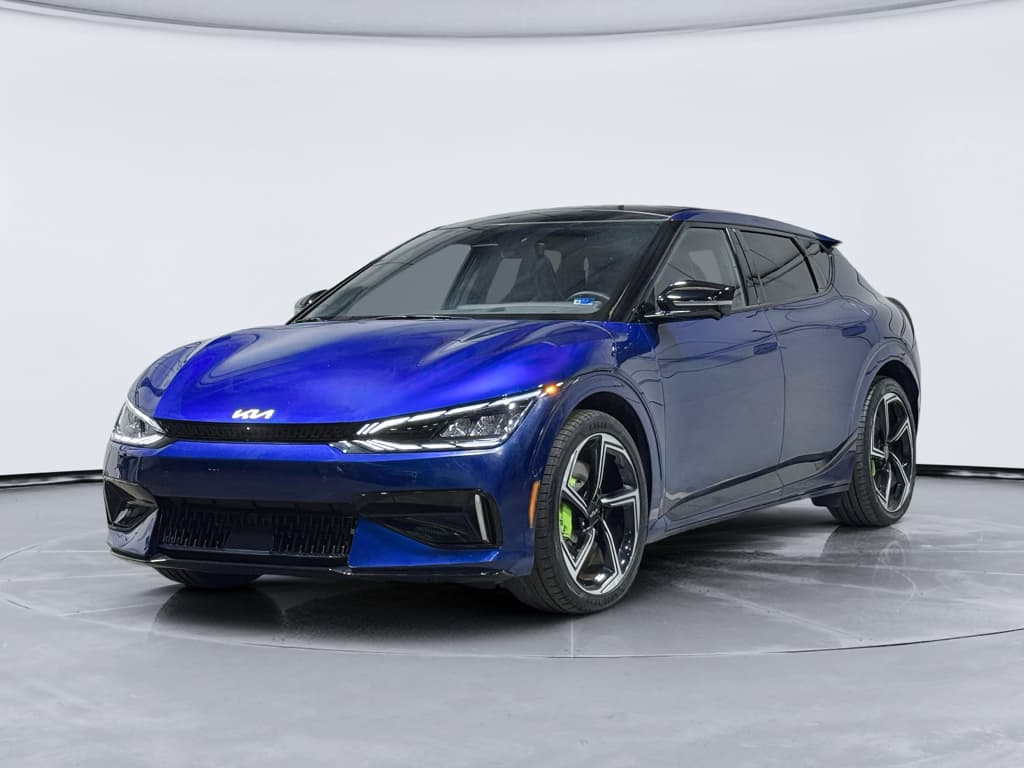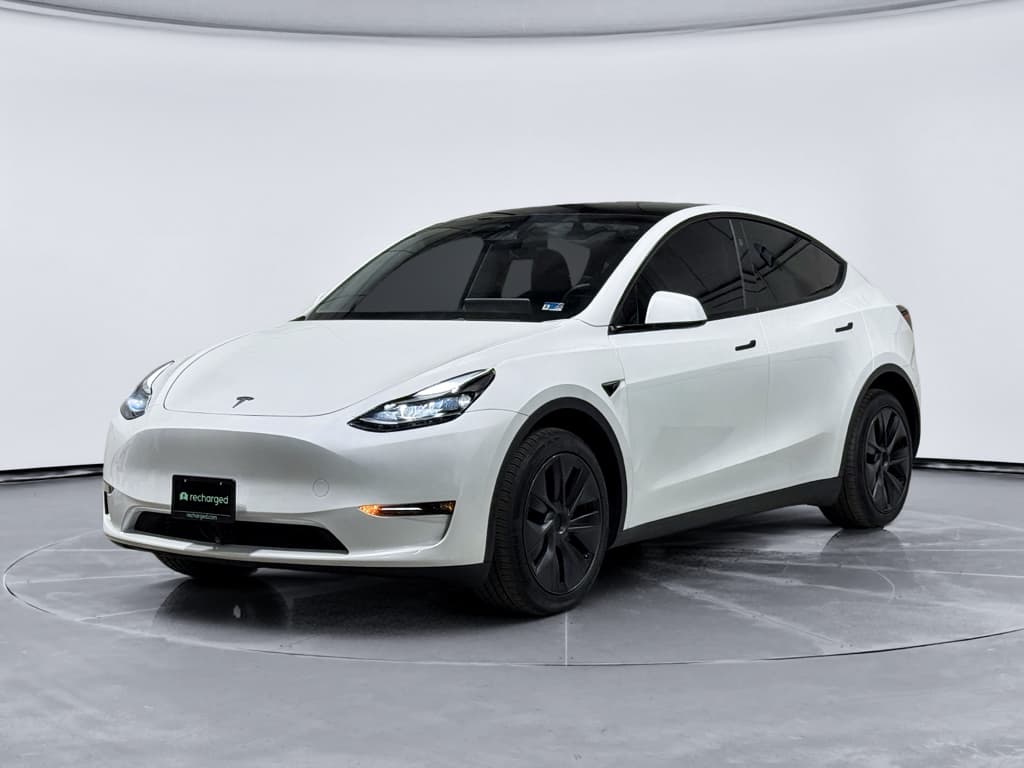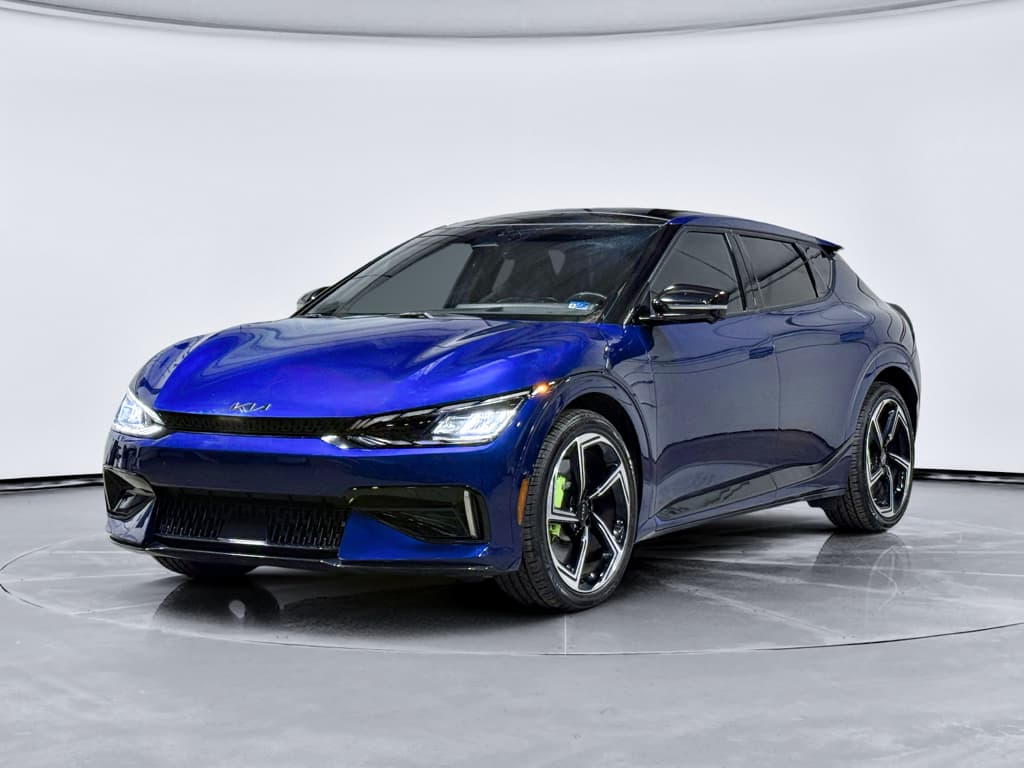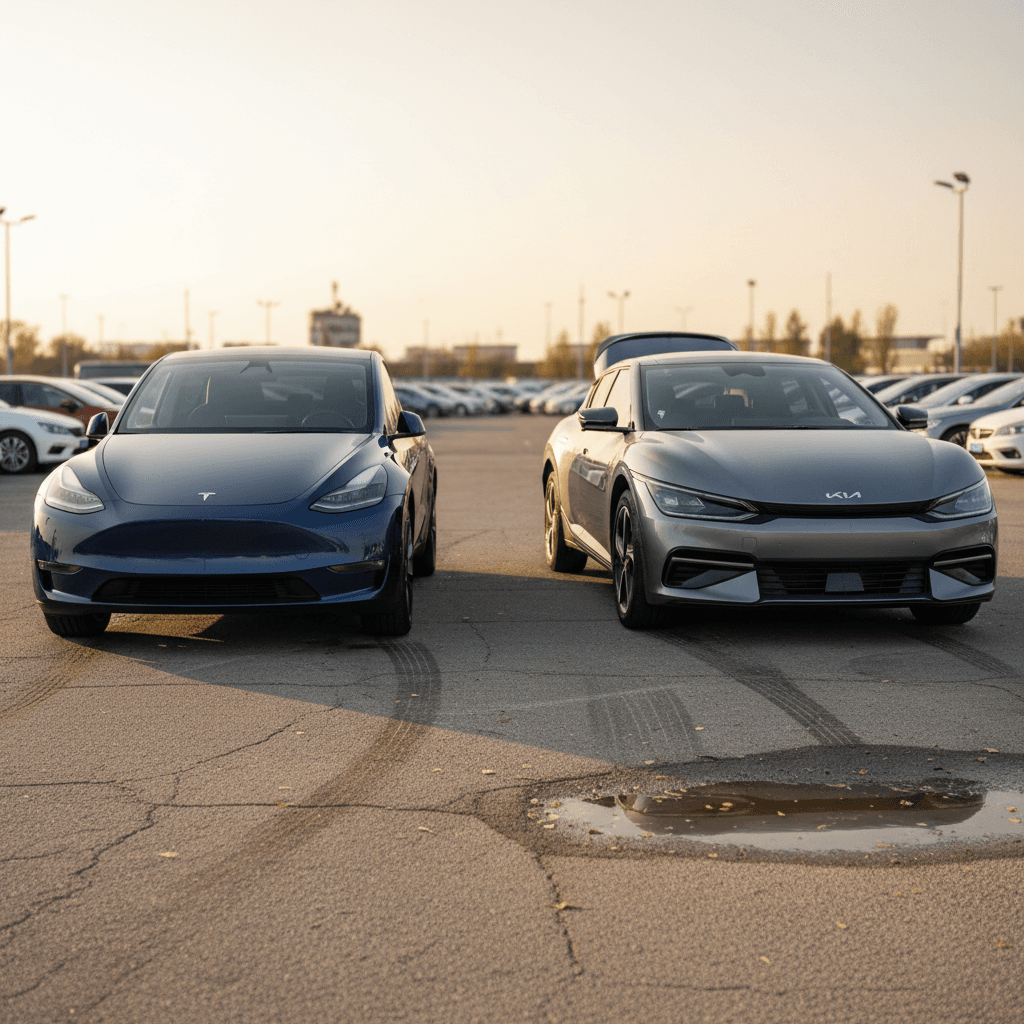
If you’re shopping for a **used electric SUV in 2026**, you’re almost guaranteed to run into the same crossroads: used Tesla Model Y vs Kia EV6. Both are compact electric crossovers with strong range, quick acceleration, and modern tech, but they deliver very different ownership experiences. This guide breaks down the key differences so you can decide which one actually fits your life and budget.
Two bestsellers, two philosophies
Overview: Used Model Y vs Kia EV6 in 2026
By April 2026, both **Tesla Model Y** and **Kia EV6** have enough time on U.S. roads to show real‑world strengths and weaknesses. Model Y has been the volume leader, so there are far more used examples and a wider spread of trims, battery packs, and build years. EV6 is newer and rarer, but benefits from 800‑volt fast charging hardware, a strong warranty, and more traditional controls that some shoppers simply find easier to live with.
Used Model Y vs EV6: 2026 Snapshot
Quick Specs: Used Tesla Model Y vs Kia EV6
Core Specs: Typical U.S. Used Examples (2022–2024 Model Years)
Exact numbers vary by trim, but this gives you a realistic snapshot of what you’ll see on the used market in 2026.
| Spec | Typical Used Tesla Model Y | Typical Used Kia EV6 |
|---|---|---|
| Battery capacity (usable, approx.) | 70–82 kWh depending on trim | 58 kWh (Standard) or ~77.4–84 kWh (Long Range/GT) |
| EPA range (most common trims) | ~279–330 miles for Long Range/RWD | ~225–310 miles depending on battery, drivetrain, wheels |
| On‑board AC charger | 11.5 kW | 10.9–11 kW |
| Max DC fast‑charge power | 170–250 kW depending on year/trim | Up to 240 kW on larger pack |
| Drivetrain options | RWD, Dual‑motor AWD | RWD, AWD, high‑performance GT |
| 0–60 mph (mainstream trims) | ~4.6–5.0 seconds (AWD LR) | ~5.1 seconds (AWD), ~3.4 seconds (GT) |
| Towing (when equipped) | Up to 3,500 lbs | Rated in some markets but more limited U.S. tow offerings |
| Seating | 5 (some 7‑seat), hatchback | 5 seats, sportier roofline |
Always confirm range and charging specs against the specific trim year and wheel size you’re buying.
Specs shift year to year
Used Pricing & Depreciation in 2026
The last few years have been turbulent for used EV prices. Tesla slashed new‑car prices in 2023–2025, which drove **steep early depreciation** on Model Y. By early 2026, much of that free‑fall has stabilized and used Tesla prices have actually ticked up slightly as federal used‑EV tax credits expired and supply normalized. EV6 values, by contrast, never cratered as dramatically but still depreciated like most non‑Tesla EVs.
How Their Used Pricing Typically Compares (Spring 2026, U.S.)
These are directional, not quotes, local supply, mileage, and condition can swing values thousands of dollars either way.
Used Tesla Model Y
- Price band: Roughly mid‑$20,000s to high‑$40,000s for 2020–2024 examples.
- Massive inventory means more **deal leverage**, but also wide quality variation.
- Earlier years (2020–2021) often undercut comparable EV6s on price.
Used Kia EV6
- Price band: Often high‑$20,000s to low‑$40,000s for 2022–2024 cars.
- Fewer units on the market; prices can be firmer, especially on long‑range AWD trims.
- Strong warranty support props up values but also gives buyers confidence.
How Recharged helps with pricing
If your top priority is **maximum range per dollar**, earlier‑build Model Y Long Range and RWD trims often win. If you’d rather trade a bit of range for a newer car with a longer factory warranty, a 2022–2023 EV6 can be the smarter bet even if the sticker is similar.
Range, Battery & Charging Experience
Real‑World Range & Battery Behavior
On paper, many Model Y and EV6 trims look similar for range. In the real world, **aero, drivetrain, climate, and wheel size** move the needle a lot. Model Y’s more upright shape and Tesla’s efficiency tuning tend to deliver slightly better highway miles per kWh, especially on the Long Range AWD trims. EV6’s sleeker profile helps, but big wheels and performance‑tuned GT variants eat into range.
Used Tesla Model Y range reality
- Long Range AWD examples commonly return 230–290 miles on the highway from full to about 10% in mixed conditions.
- RWD and newer high‑capacity variants can do a bit better in mild weather.
- Heat pump on later builds helps in cold climates but winter highway range still drops ~25–35% for many owners.
Used Kia EV6 range reality
- 77.4+ kWh RWD trims can see 220–280 miles in mixed use, less on big 20–21" wheels.
- AWD trims trade some range for traction and performance; GT can be significantly lower.
- Like any EV, cold weather and high speeds cut range, but the 800‑V system doesn’t magically erase physics.
Battery health: what actually matters
Charging Networks & Plug Standards in 2026
Charging is where philosophy differences really show up. Historically, Tesla’s Supercharger network has been the reason many buyers simply default to Model Y. But by 2026, the landscape is more nuanced: more public CCS stations exist, more non‑Tesla brands are adopting NACS, and some Superchargers are opening to other makes.
Charging Experience: Used Model Y vs Kia EV6
Think beyond peak kW numbers, access and reliability matter more day to day.
Tesla Model Y
- Network: Native access to Tesla Superchargers, plus destination and home charging.
- Connector: NACS port; easy compatibility as NACS becomes the common standard.
- Experience: Plug‑and‑charge, simple app integration, generally high reliability.
Kia EV6 (CCS in U.S.)
- Network: CCS DC fast charging via networks like Electrify America, EVgo, ChargePoint.
- Connector: CCS combo port on U.S. 2022–2025 cars; NACS adapters and future ports are rolling out gradually.
- Experience: When chargers are working, 800‑V hardware can deliver very fast 10–80% sessions.
Home & Workplace
- Both use Level 2 AC charging effectively with 10.9–11.5 kW on‑board chargers.
- A 40–48A home charger can easily refill a typical commute overnight for either model.
- For apartment dwellers, network access weighs more heavily than AC specs.
Charging access can trump fast‑charge speed
Space, Practicality & Ride Comfort
On paper, both are compact crossovers. In practice, they target slightly different buyers. Model Y behaves like a taller hatchback with a big cargo hold and optional third row. EV6 feels lower and sportier, with a more traditional two‑row layout and a design that prioritizes style over maximum boxiness.
Tesla Model Y practicality highlights
- Cargo volume is excellent, with a deep rear well and usable frunk.
- Available third row (very tight) can be a plus for families in a pinch.
- Rear seats fold flat, creating a long load floor for bikes, skis, and bulky gear.
- Ride can feel firm and busy on rough pavement, especially on larger wheels.
Kia EV6 practicality highlights
- More conventional two‑row layout with comfortable seating for four adults.
- Less cargo space than Model Y, but still plenty for weekly life and road trips.
- Many owners describe the ride as more composed, particularly in non‑GT trims.
- Sloping roofline trades some rear headroom and boxy utility for style.
Family hauling?
Tech, Driver Assistance & User Experience
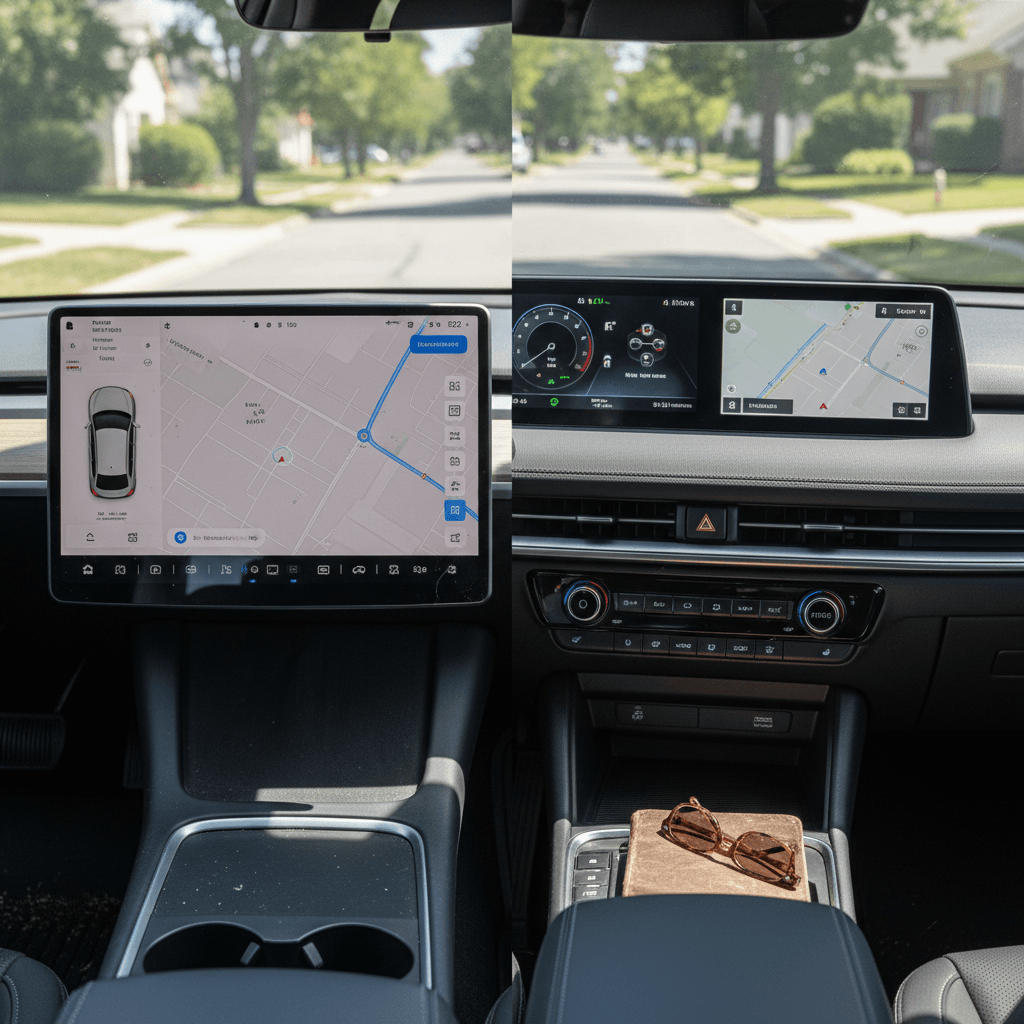
Both of these EVs are technology showcases, but they implement tech in very different ways. Tesla bets everything on the central touchscreen and over‑the‑air software. Kia mixes large screens with **physical buttons and knobs**, plus more conventional driver‑assistance systems that feel familiar if you’ve driven other Hyundais or Kias.
Interface & Driver‑Assist: How They Feel to Live With
Ignore the spec sheet for a moment and think about daily usability.
Tesla Model Y UX
- Single center touchscreen controls nearly everything, no gauge cluster or head‑up display.
- Interface is fast and fluid but can be overwhelming until you learn it.
- Native navigation, fast routing into Superchargers, and strong trip‑planning logic.
Kia EV6 UX
- Dual‑screen layout plus a mix of touch‑sensitive controls and real buttons.
- Separate climate controls mean fewer taps for common tasks.
- Supports Apple CarPlay and Android Auto; software feels more mainstream.
Driver Assistance
- Model Y offers advanced features like Autopilot and optional FSD, though real‑world behavior varies by year and region.
- EV6’s highway assist systems are more conventional, less ambitious than Tesla’s but predictable and often calmer.
- Used buyers should check which options are actually active on a given VIN.
Software updates on a used EV
Reliability, Warranty & Battery Health
Neither Model Y nor EV6 is perfect, but they age differently. Model Y has enough volume that every minor rattle or panel‑gap story tends to go viral. EV6 has fewer data points, but early owner feedback points to solid mechanical reliability with some software quirks, much like other modern Kias.
Warranty on a used Tesla Model Y
- Tesla’s original new‑car warranty is typically 4 years/50,000 miles basic and 8 years/100,000–120,000 miles on battery and drive unit, depending on trim.
- On a 2–4‑year‑old used Model Y, you may still have meaningful battery/drive coverage but basic coverage could be close to expiring.
- Tesla sells extended service agreements only in certain regions and conditions, many used buyers end up out of factory coverage sooner than they expect.
Warranty on a used Kia EV6
- Typical Kia coverage includes 5 years/60,000 miles basic and 10 years/100,000 miles on EV battery and powertrain for the first owner.
- For second owners, the exact transferability varies by market and model year, so check the fine print.
- The upshot: a 2–3‑year‑old used EV6 often has considerably more remaining factory coverage than a same‑age Model Y.
Don’t guess on battery health
Ownership Costs & Insurance
Total cost of ownership on these two is closer than brand partisans will admit, but the money flows into different buckets. Model Y can be cheaper to keep on the road where Tesla mobile service is strong and Superchargers are everywhere, but insurance premiums in some regions are noticeably higher than for mainstream brands. EV6 may cost a bit more in out‑of‑warranty repairs through dealers but can be cheaper to insure and easier to bundle with existing multi‑car policies.
Key Cost‑of‑Ownership Considerations
Think beyond the monthly payment, especially with used EVs.
Insurance & Repairs
- Tesla parts and body work can be more expensive and repair queues longer in some markets.
- Many mainstream insurers have more mature data on Kia repair costs and may price policies more competitively.
- Ask for quotes on both VINs before deciding solely on purchase price.
Service, Tires & Misc.
- Both cars are heavy EVs, expect higher‑than‑average tire wear, especially on performance trims and big wheels.
- Neither requires oil changes, but brake fluid, cabin filters, and alignment still matter.
- If you buy through Recharged, we surface projected running costs and service intervals so there are fewer surprises in year two or three.
Which Used EV SUV Fits You Best?
There’s no universal winner here; there’s a better match for specific use cases. Start by being brutally honest about how you’ll actually use the car, commutes, road trips, family hauling, climate, and access to home charging, then work backward.
Choose a used Tesla Model Y if…
- You road‑trip frequently and want plug‑and‑play Supercharger access above all else.
- You value software features, minimalist design, and tight integration between car and app.
- You need maximum cargo flexibility, occasional 3rd‑row use, or plan to tow light loads.
- Your local Tesla service support is strong and you’re comfortable with an app‑driven ownership model.
Choose a used Kia EV6 if…
- You care more about ride comfort and traditional controls than bleeding‑edge software.
- You live near reliable CCS fast‑charging, or mostly charge at home and work.
- You want a newer‑feeling cabin with CarPlay/Android Auto and a long factory warranty tail.
- You prefer dealing with a familiar dealer network for service and warranty work.
How Recharged fits into the decision
Ready to find your next EV?
Browse VehiclesChecklist: Shopping a Used Model Y or EV6
Essential Checks Before You Commit
1. Confirm battery health
Ask for objective battery‑health data, not just “full‑charge range” on the dash. On Recharged, that’s built into every listing; elsewhere you may need an independent EV inspection.
2. Verify charging behavior
If possible, observe at least one DC fast‑charge session or review logs. An EV6 that can’t hold high charging power or a Model Y that charges unusually slowly could hint at pack issues or outdated software.
3. Check remaining warranty
For both models, confirm in writing how much basic and battery/powertrain warranty is left and whether it transfers to you as a second owner.
4. Inspect tires, brakes & suspension
Heavy EVs eat tires. Uneven wear, cheap replacement tires, or clunky suspension noises are negotiation leverage, or reasons to walk away.
5. Test driver‑assist systems
On a test drive, try adaptive cruise, lane‑keeping, and parking features. Make sure they behave consistently and that any paid software options on a Model Y (like FSD) are actually active on that VIN.
6. Map your real charging life
Before signing, map your commute, frequent trips, and nearby fast‑charging options. A cheaper EV can become more expensive in time and stress if the charging network doesn’t fit your reality.
FAQ: Used Tesla Model Y vs Kia EV6
Frequently Asked Questions
If you strip away brand loyalty and hype, the **used Tesla Model Y vs Kia EV6** decision in 2026 comes down to infrastructure, warranty, and how you like your tech delivered. Model Y makes the most sense for road‑trip warriors, efficiency geeks, and families who want maximum cargo and Supercharger convenience. EV6 caters to drivers who value comfort, a more traditional cockpit, and a long factory warranty tail. Whichever way you’re leaning, browsing used inventory on Recharged gives you transparent battery health, pricing, and expert guidance, so the SUV you pick is the one that actually fits your life, not just the one with the loudest fans online.