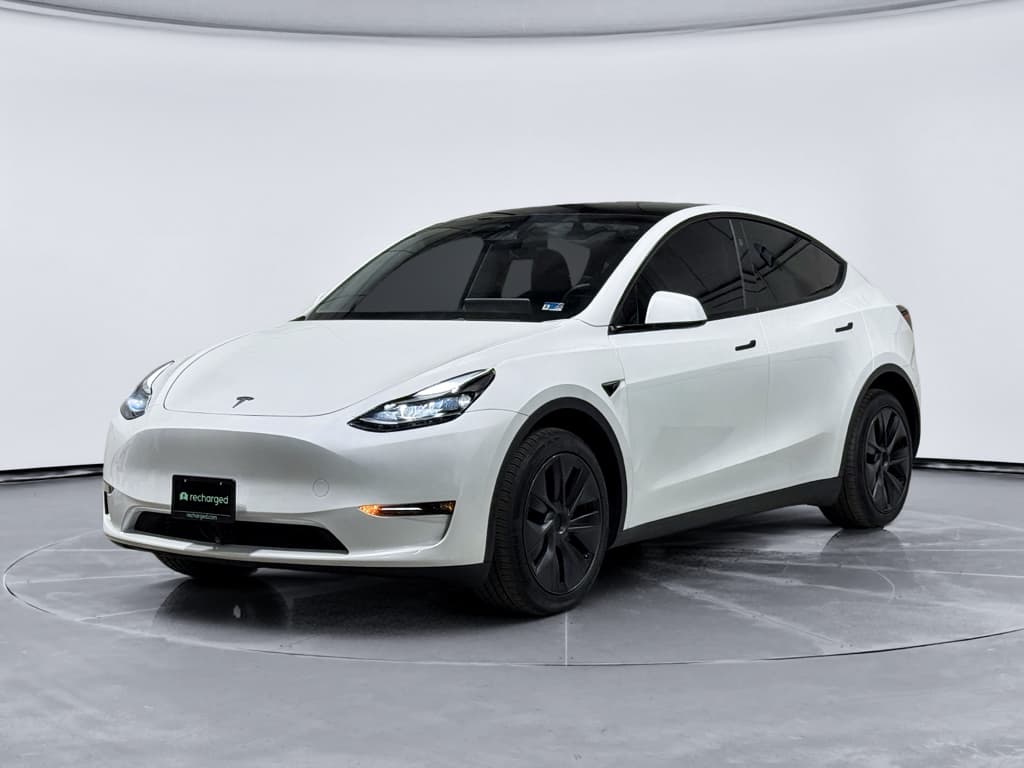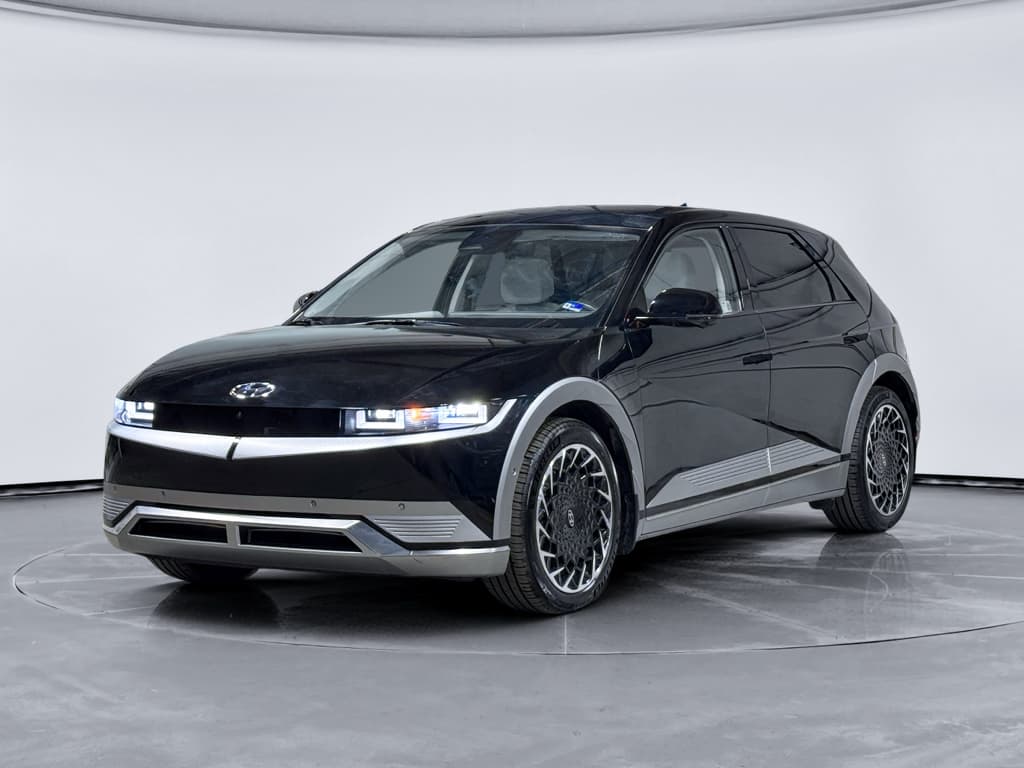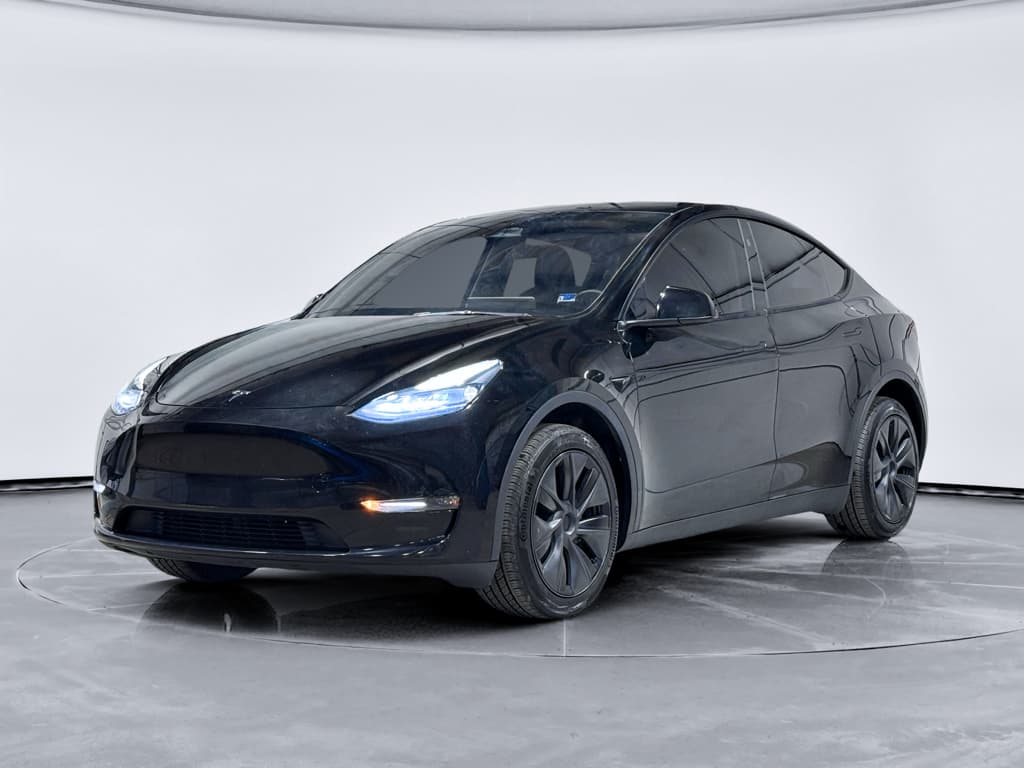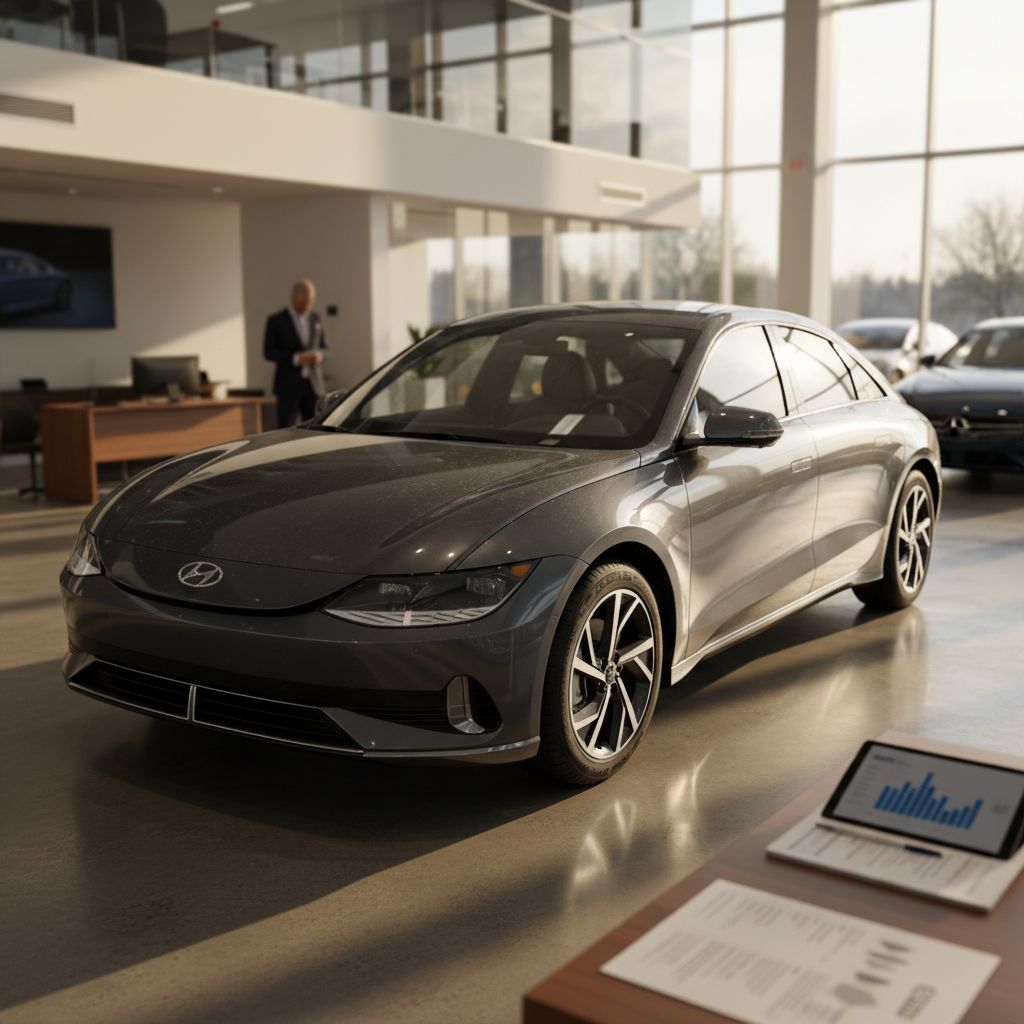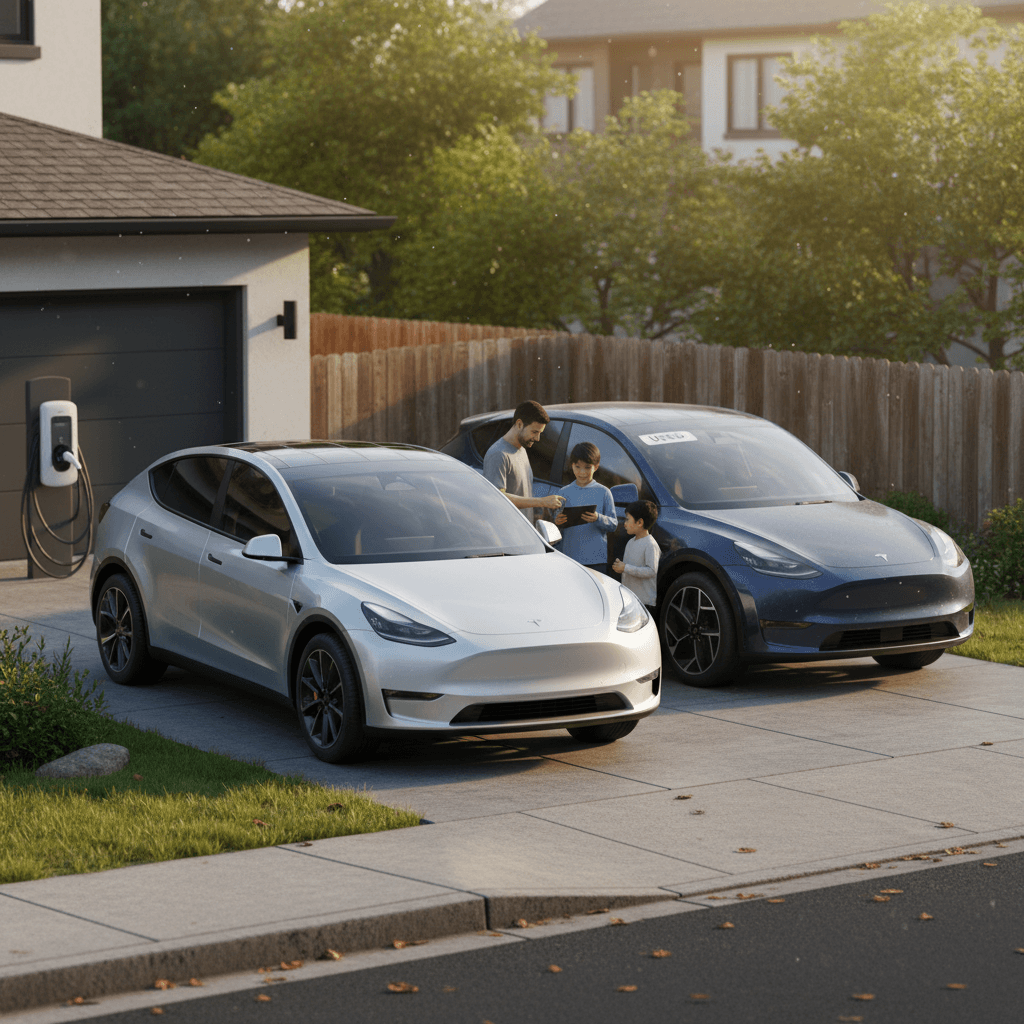
If you’re cross‑shopping a used Tesla Model Y vs Hyundai IONIQ 5, you’re looking at two of the best electric family crossovers on the market. Both are roomy, efficient, and widely available on the used market in the U.S., but they deliver very different ownership experiences.
Why this comparison matters most in 2025
Overview: Used Model Y vs Hyundai IONIQ 5
Think of the Tesla Model Y as the efficiency and software champion, and the Hyundai IONIQ 5 as the comfort and fast‑charging specialist. On the used market, you’ll mostly be choosing among 2021–2024 Model Ys and 2022–2024 IONIQ 5s, with early 2025s starting to show up.
Where the used Model Y shines
- Generally more driving range per charge than most IONIQ 5 trims.
- Access to Tesla’s huge Supercharger network with seamless routing.
- Strong performance and efficiency, even in base trims.
- Mature over‑the‑air software with frequent feature updates.
Where the used IONIQ 5 shines
- Ultra‑fast 800‑V charging that can add ~10–80% in ~18 minutes on a capable DC fast charger.
- Roomy, lounge‑like interior with more adjustability and comfort.
- Traditional controls plus Apple CarPlay and Android Auto (including wireless on newer years).
- Robust warranty coverage from Hyundai, especially on the battery.
Used EV buying context
Quick answer: who should buy which?
At a glance: which used EV fits you?
Match the car to your driving and tech preferences, not just the badge.
Choose a used Tesla Model Y if…
- You drive long distances or road‑trip often and want maximum range.
- You value Tesla’s Supercharger network and hands‑off route planning.
- You like a minimalist cabin and are comfortable living through a big touchscreen.
- You’re okay with firmer ride quality in exchange for sharper handling.
Choose a used Hyundai IONIQ 5 if…
- You prioritize comfort, space, and interior flexibility.
- You use public fast charging regularly and care about short stops, not just maximum range.
- You want buttons, knobs, and CarPlay/Android Auto.
- You prefer a more conventional dealer service network and warranty structure.
Key specs: used Tesla Model Y vs Hyundai IONIQ 5
Core specs you’ll see most on the used market
Approximate U.S. specs for common Model Y and IONIQ 5 trims you’re likely to encounter used (2022–2024 model years). Always verify exact specs for the VIN you’re considering.
| Model / Trim (typical) | Battery (usable, approx.) | EPA Range (mi) | Drivetrain | 0–60 mph (approx.) |
|---|---|---|---|---|
| Tesla Model Y Long Range | ~75–80 kWh | ~310–330 | AWD | 4.5 s |
| Tesla Model Y Performance | ~75–80 kWh | ~285–303 | AWD | 3.5 s |
| Tesla Model Y RWD (where offered) | ~60 kWh | ~260–280 | RWD | 5.8 s |
| Hyundai IONIQ 5 Std Range SE | 58 kWh | 220 | RWD | 7.3 s |
| Hyundai IONIQ 5 77.4 kWh RWD | 77.4 kWh | ~300–303 | RWD | 7.0 s |
| Hyundai IONIQ 5 77.4 kWh AWD | 77.4 kWh | ~260–266 | AWD | 4.4–4.5 s |
Real‑world range varies with wheel size, climate, and driving style.
Used‑market caveat
Driving range and charging performance
For most used‑EV shoppers, range anxiety and charging convenience sit at the top of the priority list. Here’s how a used Tesla Model Y vs Hyundai IONIQ 5 actually stack up in the real world.
Range vs charging: what to expect
Range: Model Y wins on outright miles
If you simply want to drive as far as possible between stops, the Model Y usually wins. Long Range trims hover in the low‑to‑mid‑300‑mile EPA window, while many dual‑motor IONIQ 5s land in the mid‑200s. Rear‑drive IONIQ 5s with the big pack can get close, around 300 miles, but you typically give up all‑wheel drive to get there.
In independent highway testing, the Model Y also tends to over‑deliver on its rating more often than the IONIQ 5 does. That efficiency edge matters if you do a lot of 70–80 mph driving in places with big gaps between fast chargers.
Charging: IONIQ 5 wins on stop length
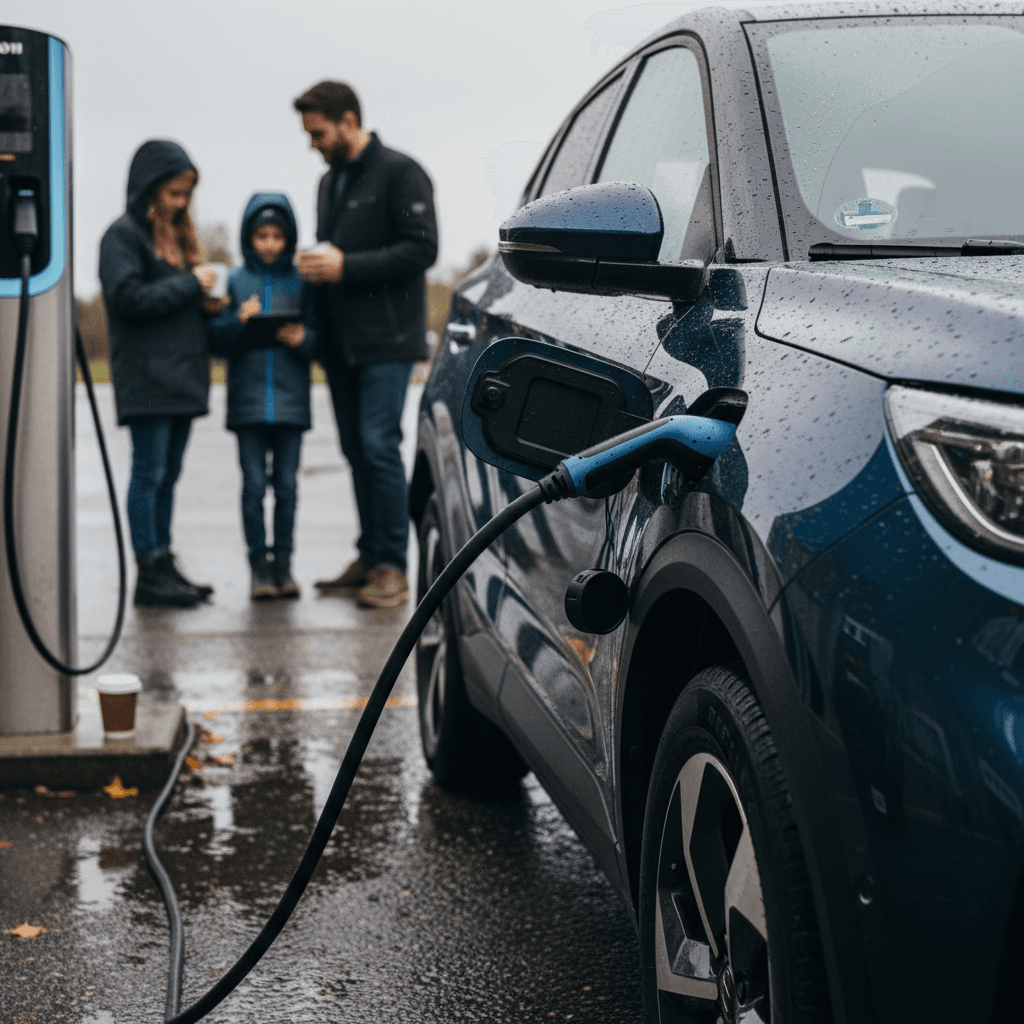
Where the Hyundai fights back hard is in DC fast‑charging performance. Most IONIQ 5 trims use an 800‑V architecture and can replenish 10–80% in roughly 18 minutes on a high‑power 250–350 kW charger under good conditions. The Model Y’s peak rate is similar on paper, but its average charging power over a session is lower, so 10–80% typically takes longer, often in the 30–40‑minute range in independent testing.
If you road‑trip mostly along interstates blanketed with Tesla Superchargers, the Model Y’s network advantage can outweigh its slower charge curve. If you use a mix of CCS networks on road trips, especially high‑power 350 kW sites, the IONIQ 5 can feel like a quick splash‑and‑go stop.
Charging standards are converging
Space, comfort, and practicality
Both of these EVs are spacious crossovers, but they prioritize that space differently. The Model Y is slightly taller inside with a more upright driving position, while the IONIQ 5 leans into a long‑wheelbase, hatchback‑meets‑living‑room feel.
Practicality highlights
Cargo, comfort, and family‑friendly details you’ll notice every day.
Cargo & storage
The Model Y offers a larger cargo area overall, including a useful front trunk. The IONIQ 5’s rear cargo is generous but slightly smaller, and its front trunk is tiny by comparison.
Seating comfort
IONIQ 5 front seats are widely praised for comfort and adjustability, and the flat floor plus sliding rear bench make it easy to stretch out. Model Y seats are supportive but the ride can feel firmer on poor pavement.
Family usability
Both offer easy LATCH access and wide rear door openings. The IONIQ 5’s sliding rear seats help balance legroom and cargo, while the Model Y’s bigger hatch opening makes strollers and bulky items easier to load.
Check rear‑seat comfort on a test drive
Tech, driver assistance, and user experience
Here’s where philosophy differences really jump out. Tesla treats the Model Y like an iPhone on wheels: one big screen, heavy reliance on software, and very few physical controls. Hyundai aims for a middle ground: modern dual screens plus a healthy dose of actual buttons and a more traditional instrument cluster.
Tesla Model Y tech experience
- Large central touchscreen controls almost everything, including vents and glovebox.
- Native navigation with built‑in Supercharger routing and battery‑aware trip planning.
- Frequent over‑the‑air updates that can add features or adjust driving feel.
- Driver‑assist features like Autopilot and optional Enhanced Autopilot / FSD vary by VIN and subscription status on a used car.
Hyundai IONIQ 5 tech experience
- Dual 12.3‑inch screens with a conventional speedometer and more familiar menus.
- Apple CarPlay and Android Auto (wireless on newer years/trims), which many shoppers prefer.
- Hyundai SmartSense driver‑assist suite with adaptive cruise, lane centering, and more.
- Less software drama, fewer big changes over time, but also fewer surprises.
Used‑Tesla software realities
Ownership costs, depreciation, and reliability
With new‑EV incentives and price cuts over the last few years, the used market has had to adjust, sometimes violently. That’s particularly true for Tesla, which has seen steeper price swings than legacy brands like Hyundai.
Used‑market dynamics to know
Depreciation: Tesla’s volatility vs Hyundai’s stability
Early in the EV boom, Teslas held their value better than almost anything else on the road. After multiple new‑car price cuts and a wave of off‑lease vehicles, that’s no longer the case. Used Model Y prices have fallen faster than the broader used‑car market, which is good news if you’re buying today but could mean more downside if you sell again soon.
The IONIQ 5 hasn’t been immune to depreciation, but Hyundai’s slower price moves and dealer‑driven incentives have produced a more conventional, predictable curve. In practical terms, that often means a similar‑age used IONIQ 5 might cost a bit less than a comparable Model Y did when new, but hold its value a touch better from here forward.
Service, reliability, and support
Tesla leans on its own service centers and mobile technicians, while Hyundai uses a traditional dealer network. On a used Model Y, you’ll want to look for panel alignment, interior squeaks/rattles, suspension wear, and infotainment glitches. On an IONIQ 5, focus on software updates, any history of 12‑V battery issues, and proper operation of fast‑charging hardware.
How Recharged fits in
Ready to find your next EV?
Browse VehiclesBattery health: what matters most on a used EV
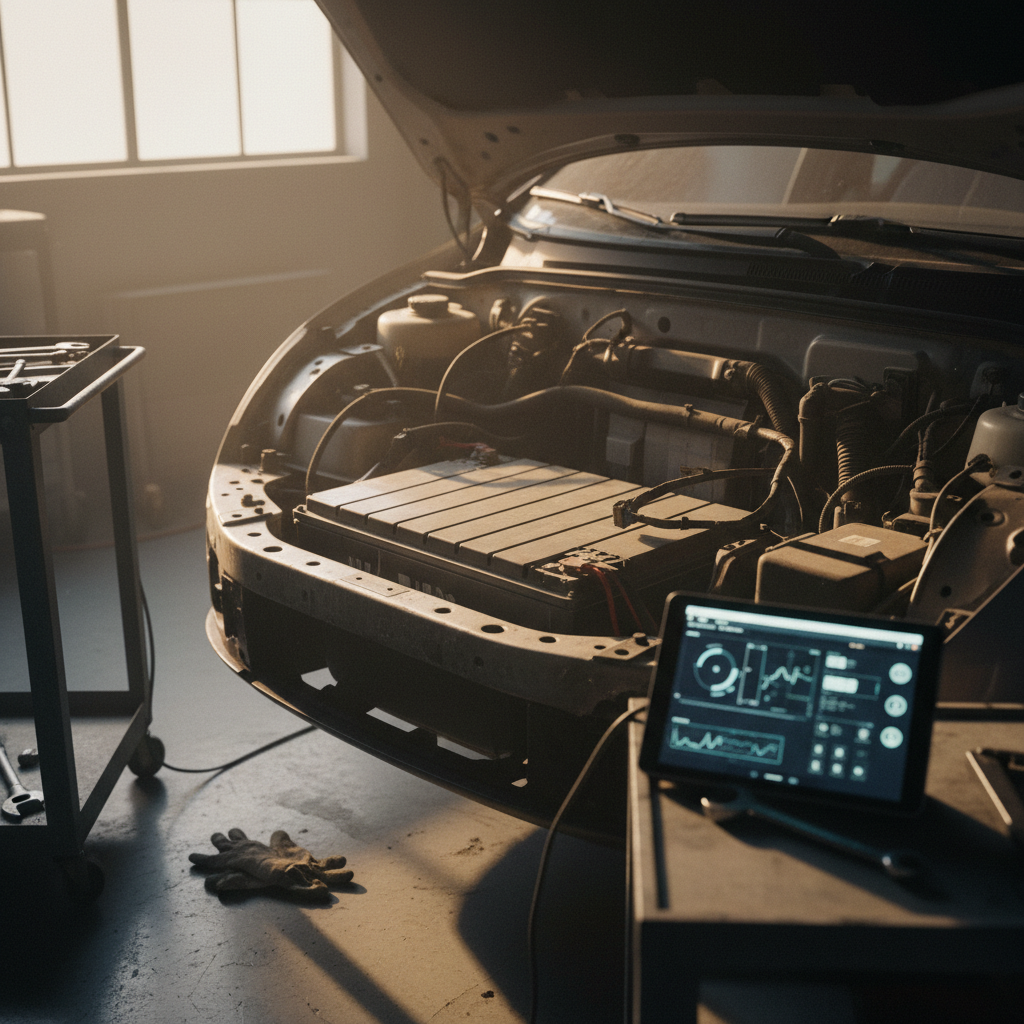
For any used EV, the traction battery is the heart of the car and the lion’s share of its replacement cost. The good news: both the Model Y and IONIQ 5 use modern lithium‑ion packs that, when treated reasonably well, tend to lose capacity slowly, especially over the first 5–7 years.
Key battery questions for used Model Y and IONIQ 5 buyers
1. What’s the current usable range?
Don’t rely only on the original EPA sticker. Ask the seller (or dealer) for a recent 100% charge reading and typical real‑world range at highway speeds. Compare that to period‑correct specs for that trim.
2. How was the car charged?
Frequent DC fast charging isn’t necessarily bad, but consistent charging to 100% and baking at high state of charge can accelerate degradation. Look for a history of <strong>home Level 2 charging</strong> and smart charge limits (e.g., 70–80%).
3. Has the software been kept up to date?
On both cars, updates can improve range estimates, charging behavior, and thermal management. Verify update history and check for any outstanding recalls or campaign work related to the battery or charging system.
4. Is the battery still under warranty?
Most Model Y and IONIQ 5 packs carry around an <strong>8‑year battery warranty</strong>. On a three‑ to five‑year‑old car, you should still have meaningful coverage left in case of rare but expensive failures.
Don’t buy blind on battery health
Inspection checklist for used Model Y and IONIQ 5
Beyond a basic test drive, both vehicles have model‑specific quirks worth checking before you sign anything. Use this as a starting point, then add any region‑specific concerns (corrosion in snow‑belt states, flood damage in coastal areas, and so on).
Model‑specific items to inspect
Tesla Model Y: build quality & ride
Inspect panel gaps, door alignment, and tailgate operation. Listen for rattles over rough pavement and test the suspension on speed bumps or potholes. Note any uneven tire wear, which can signal alignment issues.
Tesla Model Y: infotainment and cameras
Confirm the central screen boots quickly and responds smoothly. Test every camera feed, parking sensor, and wiper/headlight automation. Verify that driver‑assist features like Autopilot work consistently on a short highway drive.
Hyundai IONIQ 5: charging hardware and V2L
On DC fast chargers, watch that the car reaches and holds high charge rates without repeated disconnects. Test the vehicle‑to‑load (V2L) function if equipped, both interior and exterior outlets should work under load.
Hyundai IONIQ 5: interior electronics
Cycle through all drive modes, climate controls, seat adjustments, and the sliding center console. Check for any laggy or frozen infotainment behavior, and confirm CarPlay/Android Auto function if that’s important to you.
Prefer a third‑party or marketplace inspection
Which is the better used family EV overall?
There’s no single winner here, and that’s actually good news. It means you can lean into what matters most to your life rather than chasing a spec sheet trophy.
Go used Tesla Model Y if you value:
- The longest possible range at U.S. highway speeds.
- Seamless access to a dense Supercharger network.
- Strong performance even in non‑Performance trims.
- A constantly evolving software experience with frequent OTA updates.
If you’re a heavy road‑tripper or already familiar with Tesla’s ecosystem, a well‑vetted used Model Y can be an outstanding value at today’s softened prices.
Go used Hyundai IONIQ 5 if you value:
- Fast, predictable DC charging on CCS networks.
- A more comfortable, lounge‑like interior with flexible seating.
- Traditional controls plus CarPlay/Android Auto.
- A more conventional warranty and dealer service experience.
If you mostly charge at home and use public fast charging for the occasional longer trip, the IONIQ 5’s comfort and charging speed can make daily life easier and road trips shorter.
If you’re still torn between a used Tesla Model Y vs Hyundai IONIQ 5, the smartest next step is to narrow your choices to a few specific VINs and compare them on condition and battery health, not just badges and brochure specs. That’s exactly what Recharged is built to do: surface the real‑world strengths and weaknesses of each used EV so you can buy with data, not guesswork.