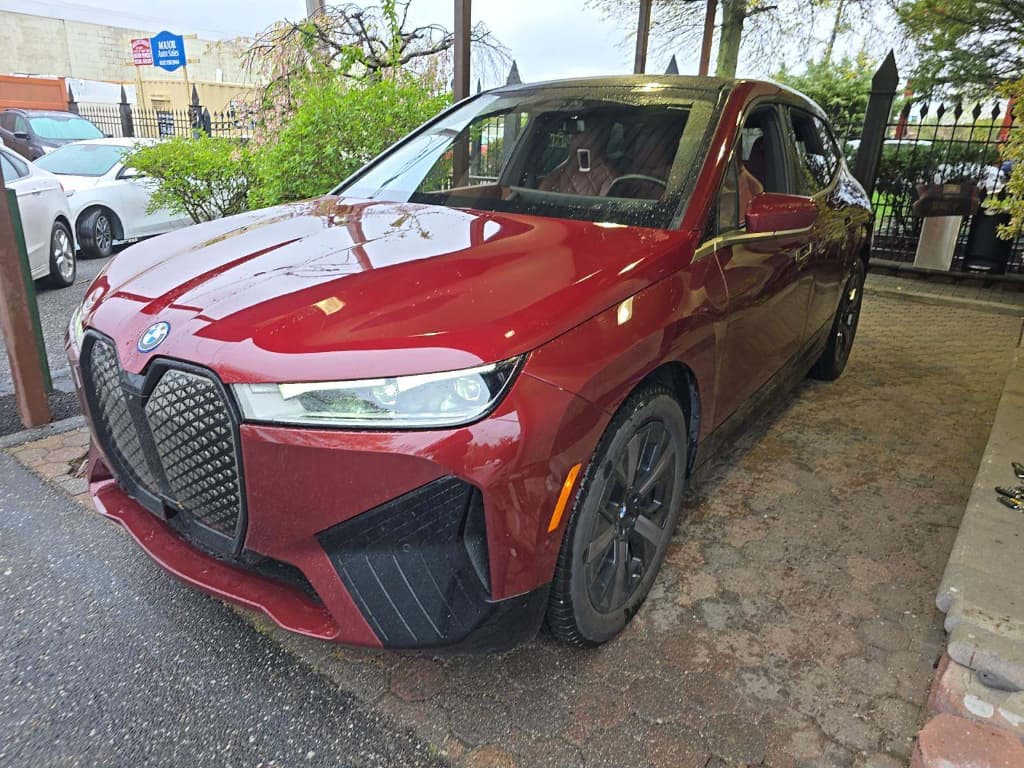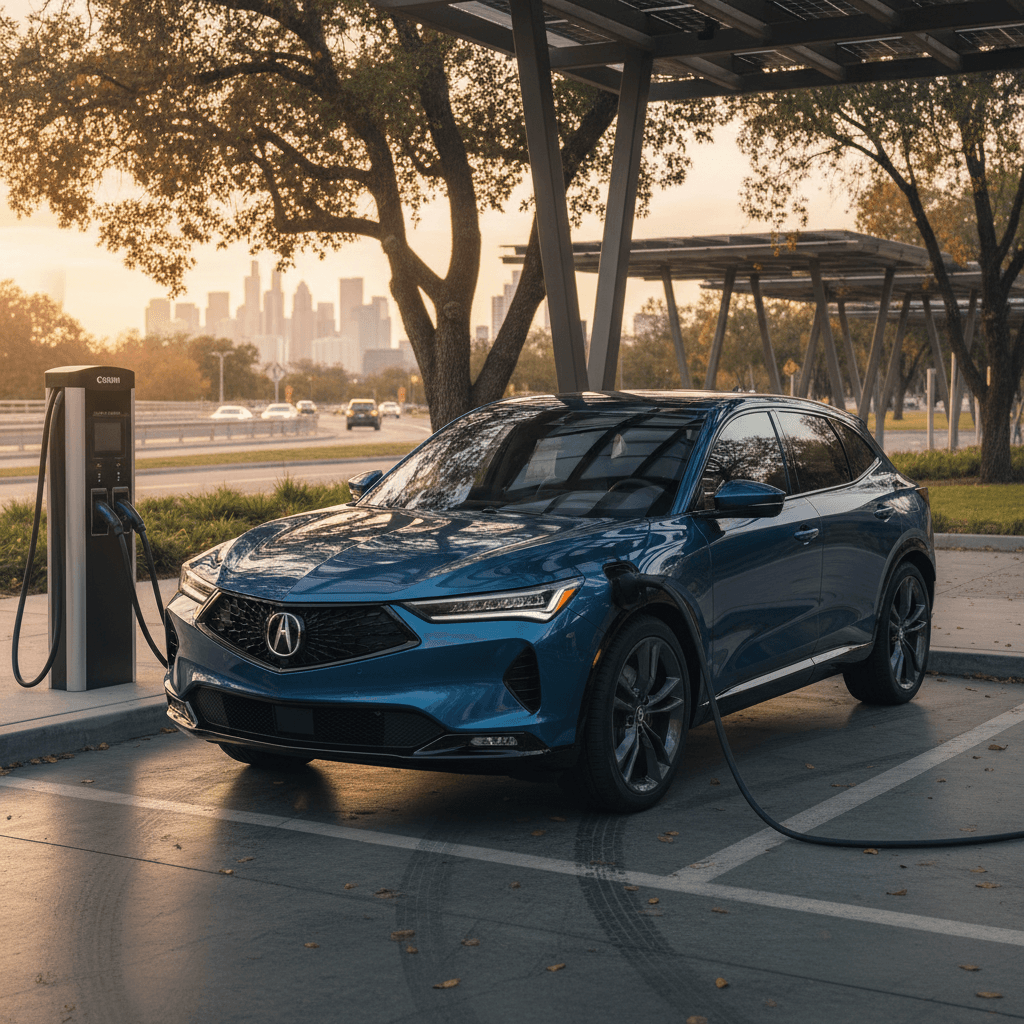
If you’re shopping the used luxury EV market, a used Tesla Model Y vs BMW iX comparison is basically a choice between two different visions of what an electric SUV should be. The Model Y leans into efficiency, software, and the Supercharger network. The iX is a tech-heavy luxury flagship that just happens to be electric. The right answer for you comes down to how you drive, where you charge, and how much you’re willing to spend to feel pampered.
Who this guide is for
Overview: Used Tesla Model Y vs BMW iX
Tesla Model Y (used)
- Positioning: Efficient, tech‑forward mass‑market crossover.
- Typical used price (U.S.): Roughly high‑$20k to mid‑$30k for 2022–2023 Long Range AWD, depending on mileage and options.
- EPA range: Around 303–330 miles for Long Range AWD trims.
- Strengths: Efficiency, Supercharger access, software experience, cargo space, running costs.
- Weaknesses: Cabin materials, road noise, build consistency, declining resale values.
BMW iX (used)
- Positioning: Full‑size luxury electric SUV, closer to X5/X7 than Model Y.
- Typical used price (U.S.): Often $55k–$75k+ for 2022–2023 xDrive50, depending on spec and mileage.
- EPA range: Up to about 303–324 miles for xDrive50, depending on wheels and configuration.
- Strengths: Ride comfort, refinement, interior quality, highway range, BMW dealer support.
- Weaknesses: High purchase price, heavier and larger, more complex options, CCS fast‑charging experience is network‑dependent.
Quick rule of thumb
Used Pricing and Value: How Much Do They Really Cost?
By 2026, used Tesla prices have corrected sharply from their pandemic peak. Market data shows used Teslas, including the Model Y, now averaging slightly below the broader used‑car market on price, after dropping by roughly low‑double‑digit percentages from prior years. In plain English: there are a lot of used Model Ys out there, and buyers have leverage.
Used Market Snapshot: Model Y vs BMW iX
The BMW iX launched as a six‑figure SUV when new, especially once you add common packages. That high MSRP means early depreciation is brutal in dollar terms, but even after that hit, most used examples still sit well above a Model Y. You’re paying for size, materials, and the BMW badge.
Budget reality check
Range and Efficiency: How Far Will You Actually Go?
Range is one of the few categories where the used Tesla Model Y and BMW iX are surprisingly close on paper, even though the iX is much larger and heavier. But how they deliver that range, and at what efficiency, differs quite a bit.
EPA Range and Efficiency Comparison (Representative Trims)
Approximate EPA data for popular trims. Always verify exact specs for the specific VIN you’re considering.
| Model | Battery (approx.) | EPA Range | Efficiency (MPGe / kWh/100 mi) | Notes |
|---|---|---|---|---|
| Tesla Model Y Long Range (AWD) | ~75–82 kWh usable | 303–330 mi | High‑30s MPGe; around low‑to‑mid‑20s kWh/100 mi | Very efficient for a mid‑size SUV. |
| BMW iX xDrive50 | ~105 kWh usable | ≈303–324 mi | Mid‑80s MPGe; low‑30s kWh/100 mi | Excellent range for a large luxury SUV. |
| BMW iX M60 | Same pack, more power | Mid‑270s to high‑280s mi | Slightly lower MPGe than xDrive50 | More performance, modest range hit. |
Both SUVs can realistically serve as road‑trip vehicles, but the Model Y tends to use less energy per mile.
Real‑world takeaway
- If you care about maximizing efficiency and energy cost per mile, the Model Y wins.
- If you care about comfort at 75–80 mph with minimal wind and road noise, the iX wins, even while matching or slightly exceeding Tesla’s highway range in some tests.
Charging Experience: Supercharger vs CCS Networks
Charging is where the philosophies really diverge. The Model Y gives you tight integration with Tesla’s Supercharger network plus growing access to third‑party stations. The iX relies on the broader CCS ecosystem, Electrify America, EVgo, and regional players, plus whatever NACS access BMW adds over time.
Charging Hardware and Network Access
Headline DC fast‑charging specs don’t tell the whole story; network quality and software matter just as much.
| Aspect | Used Tesla Model Y | Used BMW iX |
|---|---|---|
| On‑board AC charger | Up to 11.5 kW Level 2 | 11 kW Level 2 on most U.S. models |
| Max DC fast‑charge power | Around 250 kW peak on Supercharger V3 | Around 190–200 kW peak on CCS |
| 0–80% DC fast‑charge time | Roughly 25–30 minutes in good conditions | Roughly 30–40 minutes in good conditions |
| Network integration | Tesla Supercharger native; growing CCS/NACS interoperability | CCS networks (EA, EVgo, etc.); future NACS access via adapters and port changes |
| Trip‑planning UX | Excellent in‑car routing with live Supercharger data | Good but more app‑dependent; experience varies by provider |
Both vehicles charge fast enough for road trips; the bigger difference is station reliability and ease of use.
Think in trips, not kilowatts
BMW softens the CCS pain with complimentary public‑charging offers on some new iX purchases and partnerships like EVgo, but on the used market those promos may not transfer. With either SUV, you’ll want a reliable Level 2 home setup; that’s where most charging happens. If you don’t have dedicated parking and home charging, the BMW iX’s reliance on third‑party DC fast chargers is a bigger lifestyle gamble than a used Model Y.
Space, Comfort, and Practicality for Daily Life
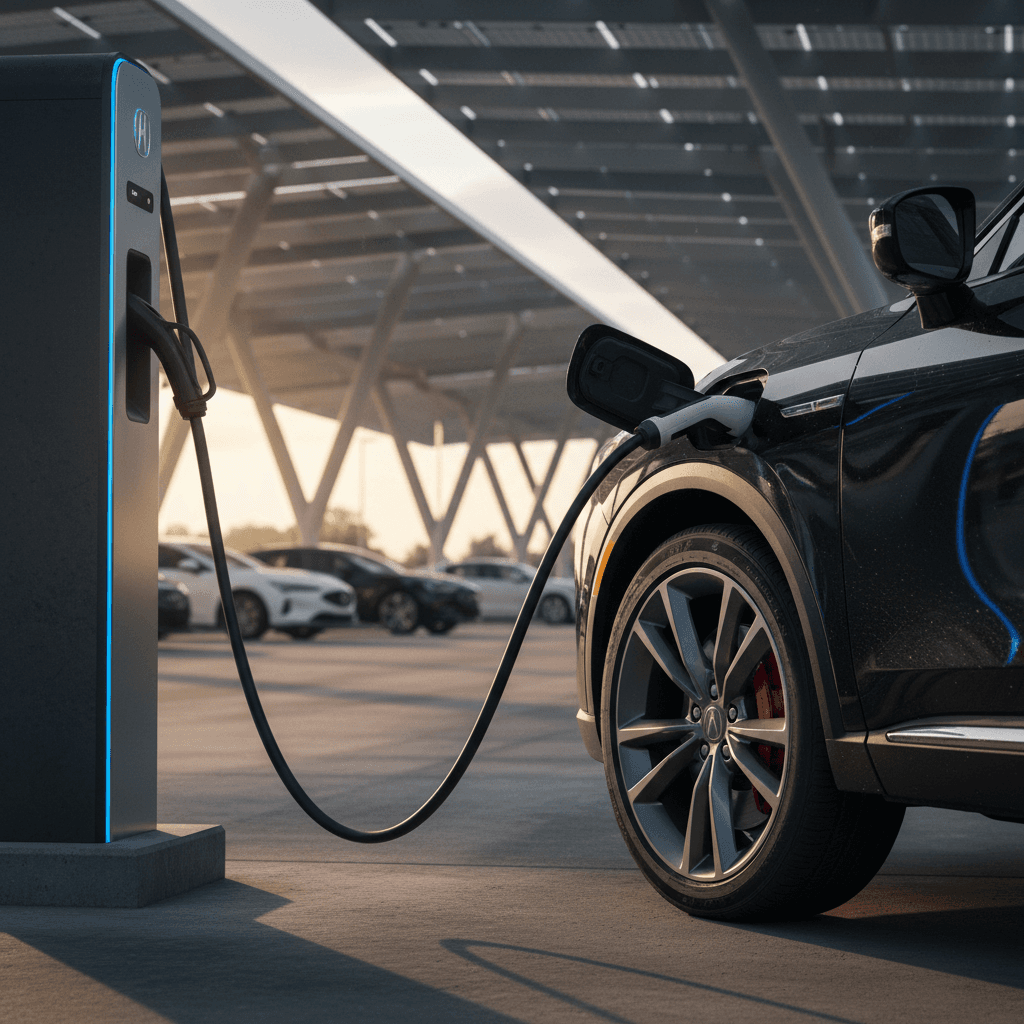
Practicality: Family Duty vs Luxury Lounge
Both SUVs can haul people and stuff; they just prioritize different experiences.
Tesla Model Y Practicality
- Size: Compact‑to‑mid‑size crossover footprint, easy to park, great visibility.
- Cargo: Huge hatch, deep well, and frunk. Excellent for strollers, gear, and Costco runs.
- Seating: Comfortable for four adults; available 7‑seat layout is tight in the third row but workable for kids.
- Ride/Noise: Firm and sometimes noisy on poor pavement; not a luxury‑SUV experience.
BMW iX Luxury and Space
- Size: True mid‑to‑full‑size SUV; closer to a BMW X5/X7 than a Model Y.
- Cargo: Plenty of space, but more traditional SUV packaging than Tesla’s super‑deep well + frunk combo.
- Seating: Wider, more supportive seats; rear cabin feels airy and upscale.
- Ride/Noise: Exceptionally quiet, with a cushy, almost air‑suspension‑like feel even on long highway trips.
Family‑use verdict
Performance and Driving Feel
Both SUVs are quick by any normal standard, but their personalities diverge. The Model Y channels classic Tesla punch and agility; the iX feels like a heavy but extremely composed luxury cruiser that happens to have absurd torque.
Performance Snapshot
Representative performance for common trims. Always confirm exact specs for your VIN and wheels.
| Model | 0–60 mph (approx.) | Power | Drive Feel Summary |
|---|---|---|---|
| Model Y Long Range | ≈4.5–4.8 s | Mid‑400 hp equivalent | Quick, responsive, a bit firm and busy on imperfect roads. |
| Model Y Performance | ≈3.5 s | ~450–500 hp equivalent | Straight‑line rocket; still not a sports car, but lively. |
| BMW iX xDrive50 | ≈4.4–4.6 s | ≈516 hp | Effortlessly quick in a straight line, tuned for comfort rather than tossability. |
| BMW iX M60 | ≈3.6–3.8 s | ≈610+ hp | Serious shove; feels more like an electric luxury GT SUV than a track weapon. |
You’ll rarely find either of these SUVs “slow”; the question is whether you value agility or serene, heavyweight composure.
How they feel from the driver’s seat
Tech, UX, and Driver Assistance
Tesla has long differentiated itself with software and user experience, but BMW’s latest iDrive systems and interior tech narrow that gap. Choosing between a used Model Y vs BMW iX increasingly comes down to whether you prefer minimalism and over‑the‑air‑first thinking or a rich, multi‑screen luxury cockpit.
Tesla Model Y Tech
- Interface: Single central touchscreen running Tesla’s in‑house OS; minimal physical buttons.
- Updates: Frequent OTA updates that meaningfully change features, UI, and sometimes performance.
- Navigation & planning: Best‑in‑class EV trip planning tightly integrated with the Supercharger network.
- Driver assist: Autopilot standard; Enhanced Autopilot and Full Self‑Driving (Supervised) available on some used cars. Performance and value of FSD are highly debated.
BMW iX Tech
- Interface: Curved display with digital cluster + central touchscreen, plus iDrive controller and buttons.
- Updates: OTA updates increasingly common but usually less transformative than Tesla’s.
- Navigation & planning: Good built‑in routing; EV trip‑planning less seamless than Tesla’s but augmented by apps like A Better Route Planner.
- Driver assist: Excellent adaptive cruise and lane‑keeping, optional hands‑free functions in some markets; more traditional presentation with clearer control separation.
A note on used FSD and options
Ownership Costs, Insurance, and Depreciation
The sticker price is just the start. When you compare a used Tesla Model Y vs BMW iX, you’re really comparing two different cost structures: a relatively simple, mass‑produced crossover versus a large, complex German luxury SUV.
Cost of Ownership: Where the Money Goes
Both EVs save fuel vs gas SUVs, but the iX remains a luxury‑class expense in most other ways.
Purchase & Depreciation
- Model Y: Lower entry price; recent softening in used Tesla values means you’re buying after a chunk of depreciation has already hit.
- iX: Even used, you’re absorbing luxury‑SUV‑level depreciation. Expect bigger dollar swings over time.
Insurance & Repairs
- Model Y: Insurance can be higher than mainstream crossovers but generally below six‑figure luxury SUVs.
- iX: Larger, heavier, more expensive parts and labor. Expect higher insurance and out‑of‑warranty repair bills.
Energy & Maintenance
- Model Y: Better efficiency, so lower electricity costs per mile. Simple maintenance profile.
- iX: Still cheap to “fuel” compared with gas, but uses more kWh per mile; tires and brakes are bigger and pricier.
Where Recharged fits in
Battery Health and Used EV Risk
Under the skin, the most expensive component on both SUVs is the battery pack. The good news is that both Tesla and BMW have built packs that, so far, generally hold up well when properly cared for. The bad news is that a single outlier pack can turn a bargain into a nightmare if you don’t know what you’re buying.
Battery Health Checks for Used Model Y and BMW iX
1. Look for fast‑charge abuse
Frequent DC fast charging (especially to 100%) can accelerate degradation. Ask for charging history and favor cars that mostly used Level 2 home charging.
2. Compare displayed range at 100%
On both vehicles, check the estimated range at a full charge against EPA numbers. A modest drop (5–10%) is normal; anything significantly higher deserves questions.
3. Check warranty status
Tesla and BMW both provide multi‑year, high‑mileage battery warranties. Confirm remaining coverage by VIN, not just what the seller says.
4. Scan for software limitations
Some vehicles with repeated fast‑charge use or pack issues may have reduced fast‑charging speeds via software. Test a DC fast‑charge session if possible or review logged charging speeds.
5. Get third‑party diagnostics
Tools that read battery health metrics (state of health, cell variance, etc.) are invaluable. Recharged’s <strong>Score Report</strong> incorporates pack‑health diagnostics so you aren’t guessing.
Avoid “mystery” cars
Which Should You Buy: Used Model Y or BMW iX?
By this point, it should be clear that a used Tesla Model Y vs BMW iX decision isn’t about which is “better” in the abstract. It’s about alignment: matching the vehicle’s mission and cost structure to your life.
Choose a Used Tesla Model Y if…
- You want the most range and performance per dollar in a practical family EV.
- Access to the Tesla Supercharger network is a top priority for road trips.
- You prefer a minimalist interior and are comfortable with almost everything running through a single screen.
- Your budget is in the high‑$20k to mid‑$30k range and you’d rather keep monthly payments lower.
- You value software innovation and frequent over‑the‑air updates more than traditional luxury feel.
Choose a Used BMW iX if…
- You want a true luxury SUV experience with standout comfort, quiet, and materials.
- You can comfortably afford a $60k‑plus purchase price and accept higher insurance and repair costs.
- You mostly charge at home and treat public fast charging as occasional, not daily, infrastructure.
- You prefer physical controls, a rich cabin design, and traditional dealer service relationships.
- You want an EV that feels like a flagship BMW first and an efficiency champion second.
My bottom‑line take
Checklist: Key Questions to Help You Decide
Ask Yourself These Before You Sign
1. What’s my all‑in monthly budget?
Include payment, insurance, taxes, energy, and a realistic maintenance/repair buffer. If stretching to an iX would crowd out everything else, the Model Y is the more rational choice.
2. Where will I charge most of the time?
If home charging is easy and reliable, either SUV works. If you’ll lean heavily on public fast charging, Tesla’s network and integration give the Model Y an edge today.
3. How important is interior luxury?
If you care about soft‑touch materials, ultra‑quiet cabins, and the general feel of a six‑figure SUV, the iX will make you happier every single day.
4. How long do I plan to keep it?
Shorter ownership (2–3 years) magnifies depreciation risks on the iX. The Model Y’s lower entry price and already‑corrected values can soften that blow.
5. Do I have a plan for battery health verification?
For either vehicle, make battery condition non‑negotiable. Use tools like the <strong>Recharged Score Report</strong> or a specialist inspection to quantify pack health before you commit.