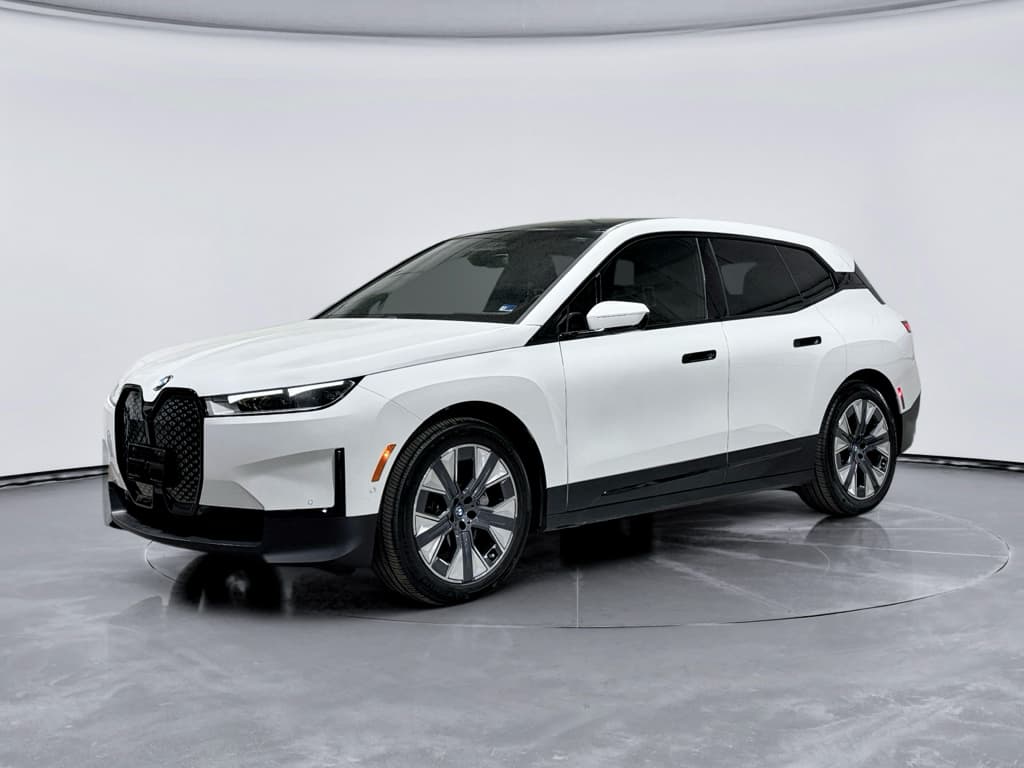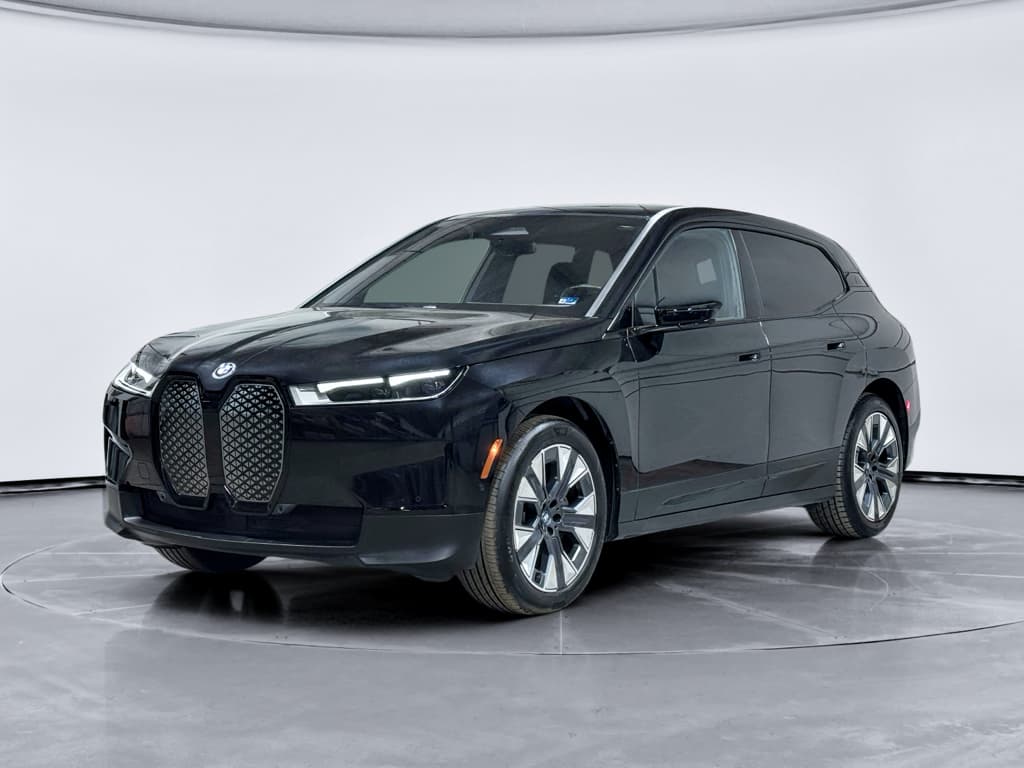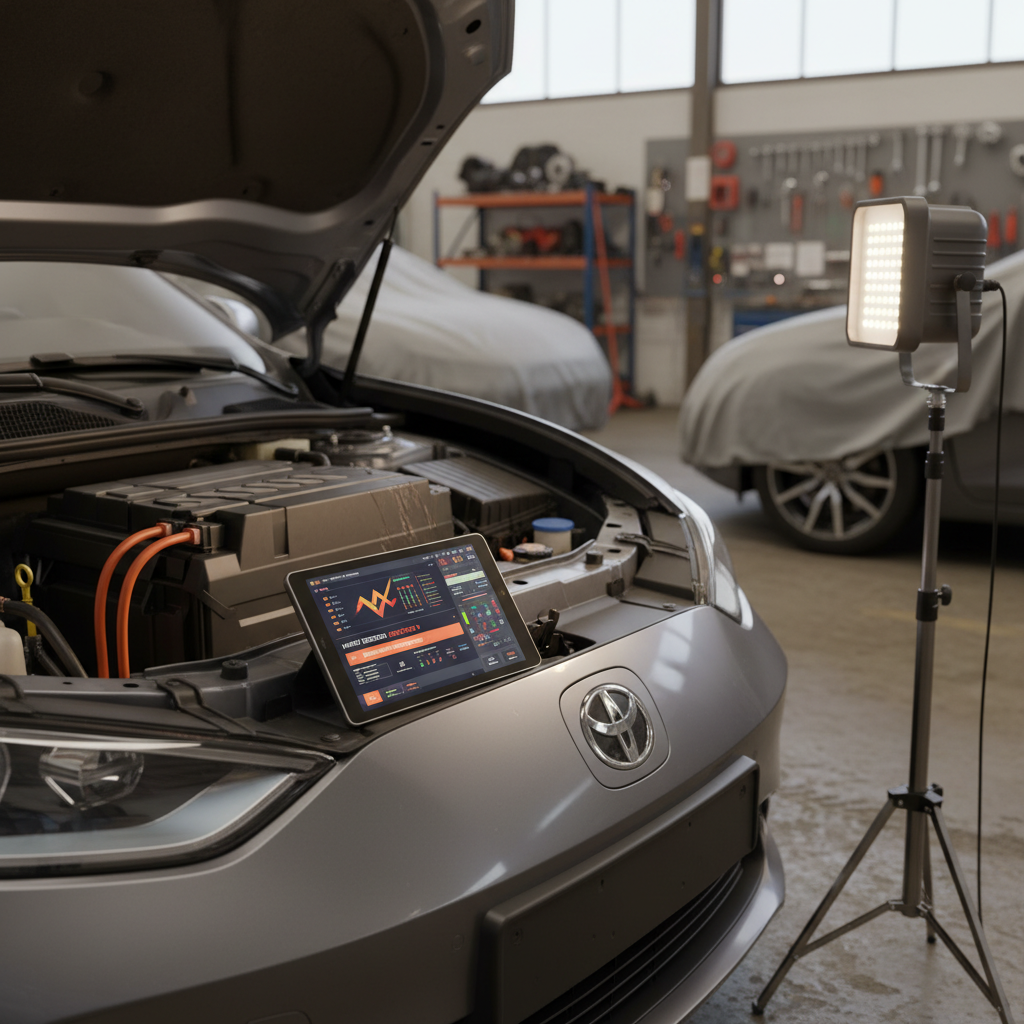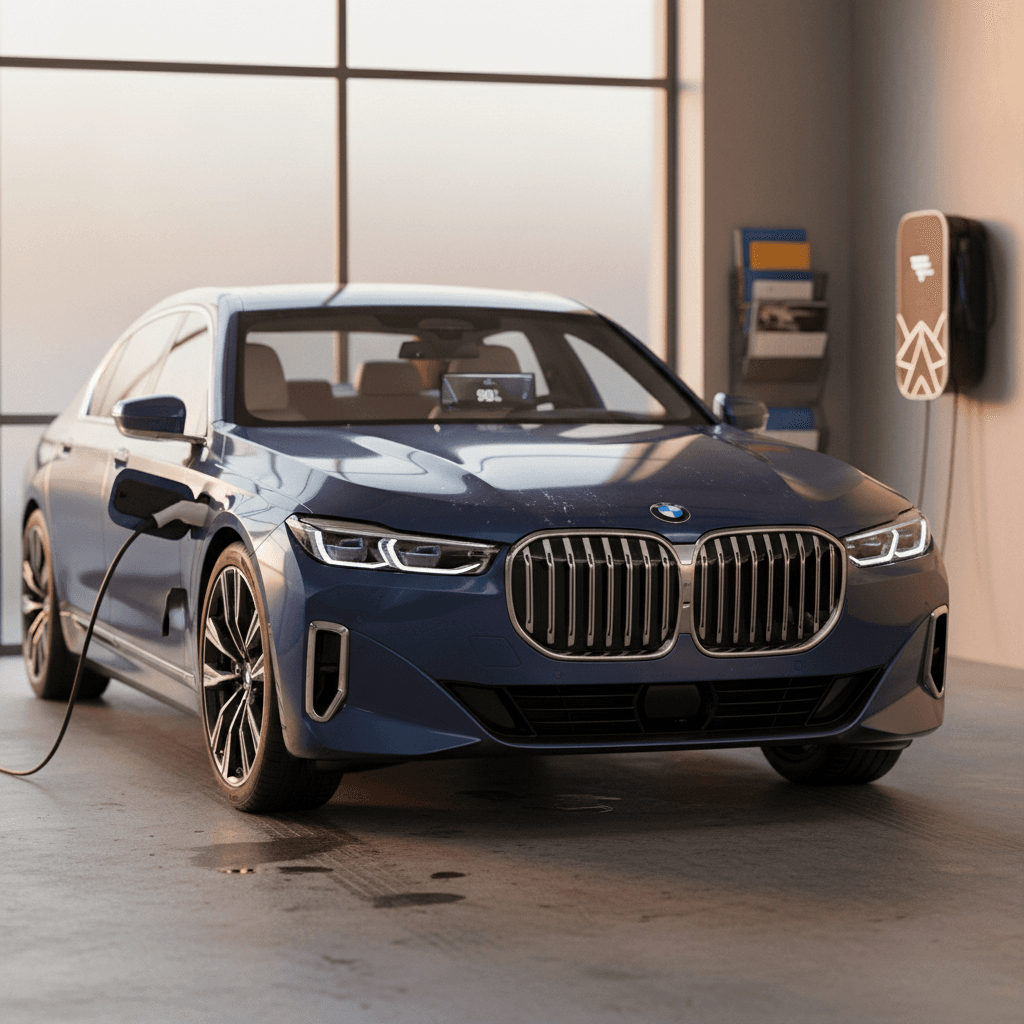
If you’re looking at a flagship electric sedan, the 2025 BMW i7 is probably on your shortlist. It’s quiet, opulent and seriously quick, but like any complex luxury EV, it isn’t perfect. Before you spend six figures new or dive into the used market, it pays to understand the most common 2025 BMW i7 problems, how serious they are, and what you can do to avoid a headache down the road.
Quick context
2025 BMW i7 problems at a glance
Early BMW i7 ownership patterns
With any new EV, the first wave of problems typically shows up in owner forums and service bulletins, not long‑term reliability studies. For the i7, themes are already clear: software hiccups, intermittent charging issues, and the occasional rattle or squeak in this very quiet cabin. Serious drivetrain or traction‑battery failures remain uncommon, but when they do occur they’re expensive, which is why you want documentation and diagnostics before buying used.
Luxury EV rule of thumb
How reliable is the BMW i7 so far?
The i7 is built on BMW’s CLAR platform alongside the 7 Series, which has decades of development behind it. Structurally, the car is solid. Early EV‑specific reliability data for the i7 looks average to slightly above average for a first‑generation luxury EV: not bulletproof, but not a disaster either. That said, traditional reliability scores often lag reality by a couple of model years, so you have to lean on real‑world complaints, TSBs (technical service bulletins), and inspection rather than a neat, single number.
What’s encouraging
- Few widespread battery failures reported so far compared with some early EVs from other brands.
- BMW has a strong history with plug‑in drivetrains and high‑end chassis tuning.
- Extensive warranty coverage on powertrain and high‑voltage battery, especially on 2025 models.
What’s concerning
- Complex software stack (iDrive, driver aids, screen theater, etc.) means more potential glitches.
- Luxury features, soft‑close doors, air suspension, powered everything, add long‑term cost risk.
- Big wheels and low‑profile tires can lead to ride and wheel damage issues on rough roads.
How to read early reliability
Most common 2025 BMW i7 problems and complaints
Because the 2025 i7 is an evolution of the earlier model‑year car, many of the same issues carry over, sometimes improved, sometimes not. Here are the problem categories you’ll most often hear about:
- Software and infotainment glitches (freezes, lag, dropped Bluetooth, camera view hiccups)
- Driver‑assistance quirks (false warnings, lane‑keeping that feels too aggressive or inconsistent)
- Charging behavior issues (DC fast‑charging speed lower than expected, station compatibility complaints)
- Range and efficiency not matching EPA estimates in real‑world driving
- Ride and noise complaints on certain wheel/tire combinations
- Minor build‑quality issues (trim rattles, wind noise, power doors/windows needing adjustment)
Trim matters
Battery health, range and charging issues
Any EV buyer’s first concern is the battery. While we haven’t seen a wave of 2025 i7 battery pack failures, you should still take range and charging performance seriously, especially if you’re buying one after a previous owner put on hard miles or did constant DC fast charging.
Battery & charging complaints owners mention
Most are manageable if you know what to look for.
Perceived range loss
Owners sometimes report the car no longer reaching its original rated range. This can be real degradation or simply more aggressive driving and climate use.
Slower DC fast charging
Some drivers see lower peak charging speeds than marketing numbers, especially in cold weather or at busy stations.
Station compatibility hiccups
Occasional handshake issues with certain public chargers can cause failed sessions or repeated restarts.
Cold‑weather effect
Battery and charging checks before you buy an i7
1. Review the car’s charging history
Ask for charging logs or at least a description of how the car was used. An i7 that spent life on home Level 2 charging is usually kinder to the battery than one fast‑charging multiple times a week.
2. Compare displayed range to original spec
Fully charge the car (or close) and compare the indicated range to what BMW quoted when new. A modest reduction is normal; a dramatic drop needs explanation.
3. Test a DC fast‑charge session
If possible, plug into a high‑power DC charger during a test drive. Watch peak speed and whether it quickly tapers for no obvious reason, which can hint at pack or thermal‑management issues.
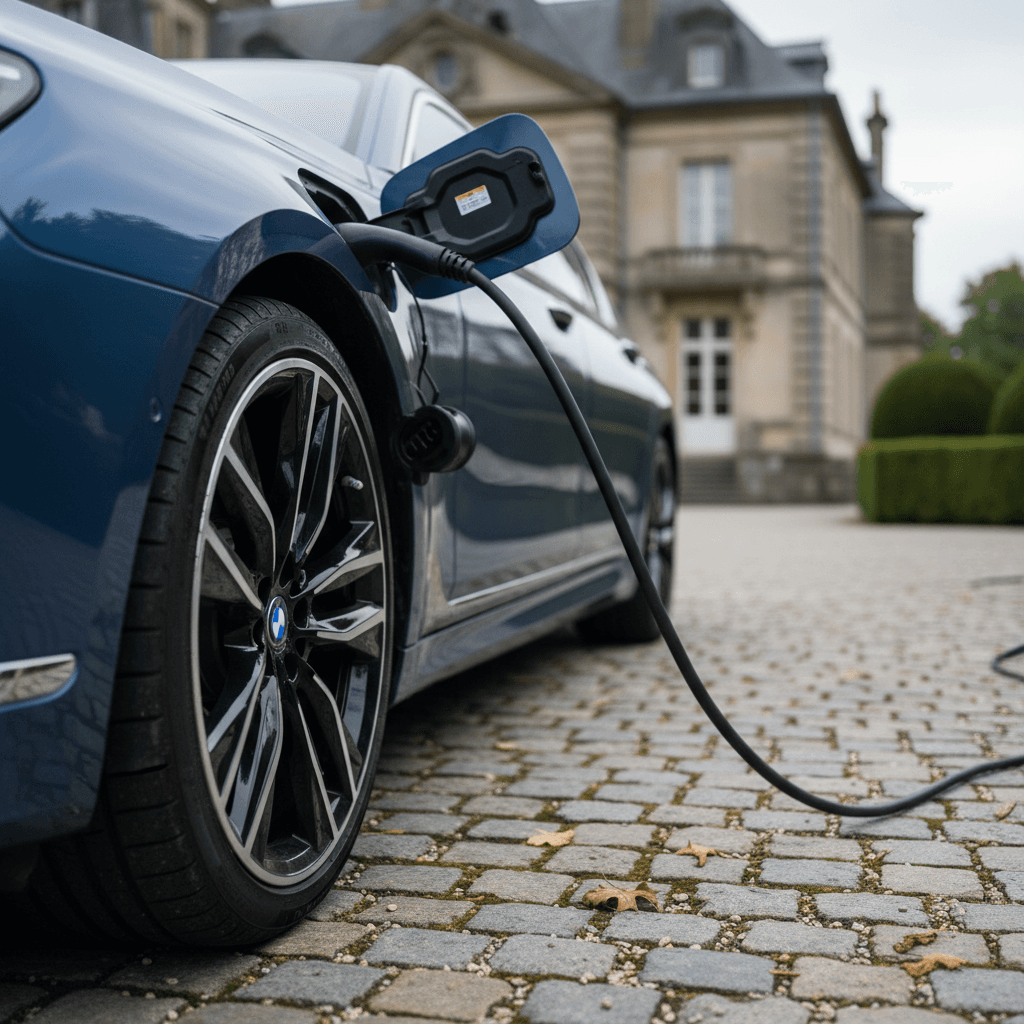
4. Inspect the charging port and cable
Look for damage, corrosion, or evidence of rough handling. A worn connector or bent pins can lead to unreliable charging sessions and potentially expensive repairs.
5. Ask about software updates
BMW often tweaks charging curves and energy management with over‑the‑air updates. A car stuck on very old software might feel worse than a current one, even with similar hardware.
Pro move: third‑party battery test
Software, infotainment and driver-assistance glitches
The 2025 i7 is essentially a rolling computer lab: huge curved displays, optional rear theater screen, augmented‑reality navigation, and a full suite of driver‑assist tech. That’s impressive, but every layer of code is another opportunity for a hiccup. New‑car owners often complain more about screens and beeps than motors and batteries.
Typical i7 tech complaints (and how serious they are)
Most tech issues are annoying, not dangerous, but they can hurt your ownership experience if they happen often.
| Area | Common complaint | Real‑world impact | What to do when shopping |
|---|---|---|---|
| Infotainment / iDrive | Freezes, slow responses, random reboots | Annoying, but usually temporary; may require dealer software update | Spend time in menus, navigation, audio and apps during test drive to check for lag or crashes. |
| Bluetooth / phone | Dropped connections, call quality issues | Frustrating on a daily basis, especially for business use | Pair your phone, stream audio, make a call and see if it stays stable. |
| Cameras & parking aids | 360° view delay or black screen | Can briefly reduce situational awareness when parking | Recreate parking situations; make sure all views appear quickly and clearly. |
| Driver‑assist systems | Over‑sensitive lane‑keeping, false collision warnings | Can cause driver annoyance or distrust of the system | Drive on highway with systems active and adjust settings to taste; confirm they can be easily toggled. |
| Over‑the‑air updates | Updates fail or take multiple attempts | Minor hassle; may delay bug fixes or new features | Ask for service records showing successful recent updates. |
Use this as a checklist during your test drive: try to reproduce any of these behaviors.
Good news on software
Ride comfort, noise and build quality concerns
The i7 is designed to be a limousine‑class EV, but not every example will feel equally serene. Owners who optioned very large wheels or sport packages sometimes complain about a busier ride or more road noise than they expected in a six‑figure sedan.
Comfort and refinement complaints you might notice
These are highly subjective, but they matter in a luxury EV.
Harshness over broken pavement
Big wheels + low‑profile tires + heavy EV weight can mean sharp hits over potholes or expansion joints.
Wind noise at highway speeds
A few owners report wind rustle around mirrors or glass at 70+ mph, especially on crosswinds.
Trim creaks and rattles
In a nearly silent EV, even small interior noises stand out. Sunroofs, door panels, or the rear theater screen can be culprits.
How to evaluate comfort and build quality on a test drive
1. Drive both city and highway
Low‑speed bumps and high‑speed airflow reveal different flaws. Use rough pavement, speed bumps, and a freeway stretch if you can.
2. Try different drive modes
Comfort, Sport and Adaptive modes can change the feel dramatically. Make sure the one you’d use most feels right to you.
3. Listen with audio off
Turn off the stereo and HVAC fan for a few minutes on the highway. Any buzz, whistle or rattle will reveal itself quickly.
4. Check doors, windows, sunroof
Open and close everything, including power trunk and soft‑close doors. Watch for misalignment, hesitation, or unusual noises.
Wheel and tire caution
Maintenance, recalls and warranty coverage for the i7
EVs eliminate oil changes and many traditional wear items, but the i7 still has brakes, suspension, climate control hardware and plenty of complex electronics. Staying on top of updates and campaigns is just as important as it is on a gas‑powered 7 Series.
- BMW typically offers an 8‑year/100,000‑mile (or more) high‑voltage battery warranty on its EVs in the U.S., with separate coverage for the rest of the car.
- Software updates, minor electronic repairs and some charging‑related issues are often handled under the basic warranty, especially on a 2025 model still within its first years of life.
- Recalls and service campaigns can involve software, charging safety, or physical components like seat belts or suspension parts, these should be done at no cost to the owner.
- Routine items, tires, wiper blades, brake service, cabin filters, still matter and can be more expensive on a heavy luxury EV.
Paperwork that should come with a used i7
Buying a used BMW i7: what to check first
A used i7 can be a phenomenal value: early depreciation on six‑figure luxury sedans is steep. But that discount is only a bargain if the car’s battery, electronics and comfort features are in good shape. Here’s how to stack the odds in your favor.
Used BMW i7 pre‑purchase checklist
1. Start with battery health data
Don’t rely on gut feel. Ask for a recent <strong>battery health report</strong> or capacity estimate. If you’re shopping through a platform like Recharged, this is built into the vehicle’s Score; if you’re buying private‑party, consider paying for an independent EV inspection.
2. Confirm software and recalls are up to date
Have a BMW dealer run the VIN for open campaigns and last update date. An i7 on old software may have unresolved bugs that the latest version fixes.
3. Test all tech and comfort features
It’s not enough to drive around the block. Spend 20–30 minutes inside: test every seat adjustment, massage function, climate zone, camera, audio source, phone pairing, and any rear‑seat entertainment.
4. Evaluate charging behavior in your real world
If you’ll mostly charge at home, make sure a Level 2 setup is feasible where you live. If you’ll rely on public DC fast charging, plug into your local network during the test drive and see how the i7 behaves there.
5. Get a lift inspection if possible
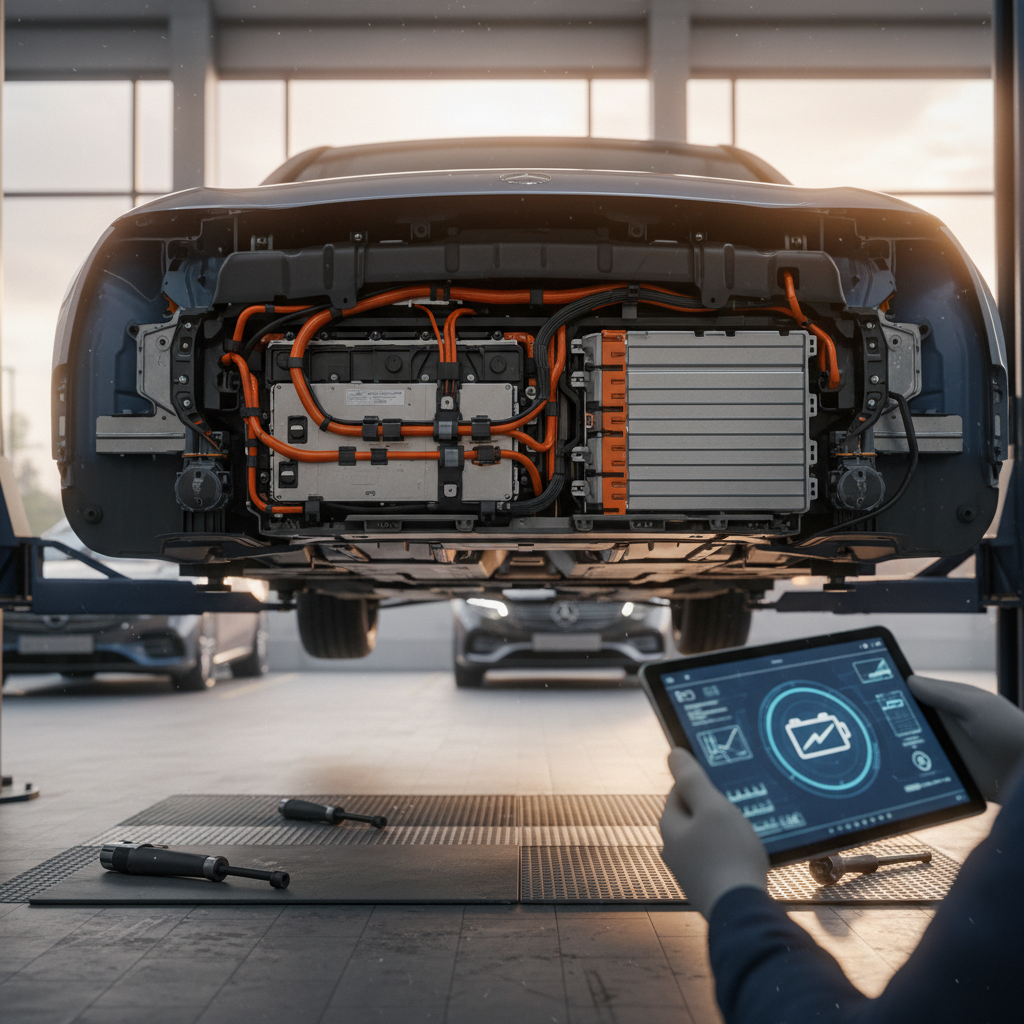
On a lift, a technician can check underbody panels, high‑voltage cabling, suspension and brake wear that you’ll never see from the curb.
6. Run the numbers on warranty coverage
Note the in‑service date and mileage, then calculate how much factory warranty is left on both the comprehensive coverage and the high‑voltage battery.
Red flags on a used i7
How Recharged helps with used luxury EVs like the i7
If you love the idea of an i7 but hate the idea of guessing about its battery or hidden issues, a curated used‑EV marketplace can take a lot of stress out of the process. That’s exactly where Recharged comes in.
Why shop for a used BMW i7 through Recharged?
Transparency and EV‑specific expertise matter more as vehicles get more complex.
Recharged Score battery health diagnostics
Every vehicle listed on Recharged gets a Recharged Score Report with verified battery health and charging data, so you’re not guessing about the most expensive component on the car.
Fair pricing and financing options
You see fair market pricing up front, plus financing tailored to EV buyers, so you can compare a used i7 against other luxury EVs with real numbers, not guesses.
EV‑savvy support and nationwide delivery
Recharged’s EV specialists help you compare models, explain charging needs, and arrange nationwide delivery, or an in‑person visit to the Experience Center in Richmond, VA.
Ready to find your next EV?
Browse VehiclesInstead of hunting through random listings and trying to decode whether a seller’s “no issues” claim really means anything, you get structured data about the car, including its battery, software status and market‑correct pricing. That’s especially valuable when you’re stepping into a technology‑dense luxury EV like the i7.
FAQ: 2025 BMW i7 problems
Frequently asked questions about 2025 BMW i7 problems
Bottom line: is the 2025 BMW i7 worth it?
If you want a full‑size luxury sedan that happens to be electric, not an EV that happens to be luxurious, the 2025 BMW i7 is one of the standouts on the market. Its problems so far tend to be the predictable side‑effects of complexity: software quirks, finicky tech and the occasional comfort complaint, rather than a fundamental flaw in the platform or battery.
That doesn’t mean you should buy blind. Take battery health, charging behavior and tech reliability seriously. Insist on records, updates and a thorough inspection, and lean on EV‑focused tools like a Recharged Score Report if you’re shopping used. Do that, and the i7’s blend of silence, speed and comfort can be a pleasure, not a problem, to live with.