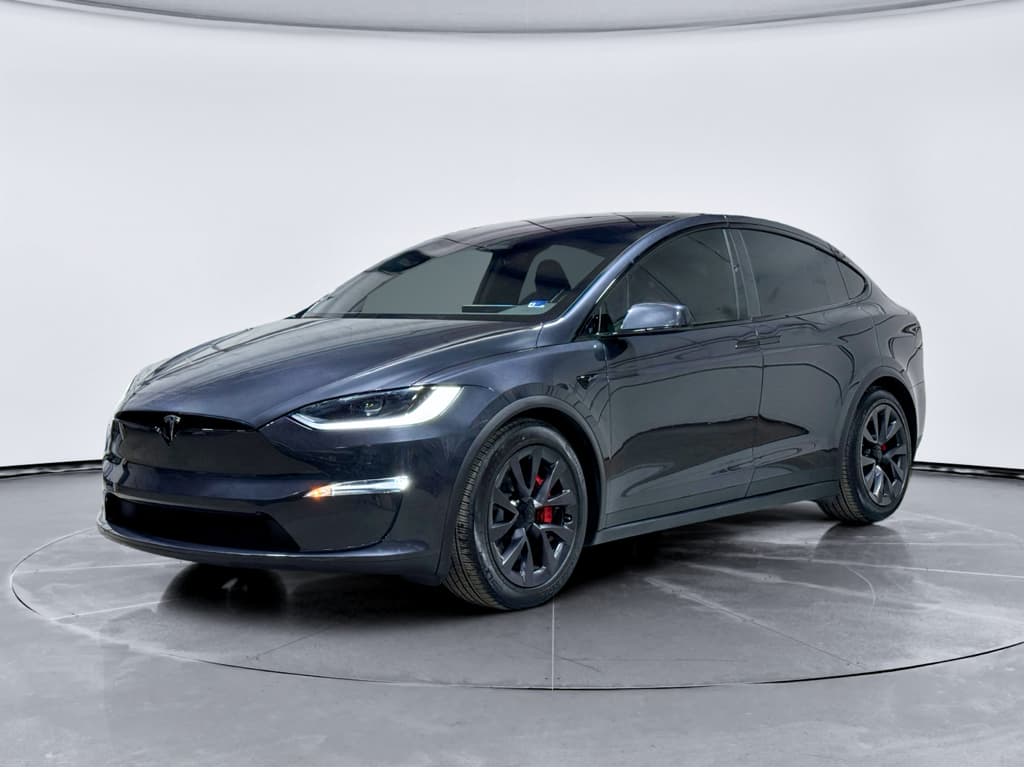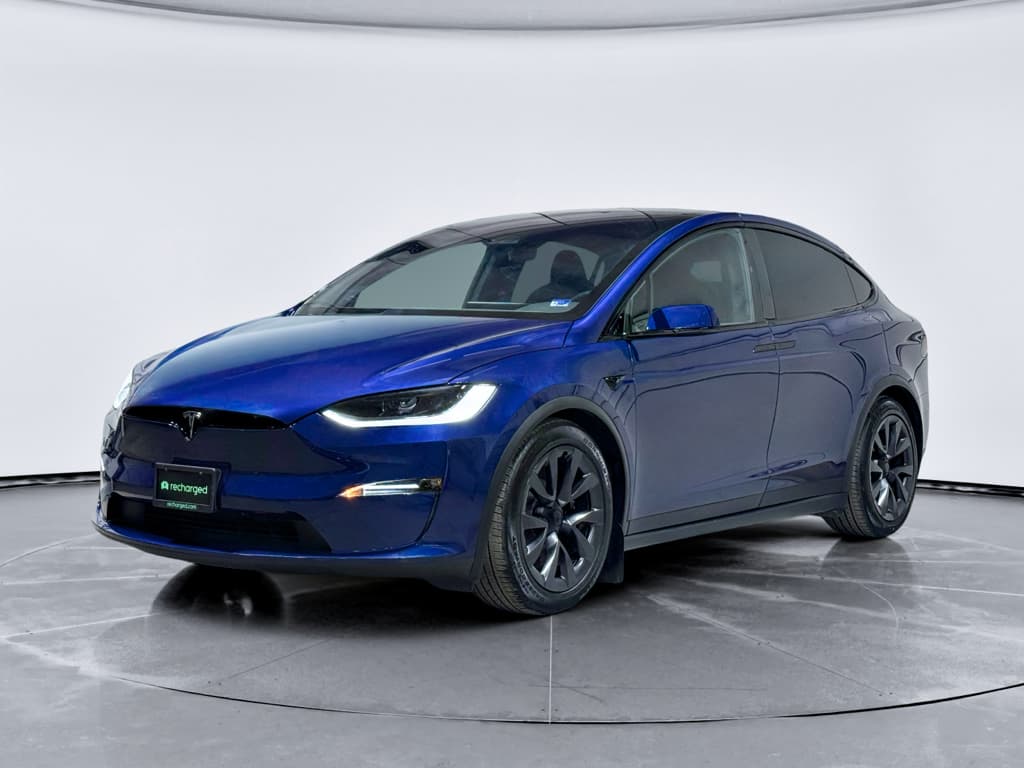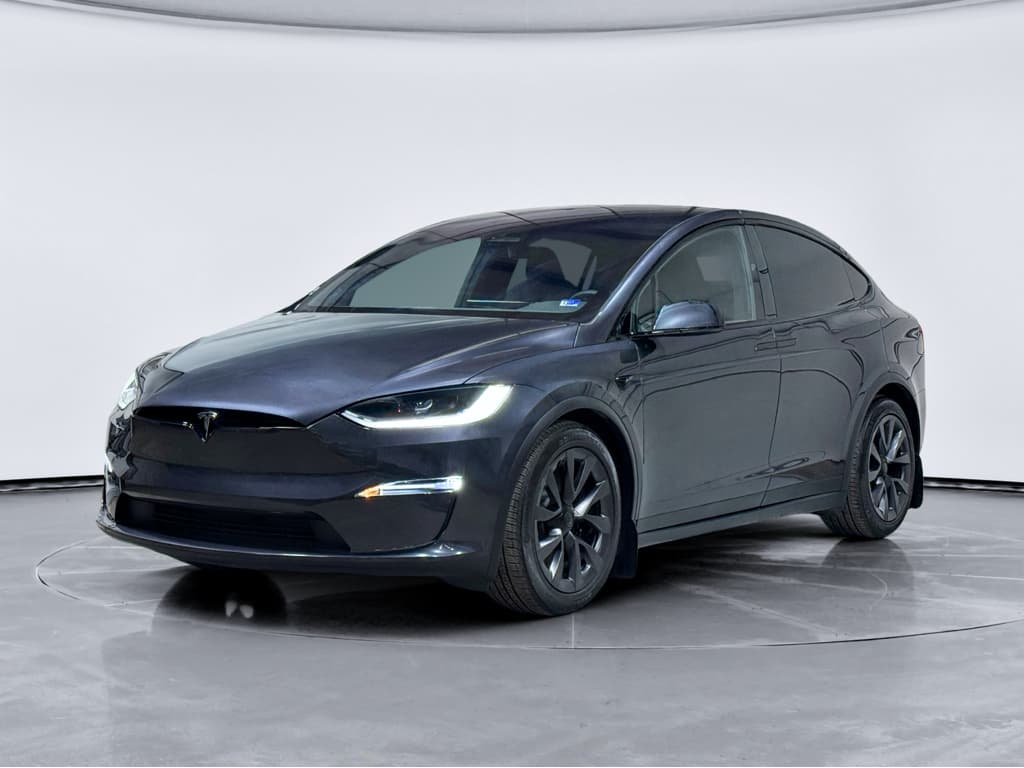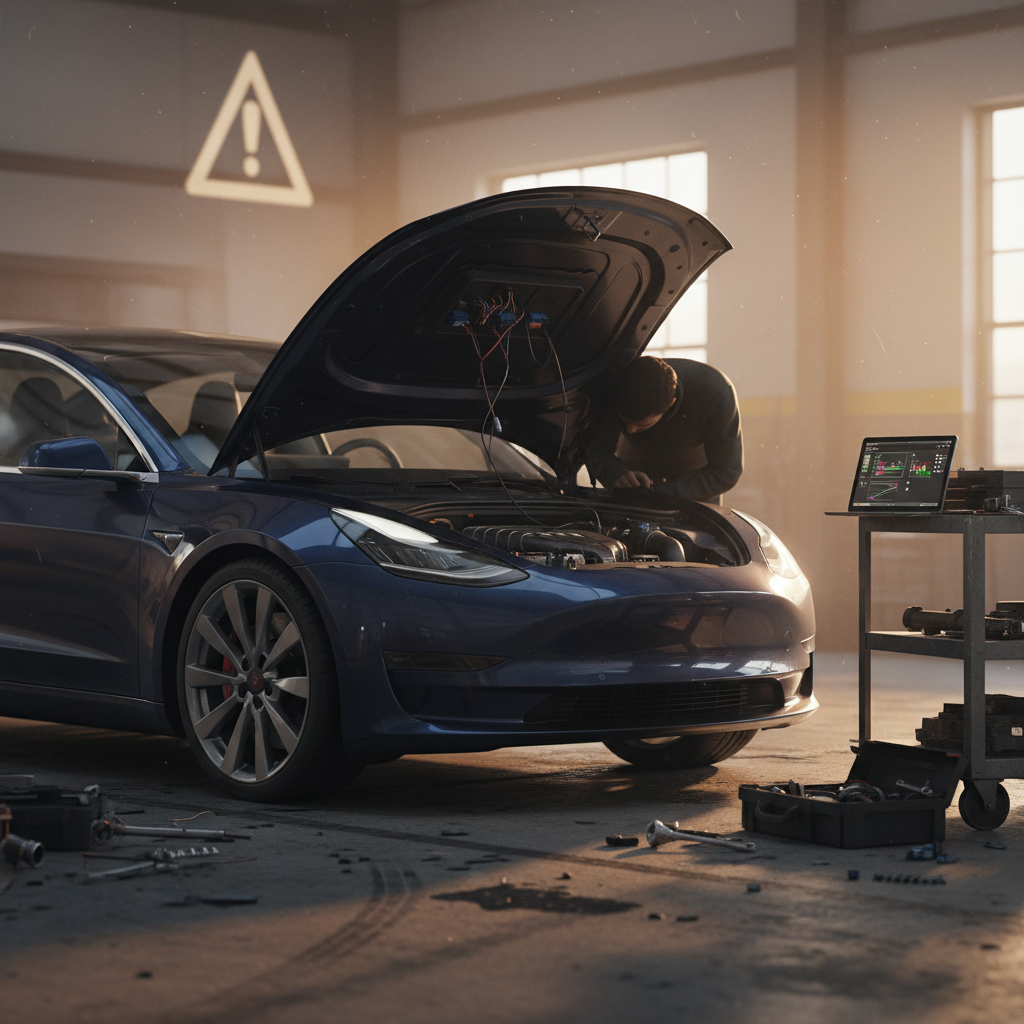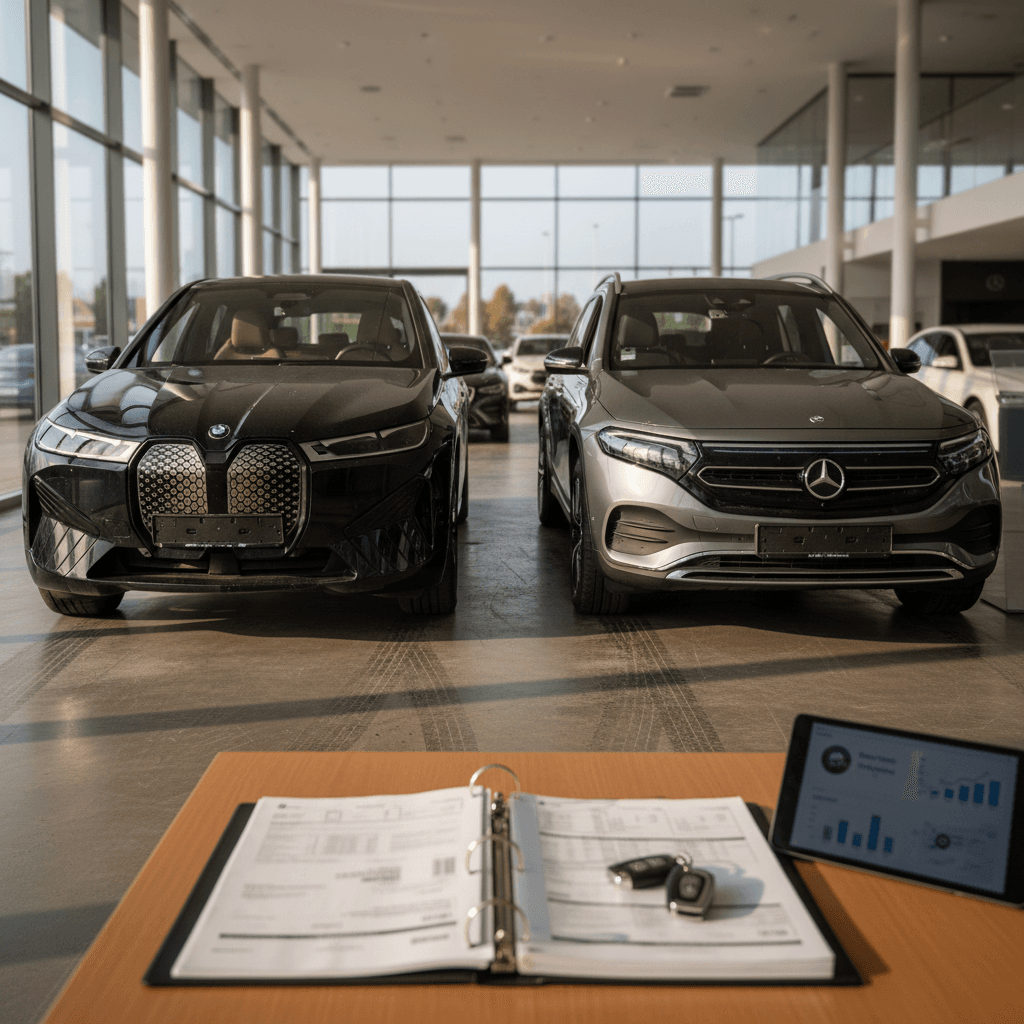
You’re shopping for a **used luxury electric SUV** and you’ve narrowed it down to the big guns: a used Tesla Model X vs a Mercedes EQS SUV. One is Silicon Valley theater on wheels with falcon-wing doors; the other is a quiet electric S‑Class on stilts. Both are expensive new, both depreciate hard, and both can be fantastic used buys, if you know what you’re getting into.
Why this comparison is different
Overview: Used Tesla Model X vs Mercedes EQS SUV
Tesla Model X (used)
- Best for: Range, Supercharger access, crazy acceleration, geeky kids, towing.
- Personality: Futuristic, slightly fragile spaceship.
- Strengths: Long range (300+ miles on newer models), huge cargo space, optional 7 seats, strong towing up to 5,000 lbs, frequent over‑the‑air updates.
- Watch for: Falcon‑wing door issues, trim and rattle complaints, out-of-warranty repair costs.
Mercedes EQS SUV (used)
- Best for: Quiet comfort, materials, passengers who like to be pampered.
- Personality: Electric country‑club lounge.
- Strengths: Ultra‑quiet cabin, sumptuous seats, Hyperscreen tech, smooth air suspension, classic dealer network.
- Watch for: Less cargo room than you’d think, complex electronics, rapid early depreciation.
Model years to target
Quick Specs and What Actually Matters Used
Tesla Model X vs Mercedes EQS SUV: Key Numbers (Typical Recent Models)
Approximate specs for commonly found 2022–2024 Model X and 2023–2024 EQS SUV trims. Always verify the exact trim and EPA ratings for the specific vehicle you’re buying.
| Used Tesla Model X (Long Range / Dual Motor) | Used Tesla Model X Plaid | Mercedes EQS SUV 450+ | Mercedes EQS SUV 450 4Matic | Mercedes EQS SUV 580 4Matic | |
|---|---|---|---|---|---|
| EPA Range (mi) | ~335 | ~326 | ~339 | ~300+ | ~285–300 |
| Battery (kWh, approx) | ~100 | ~100 | 118 | 118 | 118 |
| 0–60 mph (sec) | ~3.8 | ~2.5 | 6.5 | ~5.8 | ~4.5 |
| Drive | AWD | AWD | RWD | AWD | AWD |
| Max DC Fast Charge | 250 kW Supercharging | 250 kW Supercharging | 200 kW CCS/NACS | 200 kW CCS/NACS | 200 kW CCS/NACS |
| Cargo behind 2nd row (cu ft) | 37.1 | 37.1 | 23.0–31.0 | 23.0–31.0 | 23.0–31.0 |
| Max cargo (rear seats folded, cu ft) | 85–94.5 | 85–94.5 | 74.0 | 74.0 | 74.0 |
| Towing (lbs) | 5,000 | 5,000 | Up to 3,500 | Up to 3,500 | Up to 3,500 |
| Seating | 5/6/7 | 6 | 5 or 7 | 5 or 7 | 5 or 7 |
Specs are a starting point; used condition and battery health matter more.
Don’t buy the spec sheet alone
Price, Depreciation, and Value on the Used Market
Both of these SUVs wear six‑figure stickers when new, and both take a satisfying dive off a financial cliff the moment they leave the showroom. For you, the second owner, that’s the entire play: let the first buyer absorb the ego tax.
How They Typically Price Used (U.S.)
Exact numbers vary by mileage, options, and region, but this is the ballpark as of 2024–2025.
Used Tesla Model X
- Older 2016–2018 cars: often in the high $20k–$40k range, but watch battery and repair history.
- 2019–2021 pre‑refresh: commonly $40k–$60k.
- 2022+ refresh and Plaid: usually $65k–$90k+ depending on miles and spec.
Because Tesla cut new prices in 2023–2024, used values softened, which is good news if you’re buying now.
Used Mercedes EQS SUV
- First‑owner hit is brutal: six‑figure MSRP cars can drop into the $70k–$90k band in 2–3 years.
- Well‑optioned 450+ and 580s are often priced below a same‑age Model X despite costlier MSRPs.
The EQS SUV is a great case of luxury‑brand depreciation: if you’re shopping used, you’re the one winning.
Value play: what’s your exit plan?
Range, Charging, and Road-Trip Ability
In raw numbers, a modern Model X and EQS SUV live in the same ZIP code: 280–340 miles of rated range depending on trim and wheels. The difference is where and how you refill those miles on a bad‑weather Sunday night in rural Pennsylvania.
Range & Charging at a Glance
- Tesla Model X: With up to ~335 miles of EPA range and Supercharging up to 250 kW, the Model X is purpose‑built for long‑distance duty. The car and the network are tuned to work together; routing, preconditioning and payment are nearly invisible to you.
- Mercedes EQS SUV: Official range up to the high‑300s (for the rear‑drive 450+) is excellent, and 200 kW DC charging is plenty. But your experience depends on third‑party networks, Electrify America, EVgo, etc., and their uptime. Newer EQS SUVs increasingly ship with a NACS adapter and can use Tesla’s infrastructure, but availability and speed can vary by station.
Cold weather reality check
Interior Comfort, Tech, and Noise
This is where the EQS SUV flexes. If you grew up thinking an S‑Class was the default definition of luxury, the electric EQS SUV will feel familiar: dense materials, hushed cabin, a sense that the car weighs as much as a bank vault and is just as quiet.
Cabin Character: Silicon Valley vs Stuttgart
Two very different interpretations of “luxury EV.”
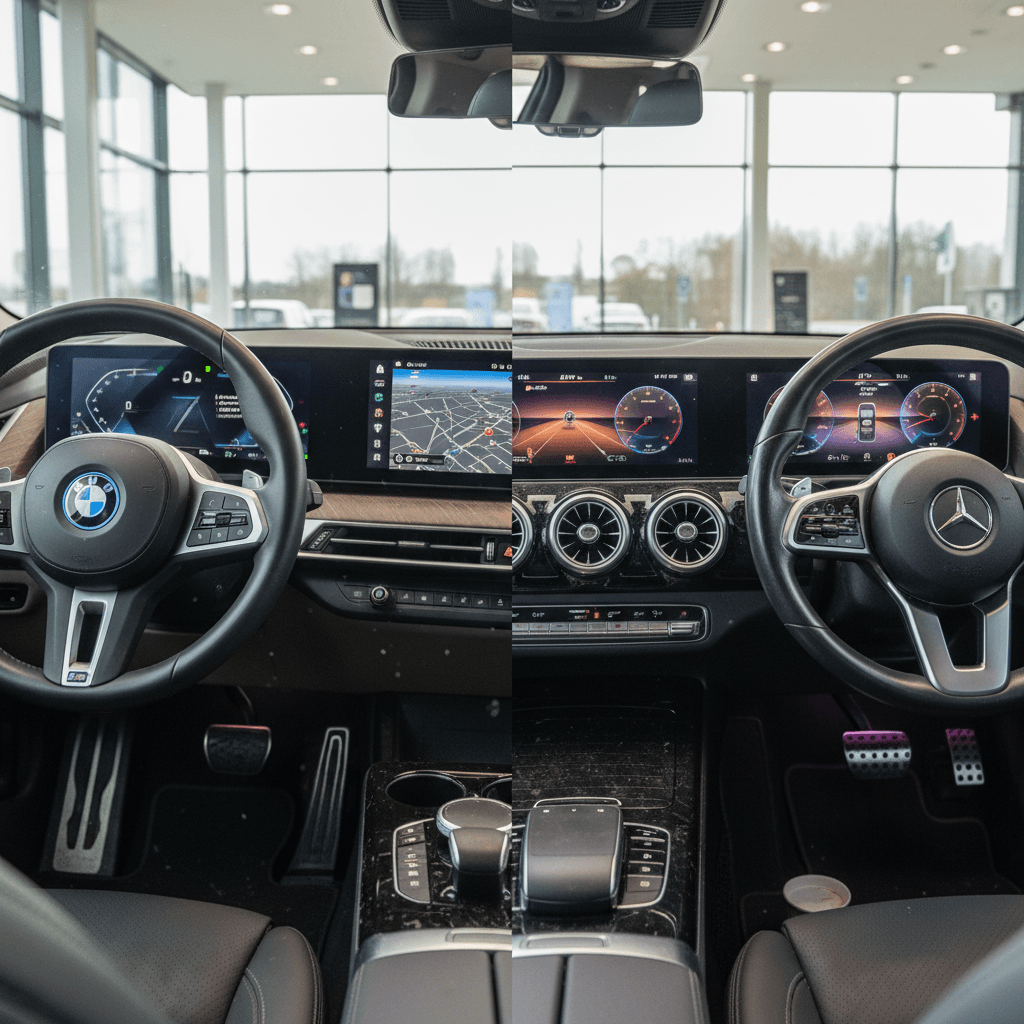
Tesla Model X interior
- Design: Clean and minimalist, dominated by a large center screen; later cars get a yoke‑style or round wheel option.
- Materials: Improved over early cars but still not at Mercedes levels; more hard plastics, simpler switchgear.
- Quietness: Good but not limousine‑grade; wind noise around the massive windshield can be noticeable at highway speeds.
- Infotainment: Excellent navigation and charging integration, great voice control, frequent software updates, plus games and video apps.
Mercedes EQS SUV interior
- Design: Hyperscreen wall‑of‑glass dashboard, sculpted seats, intricate ambient lighting. It feels like a high‑end lounge.
- Materials: Nappa leather, metal switchgear, open‑pore wood on many trims, this is classic Mercedes indulgence.
- Quietness: One of the quietest EV cabins on sale; air suspension and heavy sound insulation blur out bad pavement.
- Infotainment: MBUX is deep and occasionally fussy, but the screens are stunning once you learn the menus.
If your passengers hate road noise
Space, Practicality, and Family Duty
On paper, the Model X is the more practical object. It has more cargo space than many three‑row gasoline SUVs and can be configured for 5, 6, or 7 seats. The EQS SUV is more modest inside; it’s roomy for four or five, less convincing as a true three‑row family hauler.
Practicality Breakdown
How each SUV handles kids, cargo, and everyday chaos.
| Feature | Used Tesla Model X | Mercedes EQS SUV |
|---|---|---|
| Max seating | Up to 7 (various layouts) | Up to 7 (optional 3rd row) |
| Cargo behind 2nd row | ~37 cu ft | ~23–31 cu ft depending on seats |
| Max cargo volume | ~85–94 cu ft | ~74 cu ft |
| Towing | Up to 5,000 lbs | Up to 3,500 lbs |
| Rear doors | Falcon‑wing (2nd row) | Conventional |
| Kid‑friendliness | Fantastic access, but doors can be fussy | Less dramatic, very functional |
If you haul a lot of stuff or tow, the Model X clearly leads.
About those falcon‑wing doors
Family Use Checklist: What to Sit in and Try
Fold and unfold every seat
In either SUV, power‑folding seats and sliding second rows are common failure points. Make sure everything moves smoothly and returns to its latch positions without drama.
Test third-row comfort
If you need three rows, actually sit adults in back. The Model X’s third row is tight but usable; the EQS SUV’s optional third row is best for kids or occasional use.
Open every hatch and door in tight spaces
For the Model X, find a parking garage and test the falcon‑wing doors near pillars. For the EQS SUV, make sure the power tailgate clears low ceilings.
Try stroller and luggage loads
Show up to the test drive with your real‑world gear: stroller, hockey bag, dog crate. See which SUV copes better with your life, not just the spec sheet.
Performance and Driving Character
Both of these SUVs are absurdly quick by historical standards. The slowest EQS SUV is still quicker than many V6 crossovers, and the Model X Plaid will outdrag supercars. But they set out to do different things on the road.
Tesla Model X on the road
- Acceleration: Even the dual‑motor versions are violently quick; the Plaid is borderline comical.
- Handling: Feels lighter on its feet than it looks, though you’re always aware of the mass. Steering is quick, a bit video‑game‑like.
- Ride: Air suspension is generally comfortable but can get busy on broken pavement, especially with the big 22‑inch wheels.
- One‑pedal driving: Strong regen and intuitive calibration make city driving easy.
Mercedes EQS SUV on the road
- Acceleration: The 580 is genuinely fast; the 450 and 450+ feel adequately brisk, with a smooth, elastic surge.
- Handling: Calm, secure, not playful. Rear‑axle steering makes parking lots and tight streets much easier.
- Ride: Comfort‑first air suspension; wafts more than it hustles. Perfect for long, quiet trips.
- Driving aids: Excellent adaptive cruise and lane‑keeping; some drivers find the nannies a bit overprotective.
Pick your poison: speed vs serenity
Reliability, Battery Health, and Running Costs
Neither of these is a cheap car to fix out of warranty, and that’s the real hazard of buying used. You’re not just acquiring an EV; you’re inheriting years of someone else’s software updates, curb kisses, parking‑lot dings, and charging habits.
What Tends to Age Poorly (and Well)
Patterns we see over and over on used luxury EVs.
Battery & charging
Good news: Both the Model X and EQS SUV have proven generally robust high‑voltage packs when not abused.
What to check: DC fast‑charging history, range at 100% vs original EPA, cooling system leaks or repairs.
Complex hardware
Model X: Falcon‑wing hinges, door sensors, early air‑suspension components.
EQS SUV: Air suspension, soft‑close doors, Hyperscreen electronics and motorized vents.
Cost of fixes
Out‑of‑warranty repairs on either can climb into four figures quickly, especially for suspension and electronics. Extended coverage or a solid reserve fund is more or less mandatory.
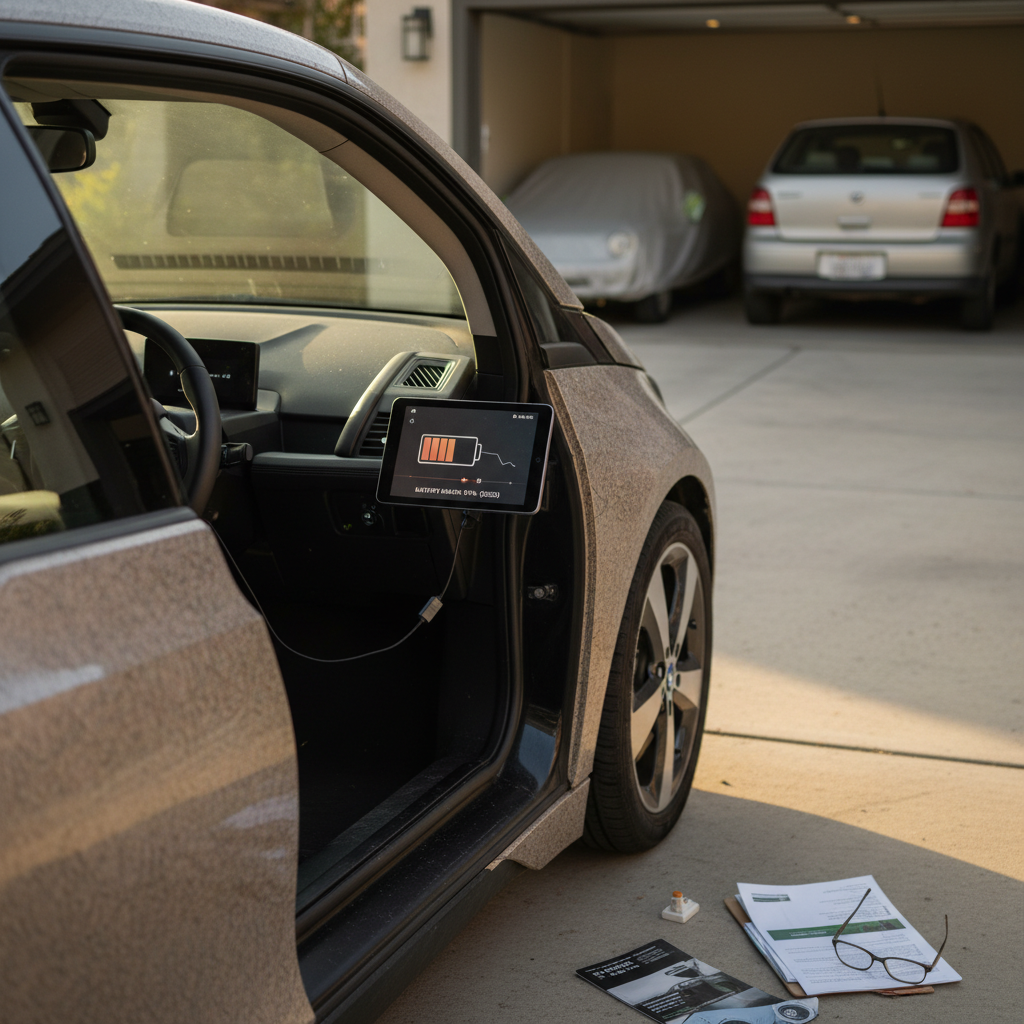
Used EV Battery Health Checklist
Compare displayed range to original EPA
Charge the SUV to 100% and compare the predicted range to the official rating for that trim. A modest drop is normal; a dramatic drop deserves investigation.
Pull a proper battery health report
Whenever possible, use a <strong>scan‑tool or dedicated diagnostic</strong>, or, in Recharged’s case, a <strong>Recharged Score battery assessment</strong>, to see state of health, imbalance, and error codes.
Ask about fast‑charging habits
A life lived entirely on DC fast chargers is harder on a pack than mostly home Level 2 use. Occasional road trips are fine; daily DC use is a yellow flag.
Check for software and recall history
Both Tesla and Mercedes push critical updates. Verify the car has been kept current and that recall work has been done, especially on HV and charge‑port components.
Warranty realities
Which One Fits You? Buyer Profiles
Who Should Buy a Used Model X vs EQS SUV?
The Road‑Trip Family
You regularly drive 200–400 miles in a day with kids and cargo.
You value easy, reliable fast charging more than quilted leather.
You occasionally tow a small camper or trailer.
You’ll live with some squeaks and tech quirks in exchange for charging convenience and space. → <strong>Leaning: Tesla Model X</strong>.
The Quiet Luxury Commuter
Most of your driving is commuting, school runs, and regional trips.
You care deeply about seat comfort, noise isolation, and materials.
You’re happy to let someone else do the driving with advanced driver‑assist systems.
You’ll rarely, if ever, tow. → <strong>Leaning: Mercedes EQS SUV</strong>.
The Tech‑Forward Early Adopter
You want over‑the‑air updates, app‑first everything, and fun software toys.
You’re okay with a slightly more austere cabin if the tech is seamless.
You like owning something that still feels a bit like the future parked in your driveway. → <strong>Leaning: Tesla Model X</strong>.
The Traditional Luxury Buyer
You’ve owned German luxury cars before and like the experience.
You prefer a dealer service model with loaner cars and coffee machines.
You want your EV to feel like a classic luxury SUV first, and a gadget second. → <strong>Leaning: Mercedes EQS SUV</strong>.
How Recharged Helps With a Used Model X or EQS SUV
Shopping for either of these SUVs on the open market can feel like spelunking in the dark: vague descriptions, no real battery data, and sellers who insist that “it just needs a software update.” This is where Recharged tries to civilize the process.
Buying a Used Luxury EV the Recharged Way
What changes when the EV specialist is on your side.
Recharged Score battery diagnostics
Trade‑in, instant offer, or consignment
Financing & nationwide delivery
Ready to find your next EV?
Browse VehiclesFAQ: Used Tesla Model X vs Mercedes EQS SUV
Frequently Asked Questions
Bottom Line: Model X or EQS SUV?
If you want an EV that can carry a family and their junk across half a state in one shot, plug into a bulletproof fast‑charging network, and occasionally embarrass sports cars, a used Tesla Model X is still the reference. You’ll tolerate some quirks, but you get range, space, and unmatched charging convenience.
If you want your EV experience to feel like a first‑class cabin, whisper‑quiet, impeccably upholstered, softly glowing with ambient light, the Mercedes EQS SUV is your natural habitat. It’s less practical, but more indulgent; less spaceship, more sanctuary.
Either way, the smart move is the same: buy the specific car, not the badge. Prioritize battery health, verified history, and inspection quality over wheel size and sound systems. That’s exactly what Recharged is set up to deliver, transparent reports, expert EV guidance, financing, trade‑in support, and nationwide delivery, so your six‑figure SUV doesn’t turn into a five‑figure surprise.