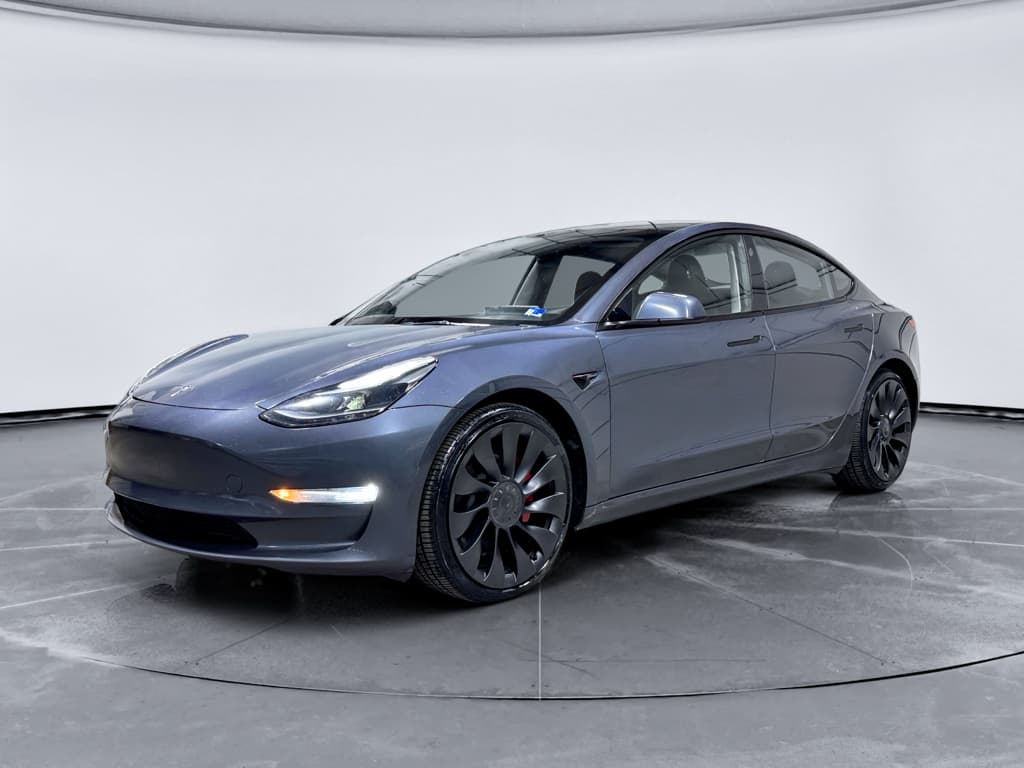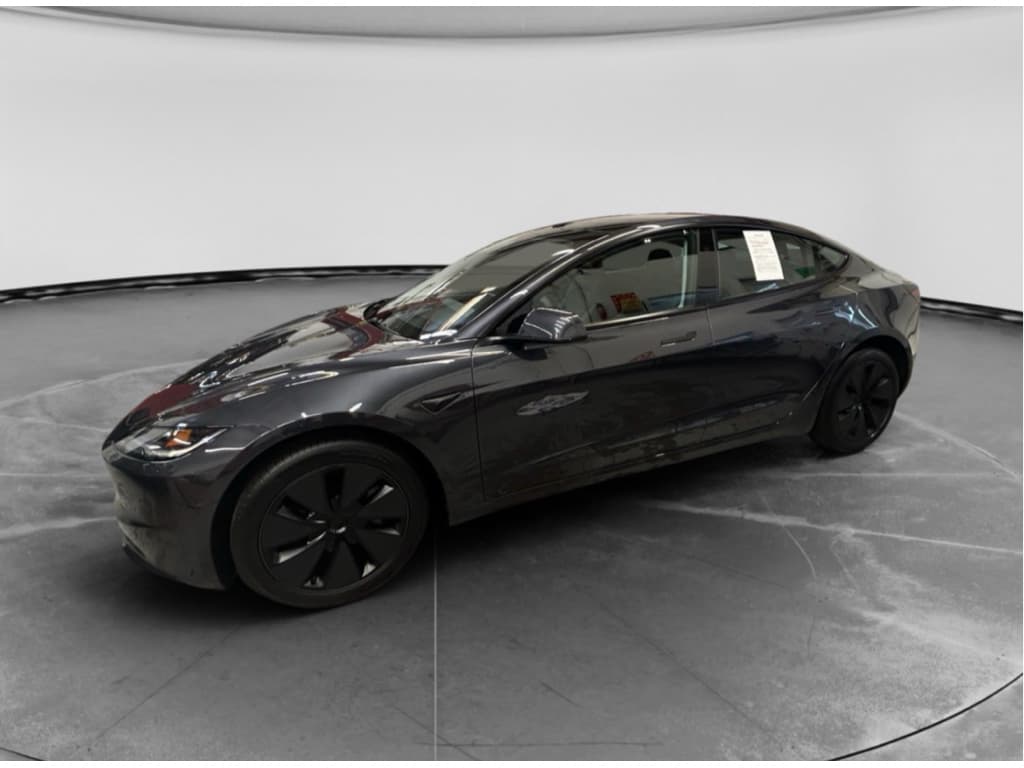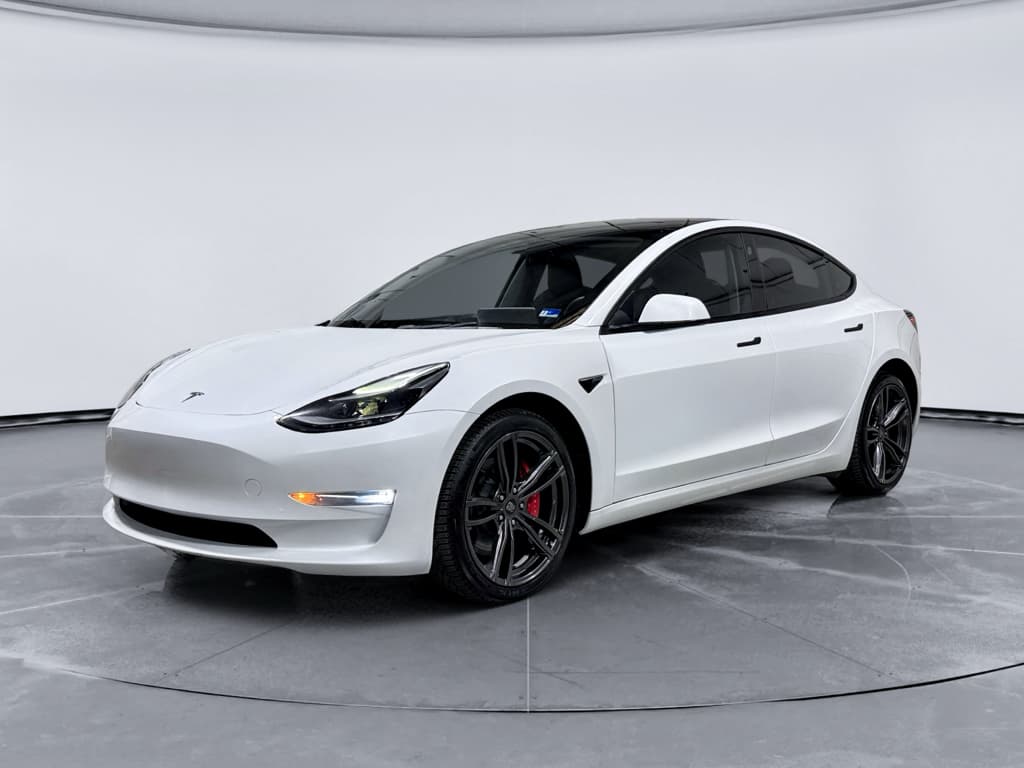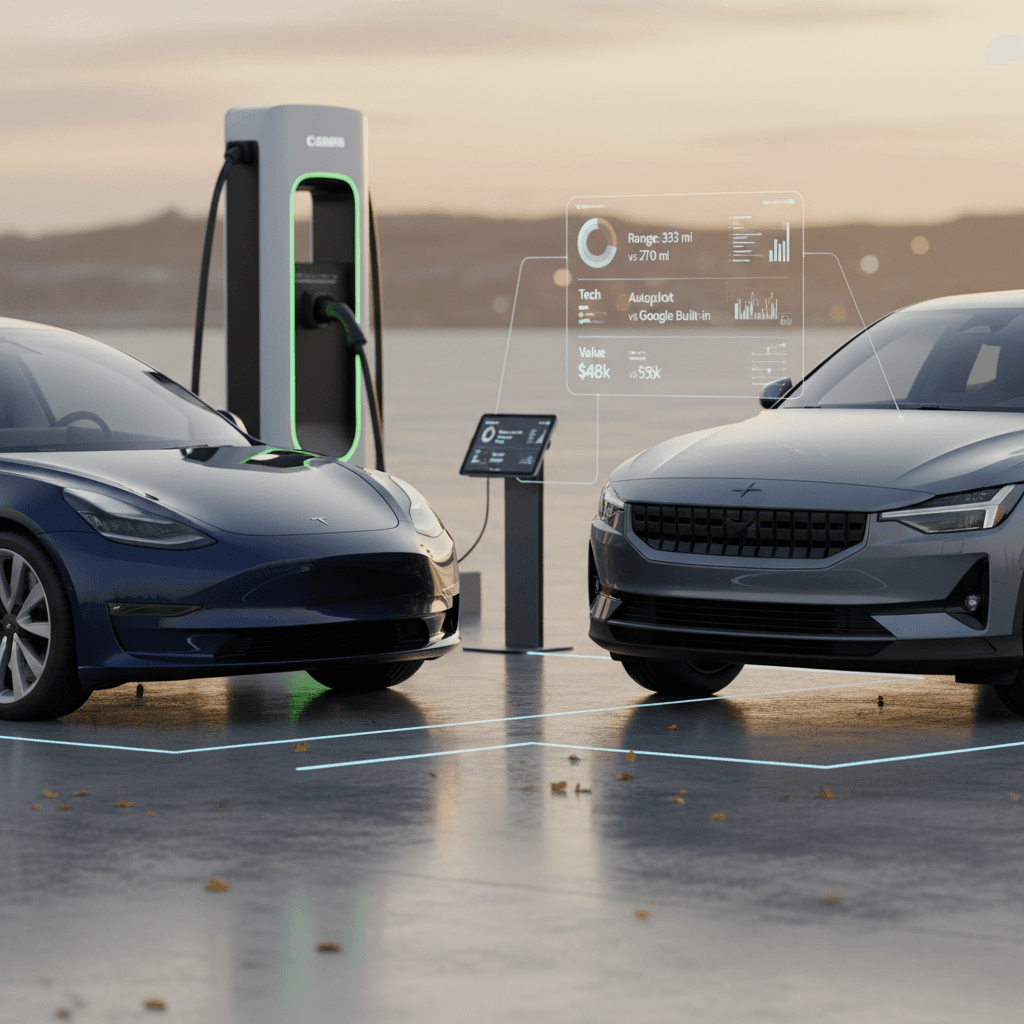
You’ve narrowed your used‑EV search to a used Tesla Model 3 vs Polestar 2. That’s a smart short list. Both are stylish, efficient electric sedans with strong safety records and serious tech. But on the used market they feel very different: one is a mass‑market American icon with unmatched charging access, the other a Scandinavian‑flavored upstart with luxury vibes and a smaller footprint on U.S. roads.
Who this guide is for
Why this comparison matters for used EV buyers
On paper, a used Tesla Model 3 and Polestar 2 overlap heavily: similar size, similar EPA range, similar performance. In reality, they solve different problems. The Model 3 leans into efficiency, software, and the Supercharger network. The Polestar 2 leans into premium feel, build quality, and a more traditional car‑like interface. On the used market, differences in depreciation, battery updates, and software support matter even more than when these cars were new.
At Recharged, we see that buyers cross‑shopping these two cars usually care about three questions: 1. Will I have enough range and charging access for my real life? 2. Which car will age better, inside, outside, and under the floor where the battery lives? 3. What’s the smarter financial move over the next 5–8 years? We’ll walk through each of those, plus all the subjective stuff that actually makes you love (or resent) the car you drive every day.
Quick take: used Model 3 vs Polestar 2
At a glance: which used EV suits you?
Use this as a cheat sheet before we dive into details.
Choose a used Tesla Model 3 if…
- You want maximum charging convenience via Tesla’s Supercharger network plus growing CCS/NACS options.
- Range per dollar is your priority and you’re okay with a firmer ride and minimalist interior.
- You like frequent over‑the‑air software updates and a big central touchscreen.
- You’re shopping where used inventory is plentiful, so you can compare many cars and negotiate.
Choose a used Polestar 2 if…
- You prefer a more premium, Scandinavian cabin with physical controls and a Volvo‑like feel.
- You value solid build quality, quieter cabins, and a hatchback for cargo flexibility.
- You’re comfortable relying primarily on CCS public fast‑charging networks.
- You like that Polestar 2s tend to be a bit more under‑the‑radar than a Tesla in your driveway.
Recharged’s high‑level verdict
Key specs and real-world range
Used inventory today is dominated by 2018–2023 Tesla Model 3s and 2021–2024 Polestar 2s. Exact numbers vary by trim, but here’s how the big‑picture specs and range compare for typical configurations you’ll find on a used lot.
Used Tesla Model 3 vs Polestar 2: core specs (typical U.S. trims)
Representative specs for common trims in the U.S. used market. Always confirm the exact battery and motor configuration on the specific car you’re buying.
| Model & trim (typical used) | Drivetrain | Usable battery (approx.) | EPA range (mi) | 0–60 mph (sec) | DC fast-charge peak | ||||||
|---|---|---|---|---|---|---|---|---|---|---|---|
| Tesla Model 3 RWD (2021–2023) | RWD | ~60 kWh | ~267 | ~5.8 | 170–250 kW (varies by year) | ||||||
| Tesla Model 3 Long Range (AWD) | AWD | ~75–82 kWh (incl. updates) | 310–358 (year/refresh dependent) | 4.2–4.4 | 170–250 kW | Polestar 2 Single Motor Long Range (2024) | RWD | ~79 kWh usable | Up to ~320 | ~5.5 | Up to 205 kW |
| Polestar 2 Dual Motor (2023–2024) | AWD | 75–78 kWh usable | ~276 | ~4.3–4.5 | Up to 205 kW |
EPA range figures are manufacturer estimates; expect lower real‑world range, especially at highway speeds and in cold weather.
Don’t shop by brochure range alone
Real‑world range expectations on a used Model 3 vs Polestar 2
In plain English: a used Long Range Model 3 will usually go a bit farther on a charge than an equivalent Polestar 2, especially on the highway. Around town, where regen braking and lower speeds favor efficiency, the gap shrinks and both feel comfortably capable for most commutes.
Driving character, comfort, and noise
Tesla Model 3: light, quick, and a bit firm
The Model 3 is the lighter, sleeker car. Steering is quick, responses are immediate, and even the base RWD version feels genuinely fast merging or passing. The flip side is ride quality: on 18‑ or 19‑inch wheels, many owners describe it as firm to borderline busy on rough pavement, especially compared with more comfort‑tuned sedans.
Road and wind noise are acceptable but not luxury‑car quiet. If you’re coming from a compact gas sedan, it’ll feel refined; if you’re coming from a Volvo or Audi, it might feel a little raw.
Polestar 2: planted, solid, and more relaxed
The Polestar 2 feels heavier and more planted. The steering is nicely weighted, and the chassis has a subtle European sophistication, composed over broken pavement, confident in fast sweepers. Dual‑motor cars are seriously quick; single‑motor versions still feel strong.
Noise levels are generally lower than a Model 3, and the ride has a bit more give, especially on the right tires. If you drive long distances or value a calmer cabin, the Polestar 2 has the edge.
Test different wheels and tires
Infotainment and tech: very different philosophies
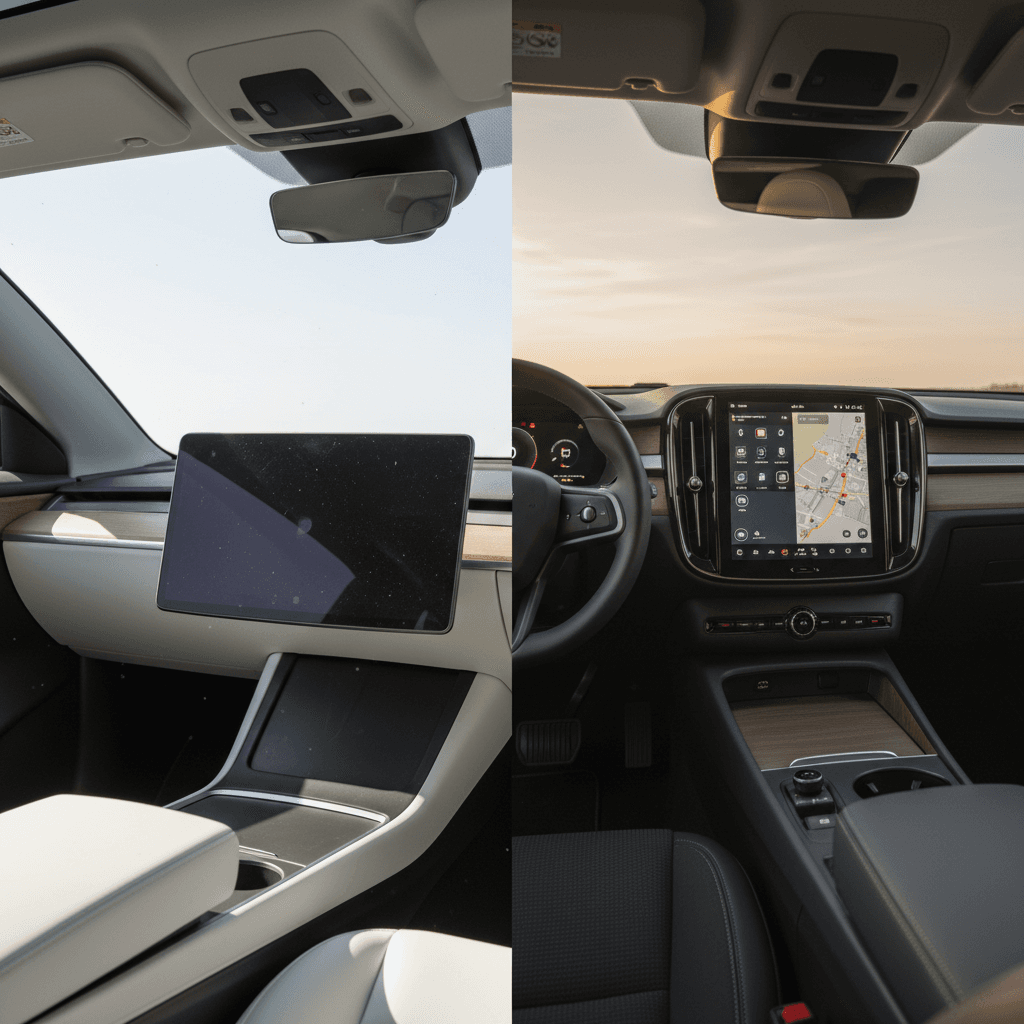
This is where the personalities really split. If you’re the type who lives on your phone and likes to tinker with settings, the Model 3 will feel like home. If you prefer something closer to a modern Volvo, with Google built‑in, separate gauge cluster, and more buttons, the Polestar 2 will put you at ease.
Tech experience: Tesla vs Polestar
Both are modern; which one matches your brain wiring?
Tesla Model 3 tech
- Single 15-inch central touchscreen controls almost everything, from wipers to driving modes.
- Native navigation optimized for Tesla’s charging network and route planning.
- Frequent over‑the‑air updates can add features or tweak driving behavior.
- Optional Autopilot and Full Self‑Driving (FSD) packages vary widely by used car; verify what’s actually activated.
Polestar 2 tech
- 11-inch center screen running Google built‑in (Maps, Assistant, Play Store) and a separate digital gauge cluster.
- Clean, Volvo‑style interface with more conventional menus and physical controls for key functions.
- Over‑the‑air updates are less dramatic than Tesla’s but still bring meaningful improvements.
- Advanced driver‑assist systems feel familiar if you’ve driven recent Volvo products.
Important used‑car detail
Charging speed and network access on a used EV
Charging is where a used Tesla Model 3 still enjoys a big structural advantage in the U.S., but that gap is shrinking as more brands adopt Tesla’s NACS connector and gain Supercharger access. On the used market, what matters most is how easily you can charge near home and on your regular routes, not who has the prettiest connector.
Charging reality: used Model 3 vs Polestar 2
How the two cars compare for home charging and road trips on today’s infrastructure.
| Scenario | Used Tesla Model 3 | Used Polestar 2 |
|---|---|---|
| Daily home charging | Easy: NACS/Wall Connector or J1772 Level 2 with adapter. Many used buyers already have a Tesla home setup available. | Easy: J1772/CCS Level 2 wallbox or portable EVSE; behaves like any modern non‑Tesla EV. |
| Road trips today | Excellent: broad Supercharger access plus growing CCS options. The car’s nav plans stops automatically. | Good to solid: access to CCS fast chargers from major networks. In some regions you’ll need to plan a bit more carefully. |
| Peak DC fast speed | Very good: many Model 3 trims support ~170–250 kW peaks, tapering as SOC rises. | Very good: 2024‑era Polestar 2s can charge up to ~205 kW on compatible stations. |
| Future network evolution | Strong: Tesla network remains dense and other networks are adding NACS support. | Improving: as NACS rolls out and adapters become available, Polestar owners should gain more flexibility. |
Assumes U.S. buyer with access to Level 2 charging at home or work and typical public DC fast‑charging options.
Walk the charger map before you buy
Reliability, battery health, and warranty support
Both cars benefit from the inherent simplicity of EVs, no oil changes, timing belts, or exhaust systems. But they have different track records and different levels of service support in the U.S., and on the used market that matters a lot.
What to scrutinize on a used Model 3 or Polestar 2
1. Battery health and range
Ask for a battery health report or, at minimum, observe the displayed full‑charge range compared with original EPA figures. At Recharged, every car comes with a Recharged Score battery health diagnostic so you know exactly what you’re buying.
2. Warranty status
Most Tesla and Polestar batteries and drive units carry 8‑year/100,000–120,000 mile warranties from new, depending on trim and year. Check in‑service date, mileage, and specific terms so you know how much coverage is left.
3. Software and recall history
Confirm the car is running current software and that any open recalls or service campaigns have been addressed. For Tesla, over‑the‑air updates handle many fixes, but some issues still require a service visit. Polestar updates may be dealer‑performed or over‑the‑air depending on year.
4. Service access in your area
Tesla relies on a mix of service centers and mobile techs; coverage is good in metro areas, thin in some rural regions. Polestar service is typically handled by select Volvo dealers; make sure you’re comfortable with distance and appointment availability.
Don’t skip a pre‑purchase inspection
Practicality, space, and day-to-day livability
Day to day, the question is simple: does the car disappear into your life, or does it fight you? Here the Polestar’s hatchback and interior design pay real dividends, while the Tesla counters with a roomier rear seat and a bigger front trunk.
Practicality comparison: used Model 3 vs Polestar 2
Cargo, seating, and general usability for typical family and commuter scenarios.
| Feature | Tesla Model 3 | Polestar 2 |
|---|---|---|
| Body style | Four‑door sedan with trunk and small hatch‑style opening | Liftback hatch with large opening and split rear seat |
| Rear cargo volume (behind seats) | Roughly mid‑teens cu ft, plus a useful frunk | About 14–15 cu ft rear plus small frunk |
| Seats folded | Long, flat load floor for skis or small furniture; trunk opening can limit tall items | Much larger hatch opening; easier for bikes, strollers, bulky boxes |
| Rear seat comfort | Decent space, but sloping roof can pinch taller passengers’ headroom | Better overall headroom and slightly more upright seating position |
| Cabin vibe | Very minimalist: few buttons, open dash, lots of glass | Warm, Scandinavian: fabric or vegan leather, textured trims, more traditional layout |
Exact numbers vary slightly by model year and options; these are representative figures.
If you haul kids or dogs…
Ownership costs: depreciation, insurance, and repairs
Used EV pricing moves quickly, but a few trends have been consistent over the last couple of years. The Tesla Model 3 has a deeper used market and tends to depreciate a bit faster in raw dollars because there are so many of them. That can be good news for you as a buyer. Polestar 2 values are still settling; in many markets they’re priced slightly higher than an equivalent‑year RWD Model 3, but below a top‑spec Long Range or Performance Tesla.
- Insurance: Both cars can be pricier to insure than a compact gas sedan, but the Model 3’s larger owner base means more data for insurers; shop quotes for both VINs before you commit.
- Repairs: Tesla parts and bodywork can be expensive but there’s a growing independent repair ecosystem. Polestar parts often route through Volvo channels; availability can vary by region.
- Incentives: Used‑EV tax credits and state incentives change often. Check current rules, some Model 3s and Polestar 2s may qualify based on price cap and income limits.
- Financing: Because Tesla residuals are better documented, lenders may be more comfortable with Model 3 values. At Recharged, we work with lenders who understand used EVs specifically, which can mean better terms regardless of brand.
Run the 5‑year math, not just the sticker
Checklist: which used EV fits your life better?
7 questions to decide between a used Model 3 and Polestar 2
1. How often do you road‑trip?
If you’re on the highway several times a month, the Model 3’s combination of efficiency and Supercharger access is a big advantage. If most of your driving is local with the occasional planned trip, the Polestar 2 will do just fine.
2. What’s your nearest service option?
Check how far you are from a Tesla service center or mobile coverage and from a Polestar‑authorized Volvo dealer. Long drives for basic service can turn small issues into big annoyances.
3. Which interior makes you relax?
Sit in both. Do you love the futuristic Tesla minimalism, or does it stress you out to adjust the mirrors on a screen? Does the Polestar’s more conventional cockpit feel like home? Your gut reaction here matters more than a spec sheet.
4. Do you share the car with less tech‑savvy drivers?
If a partner, parent, or teenager will also drive the car, think about their comfort. The Polestar’s traditional controls can be easier for people who don’t want to live in menus.
5. How price‑sensitive are you?
In many markets, you’ll find more used Model 3s at a wider price spread, from high‑mile commuter cars to low‑mile garage queens. If you’re hunting value, that depth of inventory helps. Polestar 2s may carry a small premium but can feel more special inside.
6. What’s the battery story?
Ask sellers for charging habits (frequent DC fast charging? Always at 100%?), average rated range at full charge, and any warranty work on the pack. Better yet, buy from a seller who can provide independent battery diagnostics like the Recharged Score.
7. Do you plan to sell or trade in soon?
If you’re a serial upgrader, broad brand recognition and demand for Teslas can help resale. If you tend to keep cars 7–10 years, choose the one you’ll be happiest living with every morning, even if it’s the less obvious choice on paper.
FAQ: used Tesla Model 3 vs Polestar 2
Frequently asked questions
Bottom line: which used EV should you buy?
If you want the easiest possible EV ownership experience, with abundant used inventory, long range, and simple road‑trip charging, a used Tesla Model 3, especially a Long Range or well‑priced RWD car, is still the safe, sensible pick. Think of it as the Swiss Army knife of used EVs: not perfect in every way, but brilliantly capable and well supported.
If you value a quieter cabin, a nicer‑feeling interior, hatchback practicality, and more traditional controls, a used Polestar 2 can feel more special, even if it asks you to think a bit harder about charging on long trips. It’s the connoisseur choice: less common, more distinctive, and deeply satisfying if it fits your life.
Whichever direction you lean, take the time to drive both, run your real‑world charging scenarios, and, most importantly, get objective data on the battery’s health. If you’d like help comparing specific cars, Recharged’s EV specialists can walk you through Recharged Score reports, financing options, and even arrange nationwide delivery so the right Model 3 or Polestar 2 lands in your driveway, not just the one that happened to be on the nearest lot.