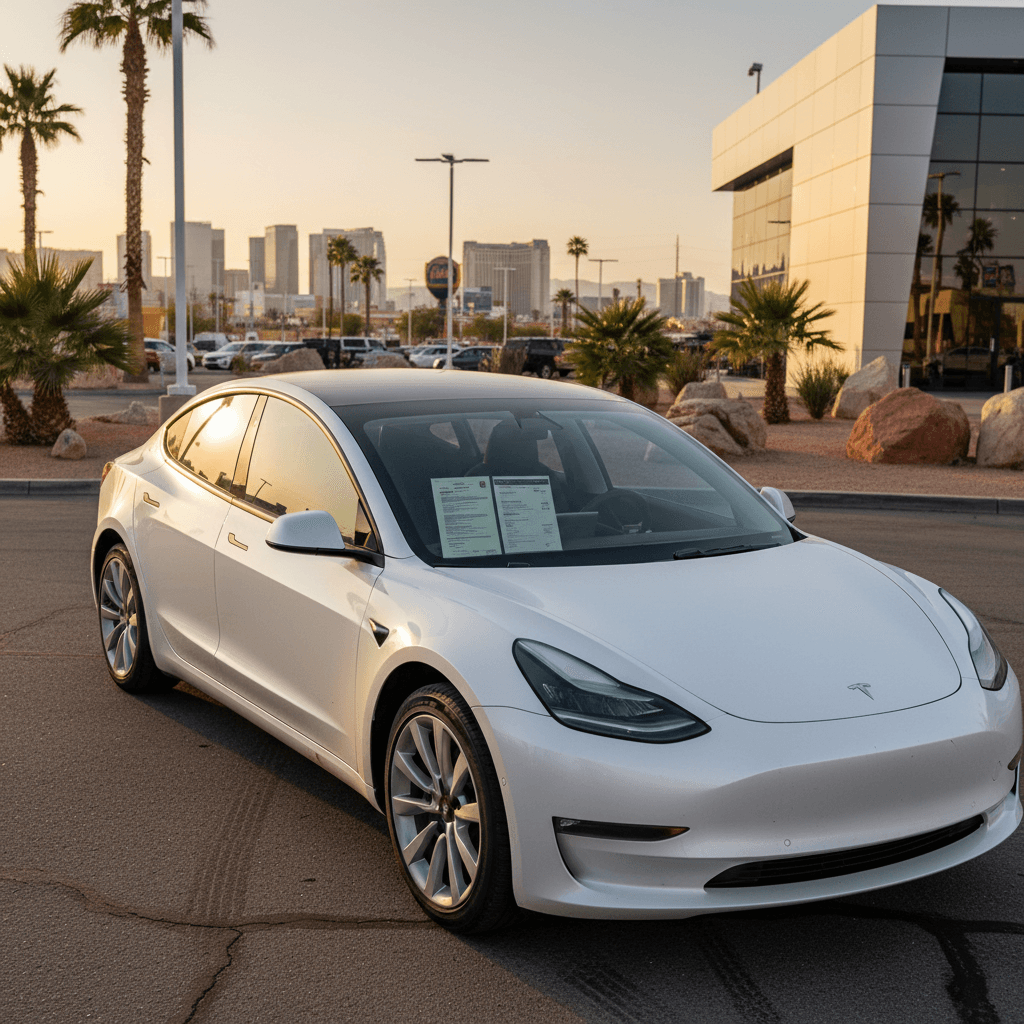
If you’re wondering what a used Tesla costs in 2025, the short answer is: a lot less than it did just a couple of years ago. For the first time, the average used Tesla price has slipped below the overall U.S. used-car average, which is a big shift for a brand that once commanded hefty premiums.
Key takeaway
Why used Tesla costs have dropped so much
Used Tesla pricing snapshot, late 2025
For most of the last decade, a used Tesla cost more than the average used car. That flipped in 2025. Several forces converged: Tesla cut new‑car prices, more vehicles came off lease, the EV market matured, and brand sentiment cooled. Put simply, there are more used Teslas for sale than ever, and buyers have more alternatives, from Hyundai Ioniq 5s to Ford Mustang Mach‑Es, so prices had to adjust.
Watch the policy shift
What a used Tesla costs by model in 2025
Exact pricing depends on mileage, condition, trim and local demand, but current marketplace data gives a clear picture of what different Tesla models actually cost on the used market in late 2025.
Typical used Tesla prices in late 2025 (U.S.)
Approximate transaction prices based on nationwide marketplace data. Individual vehicles may be higher or lower depending on condition, options, and battery health.
| Model | Typical Price Range | Average Price | Notes |
|---|---|---|---|
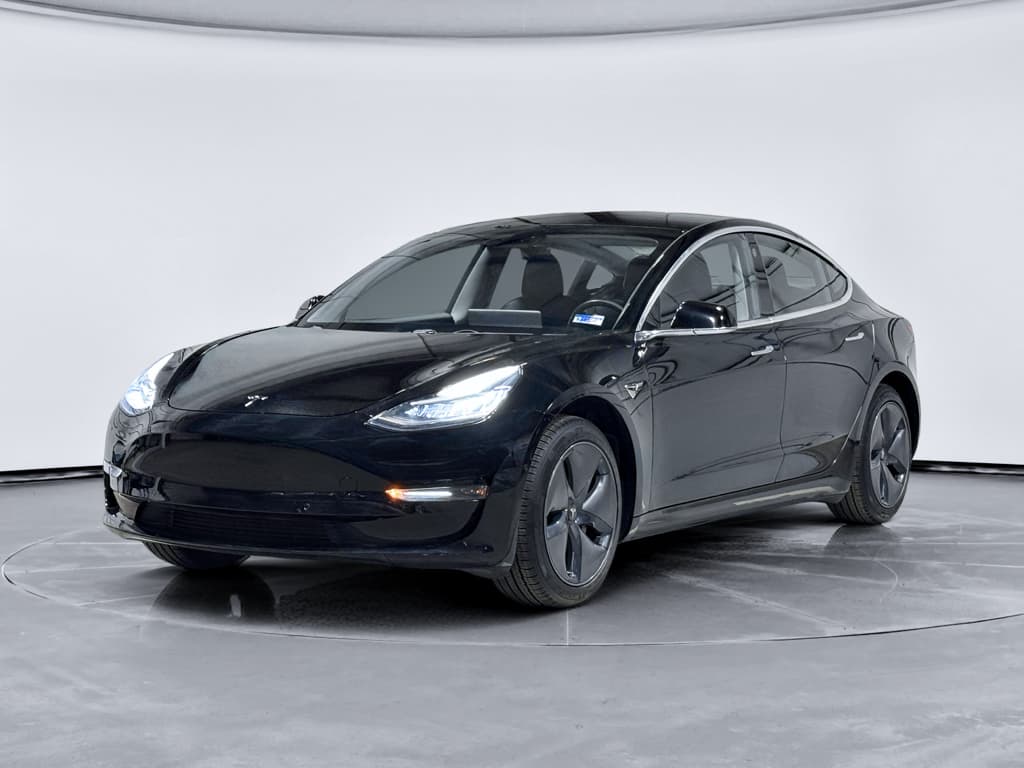
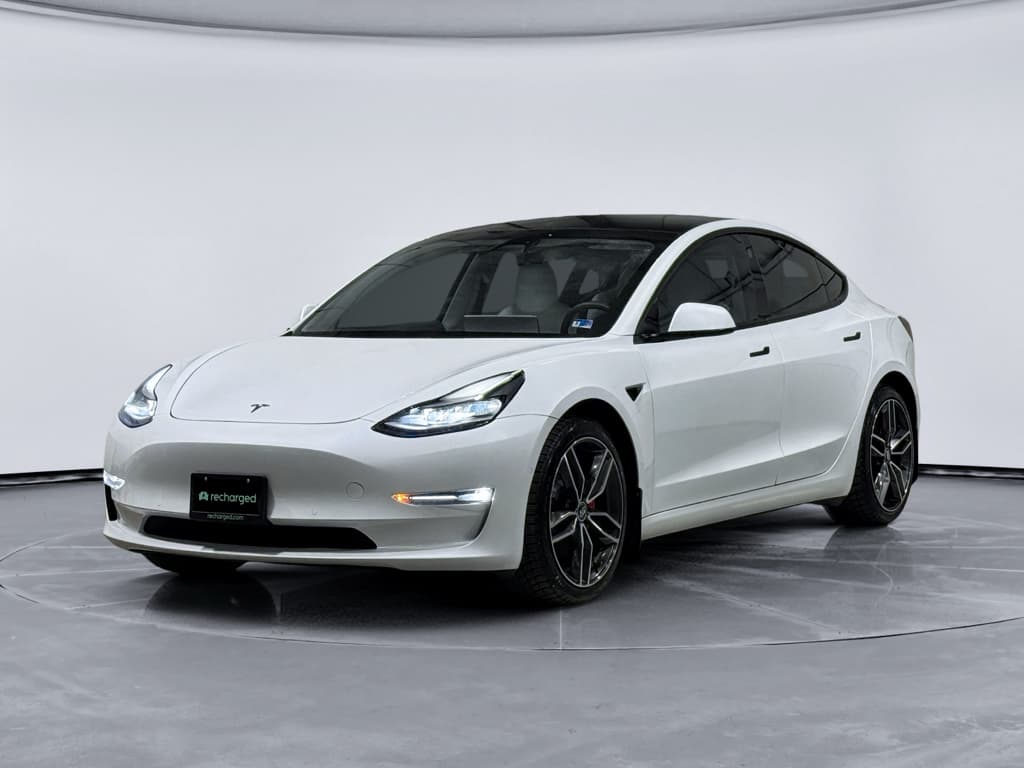
| Model 3 | $15,000 – $30,000 | ≈ $23,000 | High‑mileage early cars under $15k; newer Long Range and Performance trims in the high‑20s. |
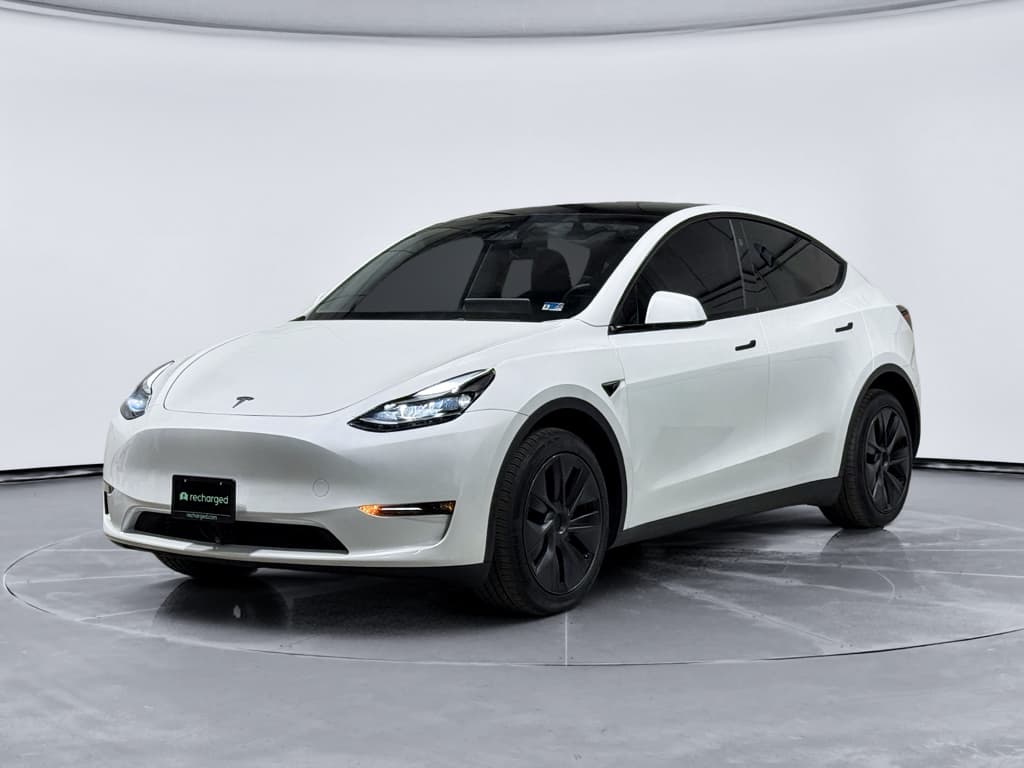
| Model Y | $25,000 – $38,000 | ≈ $29,000–$30,000 | America’s most popular EV; prices have dropped over $6,000 in the last 12–18 months. |
| Model S | $18,000 – $40,000 | ≈ $26,000–$27,000 | Older high‑mileage cars can be surprisingly cheap; late‑model Plaids still command a premium. |
| Model X | $25,000 – $50,000 | ≈ $37,000–$38,000 | Family hauler with expensive hardware; prices still above the Tesla average but down double digits year over year. |
| Cybertruck | $75,000 – $95,000 | ≈ $84,000 | Early used trucks have seen the sharpest percentage price drop, but absolute prices remain high. |
Use this as a starting point for negotiations, not a hard rule.
How to read this table
How fast Teslas depreciate vs other cars
Tesla once had a reputation for iron‑clad resale values. That was always a bit overstated, and the last few years have normalized things. Teslas still hold value reasonably well compared with many other EVs, but they no longer sit on an island above the rest of the market.
Depreciation benchmarks for popular Teslas
Use these as directional guides when evaluating asking prices.
Model 3 (3 years)
A typical Tesla Model 3 loses roughly 39% of its value in three years, leaving about 61% of original MSRP as resale value.
Model 3 (5 years)
At around five years, depreciation climbs to a bit over 50%, meaning many cars transact in the high teens to low‑$20k range.
Model Y (3–5 years)
Recent data for Model Y suggests roughly 35–40% depreciation over the first three years, and around 40%+ by year five, depending on trim and mileage.
How that compares to other cars
- Performance‑oriented trims (Performance, Plaid) generally lose value faster in dollar terms, but still command higher resale prices than base models.
- Software‑dependent features like Autopilot, FSD and Premium Connectivity complicate depreciation: what was once a high‑value option may not hold the same value in 5–7 years.
- Because Teslas are heavily software‑defined, major over‑the‑air updates (or the absence of them) can subtly shift perceived value for certain model years.
Factors that move used Tesla prices up or down
When you see one used Tesla at $18,000 and another at $32,000, you’re not just paying for mileage and paint color. Several underlying factors drive what a used Tesla actually costs.
The big levers on used Tesla cost
Understand these before you negotiate.
Mileage & usage
EVs handle mileage differently than gas cars. A 120,000‑mile Model 3 with a healthy battery can still be a solid buy, but high mileage should always come with a discount. City cars with lots of fast‑charging may show more battery wear than highway commuters.
Battery & charging history
Battery health is the single biggest technical factor in used EV value. Frequent DC fast charging, long periods sitting at 100%, and extreme heat can accelerate degradation. A verified battery‑health report is worth real money.
Accident & repair history
Structural repairs, airbag deployments, and salvaged titles all crater resale value. Even minor repairs matter more on Teslas because of the cost of bodywork and sensor calibration.
Hardware & software generation
Different model years carry different motors, batteries, cameras and driver‑assistance hardware. A newer hardware generation (for example, camera suite or infotainment computer) usually commands a premium because it impacts future software support.
Region & local incentives
Used Teslas usually cost more in EV‑friendly urban markets with expensive fuel and good charging infrastructure. In regions where charging is sparse or winters are harsh, demand, and prices, can be softer.
Financing & incentives
With the federal used‑EV tax credit gone after September 30, 2025, low‑APR financing and dealer or marketplace promotions now play a bigger role in what you actually pay each month.
Battery health: the number-one value driver
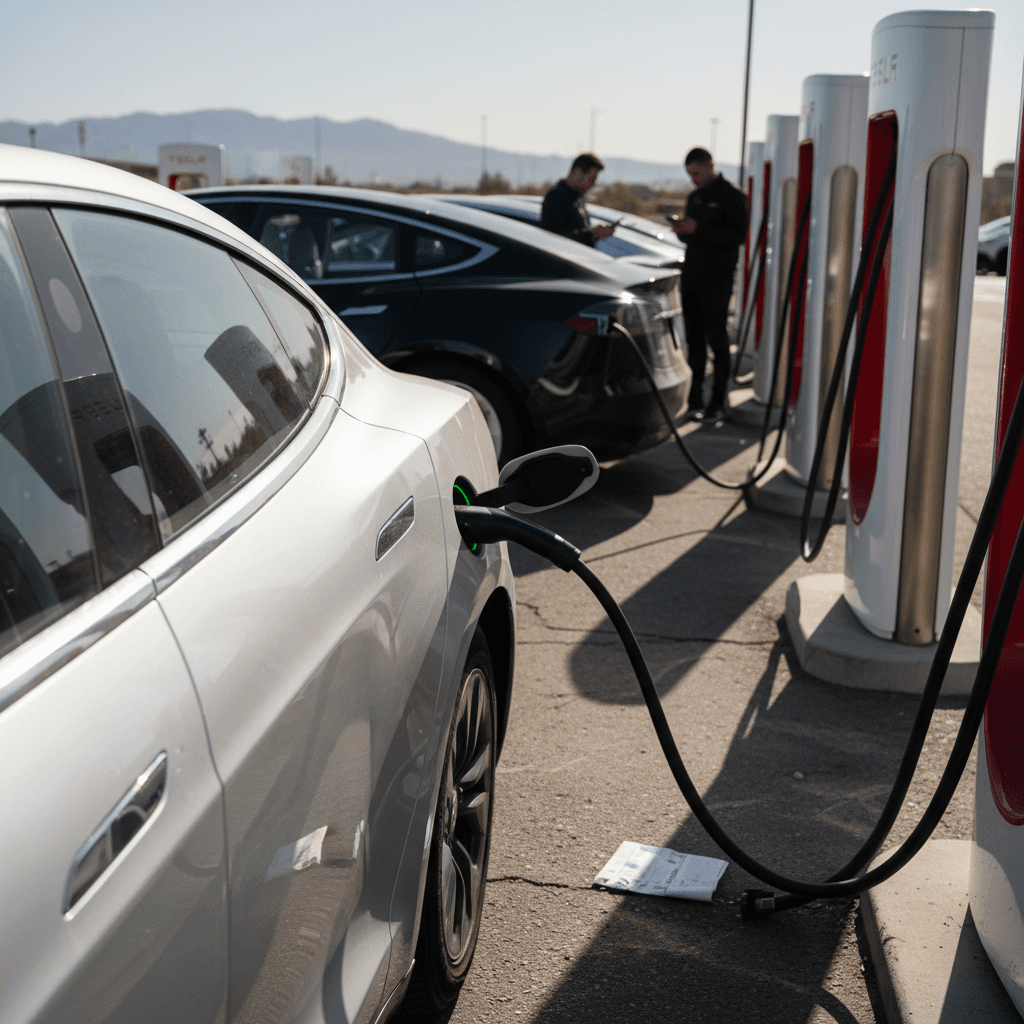
With a used gas car, you worry about transmissions and head gaskets. With a used Tesla, the big question is simple: how healthy is the battery pack? That pack can represent 30–40% of the vehicle’s replacement cost, and it determines range, performance, and long‑term reliability.
What "good" looks like
A healthy used Tesla typically shows modest range loss in the first 50,000–80,000 miles, then a slower decline. It’s common to see 5–10% degradation in the early years, followed by a long plateau if the car has been treated well.
- Balanced use of home Level 2 charging and occasional fast charging
- Battery usually kept between ~10% and ~80–90% rather than at extremes
- Regular software updates and no persistent error codes
When to walk away or discount hard
Red flags include unusually low displayed range for the model and mileage, a history of heavy DC fast‑charging, or warning lights related to the high‑voltage system. Those cars aren’t automatically bad buys, but they should be priced accordingly, and only after a proper diagnostic.
This is exactly what Recharged’s Recharged Score Report is designed to surface: objective battery‑health data and charging history so you’re not guessing from a dash readout alone.
How Recharged helps here
Ready to find your next EV?
Browse VehiclesTotal cost of ownership beyond the sticker price
When you focus just on what a used Tesla costs to buy, it’s easy to overlook what it costs to own. That’s where Teslas are still compelling: lower fueling and maintenance costs can offset some of the depreciation pain, especially if you do a lot of miles.
Why a $30k Tesla can be cheaper to own than a $25k gas car
Ownership costs matter as much as purchase price.
Energy vs gasoline
Charging at home is typically equivalent to paying $1–$1.50 per gallon of gasoline, depending on your electricity rates. If you drive 12,000–15,000 miles per year, that’s thousands saved over a 5–7 year ownership horizon.
Maintenance & repairs
EVs have fewer moving parts and no oil changes. Tires, brakes, cabin filters and coolant are your main regular expenses. However, keep a buffer for out‑of‑warranty electronics or bodywork, which can be pricey on Teslas.
Resale & exit value
If you buy near the bottom of the depreciation curve, a 4–7‑year‑old Tesla with strong battery health, you may see slower future depreciation, making your cost per mile competitive with similarly priced gas cars.
Don’t ignore insurance
How to shop smart for a used Tesla
Used Tesla prices are finally in a buyer‑friendly zone, but that doesn’t automatically make every car a good deal. Here’s a structured way to shop so you don’t overpay or get stuck with an expensive problem.
Step‑by‑step checklist for evaluating used Tesla cost
1. Set a realistic total budget
Don’t just ask what a used Tesla costs; figure out what you can afford all‑in: purchase price, taxes, registration, insurance, home charging upgrades, and a reserve for tires and unexpected repairs.
2. Decide which model truly fits
Model 3s are the value play, Model Ys are the practical family choice, Model S and X are bigger and more premium but costlier to run. Be honest about how much space and range you actually need.
3. Focus on age and mileage sweet spots
For many buyers, the best cost‑to‑value window is a car that’s 3–7 years old with 30,000–90,000 miles and strong battery health. Newer cars often carry a premium that disappears quickly; older, high‑mileage cars need to be significantly cheaper.
4. Demand transparent battery and accident data
Ask for a <strong>battery‑health report</strong>, full service records, and a detailed vehicle‑history report. If a seller can’t or won’t provide them, price that uncertainty into your offer, or walk away.
5. Compare market prices, not just one listing
Look at asking prices across multiple marketplaces for similar model‑year, trim, and mileage. If one car is thousands more expensive with no clear justification, it probably is overpriced.
6. Think in monthly cost, not just sticker
Use your bank or a marketplace like Recharged to estimate monthly payment options. Sometimes a slightly higher‑priced car with better terms (or verified battery health) is cheaper per month and lower risk overall.
Should you buy from a marketplace like Recharged?
You can find used Teslas at traditional dealers, direct from private sellers, at auction, and on specialized EV platforms. Each path has a different balance of price, risk, and convenience.
Private party & traditional dealers
- Pros: Potentially lower upfront prices from private sellers; lots of physical inventory at dealers; ability to see and drive the car today.
- Cons: Battery health is often a mystery, sales staff may not be EV specialists, and pricing can be opaque with add‑on fees.
- Good fit for: Experienced shoppers who can assess battery condition and are comfortable doing their own homework.
Recharged and EV‑focused marketplaces
- Pros: Every car on Recharged comes with a Recharged Score Report that includes verified battery health, fair‑market pricing analysis, and expert EV guidance. You can finance, trade‑in, and arrange nationwide delivery digitally.
- Cons: You may pay a bit more than the absolute rock‑bottom private‑party listing, but with far more transparency and support.
- Good fit for: Buyers who want a used Tesla that’s been evaluated by EV specialists and are comfortable completing most of the process online.
Leverage EV‑specific expertise
Used Tesla cost: FAQ
Frequently asked questions about used Tesla cost
Bottom line: what you should expect to pay
In 2025, the story of used Tesla cost is finally shifting in buyers’ favor. For the price of a well‑equipped gasoline compact or crossover, you can now get into a Model 3 or Model Y with modern tech, strong performance, and much lower day‑to‑day running costs. The trade‑off is more depreciation volatility and the need to take battery health seriously.
If you shop smart, focusing on verified battery condition, clean history, and fair‑market pricing, there’s a good chance your next Tesla will cost less than you expected, both upfront and over the years you own it. And if you’d rather not become a battery‑diagnostics expert overnight, a marketplace like Recharged can do the heavy lifting: from Recharged Score battery reports and expert EV guidance to financing, trade‑ins, and nationwide delivery, all designed to make used EV ownership simple and transparent.