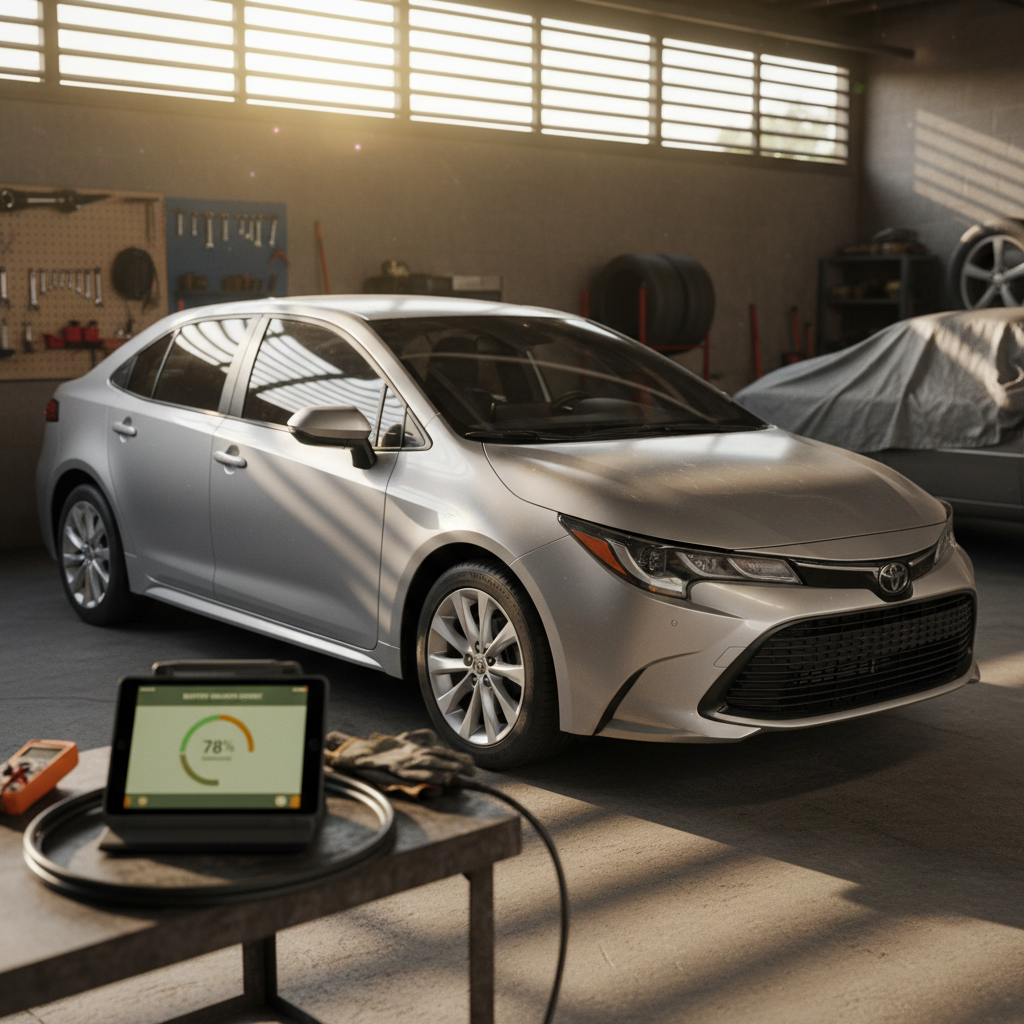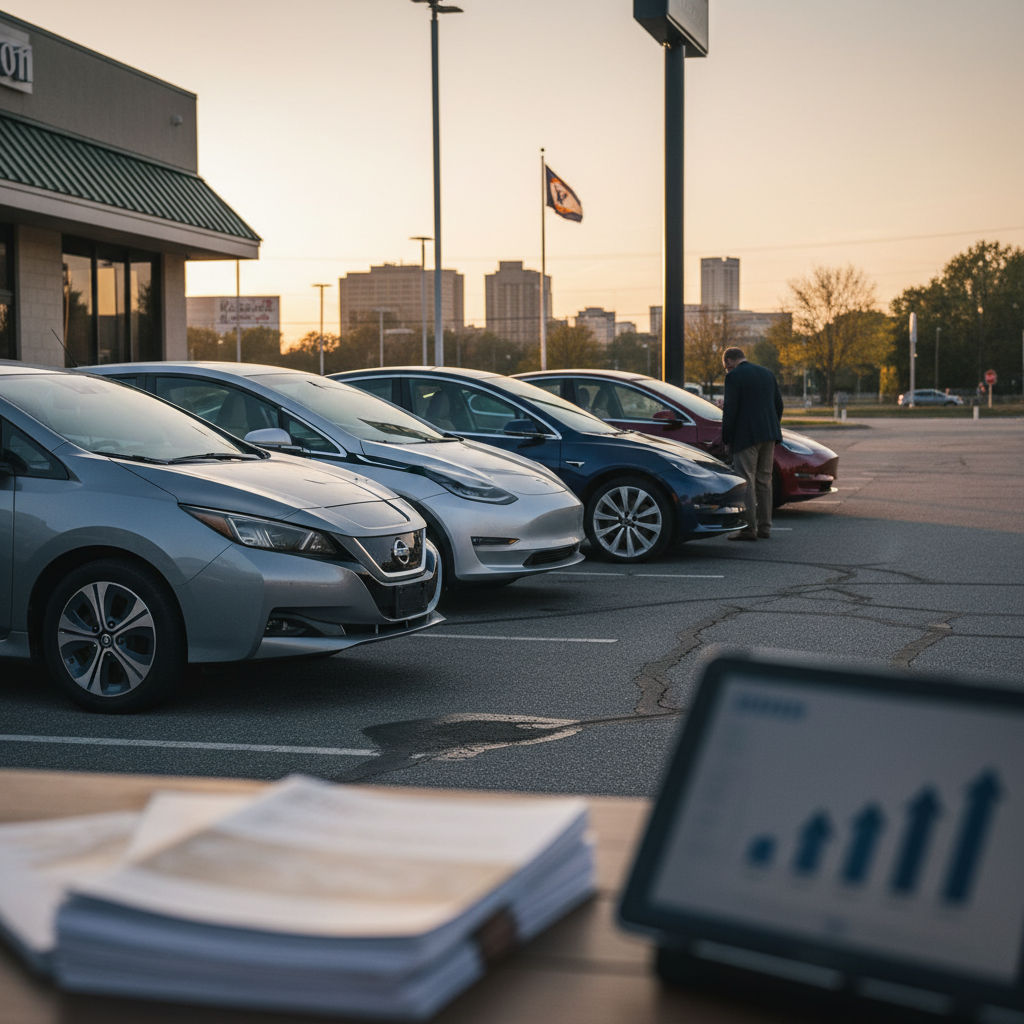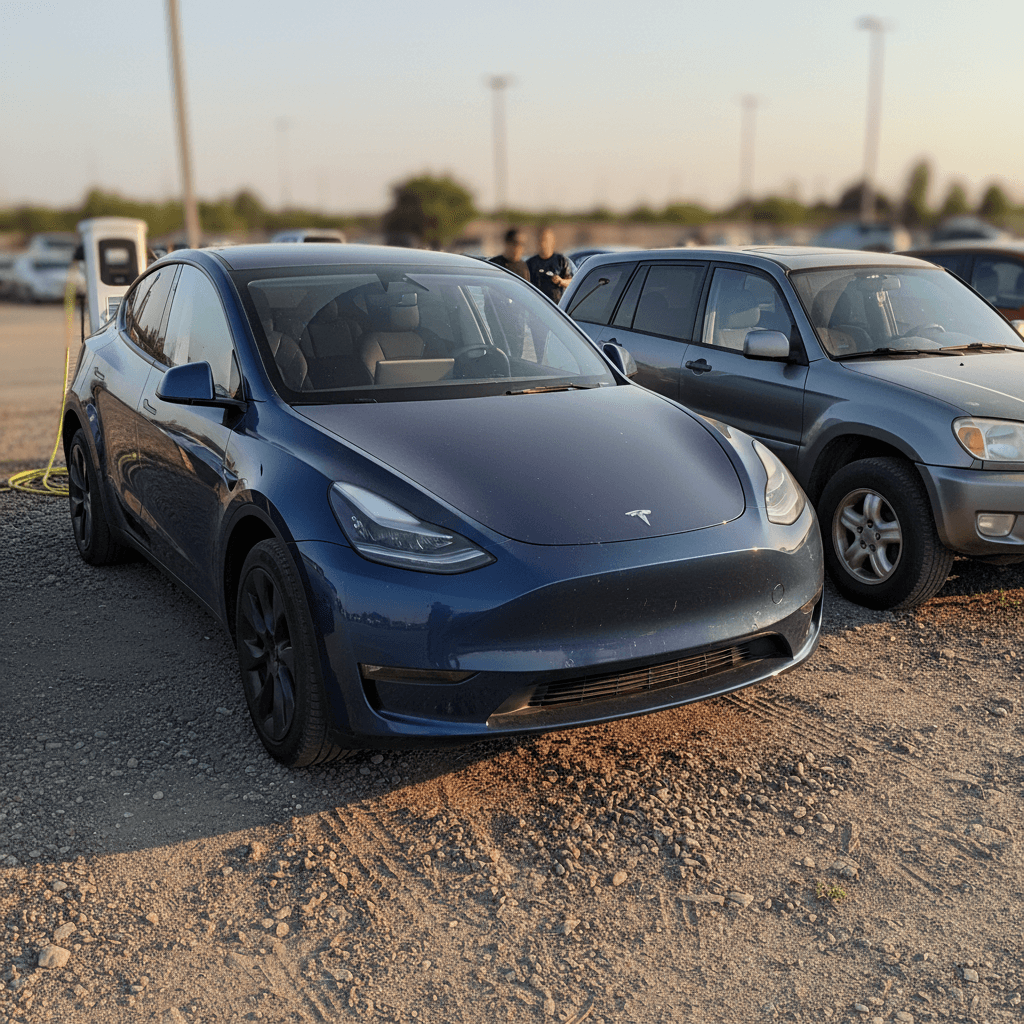
Used SUV vehicles have quietly become the sweet spot of the car market. New SUV prices are still high, interest rates are stubborn, and yet families still want space, comfort, and all-weather confidence. A well-chosen used SUV, especially a used electric SUV, can give you all of that without the eye-watering monthly payment.
SUVs dominate the used market
Why used SUV vehicles are so attractive right now
Start with the obvious: new SUVs are expensive. In 2024 the average new-vehicle transaction in the U.S. was hovering around the mid-$40,000s, and a well-optioned new SUV can sail past $50,000 without breaking a sweat. At the same time, higher interest rates have kept monthly payments stubbornly high even as inventories recovered.
Used SUV vehicles by the numbers
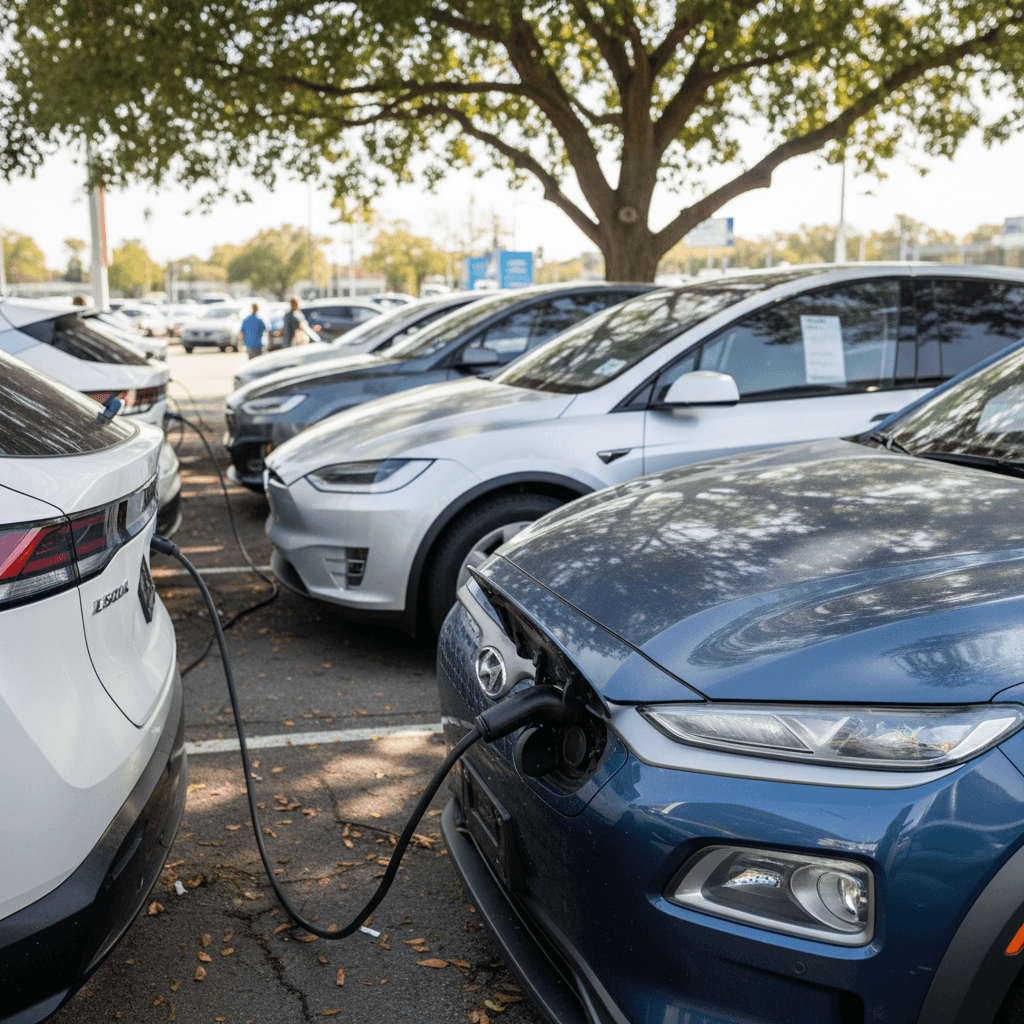
Add to that a flood of nearly new electric SUVs coming off lease, Tesla Model Y, Hyundai Ioniq 5 and Kia EV6, Volkswagen ID.4, Ford Mustang Mach‑E, Kia Niro EV, and more, and you suddenly have range, tech, and safety that would’ve been unobtainable at used-car prices five years ago.
Think 2–4 years old
Gas, hybrid or electric SUV: which used SUV fits you?
Gas SUV
- Best if you do frequent long road trips in remote areas.
- Lower upfront price on the used market.
- Higher fuel and maintenance costs over time.
Think: Toyota RAV4, Honda CR‑V, Chevy Equinox, Ford Explorer.
Hybrid SUV
- Excellent city efficiency, no need to plug in.
- Simple ownership for mixed driving.
- Still uses gasoline and needs oil changes.
Think: Toyota Highlander Hybrid, RAV4 Hybrid, Ford Escape Hybrid.
Electric SUV (EV)
- Lowest fuel and maintenance costs.
- Quiet, quick, smooth to drive.
- Requires home or dependable public charging.
Think: Tesla Model Y, VW ID.4, Hyundai Ioniq 5, Kia EV6, Mustang Mach‑E.
Be honest about your driving
Key specs to compare on any used SUV
Every listing looks good at 2 a.m. on your phone. To cut through the gloss, focus on a handful of specs that actually change your day-to-day life with a used SUV vehicle.
The specs that really matter
Ignore the marketing adjectives; look at these numbers instead.
Space & seating
Check cargo volume (seats up and down), third‑row space, and car-seat friendliness. A compact SUV can feel small fast once you add a stroller and a dog.
Range & mpg/mpge
For EVs, look at EPA range and fast‑charge capability. For gas and hybrids, check real‑world mpg, not just window‑sticker optimism.
Performance
Power matters less than responsiveness. An EV SUV with instant torque can feel lively even with modest horsepower.
Safety tech
Look for automatic emergency braking, blind‑spot monitoring, adaptive cruise control, and lane-keeping assist. Many 2020+ SUVs have this as standard.
Battery & charging
On used EV SUVs, prioritize verified battery health and DC fast‑charge capability over raw peak kW numbers.
Ownership costs
Factor insurance, expected maintenance, and energy costs alongside the purchase price. A cheaper gas SUV can still cost more to own over five years.
Used SUV vehicle types at a glance
How gas, hybrid, and electric SUVs stack up when you’re buying used.
| Type | Upfront Price (Used) | Fuel/Energy Costs | Maintenance | Best For |
|---|---|---|---|---|
| Gas SUV | Lowest | Highest | Highest | Rural drivers, heavy towing, infrequent city use |
| Hybrid SUV | Mid | Mid | Medium | Mixed driving, no home charging, high city miles |
| Electric SUV | Often mid | Lowest | Lowest | Daily commuters, families with home charging, urban/suburban living |
Use this table as a starting point, individual models will vary.
Why EV SUVs look pricey but aren’t
Total cost of ownership: where used EV SUVs can win
Your payment is just the headline. The story is everything you pay after the day you sign. That’s where used electric SUV vehicles quietly shine.
Typical gas compact SUV
- Purchase: a 3–4‑year‑old compact SUV might run $18,000–$24,000.
- Fuel: 20–28 mpg. At U.S. average gas prices, many owners spend $150–$250 a month.
- Maintenance: Oil changes, transmission service, exhaust, plugs, belts. Budget several hundred dollars a year.
Over five years, fuel plus maintenance can easily add $10,000–$15,000 to the story.
Comparable used electric SUV
- Purchase: many 3–4‑year‑old EV SUVs now sit in the mid‑$20,000s.
- Energy: On home charging, many owners pay the equivalent of $40–$80 a month in electricity.
- Maintenance: No oil changes, fewer moving parts, less brake wear thanks to regen.
Even if the EV’s purchase price is a bit higher, the lifetime cost often drops below an equivalent gas SUV, especially if you drive more than 10,000 miles a year.
Where Recharged fits in
Ready to find your next EV?
Browse VehiclesBattery health and range on used electric SUVs
With used EV SUVs, the battery is the story. It’s the most expensive component on the car and the one thing you can’t eyeball during a quick test drive. Thankfully, real‑world data has been kind: most modern EVs lose only a modest slice of range over the first 5–7 years when they’re not abused.
How to judge battery and range on a used EV SUV
You can’t see electrons, but you can see clues.
1. Look at the original EPA range
Start with what the SUV was rated for when new. A Tesla Model Y Long Range sat around 316–330 miles; a VW ID.4 around the mid‑200s, a Kia Niro EV around 210 miles.
2. Ask for a battery health report
A serious seller should provide a state-of-health (SoH) reading. At Recharged, every EV gets an independent battery diagnostic that feeds into the Recharged Score, so you know what you’re buying.
3. Consider your climate
Cold states will temporarily knock range down in winter. That’s normal. The key question is long‑term degradation, not Tuesday’s temperature swing.
4. Check charging behavior
Ask how the previous owner charged. Constant DC fast charging to 100% or parking at 0% for days is harder on batteries than sensible Level 2 charging between ~20–80%.
Don’t buy blind on the battery
Safety, reliability, and what to inspect
SUVs live hard lives: school runs, road trips, Costco raids, the occasional curb‑kissed wheel. Before you fall for the paint color, you want to know whether the underlying vehicle is sound.
Essential inspection points for used SUV vehicles
Check for accident repairs
Look for overspray, misaligned panels, uneven gaps, and non‑OEM glass. Run a history report, but don’t rely on it exclusively, some repairs never get reported.
Inspect the tires and brakes
Uneven tire wear can expose bad alignments or suspension damage. On EV SUVs, heavy weight and instant torque mean you’ll want plenty of pad life left.
Confirm safety equipment
Verify that all airbags, sensors, and cameras work. Test adaptive cruise, lane-keep assist, and parking sensors on your test drive.
Listen for suspension noise
Clunks or creaks over bumps can indicate worn bushings, ball joints, or shocks, especially on heavier three‑row SUVs.
Scan for warning lights
On an EV, you want a clean dash. Persistent warnings about the battery or charging system deserve a professional diagnosis before you sign anything.
Get a trusted inspection
Even if you’re buying online, arrange an independent inspection or buy from a retailer, like Recharged, that already performs a comprehensive EV‑specific inspection.
Let someone else crawl under it
Financing, trade-ins and pricing used SUV vehicles
Used SUV pricing in 2025 is a tug‑of‑war between higher interest rates and softening demand for some models, especially certain EVs. The result: you can score serious value, but only if you’re disciplined about what you’ll pay and how you’ll finance it.
Key levers that move the price of a used SUV
Understanding these factors helps you recognize when a price is fair, or not.
| Factor | How it affects price | What you can do |
|---|---|---|
| Mileage | Lower miles raise price; highway miles usually kinder than city. | Don’t overpay for ultra‑low miles if you’ll quickly rack them up yourself. |
| Trim & options | Premium audio, sunroofs, and 20‑inch wheels raise the price but not always resale value. | Decide which options you’ll actually use; avoid paying for vanity packages. |
| Market demand | Hot models (like certain compact EV SUVs) can command a premium. | Be flexible on color and options; consider close competitors with better deals. |
| Seasonality | SUVs often sell stronger in fall and winter in snow states. | If you can, shop slightly off‑season or be ready to move quickly on good listings. |
Remember to compare multiple listings and focus on the whole package, not just the monthly payment.
Financing and trade-ins with Recharged
Step-by-step checklist for test-driving a used SUV
The test drive is where all the numbers either make sense, or don’t. Go in with a plan and you’ll learn more in 20 minutes than most shoppers do in an hour.
Your used SUV test-drive playbook
1. Start with a cold start
If possible, see and start the SUV cold. Listen for odd noises, rattles, or warning lights that mysteriously vanish once the engine or battery is warm.
2. Test low-speed manners
Drive slowly over rough pavement and speed bumps. Pay attention to steering feel, brake modulation, and any clunks from suspension or drivetrain.
3. Hit the highway
Take it to 65–70 mph. Check for wind noise, vibrations, tracking (does it wander?), and how it feels in crosswinds. SUVs with poor alignment will tell on themselves here.
4. Exercise all the tech
Pair your phone, test the cameras, try adaptive cruise, adjust the seats, and explore the infotainment. A used SUV can be mechanically sound yet feel ancient if the tech is glitchy.
5. For EV SUVs, test charging
If practical, plug into a Level 2 or DC fast charger to confirm proper charging behavior and realistic rates. Watch for any errors or throttling that doesn’t match expectations.
6. Visualize your real life
Fold seats, load a stroller or golf bag, check car‑seat fit, and sit where your kids will. If it doesn’t work standing still, it won’t magically work next Saturday at the soccer field.
Frequently asked questions about used SUV vehicles
Used SUV vehicles: your questions answered
How Recharged helps you buy a better used EV SUV
If you’re shopping used SUV vehicles in 2025, you’re spoiled for choice: efficient compact crossovers, three‑row road‑trip machines, and a growing wave of electric SUVs that undercut gas models on running costs. The catch is complexity, more powertrain options, more software, more ways for an otherwise good SUV to become a bad deal.
Recharged exists to simplify that decision for used electric vehicles. Every EV SUV on the platform comes with a Recharged Score Report that verifies battery health, checks pricing against the market, and lays out the vehicle’s story in plain English. You can browse inventory, line up financing, arrange a trade‑in or instant offer, and schedule nationwide delivery without visiting a dealership. If you’d rather kick the tires in person, Recharged also operates an Experience Center in Richmond, VA where EV‑specialist staff can walk you through options.
Whether you end up in a gently used gas crossover or a fully electric SUV with 300 miles of range, the goal is the same: a vehicle that fits your life, your budget, and your conscience. Take your time, demand data, especially on batteries, and don’t be afraid to walk away from anything that doesn’t add up. The used SUV market is big enough that the right one is out there.