If you’re pricing out a used Rivian R1S, the sticker is only half the story. The other half is your financing rate, what APR you’ll actually pay in today’s market and how that translates into a real, livable monthly payment.
Context: 2026 rate environment
Why used Rivian R1S financing deserves its own playbook
A used R1S sits at the intersection of three things lenders care about: it’s a luxury SUV, it’s fully electric, and it’s still a relatively young brand in resale data sets. That means financing doesn’t always look like a mass‑market gas SUV, and it doesn’t always mirror new‑Rivian factory offers either.
- Most banks now have EV-specific policies and rate sheets, but still price used EVs slightly higher than comparable gas SUVs because of perceived risk and limited history.
- Credit unions and online lenders have become aggressive in the used‑EV space, often undercutting big‑bank used‑car APRs by 0.5–1.0 percentage point for strong borrowers.
- Because a Rivian R1S can easily sit in the $60,000–$80,000 used price range, a small change in APR can move your payment by $70–$120 a month.
Don’t anchor to new‑vehicle promos
How used Rivian R1S financing rates compare to new R1S offers
Typical 2025–2026 APR landscape for used R1S buyers
By comparison, factory‑subvented offers on new R1S models have occasionally dipped into the 1.99–2.99% range for short terms and top‑tier credit. Those deals are heavily subsidized and time‑limited; in the used market, you’re working with standard lending sheets that track broader used‑auto and EV risk.
New R1S financing (promo scenario)
- Occasional low‑APR offers (e.g., 1.99–2.99% for 60 months) for top‑tier credit.
- Limited to new, in‑stock or ordered vehicles financed through Rivian’s captive or partner lenders.
- Often tied to specific trims, battery packs or delivery windows.
Used R1S financing (real‑world)
- Market‑driven APRs, usually mid‑single to high‑single digits depending on credit.
- Available across banks, credit unions, online lenders and platforms like Recharged.
- More flexibility on term length and down payment, especially when combined with a trade‑in.
Good benchmark for shopping
7 factors that drive your used Rivian R1S APR
Key inputs lenders look at on a used R1S
Understanding these levers makes it easier to improve your rate before you apply.
1. Credit score
2. Vehicle age & mileage
3. Loan‑to‑value (LTV) ratio
4. Term length
5. Lender type
6. EV policies
There’s also a softer factor that matters with Rivian specifically: resale confidence. As more data on R1S resale builds out, and as the secondary market matures, some lenders are becoming more comfortable sharpening their pencils on used R1S rates, especially for well‑optioned trims with healthy demand.
What monthly payments look like on a used R1S
Used Rivian R1S values vary widely by model year, mileage, battery pack and options, but it’s common today to see transaction prices from the low‑$60,000s into the $80,000s for clean, low‑mile examples. To make the rate discussion real, here’s how that plays out in monthly payments.
Example used R1S payment scenarios
Illustrative payments assuming no taxes/fees included. Your actual numbers will depend on final price, rate, term and local taxes.
| Scenario | APR | Term | Approx. Monthly Payment | Total Interest Paid |
|---|---|---|---|---|
| Strong credit, shorter term | 5.0% | 60 months | ≈ $1,190 | ≈ $8,400 |
| Strong credit, longer term | 5.5% | 72 months | ≈ $1,030 | ≈ $11,100 |
| Good credit, standard term | 7.0% | 72 months | ≈ $1,070 | ≈ $13,600 |
| Good credit, max term | 7.5% | 84 months | ≈ $970 | ≈ $18,000 |
Comparing APR and term length on a $70,000 used R1S purchase with 10% down ($63,000 financed).
The hidden cost of chasing the lowest monthly payment
Where to find the best used Rivian R1S financing rates
You’ve got more options than a single dealer finance desk. The used‑EV lending ecosystem has matured, and R1S buyers are quietly becoming one of the more sought‑after customer segments because of strong income profiles and good payment performance.
Common sources of used R1S financing
Each lender type has trade‑offs in rates, speed and flexibility.
Credit unions
Banks & captives
Online lenders & marketplaces
How Recharged fits in
How battery health impacts financing and total cost
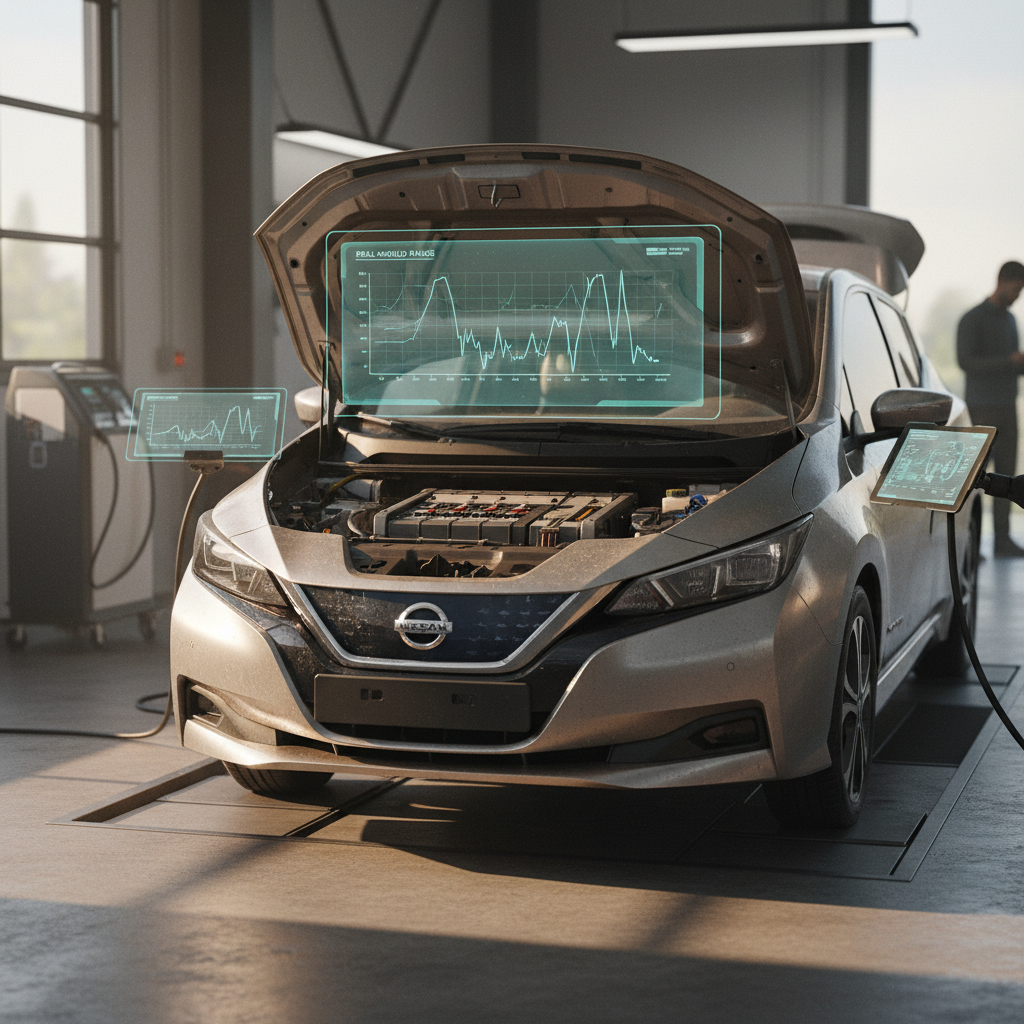
With any used EV, lenders and buyers both worry about one thing: will the battery still deliver the range and value I expect five or seven years from now? Rivian’s pack chemistry and thermal management have held up well so far in early data, but vehicle‑specific battery health still matters for your loan decision.
Why lenders care
- A degraded pack can reduce resale value, which affects the collateral behind your loan.
- Higher expected resale helps some lenders justify sharper rates or longer terms.
- Clean diagnostic reports can make borderline approvals easier, especially on high‑dollar loans.
Why you should care
- Battery health affects usable range, especially in winter, and therefore day‑to‑day usability.
- It influences long‑term depreciation and what you’ll get back when you sell or trade.
- A car with better‑than‑average pack health might justify a slightly higher price if it keeps more value later.
What the Recharged Score tells you
Structuring your loan: term, down payment, and trade-in
You can’t always control the rate environment, but you have real control over how you structure the deal. Term length, money down and any trade‑in all shift your monthly payment and your total interest cost.
Smart ways to structure a used R1S loan
Aim for 60–72 months when possible
For a high‑priced EV like the R1S, 60‑ and 72‑month terms strike a better balance of payment and interest cost than 84‑month loans that leave you paying long after the warranty window.
Use trade‑in equity strategically
If you’re moving out of a gas SUV or truck, positive equity can meaningfully shrink what you finance. Applying at least part of that equity to the loan reduces your loan‑to‑value ratio and may help your APR.
Avoid rolling negative equity
Rolling old debt into a new used‑EV loan can put you upside‑down from day one. If you must roll some negative equity, consider a shorter term and a plan to make extra principal payments.
Keep an emergency buffer
Don’t empty your cash reserves just to get a slightly lower payment. EVs have lower fuel and maintenance costs, but you still want a cushion for tires, insurance and unexpected life events.
Match term to your ownership horizon
If you plan to keep the R1S five years, it rarely makes sense to sign an 84‑month note. Try to pick a term that lines up with how long you realistically want to own the vehicle.
Run the numbers two ways
Financing a used Rivian R1S through Recharged
Recharged was built around one idea: used EV buyers deserve the same transparency and tooling that new‑car shoppers enjoy, especially on complex, high‑tech vehicles like the Rivian R1S.
What you get when you finance a used R1S with Recharged
Designed specifically for used EV shoppers, not just generic used‑car buyers.
Battery‑first evaluations
Digital‑first financing
Trade‑in & delivery support
Ready to find your next EV?
Browse VehiclesYou can also visit the Recharged Experience Center in Richmond, VA, where EV specialists can walk you through different R1S configurations, battery‑health reports and financing scenarios side by side.
Checklist before you sign a used R1S loan
Last‑mile checklist for your used Rivian R1S financing
Confirm the vehicle’s fair market price
Compare the asking price to trusted valuation tools and market guides. On Recharged, each R1S includes pricing analysis so you can see how it stacks up against similar vehicles.
Review the battery and charging history
Read the battery‑health section of the Recharged Score (or any third‑party report), and ask for service or warranty history related to the pack or charging system.
Get at least two rate quotes
Pre‑qualify with a credit union or online lender and compare that APR to the offer in the dealership or marketplace. Use the lower quote as leverage.
Check for prepayment penalties
If you think you might refinance later, make sure your loan does not include harsh prepayment penalties or mandatory minimum interest clauses.
Estimate total monthly cost
Add <strong>loan payment + insurance + charging</strong>. An R1S can cut fuel costs substantially versus a gas SUV, but insurance and payment still have to fit comfortably in your budget.
Re‑read the finance contract
Before you sign electronically or in person, verify rate, term, payment, optional add‑ons and any dealer products. You should be able to explain every line item in plain English.
Used Rivian R1S financing FAQ
Used Rivian R1S financing: frequently asked questions
Bottom line on used Rivian R1S financing rates
Financing a used Rivian R1S in 2025–2026 isn’t about chasing the single lowest advertised APR. It’s about understanding where used Rivian R1S financing rates typically land, then structuring a loan that fits your budget, your ownership horizon and the specific R1S you’re buying.
If you start with a fair price, verify battery health, shop at least one outside rate quote and avoid over‑stretching the term, a used R1S can be a compelling, financially sound way into one of the most capable electric SUVs on the road. Platforms like Recharged exist to make that process clearer, combining Recharged Score battery diagnostics, transparent pricing and EV‑savvy financing support so you can focus less on loan math and more on where your next trip will take you.