If you’ve been eyeing a Porsche Taycan but new‑car prices make your eyes water, the used market in 2026 is exactly where you should be looking. Early cars from 2020–2022 are now deep into depreciation, later cars have meaningful software and range upgrades, and every Taycan comes with a substantial 8‑year/100,000‑mile high‑voltage battery warranty. This used Porsche Taycan buying guide for 2026 walks you through trims, batteries, charging, reliability, and inspection tips so you can buy with your eyes open, not crossed.
Quick take
Why a used Porsche Taycan makes sense in 2026
Used Taycan at a glance (typical U.S. market in 2026)
On the road, the Taycan still feels like the benchmark for how a performance EV should drive: instant shove, surgically precise steering, and a chassis that shrugs off weight. Thanks to Porsche’s 800‑volt electrical architecture, it also remains one of the fastest‑charging EVs you can buy, even against newer rivals.
- Rapid depreciation means first‑gen Taycans are often 40–50% off their original MSRP by year 5–6, depending on spec and mileage.
- The battery warranty runs 8 years/100,000 miles from the original in‑service date, so most cars on the market in 2026 still have meaningful coverage left.
- Mid‑cycle updates (especially for 2023–2025) improved range, efficiency, and software, later cars give you more miles and fewer teething issues.
Who a used Taycan suits best
Taycan model years and key updates to know
Not all used Taycans are the same under the skin. Porsche has layered in hardware tweaks, software updates, and efficiency improvements almost every year. Understanding the broad differences will help you match your budget to the right generation.
Porsche Taycan model‑year cheat sheet (U.S. overview)
High‑level changes most used‑car shoppers should know before short‑listing specific cars.
| Model year | What to know | Good used‑buyer targets |
|---|---|---|
| 2020 | Launch year. Still shockingly quick and polished, but early‑build software and a few more "first‑year" glitches. | Best as a value play with strong warranty left and clean service history. |
| 2021 | More variants added (including Cross Turismo), software refinements, incremental efficiency tweaks. | Sweet spot if priced right; plenty of warranty runway left in 2026. |
| 2022 | Further software and charging improvements, expanded options. Many cars updated by dealers over time. | Safe middle ground: more mature than 2020–21, often similar pricing. |
| 2023–2024 | Range and charging optimizations, smoother infotainment, better driver‑assist tuning in many cases. | Great if you want a "newer" feel without new‑car pricing. |
| 2025+ | Major refresh with upgraded batteries, more power, faster charging, and improved efficiency. | As of 2026, these are nearly‑new; you’re cross‑shopping with new Taycans and CPO pricing. |
Always confirm exact equipment on the individual car; options and software updates can blur some of these lines.
Model‑year vs. build‑date
Trims, batteries, and performance: which Taycan fits you?
Core Taycan sedan lineup
- Taycan (RWD) – Single rear motor, the lightest Taycan and often the best value on the used market. Quick enough, especially with the larger Performance Battery.
- Taycan 4 / 4S – Dual‑motor all‑wheel drive. 4S is the real sweet spot: big performance jump, broad availability, and many cars optioned with Performance Battery Plus.
- Taycan GTS – The enthusiast choice. Sharper suspension tuning, strong power, often heavily optioned.
- Turbo / Turbo S – Flagship performance; outrageous acceleration and price, both new and used. Overkill for most buyers unless you truly crave maximum shove.
Body styles and battery options
- Cross Turismo – Wagon‑like roofline, extra rear headroom, and a bit more ground clearance. Excellent if you carry people or outdoor gear.
- Sport Turismo – Low wagon body without the extra ride height. Rarer in the U.S., but a fantastic blend of practicality and stance.
- Performance Battery – Smaller pack. Lower cost and weight, adequate for most commuters, but less ideal if you road‑trip often.
- Performance Battery Plus – Larger pack (around mid‑90s kWh gross on later cars). Better range and peak DC charging; highly desirable on the used market.
Which used Taycan should you actually buy?
Match your driving pattern to a trim, not just a badge.
Daily driver & commuter
Primarily city/highway commuting, light weekend fun, occasional longer trips.
- Best bets: Taycan RWD with Performance Battery Plus, or Taycan 4S.
- Comfortable, efficient enough, still genuinely quick.
Family & adventure duty
Kids, dogs, snowboards, gravel roads, and Costco runs.
- Best bets: Taycan 4 Cross Turismo, 4S Cross Turismo, or GTS Sport Turismo.
- More cargo space and easier access without losing Taycan character.
Performance addict
You care more about lap times and launches than cargo bins.
- Best bets: Taycan GTS, Turbo, or Turbo S with larger battery.
- Budget for higher tire, brake, and insurance costs.
Options that age well
Battery health: what really matters on a used Taycan
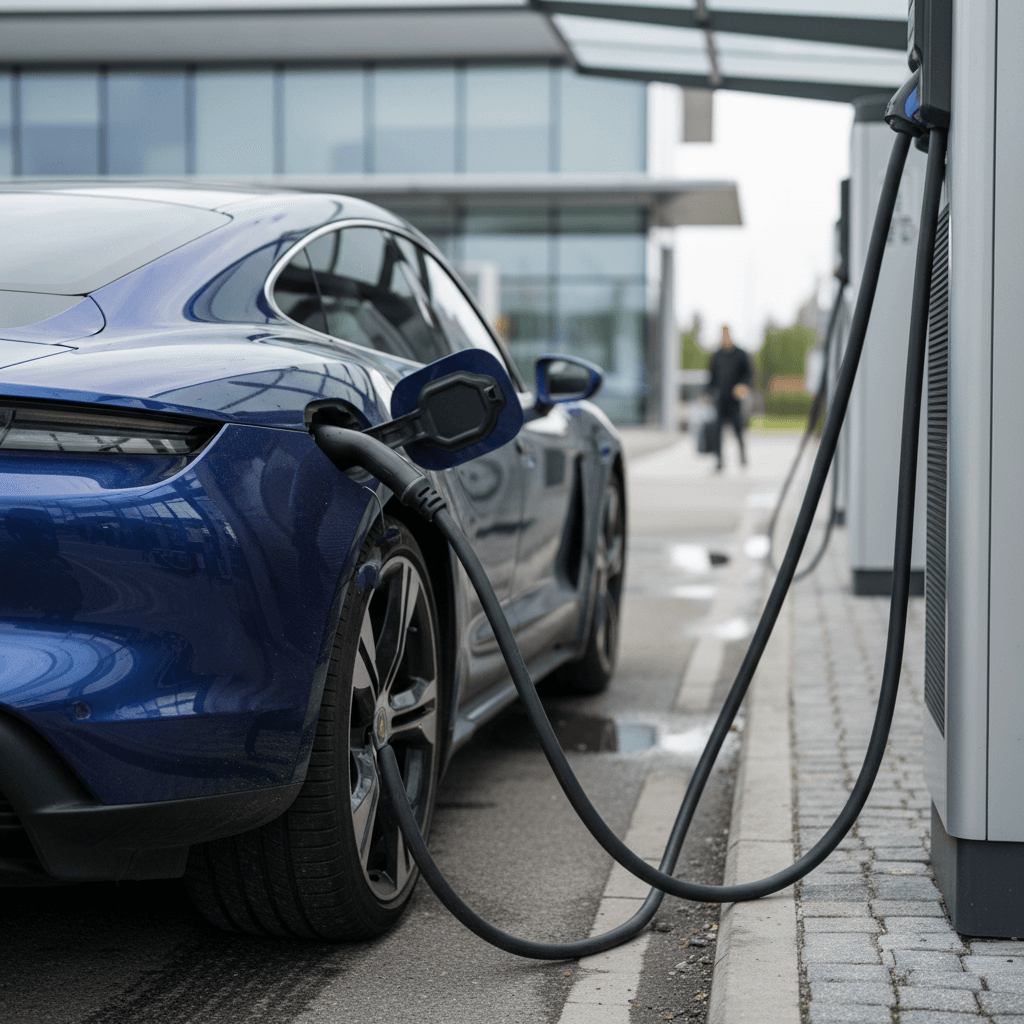
The Taycan’s battery pack is both its beating heart and its most expensive single component. The good news: Porsche backs the high‑voltage pack for 8 years/100,000 miles against defects and excessive capacity loss, and real‑world degradation on well‑cared‑for cars has generally been modest. But you still want hard data, not just a seller’s reassurance that “it charges fine.”
Taycan battery due‑diligence checklist
1. Confirm in‑service date & warranty end
Ask for the original in‑service date (when the first owner took delivery). The 8‑year/100,000‑mile battery warranty counts from that day, not the model year.
2. Get a real capacity reading
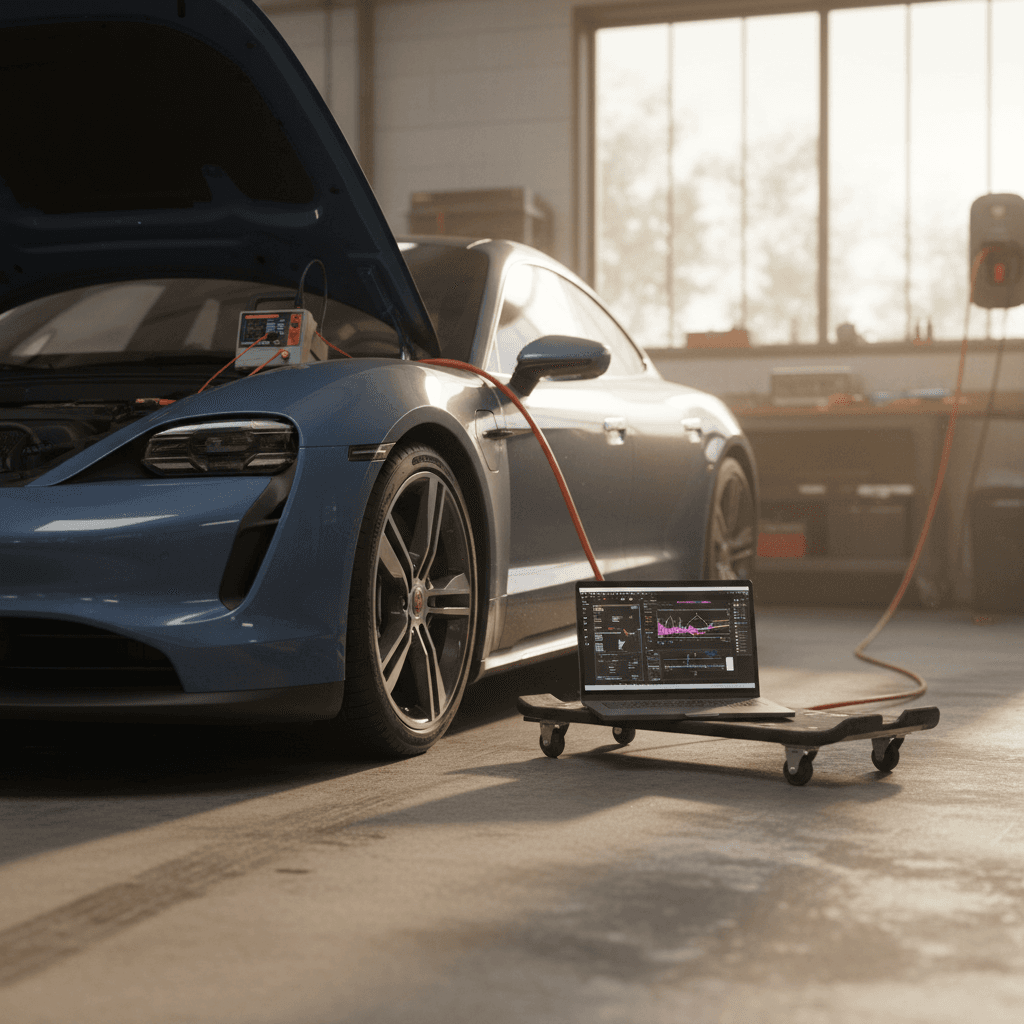
A proper battery health report should estimate remaining usable capacity vs. when new. At Recharged, our <strong>Recharged Score</strong> includes a verified battery‑health metric so you’re not guessing.
3. Review fast‑charging vs. slow‑charging use
Occasional DC fast‑charging is fine, but a diet of daily high‑power sessions at 5–100% isn’t. Ask how the car has been charged and look for a history of regular home or workplace Level 2 charging.
4. Check for battery or high‑voltage repairs
Battery pack or high‑voltage component replacements aren’t necessarily bad, sometimes owners get newer‑spec hardware under warranty, but you want to see factory documentation and a clear explanation.
5. Look for warning lights or reduced performance
Anything like “Electrical system error,” “Reduced drive power,” or sudden loss of DC fast‑charging speed is a big red flag. Don’t accept "it just needs a reset", get it scanned properly.
6. Test real‑world range
If possible, do a mixed‑driving test from a known state of charge and see whether projected range roughly matches what owners typically report for that trim and battery in similar weather.
Don’t buy on guesswork
Warranty coverage and CPO vs. non‑CPO Taycans
Porsche’s warranty structure is a big part of why used Taycans are compelling in 2026. Understanding how the different layers work will help you decide whether to prioritize a CPO car from a Porsche dealer, a well‑documented car from a marketplace like Recharged, or a lower‑priced private‑party sale.
Typical Porsche Taycan warranty coverage (U.S.)
Always verify exact coverage on the individual car; some dealers may sell additional extended service contracts.
| Coverage | What it includes | Typical term |
|---|---|---|
| New Vehicle Limited Warranty | Most components, bumper‑to‑bumper aside from wear items. | 4 years / 50,000 miles from original in‑service date. |
| High‑voltage battery warranty | Defects in battery materials/workmanship; protection against capacity dropping below Porsche’s spec. | 8 years / 100,000 miles from original in‑service date. |
| Corrosion (perforation) | Rust‑through on body panels, not surface rust. | Often 10–12 years, unlimited miles (varies by year). |
| CPO warranty (Porsche Approved) | Extends comprehensive coverage once the 4/50 basic warranty expires; includes roadside assistance. | Typically +2 years with no mileage cap, starting when original warranty ends. |
| Dealer or third‑party service contracts | Varies widely; may cover major systems but often exclude the HV battery. | Terms and quality vary, read the fine print carefully. |
New‑car and CPO coverages are transferable, but most third‑party warranties are not.
Pros of a CPO Taycan
- Extra years of comprehensive coverage beyond 4/50.
- Cars must pass a factory‑specified inspection.
- Roadside assistance and some travel interruption benefits.
- Simpler if you’re trading in a current vehicle through the same dealer.
Pros of a non‑CPO Taycan
- Lower upfront price; you’re not paying for the CPO margin.
- More choice in colors, options, and trims, especially for enthusiast specs.
- Room to negotiate based on inspection findings and battery health.
- Buying through a trusted EV‑focused marketplace like Recharged can give you battery diagnostics and expert guidance without dealer pricing.
How Recharged fits in
Charging speeds, home setup, and road‑trip usability
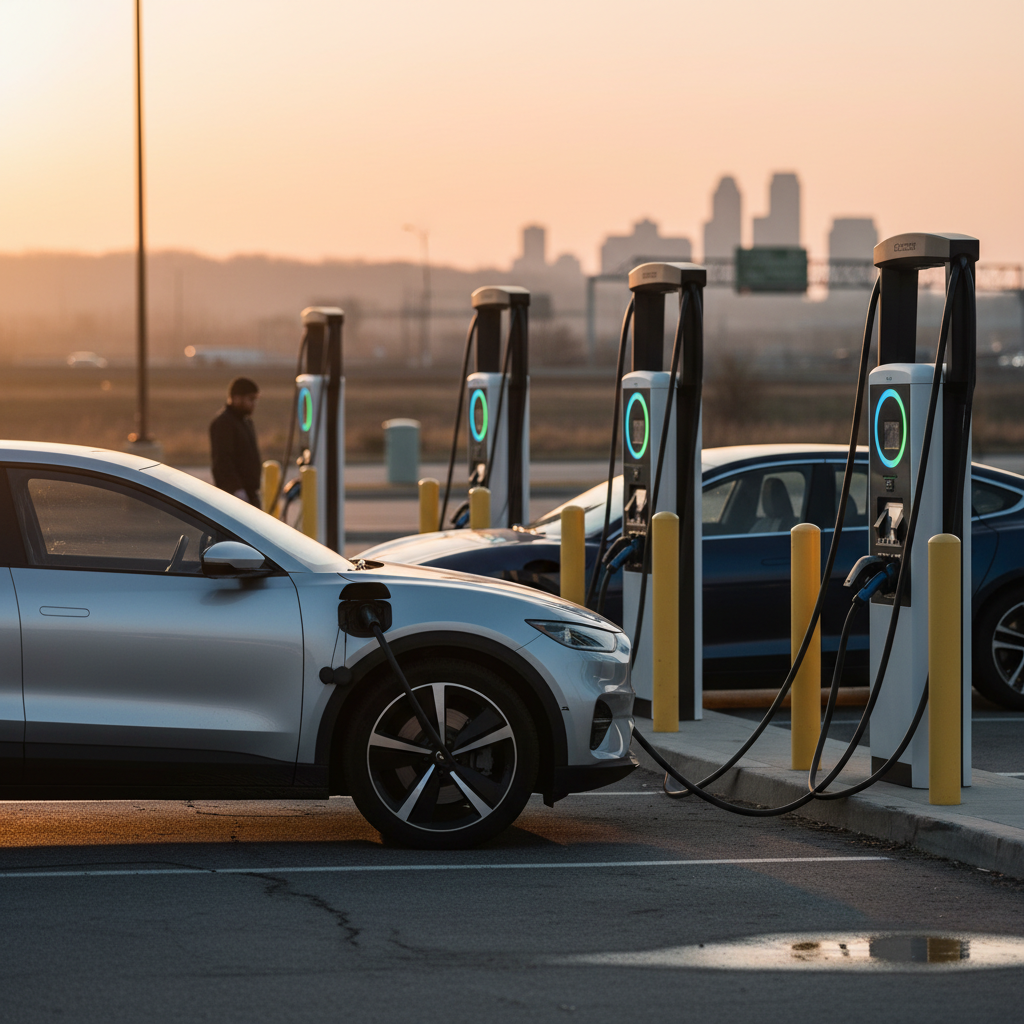
Thanks to its 800‑volt architecture, a Taycan can charge extremely quickly on high‑power DC fast chargers that support those voltages. On the right station, you can go from a low state of charge to around 80% in roughly the time it takes for a coffee and a quick bite. But daily life still hinges on where and how you charge most of the time.
Three charging scenarios to think through
Decide how you’ll feed your Taycan before you fall in love with the test drive.
Home Level 2 charging
Best case. Install a 240‑V Level 2 charger in your garage or driveway.
- Replenishes a typical commute overnight.
- Gentler on the battery than constant DC fast‑charging.
- Look for 40–48 A units; Recharged can help you choose.
Workplace / shared chargers
If your office or apartment offers Level 2 charging, you can often skip a home install.
- Confirm access hours, rates, and etiquette.
- Make sure there are enough ports to be useful, not a daily fight.
DC fast‑charging & road trips
Taycans shine on high‑power corridors with 800‑V‑capable chargers.
- Plan around networks like Electrify America and other CCS fast‑chargers.
- Expect significantly slower speeds on cold days or past ~80% state of charge.
Don’t live on DC fast‑charging
Known issues and reliability patterns to watch for
Early Taycans didn’t burst into flames or shed body panels, but they did give owners and dealers a workout. Many of the biggest problems have been ironed out by software updates and warranty repairs, yet patterns remain that you should ask about on any used example.
- 12‑V and accessory batteries: Some owners have reported failures of the low‑voltage battery or related electronics, leading to non‑start or error messages. Check for replacement history.
- On‑board charger issues: A minority of cars have experienced failures of the AC on‑board charger, resulting in slow or no Level 2 charging until replaced.
- High‑voltage component faults: Inverter or power‑electronics issues can trigger warning lights and reduced power. These are usually handled under warranty but can be expensive out of pocket.
- Software gremlins: Infotainment glitches, phantom error messages, and occasional driver‑assist quirks are not unheard of. A well‑updated car and a patient dealer usually sort these out.
- Wear items on heavy, powerful EVs: Expect higher‑than‑average costs for tires, brakes, and suspension components, especially on Turbo and Turbo S trims that have lived hard lives.
Service records are your friend
Pricing, mileage, and what a fair deal looks like
The Taycan launched as a six‑figure status symbol. In 2026, it has slipped into a more approachable part of the market, but it’s still a complicated Porsche: a bargain relative to its original MSRP, not a cheap EV to run into the ground. Exact numbers move constantly, but you can use a few guardrails to sanity‑check asking prices.
How to think about used Taycan pricing in 2026
Very rough, market‑dependent bands, use as a starting point, not gospel.
Age 5–6 years (2020–2021)
Often the best bargains.
- Battery warranty: ~2–3 years left.
- Look for 40–70k miles with clean history.
- Heavier discounts if basic 4/50 is nearly or fully expired.
Age 3–4 years (2022–2023)
Balance of price, warranty, and updated hardware.
- Battery warranty: 4–5+ years left.
- Many still under original 4/50 or newly CPO’d.
- Ideal if you want newer tech without new‑car pricing.
Age 1–2 years (late 2024–2025)
Nearly new, lightly used.
- Competes directly with ordering new.
- Pay close attention to options vs. your wish list.
- CPO or Recharged Score data is still valuable to confirm no early issues.
Use data, not just vibes
Used Taycan inspection checklist (before you buy)
Pre‑purchase inspection checklist for a used Taycan
1. Scan for fault codes and software status
A generic OBD scan isn’t enough. Have a Porsche‑savvy shop or EV specialist scan the car for high‑voltage, charging, and driver‑assist fault codes, and confirm all factory software updates and recalls are completed.
2. Inspect tires, brakes, and suspension
These cars are heavy and powerful. Uneven tire wear, lip‑worn brake rotors, or clunking suspension bushings tell you the car’s story. Budget for replacement soon if these are marginal.
3. Check charging on Level 2 and DC fast
If possible, plug the car into both a 240‑V Level 2 charger and a DC fast‑charger to confirm the car initiates charging cleanly and reaches reasonable power levels for its state of charge and temperature.
4. Evaluate interior and electronics
Cycle through the dual screens, climate controls, driver‑assist systems, cameras, and audio. A tired interior or glitchy infotainment can hint at rough use or neglect.
5. Look underneath and ahead
Have the car lifted to inspect underbody panels, cooling lines, and the battery case for damage. Stone‑shot front radiators and scraped undertrays are common on performance EVs.
6. Verify all keys, chargers, and accessories
Confirm you’re getting the key fobs, mobile charging cable (if included), manuals, locking wheel‑nut socket, and any other original equipment. Replacing OEM pieces gets expensive quickly.
Always budget for a proper inspection
How Recharged evaluates and sells used Taycans
A Taycan isn’t a car you want to buy based on pretty photos and a seller’s promise that it’s “mint.” That’s why Recharged treats every used EV, and especially complex performance models like the Taycan, as a data project first and a shiny object second.
What you get with a Taycan from Recharged
Built to make high‑end used EV ownership simpler and more transparent.
Verified battery health
Every Taycan gets our Recharged Score battery diagnostics, so you can see how its pack compares to new and to similar cars. No guessing, no hand‑waving.
Expert EV inspection
We inspect charging behavior, high‑voltage systems, tires, brakes, and more, flagging anything that matters to real‑world ownership, then we show you the results, not just the highlight reel.
Financing, trade‑in, and delivery
You can finance your Taycan, get an instant offer or consignment for your current car, and have your Taycan delivered nationwide, or visit our Experience Center in Richmond, VA if you’d rather kick the tires in person.
Ready to find your next EV?
Browse VehiclesBecause Recharged focuses on used EVs only, you’re not fighting through rows of gas SUVs to find one Taycan buried in the back lot. You’re browsing cars that have already been evaluated through an EV‑specific lens, with battery health, range, and charging practicality treated as first‑class citizens instead of footnotes.
FAQ: buying a used Porsche Taycan in 2026
Frequently asked questions about used Taycans
Bottom line: is a used Taycan right for you?
A used Porsche Taycan in 2026 is a bit like a lightly pre‑owned 911 was a decade ago: not cheap, not simple, and not for everyone, but for the right driver, it’s the bargain way into an experience that feels a class above most of the market. If you can charge at home, have a realistic view of range, and are comfortable owning a complex German performance car, a well‑chosen Taycan will still feel special every time you press the start button.
Take your time. Prioritize battery health, documented service history, and the right trim and body style for your life over the flashiest badge or the lowest advertised price. And if you’d rather have an expert in your corner, you can always shop Taycans on Recharged, where every car comes with a Recharged Score Report, EV‑savvy support, and the option to finance, trade in, or have your next electric Porsche delivered to your driveway.