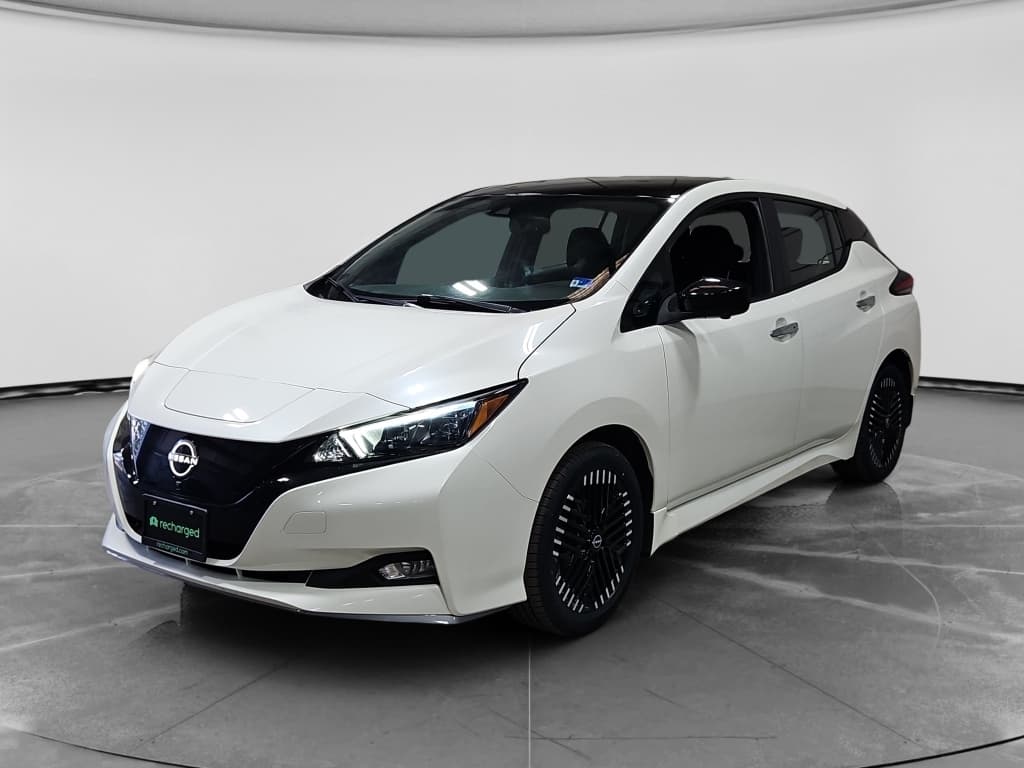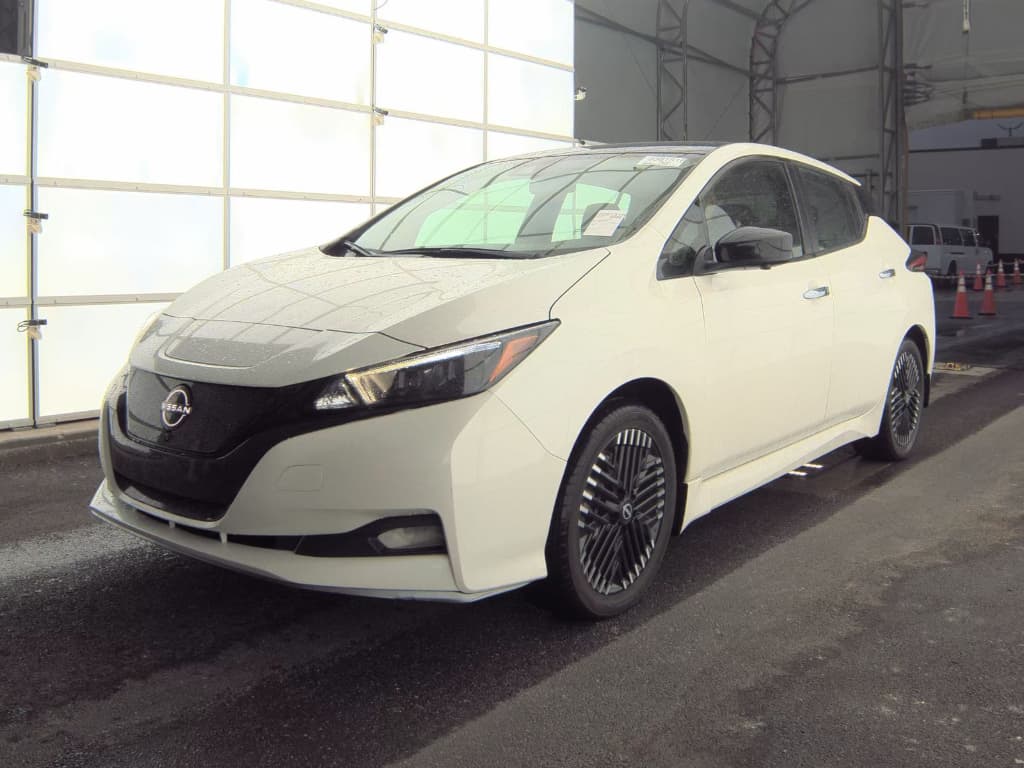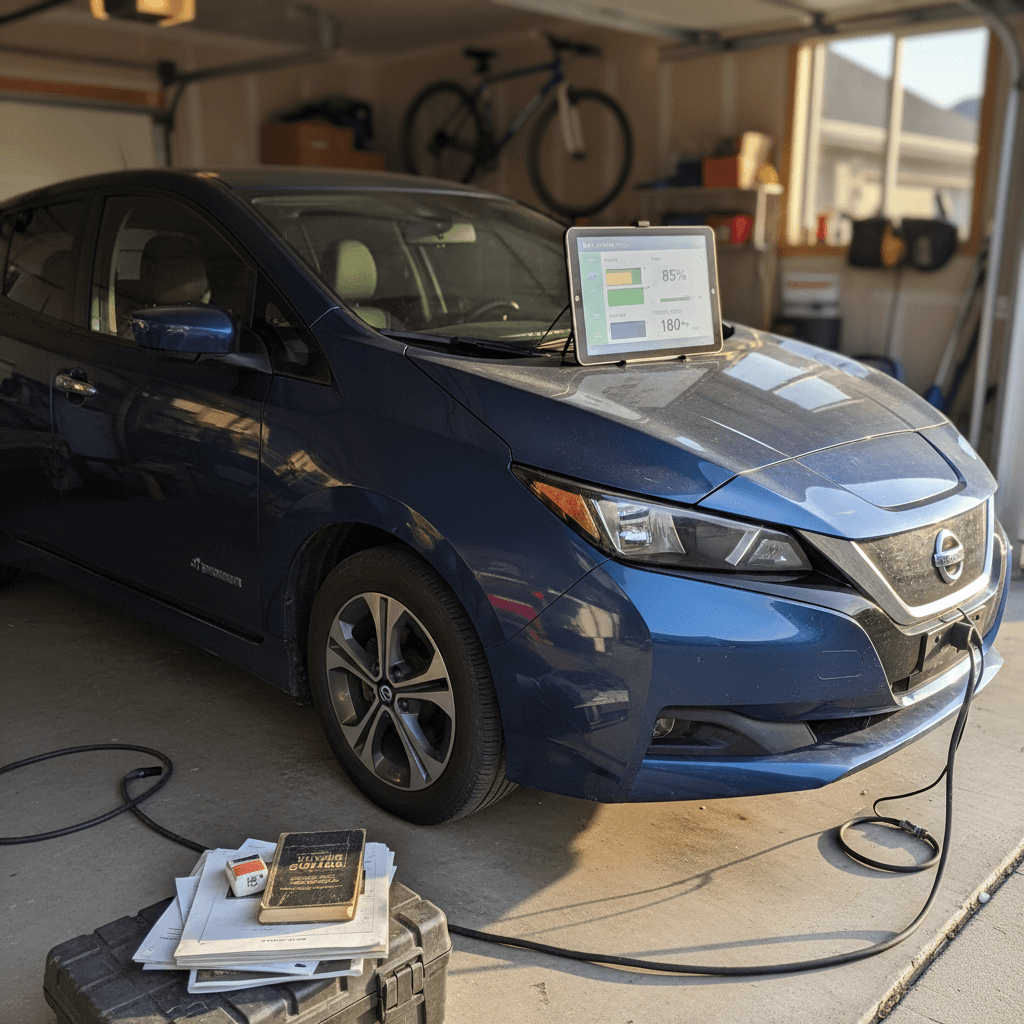
If you’re looking at a used Nissan Leaf for sale, you’re exactly the kind of shopper benefiting from today’s EV market. Prices on used electric cars have fallen sharply, and the Leaf is one of the most affordable, easiest-to-live-with options, especially if your daily driving is short and you can charge at home.
Who this guide is for
Why a Used Nissan Leaf Is So Popular Right Now
The Used Nissan Leaf in Today’s EV Market
Two things drive the Leaf’s appeal on the used market. First, EV depreciation has outpaced that of comparable gas cars, which means you can often buy a low‑mileage Leaf for the price of a very tired compact sedan. Second, the Leaf has been around since 2011, so there’s a deep supply of cars at different price points, from sub‑$5,000 city runabouts to late‑model cars with real‑world highway range.
Think of the Leaf as an appliance
Used Nissan Leaf Prices and What You Should Expect to Pay
When you start browsing used Nissan Leafs for sale, you’ll notice that prices vary widely by model year, battery size, and condition. Here’s a rough, national‑average snapshot as of late 2025; local markets can be a bit higher or lower.
Typical Used Nissan Leaf Price Ranges (U.S., late 2025)
Approximate retail asking prices; individual vehicles can sit above or below these ranges based on mileage, options, battery health, and accident history.
| Leaf type / years | Battery | Typical asking price | Notes |
|---|---|---|---|
| 1st‑gen early (2011–2013) | 24 kWh | $4,000–$7,000 | Very short remaining range in many cases; best as a cheap city car. |
| 1st‑gen later (2014–2015) | 24 kWh | $5,000–$8,000 | Slightly improved batteries but still prone to heat‑related degradation. |
| 1st‑gen 30 kWh (2016–2017) | 30 kWh | $7,000–$11,000 | More range; some packs had premature degradation issues. |
| 2nd‑gen (2018–2020) | 40 kWh | $10,000–$14,000 | Modern interior, ~150‑mile EPA range when new. |
| Leaf Plus (2019–2022) | 62 kWh | $14,000–$20,000+ | Long‑range models; desirable for highway use. |
| Newer 40/60 kWh (2023–2025) | 40–60 kWh | $17,000–$22,000+ | Nearly new, often still within factory warranty. |
Use these ranges as a starting point, then adjust for battery health and local supply.
Watch the averages, not the outliers
Range and Battery Sizes by Model Year
The single most important decision when shopping for a used Leaf is which battery size and generation you’re comfortable with. Nissan has offered several packs, each with different real‑world range. Here’s a simplified view:
Nissan Leaf Battery Sizes and EPA Range by Era
EPA range figures are for new vehicles; an older used Leaf will typically have less real‑world range due to battery degradation.
| Model years | Battery size | EPA range when new | Typical use case |
|---|---|---|---|
| 2011–2015 | 24 kWh | ~73–84 miles | Short‑trip city car or second vehicle. |
| 2016–2017 (24 kWh) | 24 kWh | ~84 miles | Similar to early cars; improved slightly. |
| 2016–2017 (30 kWh) | 30 kWh | ~107 miles | More flexible for suburbs; still better as a commuter. |
| 2018–2024 (standard) | 40 kWh | ~149–151 miles | Good for most commuters; modest highway trips. |
| 2019–2022 Leaf Plus | 62 kWh | ~215–226 miles | Road‑trip capable if you’re patient with charging. |
| 2023–2024 SV Plus | 60 kWh | ~212 miles | Slightly revised long‑range pack. |
Use this to match your daily driving needs to an appropriate Leaf generation.
Figure out your real daily needs
Before worrying about EPA numbers, map your actual driving. Add up your typical weekday commute, school runs, and errands. If you’re regularly under 60–70 miles per day and can charge at home, nearly any 40 kWh Leaf will feel effortless.
Think about worst‑case days
Then ask: what about the longest days I drive in bad weather? If you sometimes need 120–150 miles in winter without charging, you’ll be happier in a Leaf Plus or you may want to look at other long‑range EVs altogether.
Battery Degradation: What to Watch For
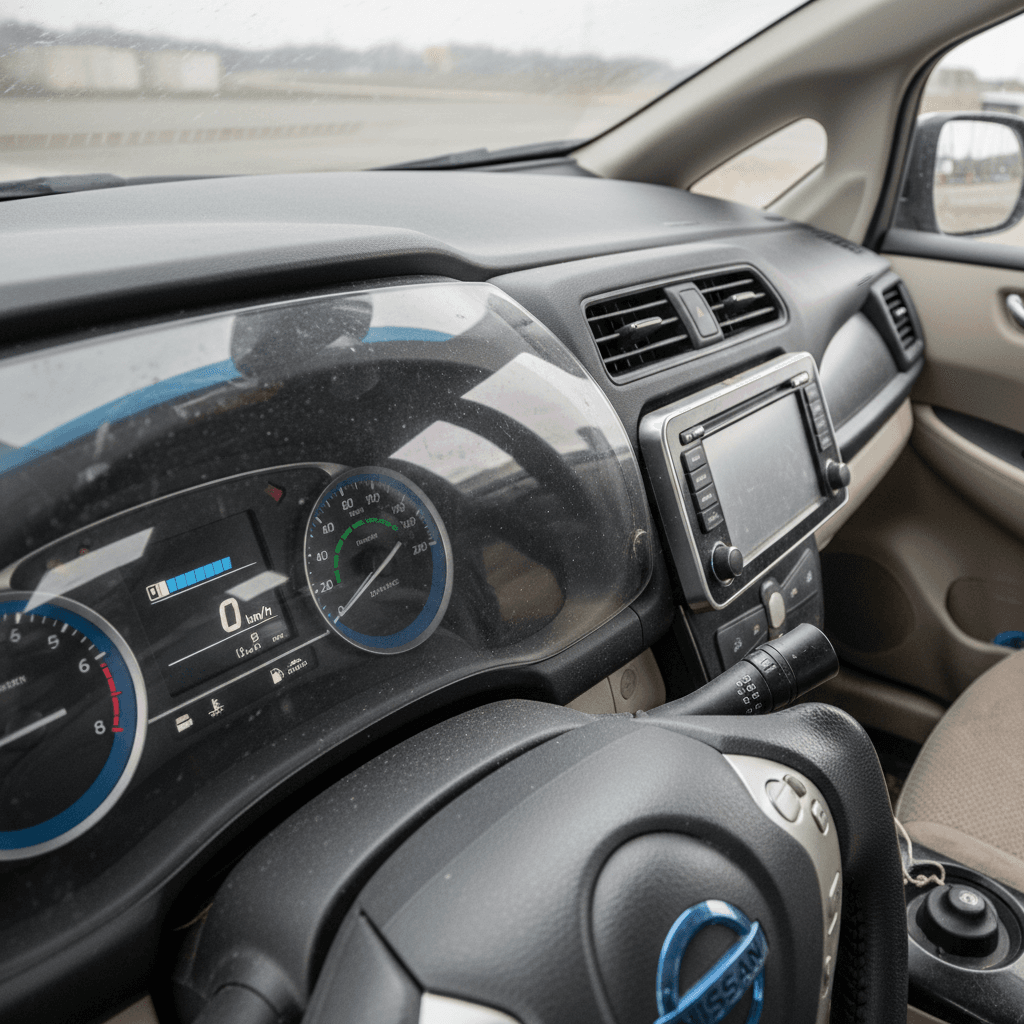
Every used EV buyer worries about battery degradation, and with the Leaf that concern is justified, especially on early cars. Nissan’s first‑generation packs lacked active liquid cooling, and in hot climates some 24 kWh cars lost capacity quickly. A Leaf that left the factory with roughly 70–80 miles of range can be down into the 40–50‑mile window more than a decade later.
Common Leaf Battery Patterns by Generation
These are broad patterns, not guarantees. Always rely on a specific battery health report for the car you’re considering.
Early 24 kWh (2011–2014)
Most vulnerable to heat and aggressive fast‑charging. In hot regions, it’s common to see heavy range loss by year 8–10. In mild climates and gentle use, some packs hold up better but still show noticeable loss.
Late 24/30 kWh (2015–2017)
Incremental chemistry improvements, but some 30 kWh packs suffered their own degradation quirks. Great price if you don’t need big range, but you can’t assume the extra capacity is still there.
40/60/62 kWh (2018+)
Generally far more robust. Even so, a high‑mileage Leaf Plus that lived on DC fast charging will show more loss than a gently used commuter that mostly charged at home.
Don’t buy blind on battery health
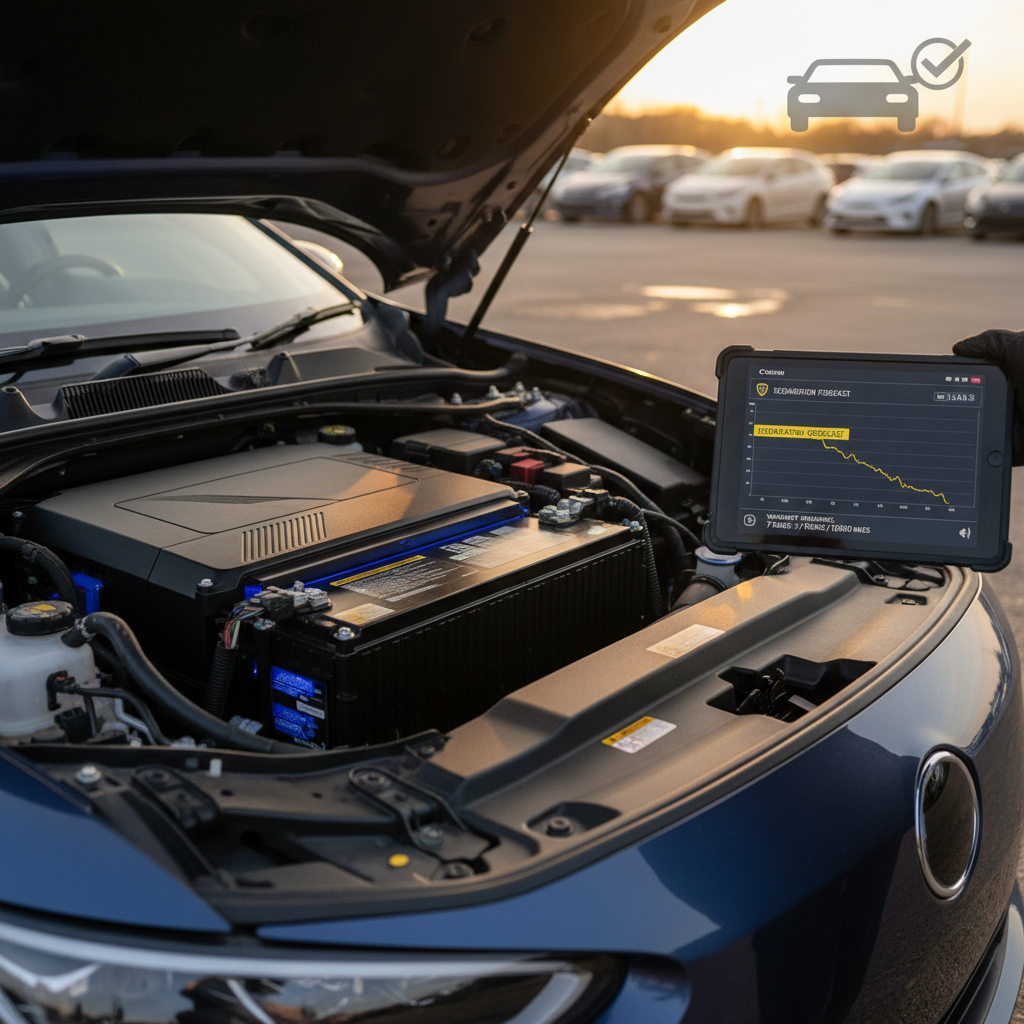
This is exactly why Recharged bakes a Recharged Score battery health diagnostic into every EV it sells. Instead of guessing, you see how the pack actually performs, how much capacity remains, and how that compares with similar Leafs in the market.
Reliability and Running Costs
Mechanically, the Nissan Leaf is simple: there’s no engine, transmission, or exhaust system to maintain. Most owners report the usual wear‑and‑tear, tires, wiper blades, cabin filters, and not much else. Independent data sources peg newer Leafs as solidly above‑average on reliability for compact cars, with strong safety scores as well.
Maintenance and repairs
- Newer Leafs have projected 5‑year maintenance costs in the low $2,500 range, hundreds per year, not thousands.
- No oil changes, timing belts, or spark plugs. Regenerative braking also stretches brake pad life.
- The big wildcard is the battery. If you buy a car with a very weak pack and later choose to replace or upgrade it, that can cost several thousand dollars.
Fuel and electricity
- Charging at home typically works out to the equivalent of paying $1.50–$3.00 per “gallon” depending on local electricity rates.
- If you mostly charge at home and avoid expensive DC fast‑charging, your total running costs can undercut a comparable gas car by a wide margin.
Safety, Recalls, and Fast-Charging Cautions
EV shoppers sometimes assume there’s no need to think about recalls or charging safety, but the Leaf, like any modern car, has had campaigns owners need to pay attention to. Most are routine software or component updates performed at Nissan dealers under warranty, but a recent recall for certain 2021–2022 Leafs highlights why you should check any used car’s VIN for open campaigns.
Recent recall on DC fast charging
- If you’re eyeing a 2019–2022 Leaf, especially one with a CHAdeMO fast‑charge port, verify that all recall work has been completed.
- Treat DC fast charging as an occasional tool, not your daily fueling strategy; heavy use accelerates battery wear on any EV, especially passively cooled packs like the Leaf’s.
- When in doubt, have a Nissan dealer or a qualified EV specialist pull the recall history and perform a pre‑purchase inspection.
Which Used Nissan Leaf Should You Buy?
Three Common Used Leaf Buyer Profiles
Match your driving pattern to the right generation and battery size.
Urban short‑trip driver
Profile: Mostly city driving, rarely over 40–50 miles per day, easy home charging, tight budget.
Best fit: Later 24 kWh or 30 kWh Leaf in good battery health. You’ll get rock‑bottom pricing, and limited range won’t matter much.
Suburban commuter
Profile: 40–80‑mile round‑trip commute, occasional weekend trips, mostly home charging.
Best fit: 2018+ 40 kWh Leaf (second generation). Look for solid capacity bars and a clean battery health report. This is the sweet spot for most buyers.
Budget road‑tripper
Profile: Regular highway runs, wants to avoid gas entirely, is patient with charging and planning routes.
Best fit: Leaf Plus (62 or 60 kWh). You’ll get much more range, but remember CHAdeMO fast‑charging infrastructure is shrinking in the U.S.
Don’t forget charging networks
Financing, Tax Credits, and Total Cost
A big reason to look for a used Nissan Leaf for sale instead of a new EV is the total cost of ownership. You’re avoiding the steepest years of depreciation while still capturing most of the fuel and maintenance savings that make EVs compelling in the first place.
Financing and payments
Because many used Leafs are well under $20,000, monthly payments can be surprisingly low, especially if you finance over a modest term and put a little money down.
With Recharged, you can pre‑qualify for financing online with no impact on your credit score, then shop inventory knowing your budget up front.
Tax credits and incentives
Federal incentives for used EVs have shifted in recent years, and state programs come and go. Many used Leafs fall beneath common price caps when credits are available, but program details change fast.
Instead of assuming you qualify, check current federal and state rules before you buy, or work with a retailer like Recharged that can help you understand what’s available for your specific situation.
How Recharged Takes the Guesswork Out
Shopping for a used Nissan Leaf on generic classifieds can feel like guesswork: vague descriptions, inconsistent information about charging, and almost no hard data on battery condition. Recharged is built specifically to solve those pain points for EV buyers.
Buying a Used EV Through Recharged
What changes when you buy from an EV‑first marketplace instead of a traditional dealer or private seller.
Recharged Score battery health
Every vehicle on Recharged comes with a Recharged Score Report that includes verified battery health diagnostics. You see real capacity and expected range before you buy, not after.
Fair market pricing
Recharged uses real‑time market data to benchmark pricing, so you aren’t overpaying relative to similar Leafs nationwide. The report makes that comparison transparent.
Digital buying & delivery
Browse, finance, sign, and arrange nationwide delivery online, or visit the Experience Center in Richmond, VA. Either way, you get EV‑specialist support at every step.
Ready to find your next EV?
Browse VehiclesTrade‑in and selling made simple
Checklist: Inspecting a Used Leaf Before You Buy
Pre‑Purchase Checklist for a Used Nissan Leaf
1. Confirm battery health with data
Ask for a recent, professional battery health report, not just a photo of the dash. You want state‑of‑health metrics and any history of fast‑charging abuse. With Recharged, this is already included in the Recharged Score.
2. Count capacity bars, but don’t stop there
On the main dash, the Leaf shows 12 capacity bars. A healthy newer Leaf should still show most of them; if the car is down to 8–9 bars, expect noticeably reduced range. Combine this visual check with diagnostic data.
3. Verify charging port and cables
Open the charge port door and make sure the J1772 (AC) and CHAdeMO (DC) connectors are clean and undamaged. Ensure the car comes with at least a Level 1 charging cable and ideally a Level 2 solution, or budget to buy one.
4. Check for open recalls and software updates
Run the VIN through Nissan or NHTSA tools and confirm that all recalls, especially any involving the high‑voltage battery or DC fast charging, have been performed.
5. Inspect tires, brakes, and suspension
EVs are heavy, so worn tires or tired suspension components show up quickly. A short test drive should reveal any clunks, vibrations, or uneven tire wear that might require attention.
6. Test all driver‑assist and infotainment features
Try ProPILOT Assist (if equipped), adaptive cruise, cameras, and smartphone integration. These features materially affect day‑to‑day enjoyment and resale value.
Used Nissan Leaf FAQs
Frequently Asked Questions About Used Nissan Leafs
Bottom Line on Finding a Used Nissan Leaf for Sale
If you’re seeing a used Nissan Leaf for sale at a tempting price, don’t just ask, “Is this cheap?” Ask, “Is this the right Leaf for how I actually drive, and what does its battery health look like?” Match your daily use to the right battery size and generation, verify that recalls and software updates are current, and insist on a real battery health report rather than hope and guesses.
Done right, a used Leaf can deliver quiet, low‑stress transportation at a total cost of ownership that’s tough for gas cars to match. And if you’d rather not decode capacity bars and Craigslist descriptions on your own, browsing Recharged’s curated inventory, complete with Recharged Scores, financing, trade‑in options, and nationwide delivery, turns the process into a straightforward, data‑driven decision instead of a gamble.