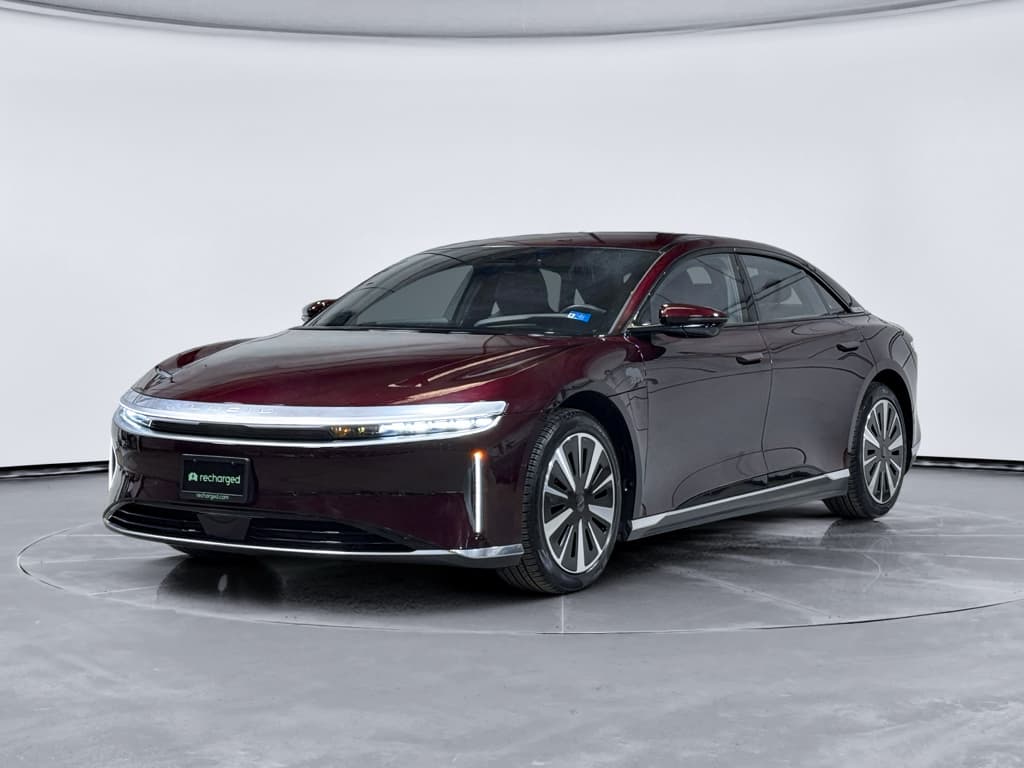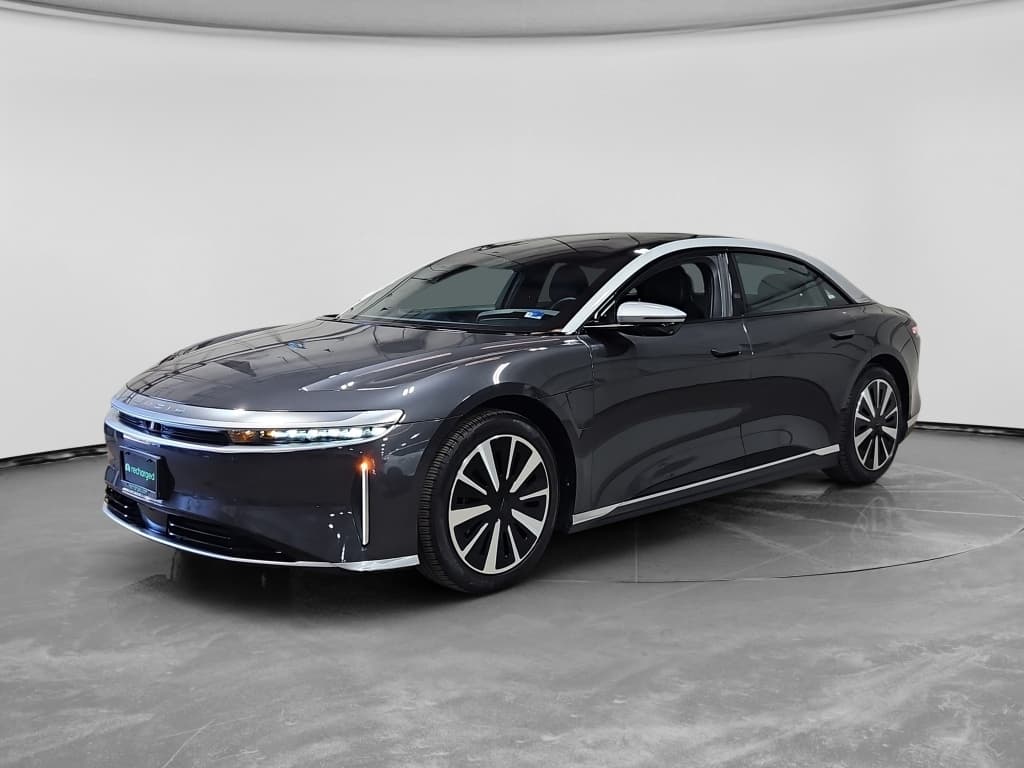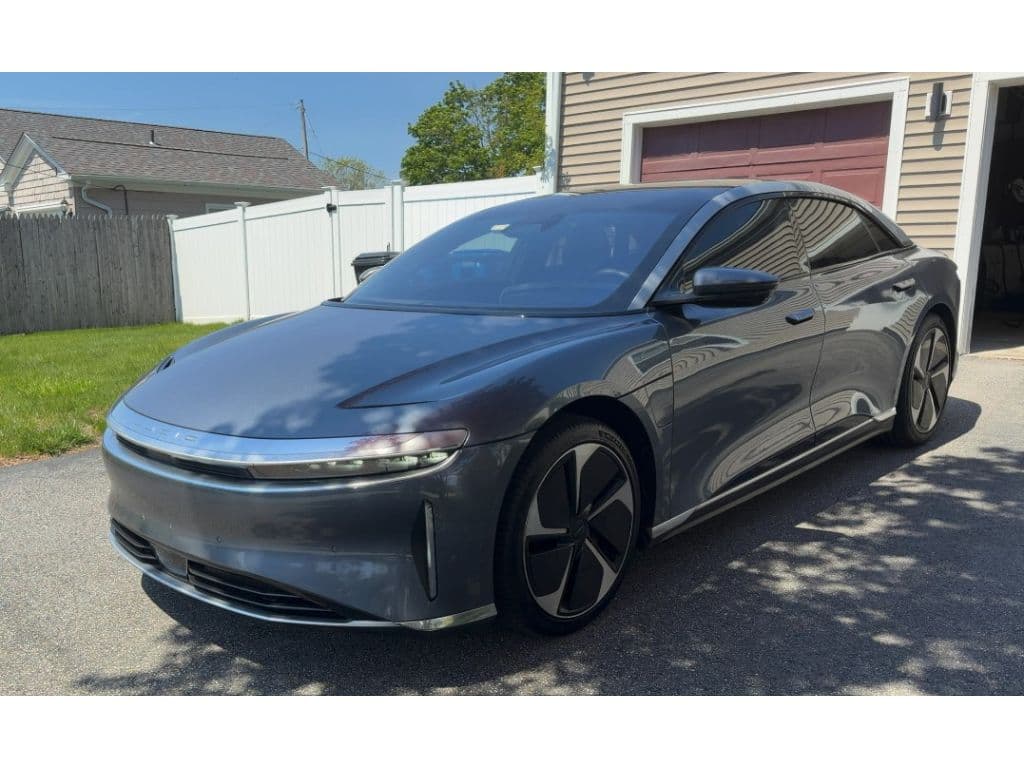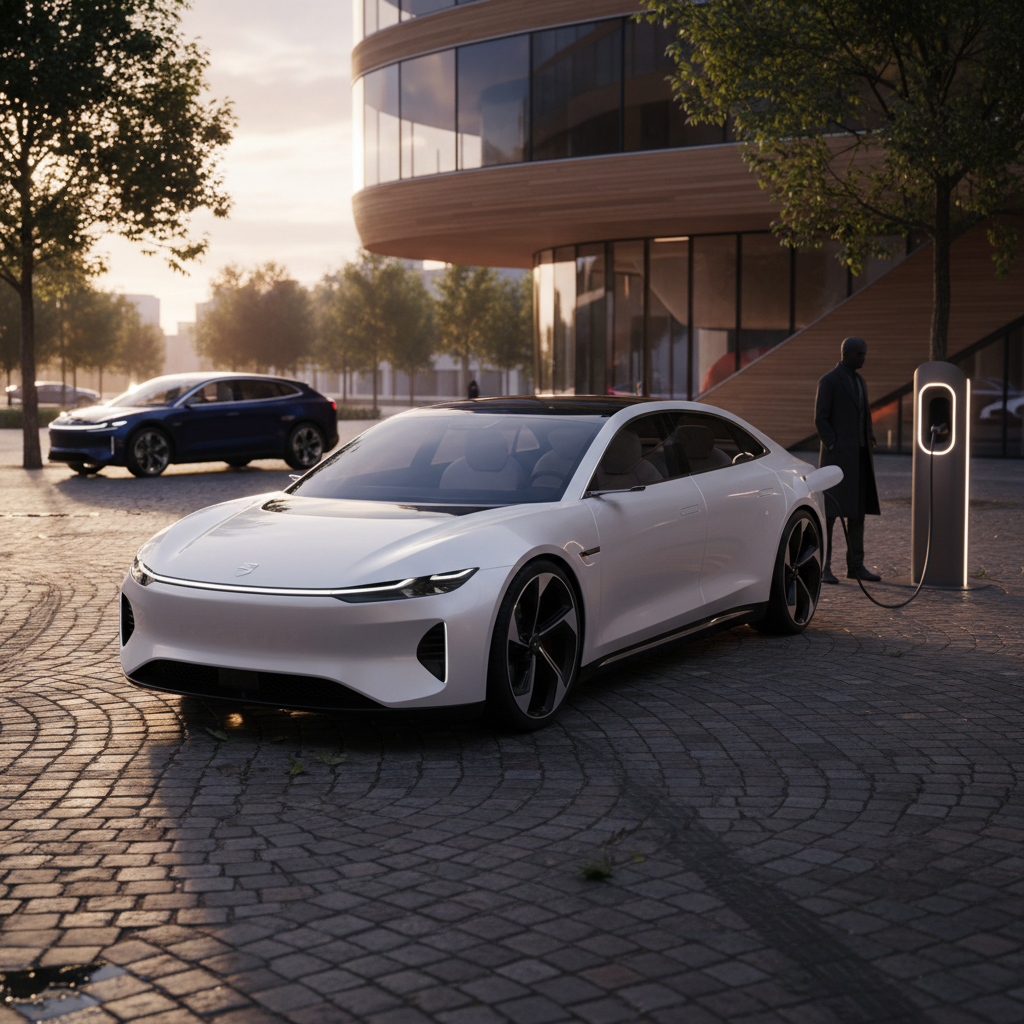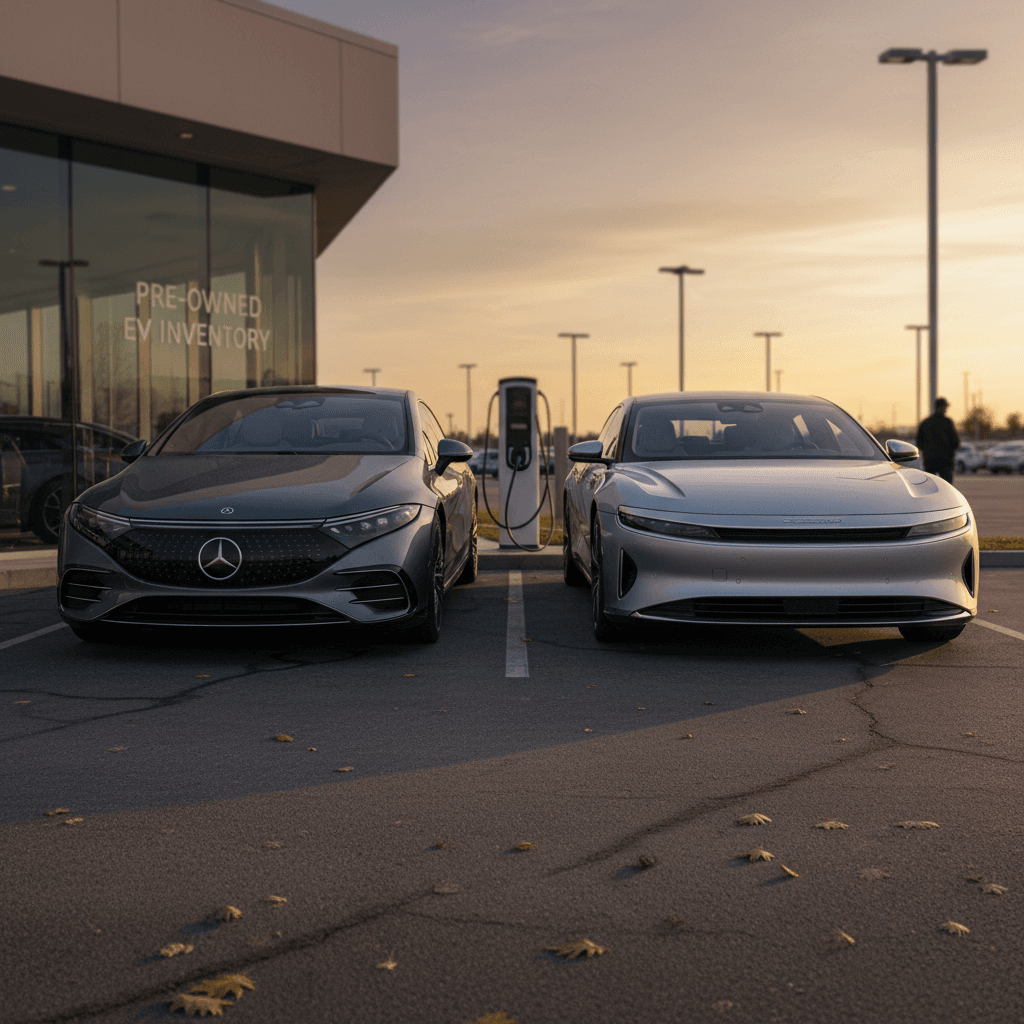
If you’re cross-shopping a used Mercedes EQS vs a used Lucid Air in 2026, you’re essentially choosing between traditional German luxury gone electric and a Silicon Valley–style EV startup that built a range champ. Both are stunning long-range luxury sedans, but they deliver very different ownership experiences, especially once they’re a few years old and out in the used market.
Two very different takes on luxury EVs
Overview: Used EQS vs Lucid Air in 2026
Used Mercedes EQS (Sedan)
- Positioning: Flagship luxury EV sedan, S‑Class alternative.
- Typical trims used: EQS 450+, 450 4MATIC, 580 4MATIC, AMG EQS 53.
- Strengths: Quiet, plush ride; excellent seats; strong dealer network; familiar Mercedes UX (for better and worse).
- Weak spots: Heavy and less efficient; infotainment and driver-assist quirks; mixed reliability stories; depreciation can be steep from MSRP but a plus for used buyers.
Used Lucid Air
- Positioning: Ultra‑efficient electric luxury flagship, range and performance first.
- Typical trims used: Pure, Touring, Grand Touring, Sapphire.
- Strengths: Class‑leading efficiency and range; very fast DC charging; airy cabin; cutting‑edge powertrain.
- Weak spots: Smaller service network; early‑production build and software issues; brand still proving long‑term durability; resale values still finding their level.
How to approach this comparison
Specs and Range: Brochures vs Real Used EVs
On paper, both the Mercedes EQS and Lucid Air are long‑range luxury EVs, but the Lucid Air decisively wins on efficiency and headline range. In the used market, though, you care less about press‑release numbers and more about realistic range on a 2–4‑year‑old pack.
Headline Specs You’ll Actually Notice in Daily Use
Approximate values for common trims you’ll see on the U.S. used market in 2026. Exact specs vary by model year, wheels and software updates.
| Model (common used trims) | EPA range when new | Battery (usable est.) | 0–60 mph (approx.) | Realistic highway range in 2026* |
|---|---|---|---|---|
| Mercedes EQS 450+ RWD | ~350 miles | ~108–118 kWh | ~5.9 s | 260–300 miles |
| Mercedes EQS 580 4MATIC | ~340–345 miles | same pack, more power | ~4.1 s | 240–280 miles |
| Lucid Air Pure RWD | ~410–420 miles | ~88 kWh | ~4.5–4.7 s | 320–360 miles |
| Lucid Air Touring AWD | ~400–410 miles (2024), ~377 miles (2025 EPA) | ~92 kWh | ~3.4 s | 310–360 miles |
| Lucid Air Grand Touring | ~516 miles | ~118 kWh | ~3.0 s | 380–430 miles |
Don’t obsess over tenths of a second 0–60 times. Focus on range, efficiency and charging speeds for used ownership.
EPA numbers vs your used car
Efficiency and Range: Why Lucid Has the Edge
From a pure energy‑use perspective, the Lucid Air is simply a more efficient platform. It gets S‑Class‑like comfort at consumption numbers closer to a compact EV. The EQS counters with a cushier ride and that Mercedes cocoon, but you’ll stop more often on road trips and pay more for electrons over time.
Driving Comfort and Luxury Experience
Both cars deliver flagship‑level comfort, but they do it differently. A used EQS feels like slipping into a modern S‑Class: soft air suspension, hushed cabin, familiar control layout and abundant sound insulation. The Lucid Air aims for a lighter, more agile feel with a minimalist interior and a big emphasis on visibility and space.
Ride, Noise and Interior: Where You’ll Feel the Differences
Think about how you actually use a car, long commutes, city trips, or 800‑mile days, then map these traits to your life.
Ride and noise
EQS: Air suspension, very soft tuning and heavy sound deadening lean toward isolation. It’s excellent at smoothing broken pavement and keeping noise out, especially on smaller wheels.
Lucid Air: Still comfortable, but firmer and more connected. Road noise can be more noticeable on big wheels, but body control is better at speed.
Seating and ergonomics
EQS: Classic Mercedes multi‑contour seats with massage and extensive adjustment. Rear headroom in the “one‑bow” sedan roofline can be tight for tall adults.
Lucid Air: More upright seating, open greenhouse, tons of rear legroom. Seats are good, but not quite Mercedes‑throne level for every body type.
Luxury feel and materials
EQS: Rich ambient lighting, wood and leather options, and that "lounge" ambiance. Some shiny plastic and fingerprint‑prone touch surfaces betray the price tag.
Lucid Air: Modern, clean design with sustainable materials and a focus on light. Early builds had some panel alignment and trim‑rattle complaints; later cars improved.
Who wins on comfort?
Infotainment, Software and Driver Assistance
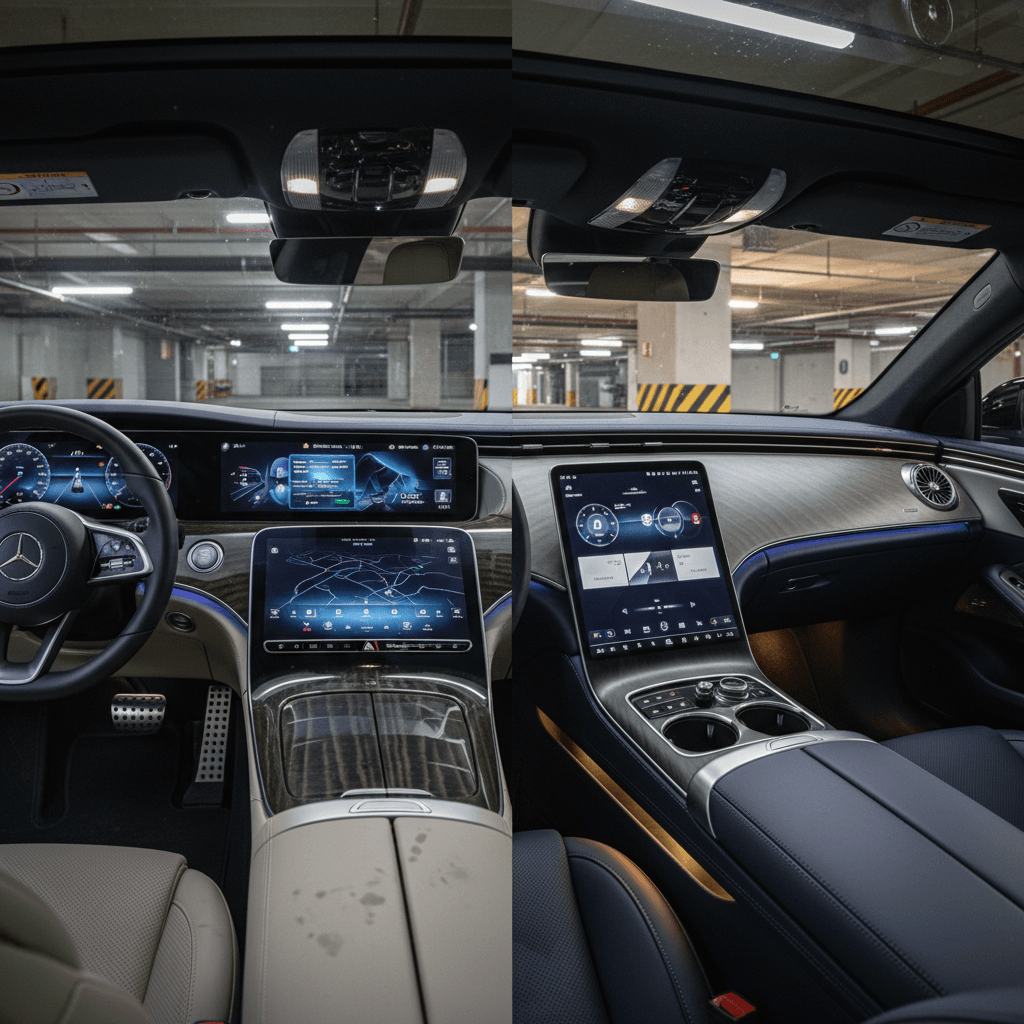
Tech should be a selling point in any luxury EV, but it’s also where long‑term ownership pain can show up. Both cars rely heavily on software for everything from seat controls to driver assistance, and used buyers inherit all the quirks.
Mercedes EQS tech
- MBUX Hyperscreen (on many trims): Huge, impressive, and occasionally overwhelming. Lots of layers and touch controls.
- Driver assistance: Adaptive cruise and lane‑centering that work well when properly updated, but owners report occasional glitches and alerts.
- Over‑the‑air (OTA) updates: Mercedes has increasingly used OTA to fix bugs and add minor features, but you’re still tied closely to dealership for some campaigns.
Lucid Air tech
- Lucid UX: Clean, fast UI with big screens and a retractable lower display. Early software was buggy; multiple OTA waves have improved stability and responsiveness.
- Driver assistance: Highway Assist and related features are competitive on paper, but calibration and behavior can feel different from legacy brands.
- OTA‑first philosophy: Lucid leans heavily on OTA, which is good for rapid improvement but can also mean living through the experiment in real time.
Used luxury EVs are rolling computers
Charging Speed and Road-Trip Usability
Both cars support DC fast charging and high‑power AC charging, but their road‑trip personalities are different. This is where Lucid’s efficiency and high‑voltage architecture really matter, and where the EQS leans on Mercedes’ comfort to make extra stops less painful.
Charging Behavior That Matters on a Used EQS vs Lucid
Approximate peak and practical charging performance for common trims on a capable DC fast charger.
| Model | Peak DC rating (kW) | Typical DC peak in real use | Approx. 10–80% time when new | Home AC charging |
|---|---|---|---|---|
| Mercedes EQS (most trims) | Up to ~200 kW CCS | 140–170 kW typical | ~30–35 minutes | 9.6–11 kW onboard charger; overnight on 240V |
| Lucid Air Pure/Touring | ~250 kW DC | 180–220 kW typical with good preconditioning | ~25–30 minutes | Up to 19.2 kW AC on some trims for very fast home charging |
| Lucid Air Grand Touring | Up to ~300 kW DC | 220–250 kW typical | ~22–27 minutes | Same high‑power AC capability on many builds |
Charging curves and preconditioning behavior vary by software version and temperature; test on your own route when possible.
Think in miles per minute, not kW
In practical terms, if you like 600–800‑mile days on the highway, the Lucid Air is the better road‑trip tool. If you mostly drive 40–60 miles per day and fast‑charge only a handful of times a year, the EQS’s relative inefficiency matters less than its comfort and dealer availability.
Reliability, Service and Ownership Hassles
Neither of these cars is a Toyota Camry in EV drag. Both are complex, software‑heavy luxury flagships. But the ways they can go wrong, and how painful that is, differ in important ways for used buyers.
What Owners Report: EQS vs Lucid Air
Anecdotes aren’t data, but consistent themes show up in owner forums and early‑fleet experience.
Mercedes EQS patterns
- Intermittent software warnings (especially early builds) that resolve after restarts.
- Occasional driver‑assist or infotainment bugs that require dealer visits for software updates or module replacements.
- Traditional German‑luxury pattern: fixes are available, but out‑of‑warranty work is expensive.
- Strong dealer coverage in the U.S., but service quality varies store‑to‑store.
Lucid Air patterns
- Early cars had more build‑quality issues (trim alignment, rattles, frunk latches, some electronic gremlins).
- OTA updates have improved many software issues, but some owners still report recurring bugs and app frustrations.
- Smaller service network, with mobile techs and regional centers, great when it works, frustrating when parts or appointments lag.
- Startup risk: the brand is still maturing its processes, and you feel that as a used buyer.
Warranty status is a big deal here
If you’re risk‑averse and live far from a Lucid service center, the EQS is the conservative choice. If you’re comfortable with a younger service network and want the most advanced EV powertrain tech, the Lucid can be worth the trade‑off, as long as you buy from a seller who has already worked through the early teething issues.
Depreciation, Pricing and Total Cost of Ownership
Both cars were six‑figure propositions when new in higher trims, which means depreciation is your friend as a used buyer. The EQS follows a familiar luxury‑sedan pattern: big first‑owner hit, then a value sweet spot in years 3–6. The Lucid Air’s values are still normalizing as the brand proves itself and as more leases return to the market.
Typical U.S. Used Price Bands in 2026 (Big Picture)
Real‑world prices vary by mileage, trim, option loadout and condition, but these are common ranges enthusiasts are seeing for clean, no‑stories cars.
| Model / trim examples | Approx. 2026 used asking range (USD) | What that usually buys you |
|---|---|---|
| Mercedes EQS 450+ | $55,000–$70,000 | Early‑production cars on the low end; later years with modest miles on the high end. |
| Mercedes EQS 580 / AMG EQS 53 | $70,000–$95,000+ | Heavier spec, more performance, often higher original MSRP; watch tire and brake wear. |
| Lucid Air Pure | $60,000–$75,000 | Range‑focused spec; more cars entering used market as leases mature. |
| Lucid Air Touring | $70,000–$90,000+ | Sweet spot for performance and range; 2025 updates improved efficiency even further. |
| Lucid Air Grand Touring | $90,000–$120,000+ | Ultra‑long‑range flagship with massive battery and strong straight‑line performance. |
Always compare any listing to multiple price sources and recent sales. Severe discounts can signal hidden history or unresolved issues.
Operating costs: electrons, tires and insurance
From a total‑cost perspective, the best values in 2026 tend to be lightly used EQS 450+ and Lucid Air Pure/Touring trims that have already taken the initial depreciation hit but still have robust battery and driveline warranty coverage left. If a Grand Touring or AMG EQS fits your budget, just factor in higher consumables and the temptation to use all that power.
Battery Health and How to Inspect a Used EQS or Lucid
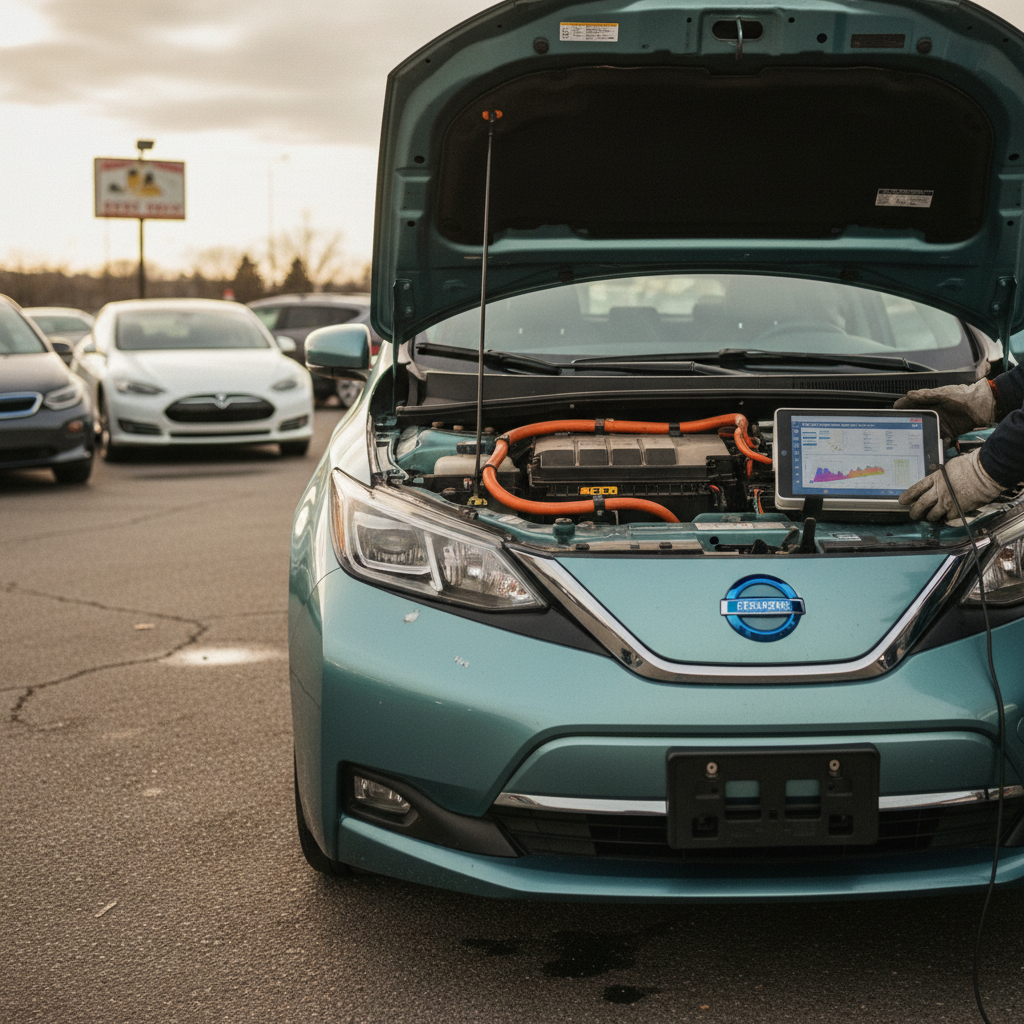
With any used EV, the single most important asset is the battery pack. A glamorous spec sheet means little if the previous owner fast‑charged to 100% every day in the desert. The EQS and Lucid Air both ship with large, sophisticated packs, but their histories can diverge sharply from car to car.
Key Battery & Charging Checks for a Used EQS or Lucid
1. Ask for detailed charging history
Look for a pattern dominated by home Level 2 charging and DC fast charging mostly on road trips. Cars that lived on high‑power DC fast charging may have accelerated degradation.
2. Verify current usable range
On a full charge, note the displayed estimate, then compare it to the original EPA figure for that trim. A moderate loss is normal; a dramatic gap deserves deeper investigation.
3. Scan for battery and HV system error codes
Have the car professionally scanned for high‑voltage system faults, contactor events or repeated thermal management errors that might signal deeper issues.
4. Test DC fast charging behavior
If possible, plug into a DC fast charger and watch how quickly power ramps up and whether the curve holds. Sudden throttling or errors can indicate pack or thermal problems.
5. Check for software update history
Both Mercedes and Lucid have pushed updates that impact range prediction, charging and thermal management. Verify the car is on current, stable software before you buy.
6. Get independent validation of pack health
Use a third‑party EV health report, like the <strong>Recharged Score battery diagnostic</strong>, to quantify pack capacity, fast‑charge exposure and any abnormal cell behavior.
How Recharged helps here
Ready to find your next EV?
Browse VehiclesWhich Used Luxury EV Fits You Best?
Match the Car to Your Real‑World Use Case
Use these profiles as starting points, not hard rules.
Comfort‑first executive commuter
Probably better in an EQS. You want a quiet, plush ride, lots of seat adjustability and a familiar luxury‑brand experience. Your daily drive is predictable, mostly within 100 miles round‑trip, and you care more about comfort than ultimate efficiency or 0–60 stats.
Road‑trip and efficiency enthusiast
Lucid Air is the natural fit. You do long highway runs, like minimizing charging stops, and care about kWh consumed on your favorite route. The extra range and fast DC charging of the Lucid Air pay off every time you cross a state line.
Urban luxury driver with short trips
Either works, buy the better car. If you mostly do short city hops, charging and range matter less than uptime, parking fit and service access. In that case, prioritize individual car condition, warranty and proximity to a capable service center over brand choice alone.
Location matters more than spec sheets
Step-by-Step Checklist Before You Buy
Your Pre‑Purchase Game Plan for a Used EQS or Lucid
1. Define your use case and risk tolerance
Be honest about how far you drive, how often you road‑trip, and how comfortable you are with a younger brand vs a legacy luxury maker. That will naturally tilt you toward the EQS or Lucid.
2. Shortlist trims and years
For EQS, many buyers gravitate to the 450+ or 580 for range and equipment. For Lucid, the Pure and Touring are sweet spots; Grand Touring is for maximum range and budget flexibility.
3. Map charging and service around you
Check DC‑fast‑charging coverage along your regular routes and locate both Mercedes and Lucid service options. The ‘right’ car on paper can be wrong if support is too far away.
4. Compare real cars, not just listings
Line up a few candidates and compare battery health, charging history, cosmetic condition, and remaining warranty, not just price and mileage. A single abused fast‑charging history can erase a tempting discount.
5. Get a third‑party battery and systems check
Use tools like the <strong>Recharged Score</strong> to validate that the battery, inverter and thermal systems are behaving normally. Pair that with a physical inspection focused on suspension, tires and brakes.
6. Run total cost scenarios
Estimate energy costs at your local kWh rate, insurance quotes, tire costs and any extended‑warranty coverage. A cheaper purchase price can be offset by higher running costs.
7. Consider buying through a specialist marketplace
Buying from a generalist dealer that rarely sees EQS or Lucid Airs can leave you doing the homework. A specialist EV retailer like <strong>Recharged</strong> can pre‑vet battery health, pricing and software status, and arrange nationwide delivery and financing.
FAQ: Used Mercedes EQS vs Lucid Air
Frequently Asked Questions
A used Mercedes EQS and a used Lucid Air occupy the same rarefied corner of the EV universe: ultra‑comfortable, long‑range luxury sedans that make gas cars feel dated. Choosing between them in 2026 comes down to whether you prize traditional comfort and dealer coverage (EQS) or world‑class efficiency and road‑trip capability (Lucid Air). If you match the right car to your use case, insist on objective battery‑health data, and buy from a seller that understands EVs, either choice can deliver years of quiet, electric luxury without the guesswork.