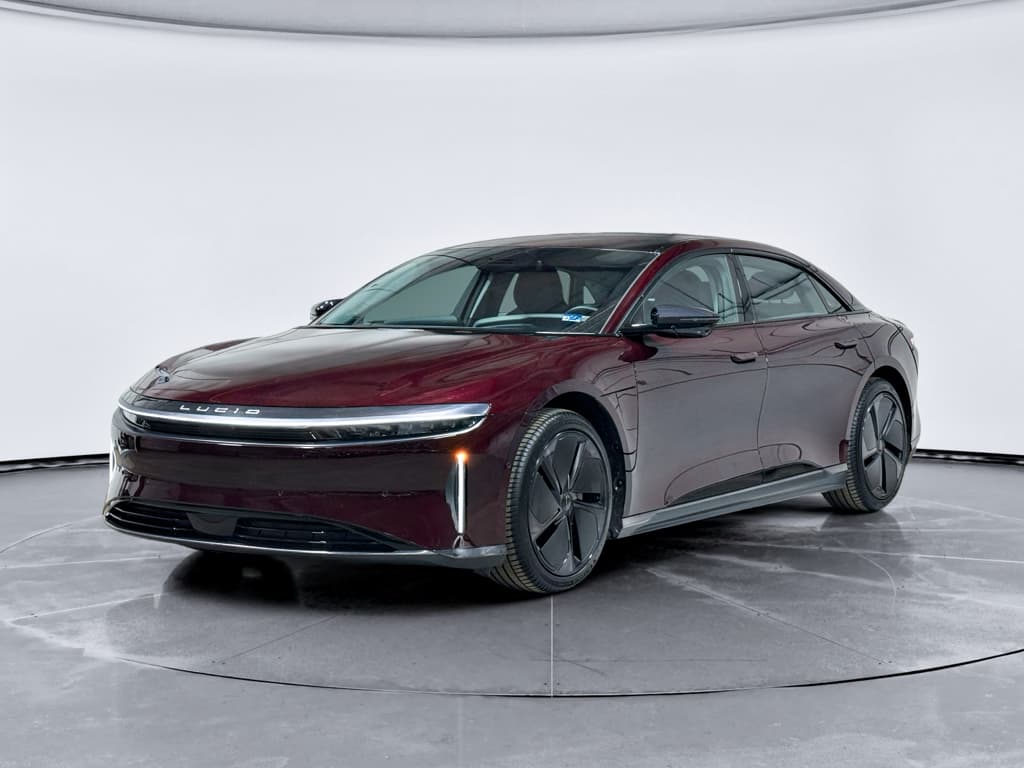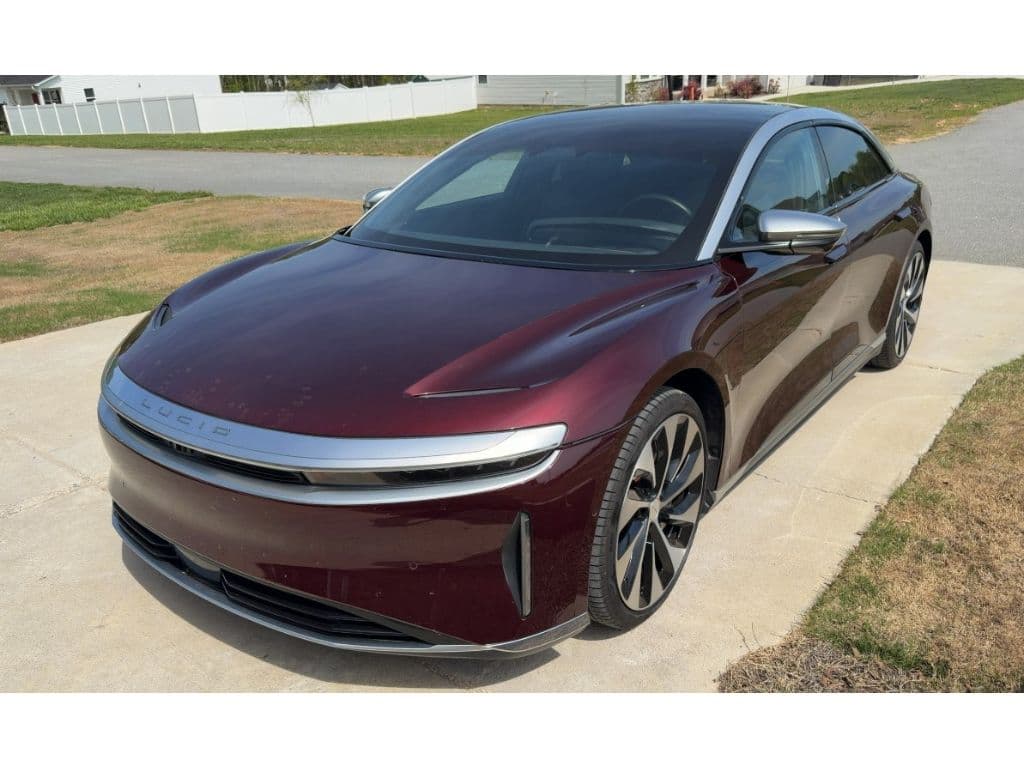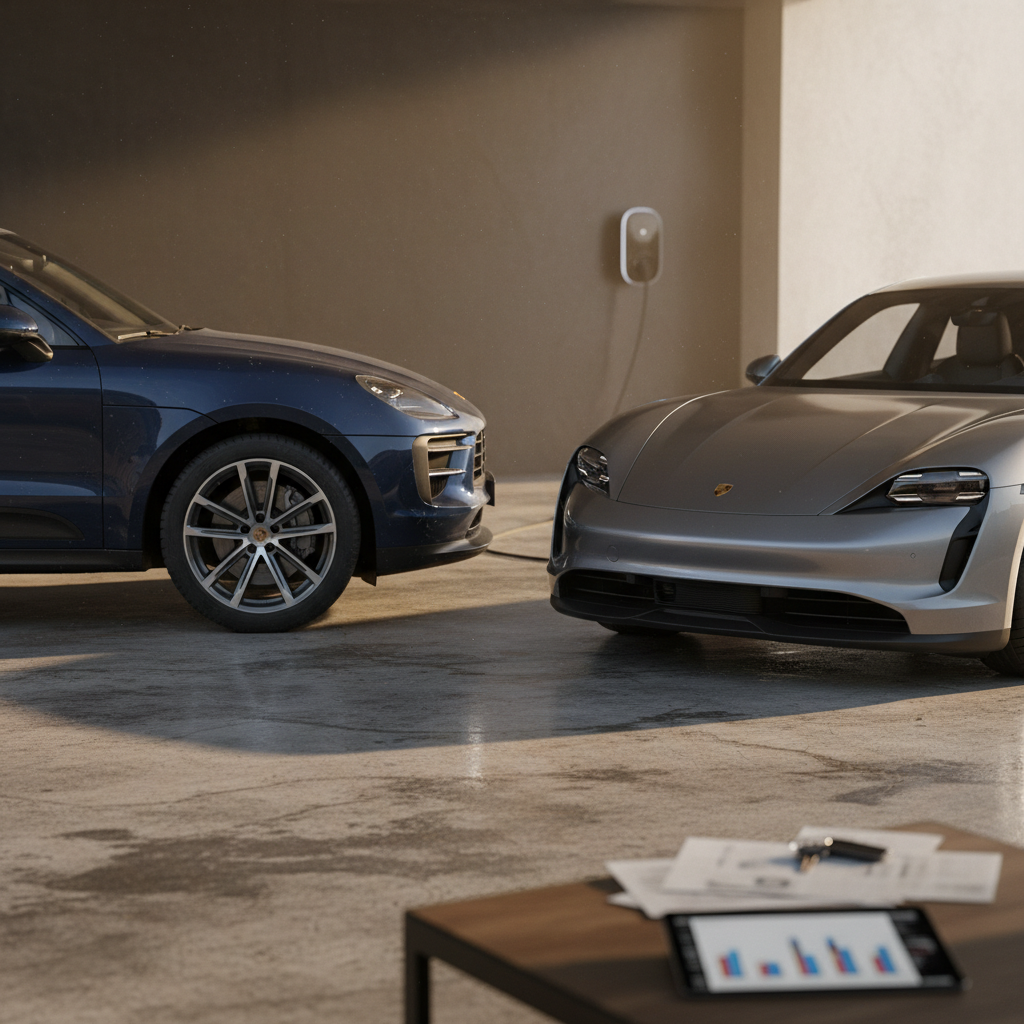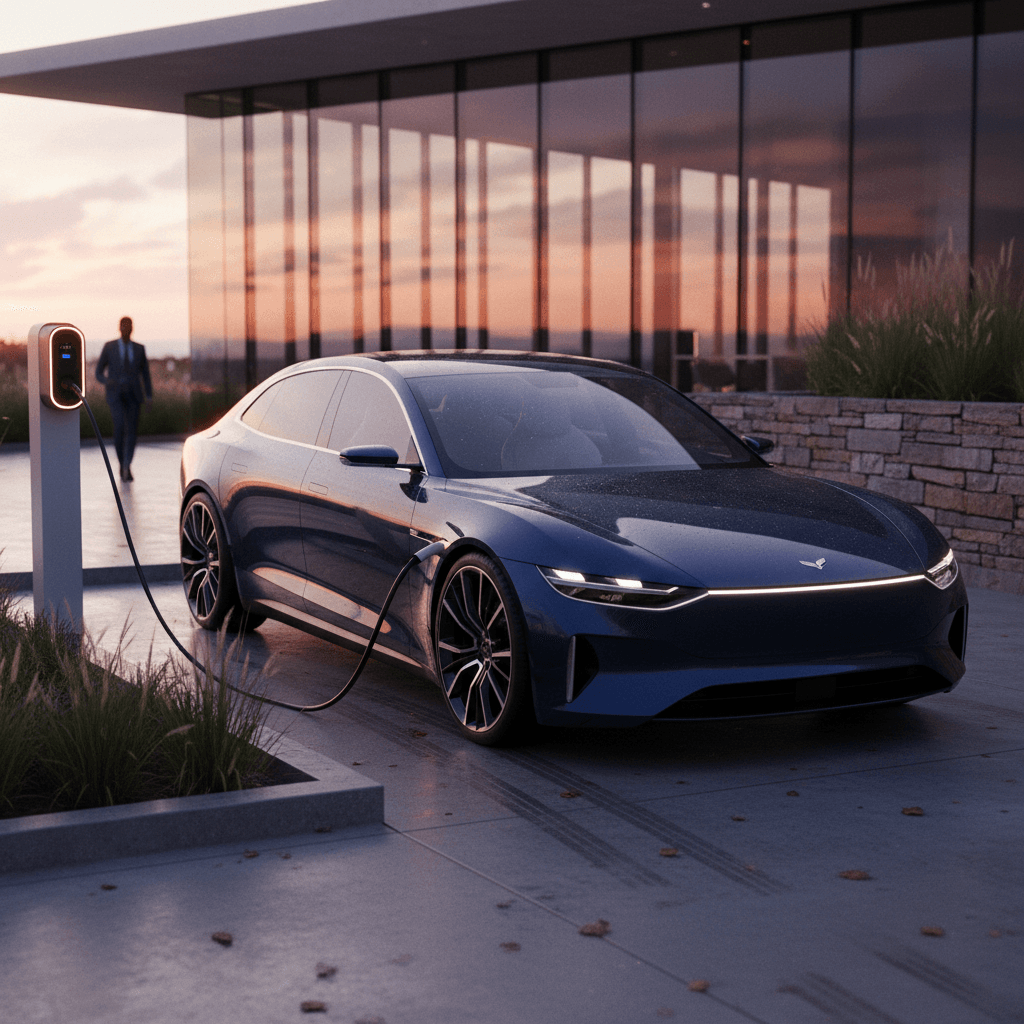
Lined up as used cars, a Lucid Air vs Porsche Taycan is not just a spec-sheet duel; it’s two very different visions of the electric luxury sedan. One is a Silicon Valley range monster with a lounge attached. The other is Stuttgart’s electric scalpel, honed on the Nürburgring and priced accordingly. If you’re shopping the used market, the gap between them gets even more interesting, and often, a lot more affordable.
Why this comparison matters most used
Overview: Used Lucid Air vs Porsche Taycan
Think of the used Lucid Air as an all‑electric S‑Class that accidentally enrolled in a track day, while the used Porsche Taycan is a 911 that quit gas cold turkey. Both are fast, both are opulent, and both require you to be honest about how you actually drive and charge.
Lucid Air (used)
- Strengths: Class‑leading range, huge cabin, super‑fast DC charging, very modern UX.
- Best for: Long‑distance drivers, tech‑leaning buyers, people who live on the highway.
- Watch for: Young brand, limited dealer footprint, early‑build software quirks.
Porsche Taycan (used)
- Strengths: Benchmark handling, build quality, brand cachet, 800‑V fast charging.
- Best for: Driving enthusiasts, brand‑loyal Porsche owners, design snobs.
- Watch for: Shorter range, pricey options and repairs, complexity of spec (so many trims).
Quick take: who should buy which car?
Match your priorities to the right EV
Boiled down to real‑world use cases, here’s where a used Lucid Air vs Porsche Taycan makes the most sense.
You live on the highway
You crave the back road
You’re value‑hunting
You fear the unknown brand
Shopping used? Start with the battery report
Key specs comparison: range, power, charging
Used Lucid Air vs Porsche Taycan: core numbers
Representative specs for popular trims you’re likely to see on the used market. Exact figures vary by model year, wheels, and options.
| Model (common used trims) | Approx. EPA range (mi) | Power (hp) | 0–60 mph (sec) | Max DC fast charge |
|---|---|---|---|---|
| Lucid Air Pure (RWD/AWD) | ~380–419 | 430–480 | 4.5–3.8 | Up to ~250–300 kW |
| Lucid Air Touring | ~410 | 620 | 3.4 | Up to ~300 kW |
| Lucid Air Grand Touring | ~446–516 | 819 | ≈3.0 | Up to ~300 kW |
| Porsche Taycan (base RWD) | ~208–246 | ~402–469 | ~5.1–5.4 | Up to ~270–320 kW |
| Porsche Taycan 4S | ~206–315 (updated cars) | ~522–563 | ≈3.5–3.8 | Up to ~320 kW |
| Porsche Taycan Turbo / Turbo S | ~200–238 | ~670–750 | ≈2.6–3.0 | Up to ~320 kW |
Numbers shown are approximate U.S. EPA ratings and manufacturer figures; always verify the exact car you’re considering.
Spec sheet trap
Range and efficiency on the used market
The Lucid Air plays a different game here. Even several years in, few EVs touch it on range. Grand Touring models are EPA‑rated up to roughly 446–516 miles, and independent testing has seen over 400 miles at highway speeds. By contrast, most Taycans live in the 200–300‑mile band depending on battery and wheel size.
- If you want to do New York to D.C. and back on one charge, the Lucid Air Grand Touring is the obvious choice.
- A Taycan 4S or Turbo can absolutely road‑trip, but you’ll stop more often, think 2–3 fast‑charge stops on a 700‑mile day instead of 1–2 in a long‑range Lucid.
- Lucid’s efficiency is also excellent: in favorable specs, you’re looking at Tesla‑rivaling MPGe, especially in the Pure and Touring trims. The Taycan usually trades some efficiency for grip and power.
Battery degradation so far
Performance and driving feel
On paper, both cars are absurdly quick. In practice, they have very different personalities. The Lucid Air, even in its tamer trims, delivers a huge, seamless wall of torque. The wild Sapphire models go into hypercar territory with over 1,200 hp and 0–60 around two seconds. Meanwhile, Taycans like the Turbo GT and Turbo S chase, and often match, those numbers with a more overtly aggressive chassis and the famous two‑speed rear gearbox for brutal highway pulls.
A tale of two super‑sedans
How the Lucid Air drives
- Feel: Calm, composed, almost eerie in how quickly speed accumulates.
- Ride: Tends toward comfort; big‑wheel cars can get busy but it’s a long‑legged cruiser at heart.
- Steering: Accurate but more luxury than sports car. You guide it rather than fling it.
- Best trims for value: Pure and Touring give you plenty of pace without Sapphire‑level drama or cost.
How the Porsche Taycan drives
- Feel: Classic Porsche, taut, eager, with a chassis that feels carved from billet.
- Ride: With air suspension and the newer Active Ride tech, it manages to be both supple and razor sharp.
- Steering: Among the best of any EV: natural weighting, immediate response.
- Best trims for value: 4S and GTS hit the sweet spot between price, power, and handling.
Enthusiast verdict
Charging experience and road trips
Both cars are DC‑fast‑charging royalty. The Lucid Air can pull roughly 250–300 kW at its peak on 800‑V hardware, and the updated Taycan can touch around 320 kW under ideal conditions, refilling from about 10 to 80 percent in roughly 18–25 minutes. The difference is how often you need to do that and what your charging network looks like.
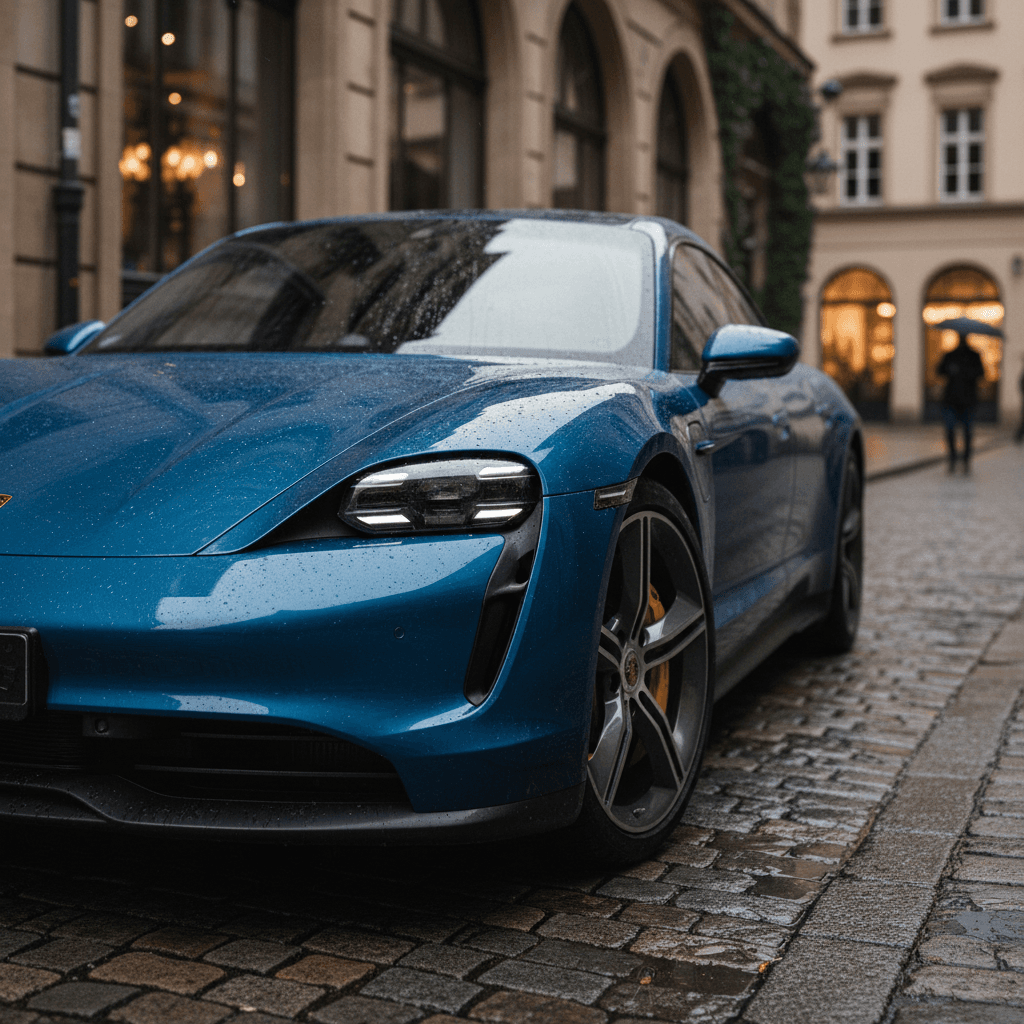
- Network access: Many Taycans in the U.S. are gaining access to Tesla’s Supercharger network with NACS support and adapters, shrinking one of the big advantages Teslas used to enjoy. Lucid relies on CCS fast‑charging, often via networks like Electrify America.
- Stop frequency: A long‑range Lucid can often skip every other fast‑charger you’d use in a Taycan. That matters on sparse routes in the Mountain West or rural Midwest.
- AC charging at home: Both support robust Level 2 charging (up to around 19 kW in Lucid’s case), but most owners will be fine with a 40–48 amp home unit adding 30–40 miles of range per hour.
Home charging pro move
Comfort, interior, and tech
Lucid Air: glassy lounge
- Cabin vibe: Airy, almost Scandinavian. Thin pillars, big glass, and generous legroom front and rear.
- Seats: Softer and more relaxed than the Porsche, tuned for long‑haul comfort.
- Infotainment: Modern, multi‑screen setup with frequent over‑the‑air updates improving responsiveness and features.
- Noise: Quiet even by EV standards; the Air feels insulated from the world.
Porsche Taycan: electric cockpit
- Cabin vibe: Low‑slung, driver‑centric. You sit in the car, not on top of it.
- Seats: Firm, supportive, built for spirited driving; some may find long trips a bit more tiring than in the Lucid.
- Infotainment: Slick, high‑resolution displays and Porsche’s evolving software suite; still more button‑light than some traditionalists prefer.
- Noise: Very solid and quiet, but the Taycan is tuned to feel more alive, road texture, motor whine, and all.
Space reality check
Reliability, depreciation, and ownership costs
On reliability, both cars are still writing their résumés. Neither has a decade‑long track record like a Prius, and both are densely packed with cutting‑edge hardware and software. Early Taycans have seen the usual first‑gen EV teething issues, 12‑V battery glitches, charger quirks, much of which Porsche has chased down with updates. Lucid, as a much younger company, has had its share of software bugs and fit‑and‑finish complaints on early builds, with steady improvements over later model years.
Ownership realities: used Lucid Air vs Taycan
What your spreadsheet should be thinking about, beyond the monthly payment.
Depreciation curves
Lucid Air: Has generally depreciated faster so far, creating some excellent used deals but also more residual‑value risk.
Taycan: Holds value better thanks to the badge, but higher option prices mean big MSRP drops in dollar terms.
Maintenance & repairs
Lucid: Fewer service centers and less aftermarket support can mean more travel for repairs.
Porsche: Wider network, but hourly labor and parts can be eyewatering compared with mainstream EVs.
Warranty & coverage
Both brands offer multi‑year bumper‑to‑bumper coverage and 8‑year battery warranties on new cars. On a used EV, check what’s left, and consider third‑party or dealer‑backed extended coverage if the car is out of its basic warranty.
Don’t skip a pre‑purchase inspection
Which is the better used value?
Value is where the used Lucid Air vs Porsche Taycan story flips depending on what you prize. If you care about maximum car for the money, early Lucid Airs, especially Pure and Touring, often give you more range, more space, and more straight‑line performance per dollar than a comparably priced Taycan. If you care about brand cachet, service access, and track‑day heroics, a well‑chosen Taycan 4S or GTS is incredibly persuasive, even with fewer miles of range on tap.
Pick a used Lucid Air if…
- You regularly drive long distances and want true 350–450+ mile capability without babying the throttle.
- You value interior space, comfort, and a more serene character.
- You’re comfortable betting on a newer brand in exchange for aggressive used pricing.
- You plan to keep the car long enough that initial depreciation becomes your friend, not your problem.
Pick a used Taycan if…
- Driving feel matters more to you than ultimate range.
- You already speak Porsche, maybe trading out of a Cayenne or 911.
- You live near a Porsche dealer or independent specialist and value that ecosystem.
- You want something that still feels like a future classic when you walk up to it in ten years.
Checklist for buying a used Lucid Air or Taycan
11 must‑do checks before you sign
1. Pull a detailed battery health report
Look for state of health (SoH) percentages, fast‑charge history, and any logged battery faults. A healthy pack is the foundation of the car’s value. On Recharged, this is rolled into the Recharged Score so you see it up front.
2. Verify remaining factory warranty
Confirm in writing how much bumper‑to‑bumper and battery warranty is left, and whether you can transfer any extended coverage to your name.
3. Confirm software update status
Both cars rely heavily on software. Make sure all campaigns and recalls have been completed and that the car is on a recent software build with no open faults.
4. Inspect charging behavior in the real world
If possible, plug the car into a DC fast charger and a Level 2 station. Watch for error messages, abnormally low speeds, or intermittent connections.
5. Check wheel, tire, and brake wear
These are heavy, powerful EVs. Uneven tire wear or tired brakes could hint at hard driving or alignment issues, especially on Taycans specced with aggressive wheels.
6. Evaluate ride quality and noises
On the test drive, listen for suspension clunks, interior rattles, and wind noise. An Air should feel vault‑like; a Taycan should feel tight and solid.
7. Test every screen and function
Cycle through drive modes, climate zones, seat adjustments, cameras, driver‑assist systems, and charge‑port doors. Glitches can be costly in parts and labor.
8. Review charging history and usage patterns
Ask the seller for any logs or app screenshots. A life lived at 150 kW DC fast chargers is different from one spent mostly on a home Level 2.
9. Look for body and paint repairs
Panel gaps, paint mismatch, or overspray can suggest prior damage. Given these cars’ value, even minor bodywork should be documented and done correctly.
10. Confirm options and build sheet
Porsche Taycans, especially, are option mazes. Make sure the car actually has the features you care about, Performance Battery Plus, air suspension, Active Ride, premium audio, rather than just the looks.
11. Get an independent EV‑savvy inspection
A pre‑purchase inspection by a technician who understands high‑voltage systems, not just ICE cars, is cheap insurance. Or, choose a platform like Recharged where this work is already done for you.
FAQ: Used Lucid Air vs Porsche Taycan
Frequently asked questions
Bottom line: How to choose with confidence
If you boil it all the way down, the used Lucid Air vs Porsche Taycan decision is this: do you want the car that makes the world smaller, or the one that makes every road more interesting? The Lucid Air shrinks America by half with its colossal range and calm demeanor. The Taycan turns even a grocery run into a low‑stakes time trial, at the cost of more frequent stops and potentially higher running costs.
Whichever camp you land in, treat these cars less like status symbols and more like sophisticated machines that reward careful shopping. Demand a battery health report, scrutinize software and service history, and don’t be shy about walking away from anything that feels the least bit off. If you’d rather let someone else sweat the details, browsing used Lucid Airs and Taycans on Recharged means every car has already been scanned, scored, and priced against real‑world market data, so you can focus on the fun part: deciding which future of luxury driving you want to live in.