If you’re eyeing a Kia EV6, you’ve probably heard the whispers: “great car, brutal depreciation.” The reality is more nuanced. The Kia EV6 depreciation rate is steep in the early years, but that’s exactly why the car is becoming one of the most interesting values in the used-EV market.
Quick take
Kia EV6 depreciation at a glance
Kia EV6 depreciation by the numbers
Multiple market-tracking services agree on the core story: the EV6 sheds about half its value within three years and around 60% after five. One large analysis pegs three‑year depreciation at roughly 50.3%, with a resale value around $21,000 for a typical EV6. Five‑year projections put depreciation at about 61.5%, leaving an estimated resale value near $16,500 on an original transaction price just under $58,000.
Reality check for first owners
How fast does a Kia EV6 depreciate?
Let’s translate percentages into something closer to what happens to a real car in a real driveway. Think of a well‑equipped EV6 that originally transacted around $58,000 with destination and options. Using current modeling and market data:
Illustrative Kia EV6 depreciation curve
Approximate value path for a new EV6 over its first 10 years, assuming typical mileage and condition.
| Vehicle age | Estimated value | Total depreciation | Percent of original price |
|---|---|---|---|
| 1 year | ≈$29,000 | ≈$29,000 | ≈50% |
| 3 years | ≈$21,300 | ≈$36,600 | ≈50.3% |
| 5 years | ≈$16,500 | ≈$36,400 | ≈61.5% |
| 7 years | ≈$11,400 | ≈$40,500 | ≈70.2% |
| 10 years | ≈$9,000–$10,000 | ≈$43,000–$49,000 | ≈75% |
These are blended estimates across trims; specific cars will vary based on mileage, options, region, and condition.
Where the cliff is
A separate one‑year snapshot paints an equally vivid picture. Recent analysis of late‑model EV6s suggests roughly a 33% value drop in the first year alone, an average loss of about $18,000 from the original price. That is dramatically steeper than the typical new‑car pattern, where you’d expect something closer to 20–25% over the same window.
Why does the Kia EV6 depreciate so fast?
Four forces pushing EV6 prices down
None of them have much to do with how good the car is.
1. EV incentives distort new prices
2. Rapid EV price cutting
3. Tech moves faster than the title
4. Battery‑anxiety overhang
The upside for used buyers
Kia EV6 vs other EVs and gas SUVs
EV6 vs other electric SUVs
- Similar or slightly worse 5‑year depreciation than the average electric compact SUV, which runs just under 60% loss over five years.
- Behind the resale champs: Tesla’s volume models typically shed around a third of their value in three years, versus roughly half for the EV6.
- Better than some first‑generation EVs that nosedive 65–70% or more within five years.
EV6 vs gas SUVs
- Typical all‑vehicle depreciation over five years is roughly mid‑40%, far gentler than the EV6’s low‑60s.
- Strong gas SUVs routinely keep 50–55% of their value over the same window.
- However, the EV6 claws back ground in running costs, far lower fueling and maintenance spend can offset some of the paper loss over time.
Don’t compare sticker to sticker
Trim, year, and mileage: how they shape EV6 resale value
Not every Kia EV6 falls at the same rate. The trim, battery, and even paint color can nudge the curve up or down. But three levers matter most: model year, trim and options, and mileage.
How different EV6 trims tend to age
Not exhaustive, but a useful mental model if you’re choosing among used EV6s.
| Trim | Original role | Resale behavior pattern | Who it suits best used |
|---|---|---|---|
| Light (standard battery) | Entry price leader | Often the steepest dollar drop, as shoppers chase range and features instead. | Budget commuters with short daily drives who value low purchase price over maximum range. |
| Light Long Range / Wind RWD | Mainstream sweet spot | Generally the easiest to resell; good range and equipment without GT‑Line flash pricing. | Most buyers. Balanced choice if you want strong range and value. |
| GT‑Line | Design & feature flagship (non‑GT) | Higher MSRP means a bigger dollar loss, but demand for fully loaded cars can help on the used side. | Style‑first shoppers who want all the toys at a used‑car price. |
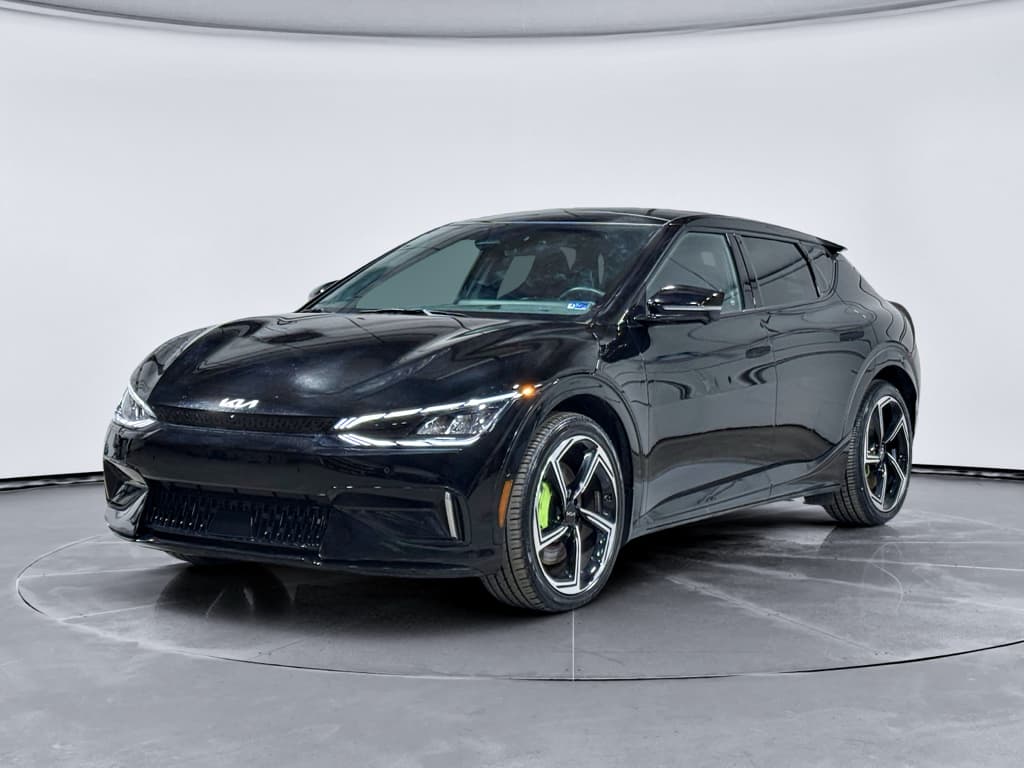
| GT | High‑performance halo | Huge spread between new and used prices; niche audience limits resale pool. | Enthusiasts treating it like a fun car, not a spreadsheet decision. |
Values assume similar mileage and condition in a typical U.S. market.
Where model year matters most
Battery health: the make-or-break factor
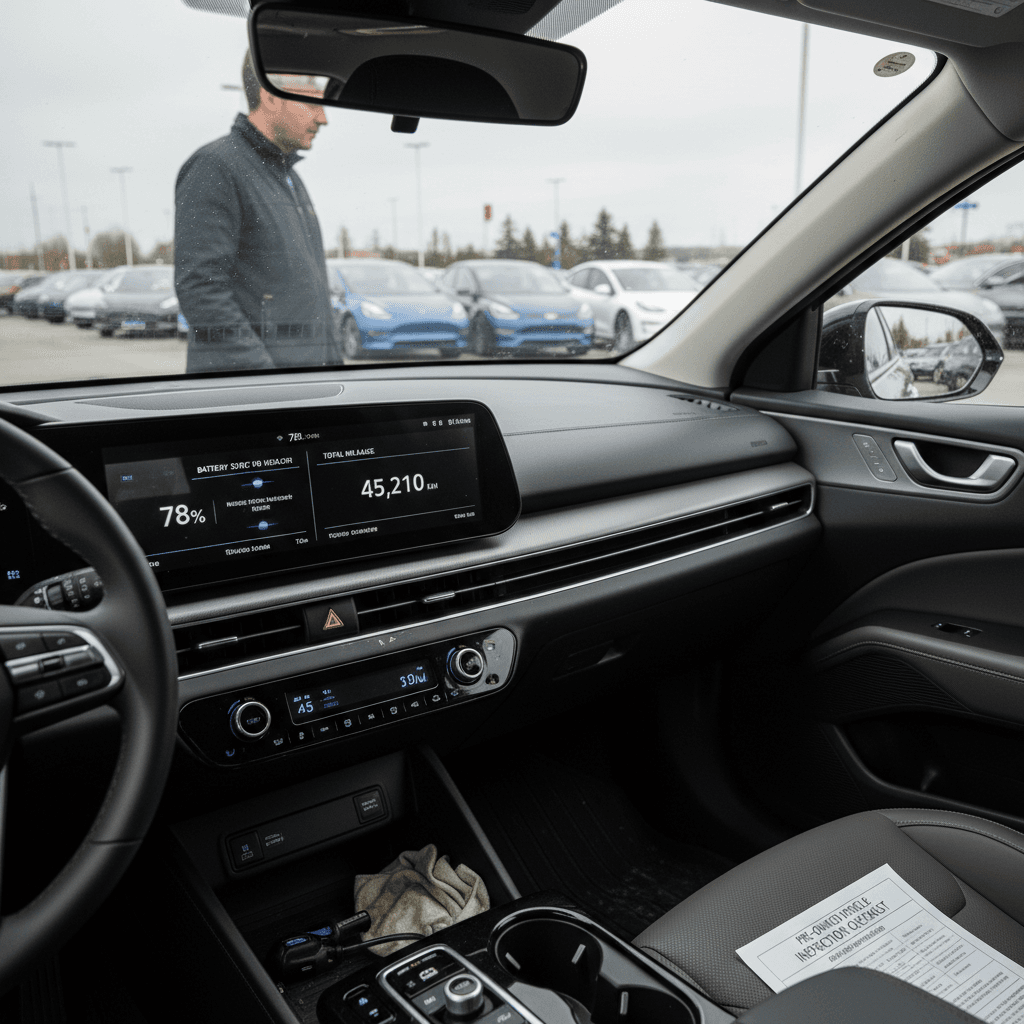
With EVs, resale value ultimately orbits a single planet: battery health. The EV6’s pack is covered by Kia’s long EV warranty, but a warranty doesn’t tell you how much usable range is left today or how the car was treated for the last 60,000 miles.
- Frequent DC fast‑charging can accelerate degradation compared with mostly home Level 2 charging.
- Hot‑climate cars that lived outdoors tend to age faster than garage‑kept cars in temperate regions.
- High‑mileage isn’t automatically bad if the car was charged gently and regularly updated at the dealer.
How Recharged reduces the guesswork
What this means if you’re buying a used EV6
From a buyer’s seat, the Kia EV6 depreciation rate is not a horror story; it’s the plot twist that makes the car worth considering. Someone else already paid luxury‑SUV money to put this thing in motion. You are not that someone else.
Smart checklist for shopping a used Kia EV6
1. Target the right age window
The richest value is usually in <strong>3–5‑year‑old</strong> EV6s. Early cars have already fallen off the cliff; newer ones still carry too much “new car” pricing gravity.
2. Make battery health your gatekeeper
Ask for <strong>objective battery diagnostics</strong>, not just a photo of the range gauge. If you’re shopping on Recharged, this is baked into the Recharged Score Report.
3. Shop trims, not just prices
A seemingly “cheap” standard‑battery EV6 can feel expensive if it doesn’t meet your range needs. Balance purchase price against real‑world range and features you’ll actually use.
4. Weigh mileage against use case
Don’t panic at 60k miles if your driving is light and the battery checks out. A higher‑mileage, well‑priced EV6 with strong health can make more sense than a low‑mile car with a weak pack.
5. Compare against new incentives
Before you sign, compare your used EV6 deal with current <strong>new‑EV incentives</strong> in your area. In some zip codes, subsidized new leases are shockingly cheap.
6. Factor total ownership cost
Run the numbers on <strong>energy, insurance, and maintenance</strong>, not just the selling price. EV6 ownership can pencil out nicely even if depreciation percentages look ugly.
How Recharged fits in
What this means if you own or lease an EV6 today
If you’re already in an EV6, your relationship with depreciation is different. You’re managing risk, not hunting for bargains. The decisions you make over the next few years can either trap you in the worst part of the curve or help you skate across it with minimal pain.
For current owners
- Don’t sell just because prices are soft. If the car fits your life, keeping it longer spreads that big early hit across more years.
- Protect the battery. Favor Level 2 home charging, avoid living at 100% charge, and don’t fast‑charge daily unless you have to.
- Stay ahead on software and recalls. Documented updates and clean history support resale value.
For current lessees
- Check your buyout vs. market value. In many cases, the buyout is still higher than what similar EV6s retail for.
- If the buyout is a deal, the EV6 can be a fantastic second‑owner car, you know its history, you know how it’s been charged.
- If not, hand the keys back and let the next owner enjoy the discount.
Thinking of selling? Time the market
FAQ: Kia EV6 depreciation and resale value
Frequently asked questions about Kia EV6 depreciation
Bottom line on Kia EV6 depreciation
On a spreadsheet, the Kia EV6 depreciation rate looks severe: roughly half its value gone in three years, around 60% in five. On the street, it looks like something else entirely, a sharp, well‑engineered electric crossover that has crashed through its own price ceiling and landed squarely in the realm of attainable. If you’re a first buyer, you accept that you’re paying to ride the bleeding edge. If you’re a second buyer, you’re scooping up the car the first owner already paid handsomely to de‑risk.
If you’re ready to explore a used EV6, or compare it with other pre‑owned EVs, you can do it end‑to‑end with Recharged: transparent Recharged Score battery reports, fair‑market pricing, financing, trade‑in or instant offer, and nationwide delivery, all without leaving your couch. In a market where numbers can look intimidating, that kind of clarity is its own form of value.