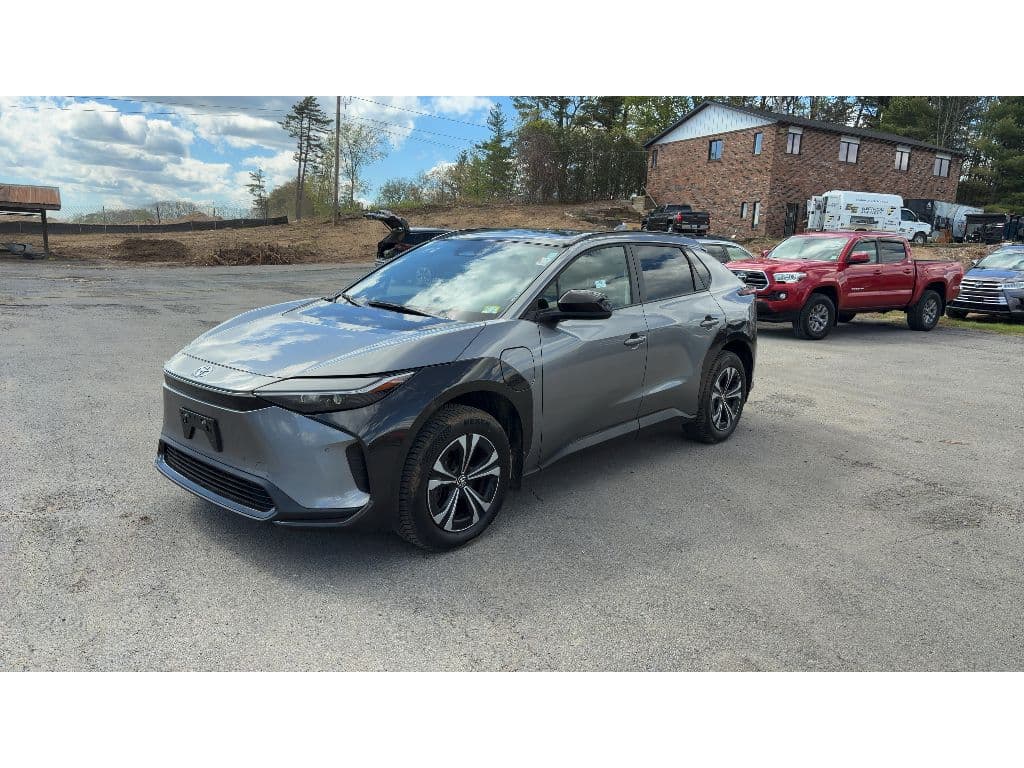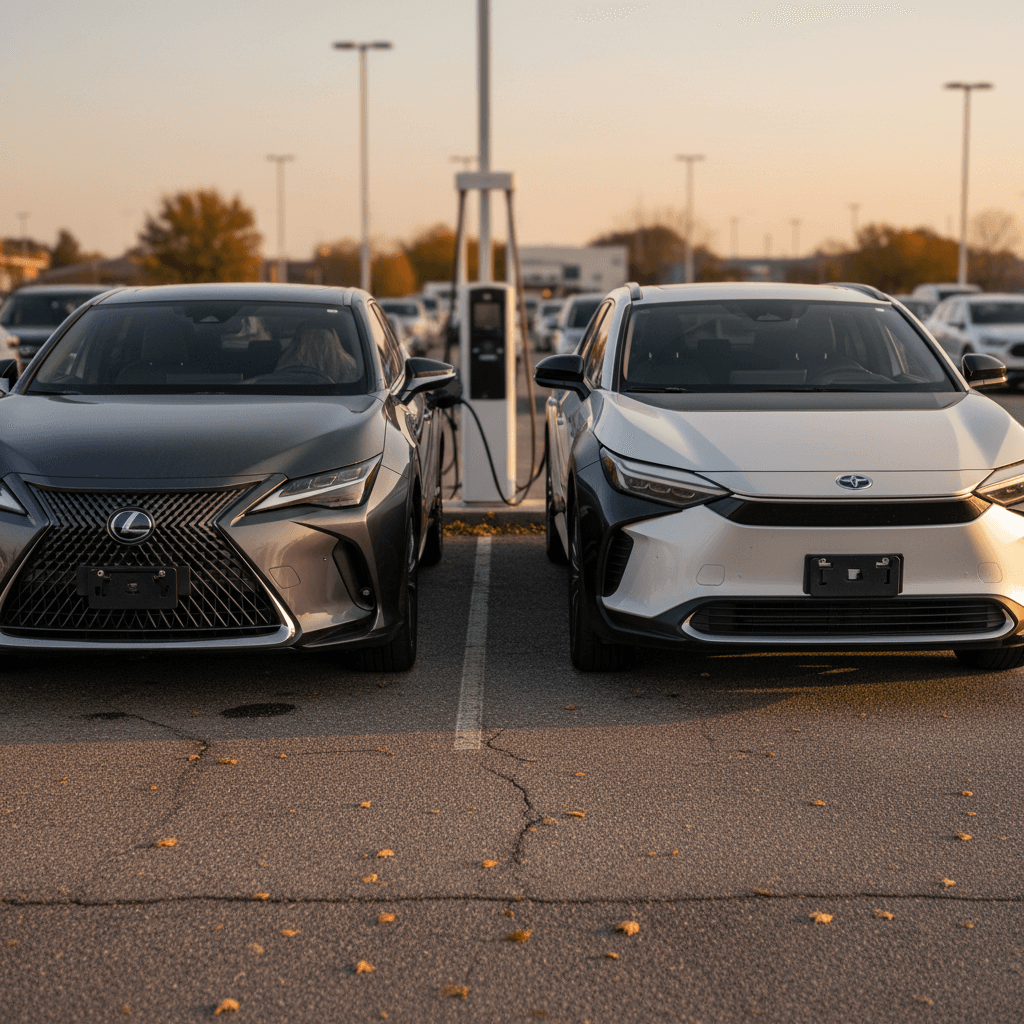
If you’re cross-shopping a used Lexus RZ vs Toyota bZ4X (now badged simply “bZ” on newer models), you’re really choosing between two flavors of the same basic electric SUV. They share a platform and battery tech, but your daily life in each can feel very different. One leans luxury lounge, the other practical workhorse. Let’s walk through how they compare as used buys, where batteries, charging, comfort, and long-term costs matter more than new-car showroom shine.
Same bones, different personality
Overview: Used Lexus RZ vs Toyota bZ4X
When you look used, you’ll mostly find 2023–2025 Lexus RZ 450e models and 2023–2025 Toyota bZ4X (with refreshed and renamed 2026 Toyota bZ just beginning to trickle into used listings). Early RZs were criticized for short range and modest charging speeds compared with rivals, while the bZ4X focused on price and efficiency over outright performance. Mid‑cycle updates for 2025–2026 improved range and charging for both, but most used inventory on U.S. lots right now is still that first wave of hardware.
- Lexus RZ: positioned as a luxury compact SUV with a quiet cabin, rich materials, and more standard tech.
- Toyota bZ4X / bZ: pitched as a mainstream family EV, simpler cabin, less standard equipment, but better value and often better range for the money.
- Both: front‑wheel drive and all‑wheel drive versions exist, and both started life with CCS fast‑charging before newer models added a Tesla‑style NACS port.
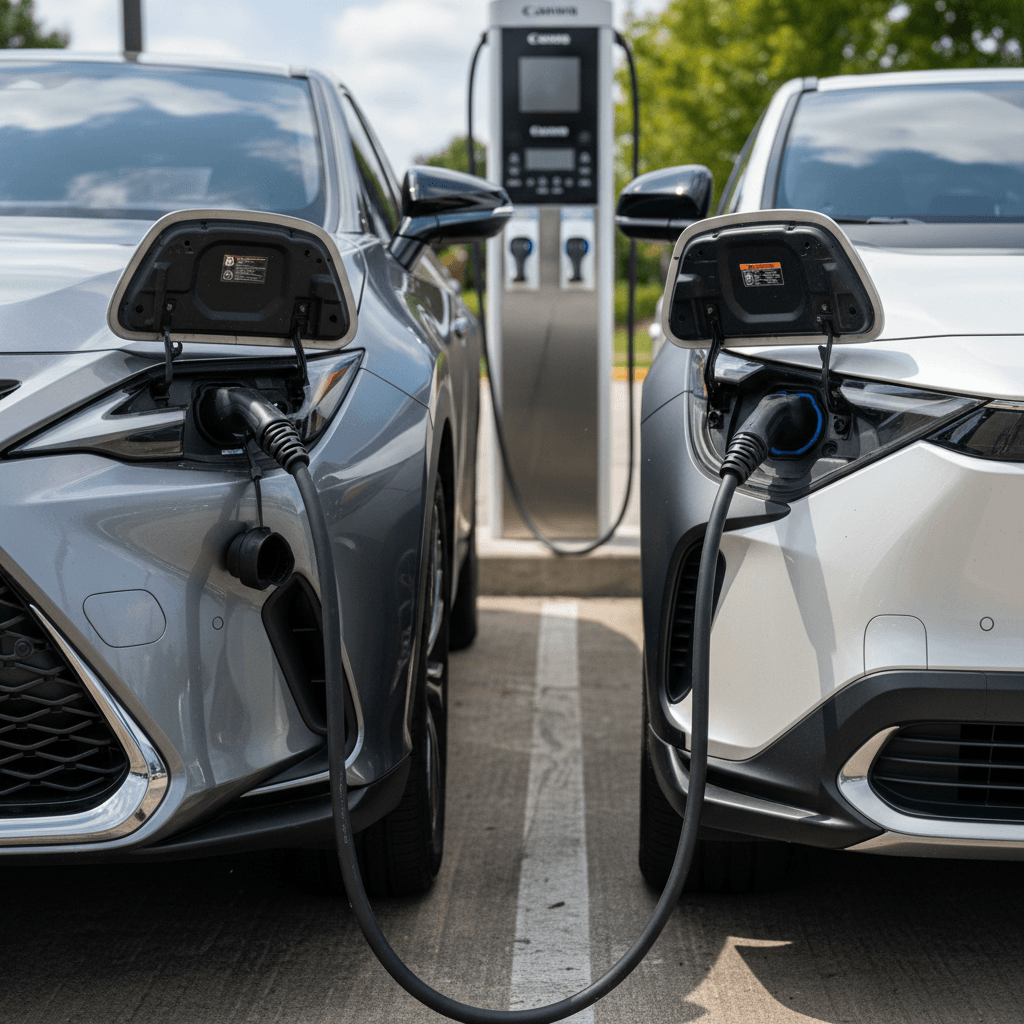
Key Differences at a Glance
Used Lexus RZ vs Toyota bZ4X: Core Specs Snapshot
Typical U.S. specs you’ll see on 2023–2025 used models. Exact figures vary slightly by trim and wheel size.
| Used Lexus RZ 450e (’23–’25) | Used Toyota bZ4X (’23–’25) | |
|---|---|---|
| Platform | e‑TNGA shared with bZ4X | e‑TNGA shared with RZ |
| Battery (nominal) | ~71.4 kWh | ~63–71 kWh depending on trim |
| EPA range (approx.) | 196–266 miles depending on wheels and tune | 228–252 miles typical (FWD trims often higher) |
| 0–60 mph | ~5.0 sec (AWD) | ~6.4–7.0 sec (FWD/AWD) |
| Fast charging | About 30–35 min 10–80% on DC fast | About 30–35 min 10–80% on DC fast |
| Character | Quiet, plush, tech‑heavy | Simple, practical, efficiency‑focused |
| New‑car price (when new) | Higher, luxury segment | Lower, mainstream compact SUV |
| Used pricing (early ’26) | Generally higher than bZ4X for similar year/miles | Generally lower; better deals and incentives on earlier cars |
Always verify exact specs on the specific vehicle you’re considering.
How to use this comparison
Range and Battery Life Compared
Range is where a used Lexus RZ and a used Toyota bZ4X pull apart most clearly. Early RZ 450e models with 18‑inch wheels were EPA‑rated around 220 miles of range, dropping closer to 196 miles with 20‑inch wheels. That’s fine for suburban commuting but feels tight if your weekend plans involve long freeway stretches or winter highway driving.
By contrast, front‑wheel‑drive Toyota bZ4X models typically land in the 228–252‑mile EPA range band, depending on model year and battery configuration, with refreshed 2026 "bZ" trims stretching toward 300‑plus miles in the best FWD versions. All‑wheel drive trims give up a chunk of that, but the Toyota still usually travels farther on a charge than an equivalent‑year RZ.
Real‑World Range: What Owners Actually Feel
EPA numbers are one thing; how you use the car is another.
Lexus RZ sweet spot
Best as a commuter and around‑town crossover. If most of your driving is 20–40 miles a day with home charging, the RZ’s shorter range won’t bother you much.
Toyota bZ4X flexibility
The bZ4X’s extra usable range gives you more confidence for longer weekend trips and days when you can’t plug in every night.
Cold‑weather reality
In winter, expect both to lose noticeable range, but the RZ’s smaller buffer means you feel that loss sooner. The Toyota’s extra miles become a real comfort blanket.
Used EV range reality check
Charging Speed and Connector Changes
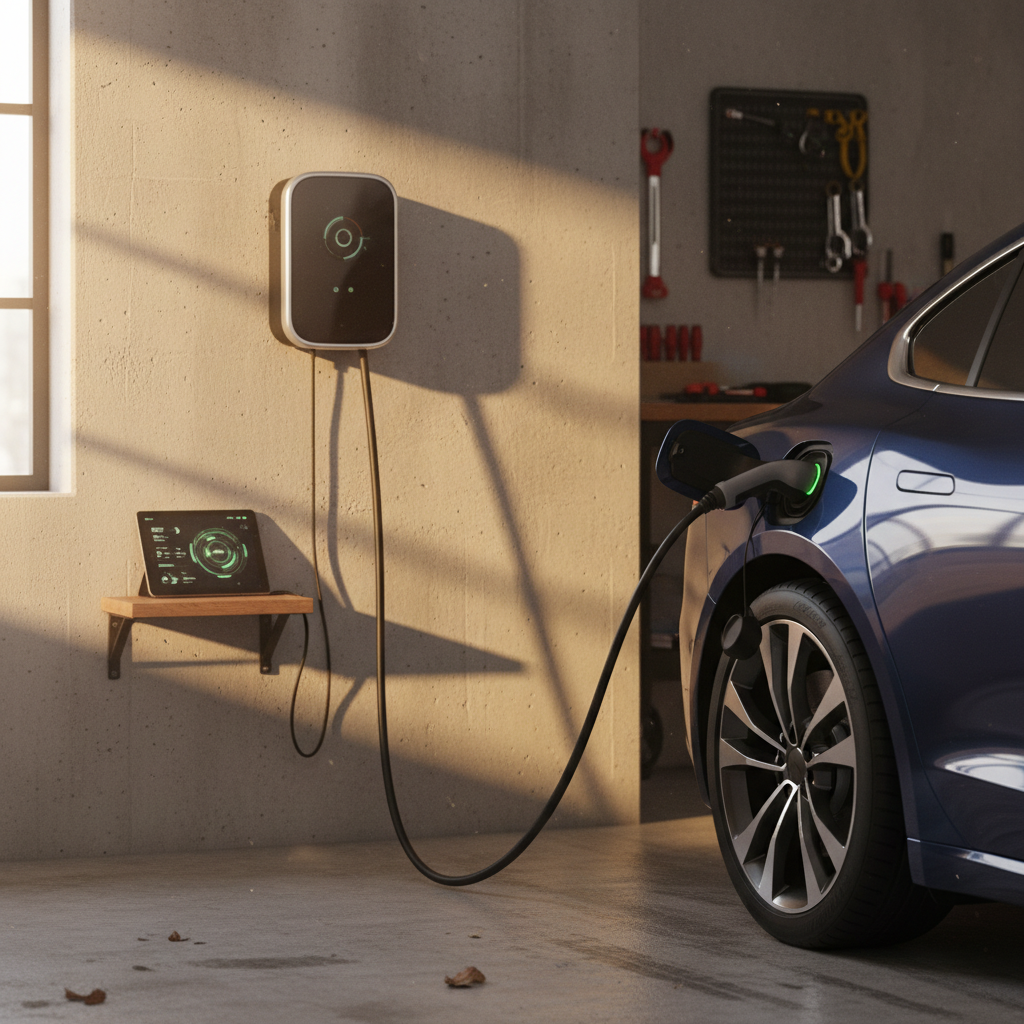
On paper, charging speeds for a used Lexus RZ and Toyota bZ4X look nearly identical. Both use a 400‑volt architecture and can move from roughly 10% to 80% in about 30–35 minutes on a strong DC fast charger when the battery is warm and the charger is behaving. For overnight charging, early RZ and bZ4X models relied on about a 7–7.6 kW onboard AC charger, making an empty‑to‑full Level 2 session a 9–11‑hour job, perfectly acceptable if you’re plugging in at home every night.
Where things get interesting, especially if you’re buying used in 2026 and beyond, is the connector. Newer RZ and bZ models are switching to the North American Charging Standard (NACS) port, essentially the Tesla plug, while early used examples will have CCS1 fast‑charging and a J1772 AC inlet. That means your 2023–2024 RZ or bZ4X will use adapters to access some Tesla Superchargers, while later cars can plug in directly.
Lexus RZ (’23–’25 used stock)
- DC fast: up to ~150 kW peak, 10–80% in roughly 30–35 min when conditions are ideal.
- AC home charging: around 7 kW onboard charger on early years; later refreshes move to ~11 kW for faster Level 2.
- Connector: CCS1/J1772 at first, with NACS arriving on refreshed models.
Toyota bZ4X / bZ
- DC fast: similar 10–80% times (30–35 min), with improved cold‑weather fast‑charging on newer years.
- AC home charging: early cars similar to RZ; refreshed versions jump to 11 kW Level 2 capacity.
- Connector: CCS1 on early bZ4X, NACS plus Plug & Charge beginning with 2026 bZ.
Think about your charging reality, not the brochure
Comfort, Interior and Tech Experience
Slide into a Lexus RZ and it feels like a proper luxury SUV: thick steering wheel, soft‑touch panels almost everywhere you rest an elbow, and a remarkably quiet cabin. Even early 2024 models typically include heated and ventilated front seats, heated steering wheel, a panoramic roof, power liftgate, and a large 14‑inch touchscreen with wireless Apple CarPlay and Android Auto. Optional Mark Levinson audio and suede‑like upholstery give the RZ a genuine upscale vibe.
The Toyota bZ4X, by design, is simpler. You still get a modern cabin and a big center screen, but materials and sound insulation are dialed back. Base XLE trims feel honest and practical, with cloth or simple synthetic upholstery and fewer toys. Limited trims creep closer to Lexus territory with leather‑like seating, more driver aids, and a power liftgate, but the overall impression remains "nice Toyota" rather than full‑lux Lexus.
Inside the Cabin: Lexus Plush vs Toyota Practical
Both seat five and swallow a Costco run. How they do it feels very different.
Lexus RZ strengths
- Quieter highway ride.
- Richer materials and details.
- More standard comfort features on most trims.
Toyota bZ4X strengths
- Simpler controls, easier to learn.
- Less expensive to repair cosmetic wear.
- Still roomy enough for families.
Tech feel
- Both offer large touchscreens and modern driver‑assist tech.
- RZ’s interface feels more premium; Toyota’s is more straightforward.
Who should choose the Lexus cabin?
Driving Character and Performance
Electric SUVs can all look similar on a spec sheet, but they don’t all drive the same. The Lexus RZ 450e in dual‑motor form delivers around 308 horsepower, with a 0–60 mph time near 5 seconds. It’s not a sports car, but it’s quietly quick, especially from 30 to 70 mph when you’re merging or passing. Steering is light but accurate, and the suspension favors comfort over sharp corner carving.
Toyota’s bZ4X leans the other way: less outright punch, more efficiency. Front‑drive versions feel perfectly adequate around town, but they’re not going to shove you into the seatback like the RZ. What you get instead is a calm, predictable ride that’s easy for new EV drivers to adapt to. All‑wheel drive adds grip in bad weather but still won’t match the Lexus for straight‑line shove.
- Lexus RZ: better for drivers who like a bit of effortless, luxury‑grade thrust and a plush ride.
- Toyota bZ4X: better for drivers who value predictable, calm behavior and don’t care about winning stoplight drag races.
Reliability, Warranty and Recalls
Because the Lexus RZ and Toyota bZ4X share so much hardware, their long‑term reliability story is closely linked. Both use lithium‑ion packs with manufacturer warranties typically around 8 years or 100,000 miles on the high‑voltage battery, and both have seen updates aimed at improving cold‑weather charging performance and battery longevity.
There has also been at least one shared recall affecting 2023–2025 model‑year RZs, bZ4X, and their Subaru Solterra cousin for a software issue that can affect the windshield defroster’s performance and, in some cases, the HVAC compressor. That recall is being addressed with software updates and hardware replacements at dealers at no cost to owners.
Used EV safety checklist
Warranty Questions to Ask Before You Buy
1. How much battery warranty is left?
Ask for the in‑service date and mileage so you can see how many years and miles remain on the factory high‑voltage battery warranty.
2. Is the defroster recall done?
Request documentation showing that any open recalls, especially climate‑control or charging‑related campaigns, have been completed.
3. Any DC fast‑charging history?
Heavy fast‑charging isn’t automatically bad, but a car that lived on road trips might have more battery wear. A third‑party health report, like the Recharged Score, can separate myth from reality.
Used Pricing and Value for Money
Used pricing moves constantly, but patterns are already clear. Because the Lexus RZ launched as a more expensive luxury model, and because luxury badges traditionally hold more of their sticker price, used RZs tend to cost several thousand dollars more than similar‑year bZ4Xs with comparable mileage. You’re paying a premium for the badge, the nicer interior, and the stronger acceleration.
The Toyota bZ4X, meanwhile, has often been pushed with aggressive leases and purchase incentives on the new‑car side. That puts gentle downward pressure on used values. In practical terms, that means a used bZ4X can be a relative bargain, even as newer 2026 bZ models arrive with more range and an NACS port, pushing older cars further into "value" territory.
Value Snapshot: Where Your Dollars Go
How Recharged can help with the numbers
Which Electric SUV Fits Your Life?
Choose Your Path: RZ vs bZ4X by Use Case
Daily Commuter With Home Charging
You drive 20–50 miles a day and plug in at home every night.
Range anxiety is low, but comfort matters on your daily slog.
<strong>Best fit:</strong> Used Lexus RZ. You’ll enjoy the quiet ride and upscale cabin every single day.
Budget‑Conscious Family Hauler
You want an EV SUV for kids, groceries, and weekend errands.
Payment size and running costs matter more than bragging rights.
<strong>Best fit:</strong> Used Toyota bZ4X, especially FWD trims with higher range and lower prices.
Snow‑Belt or Mountain Driver
You live where winter takes itself seriously and want all‑wheel drive.
Range drops in the cold, so extra miles are welcome.
<strong>Best fit:</strong> AWD bZ4X or RZ. If budget allows, RZ AWD is nicer; if not, bZ4X AWD still gets you there.
Road‑Trip Curious
You’re planning occasional longer trips and will rely on DC fast‑charging.
You want easier access to Tesla Superchargers.
<strong>Best fit:</strong> Newer bZ (2026+) or refreshed RZ with NACS. In earlier years, lean toward the Toyota for its range advantage and supplement with adapters and good route planning.
How to Shop Smart for a Used RZ or bZ4X
Used Lexus RZ vs Toyota bZ4X: Smart Shopping Checklist
1. Start with your charging situation
If you have a driveway or garage where you can install a Level 2 charger, either SUV works well. If you rely mostly on public fast charging, prioritize newer bZ or RZ years with NACS and better cold‑weather charging.
2. Decide how much range you really need
Add up your longest regular days, then give yourself a 30–40% buffer. If that number is under ~150 miles, an RZ’s shorter range can still be more than enough. Over that, Toyota’s extra miles start to matter.
3. Compare total cost, not just sticker price
Factor in insurance, potential tax incentives, and financing. A cheaper bZ4X might let you upgrade to a newer year or lower mileage for the same monthly payment as an older RZ.
4. Get battery health in writing
Ask for a <strong>third‑party battery health report</strong>. At Recharged, every vehicle comes with a Recharged Score that quantifies battery condition so you can compare different RZs and bZ4Xs apples‑to‑apples.
5. Confirm software updates and recalls
Make sure climate‑control and charging system updates, especially the shared defroster recall, are completed. Ask for service records or have a trusted shop verify before you sign.
6. Test drive both back‑to‑back
Drive an RZ and a bZ4X on the same route if you can. Pay attention to seat comfort, noise levels, and how confident you feel about the remaining range when you park.
One‑stop used EV shopping
Ready to find your next EV?
Browse VehiclesFAQ: Used Lexus RZ vs Toyota bZ4X
Frequently Asked Questions
When you strip away the badges, a used Lexus RZ and a used Toyota bZ4X are siblings with distinct personalities. The RZ leans into luxury and punchy performance, the bZ4X into value and longer legs. The right answer for you comes down to how far you drive between charges, how often you road‑trip, and how much you care about cabin quiet and materials. Take the time to drive both, get battery health in writing, and run the numbers on total cost of ownership. With tools like the Recharged Score, EV‑aware financing, and nationwide delivery, you can choose the sibling that fits your life, not the one a showroom happens to push at you.