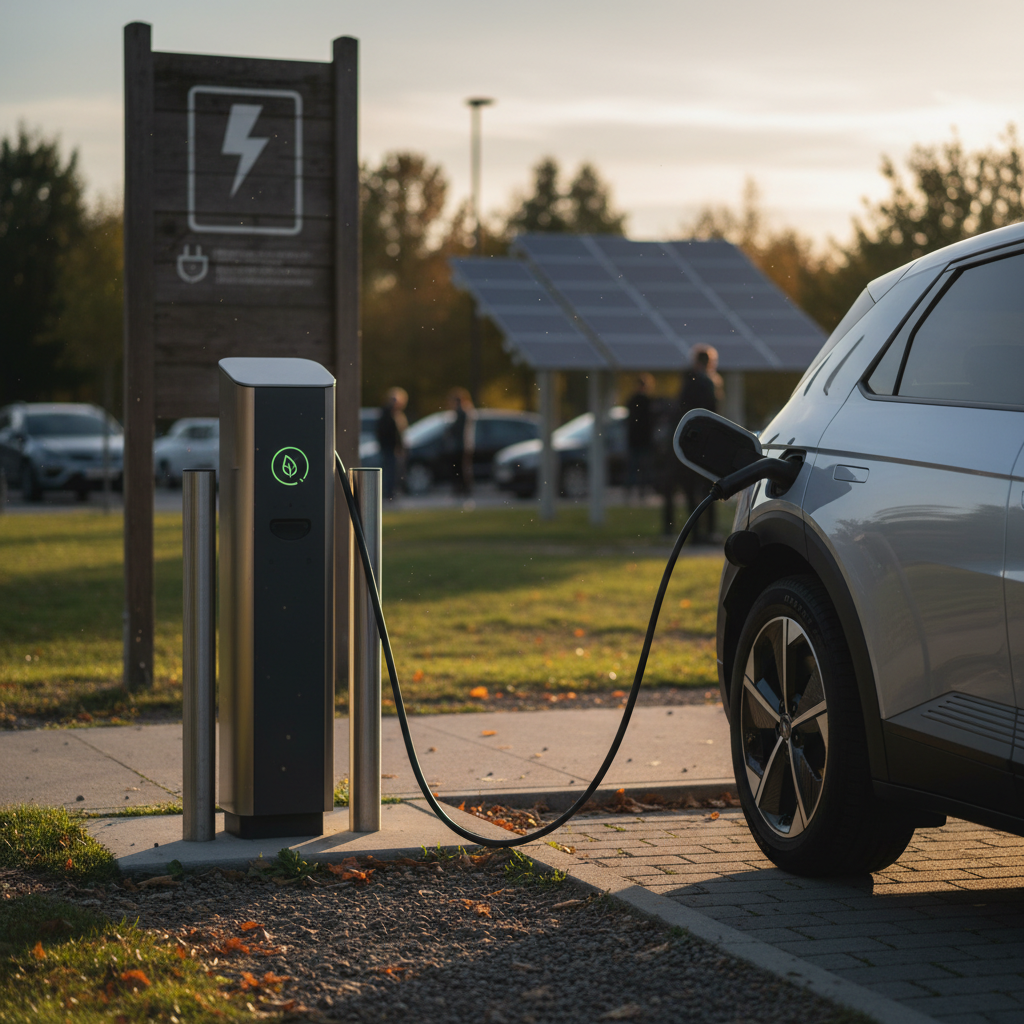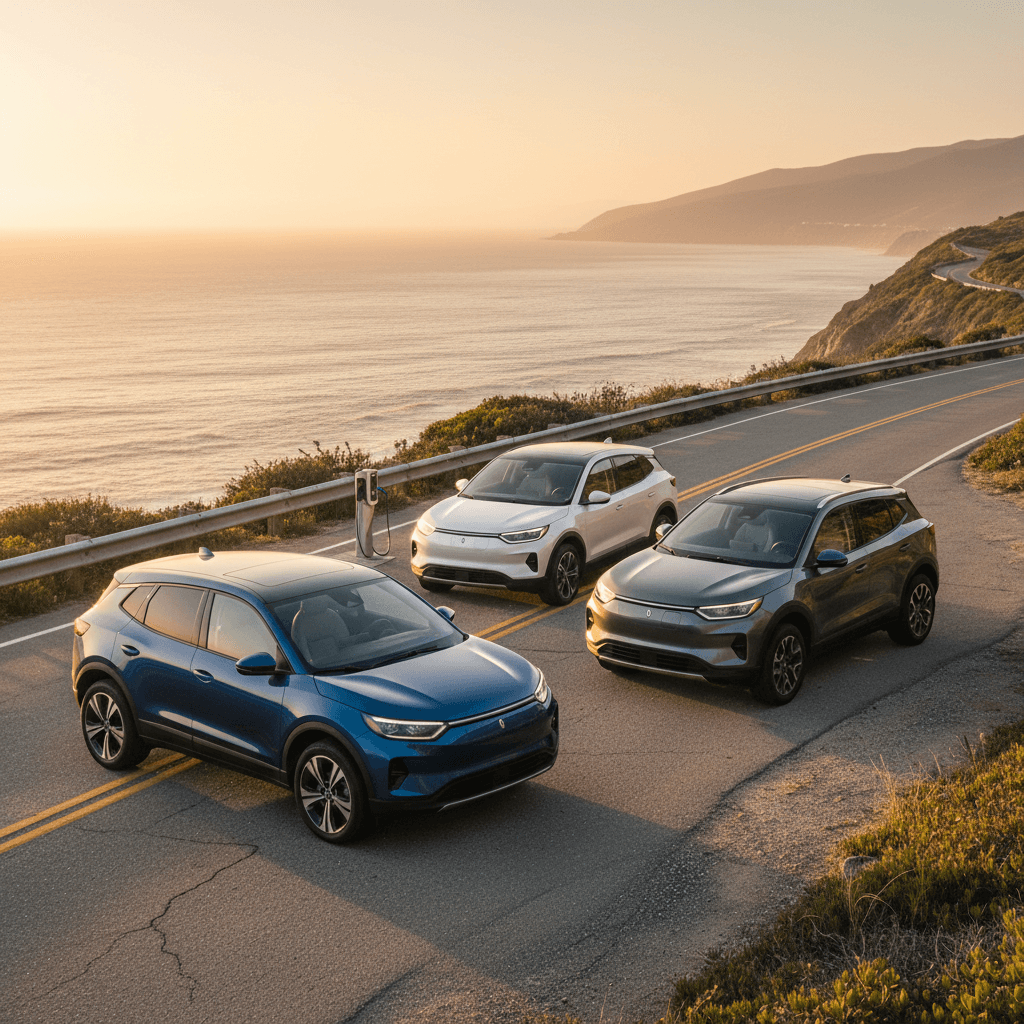
If you’re shopping for a small used electric SUV, the used Kia Niro EV vs Hyundai Kona Electric comparison is probably at the top of your list. They share a lot of hardware, but they don’t feel identical on the road or in your driveway, and on the used market, details like battery health, interior space, and depreciation matter more than brochure specs.
Same family, different personalities
Overview: Niro EV vs Kona Electric in the Used Market
In the U.S. used market you’ll mainly find 2019–2024 Hyundai Kona Electric and 2019–2024 Kia Niro EV models. Earlier generations shared a 64 kWh‑class battery and about 200 hp, later Konas add a 48.6 kWh base pack on some trims. Official EPA range is typically 240–261 miles for Kona Electric and 239–253 miles for Niro EV, depending on year and wheel size. In real life, both are capable of 200+ miles on a full charge if the battery is healthy and you’re not driving at winter highway speeds all day.
How these two small EV SUVs are positioned
Same segment, different emphasis when you live with them every day
Kia Niro EV
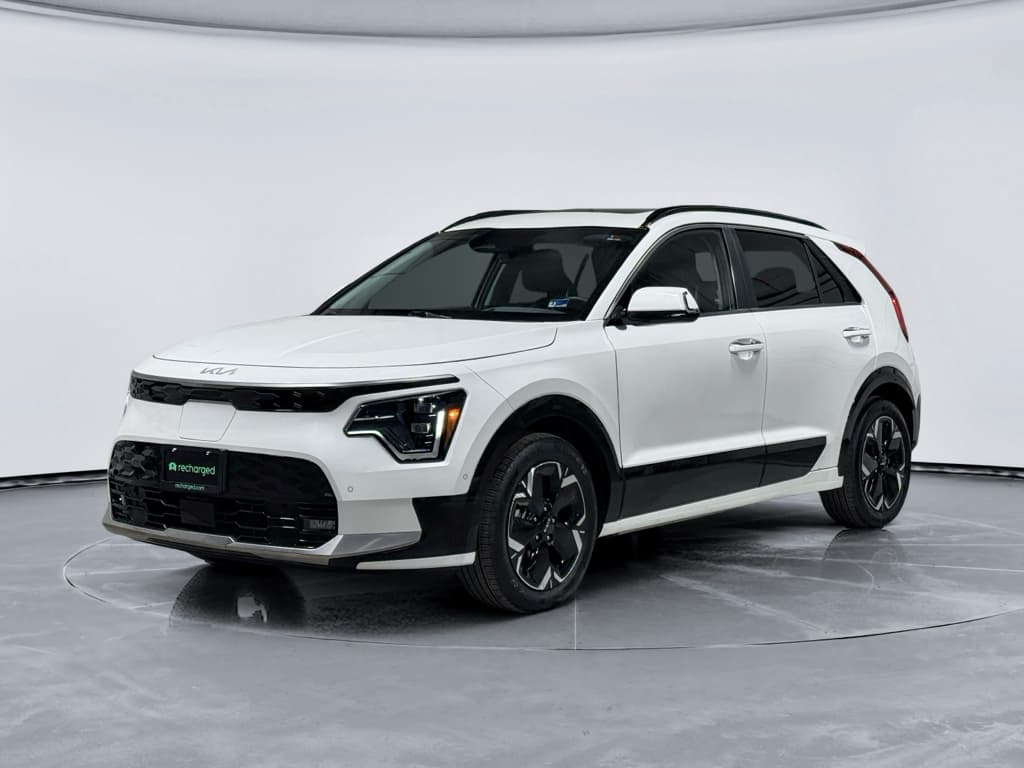
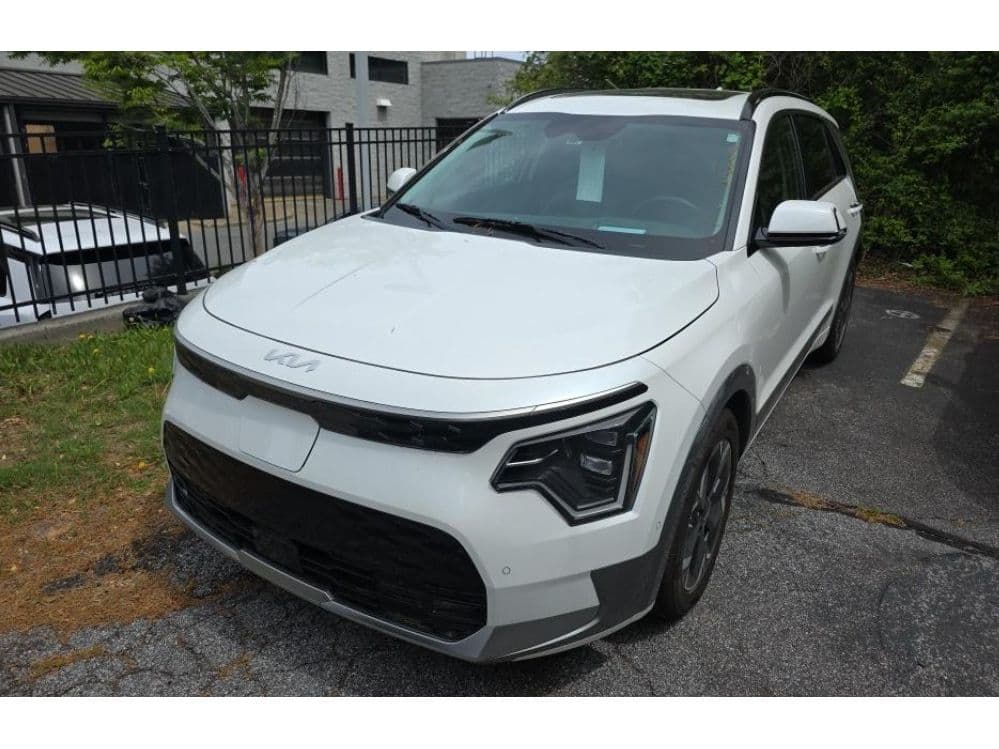
Roomier, more practical cabin. The Niro EV feels closer to a compact wagon. Rear legroom and cargo flexibility stand out, especially if you have kids or haul bulky gear.
Pricing on the used market tends to be a little higher, but so does equipment level, many Niros come nicely optioned.
Hyundai Kona Electric
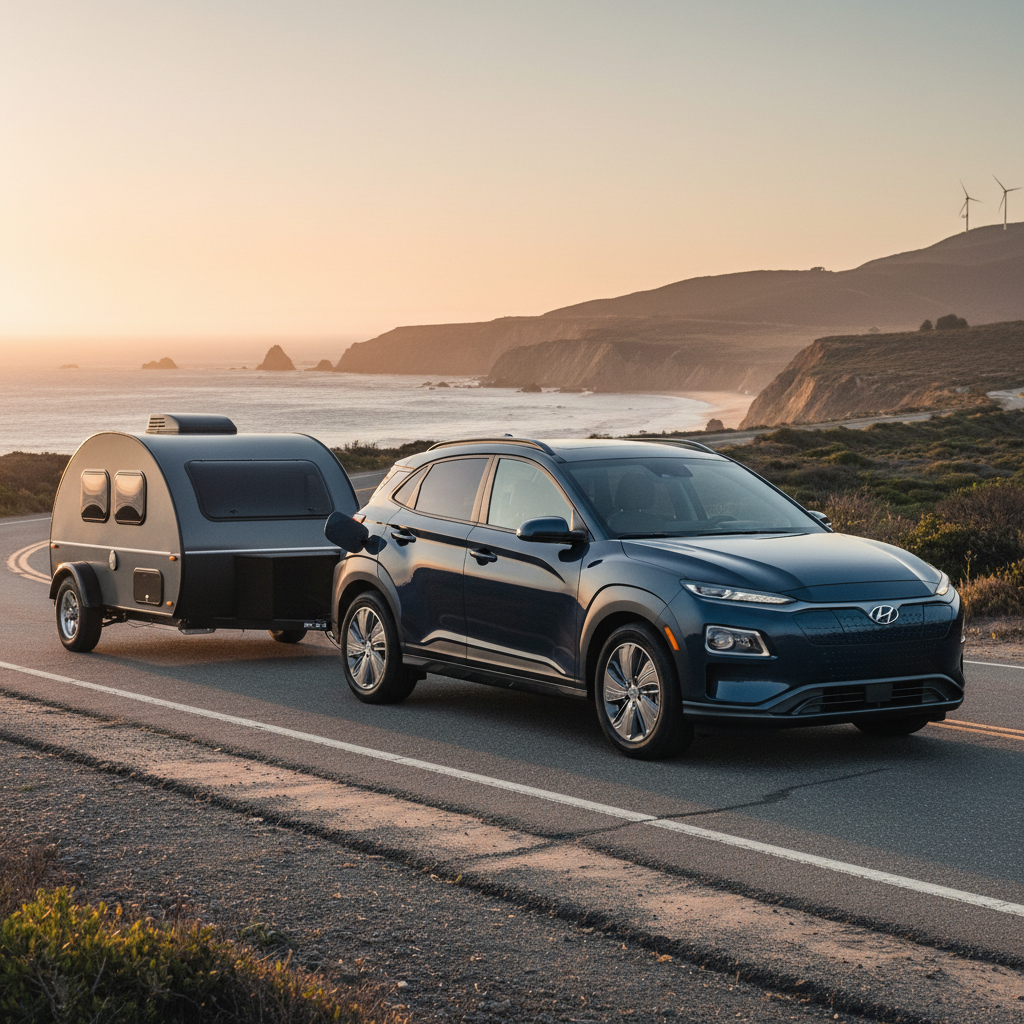
More compact, more efficient. The Kona Electric is slightly shorter and easier to park, with excellent real‑world efficiency. Later models add more tech and style.
On the used market, Konas are often a bit cheaper trim‑for‑trim, which boosts value if you don’t need the last inch of space.
Quick Take: Who Each EV Is Best For
At a glance: which EV fits your life?
Choose a used Kia Niro EV if…
You care more about <strong>rear‑seat comfort and cargo space</strong> than ultimate efficiency. The Niro EV feels airier and more family‑friendly, with easier child‑seat installation and more room behind the front seats.
Choose a used Hyundai Kona Electric if…
You want a <strong>smaller, city‑friendly SUV</strong> that squeezes into tight parking spots and typically costs a little less used, while still delivering very strong range for the size.
You’re a first‑time EV buyer
Either can be a smart entry point. Focus on <strong>battery health, warranty coverage, and how you’ll charge at home</strong>. That will matter more than a 5–10 mile difference in EPA range.
You prioritize price above all
In many regions, <strong>used Konas undercut Niros</strong> by a few thousand dollars at similar mileage and equipment. If budget is tight, start your search there, but don’t ignore a well‑priced Niro with strong battery health.
Range and Charging: Small Differences, Big Peace of Mind
- Kona Electric: 258–261 miles on earlier 64 kWh models; newer U.S.‑spec cars with the larger pack are rated around 260 miles.
- Niro EV: about 239–253 miles depending on wheel size and model year, with 253 miles common on recent U.S. models.
Typical range & charging specs (recent model years)
Approximate factory numbers for commonly found U.S.‑spec used models. Always verify specifics for the exact VIN you’re considering.
| Spec | Kia Niro EV (64.8 kWh) | Hyundai Kona Electric (64 kWh / 64.8 kWh) |
|---|---|---|
| EPA range (recent models) | ~253 miles | ~258–261 miles |
| Battery capacity | 64.8 kWh | 64–64.8 kWh |
| Motor output | ~201 hp, 188 lb‑ft | ~201 hp, 188 lb‑ft (higher‑output versions) |
| DC fast‑charge 10–80% | ~43 min (100 kW peak) | ~43 min (100 kW peak) |
| Level 2 240V full charge | ~6–7 hours | ~5–6 hours (depending on pack size and charger) |
Both EVs comfortably cover most daily American commutes on a single charge.
Real‑world range tip
- Use the CCS1 DC fast‑charging standard on older U.S. cars, with newer models beginning to transition toward NACS via adapters.
- Support around 100 kW peak DC fast charging, typically going from 10–80% in about 40–45 minutes.
- Include an onboard AC charger around 11 kW, which means a compatible 240V Level 2 home charger can refill a nearly empty battery overnight.
Interior Space & Cargo: Niro’s Edge vs Kona’s Footprint
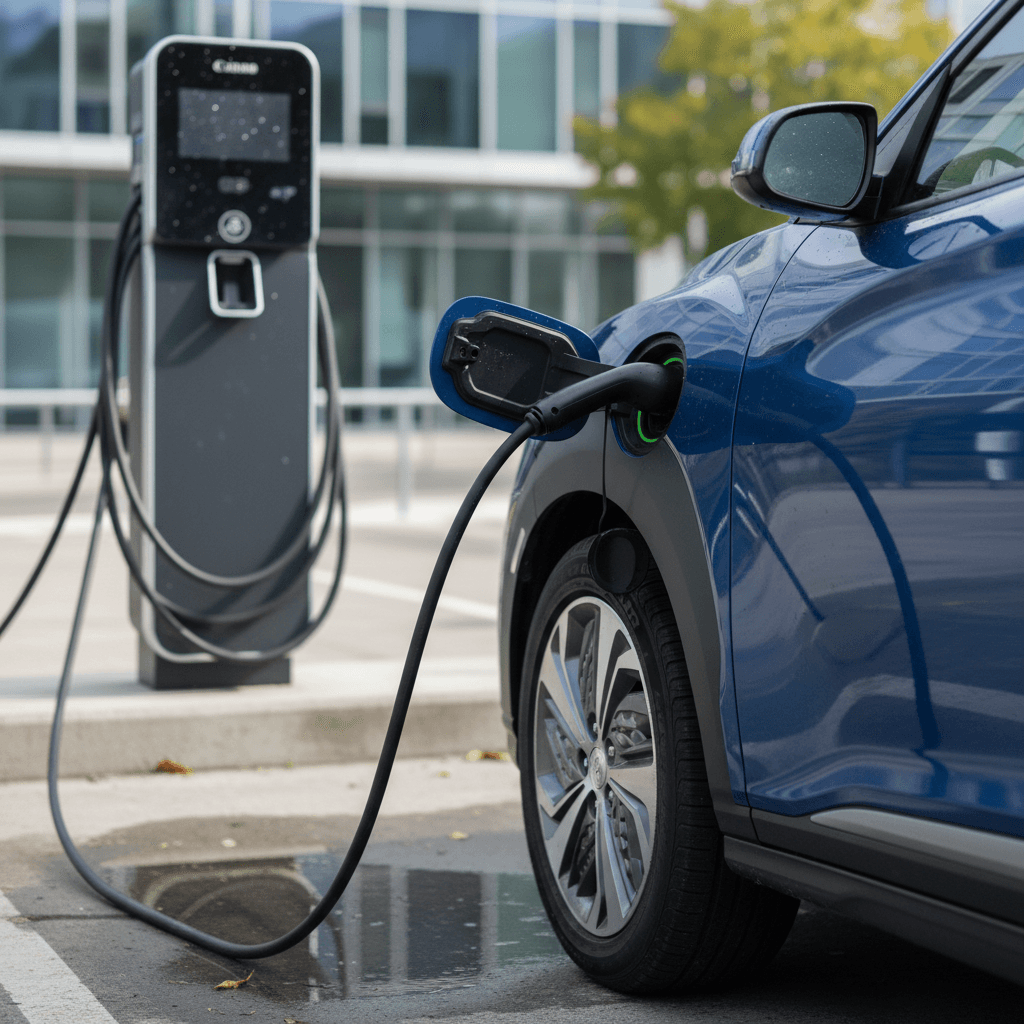
Here’s where the family resemblance starts to fade. The Niro EV is slightly longer with a more wagon‑like profile, while the Kona Electric leans into a short‑wheelbase, city‑SUV vibe. The result is that the Niro EV generally feels roomier inside, especially in the rear seats, while the Kona is easier to maneuver and park.
Space that actually changes day‑to‑day usability
Kia Niro EV: Better for people and pets
The Niro’s slightly longer body and more upright roofline translate into more rear legroom and an easier‑to‑use cargo hold. If you routinely carry adults in the back or install rear‑facing child seats, the extra inches make life easier.
The cargo area is squarer and more wagon‑like, which helps with strollers, dog crates, or boxes. If your EV will play family hauler and road‑trip duty, the Niro’s packaging is hard to ignore.
Hyundai Kona Electric: Easy to park, still useful
The Kona Electric is a great fit for city dwellers who park on tight streets or in older garages. You sacrifice a bit of rear‑seat comfort, but you still get a hatchback‑style cargo area that handles grocery runs and weekend gear.
If you rarely use the back seat for adults and mostly drive solo or with one passenger, the Kona’s smaller footprint may be more of a benefit than a drawback.
Family‑use caution
Driving Experience, Comfort & Tech
Because they share motors and similar suspensions, the Niro EV and Kona Electric feel more alike than different from behind the wheel. Still, tuning, seating position, and feature content give each its own flavor.
How they feel on the road
Same ingredients, slightly different recipes
Power & acceleration
Most used examples on U.S. roads use a ~201 hp front motor with 188 lb‑ft of torque. That’s plenty for quick merges and passing, especially at city speeds.
Earlier Kona Electric models are slightly lighter than the Niro, so they can feel a tick more eager off the line, but it’s not a night‑and‑day difference.
Ride & handling
The Kona’s short wheelbase makes it feel nimble and tossable, fun around town, though sharper bumps can feel more pronounced.
The Niro’s longer body gives it a slightly calmer, more settled highway ride. If your driving is mostly long commutes or road trips, you may appreciate its composure.
Tech & driver aids
Both models offer modern driver‑assistance suites (lane centering, adaptive cruise, blind‑spot monitoring) and big infotainment screens on higher trims.
Newer Konas lean a bit more “tech‑forward” in cabin design, while Niro trims often include a richer set of comfort features like ventilated seats and premium audio.
Comfort note
Reliability & Battery Health on the Used Market
The good news is that, as a pair, the Niro EV and Kona Electric have generally built a solid reliability reputation. They benefit from straightforward front‑motor layouts and air‑cooled batteries that have held up reasonably well when not abused. And because Kia and Hyundai share corporate DNA, both come with strong new‑car battery warranties often stretching 10 years or 100,000 miles when bought new, useful if you’re buying a younger used example.
- Look for software updates and recall work done at a dealer, especially on early 2019–2020 cars.
- Favor cars that weren’t fast‑charged constantly. Occasional DC fast charging is fine, but daily use at high states of charge can stress any pack.
- Check for consistent range estimates at various states of charge; wild swings can be a sign of a battery or BMS that needs attention.
- Inspect tires and suspension wear, these are heavy vehicles for their size, and neglected maintenance can mask alignment or bushing issues.
Why a battery health report matters more than the badge
This is where services like the Recharged Score battery health diagnostics earn their keep. Instead of guessing based on age and mileage, you can see how much usable capacity remains, how the pack has been treated, and whether the price you’re paying lines up with the vehicle’s electrical “heart.”
Ownership Costs, Depreciation & Used Pricing
New, the Niro EV typically stickers a bit higher than a comparable Kona Electric, reflecting its larger body and richer standard equipment. On the used market in early 2026, the pattern broadly holds: used Konas often run a little cheaper than similar‑year Niros at comparable mileage.
Value signals to watch when comparing used listings
- The purchase price you negotiate.
- Battery health and remaining warranty coverage.
- Whether your state or utility still offers used‑EV incentives or rebates.
Watch the fine print on incentives
Side‑by‑Side Specs: Used Niro EV vs Kona Electric
Core specs that matter most in the used market
Representative figures for popular 64–64.8 kWh U.S. variants. Always verify the exact trim and year for precise numbers.
| Category | Kia Niro EV | Hyundai Kona Electric |
|---|---|---|
| Battery | 64.8 kWh lithium‑ion | 64–64.8 kWh lithium‑ion |
| Motor | ~201 hp FWD | ~201 hp FWD (higher‑output trims); 133 hp on some newer base trims |
| EPA range (recent high‑range versions) | Up to ~253 miles | Up to ~260–261 miles |
| DC fast‑charge peak | ~100 kW | ~100 kW |
| 0–60 mph (approx.) | Low‑to‑mid 7s | Similar, sometimes slightly quicker due to weight |
| Cargo behind 2nd row | Low‑20s cu ft (varies by spec) | Mid‑20s cu ft (varies by spec) |
| Max cargo | ~53–63 cu ft | ~45–64 cu ft depending on generation |
| Length | Slightly longer | Slightly shorter |
| Warranty when new | 5yr/60k basic; 10yr/100k powertrain & battery (similar to Hyundai) | 5yr/60k basic; 10yr/100k powertrain & battery |
For most shoppers, the differences here are small; packaging and pricing will matter more.
How to Choose Between a Used Niro EV and Kona Electric
5 questions to clarify your choice
1. How often do you use the back seat?
If you regularly carry adults or tall teens, the <strong>Niro EV’s extra rear space</strong> is a real benefit. If back‑seat duty is occasional and short‑trip only, the Kona’s tighter quarters may be acceptable.
2. Where do you park and drive?
Tight city streets, parallel parking, and old apartment garages favor the <strong>smaller Kona Electric</strong>. Suburban driveways and longer commutes tend to reward the Niro’s calmer highway ride and extra cargo flexibility.
3. What does your charging routine look like?
If you’ll <strong>charge mostly at home</strong> on Level 2, range differences are almost irrelevant, both will easily handle a full week of commuting. If you rely heavily on public DC fast charging, focus on <strong>pack health and charging history</strong> more than the nameplate.
4. What’s your real budget, including taxes and fees?
Start with an out‑the‑door number, then compare <strong>similarly healthy, similarly equipped</strong> Niro and Kona examples inside that budget. A slightly older Niro with a healthier pack may beat a newer but heavily fast‑charged Kona, and vice versa.
5. How long do you plan to keep it?
If you like to keep vehicles for many years, consider <strong>remaining battery warranty and verified capacity</strong> as top priorities. A one‑owner car with complete records is often worth paying a premium for, regardless of which badge is on the grille.
Bottom line recommendation
How Recharged Helps You Shop These Used EVs
Choosing between a used Kia Niro EV and Hyundai Kona Electric is easier when you’re not guessing about what’s going on under the floor. That’s where Recharged comes in. Every vehicle we list comes with a Recharged Score Report that puts the focus on battery health, pricing fairness, and real‑world condition instead of just mileage and cosmetics.
What you get when you shop Niro and Kona EVs with Recharged
Designed to make used‑EV ownership simpler and more transparent
Recharged Score battery diagnostics
We go beyond a simple OBD scan. The Recharged Score looks at usable battery capacity, charging history, and pack consistency to help you understand how much real‑world range you’re buying.
Fair pricing & flexible financing
Recharged benchmarks each vehicle against the national used‑EV market so you can see if a Niro or Kona is fairly priced for its age, mileage, and battery health. You can also line up financing digitally without setting foot in a bank.
Nationwide delivery & trade‑in options
Found the right Kona Electric in another state, or a Niro EV at our Experience Center in Richmond, VA? Recharged offers nationwide delivery, plus trade‑in, instant offer, or consignment options to make the swap painless.
Ready to find your next EV?
Browse VehiclesIf you prefer to touch and feel before you decide, you can also visit our Experience Center in Richmond, VA, where EV specialists can walk you through a Niro EV vs Kona Electric comparison in person, and help you decide which fits your lifestyle, not just your spreadsheet.
FAQ: Used Kia Niro EV vs Hyundai Kona Electric
Common questions about Niro EV vs Kona Electric
Viewed purely on a spec sheet, the used Kia Niro EV vs Hyundai Kona Electric match‑up looks like a coin toss: similar motors, similar batteries, similar range. But once you factor in where you drive, who rides with you, how you charge, and how long you plan to keep the vehicle, clear patterns emerge. The Niro EV tends to favor shoppers who want space and calmness; the Kona Electric tends to favor those who value price, efficiency, and a city‑friendly footprint. Let the right used example, with a strong battery and fair price, make the final decision for you, and if you’d like a second set of expert eyes on that choice, Recharged is built to provide exactly that.