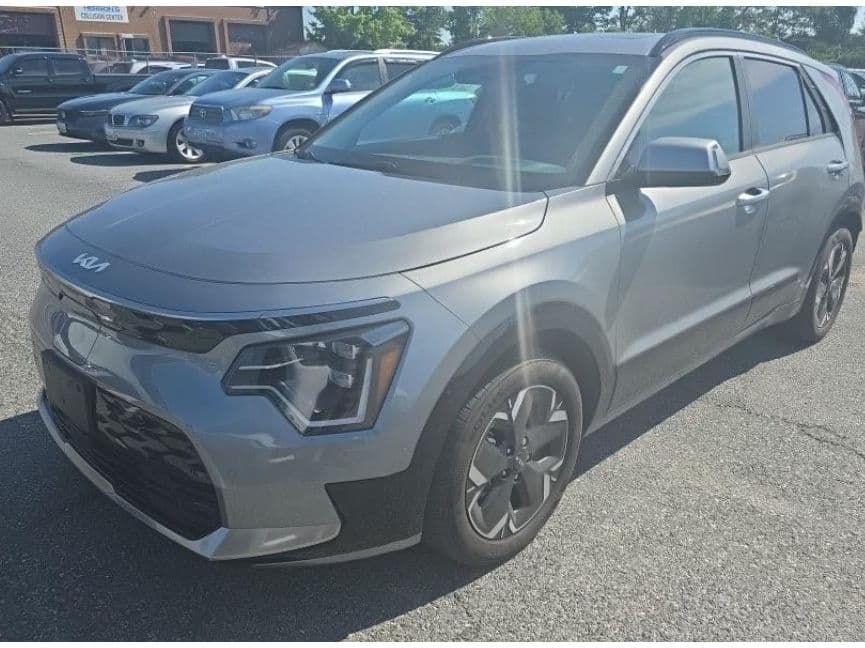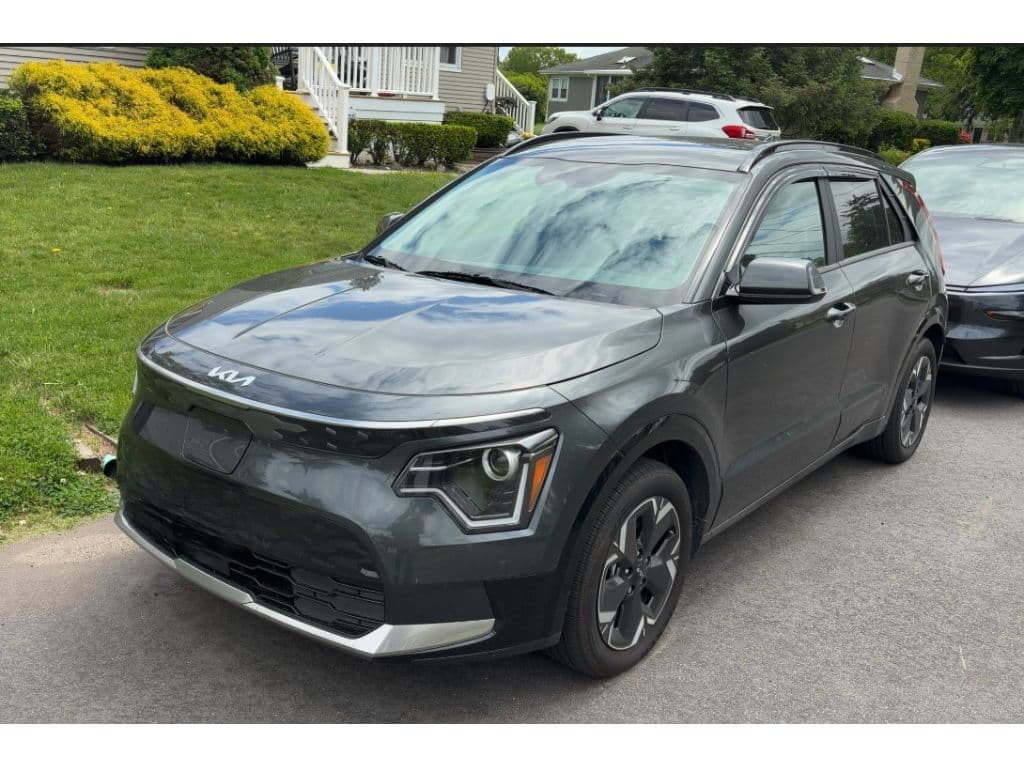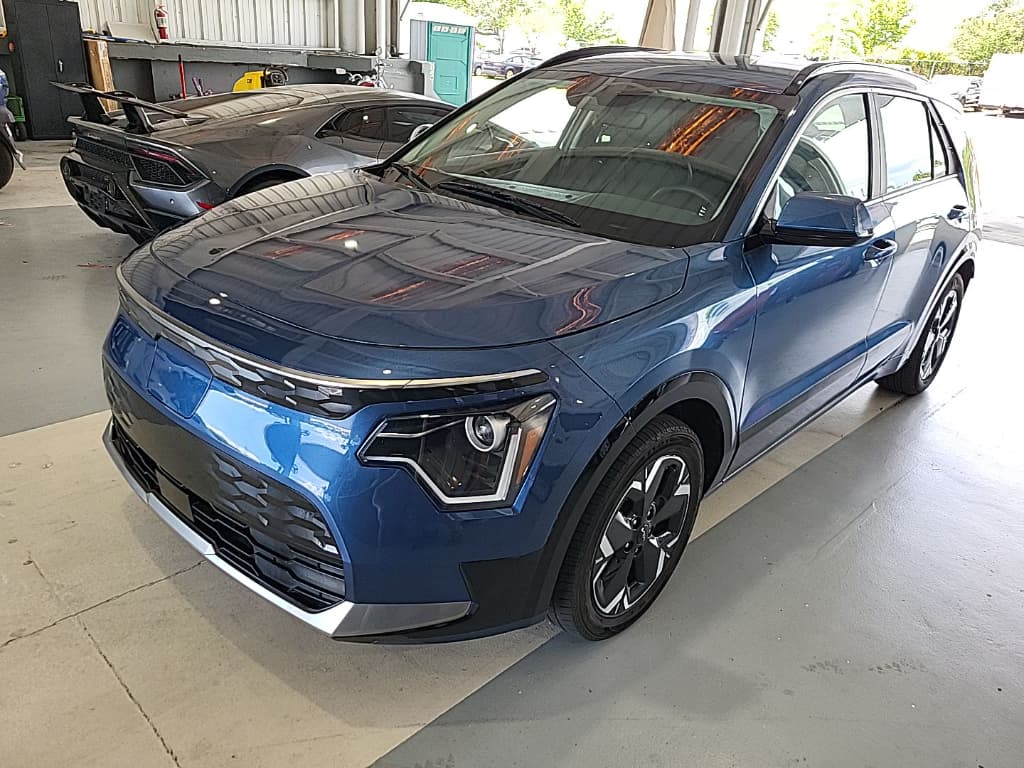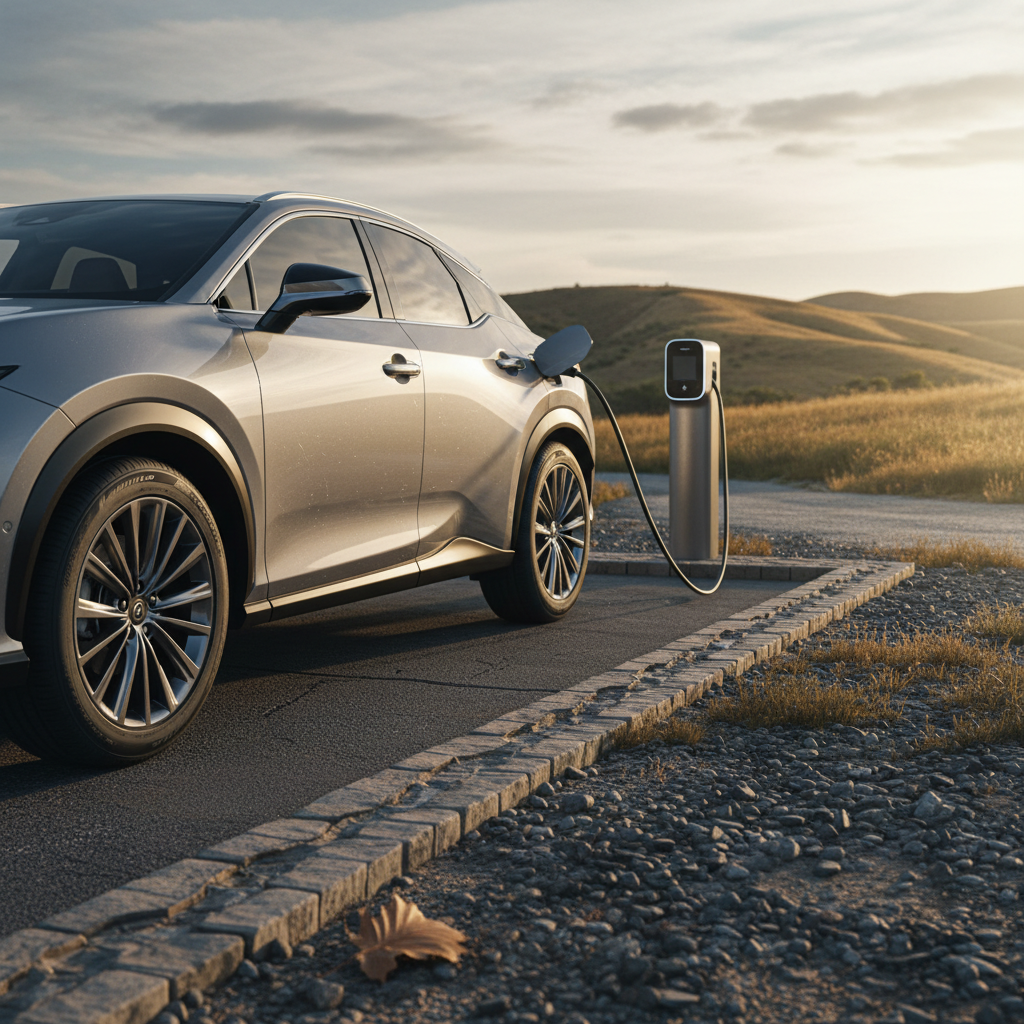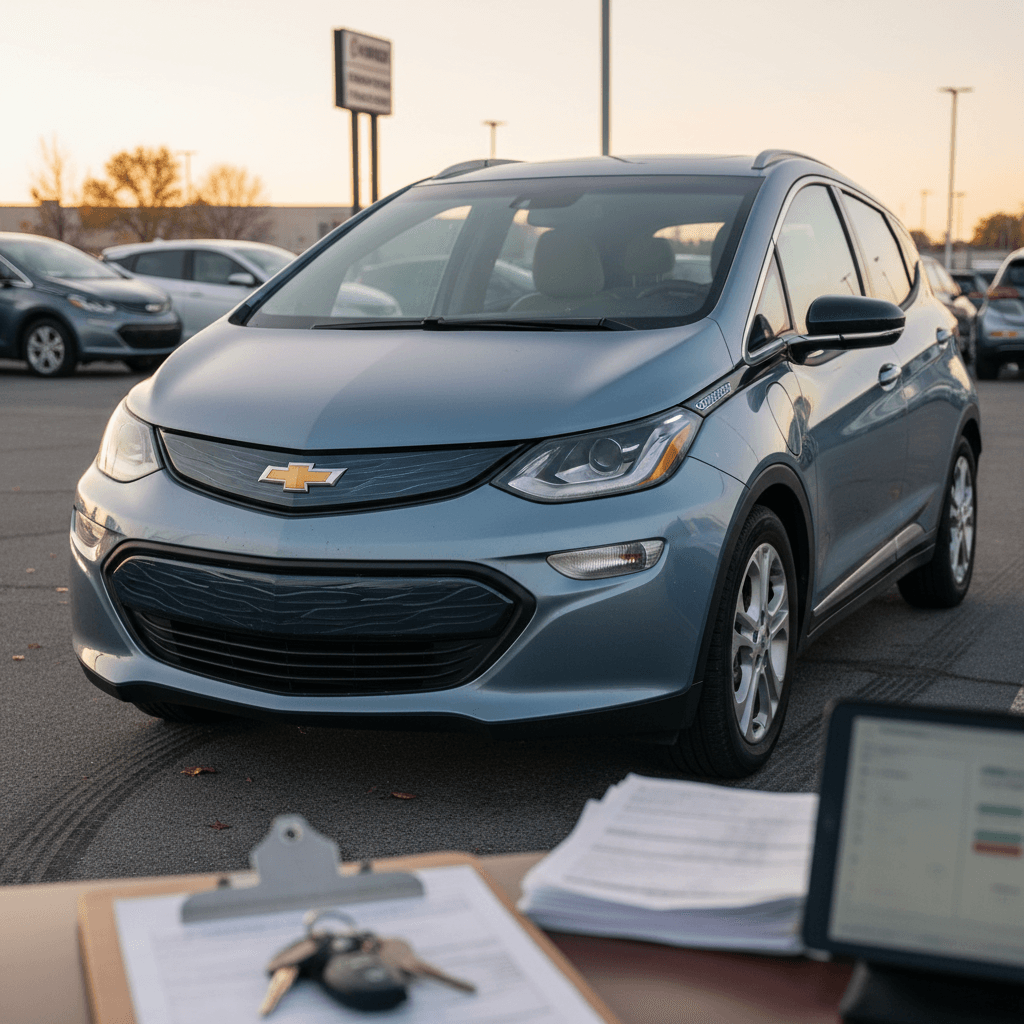
If you’re cross-shopping a used Kia Niro EV vs Chevy Bolt EV, you’re not alone. These two compact electric hatchbacks are among the most affordable ways to get solid range, modern tech, and low running costs in the used market, especially now that the first-generation Bolt (2017–2023) was discontinued and the Niro EV has quietly become a go-to used crossover.
Two similar missions, different personalities
Overview: Used Kia Niro EV vs Chevy Bolt EV
For this guide, we’re looking specifically at the **2019–2022 Kia Niro EV** and **2017–2023 Chevy Bolt EV**, the models you’re most likely to see in today’s used listings in the U.S. Both use roughly 60–65 kWh battery packs and deliver real-world ranges in the 220–260 mile neighborhood when new, depending on year and conditions. Over time, battery health, mileage, and climate have a big impact, which is exactly what you need to understand before you buy.
High-Level Take: Who Each EV Suits Best
A quick read before we dive into details
Kia Niro EV: Compact Crossover All-Rounder
- More cargo room and easier rear-seat access
- Slightly higher ride height and more "SUV-like" feel
- Comfortable highway manners, quiet cabin
- Great if you have kids, pets, or frequent cargo
Chevy Bolt EV: Value & Efficiency Champ
- Typically cheaper on the used market
- Small footprint, easy to park in cities
- Fun, zippy acceleration with low running costs
- Ideal for commuters and urban drivers on a budget
Quick Specs: Niro EV vs Bolt EV at a Glance
Core Specs Comparison (Common Used Years)
Approximate specs for popular used model years. Always verify trim and equipment on a specific vehicle.
| Model / Years | Battery (kWh, gross) | EPA Range (mi) when new | Body Type | DC Fast-Charge Peak | Onboard AC Charger |
|---|---|---|---|---|---|
| Kia Niro EV (2019–2022) | ~64 kWh | 239 mi (2019–2022) | Compact crossover | Up to ~100 kW CCS | 7.2 kW Level 2 |
| Chevy Bolt EV (2017–2020) | 60 kWh | 238 mi | Compact hatchback | ~50–55 kW CCS (optional/trim-dependent) | 7.2 kW Level 2 |
| Chevy Bolt EV (2022–2023 refresh) | 65 kWh | 259 mi | Compact hatchback | ~55 kW CCS (standard) | 11.5 kW Level 2 |
2019–2022 Kia Niro EV vs 2017–2023 Chevy Bolt EV (U.S.-spec, common trims).
Shop by use case, not just specs
Range, Battery Size & Long-Term Health
Both the Niro EV and first-generation Bolt EV built their reputations on delivering “real” EV range without luxury-EV pricing. They sit in the sweet spot where most drivers can commute all week and still have enough battery to handle errands or a spontaneous evening outing.
Range & Battery Snapshot (When New)
Real-world range in a used Niro EV
A healthy 2019–2022 Kia Niro EV with the 64 kWh pack typically delivers **200–230 miles of real-world range** for mixed driving once it has a few years and tens of thousands of miles on the clock. Cold weather, lots of highway driving, or frequent DC fast charging can pull that down; gentle city commuting in mild climates can keep it closer to the original EPA rating.
Real-world range in a used Chevy Bolt EV
Early Bolts (2017–2020) launched with a 60 kWh battery and 238-mile EPA rating. Refreshed 2022–2023 cars move to a 65 kWh pack and ~259 miles EPA. In used form, many owners report **190–230 miles of real-world range** depending on driving style, age, and climate, with later 65 kWh cars often landing slightly higher than comparable Niro EVs in mild conditions.
Don’t rely on EPA range alone
Battery degradation patterns
Neither the Niro EV nor the Bolt EV is known for catastrophic degradation in normal use, but patterns differ:
- Niro EV: Liquid-cooled pack, generally stable degradation when charged reasonably and kept out of extreme heat.
- Bolt EV: Also liquid-cooled, but the early fleet went through a major recall tied to fire risk and pack replacement on many vehicles.
That recall means some used Bolts actually have newer replacement packs with lower mileage than the rest of the car. That can be a plus, if it’s properly documented.
How Recharged evaluates battery health
Every EV sold through Recharged gets a Recharged Score battery health report. We pull pack data from the vehicle, look at charging history and DC fast-charge exposure where possible, and translate it into an easy-to-read score so you can compare one Niro or Bolt against another, apples-to-apples.
That matters much more than a generic statement like “battery is fine.” On a used EV, battery health is a core piece of the vehicle’s value.
Charging Speed, Connectors & Road-Trip Usability
Charging is one of the biggest functional differences you’ll feel day to day. Home Level 2 performance is strong on both cars, but DC fast charging, and how quickly the car can actually take energy on a road trip, is not identical.
Charging Comparison: What to Look For on Each Model
1. Connector type & adapter support
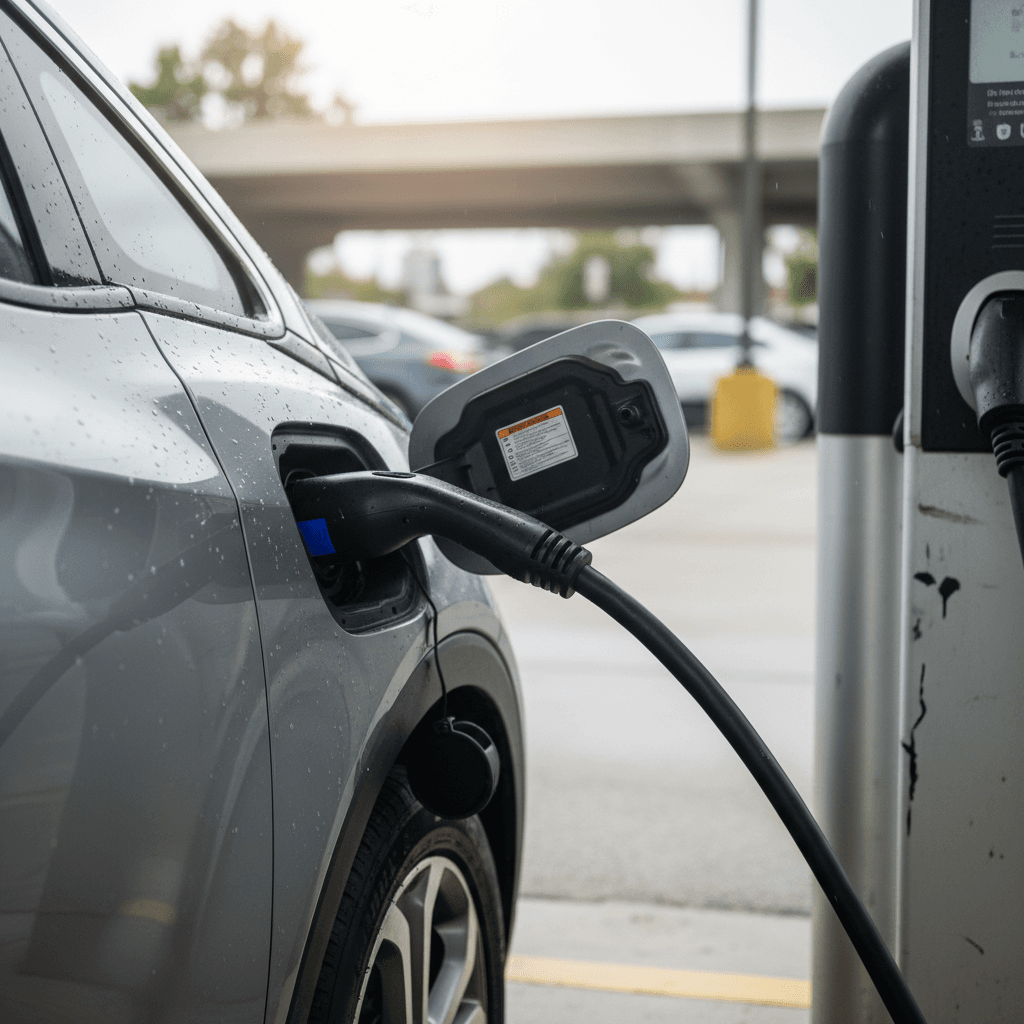
Both the Niro EV and first-gen Bolt EV use the <strong>CCS1</strong> fast-charging standard and J1772 for Level 2. In practice, that means they work with most non-Tesla public fast chargers today. Access to Tesla Superchargers increasingly depends on network and adapter availability in your region.
2. DC fast-charge speed
The Niro EV can peak around <strong>~100 kW</strong> under good conditions, while most first-gen Bolts are limited to ~55 kW. That difference can shave meaningful minutes off a 10–80% charging session on trips.
3. Onboard Level 2 charger
Early Bolts and Niro EVs have roughly 7.2 kW onboard chargers, enough to add around 25–30 miles of range per hour at home on a 40-amp circuit. Refreshed 2022–2023 Bolt EVs step up to an <strong>11.5 kW</strong> onboard charger if your home circuit supports it, shortening overnight top-ups.
4. Charging curve behavior
Peak kilowatts are only part of the story. How long the car can hold that peak matters more. The Niro EV tends to sustain higher rates longer in the middle of the pack than the Bolt, which steps down relatively early, making <strong>Niro EVs more road-trip friendly</strong> in many real-world cases.
Road-trip verdict
Interior Space, Comfort & Everyday Practicality
This is where the used Kia Niro EV vs Chevy Bolt EV comparison really starts to diverge. Both are compact on the outside, but the Niro behaves like a small crossover while the Bolt is very much a tall hatchback. If you regularly use the back seat or cargo area, you’ll feel the difference immediately.
Space & Usability: Side-by-Side
Numbers vary slightly by year; these are typical ballpark figures.
Cargo Volume
- Niro EV: Roughly mid- to high-20s cubic feet behind the rear seats, expanding to mid-50s with seats down.
- Bolt EV: Around mid-16s cubic feet behind the rear seats, low-50s with seats down.
For strollers, gear, or dogs, the Niro’s extra depth and height are noticeable.
Rear-Seat Comfort
- Niro EV: Easier rear-door opening, more legroom and headroom, feels closer to a small SUV.
- Bolt EV: Adequate for adults on shorter trips; taller passengers may find it tight.
Ride & Noise
- Niro EV: Softer, more relaxed tuning; good highway comfort.
- Bolt EV: Slightly firmer and more agile; can feel busy on broken pavement but fun around town.
Infotainment & driver-assist tech
Both vehicles saw tech upgrades over their production runs. Generally:
- Niro EV: Straightforward Kia infotainment with Apple CarPlay and Android Auto on most U.S. trims, plus driver-assist features like adaptive cruise and lane-keeping on higher trims.
- Bolt EV: Clean, functional GM interface with standard smartphone integration on 2017–2023 cars. Later models add nicer interiors and improved seats.
If you care about seamless phone mirroring and familiar controls, either car can work; just verify the trim level and options on the specific used vehicle you’re considering.
Living with each car every day
- Parking & maneuverability: The Bolt’s tiny footprint and tight turning radius make city parking easier.
- Visibility: Both are good, but the Niro’s slightly higher seating position helps in traffic.
- Family duty: Niro has the edge with car seats, rear-facing infant seats, and loading bulky gear.
If your EV will replace the family crossover, the Niro is the safer choice. If it’s a commuter or second car, the Bolt’s size becomes a real asset.
Reliability, Recalls & Safety Considerations
Reliability in the EV world often comes down to battery performance, electronics, and how seriously an automaker handles recalls and software updates. Both Kia and Chevrolet have had their moments with these cars, one high-profile, one more low-key.
The Bolt EV battery recall story
- Kia Niro EV reliability: Generally solid, with comparatively fewer headline-grabbing issues. Some owners have reported infotainment quirks or charging-station compatibility hiccups, but no systemic high-voltage pack crisis on the scale of the Bolt’s recall.
- Chevy Bolt EV reliability: Outside of the battery recall, many Bolts have gone six figures in mileage with typical EV wear items (tires, brakes, the occasional sensor). Interior materials on early years feel basic but functional.
- Safety ratings: Both cars have earned strong crash-test results in most configurations and offer modern active safety tech, but exact ratings and feature bundles vary by model year and trim. Always confirm that ADAS features like automatic emergency braking, lane-keeping assist, and blind-spot monitoring are present if they’re important to you.
How to sanity-check a specific used car
- Full recall history and proof of completion
- Service records, especially for any high-voltage work
- Battery health data, not just odometer mileage
Ownership Costs, Depreciation & Used Pricing
One reason shoppers fixate on used Kia Niro EV vs Chevy Bolt EV is simple: they’re among the few EVs where used pricing, range and features line up for mainstream budgets. But the way they depreciate, and what you can usually expect to pay, differs.
Used-Market Dynamics (High-Level)
Typical used Bolt EV shopper profile
Most used Bolt EV buyers are laser-focused on value per mile. The Bolt is often one of the cheapest ways to get into a 200+ mile EV, especially in earlier model years or higher-mileage examples. If you’re comfortable with a smaller cabin and can confirm recall work plus good battery health, it’s hard to beat on dollars-and-cents.
Because the model was discontinued after 2023, there’s a clear supply of first-gen used inventory, and some examples with fresh recall packs represent especially good value.
Typical used Niro EV shopper profile
Niro EV shoppers usually want crossover practicality without crossover fuel bills. You’ll often pay more than an equivalent Bolt for the same year and mileage, but you get the extra cargo space and a more relaxed highway ride. Families, Uber/Lyft drivers, and folks replacing a compact SUV often gravitate here.
If you plan to keep the car for many years, the Niro’s blend of space and charging performance may justify the higher purchase price.
Watch the “too cheap” outliers
Which Used EV Fits You Best? Use-Case Recommendations
On paper, you could justify either the Niro EV or Bolt EV for a lot of households. The better question is, which one lines up with how you actually live? Here’s how the decision tends to break down in the real world.
Niro EV vs Bolt EV by Driver Type
Daily Commuter (Under 60 Miles/Day)
Either car will handle your commute comfortably on a single charge, even with degradation.
The <strong>Bolt EV</strong> usually wins on purchase price and parking ease.
If you sometimes carpool with adults, the Niro’s rear-seat space is a nice upgrade but not mandatory.
Small Family / One-Car Household
The <strong>Niro EV</strong> is the safer default thanks to extra cargo volume, easier child-seat installation, and more comfortable rear seating.
Folding bikes, strollers, and Costco runs are less of a Tetris game in the Niro.
If budget is tight, a later-model Bolt EV can still work, but sit in the back seat before you commit.
Urban Driver / Apartment Dweller
The <strong>Bolt EV</strong> shines here: small footprint, easy to street-park, and efficient.
If you rely heavily on public fast charging, the Niro’s faster DC speeds are tempting, but finding a good, reasonably priced Bolt can free up budget for charging costs.
Either car works well if you have secure overnight Level 2 access at work or in your building.
Frequent Road-Tripper
The <strong>Kia Niro EV</strong> is generally the better choice thanks to higher sustained DC fast-charge rates and more comfortable highway ride.
The Bolt EV can still road-trip, but you’ll spend more time at chargers, especially if you’re hopping from 10% to 80% on each stop.
If your trips are mostly 150–200 miles with overnight Level 2 at the destination, both are viable; look more closely at seat comfort and noise.
How Recharged Simplifies Buying a Used Niro EV or Bolt EV
Whether you land on a Kia Niro EV or a Chevy Bolt EV, the hardest part of buying used is separating a great car from a risky one. That’s where Recharged comes in.
What You Get With a Used EV from Recharged
More than just a listing – it’s a full battery-first inspection and buying experience.
Recharged Score Battery Report
EV-Specific Inspection
Financing, Trade-Ins & Delivery
Ready to find your next EV?
Browse VehiclesBattery-first, not just price-first
FAQ: Used Kia Niro EV vs Chevy Bolt EV
Common Questions About Used Niro EV vs Bolt EV
Bottom Line: Niro EV or Bolt EV?
If you want the most space, comfort and road-trip friendliness, a used Kia Niro EV is the safer long-term play. Its crossover body, stronger DC fast-charging performance and family-friendly cabin make it easier to live with as your main vehicle. You’ll likely pay more up front, but you get a more versatile package in return.
If you’re chasing maximum value per dollar, especially for commuting or as a second car, a used Chevy Bolt EV is tough to beat. As long as the recall work is documented and the battery checks out, it delivers long range, low running costs and a city-friendly footprint at prices very few EVs can match.
Either way, don’t let the decision come down to guesswork about the battery. A Recharged Score battery health report, EV-specific inspection, and transparent pricing make it much easier to compare a used Niro EV vs Chevy Bolt EV side by side and buy with confidence, whether you complete the process fully online or visit Recharged’s Experience Center in Richmond, VA to see for yourself.