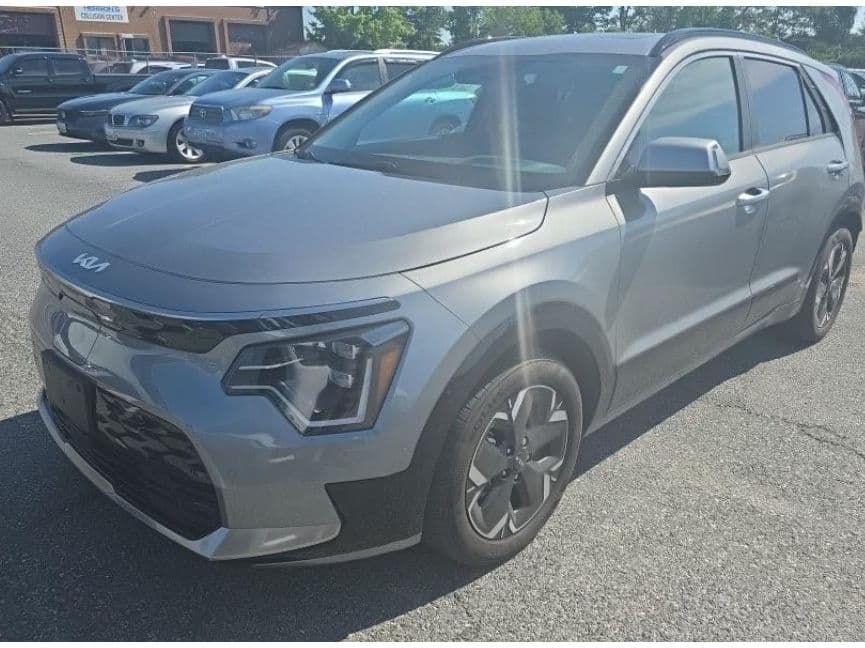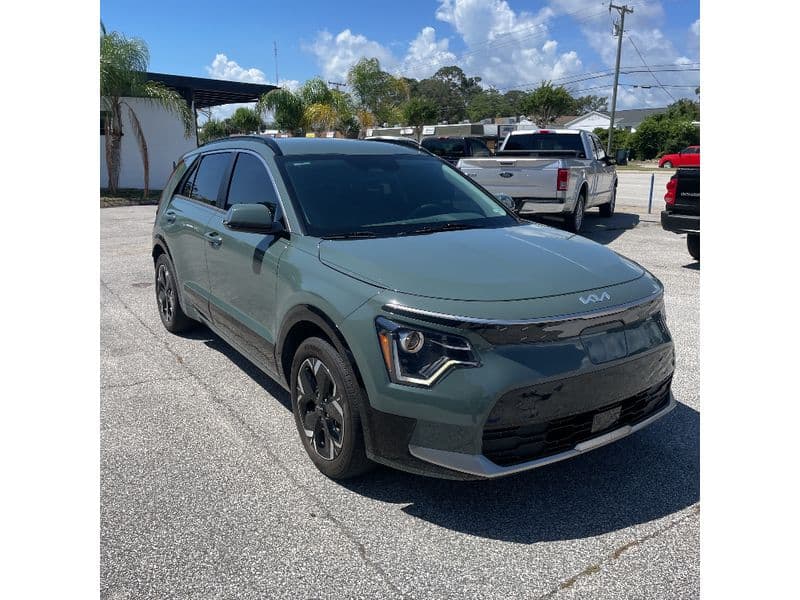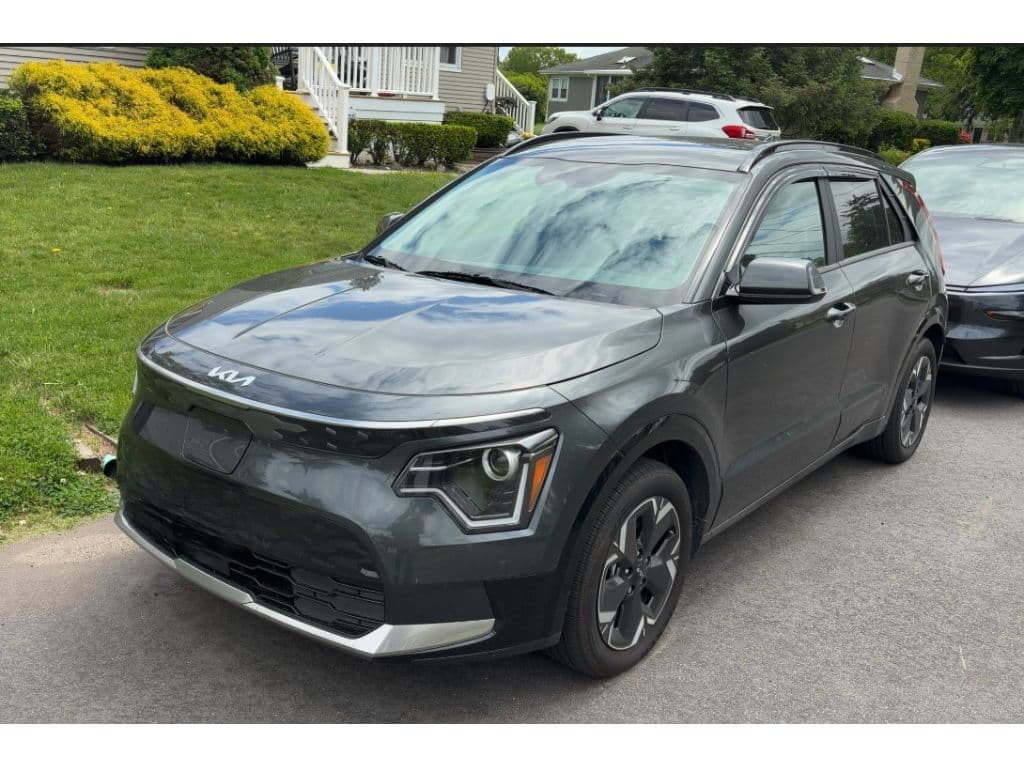
If you want an efficient electric crossover that doesn’t shout for attention, a used Kia Niro EV is one of the smartest buys on the market. It’s practical, well equipped, and has quietly built a reputation as a dependable commuter with real-world range that still stacks up well in 2025. This used Kia Niro EV buying guide walks you through model years, trims, range, battery health, pricing, and what to inspect before you sign anything.
Quick take
Why the used Kia Niro EV is worth a look
Standout strengths of a used Niro EV
Where this practical EV really shines on the used market
Just-right size
The Niro EV is a compact crossover that drives like a car but sits you a little higher. It fits easily in city parking, yet offers a tall hatch opening and generous rear seat space.
Useful real-world range
Most Niro EVs use a ~64 kWh pack with an EPA rating around 239–253 miles. In day‑to‑day driving that translates into comfortable commuting and weekend trips without constant charging stops.
Strong value used
Because the Niro EV has never been a headline‑grabber, prices on the used market tend to be kinder than some rivals, while still offering long battery warranties and modern safety tech.
If you’re cross‑shopping with cars like the Chevy Bolt EUV, Hyundai Kona Electric, or Nissan Leaf, the Niro EV sits right in the sweet spot: more cargo space than the Bolt, better range than most Leafs, and a driving experience that feels familiar if you’re coming out of a gasoline compact SUV.
Who it fits best
Model years and trims: which Niro EV am I looking at?
There are really two generations to think about in the U.S. when you’re shopping for a used Kia Niro EV:
Kia Niro EV generations at a glance
Key differences between the original and redesigned Niro EV generations for U.S. shoppers
| Generation | Model years (approx.) | EPA range (mi) | Battery | Horsepower | Notes |
|---|---|---|---|---|---|
| 1st gen Niro EV (e-Niro) | 2019–2022 | ~239 | 64 kWh (approx.), liquid-cooled | 201 hp FWD | Conservative styling, simple but functional interior, DC fast up to roughly mid‑70 kW |
| 2nd gen Niro EV | 2023–present | ~253 | ~64.8 kWh usable | 201 hp FWD | Sharper styling, updated tech, DC fast around 85 kW, improved real‑world efficiency |
Exact features vary by trim and options; always confirm equipment on the specific car you’re considering.
EX vs EX Premium (names may vary by year)
Shopping 2019–2020 Niro EV
- Often the most affordable entry point into Niro EV ownership.
- Same basic battery and drivetrain as later 1st‑gen cars.
- Older infotainment and driver-assist tech, but still modern enough for daily use.
- Pay close attention to battery warranty start date and service history.
Shopping 2021–2023+ Niro EV
- Later 1st‑gen updates brought small refinements and feature tweaks.
- The fully redesigned 2nd‑gen (2023+) gets a more upscale cabin and slightly better range.
- These newer cars command a price premium but may have more remaining factory warranty.
Range, battery and charging: what to expect
Typical Niro EV specs to keep in mind
In everyday driving, expect real‑world range somewhere between 180 and 230 miles on the highway and more in city driving, depending on temperature, speed, and how you use climate control. Cold winters, high speeds, and roof racks will all cut into those numbers.
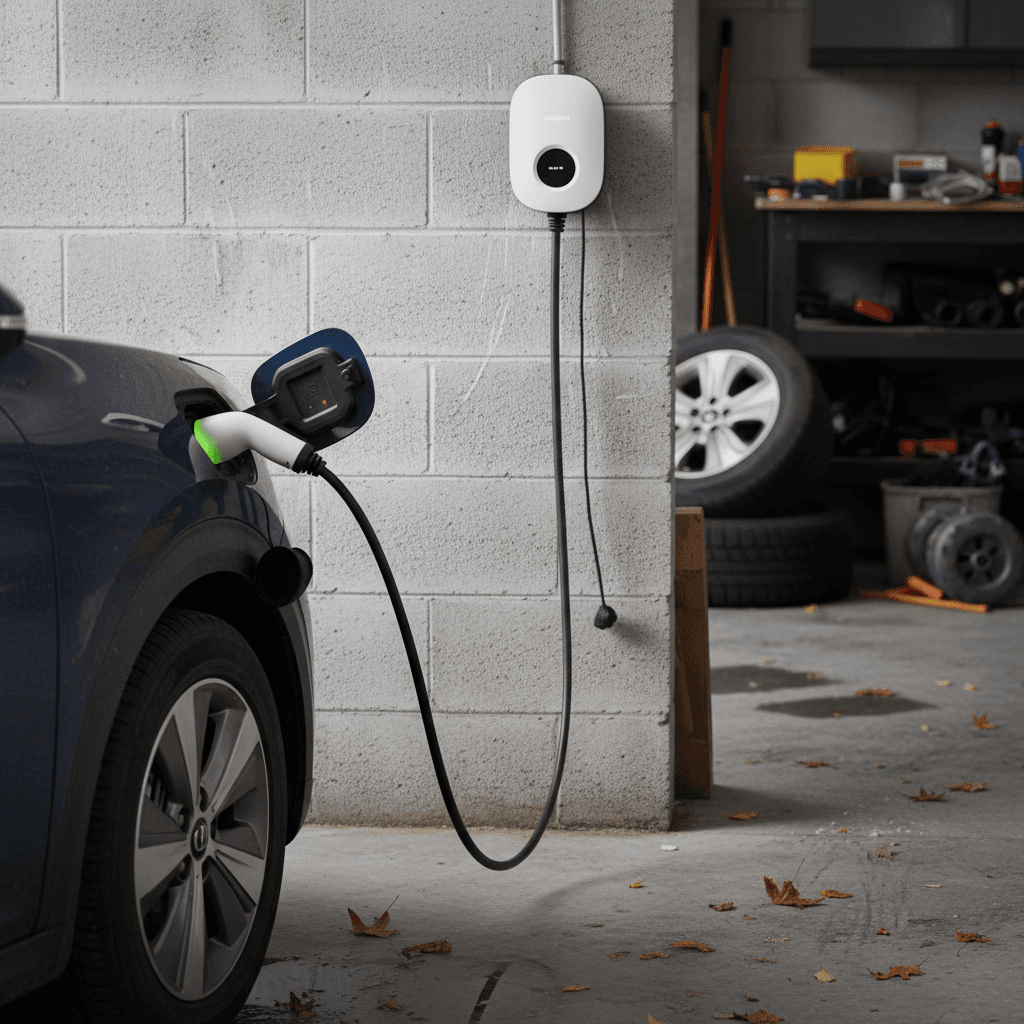
- Most Niro EVs use a front‑mounted charge port compatible with J1772 (Level 2) and CCS (DC fast) connectors in North America.
- On a typical 48‑amp home Level 2 charger, you can go from low state‑of‑charge to full in roughly 7–9 hours overnight.
- At a 100 kW DC fast charger in good conditions, plan on ~40–60 minutes to go from 10% to 80%, depending on generation and how warm the battery is.
Plan home charging first
Common issues and recalls to know about
Overall, the Niro EV has a solid reliability record, especially compared with many early EVs. Most owners report predictable range and few drivetrain surprises. Still, there are patterns and recalls you should be aware of when shopping used.
What to look out for on a used Niro EV
These aren’t automatic deal‑breakers, but they are worth asking about.
High‑voltage component recalls
Hyundai and Kia have issued recalls on various EVs for issues like charging control units or HV relays. Always run the VIN through NHTSA or ask the seller to provide recall documentation, and confirm that any open campaigns have been completed.
2023–2025 Niro wiring recall
More recent Niro EV, hybrid, and PHEV models have been recalled for wiring under the front passenger seat that could affect airbag performance or cause unintended deployment. Any car in this range should have documentation showing the inspection and fix were done by a dealer.
DC fast charging behavior
Some owners note that the Niro EV’s fast‑charge curve can be conservative, especially in cold weather, with power tapering earlier than expected. During a pre‑purchase test charge, watch how quickly it ramps up and whether charge power seems unusually low.
12‑volt battery and software updates
Like many EVs, the Niro can experience 12‑volt battery issues if software isn’t up to date or the car sits for long periods. Ask about recent software updates and whether the 12‑volt battery has ever been replaced.
Don’t skip the recall check
Pricing, depreciation and value sweet spots
Exact pricing will depend on mileage, condition, region, and equipment, but the Niro EV follows a familiar EV pattern: steep first‑owner depreciation, then a slower slide. That’s good news if you’re buying used.
Older 1st‑gen (2019–2020)
These cars often represent the best dollar‑per‑mile value. You get the full‑size battery and useful range, just with older infotainment and sometimes higher mileage.
- Look for well‑maintained, single‑owner cars.
- Prioritize examples with remaining battery warranty.
- Be more cautious with high‑mileage rides used in hot climates or heavy fast‑charging duty.
Later 1st‑gen & 2nd‑gen (2021–2024+)
These command a premium but offer more modern styling and technology, and usually more factory warranty left in 2025–2026.
- Great if you plan to keep the car for many years.
- Availability may be limited depending on your region.
- Certified pre‑owned (CPO) examples can add peace of mind, but compare pricing carefully.
Leverage depreciation to your advantage
Inspection checklist for a used Kia Niro EV
Whether you’re buying from a private seller, a franchise dealer, or an EV specialist like Recharged, go in with a clear plan. Use this checklist as a starting point, and don’t be afraid to walk away if something doesn’t add up.
Your Niro EV pre‑purchase inspection game plan
1. Confirm model year, trim and options
Compare the VIN and window sticker (if available) to online specs so you know exactly what battery, range rating, and features you’re getting. Don’t rely on a generic listing title alone.
2. Review service and recall history
Ask for a full service history printout. Look for high‑voltage system work, software updates, and proof that any recalls, especially recent wiring or charging‑related ones, have been completed.
3. Inspect tires, brakes and suspension
EVs are heavier than gas cars. Uneven tire wear, tired shocks, or grooved rotors hint at hard use or skipped maintenance. Budget for replacements if they’re close to the end of their life.
4. Check charge ports and cables
Inspect the front charge port for corrosion, bent pins, or damaged seals. If a home EVSE or portable Level 1 cord is included, make sure it’s functional and free of damage.
5. Look for accident or flood damage
Uneven panel gaps, overspray, or mismatched paint can suggest bodywork. A musty smell, rust on seat mounts, or water lines in the trunk could point to flood exposure, walk away if you suspect this.
6. Evaluate interior wear and electronics
Test every window, lock, camera, and infotainment feature. Excessive driver’s seat wear or heavily scratched plastics on a low‑mileage car might indicate odometer discrepancies or rough use.
Red flags you shouldn’t ignore
Test drive: how a good Niro EV should feel
On the road, the Niro EV should feel smooth, quiet, and predictable. It’s not a performance EV, but 201 horsepower in a compact package gives you more than enough punch for everyday driving.
- Acceleration should be linear and quiet, without jerks, grinding, or strange vibrations.
- Listen for clunks over bumps or during low‑speed maneuvers that could point to worn suspension components or loose hardware.
- Test several levels of regenerative braking; they should all feel consistent with no abrupt surges or cut‑outs.
- On a straight, flat road, the car should track straight with the wheel centered, pulling or vibration could mean alignment or tire issues.
- Spend a few minutes on the highway to check wind and road noise, lane‑keep assist behavior, and adaptive cruise control (if equipped).
Bring a charging stop into your test drive
Battery health and the Recharged Score
The high‑voltage battery is the heart of every EV, and it’s where many buyers feel the most uncertainty. The good news: the Niro EV’s pack has proven to be stable when properly cared for, and Kia’s battery warranty is generous. The challenge is measuring actual health on a specific used car.
Battery warranty basics
- Kia typically warrants the Niro EV’s high‑voltage battery for up to 10 years or 100,000 miles (whichever comes first) from the original in‑service date.
- Coverage is usually tied to a minimum capacity threshold, if the pack degrades below that within the warranty window, repair or replacement may be covered.
- Ask for documentation of in‑service date, and check remaining time and mileage on the battery coverage.
Why independent battery data matters
The dash range estimate can be reset and is heavily influenced by recent driving. For a used EV, you’re better off with objective readings of usable capacity and state of health.
Every EV sold through Recharged comes with a Recharged Score Report that includes verified battery diagnostics, fast‑charging history insight where possible, and expert interpretation so you know how that specific pack is aging.
How Recharged can help
Is a used Kia Niro EV right for you?
Match the Niro EV to your life
Daily commuters and errand‑runners
Round‑trip commute under 80 miles with some buffer for errands.
Access to overnight Level 2 charging at home or a reliable public charger nearby.
You value low running costs and don’t mind conservative styling.
Young families and dog owners
You want a compact footprint but a hatchback that swallows strollers, groceries, and sports gear.
Rear seat space and easy‑to‑clean interior materials matter more than a huge third row.
You like the idea of one car handling weekday duty and most weekend outings.
First‑time EV owners
You want a straightforward, easy‑to‑drive EV with familiar controls.
You’re not chasing 0–60 bragging rights, just smooth, quiet acceleration.
You appreciate having a long battery warranty and proven reliability record.
Who should look elsewhere
You regularly tow or carry very heavy loads (the Niro EV is not a tow specialist).
You live somewhere extremely rural with sparse CCS fast‑charging coverage.
You need all‑wheel drive or significant ground clearance for weather or terrain.
If you’re after a sensible, efficient, and quietly capable EV, a used Kia Niro EV deserves a spot at the top of your list. It may not dominate headlines like some flashier models, but that’s exactly why it can be such a smart buy: mature technology, usable range, and family‑friendly space at a price that reflects a few years of depreciation. Go in with a clear understanding of model years, range, recalls, and battery health, and you can end up with an electric crossover that feels like it was built for your real life, without paying brand‑new money.