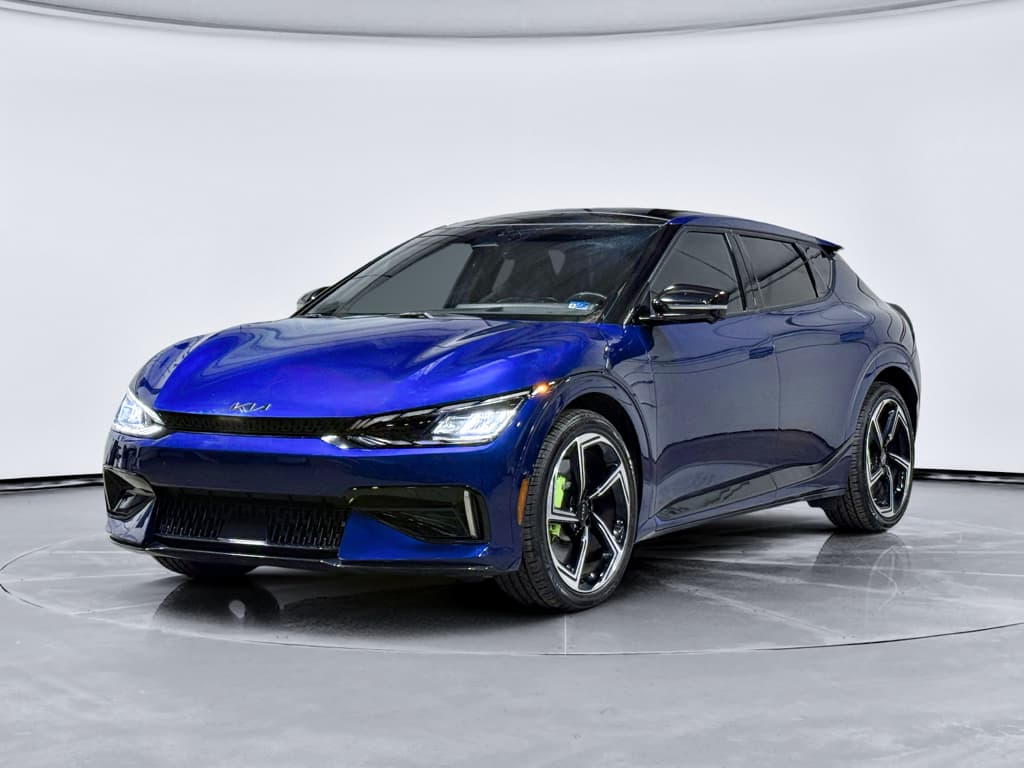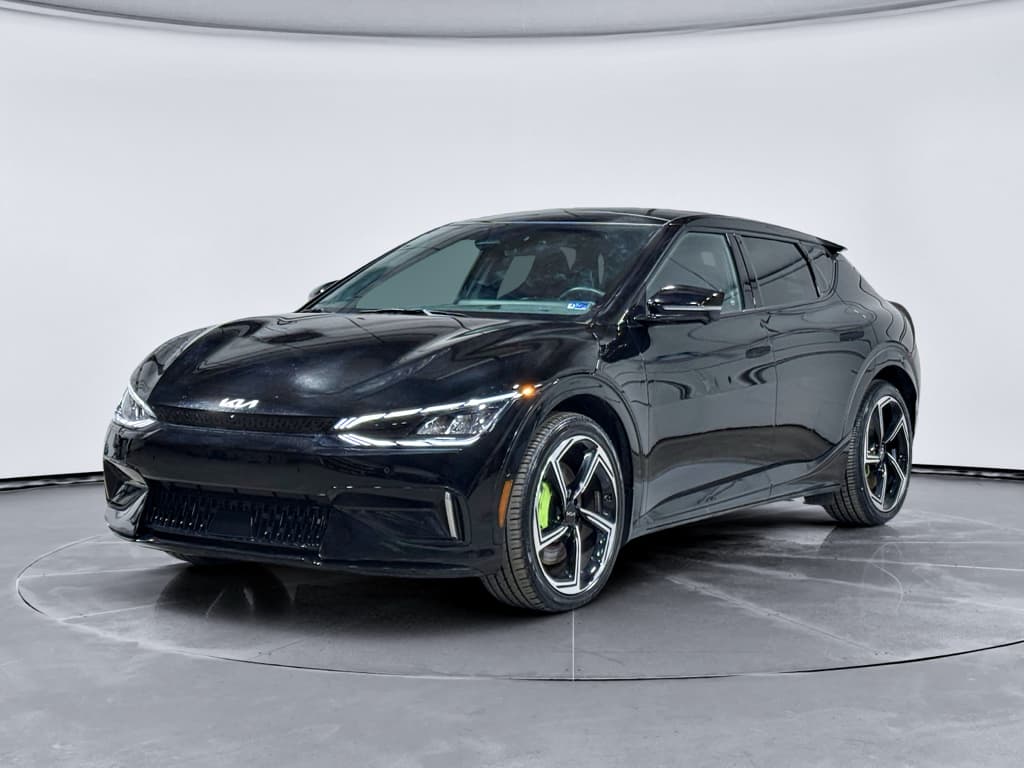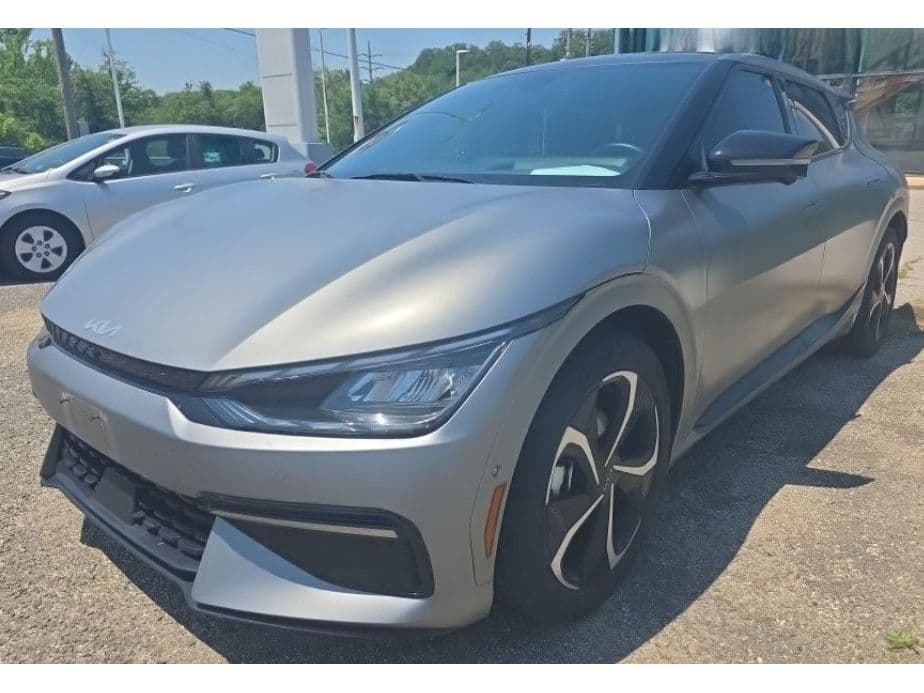
If you’re shopping for a used electric SUV, the Kia EV6 and Ford Mustang Mach‑E are probably near the top of your list. Both offer real EV range, DC fast charging, and five‑door practicality, but on the used market, their strengths and weaknesses look a bit different than in new‑car reviews. This guide focuses on the used Kia EV6 vs Ford Mustang Mach‑E so you can decide which one actually fits your life and budget.
Model years this guide focuses on
Quick take: Who should choose which?
EV6 vs Mach‑E at a glance
Match each EV to how you’ll actually use it
Kia EV6: Best for road‑trippers and efficiency nerds
- Excellent highway efficiency and competitive EPA range, especially on long‑range RWD trims.
- Ultra‑fast 800‑volt DC charging (10–80% in around 18 minutes when conditions are ideal).
- Sleek, hatchback‑like profile with generous rear legroom.
- Often slightly less expensive than equivalent Mach‑E on the used market at the same mileage.
Mustang Mach‑E: Best for comfort and brand appeal
- Traditional SUV shape with more upright seating and slightly taller ride height.
- Strong performance even on non‑GT trims; GT models are genuinely quick.
- Ford’s BlueCruise and broad dealer network appeal to buyers who want familiar support.
- Styling and Mustang branding if you want something with more attitude.
How Recharged helps here
Range and battery health on the used market
On paper, both the Kia EV6 and Mustang Mach‑E offer competitive range. In practice, especially a few years into ownership, how they’ve been driven and charged matters as much as the original EPA number. Understanding trims and battery options is key when you’re looking at used listings.
Headline range numbers (recent model years)
Typical EPA range by popular trims (recent model years)
Use this as a directional guide when scanning used listings. Check the specific VIN and window sticker for exact figures, since range varies by model year and wheel choice.
| Model & trim (recent years) | Drivetrain | Battery type | Approx. EPA range |
|---|---|---|---|
| Kia EV6 Light Long Range | RWD | 77.4 kWh | ~310 mi |
| Kia EV6 Wind / GT‑Line Long Range | RWD | 77.4 kWh | ~310 mi |
| Kia EV6 Wind / GT‑Line Long Range | AWD | 77.4 kWh | ~280 mi |
| Kia EV6 GT AWD | AWD performance | 77.4 kWh | ~218–280 mi (depending on year) |
| Mustang Mach‑E Select (standard range) | RWD | Standard‑range (~75 kWh) | ~250–260 mi |
| Mustang Mach‑E Premium (extended range) | RWD | Extended‑range (~88–98 kWh) | ~300–320 mi |
| Mustang Mach‑E Premium (extended range) | AWD | Extended‑range (~88–98 kWh) | ~280–300 mi |
| Mustang Mach‑E GT / Rally | AWD performance | Extended‑range | ~260–280 mi |
RWD trims generally deliver the best range; AWD and performance variants sacrifice some miles for extra traction and power.
Don’t shop on EPA range alone
In terms of chemistry and architecture, the EV6’s 800‑volt E‑GMP platform is built to handle frequent fast charging with relatively low losses. The Mach‑E’s 400‑volt system is more conventional but has seen continuous software updates to optimize battery management. The bottom line: neither model is notorious for rapid degradation, but individual history matters more than badge engineering.
Charging speed and road‑trip ability
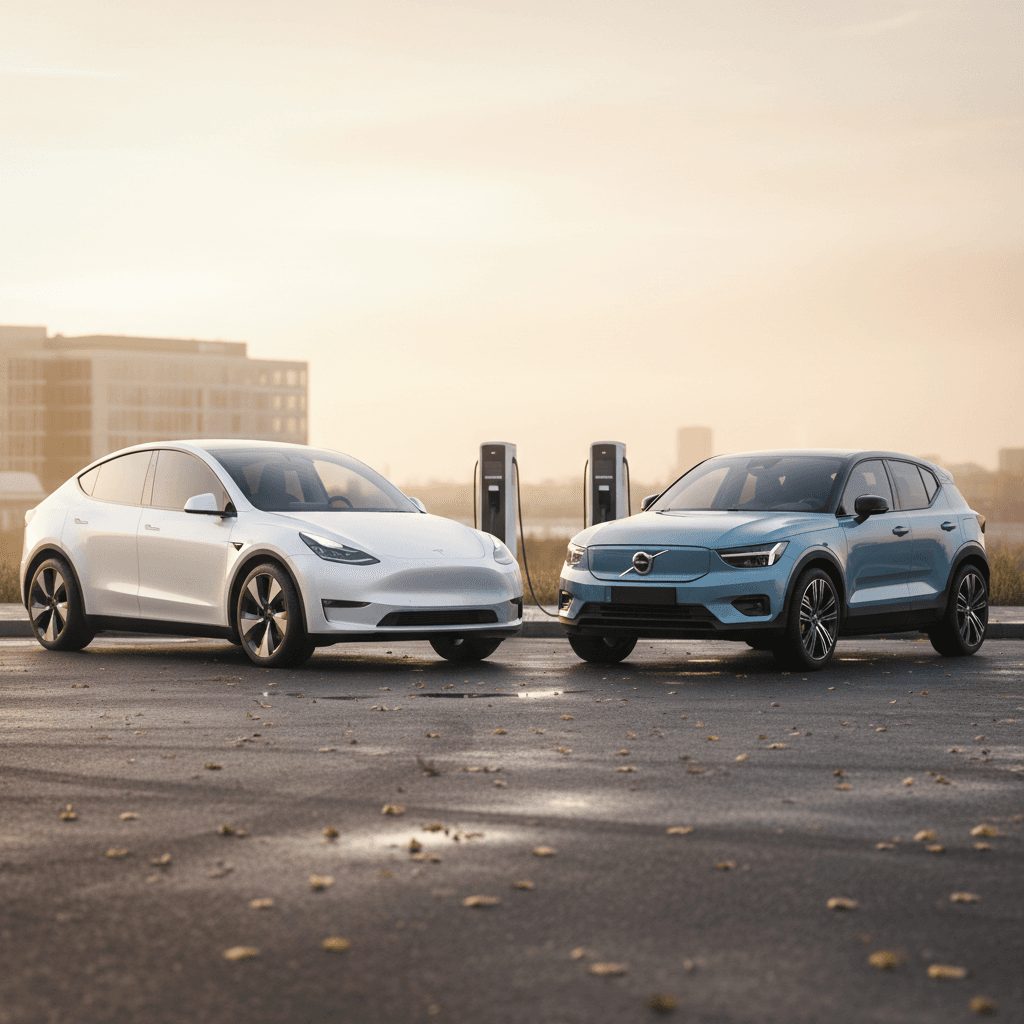
If you plan to road‑trip your used EV, charging speed and network access are more important than 0–60 times. Here the Kia EV6 has a clear hardware advantage, while the Mustang Mach‑E leans on network breadth and Ford’s deep integration with public charging.
Kia EV6: 800‑volt fast‑charge sprinter
- 800‑volt architecture allows very high peak DC rates on compatible stations.
- Kia quotes roughly 10–80% in about 18 minutes on a high‑power DC fast charger in ideal conditions.
- Excellent for long highway legs if your route includes reliable high‑speed chargers (e.g., 150–350 kW units).
- Standard CCS connector on earlier U.S. models with growing access to Tesla Superchargers via adapters and NACS adoption.
Mustang Mach‑E: Not as fast on paper, but well‑networked
- DC fast charging up to around 150 kW on long‑range versions; real‑world sessions often sit lower but are improving with software updates.
- Ford’s BlueOval Charge Network ties together multiple third‑party networks under one account.
- Recent model years can access a large and growing slice of the Tesla Supercharger network, significantly boosting road‑trip convenience.
- 400‑volt system means longer stops than an EV6 at the same state of charge, but trip‑planning tools are robust.
Real‑world road‑trip strategy
Space, comfort, and practicality
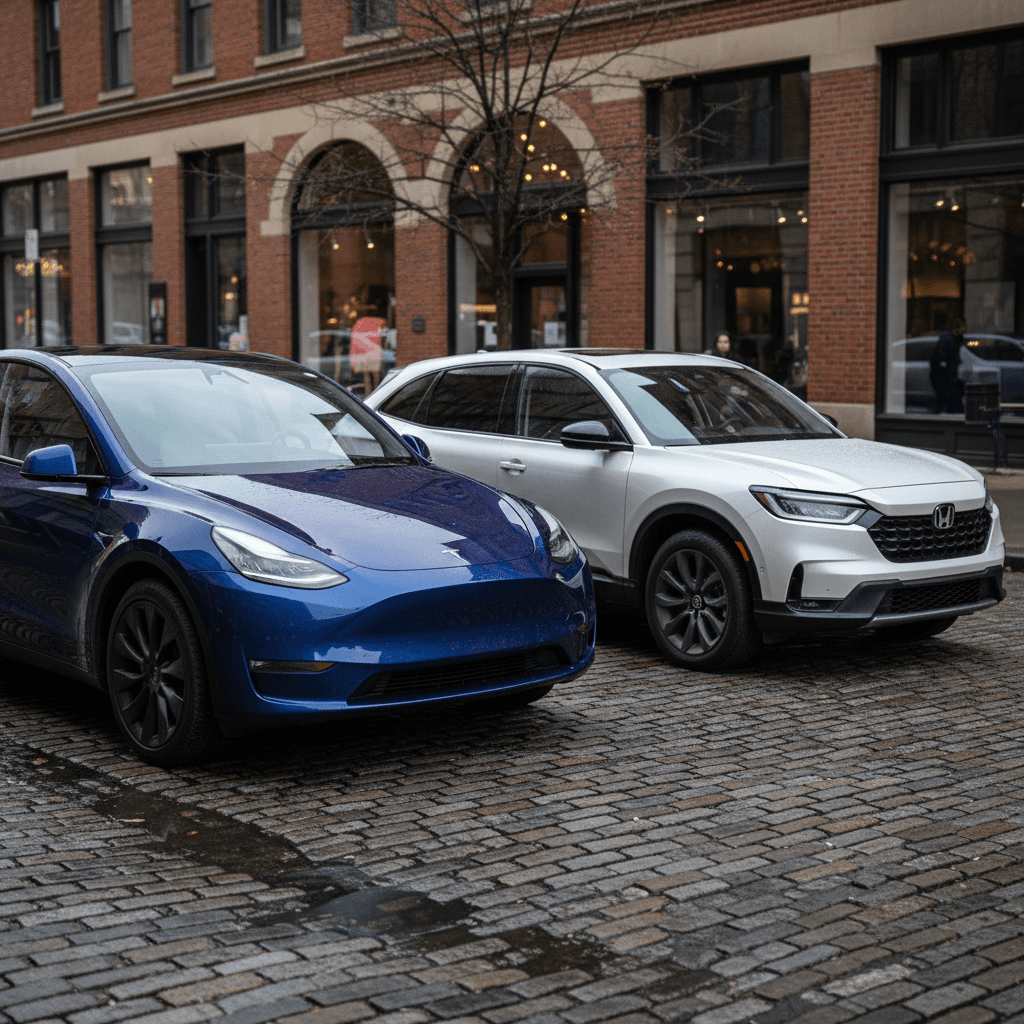
Both of these EVs are compact crossovers on paper, but they’re packaged very differently. The EV6 leans into a low, wide, almost wagon‑like stance; the Mach‑E feels more like a conventional small SUV with a higher cowl and more upright seating.
Practicality highlights
How each EV works as an everyday family car
Passenger space
EV6: Excellent rear legroom and a flat floor; sloping roof can pinch headroom for taller adults in the very back.
Mach‑E: More upright seating position and easier step‑in height; rear headroom is a bit better for taller passengers.
Cargo and flexibility
EV6: Respectable cargo area with split‑folding rear seats. The rear opening is a bit more hatchback‑like than SUV‑like.
Mach‑E: Similar rear cargo volume with a squarer opening that’s friendlier to bulkier items, plus a usable frunk for small bags.
Family‑friendliness
LATCH anchors are easy enough to access in both. The Mach‑E’s slightly higher hip point makes it simpler to install and load child seats; the EV6’s generous rear legroom helps as kids grow.
Test‑sit both if you’re tall
Driving experience and performance
On the road, the EV6 and Mach‑E share the instant torque and smoothness you expect from modern EVs, but they have distinct personalities. One feels like a low, sporty cruiser; the other leans into the “electric Mustang” brief with heavier steering and a bit more drama.
- Kia EV6: Even in non‑GT trims, the EV6 feels planted and refined. Steering is light but accurate, and the low battery placement helps it feel secure at highway speed. GT models add serious straight‑line pace with sub‑4‑second 0–60 mph potential in recent years.
- Mustang Mach‑E: Ford leans harder into performance branding. Extended‑range AWD and GT trims pull hard, and the car feels more eager to rotate when pushed, though ride quality can get firm on big wheels. Rally and performance packages dial this up even further.
Enthusiast angle
Reliability, ownership experience, and warranty
Early‑generation EVs live or die by their ownership experience. That includes not just failures, but how painless it is to get problems fixed. Both Kia and Ford have learned quickly in this space, but they’ve taken different paths.
Kia EV6 reliability and support
- Owner feedback so far is generally positive on powertrain reliability and build quality, with styling and performance rated highly and value seen as decent.
- Kia’s EV‑specific warranty is strong: battery coverage has typically been around 10 years/100,000 miles in the U.S. on recent model years.
- Dealers are still building deep EV expertise; support quality can vary by store, which matters if you don’t live near a high‑volume Kia EV retailer.
Mustang Mach‑E reliability and support
- Ford has pushed frequent software updates to address early bugs (from infotainment quirks to charging behavior). Many 2021–2022 owners report that their cars feel significantly better today than at delivery.
- Battery and electric components are backed by an 8‑year/100,000‑mile warranty on recent models.
- Ford’s large dealer footprint means it’s easier to find a service department, but EV experience is still uneven across the network.
Why independent inspections matter on used EVs
- Battery health data (not just “no warning lights”).
- Charging history (heavy fast‑charging isn’t bad by itself, but it’s a useful context).
- Confirmation that critical recalls and software updates have been completed.
Used pricing, incentives, and resale value
Used pricing moves quickly, but some patterns are consistent. The Kia EV6 and Mustang Mach‑E now compete directly in the used market, especially as new EV incentives and dealer discounts put pressure on resale values.
Key cost factors when comparing EV6 vs Mach‑E used
1. Federal used EV tax credit eligibility
Many used EV6 and Mach‑E examples can qualify for the federal <strong>used EV tax credit</strong> (up to $4,000 for eligible buyers and vehicles), as long as they meet price, age, and income requirements. That can erase a big chunk of the price difference between individual listings.
2. Trim and battery configuration
A lower‑trim EV6 with the long‑range battery can sometimes deliver more value than a heavily optioned Mach‑E with the smaller pack, or the other way around. Decide how much you’re willing to pay for extra range and AWD before diving into listings.
3. Depreciation and brand perception
Historically, domestic brands like Ford have depreciated faster than some Asian rivals. In practice, local supply, incentives, and dealer discounting patterns will matter more than any global rule of thumb, so always compare several examples in your region.
4. Home charging and installation costs
If you’re coming from a gas car, remember to budget for a Level 2 home charging solution. That cost is the same whether you buy an EV6 or a Mach‑E, but it belongs in your total ownership math.
5. Financing and trade‑in options
Used EV financing rates and trade‑in offers can shift monthly. With Recharged, you can <strong>finance, trade‑in, and arrange delivery</strong> in one digital flow, and see the total monthly cost difference between an EV6 and Mach‑E in real numbers rather than rough guesses.
Key spec comparison: Used Kia EV6 vs Mustang Mach‑E
Core specs snapshot (recent model years, typical trims)
This table isn’t exhaustive, but it captures the attributes most used‑EV shoppers care about when cross‑shopping the EV6 and Mach‑E.
| Category | Kia EV6 (typical) | Ford Mustang Mach‑E (typical) |
|---|---|---|
| Platform voltage | 800 V | 400 V |
| Max EPA range (recent years) | ~310 mi (long‑range RWD) | ~320 mi (extended‑range RWD Premium) |
| Typical DC fast‑charge peak | Up to ~240–250 kW on capable chargers | Up to ~150 kW on long‑range versions |
| Battery warranty | Often 10 yrs / 100,000 mi | Typically 8 yrs / 100,000 mi |
| Body style feel | Low, wide, almost wagon‑like crossover | Taller, more traditional small SUV |
| Cargo flexibility | Good rear hatch space; less‑square opening | Similar volume, squarer opening plus small frunk |
| Performance focus | GT trims are very quick; other trims favor balance and efficiency | GT / Rally trims emphasize performance; even mid‑trims feel lively |
| Driver‑assist tech | Kia Drive Wise suite, strong highway assist on higher trims | Ford Co‑Pilot360 with available hands‑free BlueCruise |
| Charging connectors | CCS (earlier U.S. models), migrating to NACS in later years; growing Supercharger access | CCS plus broad access to Tesla Superchargers via Ford’s agreements |
Always verify exact specs for the model year and trim you’re considering by checking the original window sticker or manufacturer documentation.
How to choose between a used EV6 and Mach‑E
Decision roadmap: Match the car to your use case
High‑mileage commuter or frequent road‑tripper
Prioritize <strong>long‑range RWD</strong> trims on either model for maximum highway range.
Leaning toward the <strong>EV6</strong> makes sense if you value shorter DC fast‑charge stops and strong efficiency.
Check that your regular routes have reliable fast chargers; if Superchargers dominate, a Mach‑E with good access may be compelling.
Ask for battery‑health data and look for cars that weren’t exclusively DC fast‑charged.
Family driver and daily errands
Focus on rear‑seat comfort and cargo access. The <strong>Mach‑E’s</strong> upright seating and square cargo opening are a plus for strollers and bulky items.
If you value rear legroom and a sleeker look, the <strong>EV6</strong> is hard to beat.
Make sure you test child‑seat installs in both if that’s part of your life.
Look for trims with the safety and driver‑assist features you actually want rather than chasing performance badges.
Performance and enthusiast use
Test‑drive <strong>Mach‑E GT / Rally</strong> vs <strong>EV6 GT</strong> if you care about straight‑line and cornering performance.
Budget realistically for tire and brake wear, performance EVs are hard on consumables.
Check for prior track use or heavy modification in private‑party examples.
Balance the thrill factor against range and ride quality if this will also be your family or commuting car.
Budget‑conscious first‑time EV buyer
Cast a wide net across EV6 Light/Light Long Range and Mach‑E Select/Premium trims.
Use the <strong>federal used EV tax credit</strong> and any state incentives to your advantage.
Focus on battery health, remaining warranty, and clean history over fancy wheels or glass roofs.
Use Recharged’s digital buying tools to compare total monthly cost between individual cars, not just listing prices.
Lean on structured comparisons
FAQ: Used Kia EV6 vs Ford Mustang Mach‑E
Frequently asked questions
Bottom line: Which used EV is right for you?
If you’re a range‑conscious driver who cares about fast charging and a sleek, futuristic design, a used Kia EV6, especially a long‑range RWD trim, is hard to beat. If you prefer a more upright SUV feel, value Ford’s dealer network and Supercharger integration, or simply love the Mustang badge, a used Ford Mustang Mach‑E will be the better emotional and practical fit.
Whichever way you’re leaning, the real differentiator on the used market isn’t the brochure spec sheet, it’s battery health, verified history, and transparent pricing. That’s exactly what Recharged was built for. Browse used EV6 and Mach‑E listings, review each car’s Recharged Score Report, and lean on EV‑specialist support to make a confident decision, from trade‑in to nationwide delivery.