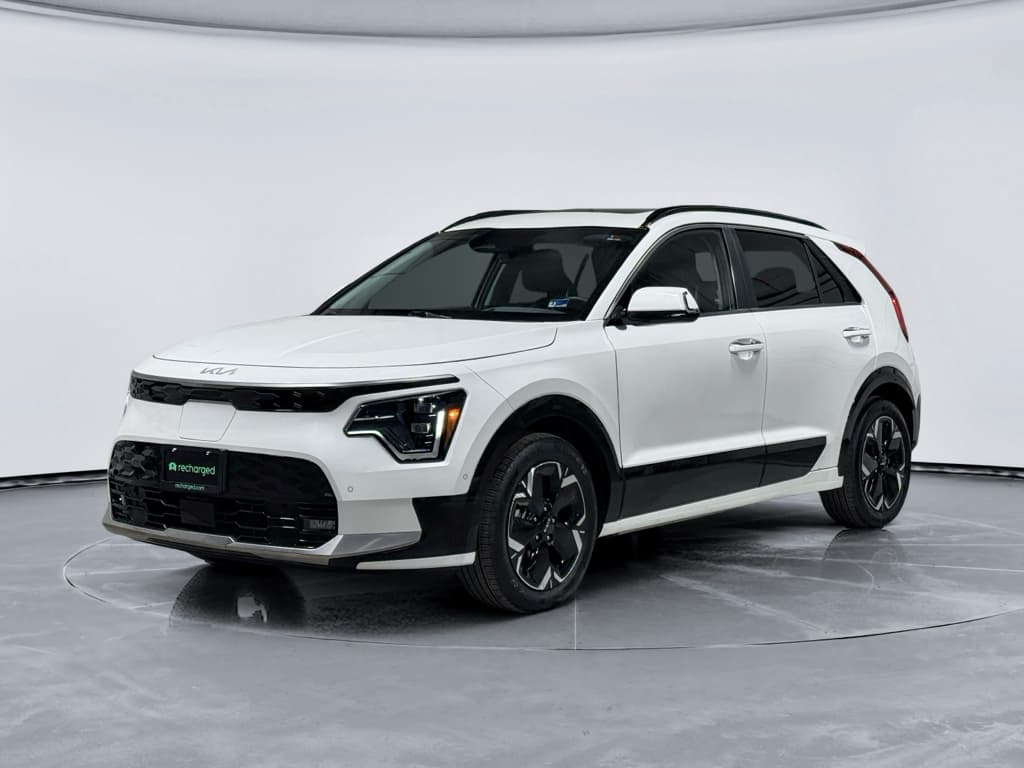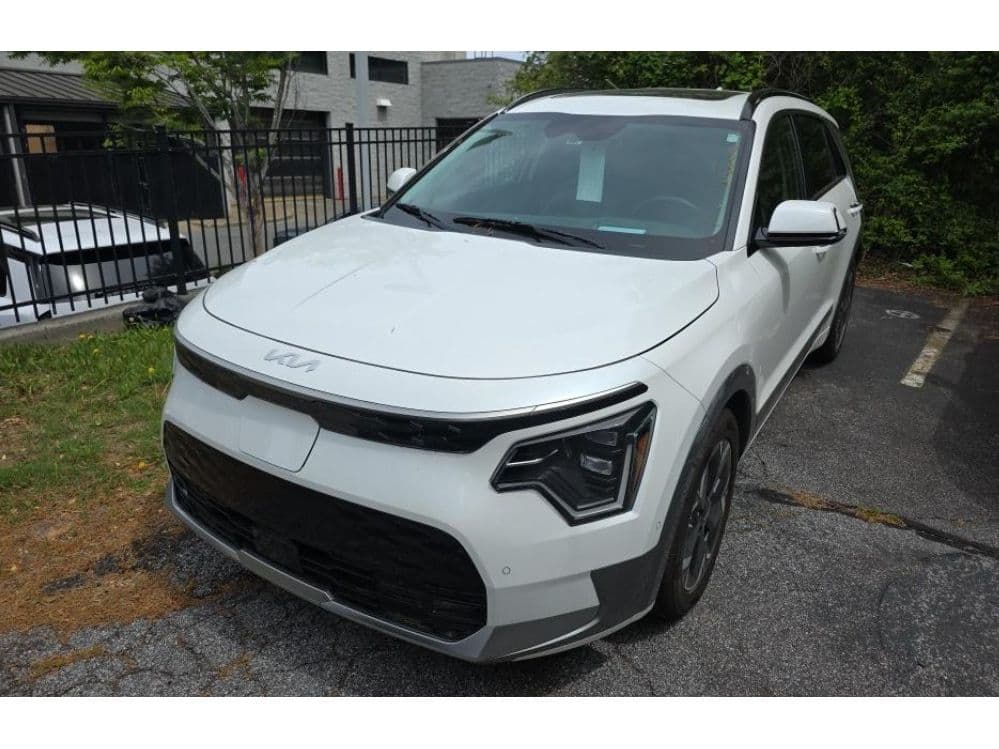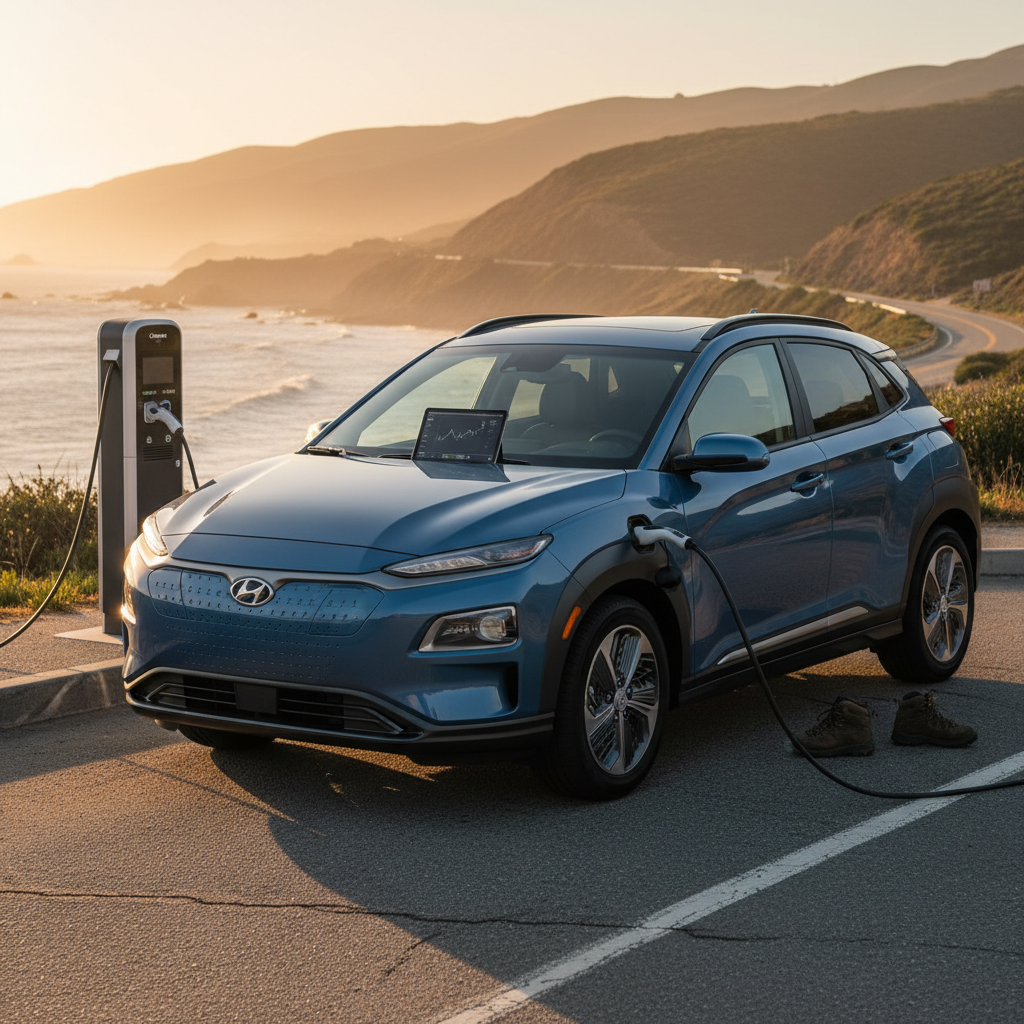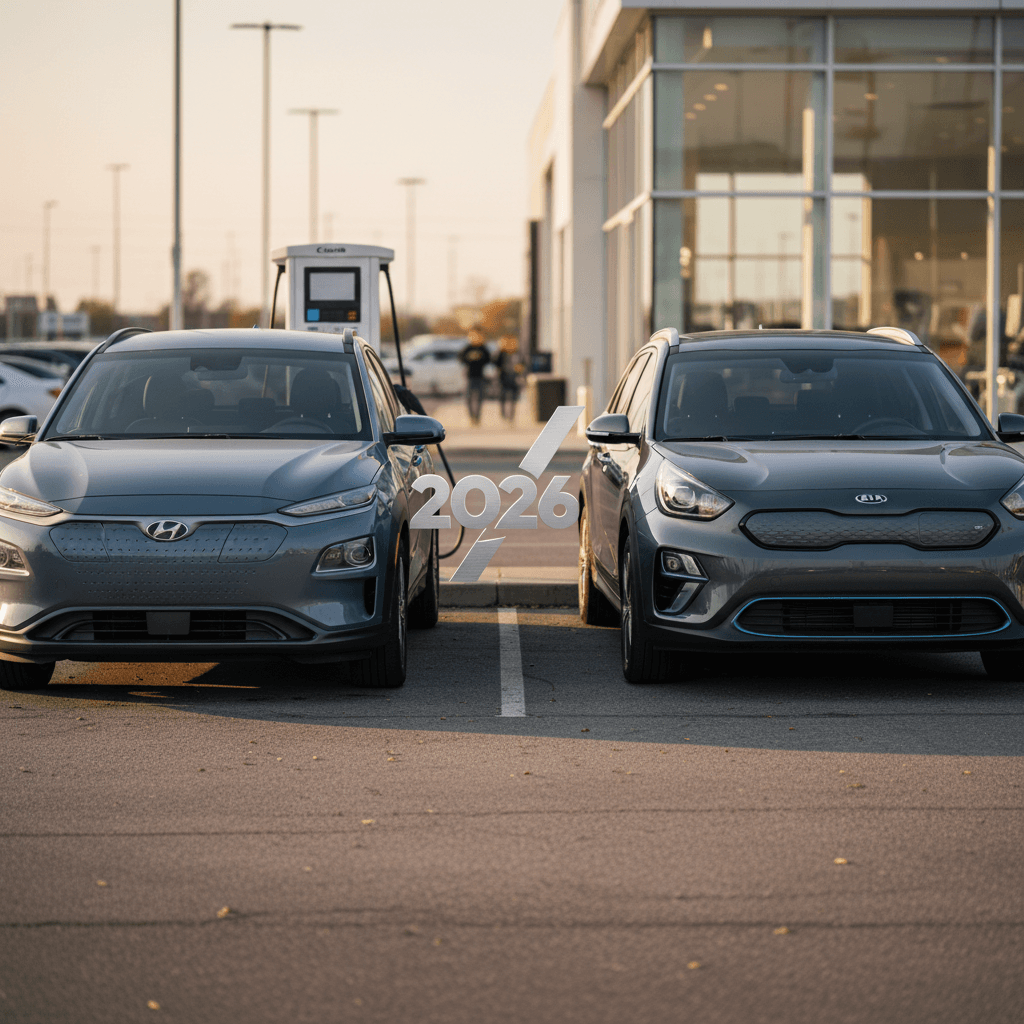
If you’re shopping the used EV market in 2026, a Hyundai Kona Electric or Kia Niro EV is probably on your shortlist. They share a parent company, similar battery sizes, and practical crossover bodies, but they don’t feel identical on the road or in your driveway. This 2026 comparison focuses specifically on buying them used, so you understand real‑world range, charging, comfort, reliability, and what to look for before you sign anything.
Same DNA, different personalities
Overview: Kona Electric vs Niro EV as used buys in 2026
Why shoppers love the Kona Electric
- Excellent efficiency for its size, often near the top of real‑world tests.
- Compact footprint that’s easy to park and maneuver in cities.
- Typically priced a bit lower than an equivalent Niro EV on the used market.
- Fun, tossable feel that suits solo drivers or couples.
Why shoppers pick the Niro EV
- More usable rear seat and cargo space, especially for families.
- Smoother, more relaxed ride with a traditional crossover profile.
- Interior layout that often feels more mature and practical.
- Similar range to Kona with a slightly larger battery in many trims.
In other words, you’re not choosing between “good” and “bad” here. You’re choosing between efficient and compact (Kona) versus roomier and more family‑friendly (Niro), but the details of model year, trim, and how a particular used car was treated matter just as much. That’s where tools like Recharged’s Recharged Score battery health report become critical when you’re shopping online.
Key specs: Used Hyundai Kona Electric vs Kia Niro EV
Used Kona Electric vs Niro EV: headline specs (typical U.S. trims)
These are representative specs for common 64–65 kWh‑class versions you’ll see on the U.S. used market from roughly 2019–2024. Always confirm exact details for the VIN you’re considering.
| Spec | Hyundai Kona Electric (64 kWh-class) | Kia Niro EV (64.8 kWh-class) |
|---|---|---|
| Battery capacity (usable approx.) | ~64 kWh | ~64.8 kWh |
| EPA range (most common trims) | Around 258 miles | Around 239–253 miles |
| Peak DC fast‑charge power | Just over 100 kW (short peak) | Up to ~85 kW |
| Onboard AC charger | 7.2 kW (earlier U.S. models) | 7.2–11 kW depending on year/market |
| Horsepower | 201 hp (later U.S.), some early markets 134 hp | 201 hp |
| 0–60 mph (approx.) | Mid‑6 to 7 seconds | Low‑ to mid‑7 seconds |
| Drive type | Front‑wheel drive | Front‑wheel drive |
| Cargo behind 2nd row | On the tight side for a crossover | Noticeably more than Kona |
| Length | Compact, easier to park | Longer, more conventional crossover proportions |
Specs can vary by model year, trim, and market. Treat this as a starting point, not gospel.
Always check the exact trim
Range and efficiency: How far will they really go?
Real‑world range expectations (typical 64–65 kWh versions)
In independent testing and owner reports, the Kona Electric usually edges out the Niro EV on efficiency. The Kona’s smaller frontal area and more hatchback‑like shape help it squeeze a few extra miles from each kWh, especially at highway speeds. For a commuter or rideshare driver piling on miles, that efficiency gap shows up as fewer charging stops, and slightly lower electricity bills.
The Niro EV isn’t inefficient; it’s still solidly in the efficient tier of EVs. But if your driving is high‑mileage highway commuting, the Kona’s advantage is worth paying attention to. If you’re mostly doing short‑hop suburban errands, the difference shrinks and you may value the Niro’s extra cargo capacity more than a few percent of efficiency.
How to sanity‑check range on a test drive
Charging speeds and road-trip ability
Neither the used Kona Electric nor the Niro EV is a DC‑fast‑charging superstar in 2026 terms. They’re based on older 400‑volt architecture, so they can’t match the ultra‑fast charging of newer 800‑volt Hyundai/Kia models. But there are important differences between the two.
Home and fast charging: where Kona and Niro differ
Both are happiest when you have Level 2 at home.
Home Level 2 charging
On a typical 32–40A Level 2 charger, both cars can comfortably add a full battery overnight.
- Kona: ~7.2 kW onboard AC on earlier models.
- Niro: 7.2–11 kW depending on year/market.
DC fast‑charging reality
Kona Electric can briefly peak just above 100 kW, while the Niro EV tops out around the mid‑80 kW range.
More important is the charging curve: both taper fairly early, so expect 10–80% in roughly 40–50 minutes in ideal conditions.
Road‑trip use case
For occasional road trips, both are fine if you’re patient and plan charging stops.
If you routinely do long highway drives, you may want to look at newer E‑GMP‑based cars (like Ioniq 5/6 or EV6), or plan to lean on home charging and use fast charging sparingly.
Don’t buy either expecting Tesla‑like road‑trip speeds
From a purely charging‑speed perspective, the Kona has a slight edge on paper, but in practice the gap is small enough that network quality and station availability matter more. In most U.S. regions, if you’re charging mainly at home and using DC fast chargers only on occasional trips, either car will serve you well.
Space, comfort, and features for daily use
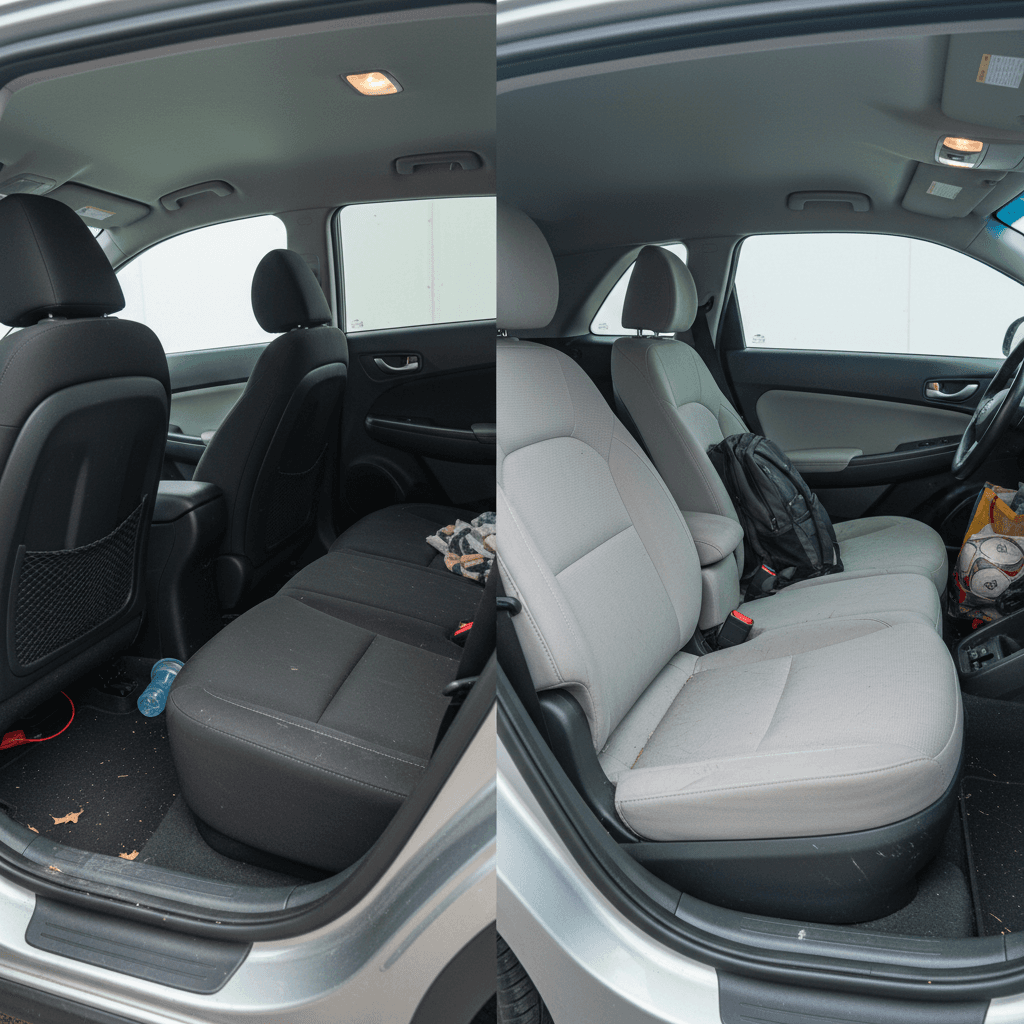
Kona Electric: tall hatchback vibes
- Rear seat space: Adequate for adults on shorter trips, but taller passengers may find knee and headroom tight.
- Cargo area: Fine for grocery runs and carry‑ons, but families will notice the limited depth with the seats up.
- Ride comfort: Slightly firmer, especially on larger wheels; good body control but can feel busy on rough pavement.
- Cabin feel: Sportier, more youthful design language, particularly in higher trims.
Niro EV: the practical family hauler
- Rear seat space: More legroom and easier access, better for kids’ seats and adults alike.
- Cargo area: Noticeably more usable volume and a squarer opening for strollers, pets, and luggage.
- Ride comfort: Generally softer and more compliant, tuned for comfort over sport.
- Cabin feel: More conservative but highly functional, with lots of storage cubbies.
Family tip
Feature content depends heavily on trim. Both models offer modern driver‑assist suites (lane keeping, adaptive cruise, automatic emergency braking), heated seats, and large infotainment screens on higher trims. On the used market, it’s common to see well‑equipped upper‑trim Konas and Niros at similar price points, so don’t assume one brand is always more basic than the other. Compare individual listings feature‑for‑feature.
Driving experience and performance feel
How they feel from behind the wheel
Same power on paper doesn’t mean the same personality.
Acceleration
Most U.S.‑market Kona Electric and Niro EV models share a similar 201 hp front‑motor setup.
The Kona feels a touch quicker to many drivers, thanks to its smaller size and slightly lighter weight.
Handling
Kona Electric:
- More eager turn‑in.
- Shorter wheelbase gives it a nimble feel.
Niro EV:
- More stable and relaxed.
- Less interested in being hustled, more about comfort.
Noise and refinement
Both are reasonably quiet at city speeds.
At highway pace, road and wind noise can be more noticeable in the Kona, while the Niro’s extra mass and tuning make it feel slightly more settled.
If you enjoy a slightly playful, hatchback‑like feel, the Kona will probably speak your language. If you want something that just settles into a cruise and fades into the background, the Niro EV is a better fit. Either way, instant EV torque makes both feel much more responsive than the average gas subcompact crossover.
Reliability, battery health, and warranty coverage
The good news on battery health
However, reliability stories aren’t identical. Consumer surveys and some owner forums have flagged the Kona Electric for quirkier reliability than average, things like infotainment glitches, charging‑port issues, and, in some markets, early campaigns around the high‑voltage battery pack. The Niro EV’s record has been somewhat calmer, though no used EV is completely risk‑free.
The strongest protection both models share is the long high‑voltage battery and electric‑drive warranty that Hyundai and Kia offer, often 8 years or 100k–160k miles depending on region and original sale. In 2026, that means even a 2019 example can still have some battery warranty coverage left, and newer cars will have more.
How to evaluate battery health on a used Kona or Niro
1. Check remaining factory battery warranty
Confirm in the documentation (or with a dealer) the <strong>in‑service date</strong> and exact battery warranty terms for that VIN. Warranty can add real peace of mind.
2. Get a quantified battery health report
Look for listings that include a <strong>professional battery diagnostic</strong>. On Recharged, every vehicle comes with a Recharged Score report that summarizes state of health, usable capacity, and any warning flags.
3. Compare indicated range to original EPA rating
A healthy used car will still show a projected range reasonably close to its original figure at 100%, after factoring in your climate, wheel size, and driving style.
4. Inspect charge history if available
Frequent DC fast charging isn’t automatically bad, but a history of <strong>constant high‑power, high‑SOC charging in hot climates</strong> can accelerate wear.
5. Look for software and recall documentation
Make sure any battery‑related recalls or software updates have been performed. Ask for service records or check with a franchised dealer.
Ownership costs and used pricing in 2026
Typical U.S. used pricing snapshot (early 2025–early 2026)
Market data into 2026 show the Kona Electric usually listing and transacting for a bit less than a comparably equipped Niro EV of the same age and mileage. Part of that is simple supply: the Kona was pushed aggressively into fleets in some markets, and its tighter packaging makes it less of a default choice for families. The Niro EV’s extra space and family‑friendly image support slightly higher used values.
Running costs between the two are extremely similar. Same parent company, similar components, and similar efficiency mean your electricity and routine‑maintenance costs won’t differ meaningfully. The bigger variables are local electricity rates, your driving patterns, and the specific car’s condition, which is exactly why buying from a marketplace that verifies battery health and pricing fairness, like Recharged, can simplify the decision.
How to compare deals apples‑to‑apples
Which used EV is better for you?
Kona Electric vs Niro EV: quick recommendations
Both are solid; your lifestyle decides the winner.
Choose a used Kona Electric if…
- You mostly drive solo or with one passenger.
- You value efficiency and nimble size over maximum space.
- You want an EV that’s easy to park in dense urban areas.
- You’re price‑sensitive and want strong value per dollar on the used market.
- You’re tech‑comfortable and don’t mind a slightly firmer ride.
Choose a used Niro EV if…
- You regularly carry family, friends, or pets.
- You need more rear‑seat room and cargo volume.
- You prefer a softer, more relaxed ride and traditional crossover feel.
- You’re willing to pay a bit more for extra practicality.
- You want one EV to do everything from school runs to road trips.
If you strip away badges and styling, the Kona Electric and Niro EV are two takes on the same formula. The Kona is the efficient, compact, value‑oriented choice; the Niro is the spacious, family‑ready all‑rounder. For many shoppers on Recharged, the final decision comes down to how often they use the back seats and cargo area, and whether the individual car in front of them has strong battery health and clean history.
How Recharged can simplify the choice
Ready to find your next EV?
Browse VehiclesUsed Kona vs Niro EV buying checklist
10 steps to comparing a used Kona Electric and Niro EV
1. Confirm your real space needs
Measure your garage, think about parking, and be honest about how often you need child seats, strollers, or big cargo. This alone may nudge you toward Kona (tight urban life) or Niro (family duty).
2. Compare battery health, not just mileage
A lower‑mileage car with a poorly treated pack can be a worse buy than a higher‑mileage car with excellent battery health. Use tools like the Recharged Score to compare <strong>state of health</strong> directly.
3. Check remaining factory warranty
Note in‑service date, mileage, and the OEM’s battery and powertrain coverage. Extra years of warranty on one car can justify a slightly higher price.
4. Look at tire wear and alignment
Uneven wear can hint at alignment or suspension issues. That’s especially important on heavier EVs where chassis problems can eat tires quickly.
5. Test both at highway speed
Get them to 65–75 mph on your test drive. Listen for wind/road noise, feel how stable they are, and see which you’d rather take on a long trip.
6. Try your daily routine
Simulate daycare runs, Costco trips, and your commute. Fold seats, load a stroller or bike if that’s your reality. It exposes packaging differences quickly.
7. Confirm charging hardware and cables
Make sure the portable charging cable is included, check that the charge port door opens smoothly, and test a Level 2 session if possible.
8. Review software and feature set
Confirm that key features you care about, adaptive cruise, heated seats, CarPlay/Android Auto, are present and working. Trim names can be misleading across years.
9. Check for accident and flood history
Pull a vehicle history report and ask about any structural repairs or flood exposure. EVs and flood damage are a particularly bad combo.
10. Compare total cost, not just sticker price
Factor in taxes, fees, financing terms, potential home charging install, and insurance. A slightly higher purchase price can still be cheaper to own if the car is newer, healthier, and better equipped.
FAQ: Used Hyundai Kona Electric vs Kia Niro EV
Frequently asked questions about used Kona Electric and Niro EV
If you’re choosing between a used Hyundai Kona Electric and a used Kia Niro EV in 2026, you’re already in a smart part of the market: efficient, reasonably affordable EV crossovers with real‑world range that covers most daily needs. The Kona is the right choice if you prioritize efficiency, compact size, and price; the Niro EV shines if you need space, comfort, and one‑car‑for‑everything practicality. The real differentiator is the individual car, its battery health, history, and price. That’s where Recharged’s battery diagnostics, pricing transparency, and EV‑specialist support can turn a complicated comparison into a confident decision.