If you’re looking at a 2024 Hyundai Kona Electric, you’ve probably seen the big number on the window sticker: up to 261 miles of EPA-rated range. But what does that actually look like in the real world, on the highway at 75 mph, in winter, or years down the line if you buy one used? This 2024 Hyundai Kona Electric range test guide breaks down official ratings, independent tests, and practical ownership experience so you know what to expect before you commit.
Why the 2024 Kona Electric matters for range
Overview: 2024 Kona Electric range at a glance
2024 Hyundai Kona Electric key range numbers
Hyundai sells the 2024 Kona Electric with two battery sizes. The smaller pack keeps price down but limits range, while the Long Range version stretches a charge significantly farther and is the one most buyers (and used shoppers) should focus on if they care about road-trip flexibility.
Battery options & official EPA range for 2024
2024 Hyundai Kona Electric batteries & EPA ratings
Battery sizes, trims, and official EPA range estimates for the 2024 model year.
| Trim / battery | Battery size (usable) | Power | EPA range (combined) | EPA city / highway |
|---|---|---|---|---|
| SE (Standard Range) | ~48.6 kWh pack | ~133 hp FWD | ~200 miles | Not yet widely published; expect higher city vs highway |
| SEL (Long Range) | 64.8 kWh pack | 201 hp FWD | 261 miles | 129 MPGe city / 103 MPGe hwy |
| Limited (Long Range) | 64.8 kWh pack | 201 hp FWD | 261 miles | 129 MPGe city / 103 MPGe hwy |
Official range numbers are starting points, real-world results will vary with speed, temperature, and driving style.
Don’t over-index on the 261-mile number
The 64.8 kWh Long Range pack is the star here. With a 261-mile EPA rating and strong efficiency, it punches above its weight versus many larger, heavier EVs. The smaller 48.6 kWh pack still works well for short commutes and urban use, but if you’re planning regular weekend trips or want extra buffer for winter, the Long Range is the smarter play.
How far can the 2024 Kona Electric really go?
Real-world testing and early owner feedback suggest the 2024 Kona Electric is one of those rare EVs that can match or even beat its EPA label in gentle driving. Reviewers have seen around 4.3 mi/kWh in mixed conditions in newer Kona Electric models, better efficiency than many larger crossovers. On the 64.8 kWh pack, that pencils out to an idealized ~278 miles if you use almost the whole battery. In practice, you’ll want to think in terms of comfortable, repeatable ranges rather than theoretical maximums.
- Urban / suburban mix at moderate speeds (Long Range): 230–270 miles per full charge in mild weather if you aren’t constantly flooring it.
- Highway-heavy driving at 70–75 mph (Long Range): more like 180–220 miles depending on temperature and wind.
- Standard Range battery in city use: think 150–190 miles on a typical day, with more sensitivity to cold weather and AC or heat use.
Think in 10–90%, not 0–100%
City vs highway range tests
City & suburban driving
The Kona Electric’s compact footprint and efficient motor shine in lower-speed use. Stop‑and‑go traffic lets the strong regenerative braking recapture energy that would be wasted as heat in a gas car. With regen set aggressively and speeds mostly under 50 mph, many drivers will see the range estimate climb as the car learns their efficient habits.
- Expect 4.0–4.5 mi/kWh in mild weather if you’re smooth and use Eco mode.
- That equals roughly 230–270 miles on the Long Range pack from full to empty.
- Short, frequent trips in winter can still hurt range, battery and cabin need repeated warm‑ups.
Highway & road-trip driving
At 70–75 mph, aerodynamic drag dominates. The Kona Electric is efficient, but physics still win. Real‑world testing typically shows:
- 3.0–3.6 mi/kWh at U.S. highway speeds depending on temperature and wind.
- Comfortable legs of 160–200 miles between DC fast charges on the Long Range pack.
- A noticeable drop in winter, think 25–35% penalty at freeway speeds in freezing temperatures with heat on.
For trip planning, assume the highway number is your floor, then treat anything better as upside.
How weather and driving style change your range
Four big factors that move your range up or down
Every EV is sensitive to conditions, the Kona Electric just makes the most of them.
Cold weather
Below ~40°F, the battery is less efficient and cabin heating is energy‑hungry. Expect:
• 15–25% loss in mixed driving
• 25–35% loss at steady freeway speeds
Extreme heat
Less dramatic than cold, but running the AC hard still costs range. Figure on a 5–10% hit in very hot conditions, especially on the highway.
Speed
Going from 65 to 80 mph can feel minor, but aero drag rises quickly. That can shave 15–20% off your effective range versus sticking near the right lane.
Load & accessories
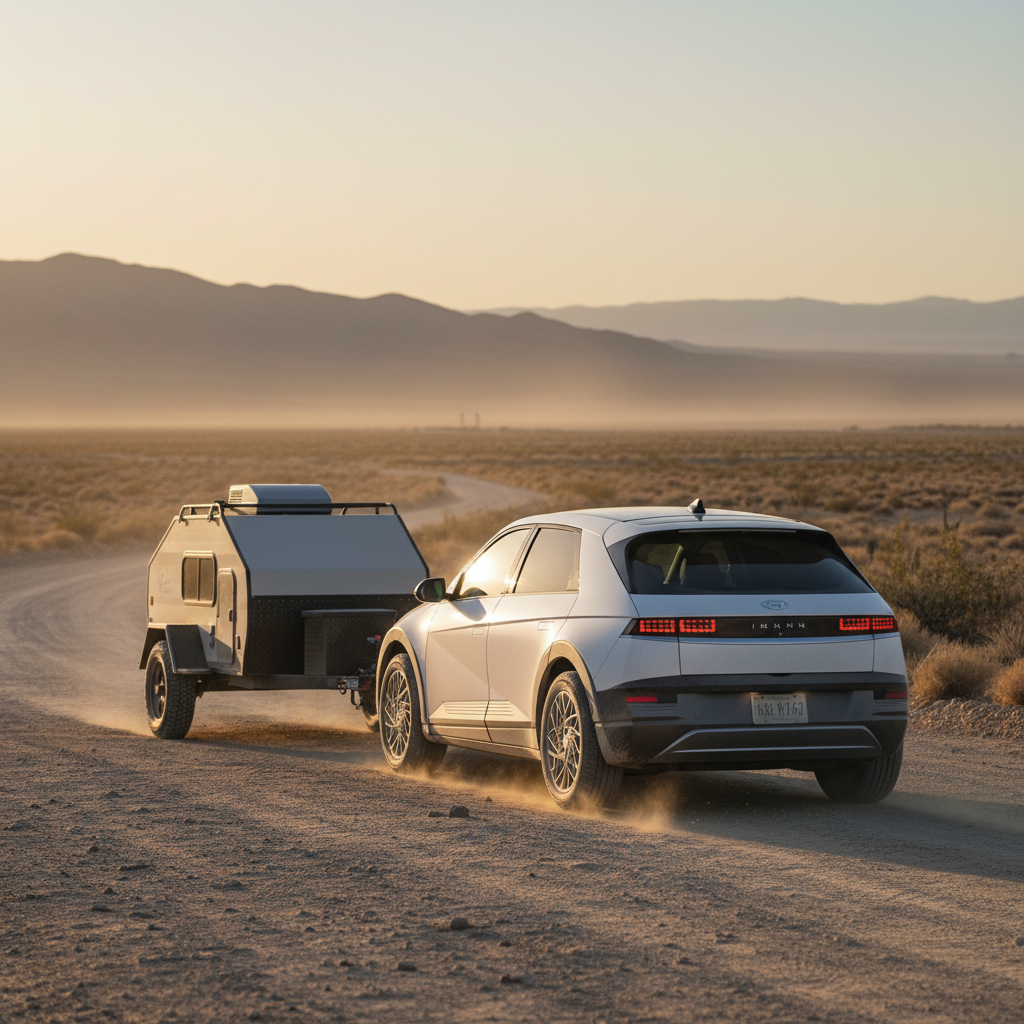
Roof racks, cargo boxes, and big bikes hurt aerodynamics. Add winter tires, and you’ll see another 5–15% drag on efficiency compared to a clean, lightly loaded car.
Beware short winter trips
Charging speeds, road trips, and planning stops
Range numbers only matter if you can reliably add miles back. The 2024 Kona Electric uses a ~100 kW DC fast‑charging architecture with a claimed 10–80% in about 43 minutes on a suitably powerful charger. In the real world, that typically shows up as ~45–50 minutes in good conditions, a bit longer in cold weather, and faster top‑ups if you stop more often between 20–70% instead of running up to 80–90% every time.
Typical Kona Electric Long Range road-trip scenarios
Approximate highway legs and stop times for common U.S. interstate driving patterns.
| Scenario | Starting & ending SOC | Highway speed | Comfortable distance | Typical DC fast charge time |
|---|---|---|---|---|
| Conservative legs | 20% → 70% | 65–70 mph | 130–150 miles | 25–30 minutes |
| Moderate legs | 15% → 80% | 70–75 mph | 150–180 miles | 35–45 minutes |
| Max stretch | 10% → 90% | 70–75 mph | 180–200 miles | 45–55 minutes |
Assumes mild temperatures, relatively flat terrain, and access to a working DC fast charger near the interstate.
Use range, not SOC, to pick your stops
2024 Kona Electric range vs key competitors
Compact electric crossovers are the heart of the market right now. The Kona Electric’s job is to balance price, efficiency, and usable range against rivals like the Chevy Equinox EV, Kia Niro EV, and Volkswagen ID.4. On efficiency alone, the Kona Electric is a standout, recent testing of newer model years has placed it at the top of the efficiency charts among more than 40 EVs driven in similar conditions, with ~4.3 mi/kWh beating many larger crossovers and even some smaller hatchbacks.
Range & efficiency snapshot vs popular rivals (2024 MY)
Approximate EPA combined range and typical observed efficiency for comparable trims.
| Model | Battery (approx) | EPA range (mi) | Typical efficiency (mi/kWh) | Notable trait |
|---|---|---|---|---|
| Hyundai Kona Electric Long Range | ~64.8 kWh | 261 | ~4.0–4.3 | Standout efficiency, compact size |
| Kia Niro EV | ~64.8 kWh | 253 | ~3.4–3.8 | More space, slightly less efficient |
| VW ID.4 RWD Standard Pack | ~62 kWh usable | 206–291 (trim‑dependent) | ~3.0–3.5 | Roomier, heavier |
| Chevy Equinox EV FWD | ~85 kWh class | ~300 (select trims) | ~3.2–3.6 | More range, bigger & pricier |
These are ballpark figures; actual results vary by wheel size, drivetrain, and test protocol.
Where the Kona Electric wins
Buying a used 2024 Kona Electric: what range to expect
Because the redesign landed for the 2024 model year, these Konas are still relatively young on the used market. That’s good news for range: even with normal degradation, you should still see most of the original capacity if the car has been reasonably cared for and charged.
Range questions to ask about a used 2024 Kona Electric
1. Which battery does it have?
Confirm whether you’re looking at the <strong>Standard Range 48.6 kWh</strong> pack or the <strong>Long Range 64.8 kWh</strong> pack. Window sticker photos, VIN‑decoded build sheets, or model designations in listings can help. Long Range trims (SEL, Limited) are better bets for flexible use.
2. Current displayed range at 100%
Ask the seller for a photo of the <strong>guess‑o‑meter</strong> at 100% after typical daily driving. A Long Range car that only shows 210 miles at 100% might not be unhealthy, it may just have a history of high‑speed or winter driving, but it’s a useful data point.
3. DC fast-charging history
Frequent fast charging isn’t automatically bad, but a car that’s lived on DC fast chargers from day one has seen more stress. Look for mixed use: mostly Level 2 at home/work with occasional DC fast charging on trips.
4. Software & service records
Up‑to‑date software can improve charging behavior and range estimation. Service history also tells you whether any battery‑related warranty work has been done, and how it was resolved.
5. Independent battery health check
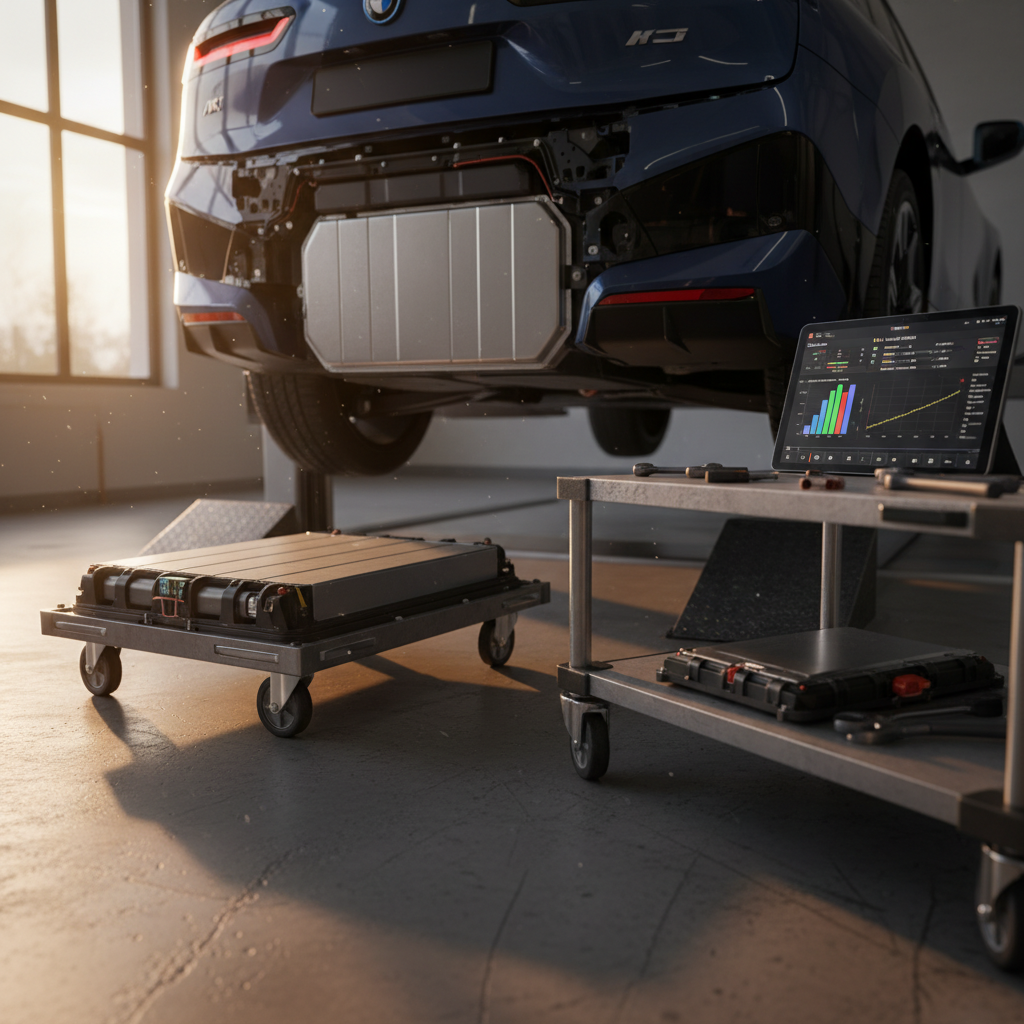
When you shop through <strong>Recharged</strong>, every vehicle includes a <strong>Recharged Score Report</strong> with verified battery diagnostics. That gives you a quantified view of remaining capacity instead of guessing from trip meters and range estimates.
How Recharged helps de‑risk used EV range
How to maximize your Kona Electric range
Simple changes that add meaningful miles
You don’t have to hypermile, just be intentional.
Dial in your drive mode
Use Eco for everyday commuting and reserve Sport for short bursts. Eco softens throttle response and optimizes HVAC to stretch each kWh.
Let regen do the work
Experiment with the paddle‑selectable regenerative braking. In traffic or on rolling terrain, stronger regen helps capture energy instead of burning your friction brakes.
Plan around terrain & speed
High speeds and steep climbs are range killers. When you can, take slightly slower routes, especially in winter, you’ll often arrive nearly as fast, with more range left.
Everyday habits that protect range (and your battery)
Don’t park at 100% all the time
It’s fine to charge to 100% before a trip, but for daily use try to live between <strong>20–80%</strong>. That’s better for long‑term battery health and gives you more consistent range expectations.
Precondition while plugged in
If your Kona Electric supports it, pre‑heat or pre‑cool the cabin while the car is still connected to Level 2. You’ll use grid power instead of battery energy and start each drive with a warm or cool interior.
Check tire pressures monthly
Under‑inflated tires increase rolling resistance and sap efficiency. A few PSI low may not feel different from the driver’s seat, but it costs you range on every single mile.
Travel lighter & skip the roof box
Extra weight and drag are silent range killers. If you don’t need that cargo box or bike rack, take it off, you’ll gain free miles every time you hit the highway.
Avoid the two classic EV range mistakes
FAQ: 2024 Hyundai Kona Electric range
Frequently asked questions about 2024 Kona Electric range
Bottom line: should you worry about Kona Electric range?
If you strip away the marketing numbers and look at real‑world tests, the 2024 Hyundai Kona Electric is fundamentally an efficient small SUV with honest range. The Long Range 64.8 kWh pack delivers truly useful distance for road trips while staying compact and maneuverable in the city. The Standard Range pack slots neatly into shorter‑range, budget‑minded use cases. Yes, like every EV, it loses range in winter, at high speeds, and with roof boxes or bikes, but it also rewards thoughtful driving with better‑than‑EPA results more often than not.
If you’re shopping new or used and want to make sure the range you’re promised is the range you’ll actually get, pairing a Kona Electric with transparent battery health data is the way to go. That’s exactly what you get on Recharged: a curated selection of used EVs, each backed by a Recharged Score battery report, fair market pricing, financing options, and EV‑specialist support from the first click to your driveway. For a lot of buyers, that combination of efficiency, realistic range, and transparency is what finally makes going electric feel like the safe choice, not a gamble.