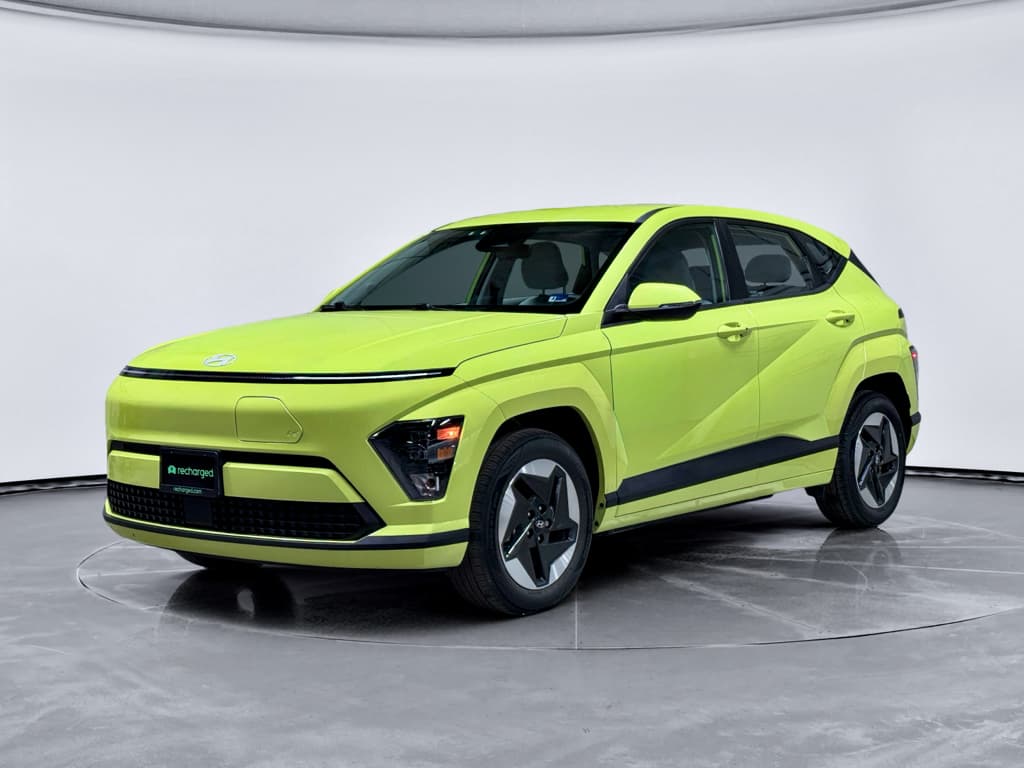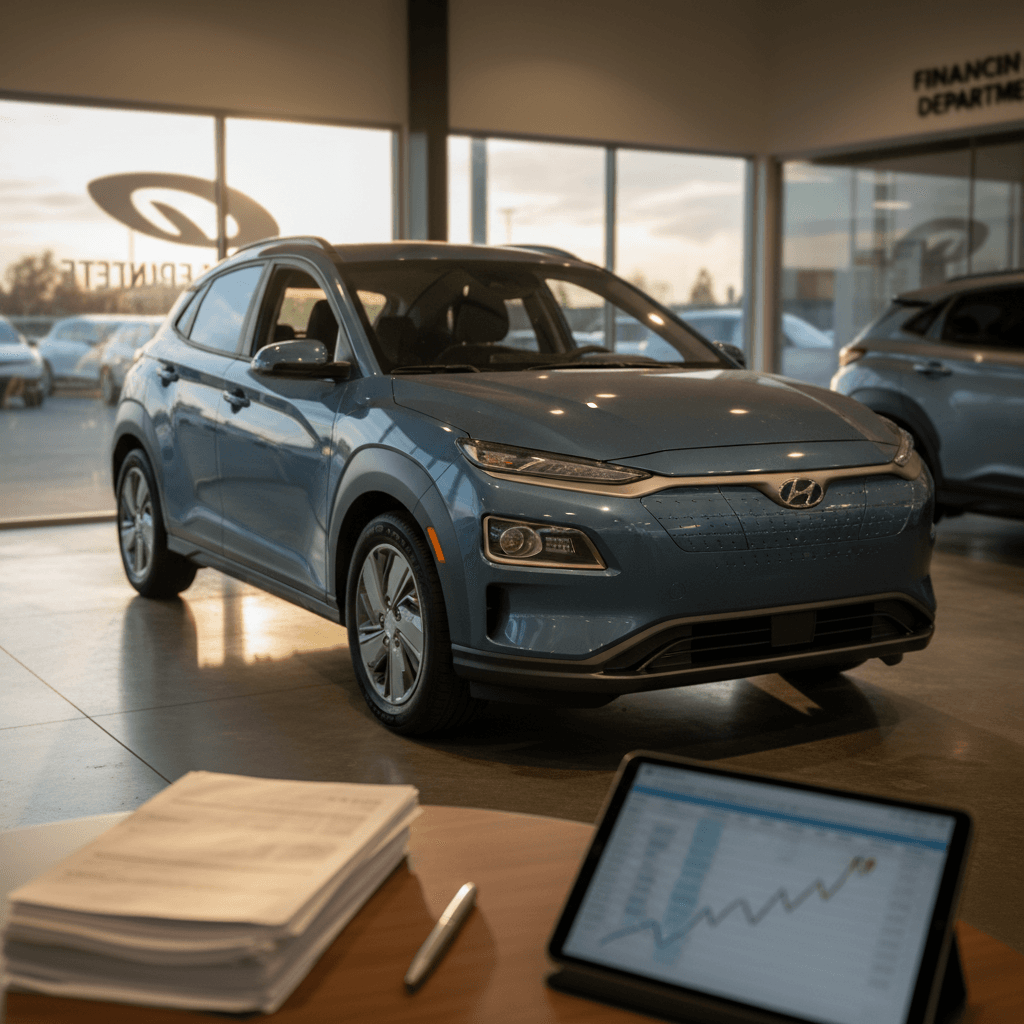
If you’re shopping for a **used Hyundai Kona Electric**, the sticker price is only half the story. The financing rate you qualify for, your APR, will decide what you really pay over the life of the loan. In 2026, used‑car interest rates are still elevated by pre‑pandemic standards, but there are very real ways to keep your **used Hyundai Kona Electric financing rates** under control.
Quick takeaway
Why Kona Electric financing deserves its own look
On paper, a used Hyundai Kona Electric is a subcompact crossover like any other. From a lender’s perspective, though, it’s an **electric vehicle with a big battery pack** instead of a gas drivetrain. That matters for three reasons: depreciation, battery health, and incentives.
What makes Kona Electric loans a bit different
Three EV‑specific factors lenders quietly price into your APR
Battery health risk
EV price volatility
Incentives & policies
Smart move
What are used Hyundai Kona Electric financing rates in 2026?
No lender posts a dedicated "used Hyundai Kona Electric financing rate" chart. Instead, they bucket the Kona Electric under standard used‑vehicle programs and then adjust based on your profile and the car. By spring 2026, national averages for **used‑car loans** on 60‑month terms generally look like this:
Typical 2026 used‑car APR ranges (all brands, 60‑month term)
A used Hyundai Kona Electric normally falls **within these bands**, not far outside them. If you’re being quoted a **used Kona Electric APR above the mid‑teens**, and your credit isn’t severely damaged, that’s a red flag that you should shop more lenders, or look at a shorter term or bigger down payment.
Rates change fast
How Kona Electric prices and mileage shape your loan
Before you can compare **used Hyundai Kona Electric financing rates**, you need a realistic price range. By 2026, many 2019–2022 Kona Electrics fall into the **budget used‑EV sweet spot**, while newer 2023–2024 models are still closer to late‑model pricing.
Typical used Kona Electric price bands in 2026
These are realistic asking‑price zones you’ll often see at dealers and online marketplaces. Actual prices vary by trim, battery size, mileage, and condition.
| Model years | Typical mileage range | Common asking‑price band | Notes |
|---|---|---|---|
| 2019–2020 Kona Electric | 35,000–70,000 mi | $15,000–$20,000 | Often the most affordable; battery health and DC‑fast‑charge history matter most. |
| 2021–2022 Kona Electric | 25,000–55,000 mi | $18,000–$23,000 | Good balance of price and remaining battery warranty. |
| 2023–2024 Kona Electric | 10,000–35,000 mi | $22,000–$28,000+ | Newer styling and tech; financing rates may be slightly better if lender caps used‑car age. |
Use these bands to sanity‑check quotes and build your loan budget.
How lenders look at age & mileage
Used Kona Electric loan examples by credit tier
To make this concrete, let’s look at **sample payments** for a typical used Hyundai Kona Electric purchase. We’ll use a $22,000 selling price, think a well‑equipped 2021–2022 model, minus $2,000 down, so **$20,000 financed** on a 60‑month loan.
Example used Hyundai Kona Electric payments by credit tier
Illustrative payments on a $20,000, 60‑month used‑EV loan. These aren’t offers, just ballpark ranges so you can compare quotes.
| Profile (credit tier) | Estimated APR | Monthly payment | Approx. total interest over life of loan |
|---|---|---|---|
| Excellent credit (≈750+) | 5.5% | ≈$382 | ≈$2,900 |
| Good credit (≈700) | 7.5% | ≈$401 | ≈$4,000 |
| Fair credit (≈640–660) | 11.5% | ≈$440 | ≈$6,400 |
| Subprime (≤620) | 15.0%+ | $476+ | $8,500+ |
Taxes, fees, and local incentives are not included; your actual APR will vary.
Why high APRs really hurt
Six ways to lower your Kona Electric APR
- Clean up your credit reports at least 30–60 days before you apply, dispute errors, pay down credit cards, and avoid new hard inquiries if you can.
- Target credit‑union and EV‑specialist lenders, not just big‑box banks. Credit unions often price used EVs as aggressively as comparable gas cars.
- Increase your down payment to 10–20% if possible. Lower loan‑to‑value (LTV) ratios reduce lender risk and can support a lower APR.
- Keep your term reasonable. Many lenders give better pricing at 48–60 months than at 72–84 months, even if long terms are available.
- Use pre‑qualification tools (including Recharged’s) to **shop rates without a hard hit** and get leverage when you negotiate at the dealership.
- Pick the right car: a Kona Electric with a clean history, verifiable battery health, and realistic pricing is easier to finance favorably than a questionable "cheap" one.
How Recharged helps on the rate side
Loan term vs. monthly payment for a Kona EV
Stretching the term is the oldest trick in the auto‑finance playbook. It **lowers your monthly payment**, but it usually raises your total interest and can leave you underwater on a depreciating asset, especially important with EVs, which have seen sharper price moves than gas cars in recent years.
Same Kona Electric, different terms
Illustrative payments for $20,000 financed at 7.5% APR, comparing three common term lengths.
| Term | Monthly payment | Total interest paid | Pros | Cons |
|---|---|---|---|---|
| 48 months | ≈$485 | ≈$3,300 | Faster payoff, less interest, quicker equity. | Higher monthly payment; may strain budget. |
| 60 months | ≈$401 | ≈$4,000 | Balanced payment/interest; sweet spot for many buyers. | More interest than 48 months; in negative equity longer. |
| 72 months | ≈$345 | ≈$4,800 | Easier monthly cash flow; helps if you have other high‑interest debt. | Highest interest cost; you could owe more than the car is worth for years. |
Longer terms lower the payment but increase total cost and slow equity build‑up.
A practical rule of thumb
Special programs and EV incentives to watch
Financing a used Hyundai Kona Electric used to come with an extra twist: the **federal used EV tax credit of up to $4,000**, which could be applied at the point of sale on qualifying vehicles. That program **ended for purchases after September 30, 2025**, but some state‑level incentives and utility rebates are still in play, and they indirectly affect what and how you finance.
Ways incentives still shape your used Kona Electric deal
Even without a federal used‑EV credit, there’s money on the table in some markets.
State EV rebates
Utility charging programs
Dealer & captive offers
Don’t assume incentives are automatic
Why battery health matters to lenders, and to you
On an EV like the Kona Electric, the **battery pack is the single most expensive component**. If it’s healthy, the car holds its value and remains easy to resell. If it’s severely degraded, resale value and lender appetite both suffer. That’s why battery diagnostics and warranty status show up in underwriting decisions more often than shoppers realize.
How lenders think about it
- Collateral value: A Kona Electric with documented, healthy battery capacity is better collateral than one with unknown or poor health.
- Default risk: If a pack fails out of warranty, owners face a huge repair bill, exactly the kind of surprise that leads to missed payments.
- Resale assumptions: Many lenders look at expected auction values five years out. Strong battery health supports higher future values.
What you should do
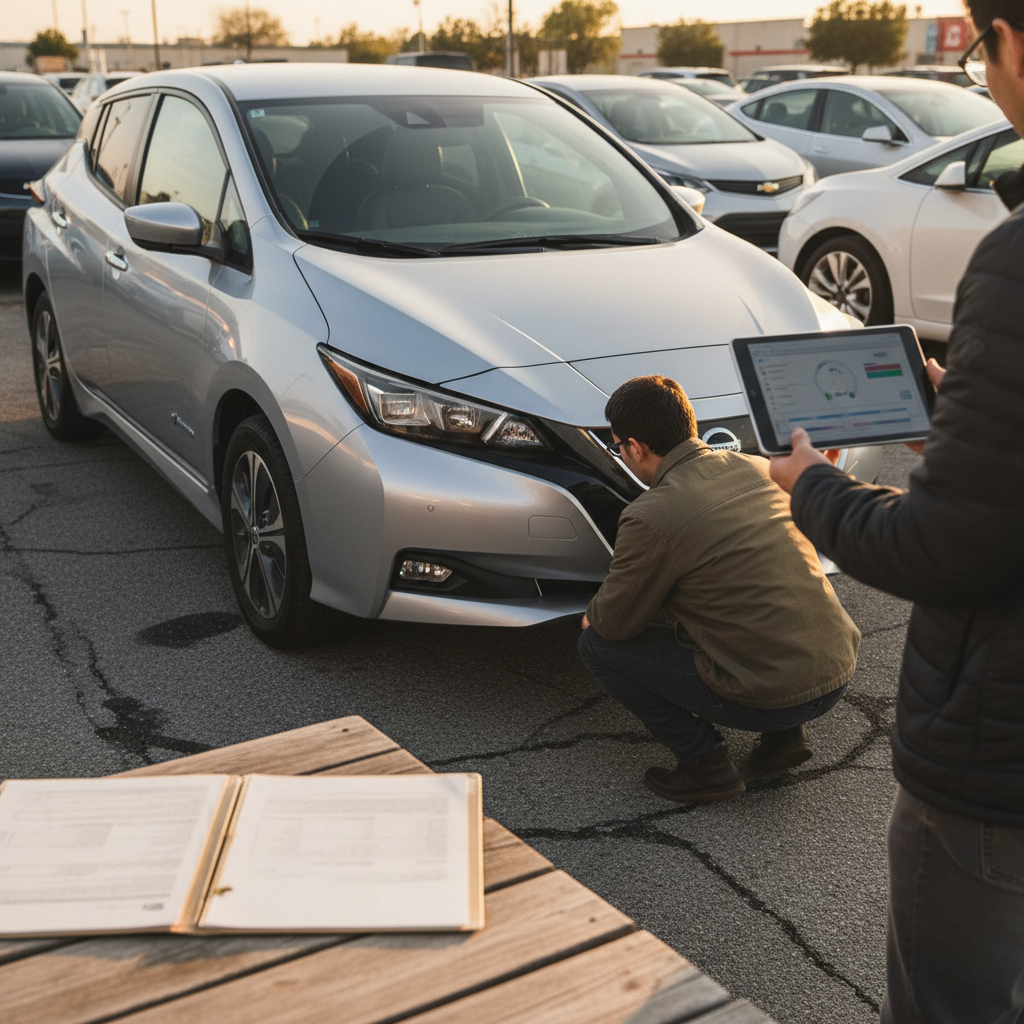
- Ask for a recent battery‑health report from the seller, not just a generic "passed inspection" note.
- Confirm remaining Hyundai high‑voltage battery warranty by model year and mileage.
- Favor marketplaces like Recharged that include independent diagnostics (via the Recharged Score) in writing.

Financing a used Kona Electric through Recharged
Recharged is built around **used EV ownership**, so the financing experience is tailored to cars like the Hyundai Kona Electric rather than gas‑car averages. The platform works with EV‑friendly lenders and wraps battery health directly into the buying process.
What financing a used Kona Electric looks like with Recharged
Less mystery, more data, and EV‑savvy support.
Recharged Score Report
Pre‑qualification online
Nationwide reach
Ready to find your next EV?
Browse VehiclesWhy this matters to your rate
Used Hyundai Kona Electric financing checklist
Before you sign on a used Kona Electric loan
1. Pull and review your credit reports
Check all three major bureaus, fix obvious errors, and get a feel for your likely rate tier before you let any dealer run applications.
2. Lock in a realistic budget
Decide your **max monthly payment** and preferred term (ideally 48–60 months). Use online calculators with conservative APR assumptions.
3. Verify the Kona Electric’s battery health
Request a current battery‑health report or buy from a marketplace like Recharged that includes independent diagnostics in the Recharged Score.
4. Confirm remaining factory warranty
Check Hyundai’s high‑voltage battery and bumper‑to‑bumper warranty status by VIN and odometer. It matters to your repair risk and lender comfort.
5. Collect multiple rate quotes
Get pre‑qualification from a credit union or online lender, plus any offers available through the seller or Recharged’s partners. Compare APR, fees, and term, not just the monthly payment.
6. Read the finance contract line‑by‑line
Watch for add‑ons rolled into the loan (GAP, service contracts, paint protection) that quietly increase your financed amount and apparent APR.
FAQ: Used Hyundai Kona Electric financing rates
Common questions about used Hyundai Kona Electric financing
Bottom line on used Kona Electric financing rates
Used Hyundai Kona Electric financing rates in 2026 don’t live on a separate planet from other used‑car loans, but the details matter. Your APR will track your **credit tier, loan term, and lender choice**, while battery health, realistic pricing, and remaining warranty quietly shape how comfortable that lender feels with your specific Kona.
If you do your homework, clean up your credit, compare offers, and insist on **transparent battery‑health documentation**, you put yourself in position to land a **fair APR and a manageable payment**. And if you prefer a streamlined, EV‑first experience, shopping for a Kona Electric through Recharged lets you bundle verified battery health, competitive financing, trade‑in options, and nationwide delivery into a single, transparent process.