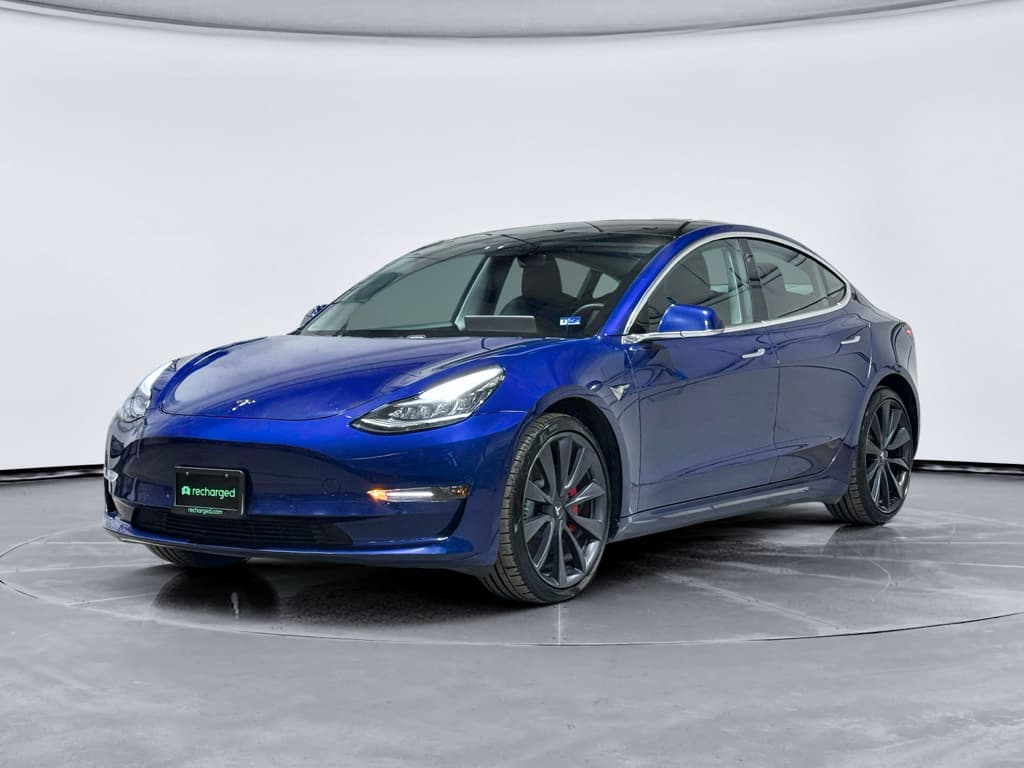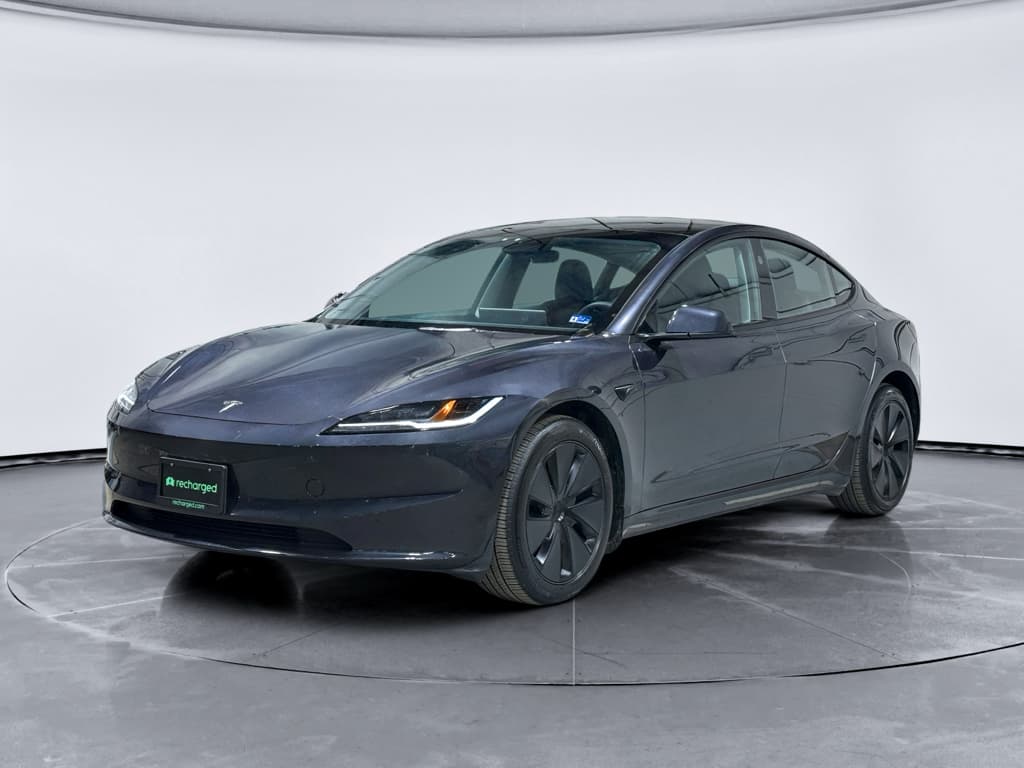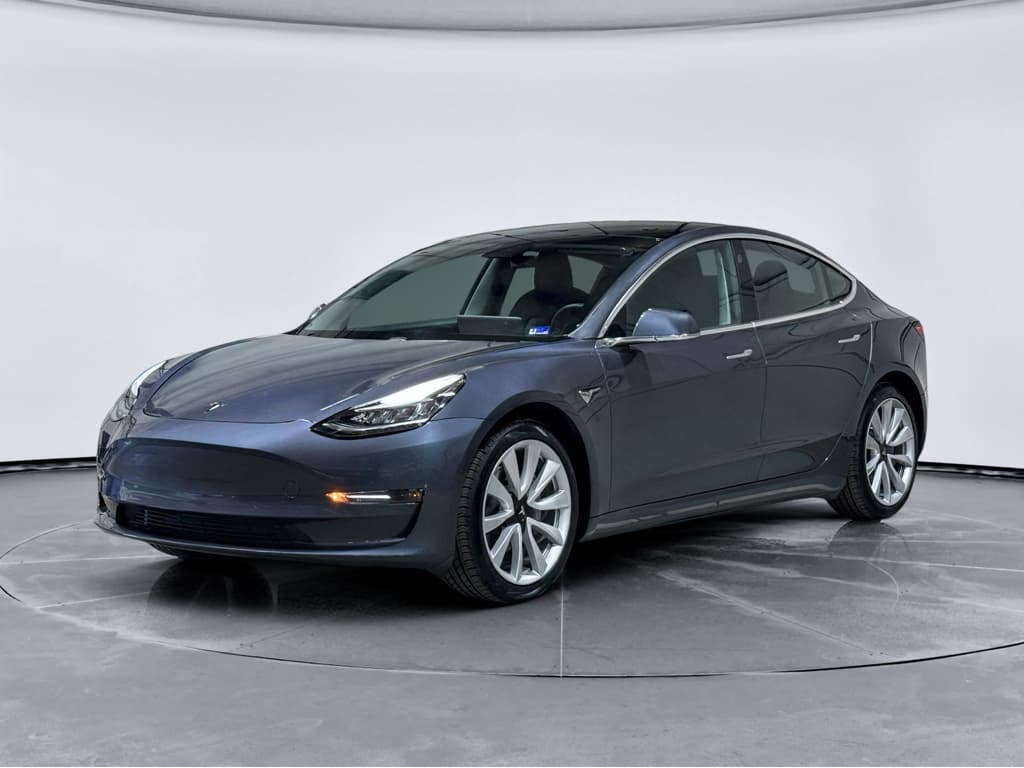
If you’re ready to sell a Tesla Model 3 in South Carolina, whether you’re in Charleston, Columbia, Greenville, or somewhere off I‑26, you’re sitting on one of the most liquid used EVs in the country. The catch? Tesla pricing moves fast, South Carolina has some uniquely weird tax rules, and EV buyers will grill you on battery health in a way gas‑car shoppers never do.
Good news for South Carolina sellers
Why selling a Tesla Model 3 in South Carolina is different
1. The tax and fee cocktail
South Carolina doesn’t charge traditional sales tax on vehicles the way many states do. Instead, buyers pay an Infrastructure Maintenance Fee (IMF), typically 5% of the sale price, capped at $500, when they title a car in‑state. On top of that, battery‑electric vehicles owe a $120 biennial EV registration fee in addition to normal registration costs.
Buyers know this, and many will mentally tack those fees onto your asking price. If you understand their all‑in cost, you can price, and negotiate, more intelligently.
2. No big state EV rebates, more focus on price
South Carolina doesn’t offer a state‑level EV purchase rebate, so your buyer is likely counting on federal used EV tax credits (if they qualify and your Model 3 is eligible) or nothing at all. That means used‑Tesla pricing in Columbia or Charleston tends to be more brutally rational than in states swimming in local incentives.
The buyer is doing math; your job is to make your car the obvious answer.
Watch the out‑of‑state trap
Step 1: Know what your Tesla Model 3 is worth in South Carolina
Used Tesla Model 3 value snapshot in South Carolina
Online pricing guides will give you a generic number, but they still lag the reality of Tesla’s mood‑swing pricing. The smarter move is to triangulate:
- Pull Tesla’s own used Model 3 listings for major South Carolina cities and nearby markets (Charlotte, Atlanta, Jacksonville) and filter by year, trim, and mileage close to yours.
- Check big used‑car platforms for Charleston, Columbia, and Greenville. See what actually appears to be selling, not just the dreamers at the top of the price range.
- Look specifically at cars with similar options: Long Range vs RWD, Performance, FSD or Enhanced Autopilot, color and wheels. Those still move the needle on resale.
- Get at least one real offer, trade‑in or instant offer, from a dealer or EV‑focused marketplace like Recharged. Treat that as your realistic floor.
Use days‑on‑market as your lie detector
Step 2: Choose how to sell – private sale, trade‑in, or Recharged
Your main options to sell a Tesla Model 3 in South Carolina
Each path trades money for convenience a little differently.
Private sale
Best for: Maximizing price
- Highest potential sale price if you do it right.
- You handle listings, test drives, and paperwork.
- More back‑and‑forth with buyers about battery health, service history, and software options.
Ideal if you’re comfortable meeting strangers and negotiating.
Traditional trade‑in
Best for: Zero‑friction swap
- Quick and painless, especially if you’re buying another vehicle immediately.
- Dealers often undervalue EVs, especially outside major metros.
- Great if you’d rather lose a bit of money than lose a weekend to Craigslist.
Watch for lowball offers justified by vague “battery concerns.”
Recharged offer or consignment
Best for: EV‑savvy pricing with less hassle
- Recharged specializes in used EVs, so a Tesla Model 3 isn’t a mystery to the appraiser.
- Get an instant offer, or let Recharged handle marketing and sale through consignment.
- Every car gets a Recharged Score Report so buyers can see verified battery health and fair market pricing.
A nice middle ground between DIY and giving away margin.
When Recharged shines
Ready to find your next EV?
Browse VehiclesStep 3: Prepare your Model 3 for sale
Pre‑sale checklist for a Tesla Model 3 in South Carolina
1. Collect your digital records
Open your Tesla app and grab screenshots of recent service visits, tire rotations, and any warranty repairs. If you’ve used independent shops for tire or suspension work, pull those invoices, too. Buyers love documentation, especially on higher‑mileage cars.
2. Pull a battery‑health snapshot
Range at 100% is a crude metric, but it’s what many buyers ask about first. If possible, have the car charged to 90–100% and note the displayed range. Better yet, let <strong>Recharged</strong> run a full battery‑health diagnostic and include the Recharged Score in your listing.
3. Clean it like you’re keeping it
Hand‑wash, clay bar if needed, and do a serious interior detail. Teslas wear dirt and sunscreen like a white T‑shirt. Pay special attention to the steering wheel, center console, and display. A $150 professional detail can easily return several times that in perceived value.
4. Fix the cheap stuff, disclose the rest
Touch up curb‑rashed wheels if it’s inexpensive, replace wiper blades, top up washer fluid, and address any obvious DIY‑level cosmetic issues. For larger things, rock chips, a cracked windshield, get a quote and present it to buyers instead of pretending it doesn’t exist.
5. Reset and declutter your digital life
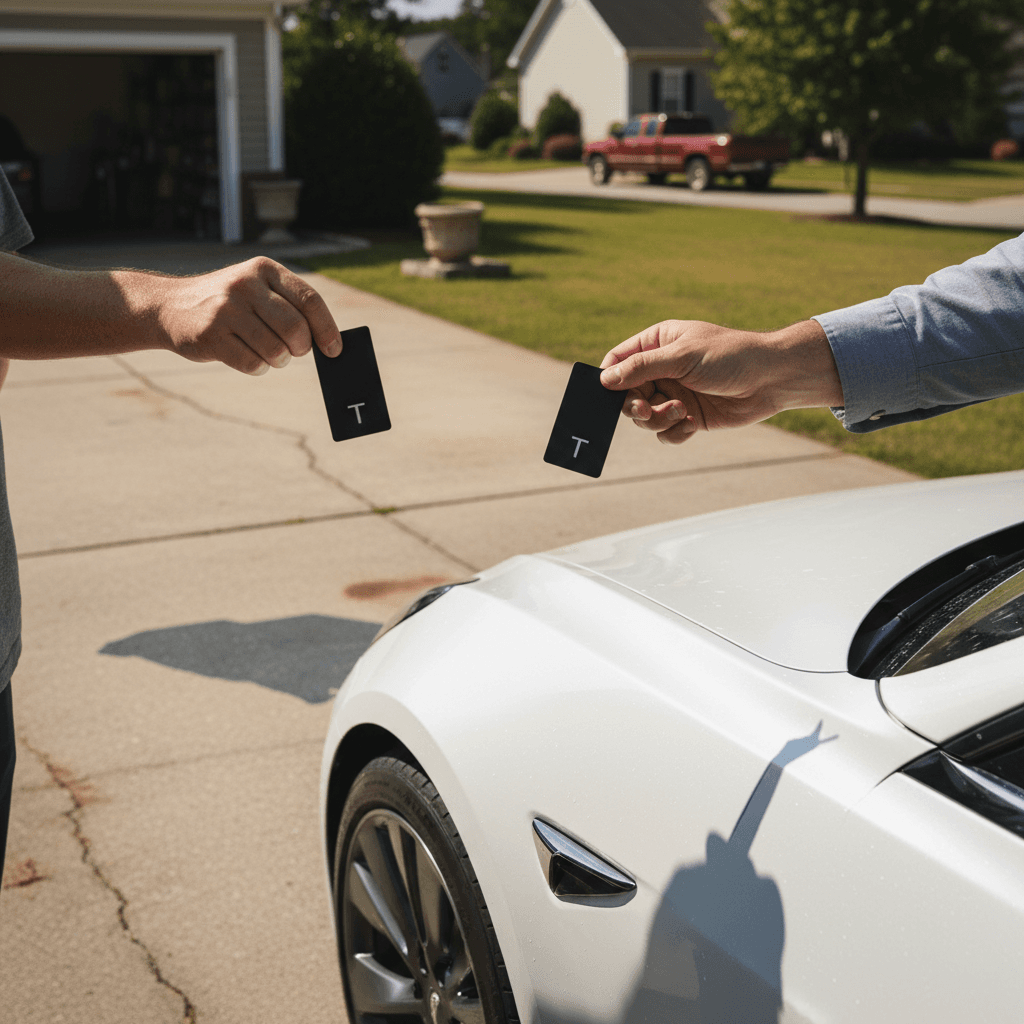
Remove home and work addresses from navigation, sign out of streaming services, and consider a factory reset only after you’ve finished all diagnostics and documentation. On delivery day, you’ll also want to <strong>remove the car from your Tesla account</strong> at the right moment.
6. Take honest, high‑contrast photos
Shoot in the early morning or late afternoon. Include: all four corners, both sides, wheels, interior front and back, touchscreen on, trunk/frunk, tires, and any flaws. In SC humidity and sun, buyers expect a few imperfections, showing them builds trust.
Include a charging‑speed photo
Step 4: Understand South Carolina paperwork and fees
South Carolina is actually pretty straightforward once you decode the acronyms. Here’s what matters when you sell a Tesla Model 3 to another individual in‑state.
Key South Carolina requirements when you sell your Model 3
These are the essentials a private seller should be ready for. Buyers will complete their own SCDMV forms, but you’ll look like a pro if you can walk them through it.
| Item | Who handles it | What it is / why it matters |
|---|---|---|
| SC title in your name | Seller | You must sign the title over to the buyer, including odometer reading and sale date. If there’s a lien, it must be satisfied and released before the buyer can get a clear SC title. |
| Bill of sale | Buyer & seller | Not strictly required in all cases, but highly recommended. Include VIN, year, make, model ("Tesla Model 3"), sale price, date, and full names/addresses. |
| Odometer disclosure | Seller | Federal law requires an odometer reading on sale for most vehicles under 10 model years old. Fill this out correctly on the back of the title. |
| IMF and registration fees | Buyer | South Carolina’s Infrastructure Maintenance Fee (capped at $500) plus registration and the $120 biennial EV fee are paid by the buyer at the SCDMV when they title the car. |
| Temporary tags / insurance | Buyer | If the buyer is driving the car home, they’ll need proof of insurance and, if required, a temp tag. Don’t let anyone drive off uninsured under your policy after the sale. |
Always confirm requirements with the SCDMV or a local branch before finalizing a sale, as rules and fees can change.
Don’t leave your plate on the car
One more EV‑specific twist: because South Carolina charges that extra biennial fee on electric vehicles, some buyers will push harder on price, knowing they’re on the hook for more at registration. Being upfront about that can actually help the conversation, “Yes, you’ll pay that fee, but here’s the value you’re getting in return.”
Step 5: Avoid the big EV‑selling mistakes
Common mistakes when selling a Tesla Model 3 (and how to avoid them)
These are the things that quietly kill deals or knock thousands off offers.
Hiding or guessing about battery health
Within five minutes of meeting you, a serious buyer will ask something like, “What range do you see at 80 or 100%?” If you mumble or guess, the trust meter drops.
Fix it: Know your typical range at your usual charge level, and if possible provide a Recharged Score Report or another documented health check. Don’t pretend a normal 8–12% degradation is catastrophic; explain it calmly.
Sloppy Tesla account and app hand‑off
New owners live in the Tesla app. If you botch the hand‑off, removing the car too early or too late, you can create a frustrating limbo where neither of you has full control.
Fix it: At delivery, add the buyer as a driver, confirm they can use the app, then remove the car from your Tesla account only once payment and paperwork are safely complete.
Letting low‑information buyers define the price
You’ll meet shoppers who read one scary article about EV batteries and think every used Tesla is a ticking time bomb.
Fix it: Answer calmly, show documentation, and reference comparable listings or a Recharged valuation. The person who panics at any sign of degradation isn’t your buyer, let them walk.
Ignoring South Carolina’s fee psychology
Because the IMF and EV fee are real money, buyers may fixate on “out‑the‑door” cost.
Fix it: Frame your price with that in mind: “Yes, you’ll pay up to $500 in IMF and the EV fee, but similar cars at dealers are $2,000+ higher before fees.” You’re selling against the full retail number, not just your ask.
FSD and software options: don’t give them away
How Recharged makes selling a Tesla Model 3 simpler
You can absolutely sell your Tesla Model 3 solo in South Carolina. But if you’d rather skip the strangers, spreadsheets, and SCDMV guesswork, Recharged was built for exactly this situation: used electric vehicles, sold as cleanly and transparently as possible.
Verified battery health with the Recharged Score
Every vehicle Recharged sells gets a Recharged Score Report, including verified battery health diagnostics. Instead of arguing with buyers about what your state‑of‑charge screen “means,” you hand them a third‑party report. That alone can be the difference between a lowball offer and a confident, full‑price buyer.
In a market where the battery is the car, that kind of documentation is gold.
Flexible ways to sell: instant offer, trade‑in, or consignment
Recharged gives you multiple ways to exit your Model 3:
- Instant offer: Get a fast, EV‑savvy price without haggling.
- Trade‑in: Roll your equity into another EV from Recharged’s inventory.
- Consignment: Let Recharged market, show, and sell your car while you keep ownership until the deal closes.
You also get EV‑specialist support from people who actually understand Tesla software, charging, and battery behavior, useful when buyers ask hard questions.
You don’t have to be in Virginia to use Recharged
The Tesla Model 3 is the Honda Civic of the EV era, ubiquitous, sensible, quietly desirable. In South Carolina, that means you have real leverage as a seller, provided you respect the numbers and the paper trail. Whether you go private, take a conventional trade‑in, or hand the job to Recharged, the playbook is the same: know your car, know your market, and don’t let anyone turn normal EV realities into imaginary problems. Do that, and your Model 3 won’t be on the market for long.