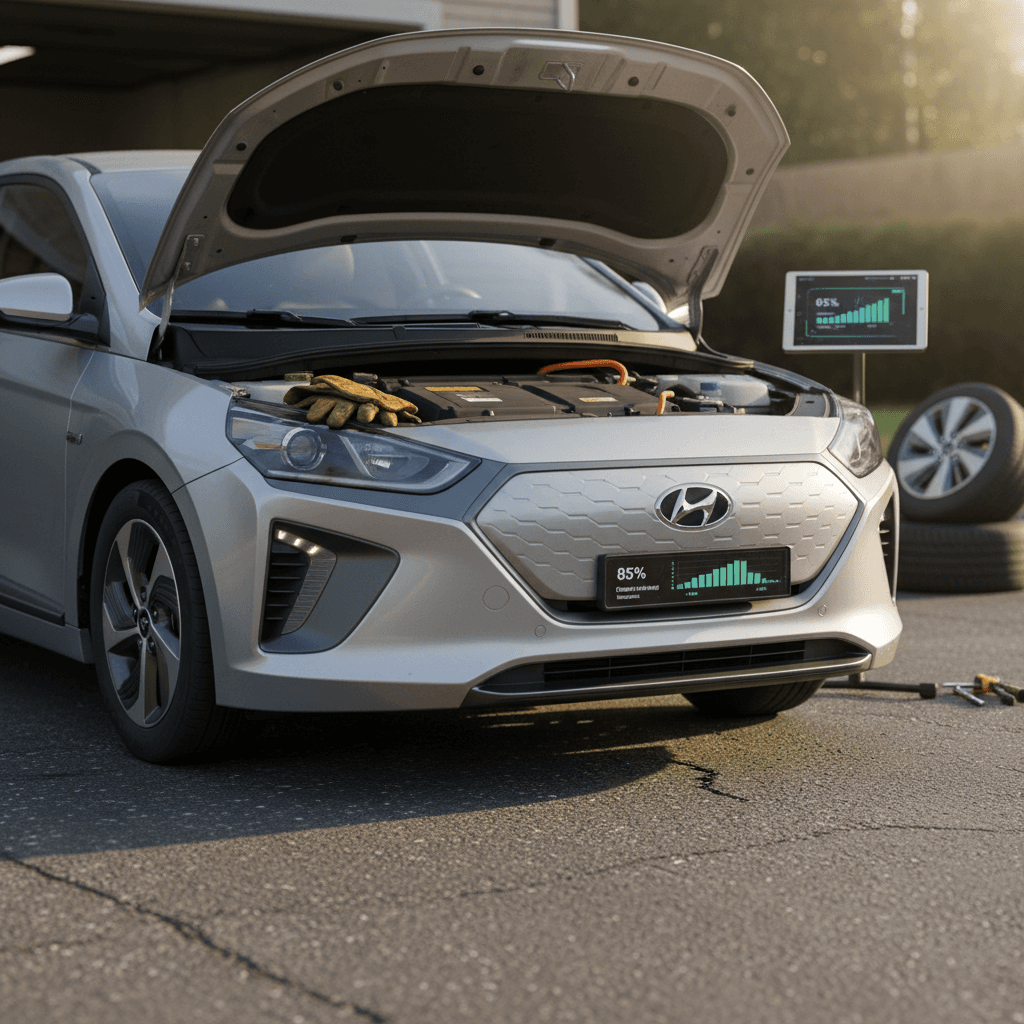
If you want maximum efficiency without Tesla‑level prices, a used Hyundai Ioniq should be on your shortlist. Whether you’re eyeing the ultra‑frugal Hybrid, the Plug‑in Hybrid, or the all‑electric Ioniq Electric, this compact hatchback delivers serious mpg, or miles per kWh, in a practical, easy‑to‑drive package. In this guide, we’ll walk through trims, range, battery health, common issues, pricing, and how to shop smarter with data instead of guesswork.
Quick background
Why consider a used Hyundai Ioniq?
What makes a used Ioniq compelling?
Three reasons it still punches above its weight in 2025
Outstanding efficiency
Familiar driving experience
Used‑market value
Who the Ioniq fits best
Hyundai Ioniq models explained (Hybrid vs PHEV vs Electric)
Before you shop, know which used Hyundai Ioniq you actually want. The badge on the hatch tells part of the story, but the driving and ownership experience differ a lot between the three powertrains.
Hyundai Ioniq variants at a glance
How the Hybrid, Plug‑in Hybrid, and Electric compare on fuel source, range, and use case.
| Variant | Fuel / Energy Source | EPA efficiency (approx) | Electric‑only range | Best for |
|---|---|---|---|---|
| Ioniq Hybrid | Gasoline + hybrid battery | Up to mid‑50s mpg combined | None (can’t plug in) | Drivers with long commutes, minimal charging access |
| Ioniq Plug‑in Hybrid (PHEV) | Gasoline + larger battery, can be plugged in | Low 50s mpg in hybrid mode | ~27 miles EV (EPA) when new | Short daily trips with occasional long drives |
| Ioniq Electric | Battery electric only | Among the most efficient EVs per kWh | 124–170 miles EPA depending on year | Urban and suburban drivers who can charge regularly |
Use this table to quickly narrow down which Ioniq configuration best matches your driving pattern.
In the U.S., the Hybrid and Plug‑in were sold broadly, while the Ioniq Electric was mainly limited to select states and often leased. That means used inventory for the Electric can be thinner and more regional, but the hybrids are widely available.
Why pick the Ioniq Hybrid or PHEV?
- You want outstanding fuel economy without depending on charging for every mile.
- You live in an apartment or condo with limited home charging options.
- You take frequent road trips and want quick refueling anywhere.
For many U.S. drivers, the Hybrid or PHEV is the easiest transition away from a pure gas car, especially in regions with sparse public charging.
Why pick the Ioniq Electric?
- You mostly drive in town and rack up 30–70 miles per day.
- You have reliable home or workplace charging.
- You value low running costs and quiet, smooth EV driving.
If you can live with a real‑world range under 200 miles, a used Ioniq Electric can deliver EV refinement at a much lower price point than newer long‑range models.
Key specs and real‑world range by model year
Used Ioniq Electric: key numbers
Hybrids and plug‑ins don’t have the same range anxiety questions as full EVs, but with a used Ioniq Electric you want to match the battery size and charging pattern to your lifestyle. Here’s how the major versions break down in practice.
Approximate range and battery details by Ioniq version
Headline numbers for U.S.‑market Ioniq trims that most shoppers will see used. Always verify exact ratings for the specific VIN you’re considering.
| Model / Years (U.S.) | Battery / Tank | EPA electric range when new | Notes for used shoppers |
|---|---|---|---|
| Ioniq Hybrid (2017–2022) | Gas tank + small hybrid battery | 50+ mpg combined for most trims | Great choice if you can’t charge at home; treat it like an ultra‑efficient gas car. |
| Ioniq Plug‑in Hybrid (2018–2022) | ~8.9 kWh battery + gas tank | About 27 miles EV, then hybrid mpg in the 50s | Ideal if your daily commute fits within 20–25 miles each way with charging at home or work. |
| Ioniq Electric (2017–2019 U.S.) | ~28 kWh battery | Around 124 miles EPA | Most were sold in limited markets; range suits city and suburban use best. |
| Ioniq Electric (2020–2021 U.S.) | ~38.3 kWh battery | Around 170 miles EPA | More usable buffer for highway trips, but still not a long‑range EV by today’s standards. |
EPA ratings are laboratory figures; expect some reduction with age, temperature, and driving style.
Used EV reality check
Battery health and longevity on a used Hyundai Ioniq
Battery health is the make‑or‑break factor for any used Hyundai Ioniq Electric, and it still matters on the Plug‑in Hybrid. The good news: the Ioniq has a reputation for strong efficiency and generally stable packs when cared for properly. Still, you should never buy blind.
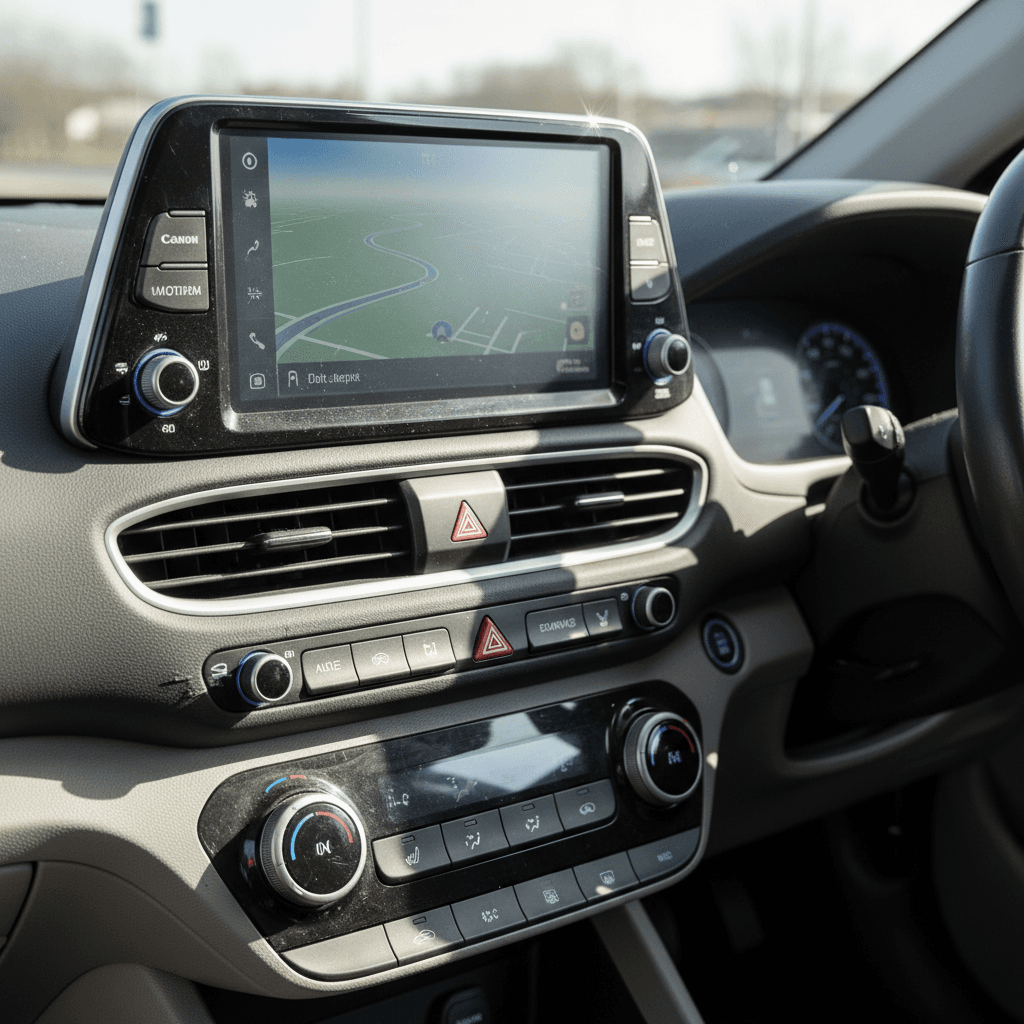
- Hybrids use a relatively small battery that is cycled gently and air‑cooled, which tends to age slowly under normal use.
- Plug‑in Hybrid models use a larger pack that sees deeper charge/discharge swings, regular charging habits and moderate temperatures help preserve capacity.
- The Ioniq Electric relies on a liquid‑cooled high‑voltage battery; capacity loss tends to be gradual, but extreme heat and repeated high‑power fast charging can accelerate degradation.
What to look for in battery health
Questions to ask about battery history
1. How was the car charged?
Frequent DC fast charging, especially in hot climates, is harder on the Ioniq Electric’s pack than regular Level 2 home charging. Occasional fast charging is fine; daily dependence deserves a closer look at battery health.
2. What’s the climate history?
Cars that spent their lives in moderate climates tend to show less degradation than those in extreme heat. A Carfax report and service records can help you understand where the car lived.
3. Any high‑voltage warranty repairs?
Battery or inverter repairs under warranty aren’t automatically a red flag, but you’ll want to see documentation that the fix was completed and that no recurring issues are recorded.
4. What’s the current usable range?
Ask the seller to describe a typical full‑to‑low trip, miles driven and conditions, and compare it to the original EPA rating. That real‑world snapshot often tells you more than the dash estimate alone.
Reliability and common issues to watch for
Overall, the first‑generation Ioniq family has a solid reputation for reliability. Hybrids in particular benefit from Hyundai’s experience with the Sonata Hybrid and share many serviceable components. That said, every used car has patterns you should know about.
Common problem areas on used Hyundai Ioniq models
Most are manageable if you know where to look and budget for maintenance.
Hybrid / PHEV: engine & drivetrain
- Engine maintenance still matters: The 1.6‑liter gas engine needs regular oil changes; skipped maintenance can lead to noisy operation or long‑term wear.
- Dual‑clutch transmission: Some owners report low‑speed hesitation or shuddering; a test drive in traffic will reveal if the behavior is normal for you.
Electric: charging & electronics
- Onboard charger and DC fast‑charge hardware: Rare, but repairs can be expensive out of warranty.
- Software and infotainment: Check for completed software updates and ensure navigation, CarPlay/Android Auto, and driver‑assist features work as intended.
12‑volt battery & warning lights
Recalls and safety campaigns
Don’t ignore warning lights
Pricing, depreciation and value for money
Because the Ioniq isn’t a household name like Prius or Model 3, used prices can be surprisingly reasonable. That’s good news if you’re shopping value, but it also means condition and battery health matter more than scoring the rock‑bottom sticker.
How the Ioniq tends to depreciate
- Hybrids: Often hold value better than comparable gas‑only compacts, but usually undercut Prius pricing on the used market.
- Plug‑in Hybrid: Can be a sweet spot; original buyers collected tax credits, and you reap the discount years later.
- Electric: Older short‑range EVs depreciate faster than long‑range rivals, making them very affordable as commuter cars.
Since production ended in 2022, all original Ioniqs are now out of their initial warranty window or nearing the end of extended coverage. Factor that into your budget.
What actually drives price on a used Ioniq
- Battery health and remaining range on EVs and PHEVs.
- Mileage and maintenance history, especially on Hybrids.
- Trim level: Limited and high‑spec models with adaptive cruise, active safety features, and nicer interiors command a premium.
- Region: Ioniq Electrics concentrated in a few states may draw stronger money where supply is thin.
Rather than chasing the absolute lowest price, focus on total cost of ownership, fuel/energy, maintenance, and depreciation.
Where Recharged fits in on pricing
Step‑by‑step checklist for shopping a used Ioniq
Used Hyundai Ioniq shopping checklist
1. Pick the right powertrain for your life
Estimate your daily mileage, road‑trip habits, and charging access. If you rarely plug in or drive long distances, the Hybrid or PHEV makes more sense. If you mostly commute locally with home charging, the Ioniq Electric can slash energy costs.
2. Verify model year, trim, and options
Confirm whether you’re looking at a base, SEL, or Limited and which safety and comfort features are included. Adaptive cruise control, lane‑keep assist, and heated seats may be worth paying a bit more for daily usability.
3. Pull history and recall information
Get a vehicle history report to check for accidents, title issues, and previous ownership. Then have a Hyundai dealer or trusted shop confirm that all recalls and software updates have been completed.
4. Get objective battery data
For Ioniq Electric and PHEV models, insist on a battery health report, not just the seller’s “it seems fine.” At Recharged, our battery diagnostics are baked into the <strong>Recharged Score</strong> so you see capacity estimates and any warning flags upfront.
5. Do a focused test drive
Warm up the car and drive in mixed conditions. Listen for engine or transmission oddities on Hybrids, verify smooth EV transitions on PHEVs, and on Electrics watch for consistent power delivery and accurate range estimates.
6. Compare total cost, not just monthly payment
Look at energy savings vs. your current vehicle, expected maintenance, insurance, and taxes. A slightly higher purchase price on a well‑maintained Ioniq often beats a cheaper car with future repair surprises.
How Recharged makes buying a used Ioniq easier
Shopping for a used Hyundai Ioniq on a traditional lot often means limited EV expertise, vague answers about battery health, and pressure to “buy today.” Recharged is built to do the opposite, put data and transparency first so you can decide if an Ioniq really fits your life and budget.
What you get when you buy a used Ioniq through Recharged
More than a listing, an ownership experience that starts on the right foot.
Recharged Score battery diagnostics
Transparent, fair pricing
Fully digital, but human when you want it
Nationwide delivery options
Experience Center in Richmond, VA
Trade‑in and consignment support
Ready to find your next EV?
Browse VehiclesFrequently asked questions about used Hyundai Ioniq models
Used Hyundai Ioniq FAQ
A used Hyundai Ioniq won’t dominate social feeds the way a new crossover EV might, but that’s exactly why it’s appealing. It’s a quietly competent, highly efficient hatchback that can cut your fuel or energy bill without wrecking your budget. If you match the right powertrain to your lifestyle and insist on clear battery health data, an Ioniq can be one of the smartest used‑EV buys on the market. And if you’d like help running the numbers or comparing a specific Ioniq to other EVs, Recharged’s specialists, financing tools, and Recharged Score Report are built to make that decision straightforward.