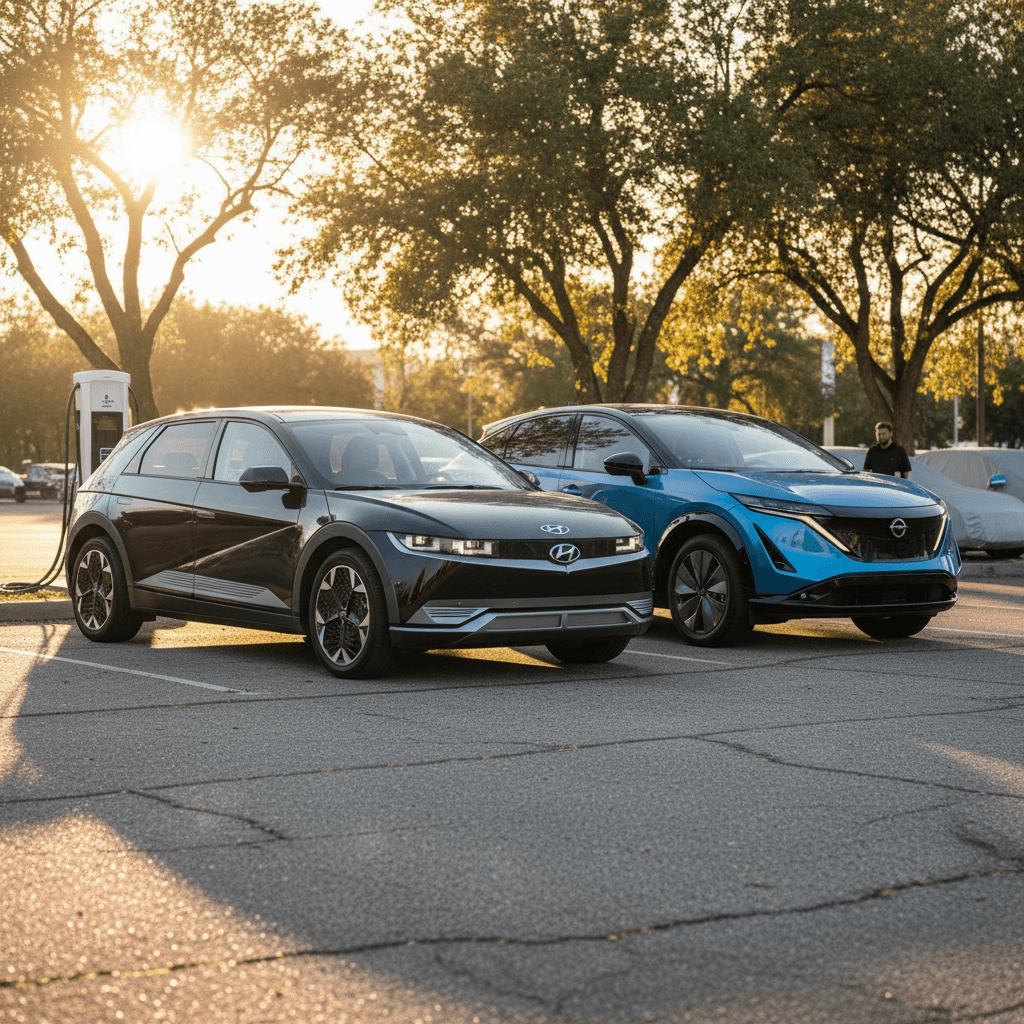
If you’re shopping the used EV market in 2026, a used Hyundai Ioniq 5 vs Nissan Ariya comparison is probably high on your list. Both are stylish electric crossovers with real-family space, strong range, and modern tech, but they don’t shine in the same places. The trick is matching the right one to how you actually drive and charge.
The short version
Overview: Used Ioniq 5 vs Ariya in 2026
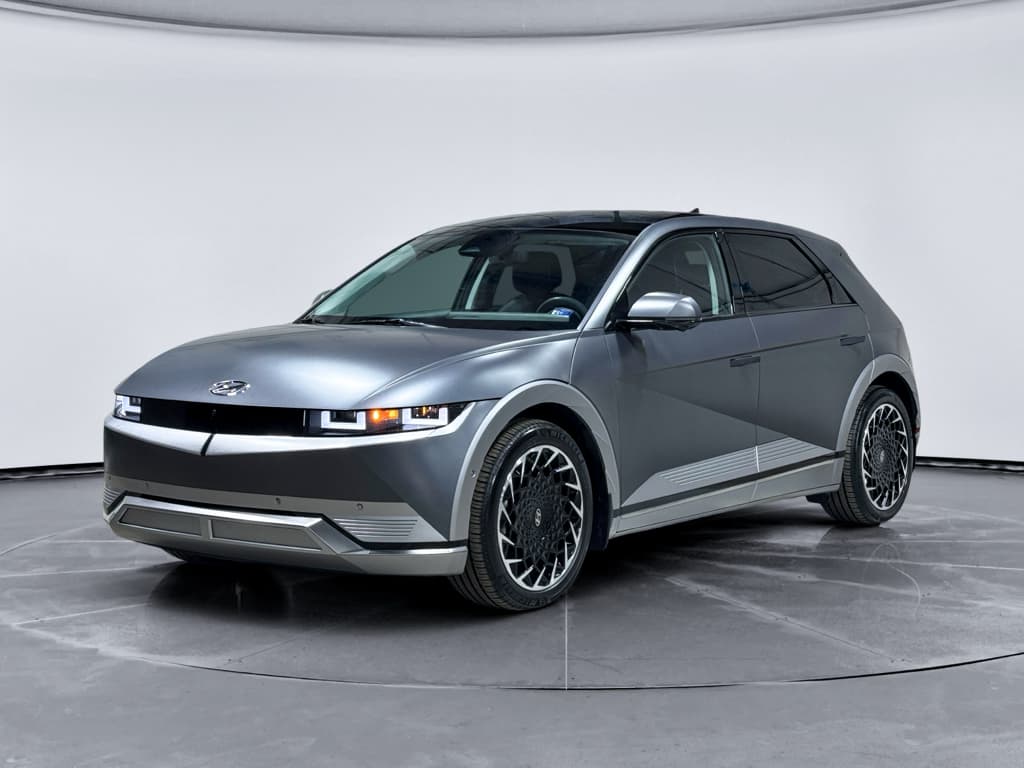
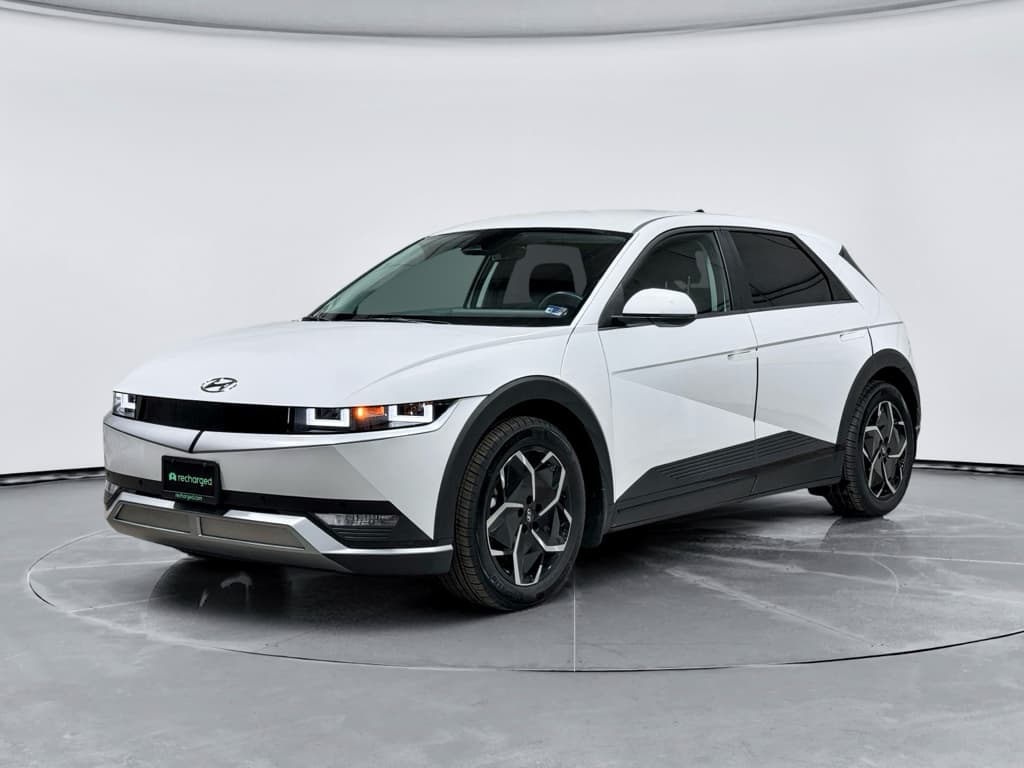
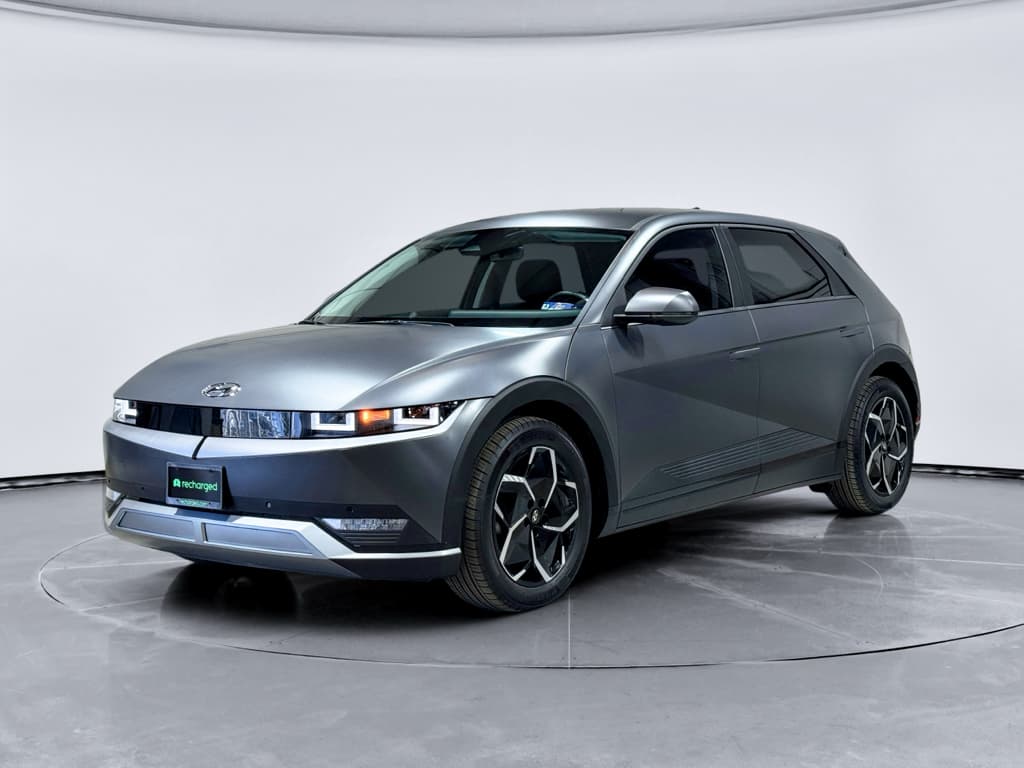
Hyundai Ioniq 5 (2022–2026 used)
- Positioning: Retro-styled, tech-forward crossover on Hyundai’s E-GMP EV platform.
- Battery sizes (US): Early cars 58 kWh & 77.4 kWh; 2025 refresh bumps packs to ~63 kWh & 84 kWh with improved chemistry.
- Range: Up to roughly 300+ miles EPA on newer long-range RWD trims.
- Charging: Excellent 800-volt architecture; 10–80% in around 18–20 minutes on a 350 kW DC fast charger.
- 2025+ perk: Native NACS port and direct access to Tesla Superchargers on newer models.
Nissan Ariya (2023–2025 used)
- Positioning: Comfortable, near-luxury crossover aimed more at serenity than sport.
- Battery sizes (US): Roughly 63 kWh and 87 kWh packs, depending on trim.
- Range: Venture+ style trims stretch into the 290–300 mile EPA ballpark; AWD and high‑spec trims land lower.
- Charging: Solid but not class-leading DC speeds; many owners report ~35–40 minute sessions from low state-of-charge to ~80%.
- Rollout: Fewer sold than Ioniq 5, so used inventory is thinner but deals can be aggressive.
Model years to focus on
Who Each Used EV Fits Best
Which used EV matches your life?
Think about your charging reality and daily miles before you fall for the styling.
Pick a used Ioniq 5 if…
- You road-trip often and care about fast charging time.
- You want strong efficiency and lower energy costs.
- You like crisp, modern tech and a slightly more playful drive.
- You plan to keep the car long term and want NACS access built-in on later model years.
Pick a used Ariya if…
- You prioritize a quiet, upscale-feeling cabin over outright speed.
- Your driving is mostly local with predictable charging.
- You find a great deal, Ariyas can be heavily discounted used.
- You don’t mind slightly slower fast-charging if everything else fits.
On the fence?
- Test-drive both back-to-back on the same roads.
- Compare their actual battery health and fast‑charge history.
- Look at where you charge now, home, work, public DC, and which car’s strengths line up with that reality.
Range and Battery Options
Real-world range matters more than brochure numbers, especially on a used EV where climate, driving style, and past fast‑charging all leave their fingerprints. Both the Ioniq 5 and Ariya have trims that flirt with, or exceed, 300 miles of EPA range when new, but the details differ by battery size and drive layout.
Typical EPA Range When New (Key Trims)
Approximate EPA combined range figures for popular US trims when new. Expect some real-world variance and mild degradation on 2–4 year old used vehicles.
| Model & trim (approx.) | Battery | Drive | EPA range when new |
|---|---|---|---|
| Ioniq 5 SE Std Range (early years) | ~58–63 kWh | RWD | 220–245 miles |
| Ioniq 5 SE/SEL/Limited Long Range | ~77.4–84 kWh | RWD | 280–318 miles |
| Ioniq 5 Long Range AWD | ~77.4–84 kWh | AWD | 250–290 miles |
| Ariya Engage/Engage+ (smaller pack) | ~63 kWh | FWD | 210–230 miles |
| Ariya Venture+/Engage+ long range | ~87 kWh | FWD | 280–300 miles |
| Ariya Evolve+/Platinum+ e‑4ORCE | ~87 kWh | AWD | 250–270 miles |
Use this as a directional guide; always verify range ratings for the exact trim and year you’re considering.
Degradation reality check
- If you regularly do 200+ mile highway legs, prioritize long‑range RWD trims in either model.
- AWD adds traction and punch but usually shaves 20–40 miles of range versus FWD/RWD equivalents.
- Early standard‑range Ioniq 5s and smaller‑pack Ariyas can be perfect urban commuters but require more planning for winter road trips.
Charging Speeds and NACS Access
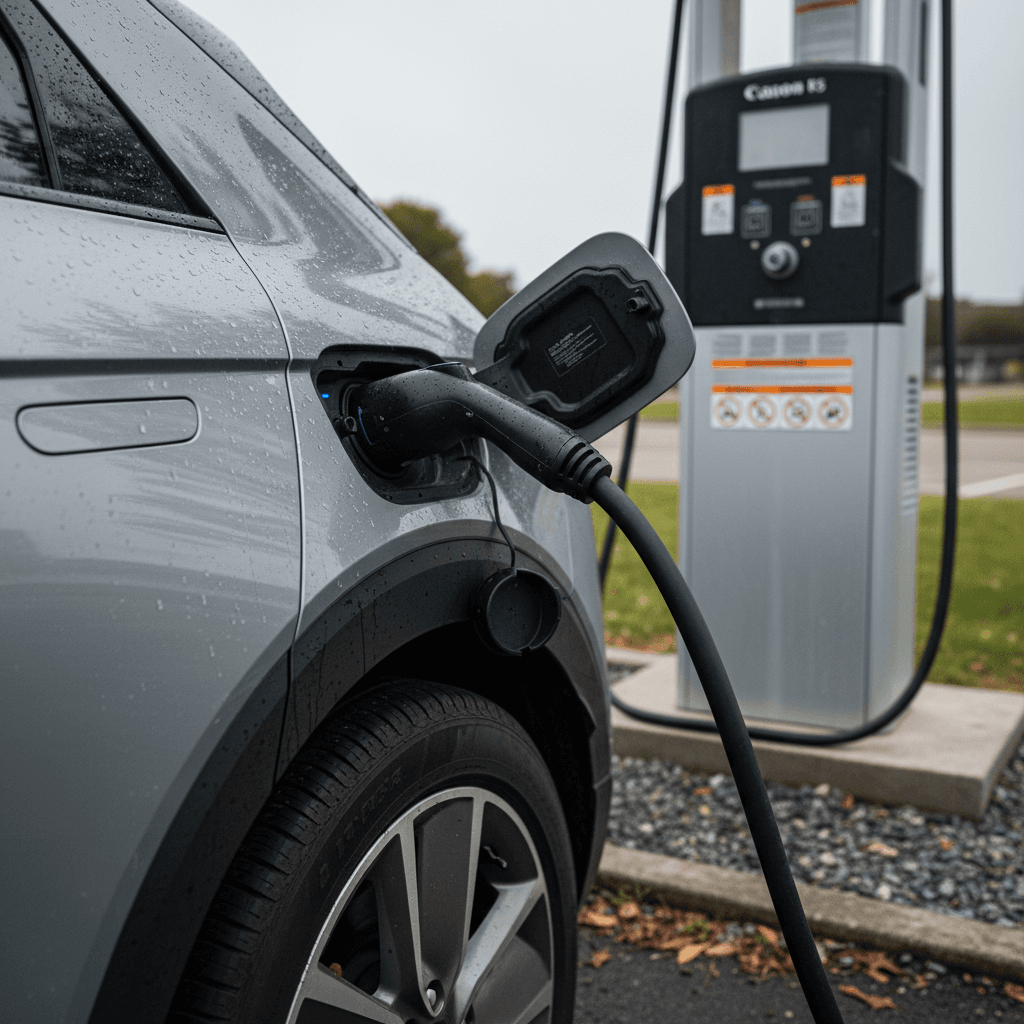
Here’s where the Ioniq 5 really stretches its legs. It was one of the first mainstream EVs with an 800‑volt electrical architecture, allowing very high DC fast‑charge rates for its class. The Ariya, on a more traditional 400‑volt setup, simply can’t move electrons quite as quickly, even when charger power looks similar on paper.
Typical DC Fast-Charging Experience
Used shoppers: mind the connector
Charging questions to ask before you buy used
1. Where will I actually fast‑charge?
If most of your road trips run through Tesla Supercharger corridors, a newer Ioniq 5 with NACS, or a CCS car with reliable adapter support, will make life easier than an Ariya limited to CCS networks.
2. How often do I DC fast‑charge now?
If your lifestyle leans heavily on fast‑charging (no home charging, weekly road trips), favor the Ioniq 5’s faster curve. If you mostly charge at home or work, Ariya’s slower DC speed may be a non‑issue.
3. Has this specific car fast‑charged a lot?
Repeated high‑power DC sessions can accelerate battery wear. On Recharged, the <strong>Recharged Score</strong> can flag vehicles with unusually heavy fast‑charge histories.
4. Does the car have preconditioning?
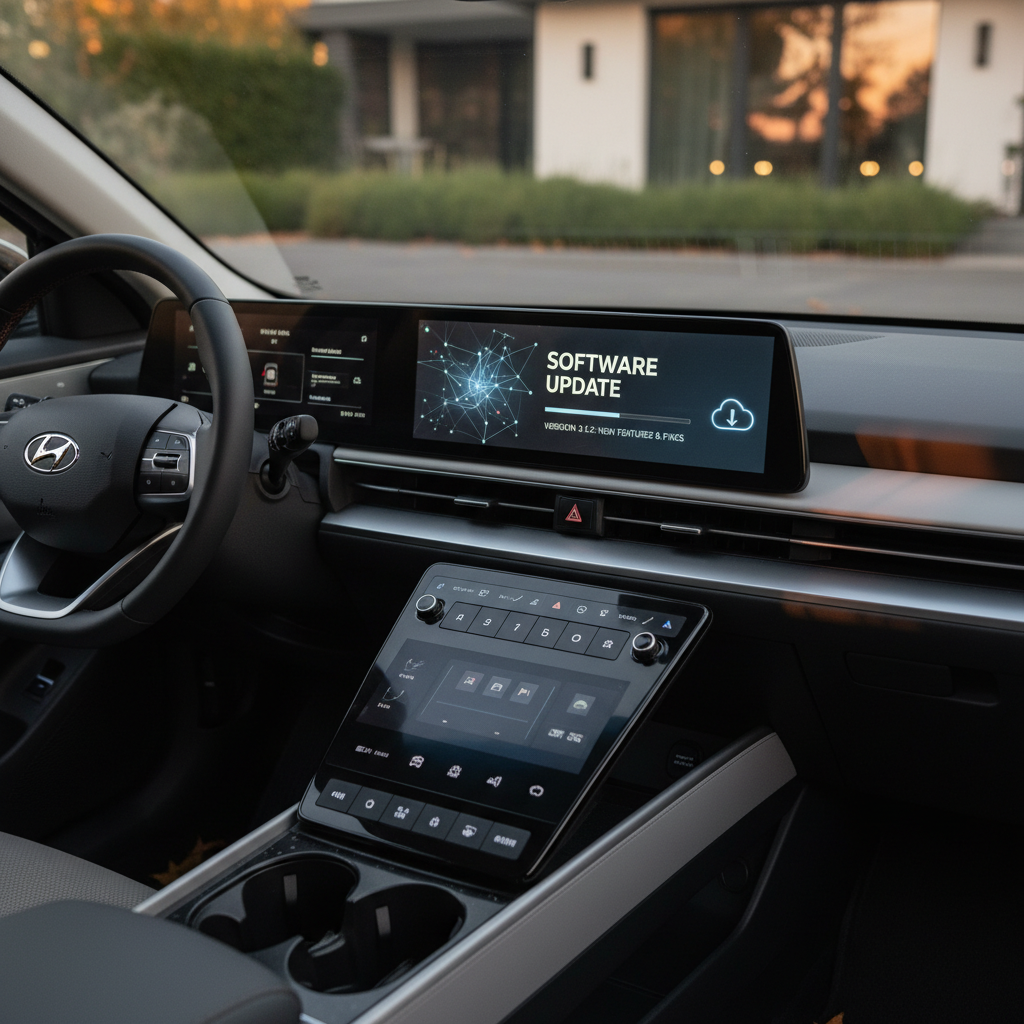
Later Ioniq 5s can pre‑warm the battery when a DC charger is set as the destination, improving winter charging speeds. Ask the seller which software features are enabled and whether updates are current.
Interior Space, Comfort, and Tech
On the inside, you’re not choosing between good and bad, you’re choosing between different flavors of good. The Ioniq 5 feels airy and futuristic; the Ariya feels cocooned and almost lounge‑like.
Ioniq 5: Bright, practical, playful
- Space: Flat floor, long wheelbase, and sliding rear seats make it feel bigger than many compact SUVs.
- Design: Clean, minimalist dashboard with twin 12.3‑inch screens and a more open, "living room" vibe up front.
- Usability: Tons of small‑item storage, clever console, and easy rear‑seat access for car seats.
- Tech: Hyundai’s infotainment is quick and straightforward, with good EV routing on newer software and plenty of USB‑C power.
Ariya: Quiet, warm, upscale
- Space: Slightly tighter feeling up front than the Ioniq 5 but still adult‑friendly in both rows.
- Design: Soft lighting, wood‑look trim, and a low, wide dash make it feel more like a near‑luxury SUV.
- Usability: Physical haptic touch controls on the center stack take acclimation but clean up the look.
- Tech: Nissan’s twin 12.3‑inch displays look great; ProPILOT Assist driver‑assist features are mature and confidence‑inspiring when tuned correctly.
Family duty winner
Driving Experience and Performance
Both of these EVs are quick enough that you’ll dust most gas crossovers off the line. But they feel different from behind the wheel.
How they drive: character snapshots
Think of Ioniq 5 as the energetic one and Ariya as the smooth talker.
Ioniq 5 driving feel
- Acceleration: RWD trims feel lively; AWD models are downright brisk, especially in passing maneuvers.
- Handling: Light, accurate steering and low center of gravity make it more fun than its boxy styling suggests.
- Ride: Can feel a touch firm over broken pavement on larger wheels, but far from punishing.
Ariya driving feel
- Acceleration: FWD trims are smooth and adequate; AWD e‑4ORCE models add serious shove off the line.
- Handling: More relaxed, tuned for stability and comfort rather than playfulness.
- Ride: Softer, quieter, and more isolated, great for long highway slogs.
Test this on your real route
Reliability, Warranty, and Battery Health
Long‑term reliability stories are still being written for both models, but by 2026 a pattern is emerging. In very broad strokes, the Ioniq 5 has fewer headline‑grabbing complaints, while the Ariya has seen more noise around software gremlins, 12‑volt battery issues, and some high‑profile buybacks, though there are also many owners with trouble‑free miles. Individual history matters more than internet horror stories.
- Both Ioniq 5 and Ariya typically carry an 8‑year/100,000‑mile EV battery warranty from new in the US, transferable to subsequent owners. Always confirm coverage on the specific VIN.
- Software is critical. Early‑build cars from both brands have benefitted from firmware updates for charging behavior, driver‑assist tuning, and infotainment stability.
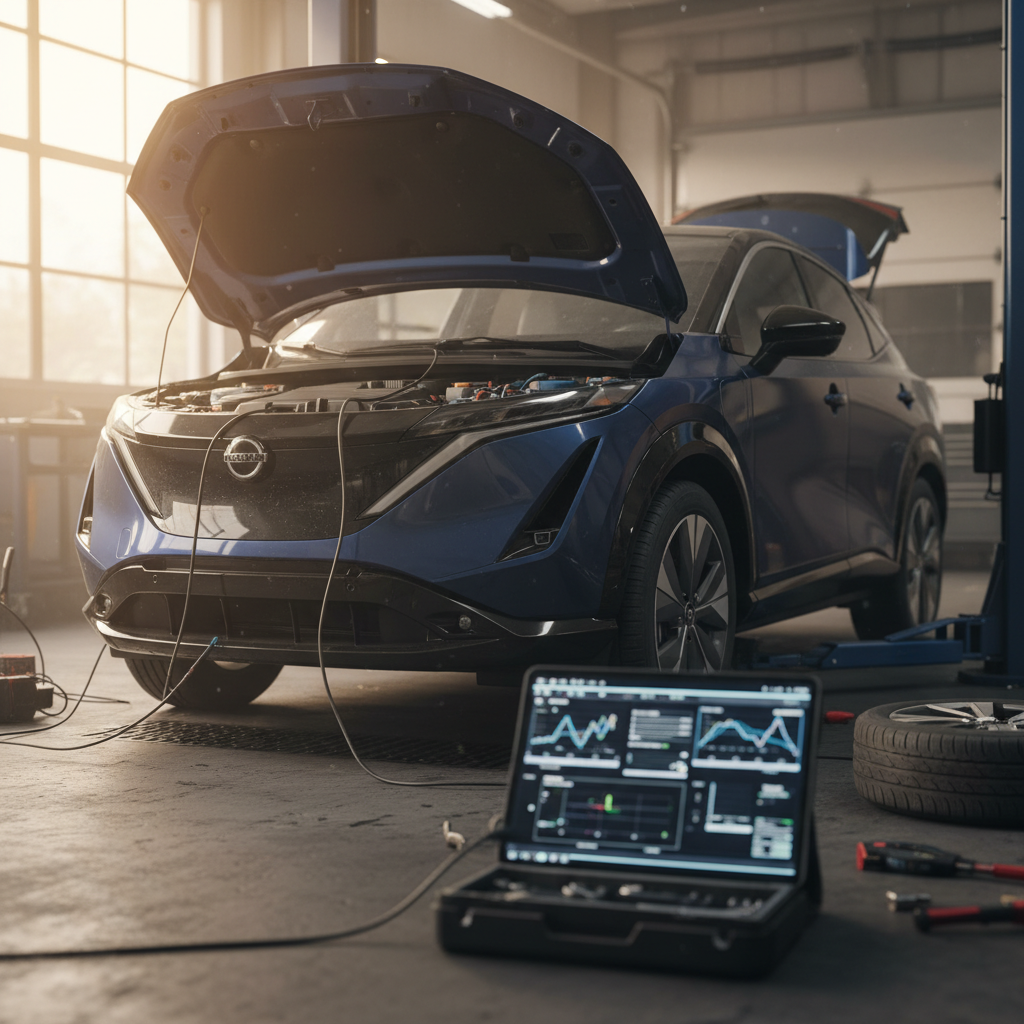
- On Ariya specifically, pay extra attention to any records for high‑voltage system work, repeated warning lights, or extended service visits, then decide if the discount on a used example compensates for the risk.
Never skip the battery check
Used Pricing and Value in 2026
Used EV pricing is a moving target in 2026, but several trends are clear. Ioniq 5s have held value fairly well thanks to strong reviews and fast‑charging capability, while Ariyas have been more aggressively discounted, partly because Nissan built fewer, partly because some shoppers are wary of early reliability chatter.
Typical Used Market Positioning (US, 2026)
Very rough, directional view of how these models tend to sit relative to each other on the used market, assuming similar age, mileage, and equipment.
| Model | Relative pricing vs new | Value notes |
|---|---|---|
| Ioniq 5 Long Range AWD | ~65–75% of original MSRP | Holds value well; desirable trims with big battery and AWD command a premium. |
| Ioniq 5 Std Range / base trims | ~60–70% of original MSRP | Less demand than long‑range, but still competitive because of fast‑charging advantage. |
| Ariya high‑spec AWD (e‑4ORCE) | ~50–65% of original MSRP | Often discounted more steeply; can be a lot of car for the money if history is clean. |
| Ariya FWD long‑range trims | ~55–70% of original MSRP | Good value for range and comfort, especially if you don’t road‑trip often. |
Always compare actual listings; values change with incentives, interest rates, and regional demand.
How Recharged can help on pricing
Key Spec Comparison: Used Ioniq 5 vs Ariya
Used Hyundai Ioniq 5 vs Nissan Ariya: At-a-Glance
Specs focus on popular US trims you’re likely to see used in 2026 rather than every niche variant.
| Category | Used Hyundai Ioniq 5 (typical) | Used Nissan Ariya (typical) |
|---|---|---|
| Model years to target | 2023–2025 (early 2026 just entering used market) | 2023–2024 primarily, with some 2025s |
| Battery sizes | ~58–63 kWh & ~77.4–84 kWh | ~63 kWh & ~87 kWh |
| Max EPA range (approx.) | Up to low‑300‑mile RWD trims | Up to high‑200s / low‑300‑mile FWD trims |
| Architecture | 800‑volt | 400‑volt |
| DC fast‑charging (10–80%) | ~18–20 minutes on capable charger | ~35–40 minutes on capable charger |
| Connector (US) | CCS on 2022–24; NACS from ~2025 onward | CCS (NACS support evolving by adapter/network) |
| Interior character | Bright, modern, flexible family layout | Warm, quiet, near‑luxury lounge feel |
| Drive feel | Lively, slightly firmer | Softer, more relaxed |
| Reliability narrative so far | Generally positive with routine EV quirks | More mixed; some owners report error codes and buybacks alongside happy long‑term drivers |
| Typical used pricing vs new | Stronger residuals, especially long‑range AWD | Heavier discounts, especially on higher trims |
Always verify exact specs for the model year and trim you’re considering; automakers have tweaked batteries and features over time.
How to Choose Between Ioniq 5 and Ariya Used
Step-by-step: Decide which used EV fits you
1. Map your weekly driving and charging
Write down your longest typical day, your rare road‑trip days, and where you can plug in overnight. If you often exceed 180–200 highway miles in a day without easy home charging, favor long‑range trims and Ioniq 5’s faster DC performance.
2. Decide how much you care about NACS
If you live in an area where Tesla Superchargers dominate, a 2025+ Ioniq 5 with a native NACS port is a future‑proof pick. With an Ariya, you’ll be relying more on CCS networks and adapter paths as the landscape evolves.
3. Sit in both cabins for at least 15 minutes
Bring your family, your laptop bag, and a stroller if you use one. The Ioniq 5 will feel more open and modular; the Ariya will feel cozier and more upscale. Choose the one you want to live with every day, not just the one that looks best in photos.
4. Compare real battery health, not just odometer
Two 40,000‑mile cars can have very different battery stories. Use data, like the <strong>Recharged Score battery health diagnostics</strong>, to compare actual remaining capacity and how heavily each car was fast‑charged.
5. Read the service history like a detective
Look for repeated visits for the same issue, high‑voltage component replacements, or unexplained buybacks. A lightly used Ariya with clean records can be a steal; one with a stack of unresolved error codes is a headache waiting to happen.
6. Run the total cost of ownership
Insurance quotes, tire costs, financing rate, and expected electricity prices all matter. Recharged can help you <strong>pre‑qualify for financing</strong> and see the full monthly picture, not just the sticker price.
Don’t forget software support
FAQ: Used Hyundai Ioniq 5 vs Nissan Ariya
Frequently Asked Questions
Bottom Line: Which EV Should You Buy Used?
If you live on the highway, lean on public DC fast charging, or want the most future‑proof connector story, a used Hyundai Ioniq 5, especially a long‑range RWD or AWD model from 2023 onward, will make your life easier. It’s quick, efficient, charges extremely fast, and later cars plug straight into the NACS ecosystem. That’s a lot of peace of mind baked into one package.
If your driving is more about calm commutes, local errands, and the occasional trip, and you find a clean example at a meaningful discount, a used Nissan Ariya can be a fantastic value. Its cabin feels special, its ride is soothing, and long‑range FWD trims can cover real distance when you do venture out of town, just budget more time at DC chargers and scrutinize service history carefully.
The best way to choose is to drive both, then back up your gut feeling with data. On Recharged, you can browse curated used Ioniq 5s and Ariyas, see their Recharged Score battery health diagnostics, compare fair market pricing, line up financing and trade‑in options, and even arrange nationwide delivery or a visit to the Richmond, VA Experience Center. That way, whether you end up in Hyundai’s pixel‑perfect crossover or Nissan’s tranquil lounge on wheels, you know exactly what you’re getting into, and why.