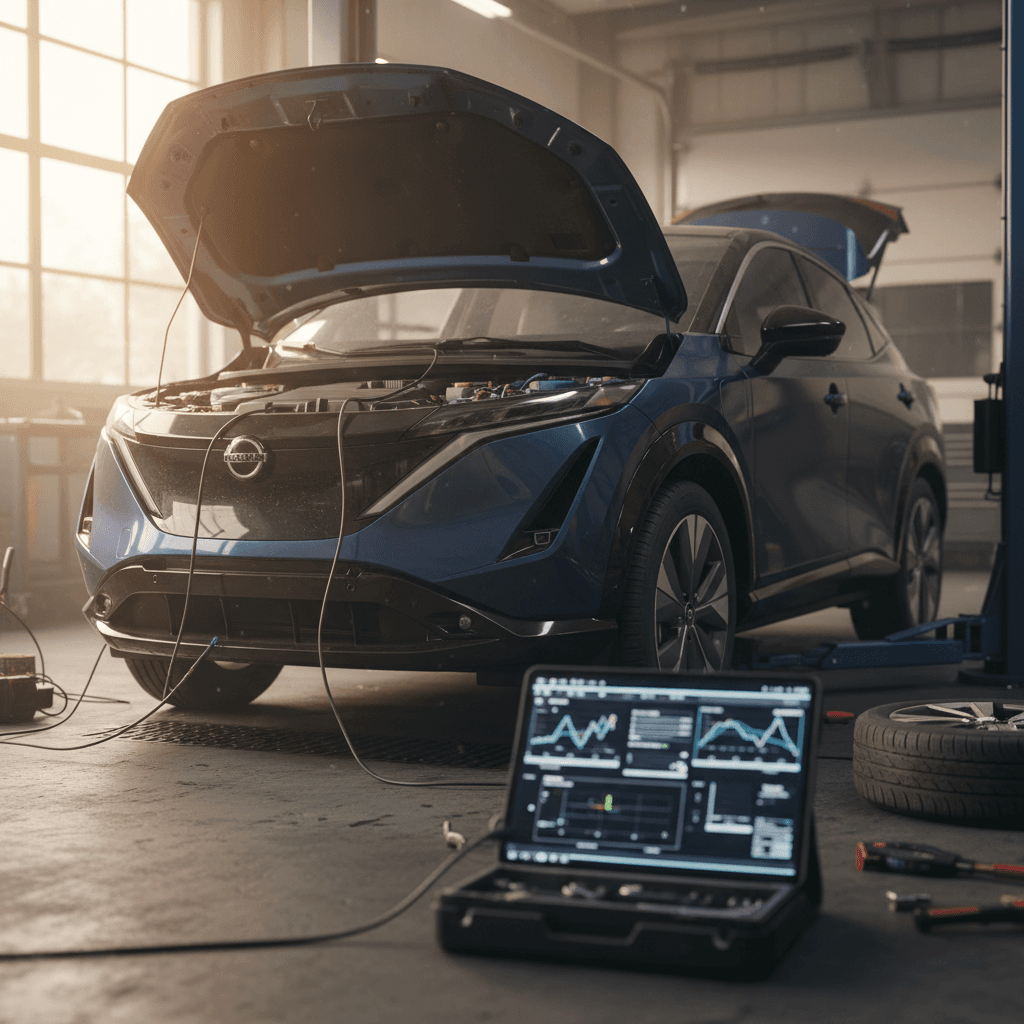
If you’re considering a used 2023 Nissan Ariya, you’re probably wondering whether early build issues and recalls should scare you off. The Ariya is comfortable, quiet, and well‑equipped, but like many first‑year EVs it has some notable problems and fixes you’ll want to understand before you sign anything.
New Model, Growing Data
Overview: How Problematic Is the 2023 Ariya?
Based on early owner surveys and complaint databases, the 2023 Ariya lands around average overall reliability for its model year. There isn’t evidence of widespread battery-pack failure, but there are above‑average reports of electrical glitches, software bugs, and recall‑related issues that can temporarily sideline the car or create a poor ownership experience.
2023 Nissan Ariya Reliability Snapshot
For a used‑EV shopper, that mix isn’t necessarily a deal‑breaker. It does mean you need to pay closer attention to recall completion, software update history, and any signs of repeat electrical problems in the vehicle’s past.
The Biggest 2023 Nissan Ariya Problems to Know
Most Common 2023 Ariya Issues
What owners and data sources report most often
1. Inverter & EV System Faults
Some 2023 Ariya owners report sudden “Service EV System” warnings, reduced power, or the battery state of charge dropping to 0% on the display. These symptoms are usually tied to an inverter control or junction box issue addressed by a recall or software update.
2. Steering Wheel Attachment Recall
An early recall targeted a small batch of Ariyas whose steering wheels might not have been properly torqued. It’s dramatic on paper but affects limited VIN ranges and is easy to inspect and correct.
3. Infotainment & App Glitches
Slow boot‑ups, frozen screens, glitchy navigation, and NissanConnect app failures are among the most common everyday frustrations. These rarely strand the car but can be a nuisance.
4. Charging & Communication Issues
A smaller set of owners report DC fast‑charging interruptions, wall‑box communication faults, or charge sessions that simply won’t start until modules are reset or updated.
Beyond those headline items, you’ll see scattered complaints about wind noise, minor trim problems, or isolated drive‑motor failures that were replaced under warranty. Compared with some early‑generation EVs, the Ariya’s core battery and drivetrain story is actually pretty encouraging so far.
Inverter & “Service EV System” Faults
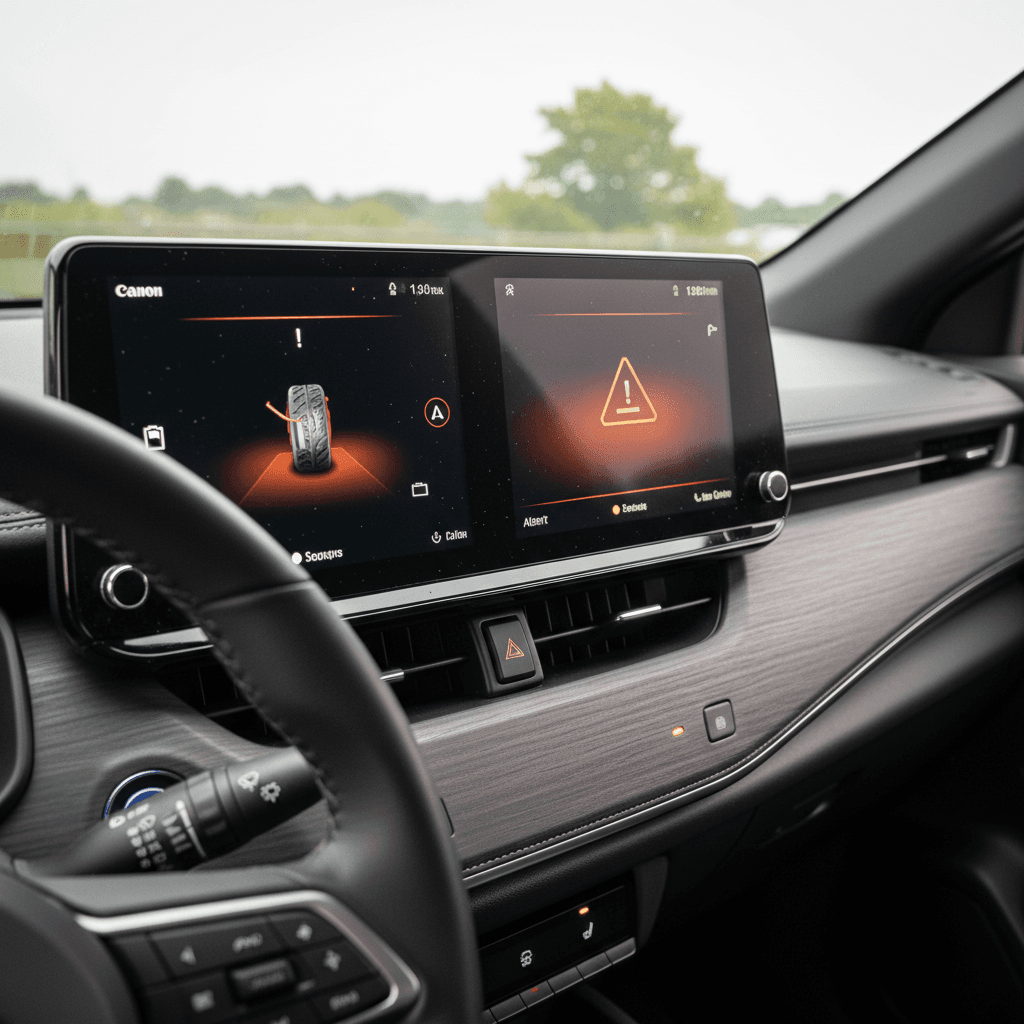
The most serious pattern you’ll see in complaint databases involves the power electronics that control the drive motor. Owners describe driving at highway speed when a “Service EV System” or “Reduced Power” warning pops up, sometimes accompanied by the displayed state of charge falling from a healthy number to 0%.
- EV warning messages and chimes, sometimes with reduced power
- Instrument cluster suddenly showing 0% battery, even though you recently charged
- Vehicle coasting down to lower speeds and ignoring throttle input
- A restart restores normal behavior, but the issue eventually returns
In many cases, dealers trace these events to a junction box or inverter control issue. Nissan issued a safety recall to reprogram the inverter on certain 2023 Ariyas; in more severe cases, hardware such as junction boxes or even traction motors have been replaced under warranty.
Why It Matters
How These EV‑System Issues Are Usually Fixed
1. Inverter software reprogramming
Nissan’s recall campaign updates the inverter control logic to prevent false faults and unintended shutdowns. This is a dealer‑only procedure performed at no charge on affected VINs.
2. Junction box or harness replacement
If diagnostics reveal a hardware fault, the dealer may replace the high‑voltage junction box or related wiring. This is covered by warranty on in‑service vehicles, but a previous owner’s paperwork is your proof on a used car.
3. Traction motor replacement (rare)
A few owners have reported full drive‑motor replacement after persistent EV system errors. While rare and covered under warranty, it’s a sign to dig deeper if you see this in past service records.
4. High‑voltage system health check
A thorough pre‑purchase inspection should include scanning the Ariya’s control modules for stored or pending EV‑system codes, not just checking for active warning lights during a short test drive.
Steering Wheel & Other Safety Recalls
Because the Ariya is new, Nissan has understandably adjusted course with a handful of safety recalls and service campaigns. These don’t automatically mean the vehicle is a lemon, but they do mean you need to confirm they’ve been handled.
Key 2023 Nissan Ariya Recall Themes
Always verify recall completion by VIN before buying.
| Issue | What Can Happen | Typical Fix | Buyer Takeaway |
|---|---|---|---|
| Inverter software (EV system) | EV may go into reduced power or shut down unexpectedly | Dealer reprograms inverter control unit | Make sure this recall is closed before you depend on the car for highway trips. |
| Steering wheel attachment | In a small batch, the steering wheel might not be fully secured to the column | Inspect and re‑torque or replace hardware as needed | A quick one‑time fix, but non‑completion is a red flag about prior owner care. |
| Infotainment/IVI update | Glitchy displays, freezes, or OTA failures | In‑person IVI software update and reset | If the car has never had this done, plan a dealer visit after purchase. |
| Misc. electrical campaigns | Isolated harness or module concerns | Inspection and part replacement if needed | Good service records should show these handled early in life. |
Exact campaign numbers vary; your Nissan dealer or a Recharged specialist can pull the current status for a specific vehicle.
How to Check Recall Status
Software, Infotainment & App Glitches
The Ariya’s twin 12.3‑inch screens look great in photos, but many owners complain that the in‑car software feels a generation behind the hardware. The good news is that most of these issues are more annoying than dangerous, and many can be improved with updates and proper setup.
- Slow startup or laggy touchscreen responses, especially right after you power on
- Built‑in navigation that feels clunky compared with Apple CarPlay or Android Auto
- Random chimes or warning pop‑ups that disappear before you can read them
- NissanConnect Services app failing to connect, update charge status, or remote‑start climate
Typical Causes
- Outdated IVI software on early‑build cars that never got in‑person updates.
- Weak connectivity where the Ariya can’t reliably talk to Nissan’s servers.
- Account or pairing errors between the owner’s phone, NissanConnect, and the car.
Common Fixes
- Have the dealer perform the latest infotainment/IVI recall and software update.
- Delete and re‑add the vehicle in NissanConnect; re‑pair Bluetooth and Wi‑Fi.
- Use CarPlay or Android Auto for navigation if Nissan’s native maps stay sluggish.
Good News on Software Problems
Charging Problems: Home and DC Fast
Charge‑related complaints in the 2023 Ariya fall into two buckets: communication problems with certain home EVSEs, and intermittent DC fast‑charging faults that prevent or interrupt a session.
- Plugged into a wall box or public Level 2 station, the car refuses to start charging or stops after a few minutes.
- On DC fast chargers, the Ariya may display an error, drop charging speed dramatically, or show 0% even though the pack isn’t empty.
- Owners sometimes discover that when the high‑voltage pack is below a certain state of charge, the car won’t accept a charge until the 12‑volt system or a control module is reset.
Often, these headaches come down to software calibration, finicky station hardware, or a weak 12‑volt battery rather than a defective traction battery. But when you’re standing at a fast charger on a road trip, the distinction doesn’t feel very comforting.
Don’t Ignore 12‑Volt Battery Health
If a Used Ariya Shows Charging Glitches
1. Try multiple stations and cables
If possible, test the car on a home Level 2 charger, a different brand of public Level 2, and at least one DC fast charger. Consistent failures point toward the car; one‑off issues may be the station.
2. Scan for charge‑related fault codes
A professional EV scan tool can see whether the onboard charger, charge port, or battery management system has been logging complaints, even if there’s no warning light at the moment.
3. Ask about recall and software history
Confirm that inverter and IVI recalls are closed and that the car has received recent software updates, which often include undocumented improvements to charging behavior.
4. Inspect the charge port and cables
Look for bent pins, corrosion, evidence of impact damage, or sloppy aftermarket home‑charging installs that might have stressed the system.
Range, Noise & Everyday Annoyances
Not all Ariya complaints involve warning lights. A number of owners mention real‑world range falling short of EPA estimates, especially in cold climates, and a few grumble about wind or tire noise at highway speed.
Smaller Issues You May Notice on a Test Drive
Not deal‑breakers, but worth factoring into price and expectations
Cold‑Weather Range Drop
Like most EVs, the Ariya can lose a significant chunk of range in winter, particularly if it lacks the optional heat pump. Pre‑conditioning while plugged in helps.
Wind & Tire Noise
Some trims on certain tires exhibit more wind or road roar than owners expect from a quiet EV. A test drive on your usual roads will tell you a lot.
Trim & Minor Defects
Isolated reports of loose exterior trim, paint flaws, or rattles show up in surveys. They’re typical new‑model teething problems but can affect perceived quality.
From a used‑car perspective, these are negotiation points more than red flags. If you know a specific trim is noisy on worn OEM tires, budgeting for better rubber can be smarter than walking away from an otherwise clean vehicle.
What Nissan Fixes Under Recall or Warranty
When you’re shopping a 2023 Ariya that’s only a few years old, many of the big‑ticket problems are still covered by Nissan’s original warranties, assuming they transfer properly and the vehicle hasn’t exceeded mileage limits.
- High‑voltage battery: typically 8 years/100,000 miles against capacity loss and defects.
- Electric drive components: usually at least 5 years/60,000 miles for motor and power electronics.
- Recalls: safety recalls are free for the life of the vehicle at Nissan dealers.
- Infotainment and connectivity: coverage varies, but software recall work is performed at no charge.
Warranty Nuances on Used Ariyas
If you’re buying from a third party, proof of completed recall and warranty work is almost as valuable as a lower odometer reading. A stack of service invoices that show inverter updates, IVI campaigns, and routine maintenance has real dollar value when you’re comparing two similar Ariyas.
Pre‑Purchase Checklist for a Used 2023 Ariya
Because 2023 Ariya issues skew toward software, electronics, and a few high‑impact recalls, your pre‑purchase inspection should focus on documentation, diagnostics, and a thorough test drive, not just a quick walk‑around.
Essential Checks Before You Buy
1. Run the VIN for recalls and campaigns
Use Nissan’s recall lookup and a history report to confirm all inverter, steering wheel, infotainment, and electrical campaigns are closed, or budget time to have them performed immediately after purchase.
2. Review service records for repeat issues
Multiple visits for the same EV system fault, no‑start, or charging complaint can signal a car that hasn’t truly been fixed. One visit followed by a clear history is less concerning.
3. Get a professional EV‑specific scan
Have a shop with EV experience, or a platform like Recharged’s inspection partners, scan the Ariya’s control modules for stored or pending errors that don’t show as dashboard lights yet.
4. Test both home‑style and DC fast charging
If possible, plug into a Level 2 station and a DC fast charger during your evaluation. Watch for errors, slow ramp‑up, or sessions that drop unexpectedly.
5. Evaluate software behavior
Start the car several times, use navigation, pair your phone, and operate driver‑assist features. Laggy responses or cryptic errors may point to an overdue IVI update.
6. Inspect interior and trim quality
Look for loose exterior moldings, misaligned panels, water leaks, or persistent rattles on rough roads. These are often fixable but should be reflected in the price.
7. Confirm remaining factory warranty
Call Nissan with the VIN to verify in‑service date and remaining coverage on the battery, EV system, and bumper‑to‑bumper warranties. Get this in writing or via official documentation.
Lean on Specialists
How Recharged Helps With Used Ariya Problems
Ariya shoppers often tell us the same thing: “I like the car, but I’m nervous about buying the wrong one.” That’s exactly the gap Recharged is built to close for used EVs like the 2023 Nissan Ariya.
Why Consider a 2023 Ariya Through Recharged
Designed to take the mystery out of used EV problems
Verified Battery & EV Health
Every vehicle on Recharged comes with a Recharged Score Report that includes independent battery‑health diagnostics, charge behavior, and key EV‑system checks, so you’re not guessing about hidden problems.
Recalls & History Checked Upfront
We review recall status, service history, and common Ariya trouble spots during intake. Open safety work and unresolved fault codes are addressed or clearly disclosed up front.
Fair, Transparent Pricing
Software quirks, minor trim issues, or older tires are priced into the vehicle, not left for you to discover later. You’ll see how the Ariya compares to similar used EVs on the market.
Financing & Nationwide Delivery
Recharged offers financing, trade‑in options, and nationwide delivery, along with EV‑specialist support to help you compare a 2023 Ariya to alternatives like a Mustang Mach‑E, Hyundai Ioniq 5, or Tesla Model Y.
Ready to find your next EV?
Browse VehiclesIf you’re near Richmond, VA, you can also visit the Recharged Experience Center to see vehicles in person, talk through Ariya pros and cons with EV‑savvy staff, and decide whether this Nissan fits your driving and charging patterns.
FAQ: 2023 Nissan Ariya Problems & Fixes
Frequently Asked Questions
The 2023 Nissan Ariya isn’t a trouble‑free EV, but it also isn’t a disaster. If you understand its common problems and fixes, and you verify that recalls, software updates, and key electrical repairs are complete, it can be a comfortable, capable electric SUV at an attractive used‑car price. Take the time to inspect smartly, lean on EV specialists where you can, and you’ll be far better positioned to find an Ariya that delivers quiet, drama‑free miles instead of dashboard warnings.