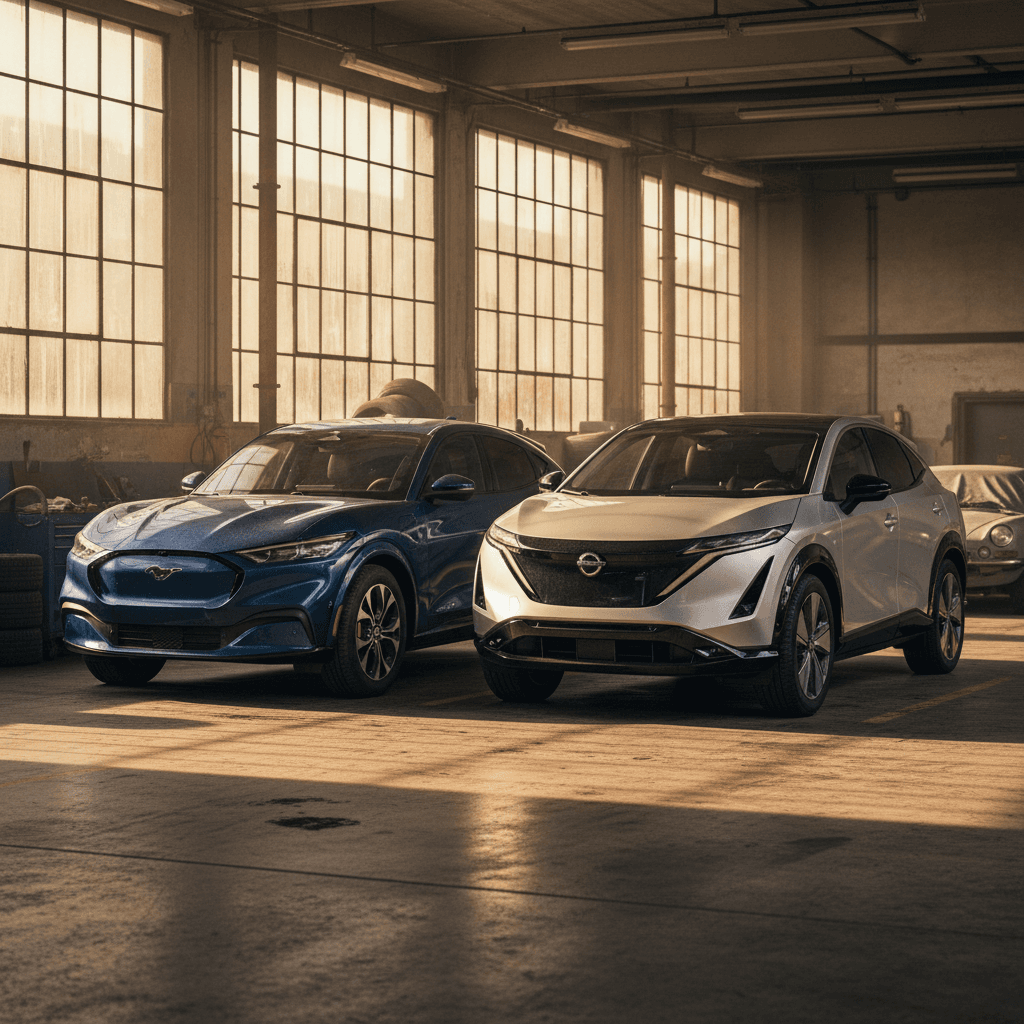
If you’re cross‑shopping a used Hyundai IONIQ 5 vs Ford Mustang Mach‑E, you’re looking at two of the most compelling electric SUVs on the market. Both deliver real‑world range, family‑friendly cabins, and serious style, yet they feel very different to live with. This guide focuses on the used‑EV realities: pricing, battery health, charging, comfort, and ownership costs so you can confidently pick the right one for you.
Who this comparison is for
Overview: Used IONIQ 5 vs Mustang Mach‑E
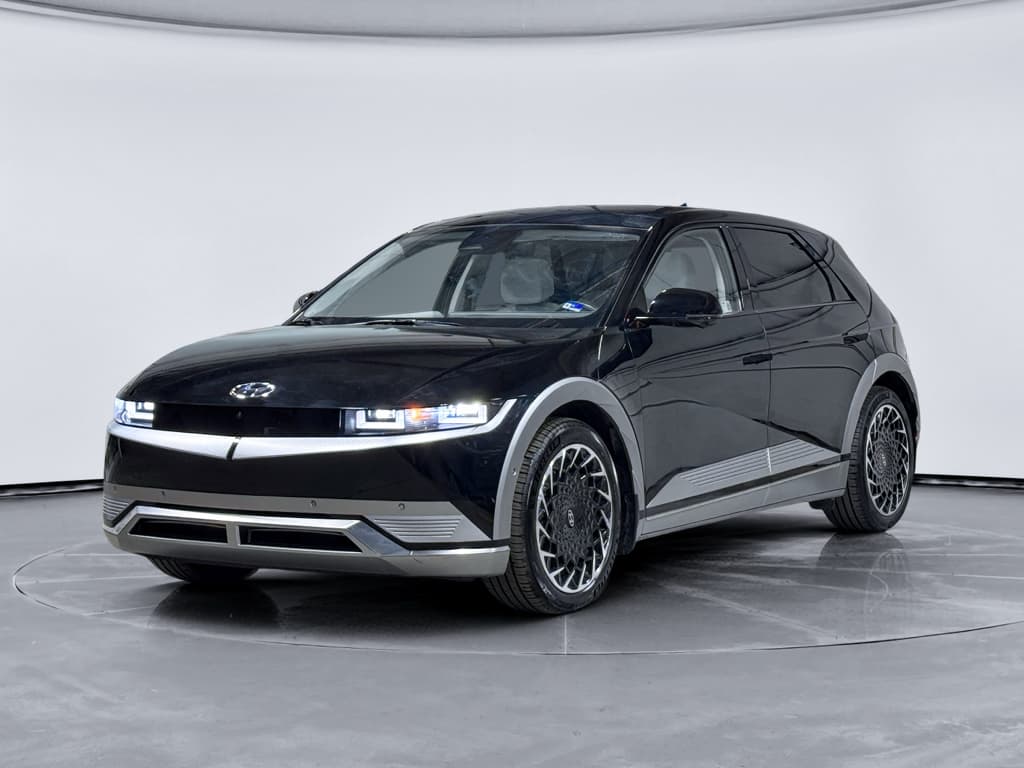
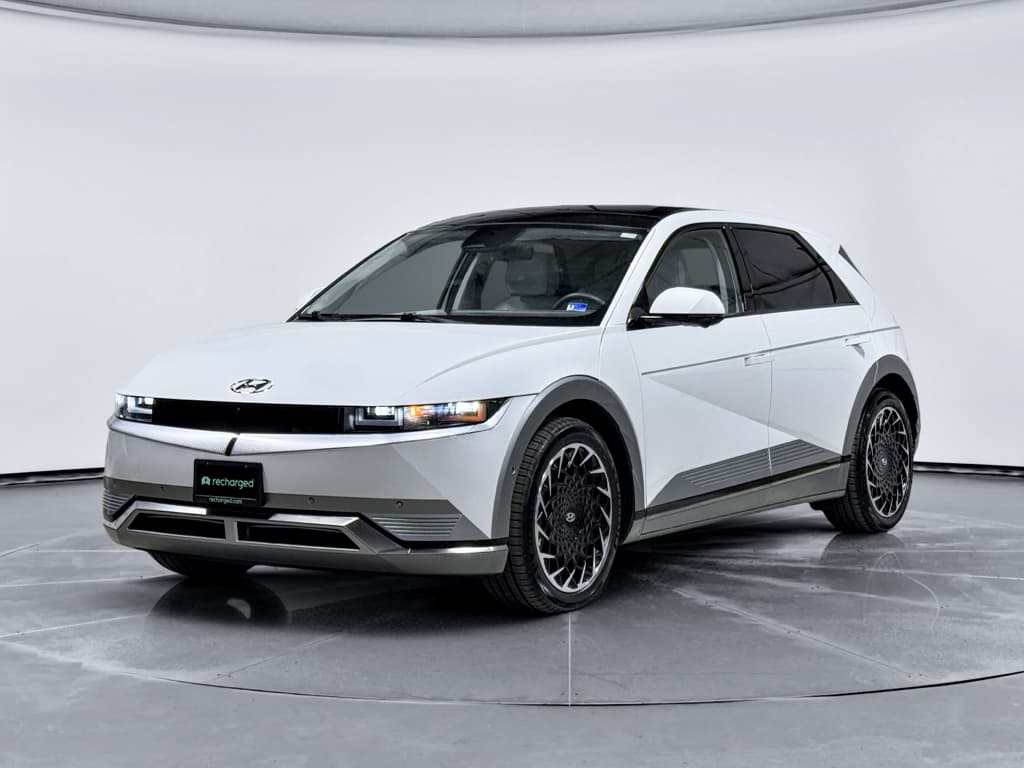
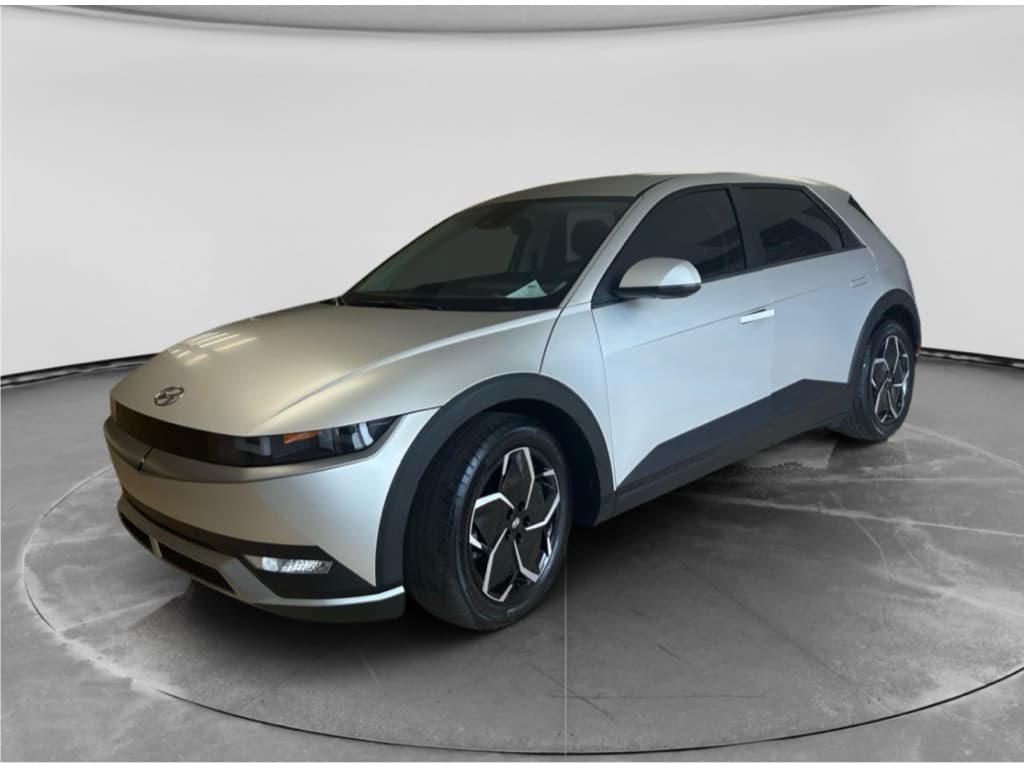
Hyundai IONIQ 5 (2022–2025 used market)
- Role: Comfortable, ultra‑fast‑charging family EV with a lounge‑like cabin.
- Battery packs: 58 kWh Standard Range (SE) and ~77.4 kWh long‑range on most trims; 84 kWh on high‑performance N.
- EPA range (most common trims): about 220–303 miles depending on battery and drivetrain.
- Charging: 800‑volt architecture; can charge 10–80% in roughly 18–20 minutes on a 250–350 kW DC fast charger.
- Vibe: Retro‑futuristic design, airy cabin, relaxed ride, excellent tech value.
Ford Mustang Mach‑E (2021–2025 used market)
- Role: Sportier, more aggressive electric SUV with a classic nameplate.
- Battery packs: ~72–75 kWh standard‑range and ~88–91 kWh extended‑range depending on model year.
- EPA range (recent models): about 240–320 miles, with 260–320 miles common on Select and Premium and ~280 miles on GT.
- Charging: Up to about 150 kW DC fast‑charge capability; typical 10–80% time around 35–40 minutes.
- Vibe: Muscle‑car styling cues, firmer ride, engaging acceleration, big central screen.
Important used‑EV note
Quick take: Which one fits you?
Best fit by buyer type
Match your driving style and daily routine to the right used EV.
Comfort‑focused commuter or family
Choose a used IONIQ 5 if you prioritize a quiet, comfortable ride, reclining rear seats, and ultra‑fast charging on road trips. It’s an outstanding family hauler with a relaxed driving feel.
Driver who loves performance feel
Choose a used Mustang Mach‑E if you care more about steering feel and acceleration. Even non‑GT trims feel eager, and GT/Rally trims are genuinely quick.
Budget‑sensitive shopper
In many regions, used Mach‑E pricing undercuts comparable IONIQ 5s, especially base and Select trims. If price is your main concern, a Mach‑E often gives you more miles per dollar.
Key spec snapshot (typical recent‑model configurations)
Battery, range, and charging performance
Real‑world range on a used IONIQ 5 vs Mach‑E
On paper, the Ford Mustang Mach‑E usually wins the range war in extended‑range trims, while the Hyundai IONIQ 5 is highly competitive, especially in rear‑wheel‑drive long‑range form. But as a used buyer, you care less about the brochure and more about what a 2–4‑year‑old car will realistically deliver after some battery aging.
Typical EPA range by common configurations (when new)
Use this as a directional guide; individual used vehicles will vary with wheel size, options, driving style, climate, and battery health.
| Model & configuration | Battery (usable, approx.) | Drivetrain | EPA range when new |
|---|---|---|---|
| IONIQ 5 SE Standard Range | 58 kWh | RWD | ~220 mi |
| IONIQ 5 SE/SEL/Limited Long Range | 77.4 kWh | RWD | ~303 mi |
| IONIQ 5 Long Range | 77.4 kWh | AWD | ~260–266 mi |
| Mustang Mach‑E Standard Range Select | ~72–75 kWh | RWD | ~240–260 mi |
| Mustang Mach‑E Extended Range Premium | ~88–91 kWh | RWD | ~300–320 mi |
| Mustang Mach‑E Extended Range Premium/GT | ~88–91 kWh | AWD | ~265–300 mi |
Approximate EPA‑rated ranges for common trims from recent model years.
Range in winter will be lower
Charging speed: a clear IONIQ 5 advantage
Where the IONIQ 5 really separates itself is DC fast‑charging. Thanks to its 800‑volt architecture, most trims can push up to roughly 230–250 kW, going from 10% to 80% in around 18–20 minutes on a high‑power station. The Mustang Mach‑E tops out around 150 kW, which typically means about 35–40 minutes for the same 10–80% window under good conditions.
- If you do frequent highway road trips, the IONIQ 5 will usually get you back on the road noticeably faster.
- If you mostly charge at home overnight, the difference matters less, and Mach‑E’s slower DC rate is less of a drawback.
- Both vehicles are excellent Level 2 home‑charging candidates; either can refuel fully overnight on a 40–48 amp home charger.
Home charging and Recharged
Driving experience and performance
Hyundai IONIQ 5: Calm, quick, and comfortable
- Acceleration: Dual‑motor AWD models crack 0–60 mph in the mid‑4‑second range, while single‑motor versions are more modest but still feel responsive in city driving.
- Ride & noise: Generally soft and quiet, tuned more like a family crossover than a sports car.
- Steering & handling: Light, easy to place in traffic, confidence‑inspiring but not especially sporty.
- Special case: The IONIQ 5 N is a true high‑performance variant with very sharp responses, but it’s rare and commands a price premium in the used market.
Ford Mustang Mach‑E: More Mustang in its manners
- Acceleration: Extended‑range AWD and GT trims offer genuinely thrilling launches, GT models can reach 60 mph in the low‑4s or better.
- Ride & noise: Firmer, sportier tuning; you may feel more road texture compared with the Hyundai.
- Steering & handling: Heavier steering, more eager turn‑in, and an overall more engaging feel.
- Special case: Mach‑E Rally and GT Performance trims bring track‑style performance but sacrifice some efficiency and ride comfort.
Performance rule of thumb
Space, comfort, and practicality
Interior comfort and cargo practicality
Both are compact crossovers on paper, but they use their space differently.
Hyundai IONIQ 5 interior
- Space: Exceptionally roomy for its footprint, with a long wheelbase that gives rear passengers limo‑like legroom.
- Seats: Available reclining rear seats and a sliding center console make it feel like a lounge.
- Cargo: Competitive cargo area and a small front trunk; rear seats fold nearly flat.
- Ergonomics: Mix of physical buttons and touch controls; easy to live with if you’re new to EVs.
Ford Mustang Mach‑E interior
- Space: Comfortable for four adults; rear headroom is a bit tighter due to the sloping roofline.
- Seats: More traditional SUV seating; GT trims add sportier buckets with better bolstering.
- Cargo: Strong cargo space with a useful frunk; perfect for road‑trip clutter or charging cables.
- Ergonomics: Dominated by a large vertical touchscreen; some owners love it, others prefer more physical buttons.
Family friendliness
Technology, safety, and driver assistance
Both models come well‑equipped with active safety tech when new, and that mostly carries over to used examples, though features can vary significantly by trim and package. As a shopper, you want to look closely at which driver‑assist options and infotainment features are actually on the VIN you’re considering.
IONIQ 5 tech & safety highlights
- Displays: Dual 12.3‑inch screens, typically with a clean, logical interface.
- Driver assists: Hyundai’s Highway Driving Assist combines adaptive cruise control and lane‑centering for relaxed highway miles.
- Other tech: Available head‑up display, Vehicle‑to‑Load (V2L) power outlets for camping or tools, and remote smart‑parking features on some trims.
Mach‑E tech & safety highlights
- Displays: 15‑ish‑inch central touchscreen plus a slim driver cluster; software updates have steadily improved the experience.
- Driver assists: Available BlueCruise hands‑free highway driving on many 2023–2025 examples (subscription‑based after trial).
- Other tech: Wireless Apple CarPlay/Android Auto (check specific year), over‑the‑air updates, and rich driving‑mode customization.
Used‑car safety checklist
Reliability, battery degradation, and warranty
Neither the Hyundai IONIQ 5 nor the Ford Mustang Mach‑E has a long decades‑deep track record like a traditional gasoline model, but both benefit from modern EV battery engineering and robust warranties. For most used shoppers, battery health is the single biggest concern, and the area where buying from an EV‑specialist marketplace matters most.
- Battery warranty (typical U.S. coverage): Both Hyundai and Ford offer roughly 8‑year / 100,000‑mile coverage for the high‑voltage battery pack, subject to conditions spelled out in the owner’s manual.
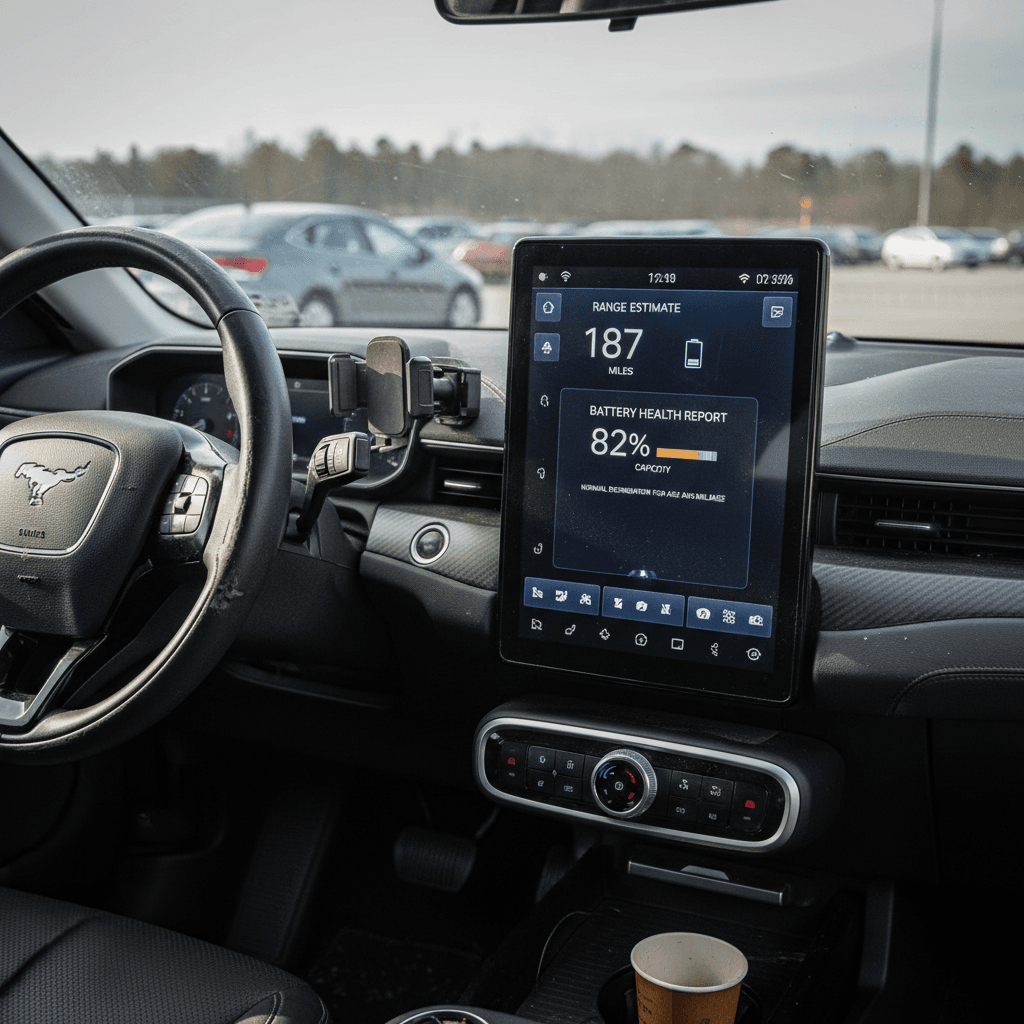
- Degradation expectations: Many owners of 2–4‑year‑old IONIQ 5s and Mach‑Es report modest real‑world range loss, often in the single‑digit percent range, though extreme climates and heavy DC‑fast‑charging use can accelerate wear.
- Software & recalls: Both models have seen over‑the‑air updates and recall campaigns. For a used example, you’ll want to confirm recall completion and that software is up to date.
Don’t guess on battery health
Used pricing, incentives, and overall value
Used EV pricing moves quickly, but several patterns have emerged in the IONIQ 5 vs Mach‑E battle. In many markets, you’ll see a Mach‑E Select or Premium undercut a similarly equipped IONIQ 5 SE or SEL when comparing similar mileage and model years. High‑end performance trims (IONIQ 5 N, Mach‑E GT/Rally) tend to hold a stronger price premium.
Value factors when cross‑shopping used IONIQ 5 and Mach‑E
Think beyond the sticker price.
Purchase price
Mach‑E: Often the lower asking price, especially base/Select trims and earlier model years.
IONIQ 5: Commands a bit more in many regions thanks to charging speed, interior space, and strong reviews.
Ownership costs
Electricity costs will be similar, but the IONIQ 5’s faster DC charging can save time (not dollars) on road trips. Insurance and tire wear may be higher on performance‑oriented trims of either model.
Tax credits & incentives
Depending on your income, location, and the sale structure, you may qualify for used EV tax credits or utility rebates. Recharged’s team can help you navigate what applies to a particular IONIQ 5 or Mach‑E in your state.
How Recharged simplifies the used‑EV math
Ready to find your next EV?
Browse VehiclesHow to choose between a used IONIQ 5 and Mach‑E
7 questions to decide IONIQ 5 vs Mach‑E
1. How often do you fast‑charge on road trips?
If you expect to DC‑fast‑charge frequently, say, several times a month on long drives, the IONIQ 5’s 800‑volt system and shorter 10–80% times are a real quality‑of‑life advantage.
2. Do you care more about comfort or cornering?
If you want calm, quiet, and spacious, lean IONIQ 5. If you want a more athletic drive and sharper responses, the Mach‑E, especially with extended‑range AWD or GT, is the better fit.
3. How tall are your regular passengers?
Tall rear passengers and rear‑facing child seats are easier in the IONIQ 5’s back seat. If you mostly carry adults in the front and kids in the back, either can work, but the Hyundai feels roomier overall.
4. What does your charging situation look like?
Apartment dwellers who rely more on public DC fast charging will particularly appreciate the IONIQ 5. If you have a reliable Level 2 charger at home and mostly charge overnight, Mach‑E’s slower DC rate is less critical.
5. Are you chasing maximum range numbers?
Top‑range Mach‑E trims can edge out comparable IONIQ 5s on EPA range when new. However, real‑world efficiency, driving style, wheels, and battery health may matter more for your actual daily range.
6. What’s your budget ceiling?
If you’re stretching to hit a payment target, you may find a lower‑priced Mach‑E Select or Premium that does everything you need. If roomier seating and faster charging justify a slight premium, a well‑specced IONIQ 5 SE/SEL can be worth it.
7. How much do you value transparent vehicle history?
Regardless of which model you choose, prioritize vehicles with verified battery health, clear service records, and no major accident history. Recharged’s buy‑online experience bundles this into one report instead of leaving you to piece it together.
FAQ: Used Hyundai IONIQ 5 vs Ford Mustang Mach‑E
Common questions from used‑EV shoppers
Both the used Hyundai IONIQ 5 and the used Ford Mustang Mach‑E are excellent electric SUVs that can comfortably serve as your primary vehicle. If you prize a spacious, calming cabin and the shortest possible fast‑charging stops, the IONIQ 5 is hard to beat. If you lean toward a sportier drive and often see stronger deals in your local market, the Mach‑E may deliver more fun per dollar. Either way, focus on the specifics of the individual car, battery health, equipment, software status, and price. That’s exactly what Recharged’s reports, EV‑savvy team, and fully digital buying experience are built to surface, so you can choose the right EV with confidence instead of crossing your fingers.