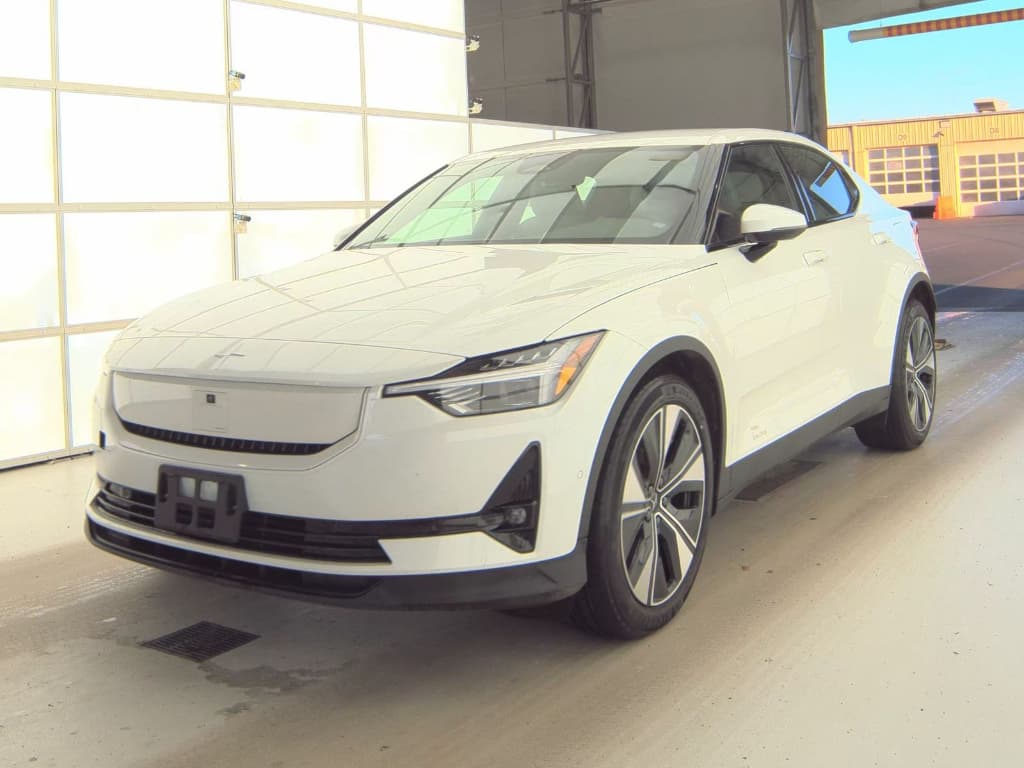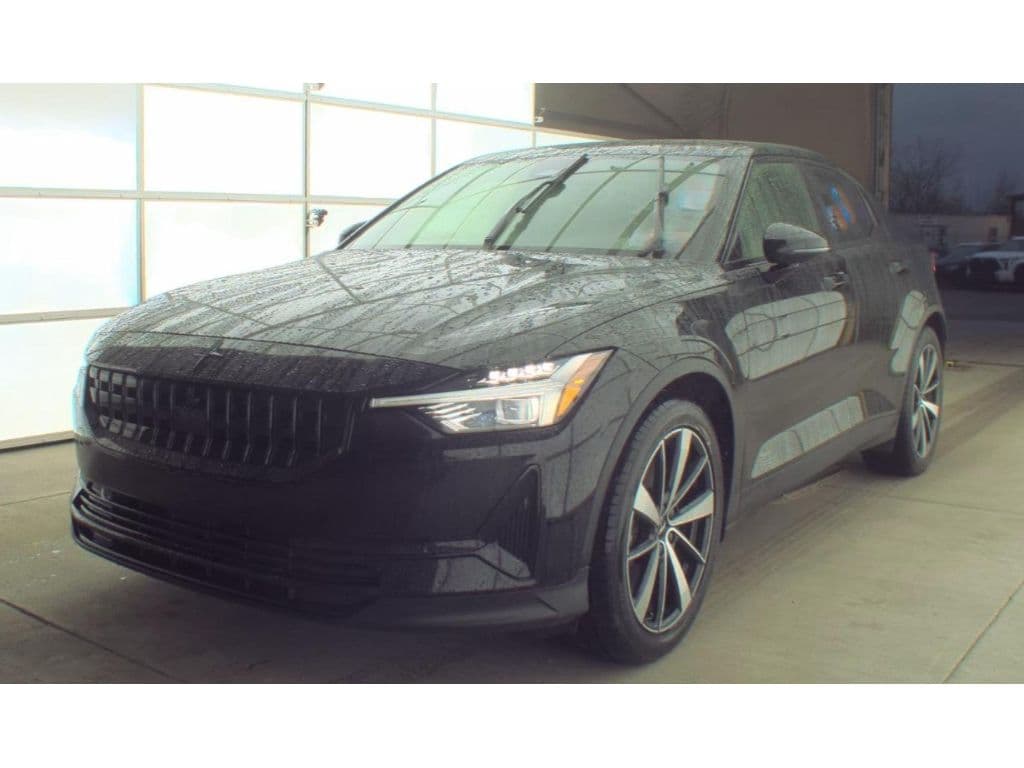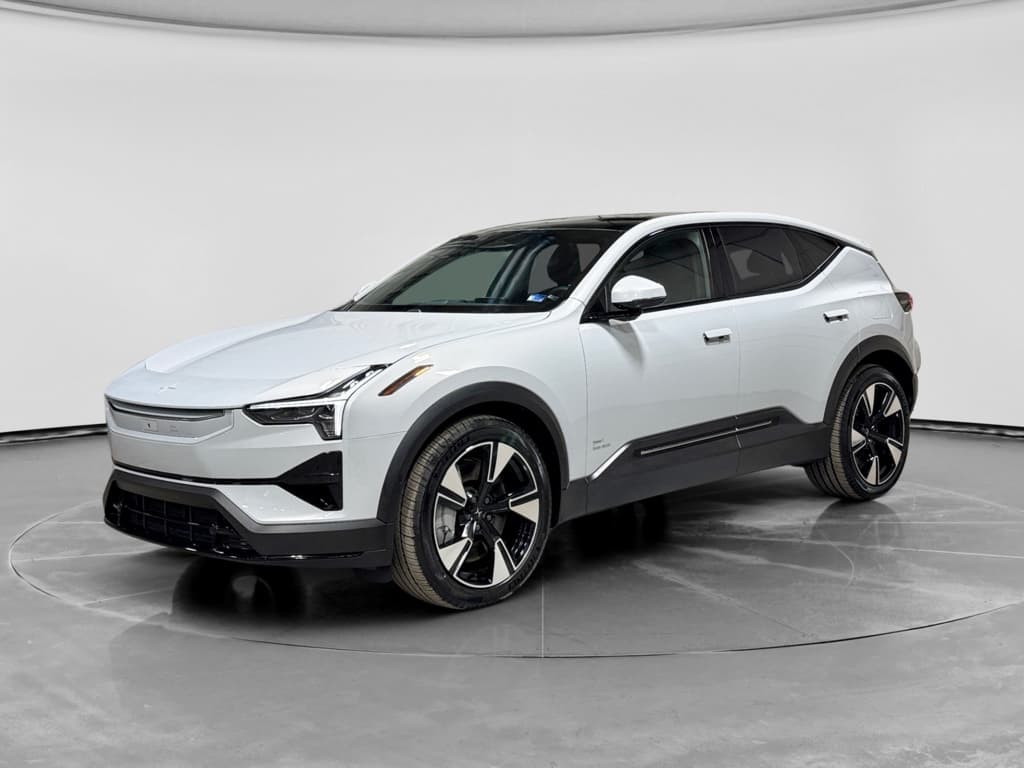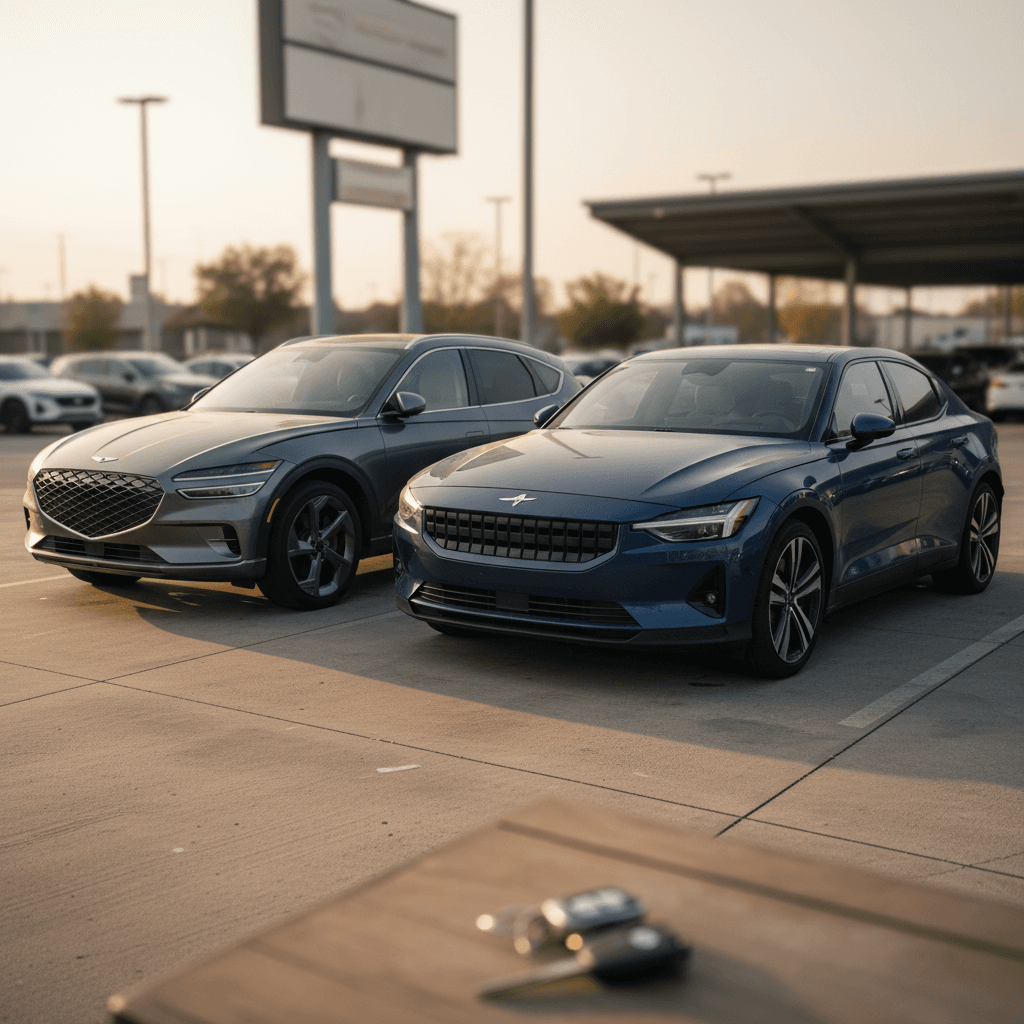
If you’re cross‑shopping a used Genesis GV60 vs Polestar 2 in 2026, you’re comparing two of the most interesting premium EVs that aren’t wearing a Tesla badge. One is a playful, luxurious crossover; the other is a Scandinavian‑cool sedan‑hatchback. Both can be smart buys used, if you match the car to your needs and understand how they differ on range, charging, comfort, reliability, and long‑term value.
Quick takeaway
Overview: Used Genesis GV60 vs Polestar 2 in 2026
Genesis GV60 (2023–2025 used)
- Body style: Compact luxury crossover SUV
- Battery: ~77.4 kWh pack on U.S. models
- EPA range: Roughly 248–294 miles depending on trim and year
- Drivetrain: Mostly dual‑motor AWD in the U.S., with punchy performance
- Character: Quiet, cushy, tech‑heavy, with ultra‑fast DC charging
Polestar 2 (2021–2025 used)
- Body style: Compact liftback sedan/hatch
- Battery: ~70–82 kWh depending on year and spec
- EPA range: Up to around 320 miles on newer long‑range single‑motor versions
- Drivetrain: Single‑motor RWD or dual‑motor AWD
- Character: Firm, sporty, minimalist cabin, strong Google‑based tech
Used model years you’ll actually see
Who Each EV Fits Best
At-a-glance: Which used EV matches your life?
Match the car to how you actually drive, not just the spec sheet.
Choose a used Genesis GV60 if…
- You want an upscale, quiet ride that feels like a luxury SUV.
- You do frequent road trips and value ultra‑fast DC charging.
- You prefer higher seating and easier ingress/egress.
- You like distinctive design and a rich feature set (massaging seats, crystal shifter, etc. on higher trims).
Choose a used Polestar 2 if…
- You like a sporty, sedan‑like drive with firm, confident handling.
- Your driving is mostly commuting and weekend trips, not constant long hauls.
- You’re drawn to minimalist Scandinavian design and Google‑based tech.
- You want something easier to park in tight city spaces.
Still undecided?
If you’re torn, think about two questions:
- How often will you sit in traffic or on the highway for hours at a time? Comfort favors the GV60.
- How price‑sensitive are you? At similar mileage, a used Polestar 2 often undercuts a GV60 on price.
Powertrain, Battery, and Real-World Range
On paper, both the used Genesis GV60 and Polestar 2 offer competitive battery sizes and strong performance. What matters when you’re buying used in 2026 is how those numbers translate into real‑world range today, with a few years and tens of thousands of miles on the odometer.
Typical U.S. trims you’ll see used and their range
Approximate EPA range ratings when new; expect some degradation and real‑world variation with age, climate, and driving style.
| Model / Trim (U.S.) | Battery (approx.) | EPA Range when new | 0–60 mph (approx.) |
|---|---|---|---|
| Genesis GV60 Advanced / Standard AWD (2023–2025) | 77.4 kWh | 248–264 miles | ~5.7 s |
| Genesis GV60 Performance AWD (Boost) | 77.4 kWh | Around 235 miles | ~4.0 s |
| Polestar 2 Long Range Single Motor (2024–2025) | ~82 kWh | Up to ~320 miles | ~5.9 s |
| Polestar 2 Long Range Dual Motor (2024–2025) | ~78–82 kWh | Roughly 260–270 miles | ~4.2 s |
| Older Polestar 2 (2021–2022, various) | 64–78 kWh | Generally 220–260 miles | Varies by trim |
Use this as a directional guide, not a promise, always check the specific car’s window sticker or EPA label when possible.
Range ratings vs range reality
If your top priority is maximum single‑charge range, a newer Polestar 2 Long Range Single Motor typically goes farther between plugs than any U.S.‑spec GV60. But because the GV60 is so adept at recharging quickly, the difference shrinks on road trips with multiple fast‑charge stops.
- For short‑to‑medium commutes (under ~60 miles/day), either car has more than enough range even with some degradation.
- For frequent 200–300‑mile highway runs, the Polestar 2 LR single motor offers more buffer between charges.
- For mixed city/suburban use with occasional road trips, the GV60’s slightly lower range is offset by extremely fast DC charging and a more comfortable cabin.
Charging Speed and Road-Trip Ability
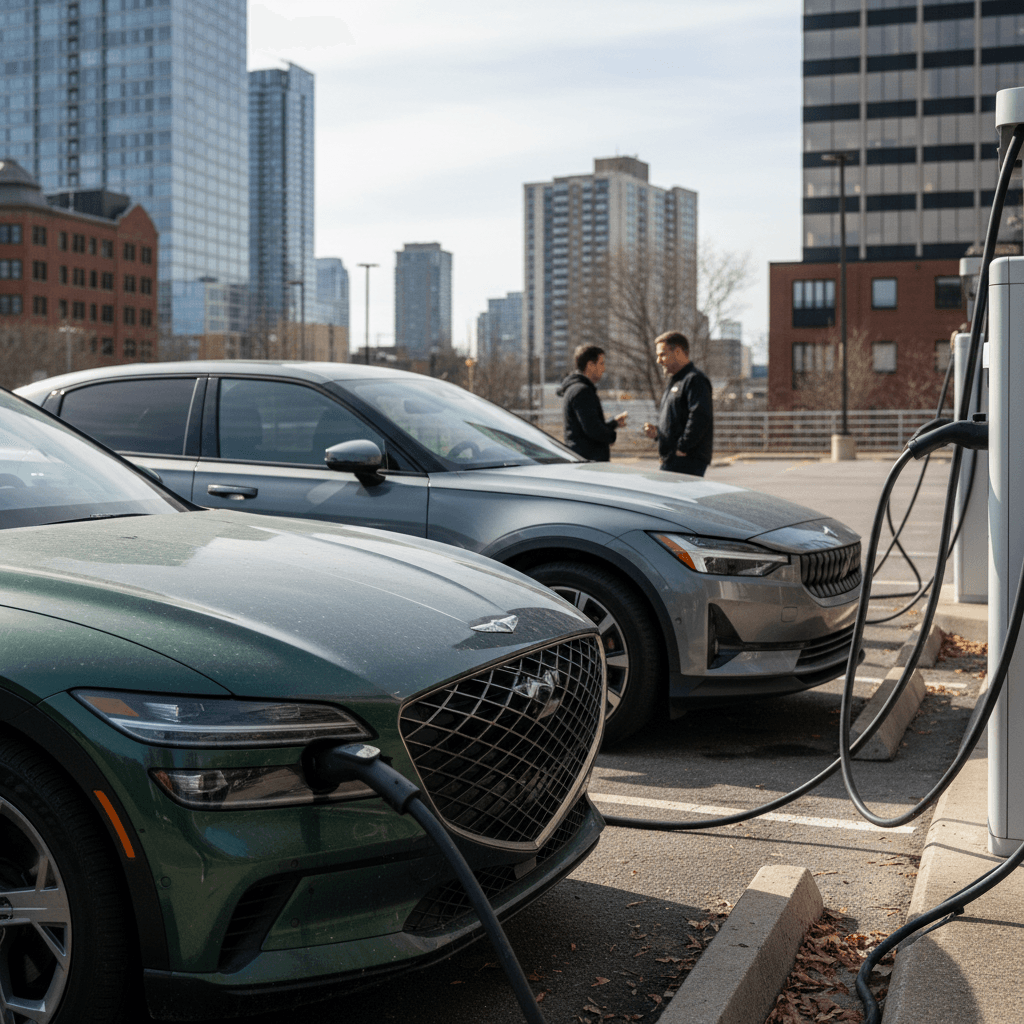
Charging performance is where the Genesis GV60 quietly separates itself from many rivals, including most Polestar 2 trims. Both are fine for overnight Level 2 charging at home, but DC fast‑charging behavior on a long drive can make one feel like a travel partner and the other like a compromise.
Charging capability snapshot (when new)
Think in stops, not just range
For home charging, both cars are effectively equal: if you can install a 40‑ or 48‑amp Level 2 charger, either EV will comfortably recharge from a typical day’s driving overnight. Where the GV60 shines is on modern 250–350 kW DC fast chargers, especially on popular corridors already dense with high‑power stations.
Interior, Comfort, and Practicality
Genesis GV60: Luxury-first cabin
- Ride comfort: Softer, more insulated from bumps and road noise than most compact EVs.
- Seating position: Higher, SUV‑like stance that many buyers find easier on backs and knees.
- Materials: Rich mix of soft‑touch surfaces, distinctive details (like the crystal sphere shifter), and available massaging seats.
- Space: Excellent front‑seat room; rear headroom is acceptable but the sloping roof can pinch very tall passengers.
- Cargo: Hatchback layout and SUV body give useful everyday practicality, even if the cargo area isn’t huge by SUV standards.
Polestar 2: Minimalist, snug cockpit
- Ride comfort: Firm and controlled; great on smooth roads, busier on broken pavement.
- Seating position: More sedan‑like; you sit lower than in the GV60.
- Materials: Clean design with vegan and textile options, strongly focused on sustainability and Scandinavian aesthetics.
- Space: Rear seat can feel tight for adults on longer trips, especially in legroom.
- Cargo: Practical hatchback trunk with split‑fold rear seats and a small front trunk for cables.
Family and dog duty
Tech, Safety, and Driving Experience
How they feel from the driver’s seat
Both are quick; the differences are in character and interface.
Infotainment & interface
- GV60: Genesis’ own system with a wide screen, physical climate controls, and a learning curve but strong feature coverage.
- Polestar 2: Android Automotive OS with Google Maps built‑in and excellent voice control, one of the most intuitive setups on the market.
Safety & driver assists
- Both offer modern suites: adaptive cruise, lane‑keeping assist, blind‑spot monitoring, and more (varies by trim).
- GV60’s Highway Driving Assist can feel more polished on long freeway stretches; Polestar’s Pilot Assist is competent but more conservative.
Driving character
- GV60: Tuning leans toward smooth and refined. Even the Performance model is more about effortless thrust than track‑day antics.
- Polestar 2: Chassis feels buttoned‑down and responsive. Performance Pack cars especially reward drivers who enjoy back‑road carving.
"These are two of the rare EVs that actually give you a choice in personality: plush and serene vs. taut and precise. Neither is 'better' for everyone, just better for different kinds of drivers."
Reliability and Ownership Issues to Watch
Because neither the Genesis GV60 nor Polestar 2 has been around for decades, long‑term data is still developing. The good news: both ride on modern EV platforms from brands that have invested heavily in electrification. Still, there are specific things I’d check carefully on a used example.
- Software and updates: Polestar leans heavily on over‑the‑air updates; make sure the car is on current software and that the previous owner didn’t ignore update prompts. Genesis has added features via updates as well, but tends to rely more on dealer visits.
- Charging behavior: On your test drive, visit a DC fast charger if possible. Confirm the car ramps up to expected speeds and doesn’t taper prematurely, odd behavior could hint at battery conditioning or software issues.
- Noise, rattles, and water leaks: With any premium EV, listen for interior squeaks, suspension clunks, or wind noise at highway speed. Inspect seals around doors and the hatch; some early cars from both brands had minor fit‑and‑finish complaints.
- Warranty status: Both brands offer multi‑year warranties on the high‑voltage battery (typically 8 years/100,000 miles for capacity). For a used car in 2026, confirm in writing what remains of both the basic and EV‑specific coverage.
Why a battery health report matters
Used Pricing and Resale Value in 2026
Used EV pricing in 2026 is a moving target, influenced by interest rates, new‑EV incentives, and how quickly new models hit the market. That said, some clear patterns have emerged for the GV60 and Polestar 2.
What you can generally expect to pay in 2026 (U.S.)
These are broad, directional ranges for clean‑title, average‑mileage cars from mainstream retailers. Local markets and equipment can move numbers up or down.
| Model / Year | Typical mileage | Approx. asking range | Depreciation feel |
|---|---|---|---|
| 2023–2024 Genesis GV60 Advanced/Standard AWD | 15k–35k miles | Often mid‑$20k to low‑$30k | Has seen substantial early luxury‑EV depreciation; strong value used. |
| 2023–2024 Genesis GV60 Performance AWD | 15k–30k miles | Generally high‑$20k to mid‑$30k | Performance trim commands a premium but still well below original MSRP. |
| 2022–2024 Polestar 2 Long Range Single Motor | 20k–45k miles | Low‑$20k to high‑$20k | Usually cheaper than GV60 at similar mileage; strong value if range meets your needs. |
| 2022–2024 Polestar 2 Dual Motor / Performance | 20k–45k miles | Mid‑$20k to low‑$30k | Performance‑oriented trims priced near non‑Performance GV60s. |
Always compare multiple listings and get a vehicle‑specific valuation before making an offer.
Tax credits and used EV incentives
Which Is Cheaper to Own?
Total ownership cost combines purchase price, financing, energy, maintenance, insurance, and resale. The spread between a used GV60 and Polestar 2 isn’t huge for most buyers, but there are some tendencies worth noting.
Ownership cost tendencies
Exact numbers will depend on your state, insurance profile, and driving pattern.
Genesis GV60 ownership notes
- Higher initial price than many Polestar 2s, especially on well‑optioned trims.
- Luxury‑brand insurance can be slightly higher in some markets.
- Maintenance should be modest (no engine or transmission) but budget for high‑performance tires and brake service on Performance models.
- Resale from here forward may be helped by its standout charging capability and luxury feel.
Polestar 2 ownership notes
- Often cheaper to buy used at similar mileage.
- Energy costs can be slightly lower if you choose the long‑range single‑motor with its efficiency focus.
- Insurance varies widely, some carriers still treat Polestar as a “niche” brand, so get quotes on specific VINs.
- Resale outlook depends on how quickly Polestar evolves its lineup and U.S. presence, but low entry prices help cushion future depreciation.
Run real numbers, not assumptions
How to Choose: Genesis GV60 vs Polestar 2
If you prioritize comfort and refinement
Leaning toward the Genesis GV60 is the right move. It feels more like a shrunken luxury SUV than an eco‑science project: quiet, smooth, and loaded with clever features. If you or your passengers are sensitive to ride quality or road noise, the GV60 is the safer bet.
If you want a driver’s EV on a budget
The Polestar 2, especially in long‑range single‑motor or dual‑motor form, gives you a taut chassis, strong acceleration, and excellent Google‑based navigation and charging integration, often for less money than a comparable‑age GV60.
If fast‑charging is mission‑critical
For frequent intercity drives, the GV60’s 800‑volt architecture and ultra‑fast DC performance are hard to beat in the used market. Even if its rated range is lower than the best Polestar 2s, short, efficient charging stops can make real‑world travel time similar, or better.
My bottom‑line recommendation
Checklist: Shopping for a Used GV60 or Polestar 2
Essential checks before you sign
1. Confirm remaining factory warranty
Ask the seller for in‑writing confirmation of remaining basic and battery warranties, plus any extended coverage. A used 2023–2024 example should still have years of EV‑specific warranty left.
2. Get a battery health report
Don’t rely on guesswork or a dash‑displayed estimate. On Recharged, every vehicle includes a <strong>Recharged Score battery health diagnostic</strong> so you can see how the pack has aged compared with similar EVs.
3. Review charging history and behavior
If possible, ask how the car has been charged, mostly DC fast or mostly home Level 2, and test a DC session yourself. Irregular charging curves can indicate underlying software or battery conditioning issues.
4. Inspect for cosmetic and structural damage
Look for mismatched paint, uneven panel gaps, overspray, or signs of flood exposure. With EVs, hidden damage to the battery case or high‑voltage components can be very expensive to fix.
5. Test all tech and driver aids
In both cars, a lot of value lives in the software. Test adaptive cruise, lane‑keeping, parking cameras, seat adjustments, audio, and smartphone integration. Glitches today can become headaches tomorrow.
6. Consider nationwide options
Because both GV60 and Polestar 2 are still relatively niche, your local inventory may be thin. Shopping a <strong>nationwide marketplace like Recharged</strong>, with home delivery and EV‑specialist support, opens up more choice and better pricing.
FAQ: Used Genesis GV60 vs Polestar 2
Frequently asked questions
When you put the badges aside, you’re really choosing between two different philosophies of electric motoring. The Genesis GV60 treats you to a genuinely luxurious, quiet experience with blisteringly quick charging; the Polestar 2 rewards drivers who appreciate clean design, sharp handling, and a lower price of entry. In 2026, both can be smart used buys, just be sure to focus on the specific trim, battery health, and how each car fits your daily life. Do that, and either choice can feel like the right one every time you press the start button.