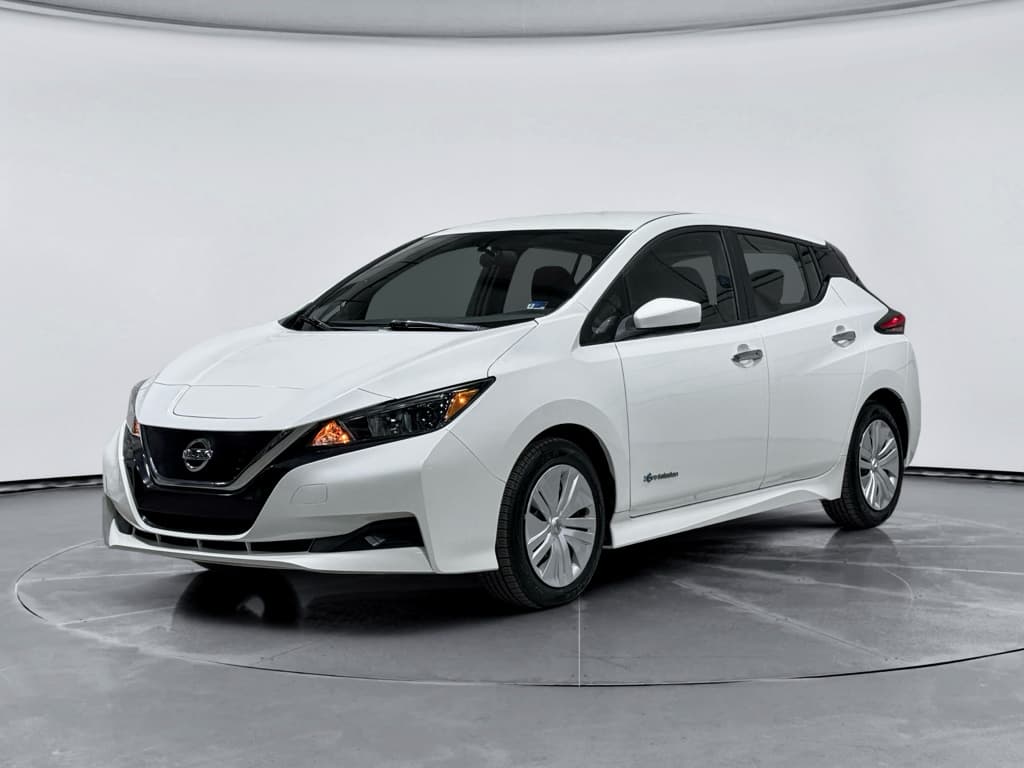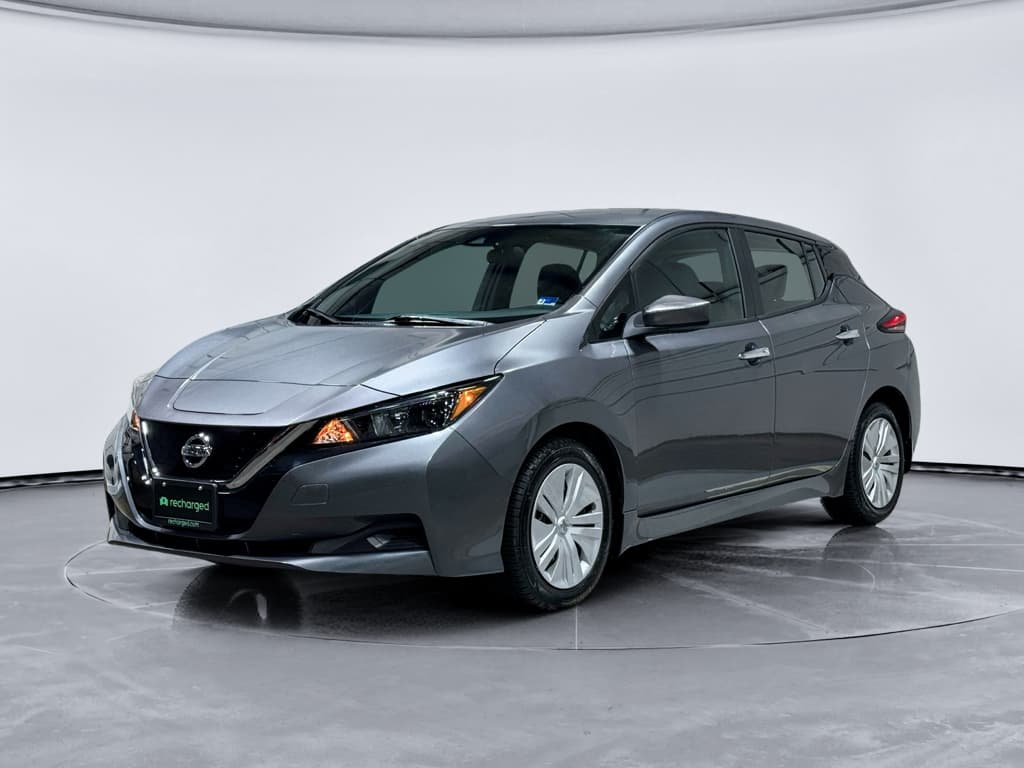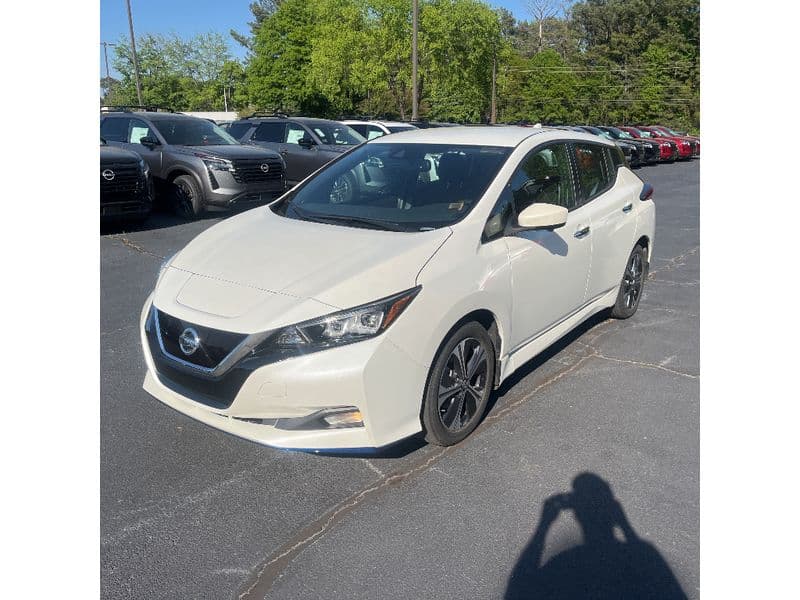
If you’re shopping for a used EV, the **2021 Nissan Leaf** is going to tempt you. It’s cheap to buy, cheap to run, and dead simple to live with. But 2021 is also the first Leaf model year tied up in a high‑profile battery recall and some very real DC fast‑charging headaches. Before you pounce on that low monthly payment, you need to understand what can go wrong, and how to spot a good car from a bad one.
Big picture on 2021 Leaf issues
2021 Nissan Leaf at a Glance
2021 Nissan Leaf Owner Snapshot
On paper, the 2021 Leaf is a sensible commuter: front‑wheel drive, modest power, and two battery options. The **Leaf S and SV** use the smaller pack and are happiest as in‑town cars. The **Leaf S Plus and SL Plus** add usable highway range but keep the same basic architecture, air‑cooled battery, CHAdeMO fast‑charge port, and a very simple drivetrain.
Key context for 2026 shoppers
Battery & Fast-Charging Problems on the 2021 Leaf
Let’s deal with the star of this particular horror anthology: the **high‑voltage battery**. The 2021 Leaf doesn’t have an engine or a transmission in the conventional sense, its battery pack is the beating heart of the car. When it misbehaves, the whole ownership experience goes sideways.
- Sudden drops in state‑of‑charge (SOC) percentage while driving, then big jumps back up under regen braking
- Rapid, unexpected loss of usable range over a short period (for example, losing a third of your daily range in a month)
- “Turtle mode” or reduced‑power warnings at surprisingly high indicated charge levels
- Inability to DC fast charge after recall work or software updates
- General range anxiety because the **guess‑o‑meter** feels erratic and untrustworthy
Why this matters
Battery Fire-Risk Recall on 2021–2022 Leafs
In late 2025, Nissan announced a recall affecting **19,077 Leaf EVs from the 2021–2022 model years** in the U.S. The issue: certain lithium‑ion cells can develop **excessive lithium deposits**, increasing electrical resistance and heat buildup during **Level 3 DC fast charging**. In a worst‑case scenario, that can lead to battery overheating and potential fire during a quick charge session.
2021 Leaf Battery Fire-Risk Recall: Fast Facts
Key details shoppers should understand about the 2021–2022 Leaf battery recall.
| Item | Details |
|---|---|
| Recall scope | Approx. 19,000 Leaf EVs (2021–2022) with DC fast‑charge ports |
| Root issue | Some battery cells can develop excessive lithium deposits, increasing resistance and heat |
| When it shows up | Most likely during Level 3 (DC) fast charging; there may be **no early warning signs** |
| Interim fix | Nissan advises owners **not to use Level 3 charging** until software remedy is installed |
| Permanent remedy | Software update (and any needed hardware work) performed by Nissan dealers at no cost |
| Owner impact | Temporary or extended loss of DC fast‑charging capability; range and AC charging remain usable |
Always run a VIN check to confirm if a specific Leaf is affected and whether the remedy has been completed.
Important nuance
Some owners report a particularly frustrating scenario: after the recall is applied, their Leaf’s **DC fast‑charging is heavily restricted or disabled** without any clear timeline for a full fix. In practice, that can turn what was marketed as a road‑trip‑capable EV into a **Level 2–only commuter** indefinitely.
What to do as a buyer
Real‑World Range Drop & Battery Degradation
Every EV battery degrades. The Leaf’s pack, though, is **air‑cooled rather than liquid‑cooled**, which historically makes it more sensitive to heat and repeated fast‑charge abuse. Owners of 2021 cars report a familiar pattern:
- Gradual range loss over the first 2–3 years (for example, losing 10–15% of capacity)
- A “health cliff” where range suddenly nosedives within a few weeks or months
- Wildly fluctuating SOC readings, dropping from 50% to 20% in a mile, then bouncing back under regen
- The car hitting **turtle mode** on the highway even though the gauge still shows significant charge remaining
How to sanity‑check range on a test drive
Charging System & CHAdeMO Limitations
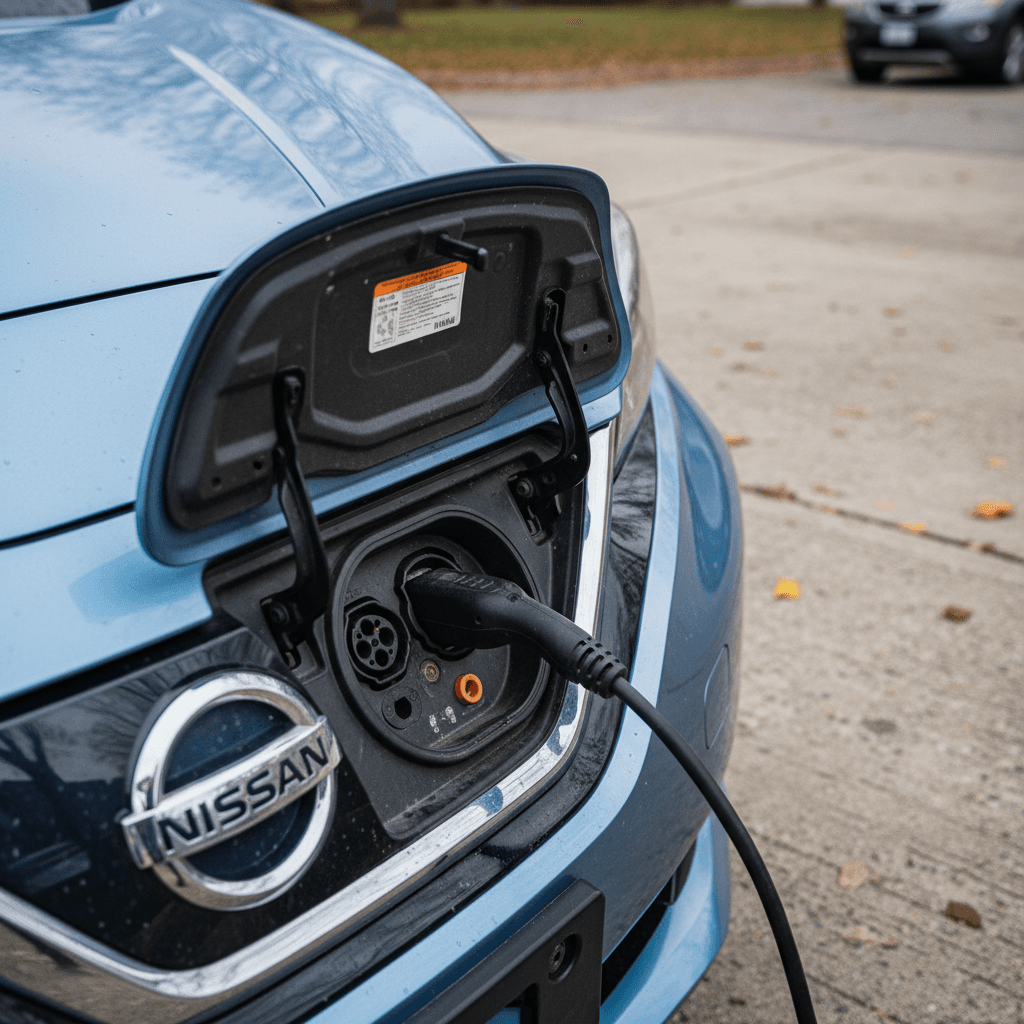
Some of the most painful “problems” with a 2021 Leaf aren’t failures at all, they’re design decisions that have aged badly. Chief among them: **the CHAdeMO DC fast‑charging port** and the broader charging ecosystem around it.
Common 2021 Leaf Charging Complaints
How much they matter depends entirely on how you drive.
Shrinking CHAdeMO network
Slower fast‑charge profile
Station reliability
Treat DC fast charging as a nice‑to‑have, not a promise
On the plus side, **Level 2 AC charging at home** is uneventful and generally very reliable. Most owners simply plug in overnight and wake up to a full battery, which is where the Leaf shines.
Electronics, Driver Assistance & Minor Issues
Beyond the battery, the 2021 Leaf’s **electronics and driver‑assistance tech** are relatively simple by modern standards. That’s good for long‑term survivability, but there are still a few irritants that show up in owner reports:
- Occasional glitches or warning lights related to the **“Service EV System”** message, sometimes tied to a weak 12‑volt battery
- Quirky behavior from **ProPILOT Assist** lane‑centering that can hug one side of the lane or misjudge markings until the camera is properly calibrated
- Infotainment system that feels a generation behind, with occasional freezes or Bluetooth hiccups
- Random interior rattles, particularly from hard plastics and the rear cargo area
- Wear‑prone items like horn assemblies or steering‑wheel buttons failing earlier than expected
“Service EV System” message
This catch‑all warning can be triggered by anything from a **weak 12V battery** to genuine high‑voltage issues. Some owners report clearing it with a new 12V and proper charge cycles, others need dealer‑level diagnostics and component replacement.
ProPILOT quirks
When it works, ProPILOT takes the edge off highway commutes. When it doesn’t, you get **premature lane departure warnings or sloppy centering**. Often the fix is a simple **camera calibration** after a windshield replacement or front‑end repair, but it still means a trip to the dealer.
The upside of simplicity
2021 Leaf Reliability: How Bad Is It Really?
If you only read the worst forum threads, you’d think every 2021 Leaf is a rolling catastrophe. Reality is more nuanced. Owner data from mainstream sources like Kelley Blue Book show **4+ out of 5 stars for reliability**, and a strong majority of owners say they would recommend the car. The drivetrain itself, electric motor, single‑speed reduction gear, is about as drama‑free as automobiles get.
- The **average 2021 Leaf** that’s been driven moderately, garage‑kept, and mostly charged at home will often show **modest, linear degradation** and few mechanical issues.
- The **unlucky minority**, cars with bad cells, extreme climates, or abuse via constant DC fast charging, produce the horror stories about dramatic range loss and repeated dealer visits.
- The **recall population** muddies the water, because even healthy cars can have their **fast‑charging behavior curtailed** while Nissan sorts out long‑term fixes.
Think of it like this
What to Check When Buying a Used 2021 Leaf
If you’re looking at a used 2021 Nissan Leaf in 2026, you need to do a bit more homework than you would for, say, a used Corolla. Here’s a structured way to protect yourself.
Used 2021 Leaf Pre‑Purchase Checklist
1. Verify recall and warranty status
Run the VIN through Nissan’s recall lookup and NHTSA’s database. Confirm whether the **battery fire‑risk recall** applies, and whether the remedy is completed. Ask for paperwork. Also note remaining **battery warranty**, for many Leafs it’s 8 years/100,000 miles against excessive capacity loss.
2. Get a real battery health reading
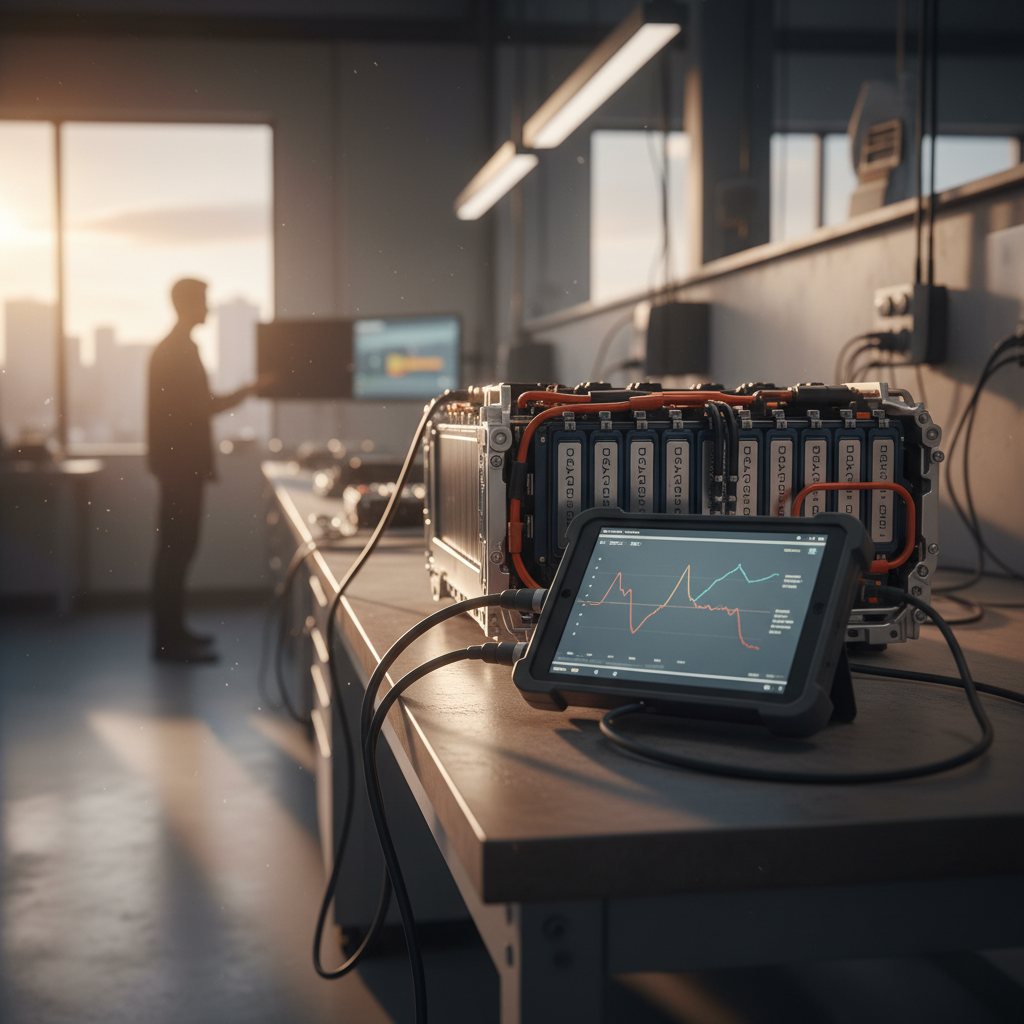
Don’t rely solely on the dashboard bars. Use a professional diagnostic like the **Recharged Score battery test** or, at minimum, an OBD‑based Leaf‑specific scan to estimate State of Health (SOH), cell balance, and any weak modules.
3. Test DC fast charging (if equipped and allowed)
If the car has a CHAdeMO port and isn’t under a "no DC charging" restriction, do a **short fast‑charge session**. Confirm the car takes a charge, doesn’t throw warnings, and the station doesn’t immediately throttle way down due to pack temperature.
4. Drive it like you’ll actually use it
Take a **40–50 mile test drive** at the speeds you really drive. Note starting and ending SOC, climate control usage, and whether the percentage drops smoothly. If the car dives toward turtle mode or the gauge swings wildly, walk away.
5. Inspect for collision and glass work
Look for signs of **front‑end repairs or windshield replacement**, which can affect ProPILOT and safety‑system calibration. Misaligned panels, overspray, or non‑OEM glass don’t have to be dealbreakers, but they warrant a closer look and a test of all driver‑assist systems.
6. Check the basics: 12V battery and charger
A weak 12V battery can cause a cascade of strange EV warnings. Have it tested. Confirm that the **included EVSE or Level 2 charger** works properly and that there’s no damage to the charge port or pins.
Pro move: ask for documentation
How Recharged Evaluates Used Nissan Leafs
Because the battery is the whole ballgame on a used Leaf, Recharged doesn’t guess. Every Leaf we list goes through a **Recharged Score evaluation**, which includes dedicated battery diagnostics and market‑value analysis, so you don’t have to reverse‑engineer the car’s past from vague ads and optimistic sellers.
What Recharged Looks At on a 2021 Leaf
Beyond a quick test drive and a Carfax.
Deep battery health scan
Usage & climate history
Fair‑market pricing
Ready to find your next EV?
Browse VehiclesIf you already own a 2021 Leaf and you’re thinking about moving on, Recharged can also help with **trade‑in or consignment**, including nationwide buyers who understand EVs. That can be a lot less painful than explaining CHAdeMO and recall notices to a traditional dealer.
FAQ: 2021 Nissan Leaf Problems
Frequently Asked Questions About 2021 Nissan Leaf Problems
Bottom Line: Is a 2021 Leaf Worth It Used?
The 2021 Nissan Leaf is a bit like a well‑loved paperback: modest, scuffed, deeply practical, and not especially happy outside its comfort zone. For the right driver, it’s a brilliant, low‑cost EV that shrugs off stop‑and‑go traffic, quietly murders fuel bills, and charges while you sleep. For the wrong driver, it’s a lesson in range anxiety, recall purgatory, and the realities of an aging fast‑charging standard.
If your life is mostly **short‑to‑medium commuting with home charging**, and you buy a car with a **documented healthy battery and clean recall history**, a 2021 Leaf can absolutely make sense, especially at today’s used prices. If you need **high‑mileage road‑trip flexibility** or must lean on DC fast charging several times a week, you’re better off looking at newer EVs on CCS or NACS.