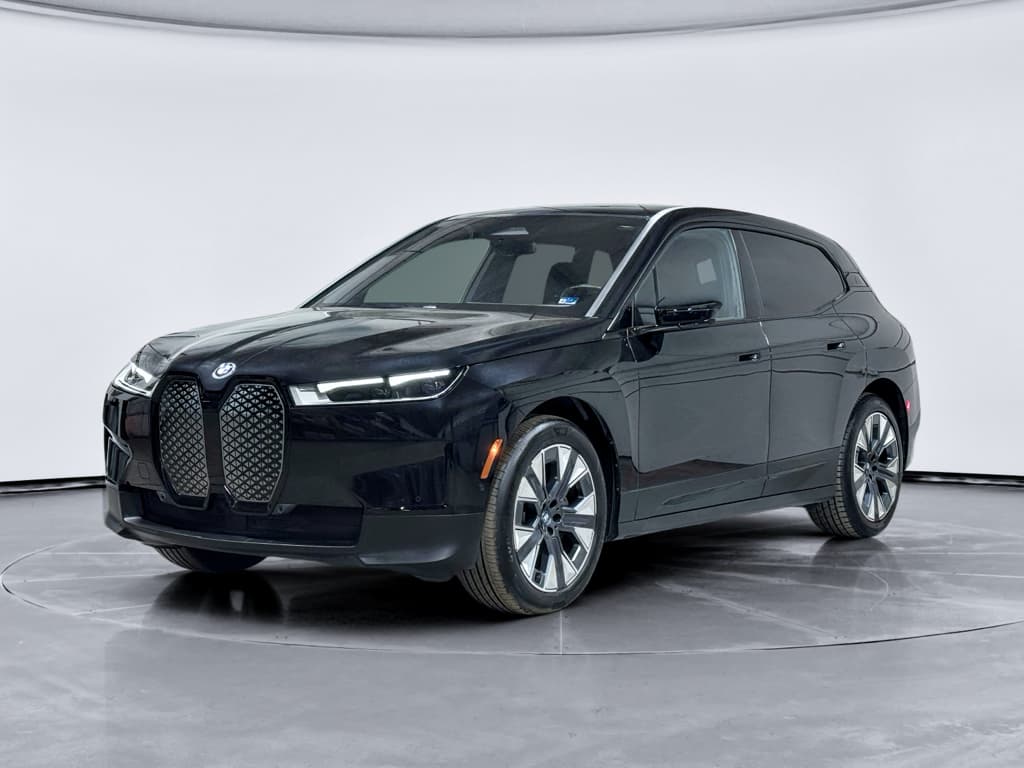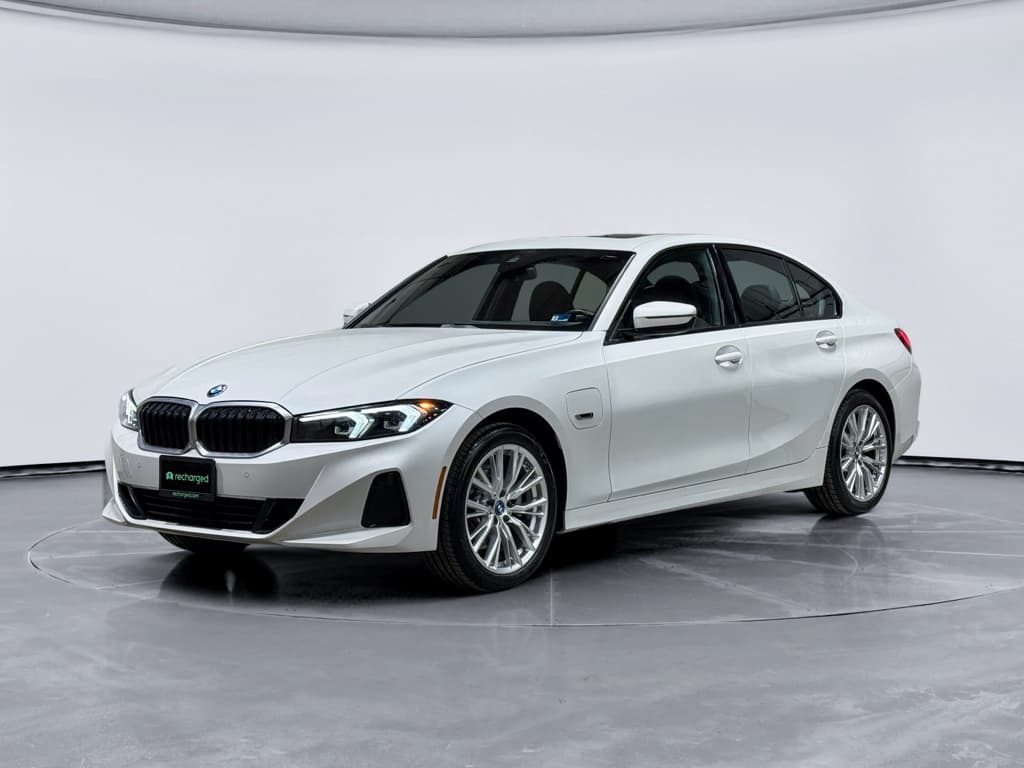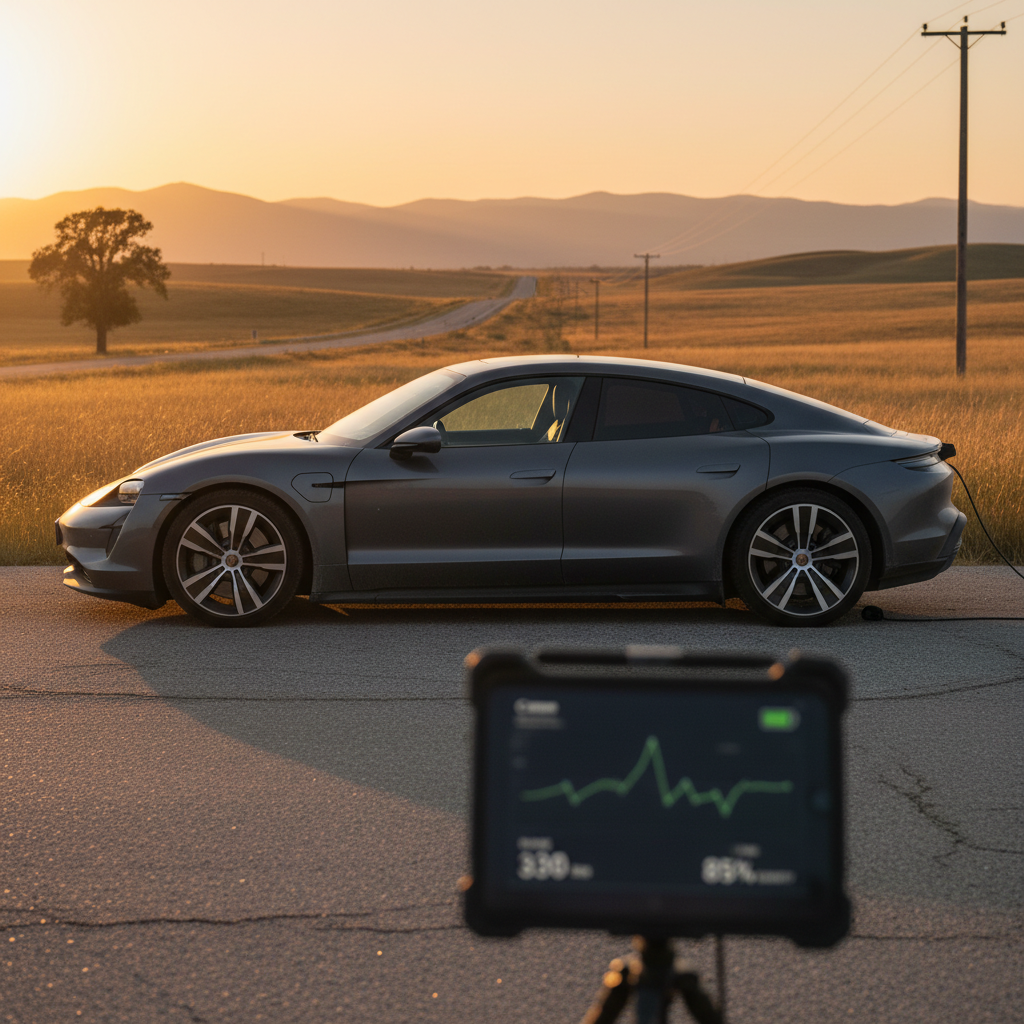
If you’re shopping the used luxury EV market, the Genesis Electrified G80 vs BMW i7 matchup is one of the most interesting. Both are full‑size executive sedans with serious comfort and technology, but they deliver very different ownership experiences, especially once you factor in used pricing, range, and long‑term costs.
Context for U.S. shoppers
Overview: Genesis Electrified G80 vs BMW i7 on the used market
Both cars target the same basic mission: a quiet, cocoon‑like electric executive sedan that can cover highway miles in comfort. The Genesis Electrified G80 converts an existing gas‑car platform into a dual‑motor EV, while the BMW i7 was engineered from the start to share architecture with the latest 7‑Series, and it feels every bit the tech flagship.
Genesis Electrified G80 (used)
- Dual‑motor AWD, around 365 hp with an ~87 kWh battery.
- EPA‑style real‑world range typically around 250–280 miles when new, depending on conditions.
- Conventional luxury look with a quiet, high‑quality cabin and less flashy tech.
- Now discontinued in the U.S., so you’re only shopping used inventory.
BMW i7 (used)
- Multiple trims, most common being the xDrive60 dual‑motor AWD (~536 hp / 400 kW) with a battery around 101 kWh.
- EPA‑estimated range roughly in the 295–320‑mile window depending on wheels and trim.
- Cutting‑edge tech: massive screens, rear theatre display, and advanced driver aids.
- Still in production, with ongoing software updates and strong dealer support.
Who each car suits
Key specs at a glance
Genesis Electrified G80 vs BMW i7: headline numbers
Approximate specs for common U.S. versions. Exact figures vary by model year, wheel/tire choice, and testing standard.
| Genesis Electrified G80 | BMW i7 xDrive60 | |
|---|---|---|
| Power & drivetrain | Dual‑motor AWD, ~365 hp | Dual‑motor AWD, ~536 hp |
| Battery capacity (approx.) | ~87 kWh usable | ~101 kWh usable |
| Estimated range when new | ~250–280 miles (EPA‑style) | ~295–320 miles (EPA, trim‑dependent) |
| Max DC fast‑charge power | Up to ~187 kW (800V system) | Up to ~195 kW |
| 0–60 mph (manufacturer/independent est.) | ~4.5 sec | ~4.3 sec |
| Charging architecture | 800V, CCS | 400V, CCS |
| Vehicle size class | Mid/full‑size luxury sedan | Full‑size flagship luxury sedan |
These figures are directional, not VIN‑specific, always verify equipment and range estimates for the exact car you’re considering.
Specs vs real life
Purchase price and depreciation
On the used market, pricing gaps between the Genesis Electrified G80 and BMW i7 are stark. Both were expensive when new, but they’re aging in different ways, and that matters if you’re trying to balance luxury with value.
Typical used price positioning
Exact values will depend on mileage, condition, options, and regional demand, but here’s how these cars usually stack up in early 2026.
Genesis Electrified G80 pricing
- New MSRPs in the mid‑$70,000s when the car launched in the U.S.
- Today, lightly used 2023–2024 examples often list well below comparable BMW i7s.
- Discontinuation pressure and a smaller shopper pool tend to push resale values down, which is good news if you’re buying, less so if you’re selling.
BMW i7 pricing
- New MSRPs generally well into the six‑figure territory depending on trim and options.
- Used i7s have already taken a healthy first‑owner depreciation hit, but tend to retain more value than the Genesis.
- Strong brand equity and ongoing production support pricing on the used market.
Leverage depreciation to your advantage
Smart pricing checks before you commit
1. Compare trim and equipment, not just badges
An Electrified G80 with every available package may deliver similar comfort to a base i7 at a much lower price. Look at equipment lists side‑by‑side instead of just sticker prices.
2. Evaluate tax incentives and local fees
Neither of these cars will qualify for new‑EV federal tax credits on the used market, but state incentives, registration fees, and insurance can still shift the total cost of ownership.
3. Get a data‑driven valuation
At Recharged, we benchmark every used EV against real‑world sales data and battery health, helping you see whether a particular i7 or Electrified G80 is <strong>fairly priced for its condition</strong>.
Range, battery, and charging experience
Both sedans offer more than enough range for typical commuting and business travel, but they take slightly different approaches. The Genesis leans on an 800‑volt architecture and solid efficiency; the BMW counters with a larger battery and competitive DC charging speeds.
Real‑world range expectations (when new)
Genesis Electrified G80: 800V efficiency play
- Uses an 800‑volt electrical architecture, which theoretically reduces heat and improves charge efficiency.
- Official DC fast‑charge peaks are in the ~180 kW neighborhood, with 10–80% often quoted around the mid‑20‑minute mark under ideal conditions.
- Real‑world owners report that cold weather and charger behavior can significantly slow speeds, common across many EVs.
BMW i7: big pack, competitive speeds
- Runs on a 400‑volt system but supports DC fast‑charging around 195 kW on compatible hardware.
- Bigger battery means more range, but also a bit more time to go from low state‑of‑charge to 80% on the same charger.
- Well‑integrated route planning and charge management in the i7 make long‑distance travel straightforward, once you learn the menus.
Home charging realities
Comfort, space, and interior experience
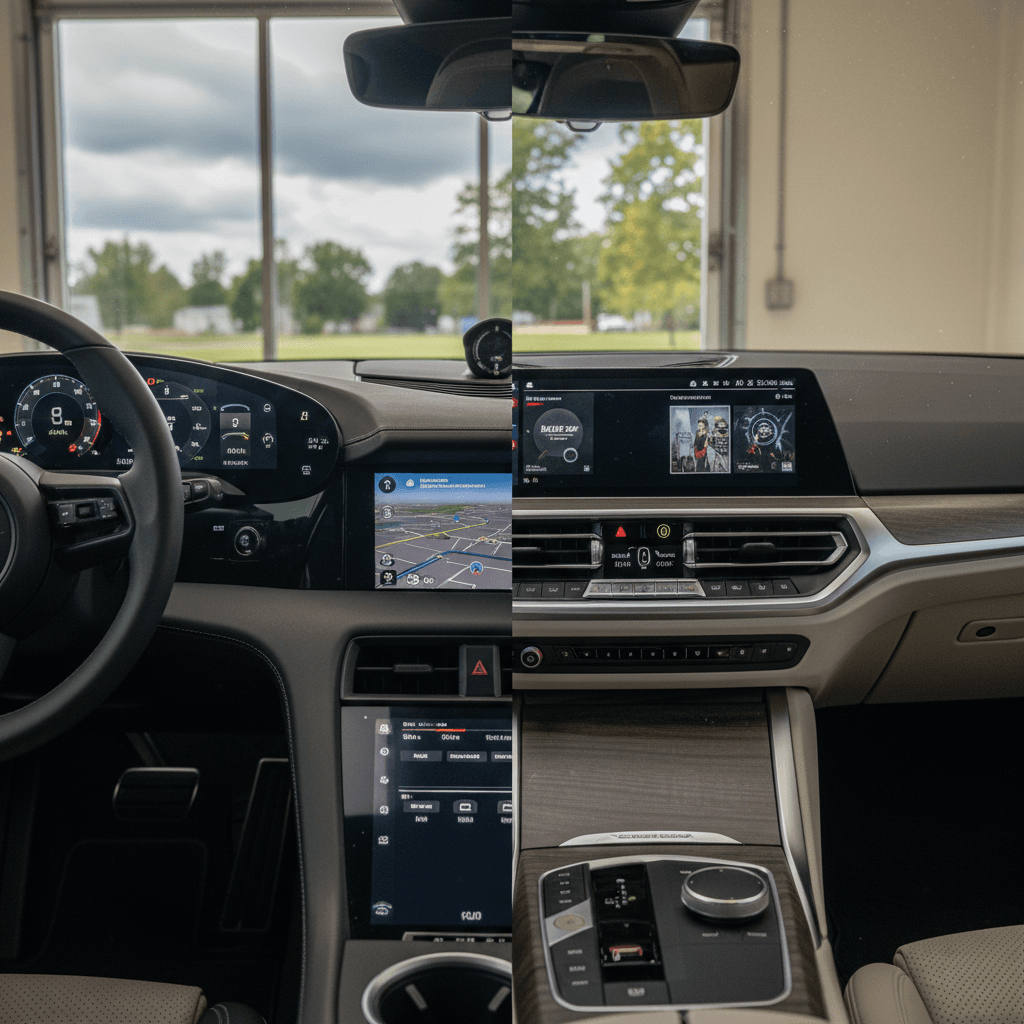
From the driver’s seat, or better yet, the rear seat, these two sedans feel like they come from different schools of luxury. The Genesis focuses on calming design and traditional craftsmanship, while the BMW embraces high‑tech theatre.
Cabin character: quiet lounge vs rolling tech showcase
Think about how you actually use the car, solo commuting, family duties, or executive transport.
Genesis Electrified G80 interior
- Elegant, minimal design with rich materials and restrained screens.
- Excellent seat comfort and a generally quieter, more traditional luxury vibe.
- Rear seat space is generous, but not quite in the limousine league; trunk space is good rather than enormous.
- Controls tend to be simpler and less distracting if you prefer physical knobs and straightforward menus.
BMW i7 interior
- Dominated by expansive digital displays, including optional rear theatre screens that transform the cabin.
- Exceptional rear legroom and available executive lounge seating cement its flagship status.
- Ambient lighting, crystal‑effect controls, and elaborate animations make it feel more concept‑car than classic sedan.
- Some drivers love the spectacle; others find it busy. Try a long test drive before you decide.
Comfort verdict
Driving character and performance
On paper, both cars are quick. In practice, they deliver their speed with very different personalities. The Electrified G80 feels like a polished luxury sedan that happens to be electric; the i7 feels like a high‑tech performance flagship that also happens to coddle you.
Performance feel in the real world
These are qualitative impressions you’re likely to notice on a test drive, not just spec‑sheet trivia.
| Aspect | Genesis Electrified G80 | BMW i7 |
|---|---|---|
| Acceleration feel | Strong, smooth, and more than quick enough for U.S. traffic. | Noticeably stronger shove, especially in sportier modes; feels fast even by luxury standards. |
| Ride and noise | Comfort‑biased, with good isolation and a calm cabin. | Also comfortable, but can feel heavier and more complex due to adaptive systems and bigger wheels. |
| Handling | Confident and composed, but tuned more for comfort than corner carving. | Surprisingly agile for its size, helped by rear‑wheel steering on many trims. |
| One‑pedal driving | Well‑tuned regen options but less performance‑oriented overall. | Multiple regen levels and sophisticated drive modes, plus more performance‑oriented tuning in sport settings. |
Use this as a guide to what you’ll feel from behind the wheel, not as a drag‑strip comparison chart.
Test‑drive both if you can
Ownership costs, reliability, and recalls
When you’re shopping used luxury EVs, long‑term costs and potential headaches matter as much as range and leather quality. Both models benefit from simplified EV drivetrains compared with gas cars, but there are a few ownership nuances you should weigh carefully.
What it costs to live with each car
Beyond the monthly payment, think charging, maintenance, tires, and potential repairs.
Routine maintenance
- As EVs, neither car needs oil changes or complex exhaust work.
- Genesis service intervals tend to be slightly less costly than BMW’s at many dealerships.
- Both still require premium‑grade tires, alignments, and brake fluid service.
Warranty coverage
- Original warranties on relatively young used examples may still cover the high‑voltage battery and driveline.
- BMW’s strong dealer network can be a comfort; Genesis coverage is competitive but with fewer EV‑familiar locations in some regions.
Known issues & recalls
- Hyundai/Genesis EVs, including the Electrified G80, have been subject to recalls for issues like charging electronics that can cause loss of power, typically addressed via software and hardware updates at no cost to owners.
- Early i7s, like any complex flagship, may have software gremlins or optional‑equipment quirks that require dealer visits.
Battery health is the big variable
Due‑diligence checklist for a used Electrified G80 or BMW i7
1. Pull recall and service history by VIN
Ask the seller for a full service print‑out and verify that any outstanding recalls, especially EV‑specific ones, have been addressed by an authorized dealer.
2. Inspect tires, brakes, and suspension carefully
Heavy EV sedans can be hard on consumables. Uneven tire wear, tired bushings, or worn brakes can add thousands to your first year of ownership if you’re not prepared.
3. Evaluate charging behavior in person
If possible, fast‑charge the car once during your evaluation. Unusually slow charging or repeated errors can flag deeper issues with the battery or charging hardware.
4. Get an independent or marketplace‑provided battery report
With Recharged, our Recharged Score includes <strong>verified battery diagnostics</strong> and pricing guidance, so you can compare one used BMW i7 or Genesis Electrified G80 against another with confidence.
Which luxury EV fits you best?
Both of these cars can deliver a thoroughly satisfying luxury‑EV experience. The trick is matching their personalities, and their used‑market realities, to the way you actually drive and own cars.
Quick recommendations: Genesis Electrified G80 vs BMW i7
Use this as a starting point, then refine based on specific cars available near you.
Choose a used Genesis Electrified G80 if…
- You want top‑shelf comfort and design for far less money than a typical new luxury EV.
- You prefer a calmer, more traditional luxury cabin with less screen overload.
- You’re willing to accept a discontinued model in exchange for better value and rarity.
- You mostly drive within a few hundred miles of home and can live happily with realistic range in the 200‑plus‑mile band.
Choose a used BMW i7 if…
- You want a current‑generation flagship with the latest tech, top‑tier sound systems, and optional theatre‑style rear seating.
- You frequently drive long highway stretches where extra range is reassuring.
- You’re comfortable budgeting more for purchase price, tires, and potential out‑of‑warranty fixes.
- You value BMW’s extensive dealer network and ongoing software updates.
Bottom line
How Recharged helps used luxury EV buyers
Shopping for a used Genesis Electrified G80 or BMW i7 isn’t like grabbing a compact hatchback. You’re dealing with six‑figure technology when new, complex options lists, and batteries that can make or break the deal. That’s where a focused EV marketplace like Recharged changes the equation.
Why to consider buying your luxury EV through Recharged
Specialized tools and support can turn a risky used flagship into a confident purchase.
Recharged Score battery diagnostics
Expert EV‑specialist support
Financing, trade‑in & delivery
Ready to find your next EV?
Browse VehiclesIf you’re comparing a used Genesis Electrified G80 vs BMW i7, you’re already aiming high. Take the time to understand how each specific car has been driven, charged, and maintained, and lean on data, not just leather smell, when you decide. With the right homework and the right partner, either sedan can deliver years of quiet, electrified luxury.