You’re staring down that milestone: your teenager’s first car. Between safety stats, insurance quotes, and the cost of gas, it’s no wonder parents are asking whether a used EV for a teenager’s first car is the smarter move. The answer can absolutely be “yes”, if you pick the right car and buy it the right way.
Quick Take
Should Your Teen’s First Car Be a Used EV?
Let’s start with the big question: is a used EV actually a good idea for a brand‑new driver? In a word, probably, especially if you’re shopping in today’s buyer‑friendly used EV market and you prioritize safety over speed. EVs tend to be heavier, with low centers of gravity and excellent crash protection, and many mainstream models come stacked with advanced driver‑assistance systems that were optional, or nonexistent, on older gas cars.
On the flip side, some EVs have eye‑popping acceleration, complex tech interfaces, and range limitations that may or may not fit your teen’s life. The goal of this guide is to help you sort the great used EV candidates from the ones that might be better left to experienced drivers, and to show you how tools like the Recharged Score battery health report can remove a lot of guesswork from the process.
Teen Safety & Vehicle Choice by the Numbers
Why this matters for EVs
Why Safety Comes First for Teen Drivers
When you’re choosing a first car, safety isn’t a line item, it’s the whole spreadsheet. Teens crash more often, and their crashes are more severe. That’s why safety organizations urge families to put young drivers in vehicles with strong crash‑test scores, sufficient weight, and as much modern crash‑avoidance tech as the budget allows.
Safety Must‑Haves in a Used EV for Teens
Prioritize these before color, wheels, or gadgets
Top Crash Ratings
Modern Airbags & Structure
Active Safety Tech
Pro parent move
Pros of a Used EV as a First Car
- Built‑in speed control. Many EVs let you set speed limits, acceleration profiles, or teen‑driver modes that tame the car without constant nagging.
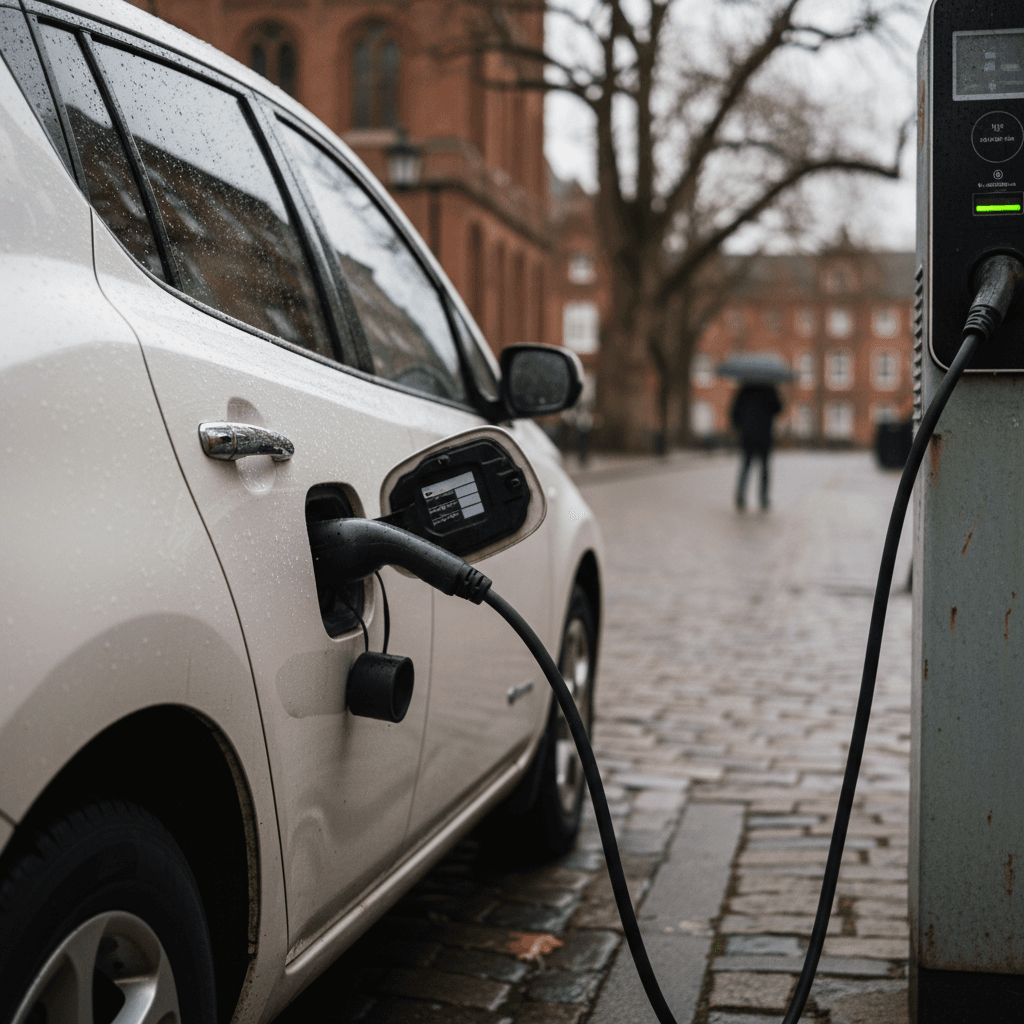
- No gas station detours. If your teen primarily charges at home, they’re not hanging out at gas stations late at night or driving across town “because gas is cheap over there.”
- Lower running costs. Electricity is typically cheaper per mile than gasoline, and EVs have far fewer moving parts to service, no oil changes, timing belts, or exhaust systems.
- Quiet, calm driving experience. EVs are smooth and quiet, which can help new drivers focus on the road instead of engine noise.
- Cleaner choice. If your family cares about emissions, starting your teen in an EV sets the tone for lower‑impact driving from day one.
Benefits parents tend to love
- Better control over charging, range, and driving modes.
- Strong safety cages and plenty of airbags in many newer EVs.
- Remote app features that show location, charge level, and sometimes driving behavior.
- Predictable monthly fuel costs instead of volatile gas prices.
Benefits teens actually notice
- Instant torque makes merging and passing easy, if you restrict it sensibly.
- Cool factor: EVs still feel “new tech,” with big screens and apps.
- Quiet cabins that make hands‑free calls and navigation easier.
- One‑pedal driving that can reduce fatigue once they’re used to it.
Cons and Watchouts With Used EVs for Teens
No car is perfect, and EVs have their own quirks. You’ll want to go in with eyes open about where a used EV for a teenager’s first car might complicate life instead of simplifying it.
Common Pain Points to Plan Around
None of these are deal‑breakers if you prepare for them
Too Much Power
Range Anxiety
Charging Access
Models to be cautious about
How Much Range Does a Teen Really Need?
Here’s where parents often over‑ or underestimate. Your teen probably imagines spontaneous weekend road trips; you’re thinking about Tuesday’s run to school, practice, and work. Daily life usually wins.
Real‑World Range Needs for Typical Teen Lifestyles
Match your teen’s weekly routine to a realistic EV range target.
| Teen Driving Pattern | Daily Miles | Recommended Real‑World Range | Charging Strategy |
|---|---|---|---|
| Short‑hop city driving | 10–30 | 100–150 miles | Level 1 or Level 2 at home; charge a few nights a week. |
| Suburban school & activities | 30–60 | 150–200 miles | Level 2 at home; plug in most nights for peace of mind. |
| Part‑time job + activities | 40–80 | 180–220 miles | Level 2 at home; occasional public top‑ups on busy weeks. |
| Frequent highway trips | 70–120 | 220+ miles | Level 2 at home plus reliable DC fast‑charging network nearby. |
Most teens do well with EVs that deliver 120–220 miles of real‑world range, charged mainly at home.
Good rule of thumb
Battery Health: What Parents Should Know
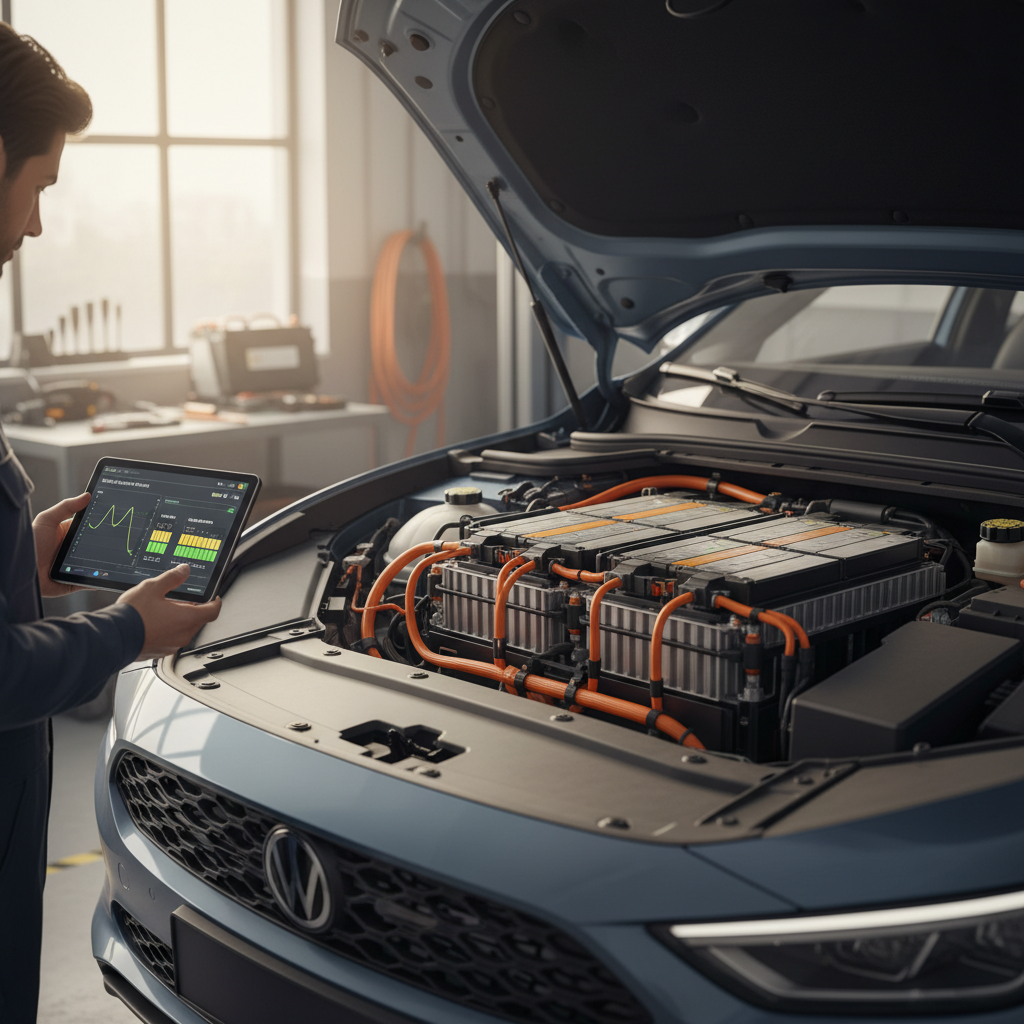
Battery health is the piece that makes a lot of parents nervous about buying a used EV. The good news: large‑scale studies of thousands of EVs show that most packs retain the vast majority of their capacity for many years, often staying around the mid‑80% range even after eight to nine years and well over 100,000 miles. That’s usually still plenty for teen driving.
- Degradation is gradual. You lose a little bit of range each year, not half the battery overnight.
- Usage matters more than age alone. Lots of fast‑charging, very high mileages, and extreme heat can all accelerate wear.
- Warranty backstops exist. Most EVs carry battery warranties around 8 years / 100,000 miles to roughly 70% capacity. A well‑chosen used EV may still be under coverage.
Why the Recharged Score helps
Costs, Insurance, and Total Budget
Families often assume EVs are automatically more expensive to insure and maintain. The reality is more nuanced: the sticker price, safety record, repair costs, and your teen’s driving history all factor into the bill. Let’s break it into pieces you can actually control.
Key Cost Questions to Answer Before You Buy
1. What’s your all‑in monthly budget?
Add up the payment (or savings draw‑down), <strong>insurance</strong>, charging costs, parking, and a cushion for maintenance. Compare that number between a used EV and an equivalent gas car, not just between EVs.
2. How does insurance quote out?
Get quotes on two or three specific VINs before you commit. Safer, lower‑powered EVs with good crash ratings can sometimes offset higher repair costs in your premium.
3. Who pays for charging?
If your teen contributes, will they handle home electricity costs or public charging fees? Many parents prefer home charging only at first, using a Level 1 or Level 2 setup they control.
4. Are you eligible for incentives?
Federal and state incentives change often, but some programs and utility rebates can lower the cost of installing a home charger or buying certain used EVs.
5. What’s the maintenance plan?
EVs still need tires, brakes, cabin filters, and occasional software updates. Build a small annual maintenance fund, even if it’s much lower than for a gas car.
Long‑term savings potential
Best Types of Used EVs for Teen Drivers
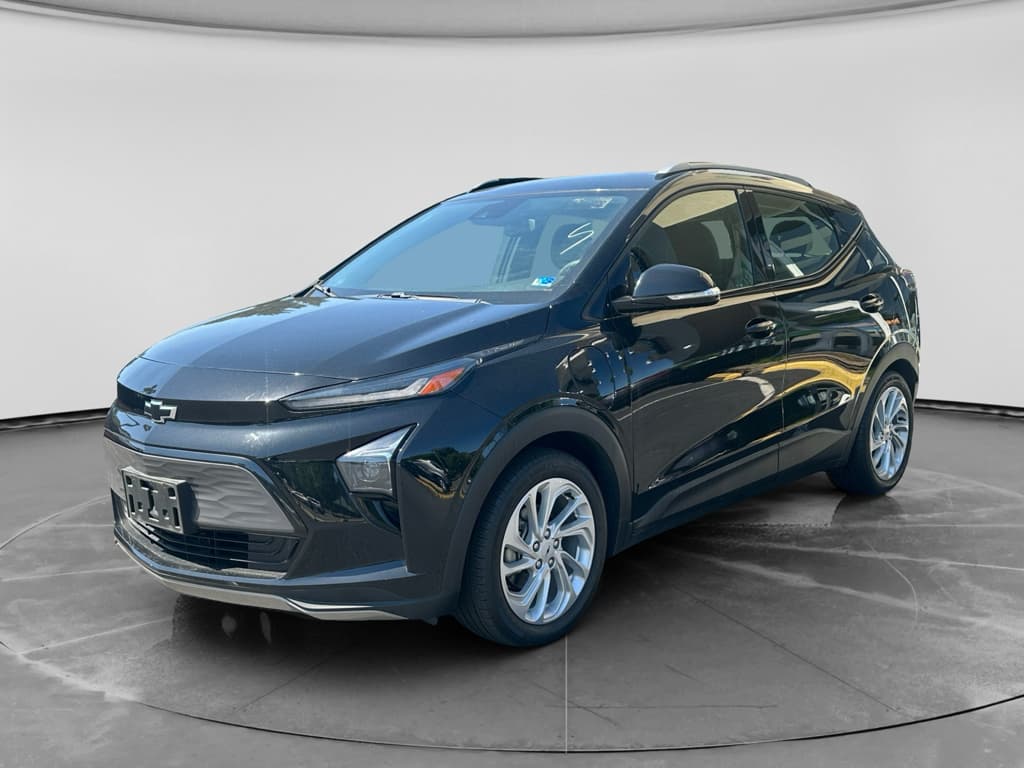
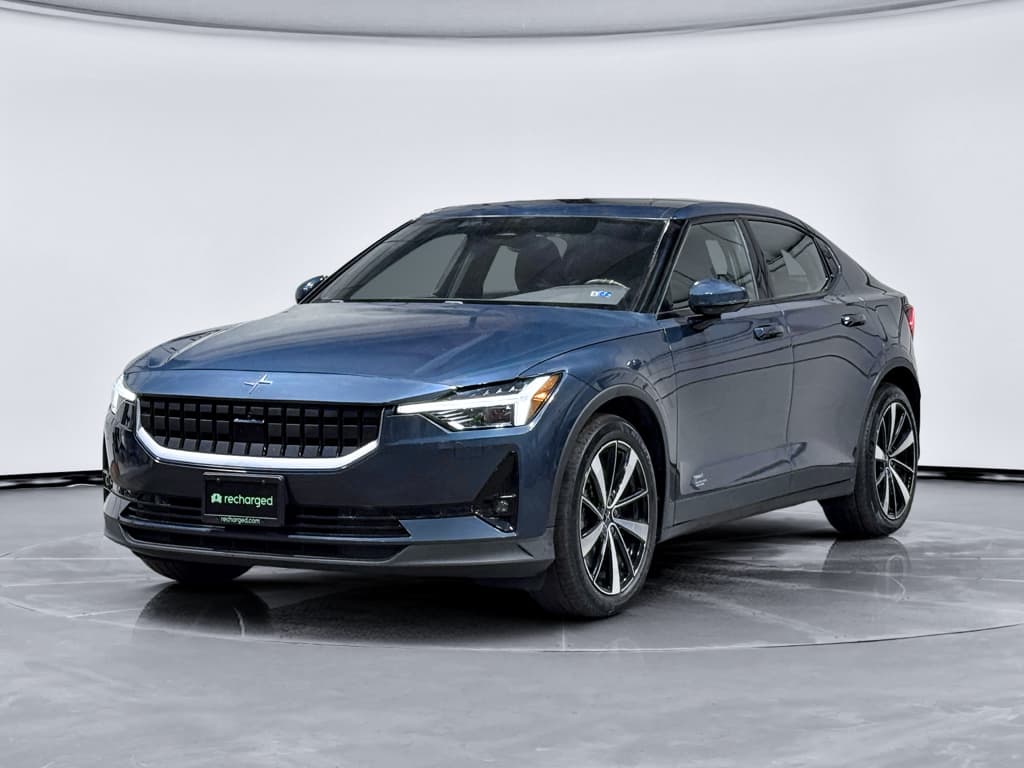
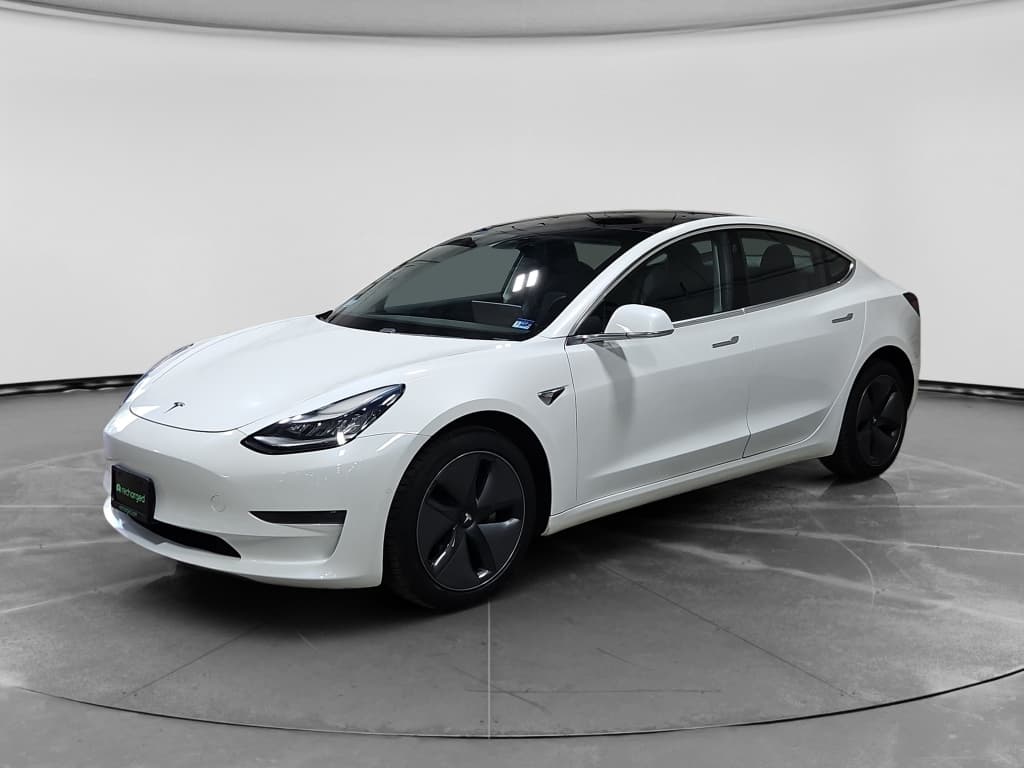
Instead of chasing a single “perfect” model, think in categories: you’re looking for compact or small‑midsize EVs with solid safety records, moderate power, and enough range for daily life. Names will vary by budget and market, but the best teen candidates all share the same basic DNA.
Used EV Archetypes That Work Well for Teens
Look for EVs that behave like sensible small cars, not rocket ships
Compact Hatchbacks
Small Crossovers
Base Powertrains
Be cautious with older or niche EVs
Step-by-Step Checklist for Buying a Used EV for Your Teen
Here’s a practical roadmap you can follow from the first conversation with your teen to handing over the keys.
From Research to Keys: Your Parent Playbook
1. Define rules and budget together
Agree on curfews, who pays for what, and your all‑in monthly budget before you fall in love with any specific car.
2. Choose safety and range targets
Decide on minimum safety features (AEB, lane‑keeping, etc.) and a realistic range window based on your teen’s routine.
3. Shortlist suitable models
Look for compact or small crossovers with strong crash ratings and modest power. Avoid performance‑oriented trims and oversized wheels that drive up tire costs.
4. Verify battery and vehicle history
Ask for a <strong>battery health report</strong> (like the Recharged Score), service history, and accident records. Be wary of missing documentation or inconsistent fast‑charging use.
5. Test drive with your teen
Let them drive while you observe. Check visibility, ease of using driver‑assistance features, and how comfortable they are with one‑pedal driving and regenerative braking.
6. Get insurance and charging in place
Confirm insurance premiums before you sign, and make sure home charging is set up and tested so the first week of driving starts smoothly.
How Recharged Helps Parents Buy Safer Used EVs
Shopping for a used EV is different from hunting down a used gas sedan at the corner lot. You’re weighing battery health, software, charging standards, and fast‑evolving safety tech, all while trying to keep a teenager safe and on budget. That’s where Recharged is built to make life easier.
What You Get When You Shop Used EVs Through Recharged
Designed to take the stress, and the guesswork, out of your teen’s first EV
Recharged Score Battery Report
Financing & Trade‑In Support
EV‑Specialist Guidance
Ready to find your next EV?
Browse VehiclesBecause Recharged handles the process digitally with nationwide delivery, you can shop a wider pool of safe, teen‑friendly EVs instead of settling for whatever happens to be on a local lot this week.
Frequently Asked Questions: Used EVs for Teenagers
Your Top Questions, Answered
Bottom Line: Is a Used EV Right for Your Teen?
A used EV for a teenager’s first car can be a smart, safe, and surprisingly economical choice, if you choose the right vehicle and verify its health. Modern EVs offer strong crash performance, advanced safety tech, lower running costs, and just enough range to cover teen life without encouraging cross‑state road trips.
If you prioritize crash ratings over 0–60 bragging rights, insist on documented battery health, and set up clear rules around charging and driving modes, an EV can give your teen independence without giving you constant heart palpitations. Recharged is here to help with verified battery diagnostics, transparent pricing, financing and trade‑in options, and EV‑savvy support, from first search to the day you finally hand over the keys.