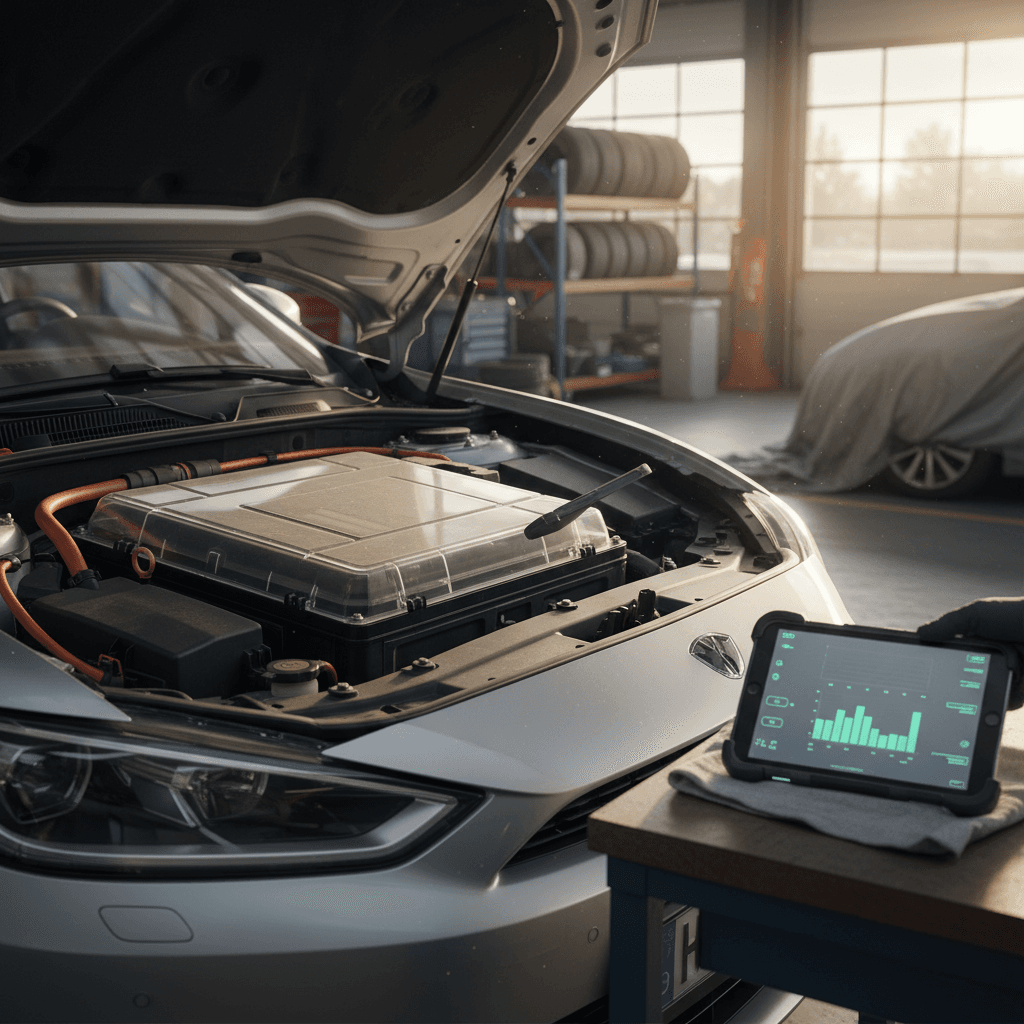
You’ve seen the headlines, you’ve done the math on gas, and now your search bar is full of phrases like “used EV for sale near me.” You’re not alone. As EV technology matures and early adopters trade up, the used market is finally interesting, not just as a science project, but as a smart way to drive something quiet, quick, and efficient without a luxury‑car payment.
The short version
Why used EVs are so attractive right now
The used EV market, by the numbers
The EV market has moved at Silicon Valley speed while the rest of the car world plods along at Detroit pace. New electric models launched at high MSRPs, then saw price cuts, incentives, and brutal early depreciation. As a used‑EV shopper, you reap the benefit: the steepest part of the depreciation curve is behind you, yet most cars on the market are only a few years old, loaded with tech and safety features you’d pay extra for in a new gas car.
Who a used EV is perfect for
How much do used EVs cost in 2025?
Context matters. In early 2025, the average three‑year‑old used car in the U.S. costs just over $30,000. Within that, used EVs have become the contrarian value play: because new‑EV prices were cut aggressively, current used prices sit well below the sticker shock of a few years ago and, for many models, now track closely with, or even under, comparable gas cars.
Typical used EV price ranges (U.S., late 2025)
Approximate asking prices you’ll see for popular EVs with average mileage and clean history. Actual pricing varies by region, trim, and battery condition.
| Model | Typical Model Years | Approx. Price Range | Notes |
|---|---|---|---|
| Tesla Model 3 | 2020–2022 | $23,000–$30,000 | RWD and Long Range models, often still under battery warranty. |
| Chevy Bolt EV / EUV | 2020–2023 | $17,000–$24,000 | Great value commuter, many with battery replacements under recall. |
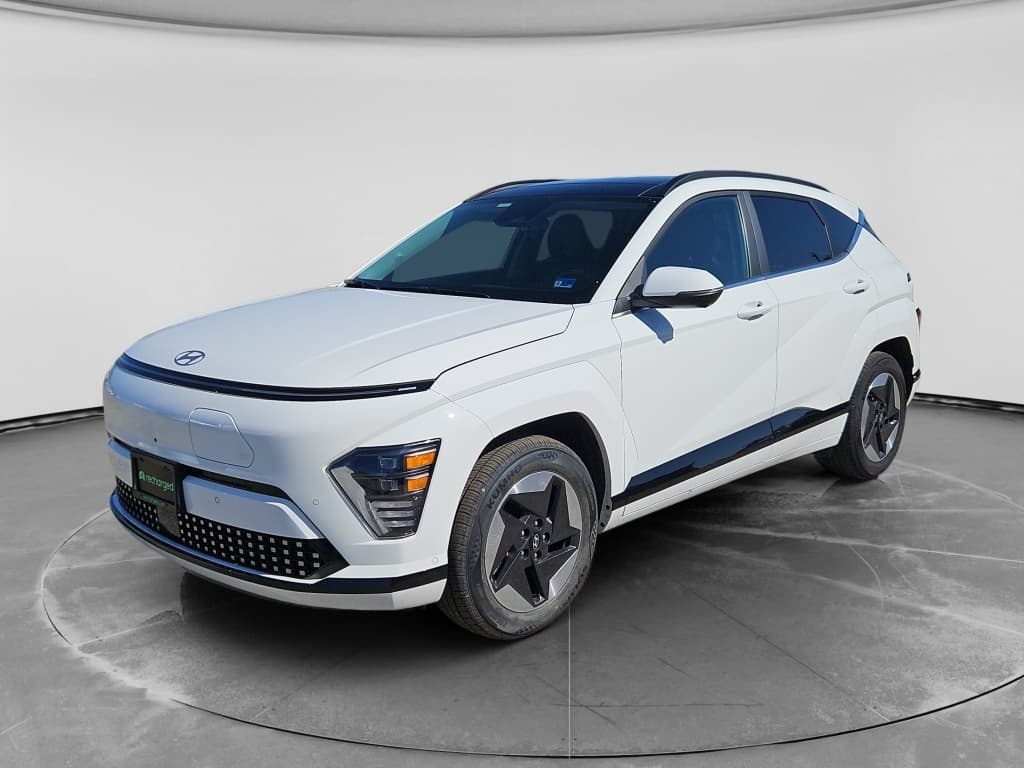
| Hyundai Kona EV | 2019–2022 | $19,000–$26,000 | Strong range for the money, pay close attention to battery health. |
| Ford Mustang Mach‑E | 2021–2022 | $26,000–$34,000 | Stylish SUV, wide spread based on trim and battery size. |
| VW ID.4 | 2021–2023 | $24,000–$32,000 | Family‑friendly crossover, check software updates and warranty. |
Use these ranges as a reality check when you see a “too good to be true” used EV for sale listing.
Sticker price vs real cost
Battery health: the make-or-break factor
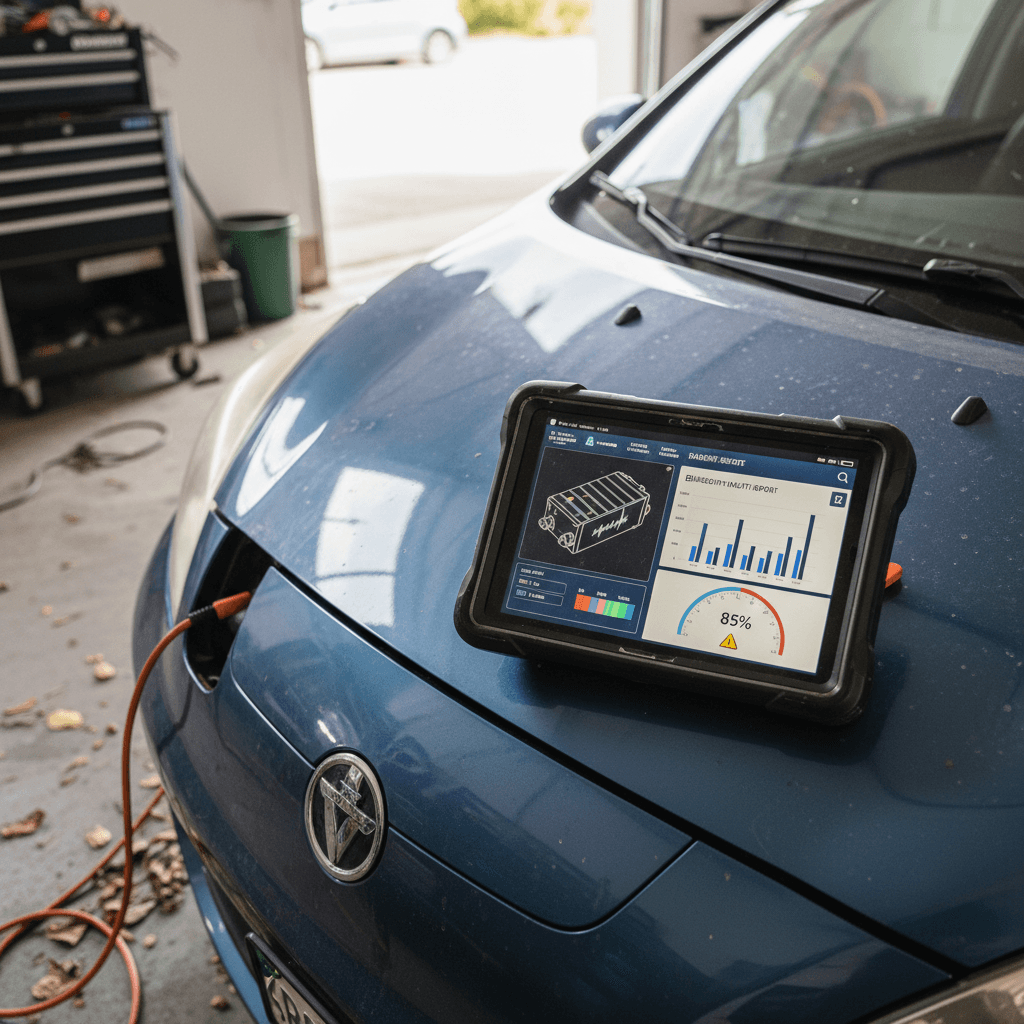
With gas cars, you worry about head gaskets, transmissions, and all the oily bits that go bump in the night. In an EV, almost all of that mechanical drama goes away. The one component that still keeps people up is the battery pack, and that’s exactly where you need to be ruthlessly informed.
How to evaluate a used EV’s battery
You don’t need to be an engineer, but you do need a checklist.
1. Check State of Health (SoH)
Most modern EVs can display an approximate battery health or capacity reading in the infotainment system, an app, or via a diagnostic tool.
- Ask for a recent battery health report.
- Compare current usable capacity to original specs.
2. Compare real range
Charge the car to 100% and look at the estimated range, or ask the seller for a recent full‑charge photo.
- Normal: ~10–15% loss after 4–5 years.
- Red flag: 25%+ loss unless heavily discounted.
3. Ask about charging history
Frequent DC fast charging and extreme heat can accelerate degradation.
- Ask how often they fast‑charged.
- Cars living in hot climates deserve extra scrutiny.
Why Recharged invented the Recharged Score
- Ask for documentation of any battery recalls or replacements.
- Confirm whether the car still has an active battery warranty (many are 8 years/100,000 miles or more).
- Avoid sellers who can’t or won’t provide basic battery information, silence is rarely a good sign.
Range reality check: does a used EV fit your life?
Most used‑EV shoppers dramatically overestimate how much range they actually need. The average U.S. driver covers about 40 miles a day. That means a used EV that realistically delivers 180–220 miles per charge can be more than enough for commuting, errands, and the occasional weekend run, especially if you can plug in at home overnight.
Daily driver & commuter
- Ideal used EV: 180–250 miles of real‑world range.
- Charge at home or work a few times per week.
- Public fast charging is a rare backup, not a daily habit.
Here, a used Chevy Bolt, Kona EV, or Model 3 absolutely shines, small fuel bills, small headaches.
Road‑trip warrior
- Ideal used EV: 250+ miles of range and robust fast‑charging.
- Look for modern fast‑charge speeds and good network coverage on your routes.
- Factor in charging stops into your travel time expectations.
For frequent road‑trippers, a newer used Tesla or long‑range Hyundai/Kia with strong DC charging can make the difference between adventure and regret.
The trap of the cheap, short‑range EV
Warranties and tax credits on used EVs
One of the quiet advantages of shopping for a used EV for sale in 2025 is that many cars still enjoy substantial factory coverage. Federal rules require at least 8 years or 100,000 miles of battery warranty on EVs, and several manufacturers go beyond that. On a three‑year‑old car, that can mean another five years of coverage on the most expensive component you own.
Understand your safety nets
Battery warranties and incentives can make or break the deal.
Battery & powertrain warranty
Check the in‑service date and mileage. Many EVs keep battery coverage for 8–10 years and up to 100,000–150,000 miles.
- Ask for service records.
- Confirm any past battery repairs were done by the manufacturer.
Used EV tax credit status
Federal used‑EV tax credits of up to $4,000 have been in flux, with phase‑outs and proposed changes. Depending on timing and legislation, credits may be limited or no longer available.
Always confirm current federal and state incentives with official sources or your tax professional before you buy.
Don’t forget state and utility perks
Where to find used EVs for sale
You can’t swing a charging cable without hitting a used EV listing these days, but not all sources are created equal. The question isn’t just where to find a used EV for sale, but where you’ll get transparent information about the battery, history, and price.
Common places to shop, pros and cons
From classifieds to EV‑specialist marketplaces.
General classifieds & marketplaces
Think big online listing sites and local classifieds.
- Huge selection, mixed quality.
- Battery info is often limited or missing.
- Pricing can be all over the map.
Traditional dealerships
Franchise dealers now carry more used EV inventory.
- May offer CPO warranties.
- Staff expertise varies wildly.
- Battery reports not always standardized.
EV‑specialist platforms like Recharged
Built from the ground up for electric vehicles.
- Every car includes a Recharged Score battery report.
- Fair‑market pricing backed by data.
- End‑to‑end digital buying, financing, and delivery.
Cast a wider net, but buy with real data
Inspection checklist before you buy a used EV
Pre‑purchase checklist for any used EV for sale
1. Verify battery health and range
Request a recent battery health report or diagnostic scan. Compare current estimated range at 100% charge with the original EPA rating, and make sure it aligns with your daily driving needs.
2. Confirm charging port and speed
Check whether the car uses CCS, NACS (Tesla), or an older standard like CHAdeMO. Look up DC fast‑charge speeds and ensure they match the networks you’ll use.
3. Review warranty status
Verify in‑service date, mileage, and remaining battery and powertrain warranty. Ask the seller to show documentation, not just a verbal assurance.
4. Inspect tires, brakes, and suspension
EVs are heavy. Uneven tire wear or tired suspension can show up faster than in a comparable gas car. A quick test drive over rough pavement will reveal a lot.
5. Check software, apps, and connectivity
Confirm that over‑the‑air updates, mobile app access, and driver‑assist features work properly. A used EV with broken connectivity is like a smartphone stuck on iOS 9.
6. Get a trusted inspection or report
If you’re not shopping through an EV‑specialist like Recharged, pay for a third‑party inspection from someone with EV experience. A generic “looks fine” once‑over isn’t enough.
Avoid shops that don’t know EVs
Financing your used EV and total cost of ownership
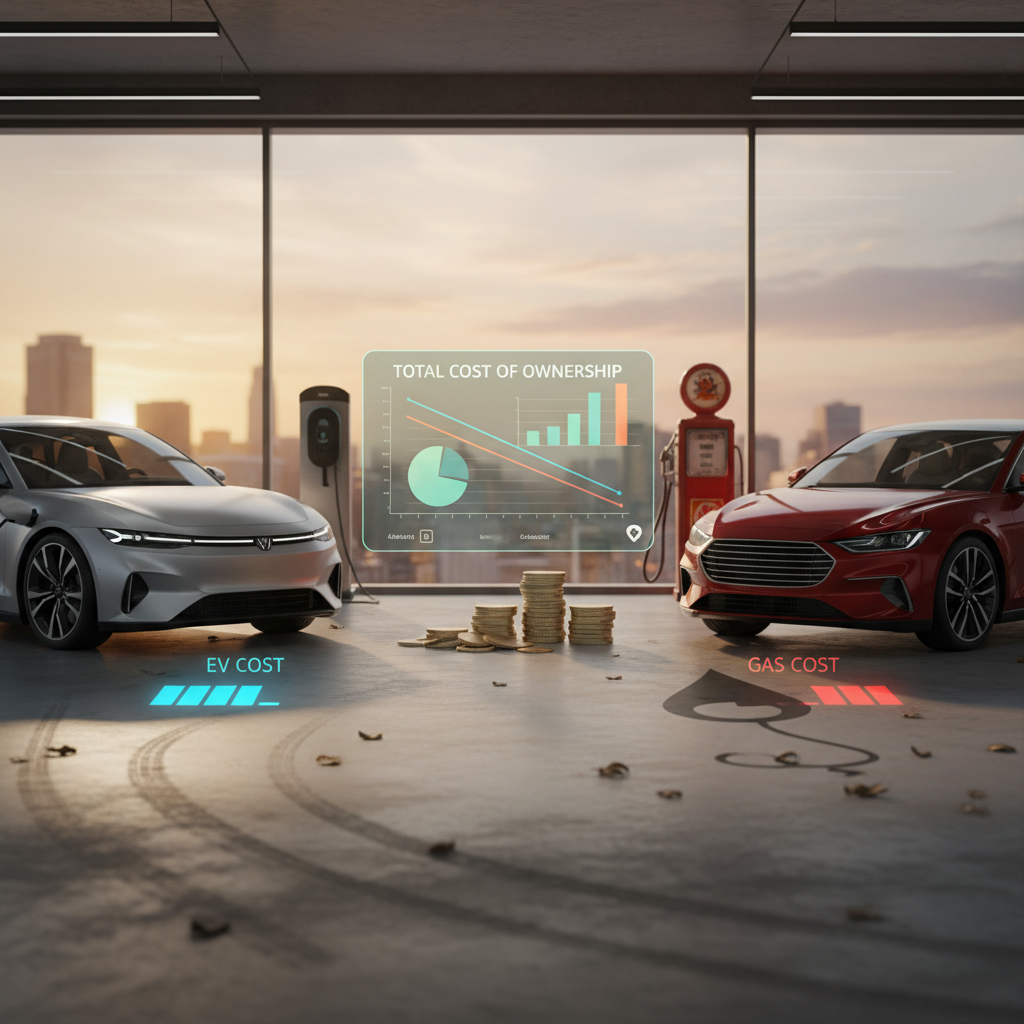
In a world where the average new‑car payment has drifted north of $700 a month, the appeal of a well‑priced used EV is obvious. But the real story is how an EV’s lifetime costs diverge from that of a gas car: electricity vs gasoline, almost no oil changes, far fewer mechanical wear items, and strong regenerative braking that babies your pads and rotors.
Typical cost advantages of a used EV
- Fuel: Many owners spend roughly one‑third as much on electricity as they would on gas for the same miles.
- Maintenance: No oil changes, fewer fluids, less brake wear, and fewer moving parts overall.
- Longevity: Electric motors and drivetrains tend to shrug off high mileage if the battery holds up.
Over 5–10 years, those savings can easily dwarf a small difference in purchase price between two used cars.
Financing a used EV smartly
- Keep loan terms reasonable, stretching to 84 months for any depreciating asset is a red flag.
- Shop rates with lenders that understand EVs and may offer green‑vehicle incentives.
- Look beyond monthly payment: add insurance, charging, and maintenance into your budget.
Recharged offers EV‑friendly financing and expert guidance so you understand the full cost, not just the installment.
How Recharged makes buying a used EV different
Most used‑car experiences are still stuck in the 1990s, fluorescent lights, mystery pricing, and “trust me” hand‑waving about condition. Recharged was built specifically to make used‑EV ownership simple and transparent, especially for people who don’t want to become armchair battery scientists overnight.
What you get when you shop used EVs at Recharged
A buying experience designed around electric vehicles, not gas‑car leftovers.
Recharged Score Report
Every vehicle includes a detailed Recharged Score with verified battery health, real‑world range estimates, and transparent grading so you know exactly what you’re buying.
Fair market pricing
Recharged uses live market data to price vehicles fairly, no games, no mystery fees. You see how the price compares to similar used EVs for sale nationwide.
Digital, end‑to‑end buying
Browse online, get EV‑savvy support, arrange financing, value your trade‑in, and schedule nationwide delivery or visit the Recharged Experience Center in Richmond, VA, all without spending your weekend in a showroom.
Ready to find your next EV?
Browse VehiclesTrade in, trade up, or sell outright
Used EV for sale: FAQ
Frequently asked questions when shopping used EVs
Bottom line: should you buy a used EV?
If you only look at the asking price on a used EV for sale, the story is incomplete. The real question is whether that car’s battery, range, warranty, and charging fit the way you live, and whether the total cost over five to ten years beats your gas‑powered alternatives. For many drivers in 2025, the answer is increasingly yes.
The trick is information. With the right battery data, realistic range expectations, and clear pricing, a used EV stops being a gamble and becomes one of the savviest buys on the lot. Whether you end up in a used Tesla, a humble Bolt, or a sleek Hyundai, focus on the fundamentals, and if you’d like a team of EV nerds in your corner, Recharged is built to make that decision simpler, more transparent, and a lot less stressful.