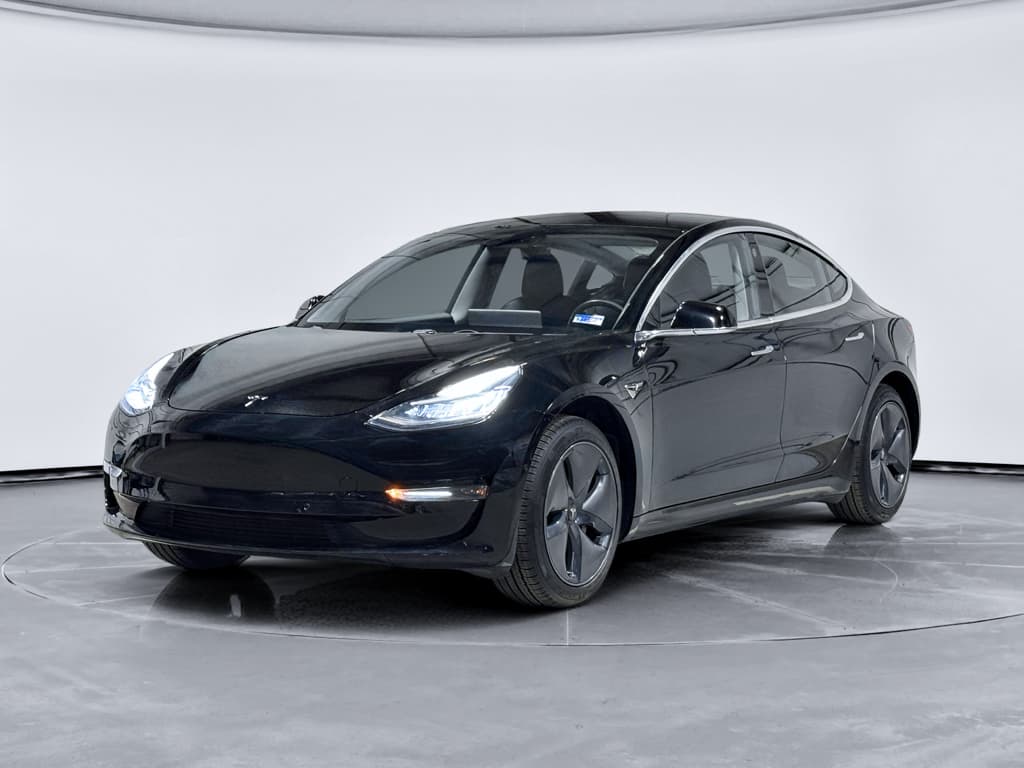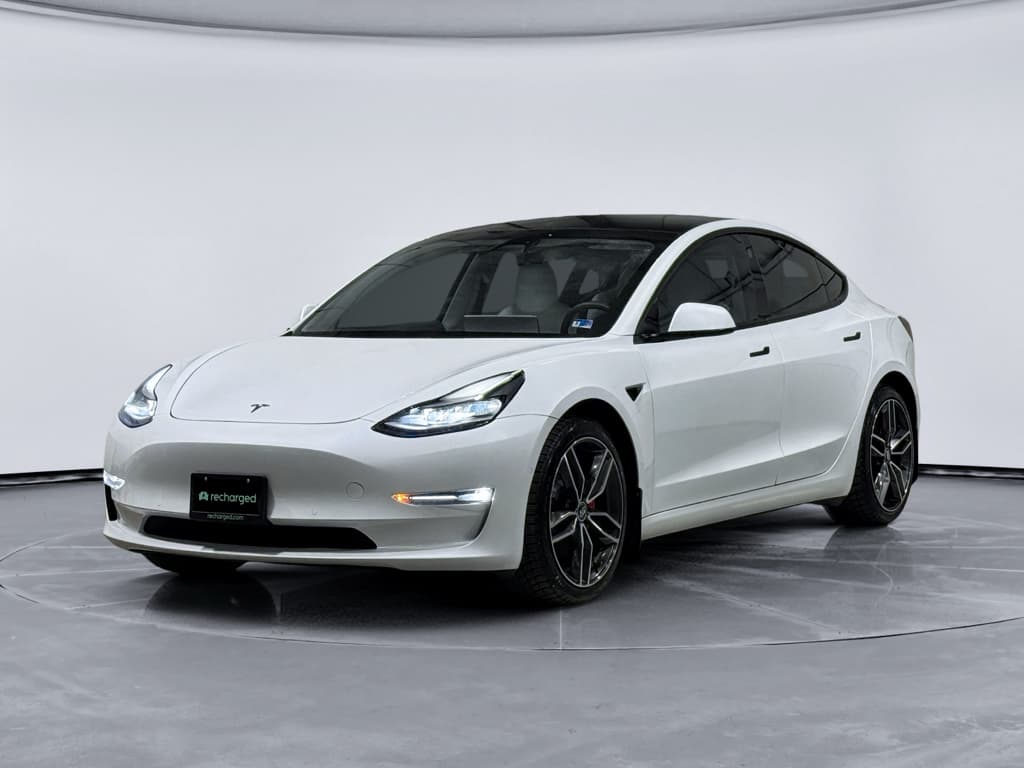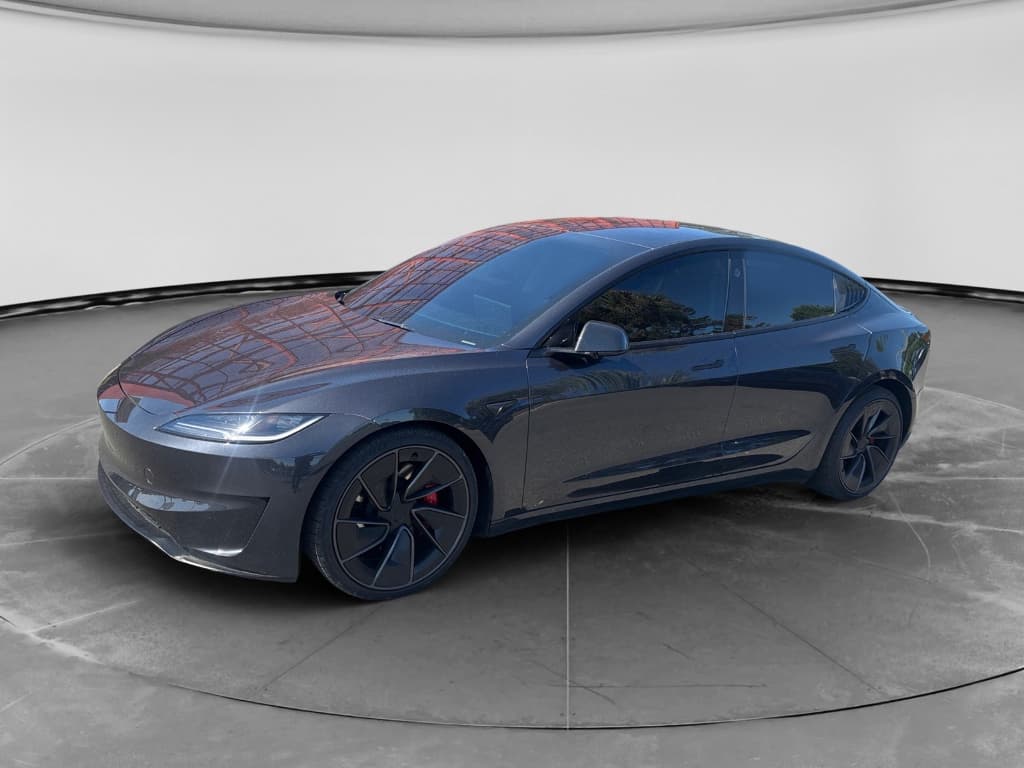
If you’ve been waiting for the right moment to jump into an electric car, used EV deals in 2025 are the best they’ve ever been. Prices on many one‑to‑five‑year‑old electric vehicles have fallen sharply, and shoppers are suddenly seeing cars that were $40,000–$50,000 new listed in the teens on the used market. The key is knowing which models are genuine bargains, how battery health factors in, and what changed with tax credits this year.
Big picture: used EVs are on sale
Why used EV deals are so good right now
Used EV pricing at a glance
So what’s driving all these used EV deals? In short: fast depreciation plus a wave of supply. Early EVs were priced like luxury cars. As leases and first loans come due, thousands of Teslas, Bolts, Kia Niro EVs, Hyundai Ioniq 5s and others have hit the used market at the same time. At the same time, big discounts on new EVs have pushed used prices even lower so dealers can stay competitive.
- A surge of off‑lease Teslas and other EVs returning to the market
- Aggressive price cuts and incentives on new EVs, which pull used values down
- Shoppers still learning how EV range and battery life really work, which makes some buyers cautious
- Rapid tech improvements that make three‑year‑old cars feel “last‑gen,” even though they’re still excellent daily drivers
Where the very best deals hide
What changed with EV tax credits in 2025
For a couple of years, many used EV deals got even sweeter thanks to the federal Previously-Owned Clean Vehicle Credit, worth up to $4,000 for qualifying purchases. That changed on September 30, 2025, when new legislation ended federal tax credits for both new and used EVs going forward.
Used EV federal tax credit: what still matters in late 2025
A quick overview of how the used EV tax credit worked and what it means for shoppers now.
| Question | Answer |
|---|---|
| Is there still a federal credit for used EVs? | Only if you entered a binding contract and made a payment on or before Sept. 30, 2025, and the car otherwise qualified. |
| Maximum credit amount | Up to $4,000, or 30% of the sale price, whichever was lower. |
| Vehicle price limit | Sale price had to be $25,000 or less from a licensed dealer. |
| Income limits | Roughly $75k individual / $112.5k head of household / $150k married filing jointly (modified AGI). |
| Model year requirement | Used EV had to be at least two model years older than the calendar year of purchase. |
| End date | Credit no longer available for vehicles acquired after Sept. 30, 2025. |
The federal used EV tax credit ended for vehicles acquired after September 30, 2025, but may still apply if you bought earlier this year.
State and utility incentives still exist
With the federal credit gone for new purchases, you can’t count on Uncle Sam to subsidize your used EV deal anymore. The silver lining is that market prices have already adjusted downward, and many cars that once needed a tax credit to look attractive now stand on their own.
Best used EV deals by model
Every market is different, but some models consistently float to the top when you’re hunting for strong used EV deals. They balance price, real‑world range, and mainstream appeal, whether you’re commuting, road‑tripping, or just finally retiring your gas hatchback.
Standout used EV deals to watch for
These models have seen big price drops while keeping useful range and modern tech.
Kia Niro EV
Why it’s a deal: The Niro EV has taken one of the steepest price drops on the market. New examples once topped $45,000; it’s now common to see used cars advertised around the low‑teens to high‑teens depending on year and miles.
- Approx. 200+ miles of EPA range when new
- Practical crossover body style
- Often less expensive than comparable gas SUVs once you factor in fuel savings
Chevrolet Bolt EV / EUV
Why it’s a deal: The Bolt was already one of the most affordable new EVs, and then its used values fell sharply, over 30% in some analyses. That makes it a bargain commuter with more than 200 miles of range when new.
- Great for city and suburban driving
- Plentiful supply keeps prices competitive
- Watch for battery recall work being completed
Tesla Model 3
Why it’s a deal: Used Tesla prices have dropped faster than many rivals, thanks to lots of lease returns and price cuts on new cars. For thousands less than new, you get access to Tesla’s charging network and over‑the‑air software updates.
- Strong real‑world range and performance
- Fast‑charging capability for road trips
- Higher demand can keep the very best cars priced a bit higher
Volkswagen ID.4 & Hyundai Ioniq 5
Compact and midsize crossovers like the VW ID.4 and Hyundai Ioniq 5 have also seen meaningful price drops as more supply hits the market. They’re roomy, family‑friendly, and many trims include heat pumps and decent DC fast‑charging speed for road trips.
Nissan Leaf & older city EVs
If your budget is tight and your driving is local, older EVs such as the Nissan Leaf can be shockingly affordable, often well under $10,000. Just be realistic about range and prioritize cars with documented battery care and lower degradation.
How Recharged fits in
Ready to find your next EV?
Browse VehiclesHow to compare used EV deals
A low asking price is only half the story. A true used EV deal gives you a lot of usable miles and years for every dollar you spend. To compare cars, you’ll want to look beyond the windshield sticker and do a bit of quick math.
Comparing two used EV deals
An example of how two seemingly similar deals can look different when you consider range, battery health, and ownership costs.
| EV A: Cheap but tired | EV B: Slightly pricier, healthier | |
|---|---|---|
| Asking price | $14,000 | $17,500 |
| Original EPA range | 215 miles | 260 miles |
| Estimated current usable range | 150 miles (70%) | 220 miles (85%) |
| Cost per mile of usable range | ~$93 per mile | ~$80 per mile |
| DC fast‑charging speed | 50 kW | 150 kW |
| Warranty remaining | Expired | 1 year battery / powertrain left |
Numbers are illustrative, but the comparison logic applies to any two EVs you’re considering.
Don’t chase the lowest sticker
- Compare price to remaining range, not just original spec sheets.
- Prioritize cars that can DC fast charge at 100 kW or more if you road‑trip often.
- Account for any remaining battery or powertrain warranty.
- Estimate your annual miles to see how long the car fits your life before range feels tight.
Understanding battery health and range
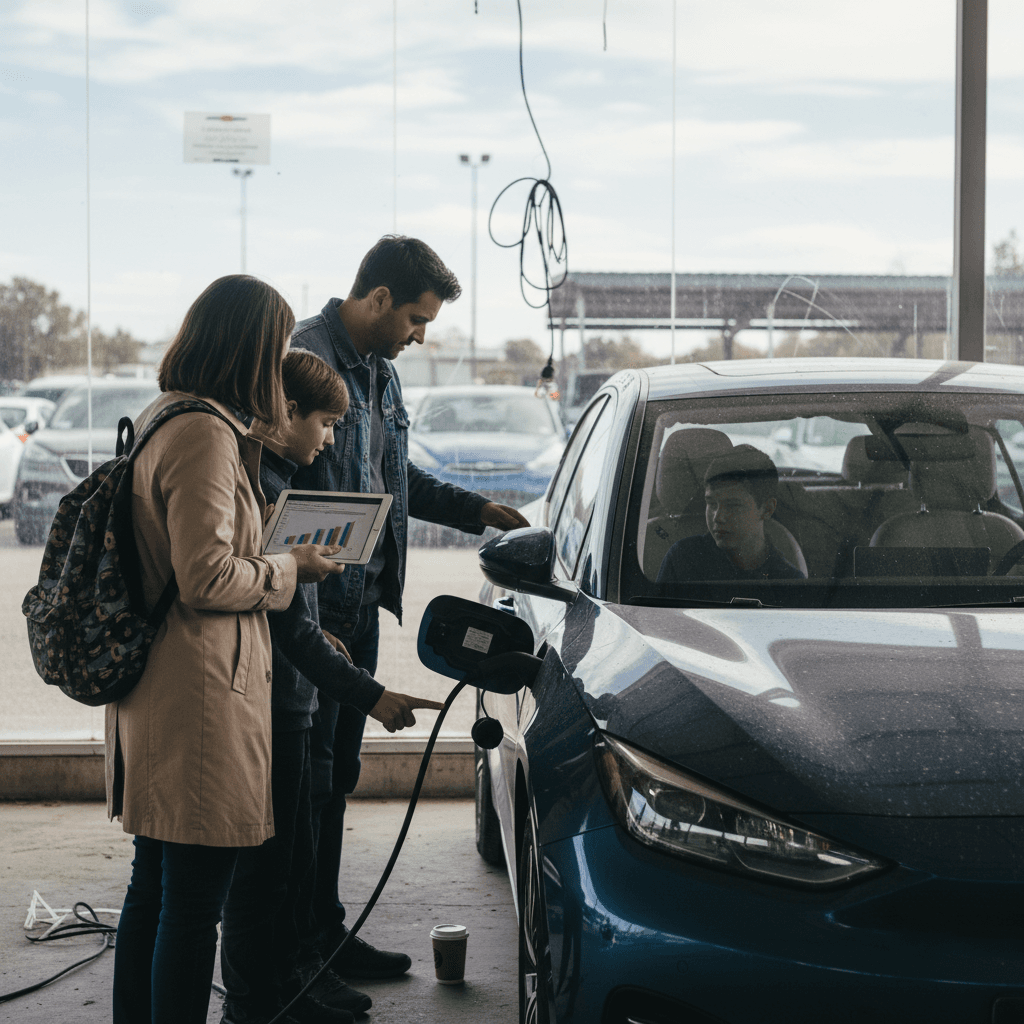
On a gasoline car, you can listen to the engine and look for leaks. With a used EV, the battery pack is the heart of the deal. A car with a healthy pack and conservative fast‑charging history can feel nearly new; one with heavy degradation can turn a tempting low price into a daily headache.
Battery health basics for used EV shoppers
You don’t have to be an engineer to understand the essentials.
State of health (SoH)
This is usually expressed as a percentage. A pack at 90–95% of original capacity is excellent for a few‑year‑old EV. Even 80–85% can be fine if the car started with generous range.
How it was used
Lots of DC fast charging, constant 100% charges, and extreme heat can age a pack faster. Records from previous owners or a battery health report help fill in the story.
Range vs. your routine
Think in terms of your real daily needs. If you drive 40 miles a day, even a car with 140–150 miles of usable range can be a perfectly comfortable deal.
What Recharged checks for you
Financing, trade‑ins, and total cost of ownership
A strong used EV deal isn’t just about the purchase price, it’s about what it costs to own, fuel, and finance the car over the next few years. The good news: EVs tend to win on running costs even if their upfront price is slightly higher than a comparable gas car.
- Electricity is usually cheaper per mile than gasoline, especially if you can charge at home overnight.
- EVs skip oil changes and have fewer moving parts, which means lower routine maintenance.
- Regenerative braking often extends brake pad life far beyond what you’re used to on a gas car.
- Some utilities offer special off‑peak EV rates that make charging even cheaper.
Financing a used EV
Because used EV values are now better understood, more lenders are comfortable offering competitive rates. On Recharged, you can apply for financing online and see terms without trekking to a bank or dealer back office.
Pre‑qualification also gives you a clear budget, so you can compare a $19,000 Bolt EV against a $24,000 Model 3 in terms of monthly payment, not just sticker shock.
Using your current car as a lever
If you’re replacing a gas car, an instant offer or trade‑in can be a powerful tool. Recharged lets you get an instant offer or consignment value online, so you can see exactly how much of that used EV you can cover with your current vehicle, before you fall in love on a test drive.
Run the five‑year math
Checklist for spotting a true used EV deal
Quick checklist before you say yes
1. Confirm fair‑market pricing
Check the asking price against multiple sources and, if you’re shopping on Recharged, review the fair‑market pricing section of the Recharged Score Report. You want a price at or below market for the car’s age, miles, and trim.
2. Review battery health data
Look for a recent battery health report or diagnostics. If none is available, budget for an independent EV inspection. Prioritize cars with strong state‑of‑health numbers and documented recall work.
3. Match range to your real life
Map out your weekly driving. If the car’s <strong>current</strong> range leaves you with a comfortable buffer, accounting for weather and occasional detours, you’re shopping in the right neighborhood.
4. Check charging compatibility
Confirm the car’s plug type, DC fast‑charging speed, and how it fits with your local charging network. For home, make sure you have (or can install) a suitable Level 2 charger or outlet.
5. Understand the history
Ask for service records, recall documentation, and any prior accident reports. A vehicle history report plus an EV‑specific inspection goes a long way toward de‑risking the deal.
6. Factor in financing and trade‑in
Look at the full monthly picture, payment, insurance, and charging, plus what your current car is worth. On Recharged, you can line all of this up digitally before committing.
Red flags that can kill a deal
FAQ: Getting the best used EV deals
Frequently asked questions about used EV deals
The bottom line on used EV deals in 2025
Used EV deals in 2025 are the kind that don’t come around often. Rapid depreciation, generous original pricing, and a maturing market have combined to put capable electric cars within reach of far more buyers, often at prices that rival ordinary gas sedans and crossovers. The key is to focus less on the headline sticker and more on battery health, remaining range, and total ownership cost.
If you pair that mindset with solid diagnostics and transparent pricing, whether through tools like the Recharged Score or hands‑on inspections, you can end up with an EV that feels modern, costs less to run, and fits your life for years to come. In other words, not just a cheap electric car, but a genuinely great used EV deal.