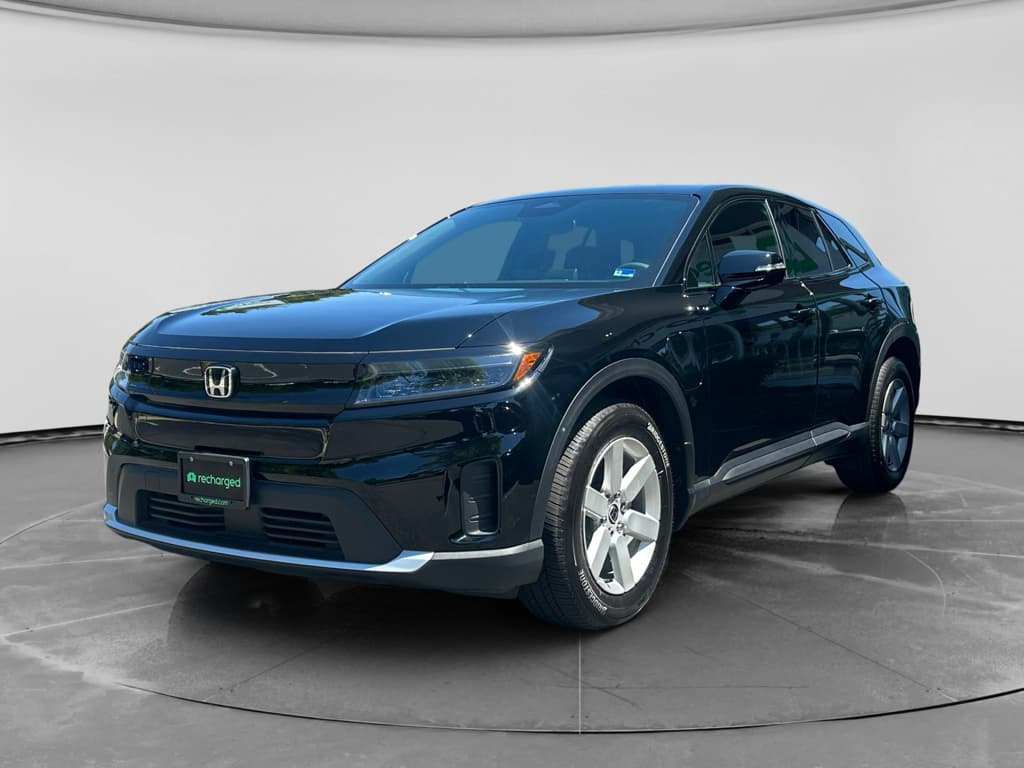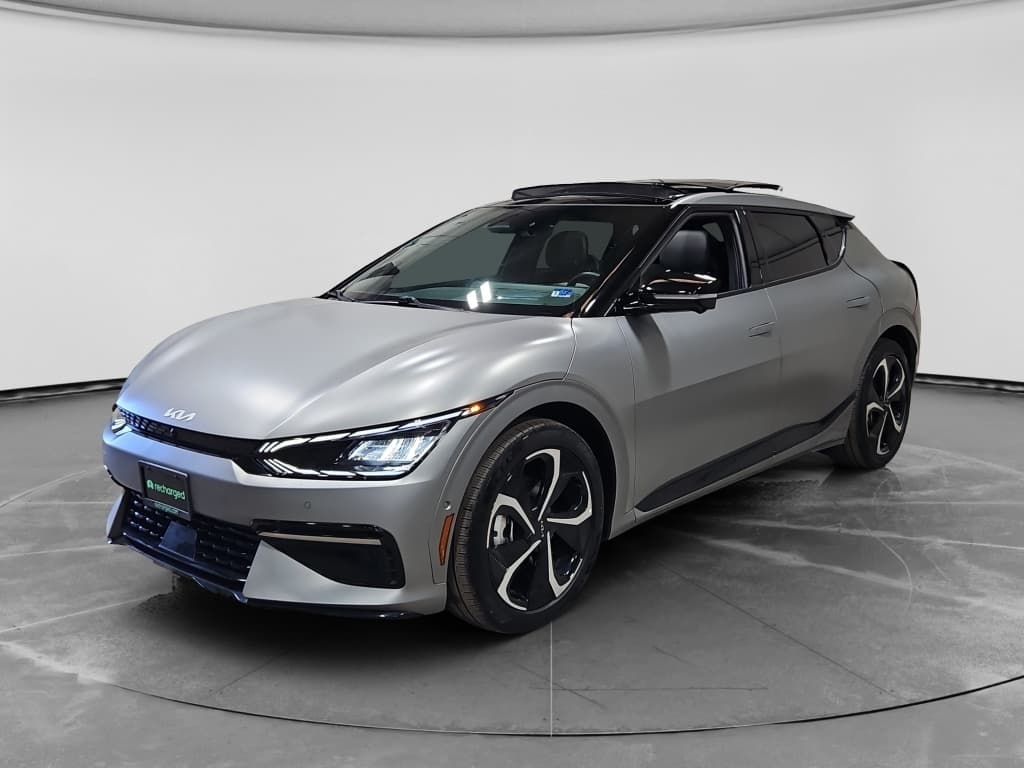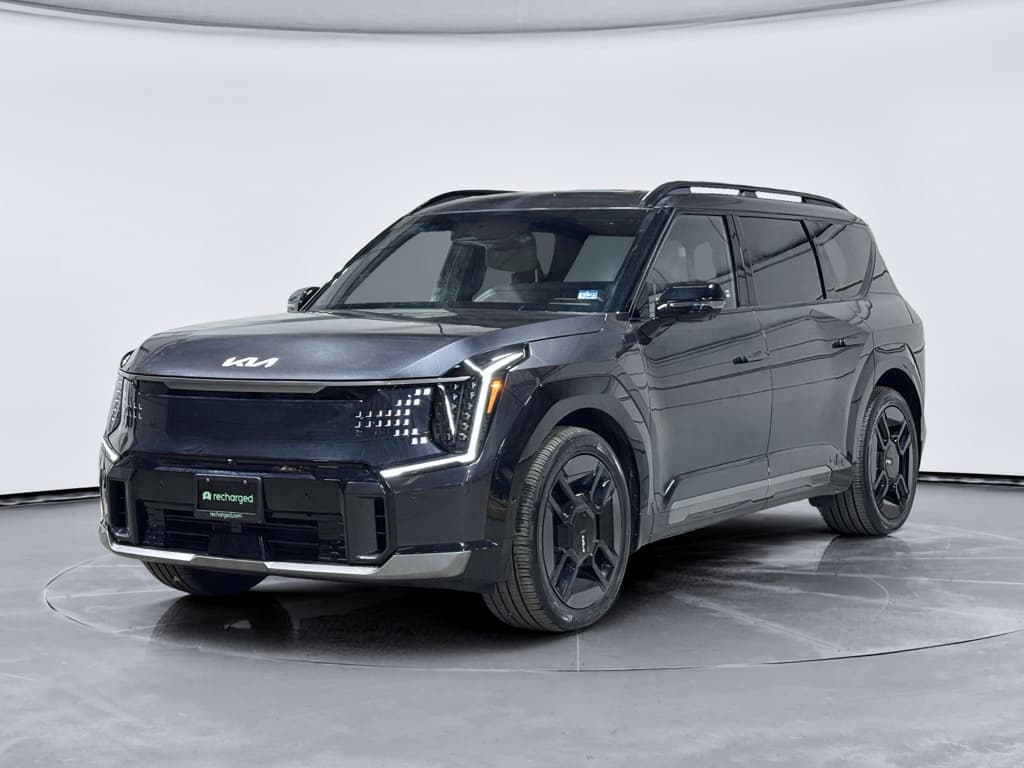
A few years ago, buying a used EV felt like jumping into the deep end with no lifeguard: mysterious batteries, uncertain values, and a charging landscape in flux. In late 2025, the water’s much clearer, but also more crowded. Prices have come down, supply has exploded, federal tax credits are changing, and some automakers are rethinking their EV strategies. If you’re wondering whether a used electric car is a smart move right now, and how to avoid an expensive mistake, this guide is for you.
Where the market stands now
Why used EVs are surging right now
Used EVs are moving from niche to normal
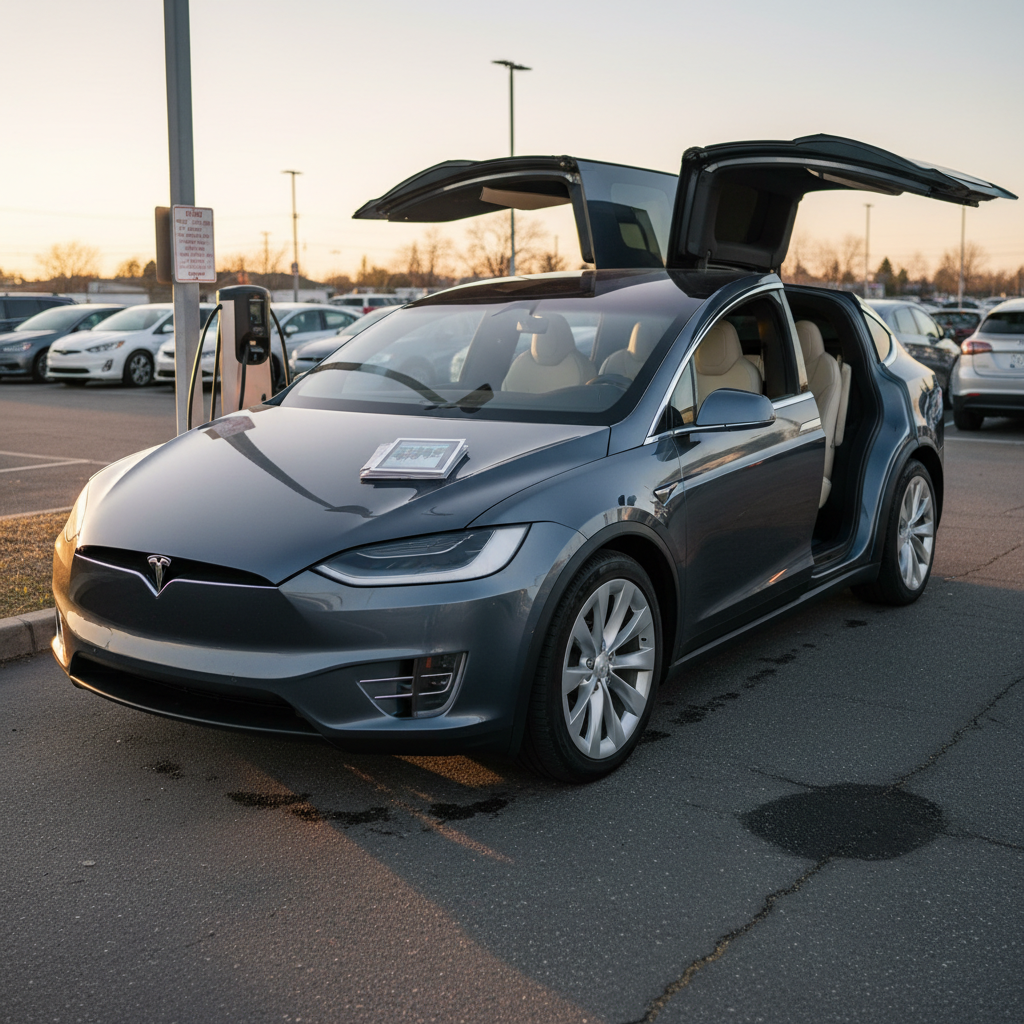
Three forces are driving this used EV boom. First, the new‑car EV wave of the last five years is finally showing up on the pre‑owned lot: off‑lease Teslas, Bolts, Mach‑Es, Ioniqs and more. Second, prices have corrected as supply caught up with early hype, making EVs reachable for buyers who wouldn’t consider a new one. Third, even with recent federal incentive changes, EVs still offer dramatically lower fuel and maintenance costs than gas cars, especially if you can charge at home.
Who benefits most from a used EV
Pros and cons of buying a used EV
Upsides of a used EV
- Lower upfront price: You let the first owner pay for most of the depreciation and the early‑adopter premium.
- Cheaper to run: Electricity usually beats gas on a cost‑per‑mile basis, and there’s no oil to change, no timing belts, and far fewer moving parts.
- Quieter, smoother drive: Instant torque, near‑silent operation, and one‑pedal driving make even a humble hatchback feel like a mini luxury car.
- Cleaner commute: Even accounting for battery production, EVs produce substantially fewer lifetime emissions than comparable gas cars.
Downsides to weigh
- Battery uncertainty: Range loss over time is real, and most listings do a poor job quantifying it.
- Charging learning curve: You’ll need to understand home charging, public networks, and connector standards.
- Incentives in flux: As of fall 2025, federal tax credits for used EVs are winding down, which can impact affordability.
- Faster tech cycles: Newer models may offer noticeably better range or charging speeds, pushing down values of older cars.
The biggest risk is invisible
How much do used EVs cost in 2025
Sticker prices vary wildly by brand, range, and age, but the broad pattern in late 2025 is clear: used EVs are cheaper than they’ve ever been relative to new ones. As federal incentives on new EVs expired and automakers discounted aggressively, used values were pushed down as well. At the same time, a flood of off‑lease vehicles from Tesla, GM, Ford and others has given buyers an unusual advantage: choice.
Typical used EV price bands in late 2025 (U.S.)
Approximate transaction ranges you’ll commonly see; actual prices vary by mileage, trim, region, and battery condition.
| Category | Example models | Typical price range | Who it suits |
|---|---|---|---|
| Budget urban runabout | Chevy Bolt EV, Nissan Leaf, Fiat 500e (older), BMW i3 | $10,000–$18,000 | Short‑range commuters, second cars, city drivers |
| Mainstream all‑rounder | Tesla Model 3 (RWD), Hyundai Kona Electric, Kia Niro EV, VW ID.4 | $18,000–$30,000 | Most households with mixed city/highway driving |
| Family crossover | Tesla Model Y, Ford Mustang Mach‑E, Hyundai Ioniq 5/6, Kia EV6 | $28,000–$40,000 | Growing families, frequent highway trips |
| Premium or performance | Tesla Model S/X, Audi e‑tron, Porsche Taycan (higher‑mile), Mercedes EQ models | $35,000+ | Enthusiasts and luxury buyers willing to accept higher running costs |
Price bands are directional, not quotes. Always compare live listings.
Used EV vs. gas: the total‑cost picture
Battery health: the make-or-break factor
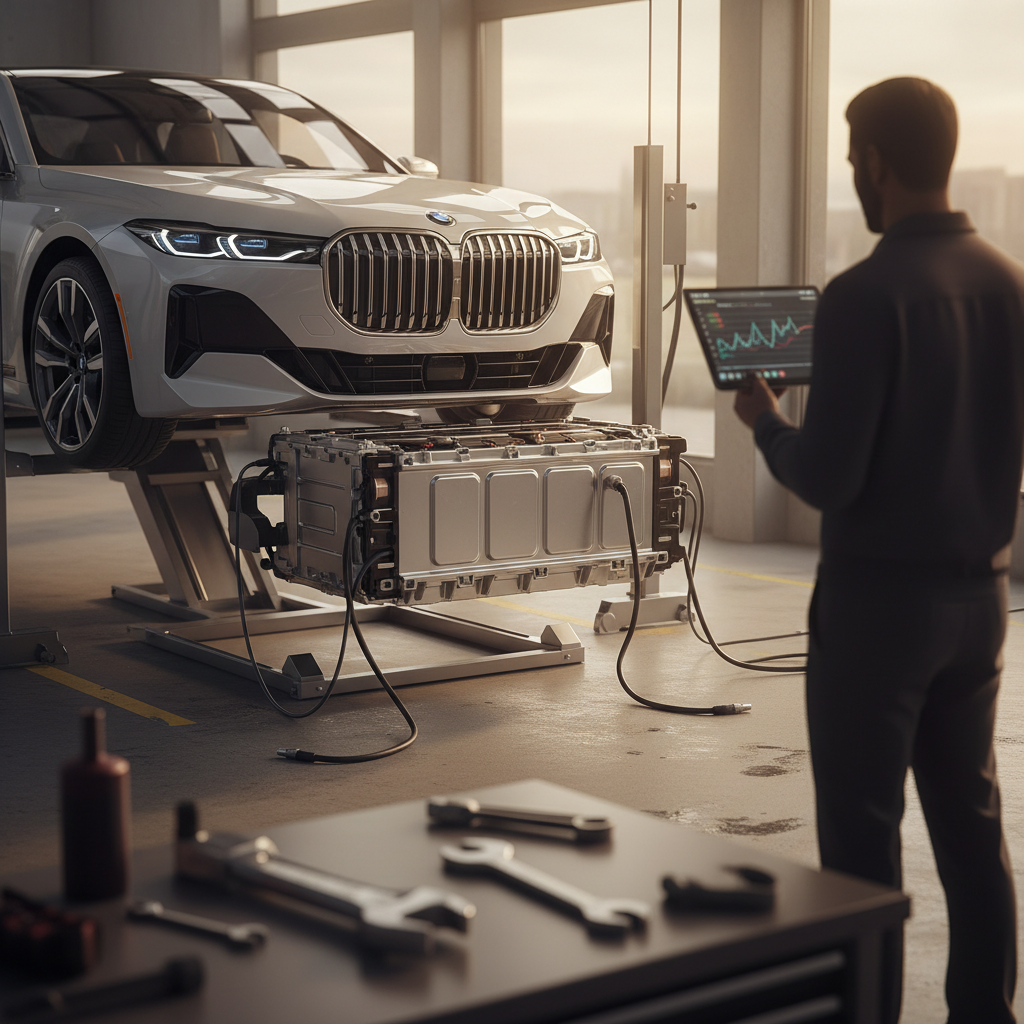
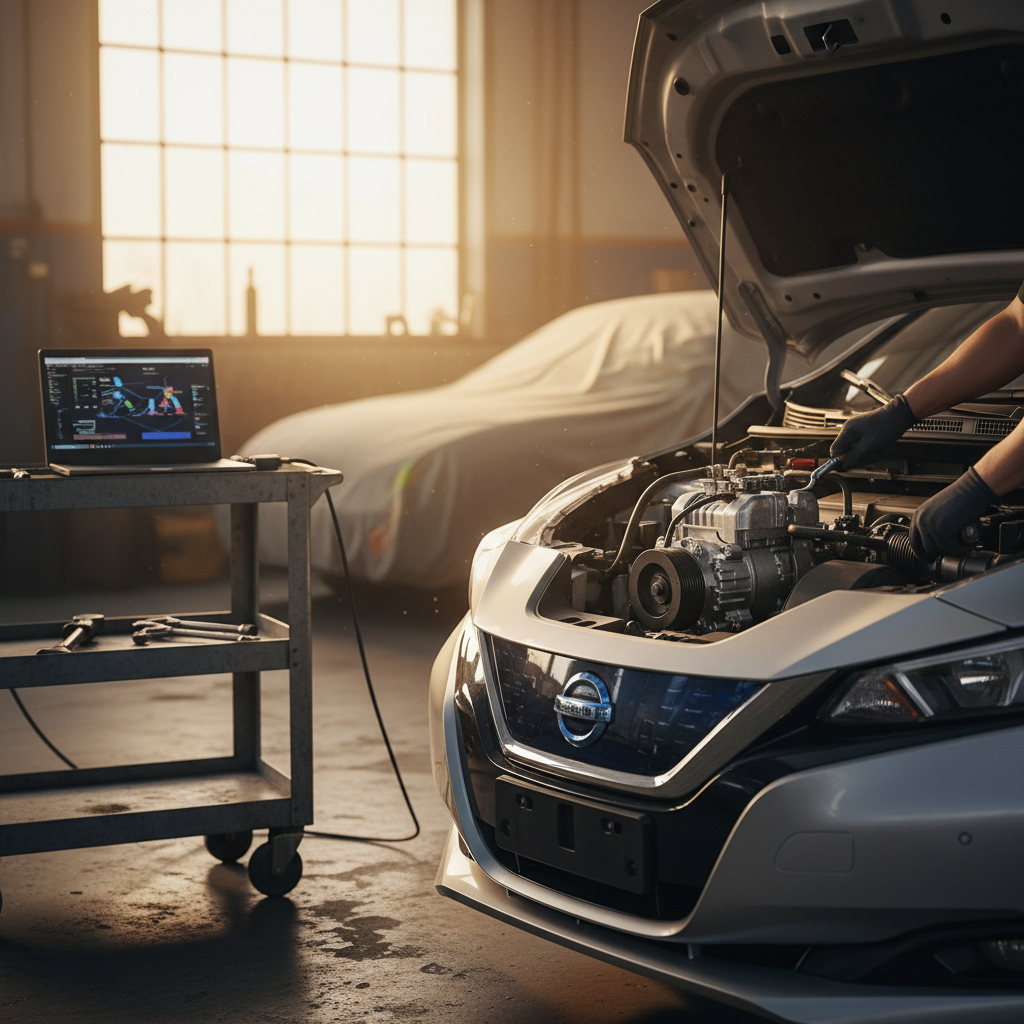
When you buy a used EV, you’re really buying two things: a car and a battery pack worth many thousands of dollars. Over time, batteries lose capacity and therefore range. That degradation is influenced by age, mileage, heat, fast‑charging habits, and how the previous owner treated the car. Two identical EVs, same year and mileage, can have very different real‑world range, one healthy, one tired.
- State of health (SoH): Usually expressed as a percentage of the original usable capacity. A pack at 92% will feel almost new; at 75%, you’ll notice the shorter leash.
- DC fast‑charging history: Occasional fast charging is fine, but heavy use, especially on hot days, can accelerate wear.
- Climate and storage: EVs that lived in cooler coastal climates and weren’t parked in blazing sun every day often age more gracefully than those in extreme heat.
- Software limits: Some brands deliberately hide or buffer part of the pack, so a car can show 100% charge even if the underlying pack has lost some capacity. You need proper diagnostics to see the truth.
Don’t rely on the dash alone
This is where Recharged’s Score Report comes in. Every vehicle sold through Recharged includes a verified battery‑health assessment using specialized diagnostics, plus a transparent score that blends battery condition, fair‑market pricing, and overall vehicle quality. Instead of decoding guesswork, you see exactly how much usable battery you’re buying, and how that compares to similar cars on the market.
Warranties and how long EV batteries last
Most modern EVs are holding up better than early skeptics predicted. It’s common to see cars with 80,000–120,000 miles still retaining the bulk of their original range, especially from brands that engineered generous battery buffers. Official warranties give you another layer of protection, and they travel with the car, not the first owner.
Typical EV warranty coverage (high level)
Exact terms vary by brand, model, and year, always confirm for the specific VIN.
Battery & drive unit
Many EVs carry 8‑year / 100,000–150,000‑mile warranties on the battery pack and electric drive unit, often guaranteeing a minimum state of health (for example, 70%).
Bumper‑to‑bumper
Comprehensive coverage, the stuff that behaves like any normal car warranty, typically lasts 3–4 years or 36,000–50,000 miles. On a 4‑year‑old used EV, you may be near the end of this window.
Extended and third‑party plans
Some automakers and specialized providers offer extended protection that explicitly covers EV‑specific components. Read the fine print: not all plans treat batteries equally.
Questions to ask about the battery warranty
Used EV tax credits and incentives (and what just changed)
Until very recently, the U.S. federal government offered a Previously‑Owned Clean Vehicle Credit, up to $4,000 off qualifying used EVs purchases under Internal Revenue Code Section 25E. To qualify, you had to buy from a licensed dealer, keep the sale price at $25,000 or less, meet income limits, and choose a model that was at least two model years older than the purchase year.
Key 2025 change: federal credits are ending
- State rebates and grants: Many states still offer their own used‑EV incentives or sales‑tax breaks, often on top of utility programs.
- Utility charging rebates: Your local electric utility may subsidize home charger installation or offer discounted overnight charging rates.
- HOV lane access: Some regions allow EVs, new or used, to access carpool lanes with a special decal, which can be a meaningful quality‑of‑life perk.
Incentives are now hyper‑local
Charging lifestyle: home, public, and road trips
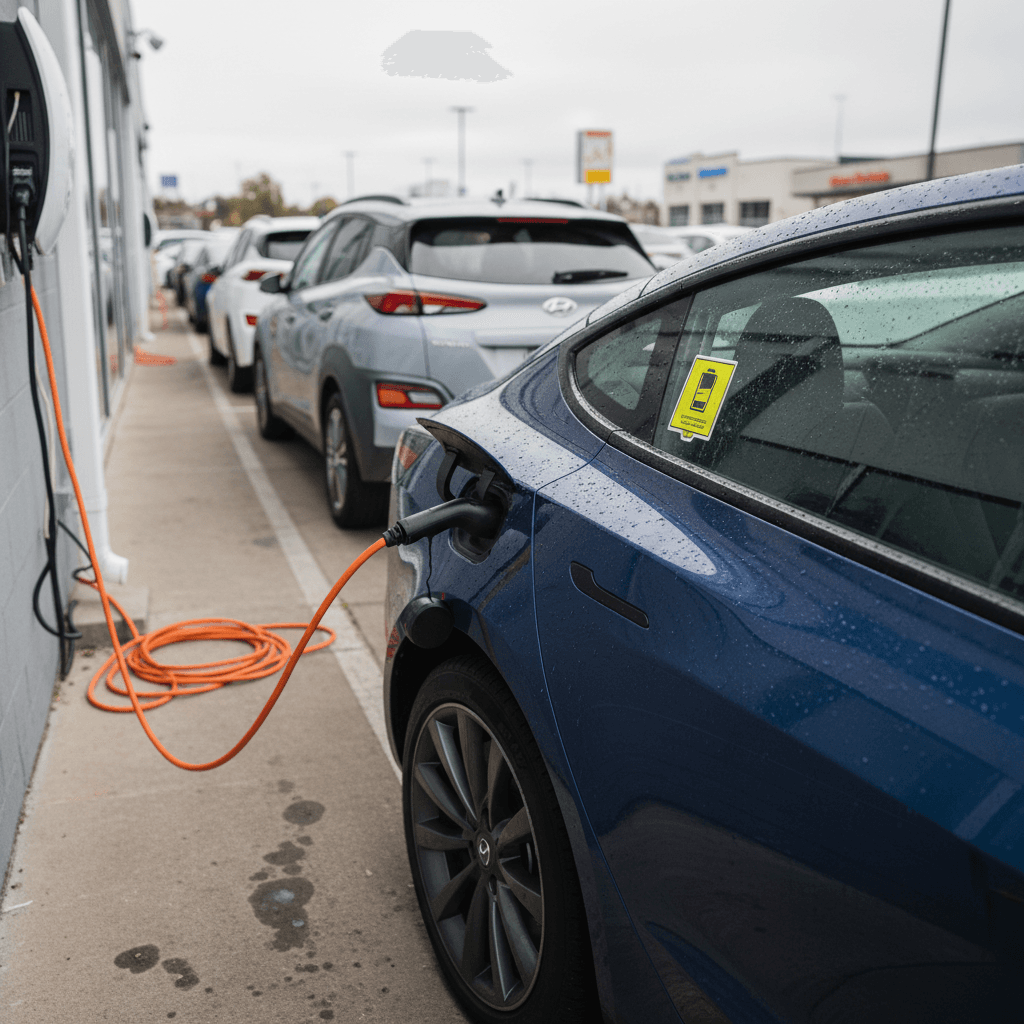
A used EV is only as convenient as your charging setup. For most owners, the cornerstone is Level 2 home charging, a 240‑volt outlet like you’d use for a dryer, paired with a wall‑mounted or portable charger. That turns the car into an appliance: you plug in at night, wake up to a full “tank,” and almost never think about public charging for daily life.
The three pillars of living with a used EV
Most drivers rely on a mix of these, with home charging doing the heavy lifting.
Home charging
- Fastest way to fall in love with EV ownership.
- Install a Level 2 charger or at least a 240‑V outlet if you can.
- Look for models that support higher onboard AC charging (e.g., 11 kW) if you routinely arrive home with a low battery.
Public charging
- Great for apartment dwellers or workplace charging.
- Mix of slower Level 2 and DC fast chargers at malls, gyms, parking garages, and along highways.
- Apps like PlugShare, ChargePoint, and OEM apps help you navigate networks and prices.
Road‑trip DC fast charging
- Crucial if you take long highway trips.
- Focus on cars with robust fast‑charging curves and good network coverage on your usual routes.
- New NACS (Tesla) compatibility is quickly becoming a key advantage for used‑EV buyers.
Apartment dwellers aren’t excluded
Step-by-step checklist for buying a used EV
Your practical used EV buying checklist
1. Nail down your real range needs
List your typical weekday commute, weekend errands, and occasional trips. Many buyers discover they only need 120–180 miles of real‑world range, which dramatically expands their used‑EV options.
2. Decide on charging strategy
Can you install home charging, or will you rely on workplace/public chargers? The answer should influence which models you consider and how much range feels comfortable.
3. Shortlist models that fit your life
Group candidates into tiers: budget commuters (Bolt, Leaf), mainstream all‑rounders (Model 3, Kona, Niro), and family crossovers (Model Y, Mach‑E, Ioniq 5). Research known issues and recall history for each.
4. Demand a real battery health report
Don’t settle for a generic ‘passed inspection’ note. Ask for a quantified state‑of‑health measurement and fast‑charging history. With Recharged, this is built into the Recharged Score Report, so you aren’t guessing.
5. Verify warranty and service history
Confirm the remaining battery and powertrain warranty by VIN, and review service records for software updates, recalls, and any high‑voltage repairs.
6. Test drive with an EV mindset
On your drive, pay attention to one‑pedal feel, regen strength, ride quality on rough pavement, and how the car manages HVAC at highway speeds. Watch how quickly the state‑of‑charge gauge moves on a sustained hill or freeway run.
7. Compare total cost, not just price
Factor in electricity vs. fuel, expected maintenance, possible incentives, and home‑charging installation. A slightly higher monthly payment on an efficient used EV can still leave you better off overall.
8. Line up EV‑friendly financing
Some lenders and retailers, like Recharged, understand EV residual values and offer tailored terms. Getting pre‑qualified can clarify your budget and give you leverage when you’re ready to commit.
How Recharged de-risks buying a used EV
The problem with most used‑EV listings is simple: they were built for gas cars. An odometer reading, a Carfax report, and a quick ‘multi‑point inspection’ don’t tell you what you actually need to know about an electric vehicle. Recharged was built from the ground up to fix that, and to make buying a used EV feel less like a gamble and more like a well‑informed decision.
What you get when you buy a used EV through Recharged
Designed specifically for EV shoppers, not just repurposed used‑car processes.
Recharged Score Report
Every vehicle comes with a detailed Recharged Score that blends:
- Verified battery health diagnostics using EV‑specific tools.
- Fair market pricing based on live EV market data, not guesswork.
- Overall condition, from tires and brakes to software and charging hardware.
You see the battery’s real state, not just a salesperson’s reassurance.
Digital, expert‑guided experience
Shop entirely online or visit our Experience Center in Richmond, VA. Recharged offers:
- EV‑specialist support to help match models to your lifestyle.
- Transparent financing and pre‑qualification with clear terms.
- Trade‑in or instant offer for your current vehicle, gas or electric.
Nationwide delivery & flexible selling options
Recharged isn’t just a retailer; it’s also a marketplace:
- Nationwide delivery so the right car can find you, not just what’s parked nearby.
- Trade‑in, instant‑offer, or consignment options if you’re selling an EV (or gas car) into the market.
- Support from first click to post‑delivery questions.
EV‑first peace of mind
Because Recharged specializes in used EVs, the entire process, from inspection to pricing to support, is tuned to electric ownership. You’re not explaining to a sales desk what a kilowatt‑hour is; you’re talking to people who live and breathe this stuff.
Ready to find your next EV?
Browse VehiclesA simpler path to your first (or next) EV
Used EV FAQ
Frequently asked questions about buying a used EV
Final thoughts: is a used EV right for you?
A well‑chosen used EV is one of the great arbitrage plays in today’s car market: the refinement and performance of a near‑luxury car, often for compact‑sedan money, with running costs that make gas stations feel like an old habit you’re glad to have kicked. The flip side is that the usual used‑car shortcuts, mileage, model year, a quick once‑over, simply don’t tell you enough. Battery health, charging fit, and software support matter more here than trim packages or wheel size ever will.
If you’re willing to do a bit of homework, or let an EV‑focused partner like Recharged do that homework for you, the used EV market in late 2025 is full of opportunity. Start with your real‑world range needs, get clarity on charging, insist on a proper battery health report, and then let price, design, and driving feel break the tie. Done right, your next car could be the cleanest, quietest, and most satisfying you’ve ever owned, and it doesn’t have to be new to feel that way.