Used electric trucks are finally hitting the market in real numbers. As early adopters trade in their Ford F‑150 Lightnings, Rivian R1Ts and other EV pickups, shoppers like you can step into serious capability and cutting-edge tech at a discount. The trick is understanding how these used electric trucks really perform on range, towing and battery health, and how to separate a smart buy from an expensive experiment.
What this guide covers
Why used electric trucks are hot right now
EV and used-market context for 2025
Those numbers have two big implications if you’re shopping used electric trucks. First, there are more EV trucks in circulation, especially 2022–2024 builds. Second, price pressure in the EV market means deeper discounts on nearly new vehicles than you’d see on a comparable gas truck. For work or lifestyle buyers who don’t need 400-mile range in a blizzard, that can be a compelling equation.
Where Recharged fits in
Key used electric truck models to know
Core used electric pickup trucks on the market
You’ll see these models most often on used EV lots and marketplaces.
Ford F‑150 Lightning
The Lightning brings full‑size F‑150 utility into the EV era. Most used listings today are 2022–2024 models with 230–320 miles EPA range depending on battery and trim. It’s familiar to F‑150 owners, with added perks like Pro Power Onboard for jobsite or campsite power.
Rivian R1T
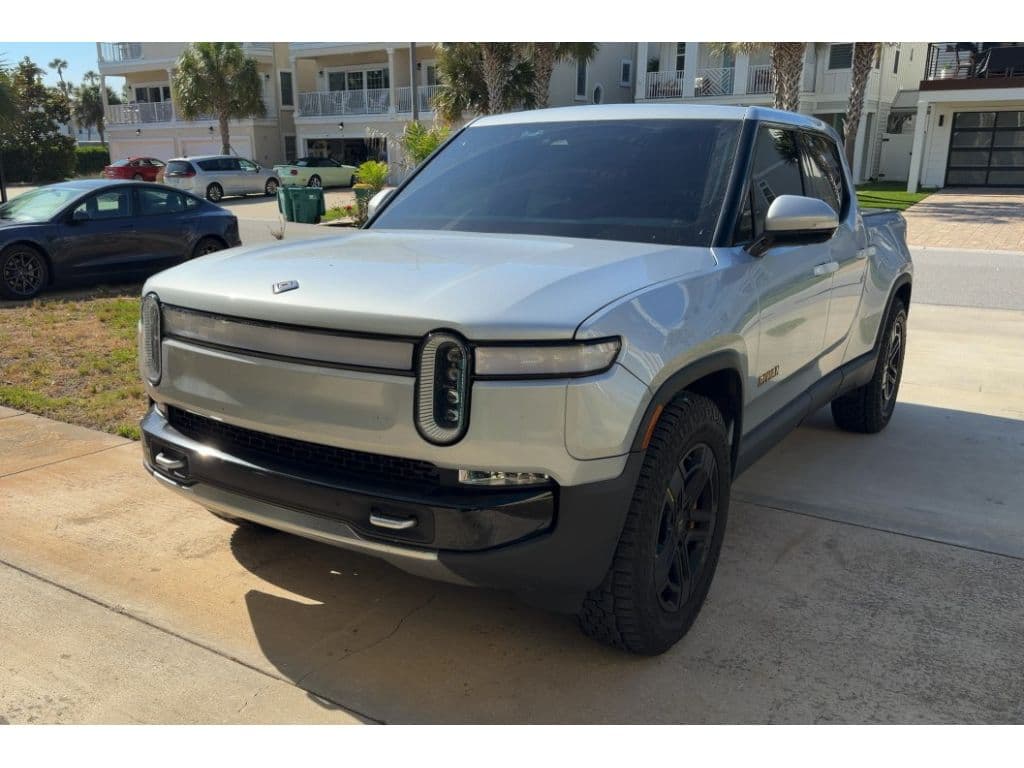
Rivian’s R1T is the adventure‑oriented choice. Quad‑motor versions offer incredible off‑road capability and 0–60 in around 3 seconds. Real‑world highway range typically lands in the 260–340 mile window depending on battery pack and wheels.
Chevy Silverado EV & GMC Hummer EV
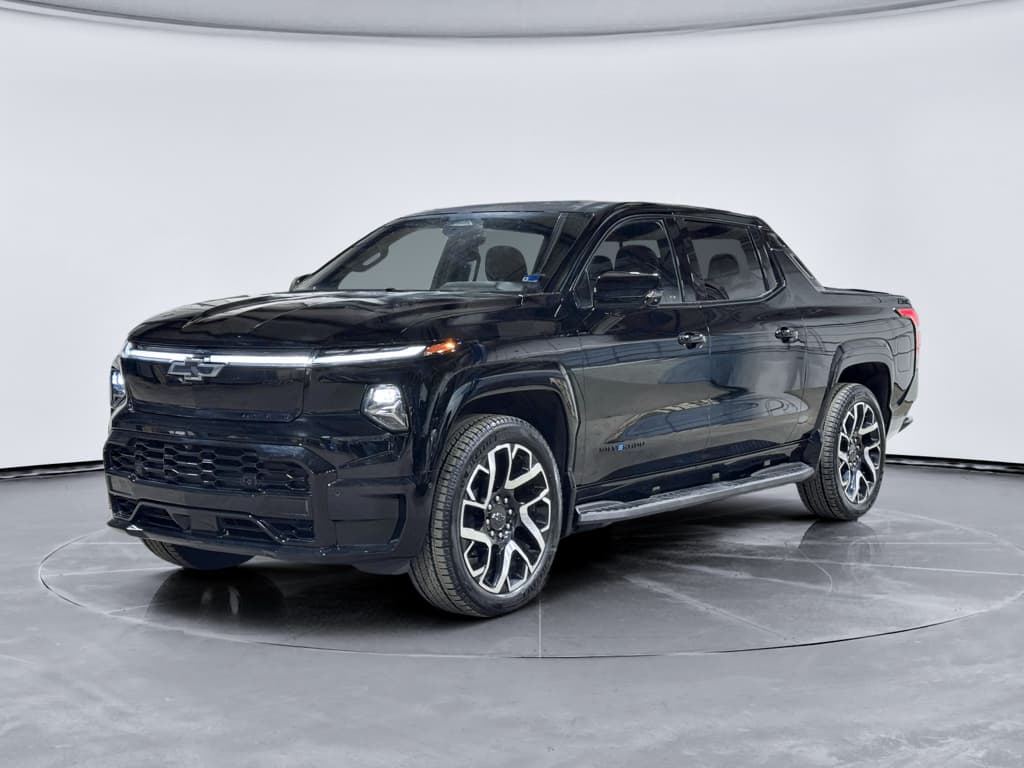
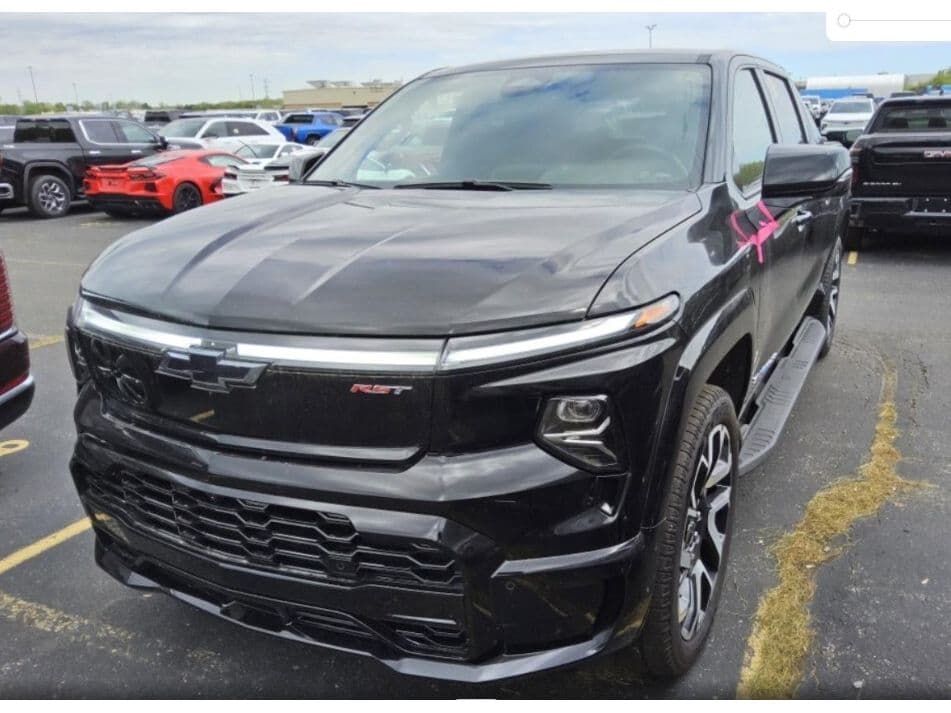
GM’s Ultium‑based trucks show up in smaller numbers used but are growing. The Hummer EV is a halo off‑roader; the Silverado EV focuses more on work and towing. Expect mid‑200s to 300+ miles of rated range on many trims.
Emerging and regional players
Less common but worth knowing about.
Work truck & fleet EVs
Some fleets have adopted electric chassis cabs and work trucks from startups and legacy brands. These can appear at auction or commercial dealers. Specs vary widely, so check payload, upfit, and charging hardware carefully.
Future arrivals
By 2026–2027, you’ll likely see more used units of newer entries like updated Lightnings and next‑gen GM trucks. Today, the used market is still dominated by the first wave of EV pickups from 2022 onward.
How much do used electric trucks cost in 2025?
Exact pricing will move with incentives, interest rates and local supply, but as of late 2025, used electric trucks in the U.S. generally transact for well under their original MSRPs, especially at the higher end. That’s partly because many were leased or incentivized new, and partly because EVs as a whole are under residual-value pressure.
Typical asking-price bands for popular used electric trucks
Approximate ranges for clean-title, average-mileage trucks sold through dealers and marketplaces in late 2025. Local conditions will vary.
| Model & trim examples (used) | Typical model years on used market | Approx. price band (USD) | Original new MSRP ballpark |
|---|---|---|---|
| Ford F‑150 Lightning XLT/ Lariat | 2022–2024 | $42,000–$65,000 | $60,000–$85,000+ |
| Ford F‑150 Lightning Pro (work truck) | 2022–2023 | $35,000–$48,000 | $50,000–$60,000 |
| Rivian R1T Adventure/Launch | 2022–2024 | $55,000–$80,000+ | $75,000–$95,000+ |
| GMC Hummer EV Pickup | 2022–2024 | $75,000–$105,000+ | $95,000–$120,000+ |
| Chevrolet Silverado EV (early trims) | 2024–2025 | $60,000–$80,000+ | $75,000–$90,000+ |
Use this as directional guidance, not a replacement for current market research on an individual VIN.
Watch the options list
At Recharged, fair market pricing is baked into the Recharged Score Report for each vehicle, so you can see how a truck’s ask price lines up with comparable EVs nationally, not just in your zip code. That matters in a young segment where some sellers still test the waters with unrealistic price tags.
Range, towing and real-world usage
This is where used electric trucks diverge most sharply from gas or diesel pickups. EPA range numbers are useful starting points, but towing, payload, speed, temperature and elevation all hit electric range harder than many first‑time buyers expect.
EPA range vs. what you’ll see
Most half‑ton‑sized electric trucks carry EPA ratings from the mid‑200s to low‑300s in miles. In normal mixed driving, you’ll often see 70–90% of that, depending on climate and driving style. Cold weather and high speeds are the two biggest culprits that bring those numbers down.
Towing is a different game
Hook up a 6,000–8,000 lb trailer and it’s common to lose 40–60% of rated range, especially at highway speeds. That means a Lightning rated at 300 miles might effectively be a 120–180‑mile truck between charges when working hard.
Plan your use‑case honestly
- For daily commuting and light hauling: most used electric trucks are overqualified; home Level 2 charging turns them into very comfortable daily drivers.
- For weekend towing within 100–150 miles: they work well if you’re willing to plan fast‑charge stops and avoid running the battery down to single digits.
- For cross‑country towing at heavy loads: today’s EV trucks can do it, but you’ll spend more time on charging logistics than with a comparable gas HD pickup.
Battery health: how to avoid an expensive mistake
The battery pack is the single most expensive component in a used electric truck. Fortunately, most modern EV packs are aging better than early skeptics predicted, but there’s still real money at stake if you buy a vehicle with abnormal degradation or prior abuse.
Battery checks before you sign anything
1. Look for a quantified health report
Don’t settle for “battery seems fine.” You want a report that estimates remaining usable capacity versus original, ideally based on direct diagnostics, not just a guess from the dash gauge. Every Recharged vehicle includes a Recharged Score with verified battery health.
2. Compare indicated range to original spec
Set the truck to 100% charge and compare the indicated range to the original EPA rating for that trim. A modest drop (for example, 5–15%) after a few years is normal; anything dramatically lower deserves deeper investigation.
3. Ask about fast‑charging history
Occasional DC fast charging is expected for road trips. A past life as a high‑mileage work truck living on fast chargers every day, especially in hot climates, can accelerate degradation. Service records and connected‑vehicle logs can help paint the picture.
4. Check for battery or high‑voltage repairs
Look for documentation of any battery pack, high‑voltage cable or inverter replacements. A properly handled warranty repair isn’t a dealbreaker, but missing paperwork or repeated interventions might be.
5. Understand remaining factory warranty
Most modern EVs carry 8‑year/100k–150k mile battery warranties. With a 2022 truck, you may still have several years of coverage left. Confirm the in‑service date and mileage and read the fine print on transferability.
Don’t buy blind at auction
Ownership costs: charging, maintenance and resale
One of the big attractions of used electric trucks is that you get full‑size pickup capability without full‑size fuel bills. Electricity prices vary, but on a cost‑per‑mile basis, an EV truck charged mostly at home usually undercuts a comparable gas truck, even after accounting for demand charges in some utilities.
Charging and energy costs
- Home Level 2 charging is the sweet spot. Install a 240V charger in your garage or driveway and you can wake up to a ‘full tank’ most days.
- Public fast charging is more expensive per kWh, but still often competitive with gas on a per‑mile basis if used sparingly.
- Some employers and municipalities offer discounted or free charging, which can tilt the math further in your favor.
Maintenance and repairs
- No oil changes, spark plugs, timing belts or exhaust systems to worry about.
- You will still have tires, brakes, coolant and suspension to maintain, heavy trucks on instant torque can chew through tires quickly.
- Make sure any used electric truck has up‑to‑date software and completed recalls; many fixes arrive via over‑the‑air updates.
Why depreciation can work in your favor
Checklist for buying a used electric truck
Step‑by‑step used electric truck buying checklist
1. Define how you’ll really use the truck
List your top three use cases: daily commute, weekend trips, towing weight and distance, worksite use, etc. That will drive how much range you truly need and which models fit.
2. Set a total budget, not just monthly payment
Include insurance, home charger installation and a buffer for tires or accessories in your math. A slightly higher purchase price on a more efficient truck can still win over 5–7 years of ownership.
3. Shortlist 2–3 models and battery sizes
For many buyers the choice is between a used F‑150 Lightning and Rivian R1T, with GM trucks as wildcards. Decide whether you need extended‑range batteries or if standard packs fit your habits.
4. Demand transparent battery and pricing data
Wherever you shop, ask for a <strong>battery health report</strong> and comparables that justify the asking price. Recharged bakes both into its Recharged Score, so you can compare trucks side‑by‑side without guessing.
5. Inspect charging hardware and software
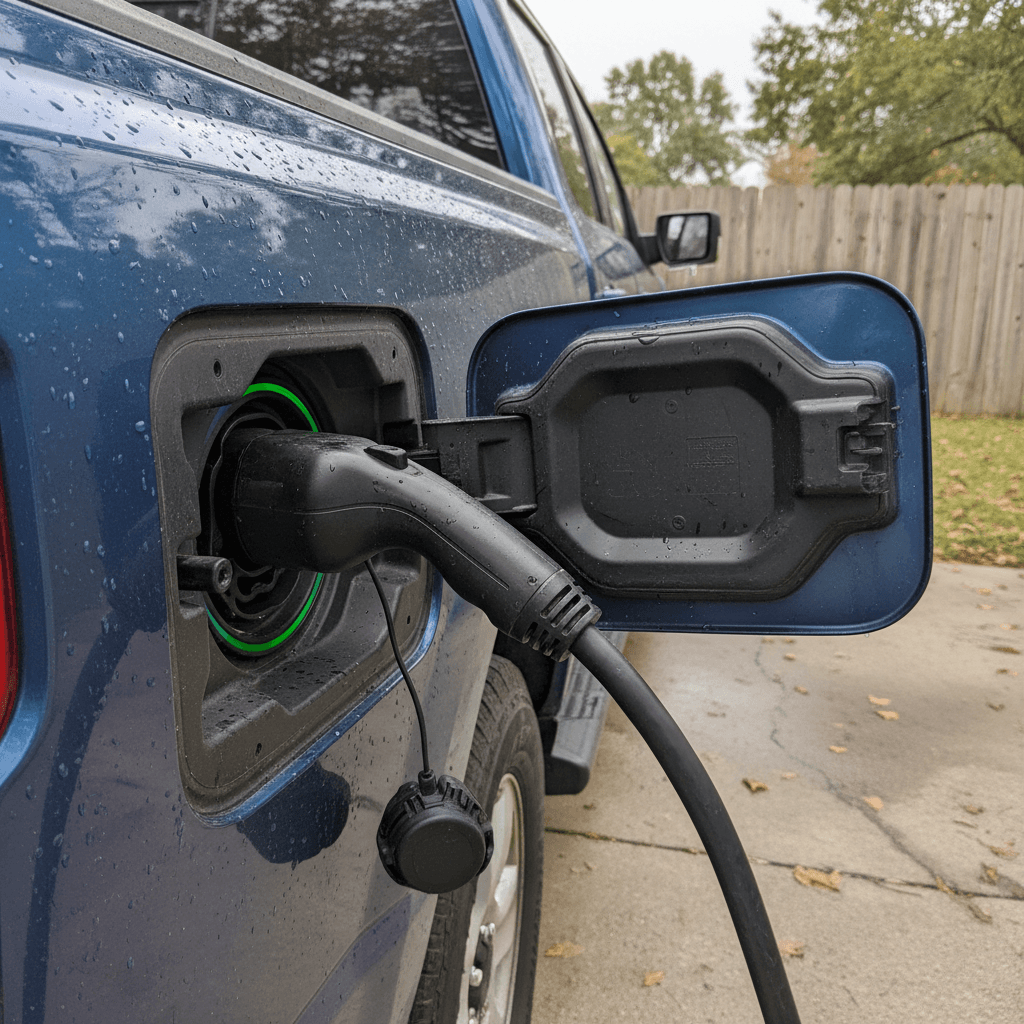
Confirm that the onboard charger, charge port door, cables and adapters work as designed. Check that the truck can connect to a DC fast‑charging network and that key driver‑assist and infotainment features are up to date.
6. Take a realistic test drive
Drive your likely daily route, include a highway segment, and if possible, a short tow or loaded run. Watch energy consumption on the dash and see how it feels to live with the truck, not just to launch it from a stoplight.
7. Decide how much support you want
Some buyers enjoy managing inspections, financing and paperwork on their own. Others prefer a more guided path. Recharged offers EV‑specialist support, nationwide delivery and trade‑in options if you’d rather have a partner through the process.
FAQ: used electric trucks
Frequently asked questions about used electric trucks
Bottom line: should you buy a used electric truck?
If you want a truck that’s quiet, brutally quick and far cheaper to ‘fuel’ than a lifted V8, used electric trucks deserve a hard look. They shine for commuters, contractors who work within a defined radius, and adventure‑seekers who are willing to plan charging stops. The keys are honest self‑assessment of your needs, transparent battery‑health data, and realistic expectations around towing and range.
The good news is that, in 2025, you no longer have to guess. Data‑driven tools like the Recharged Score Report, EV‑specialist support and nationwide digital retailing mean you can shop used electric trucks with the same, or better, confidence than a traditional gas pickup. Do your homework, demand the right information, and a used electric truck can deliver years of capable, low‑emission work and play.