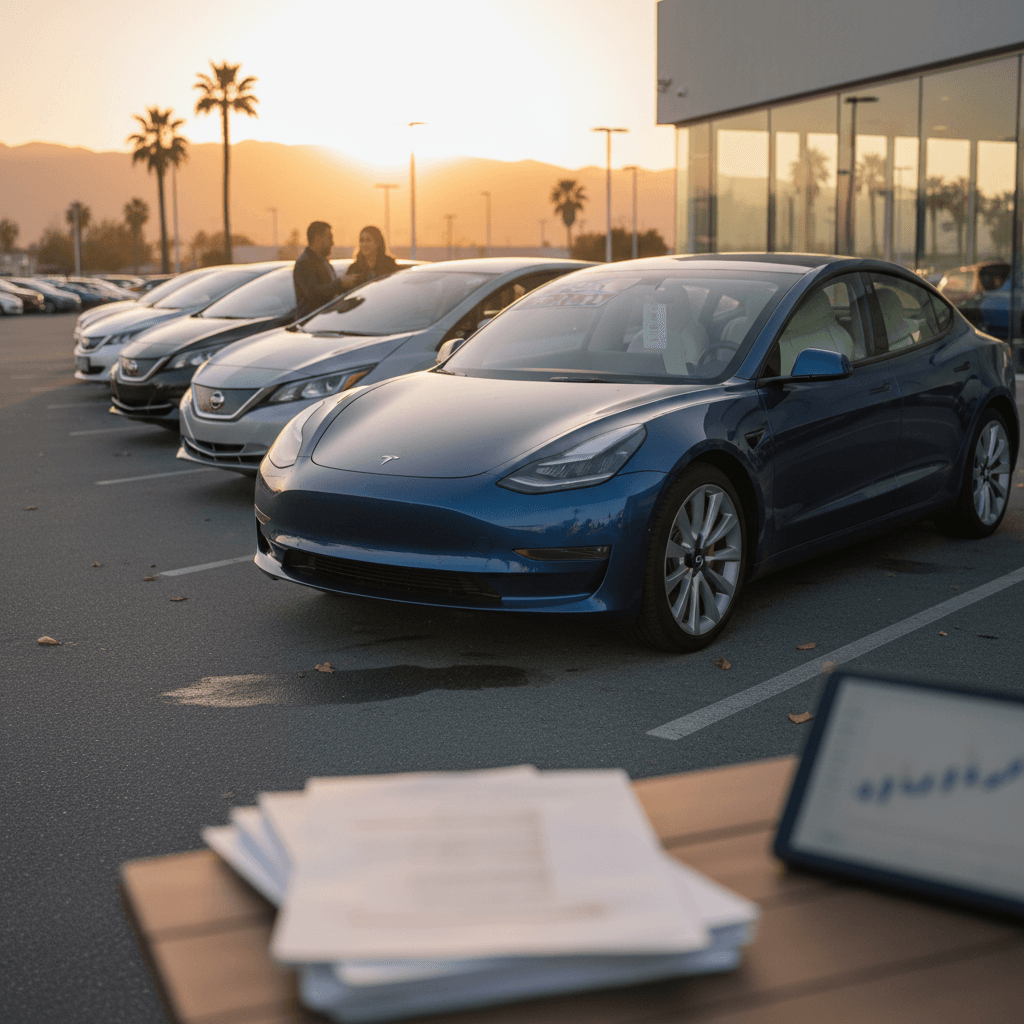
If you’re shopping for used electric cars in California in 2026, you’re right where the action is. California remains the country’s largest EV market, with zero-emission vehicles hovering around one-fifth to nearly one-third of new car sales in recent years. That steady stream of new EVs has created something buyers love: a deep, maturing used EV market with more choice, falling prices, and better data on long‑term battery health than ever before.
California: Still the Used EV Capital
Why Used Electric Cars in California Are So Attractive in 2026
Snapshot of California’s EV Market Heading Into 2026
By 2026, the novelty phase of EVs in California is over. Early adopters are trading up to longer‑range models, more brands are competing on price, and fleet vehicles are aging into the secondhand market. That means you’ll see everything from sub‑$20,000 commuter EVs to gently used luxury crossovers on the same search page.
Look Beyond Tesla
What Changed for Used EV Incentives After 2025
If you shopped for a used EV in 2024 or early 2025, you probably heard about the federal credit of up to $4,000 for used EV purchases. That program ended for vehicles bought after September 30, 2025, as part of federal tax changes. In 2026, you can no longer count on that specific credit when penciling out a deal on a used electric car in California.
Federal Landscape in 2026
- The prior used EV tax credit (up to $4,000) is no longer available for cars purchased after September 30, 2025.
- New‑EV credits and charging equipment credits have also been reshuffled or phased down on tight timelines.
- Always confirm current IRS guidance or talk with a tax professional before you rely on any federal incentive.
California’s Role
- California phased out its original Clean Vehicle Rebate Program in 2023 and has been reshaping state‑level incentives.
- State leaders have floated new or revived rebate ideas if federal support shrinks, so local programs and utility rebates are worth checking in 2026.
- Several air‑district and income‑qualified programs can still help lower EV ownership costs, especially for lower‑ and moderate‑income households.
Incentives Are a Moving Target
How Much Do Used Electric Cars Cost in California in 2026?
Sticker prices shift every month, but by spring 2026 some clear patterns have emerged in California’s used EV market. Aggressive new‑car discounting, higher interest rates, and a maturing EV fleet have pushed many used prices down compared with the 2021–2023 peak. That’s especially true for high‑volume models like the Tesla Model 3 and Model Y.
Typical Used EV Price Bands in California (Early 2026)
Approximate asking‑price ranges you’re likely to see from reputable dealers and marketplaces. Actual prices vary with mileage, trim, battery health, and local demand.
| Segment / Use Case | Representative Models (Used) | Typical Price Band* | Good Fit For |
|---|---|---|---|
| Budget commuter | Chevy Bolt EV, Nissan Leaf, BMW i3 | $12,000 – $20,000 | Short‑range commutes, second car, city driving |
| Main family car | Hyundai Kona Electric, Kia Niro EV, VW ID.4 | $20,000 – $30,000 | Single‑car households, growing families |
| Popular sedans | Tesla Model 3, Hyundai Ioniq 6 | $20,000 – $35,000 | Daily drivers who value range and tech |
| Crossovers / SUVs | Tesla Model Y, Ford Mustang Mach‑E, Kia EV6 | $28,000 – $45,000 | Families and road‑trip fans needing space |
| Premium & luxury | Audi e‑tron/Q8 e‑tron, Mercedes EQE, BMW iX | $40,000+ | Luxury shoppers, high‑feature buyers |
These bands are directional, not guarantees, always compare multiple listings.
Why the Same Car Can Vary by Thousands
Best Used Electric Cars to Shop for in California
Popular Used EV Picks in California’s 2026 Market
These models show up frequently in listings and balance price, range, and reliability for most buyers.
Tesla Model 3
Why it’s everywhere: California’s best‑selling EV for years, now coming off leases and trade‑ins in big numbers.
- Plenty of range for statewide travel
- Access to Tesla’s Supercharger network (often with NACS built in)
- Wide spread of prices depending on year and battery pack
Tesla Model Y
Family favorite: The crossover that took over California driveways.
- Roomier than Model 3 but similar tech
- Strong resale values, shop carefully for fair pricing
- Watch for high‑mileage rides used for delivery or rideshare
Chevy Bolt EV / EUV
Value champ: One of the best deals in the used EV world.
- Compact but surprisingly roomy inside
- Great efficiency and low running costs
- Confirm recall battery replacement history
Nissan Leaf
Affordable city car: Early mass‑market EV, now very budget‑friendly.
- Ideal for short commutes and urban errands
- Older models have smaller batteries and no liquid cooling
- Pay close attention to battery health reports
Hyundai & Kia EVs
Tech‑forward all‑rounders: Kona Electric, Niro EV, Ioniq 5, EV6.
- Competitive range and DC fast‑charging speeds
- Often strong warranties, some battery coverage remaining
- Good pick if you want non‑Tesla styling and tech
Ford Mustang Mach‑E & Others
Crossovers with character: Mach‑E, VW ID.4, BMW i3 and more.
- Appeal to buyers who want something different from the EV crowd
- Check software update status and driver‑assist features
- Great chance to get more car for the money vs new
How Recharged Helps You Compare Models
Ready to find your next EV?
Browse Vehicles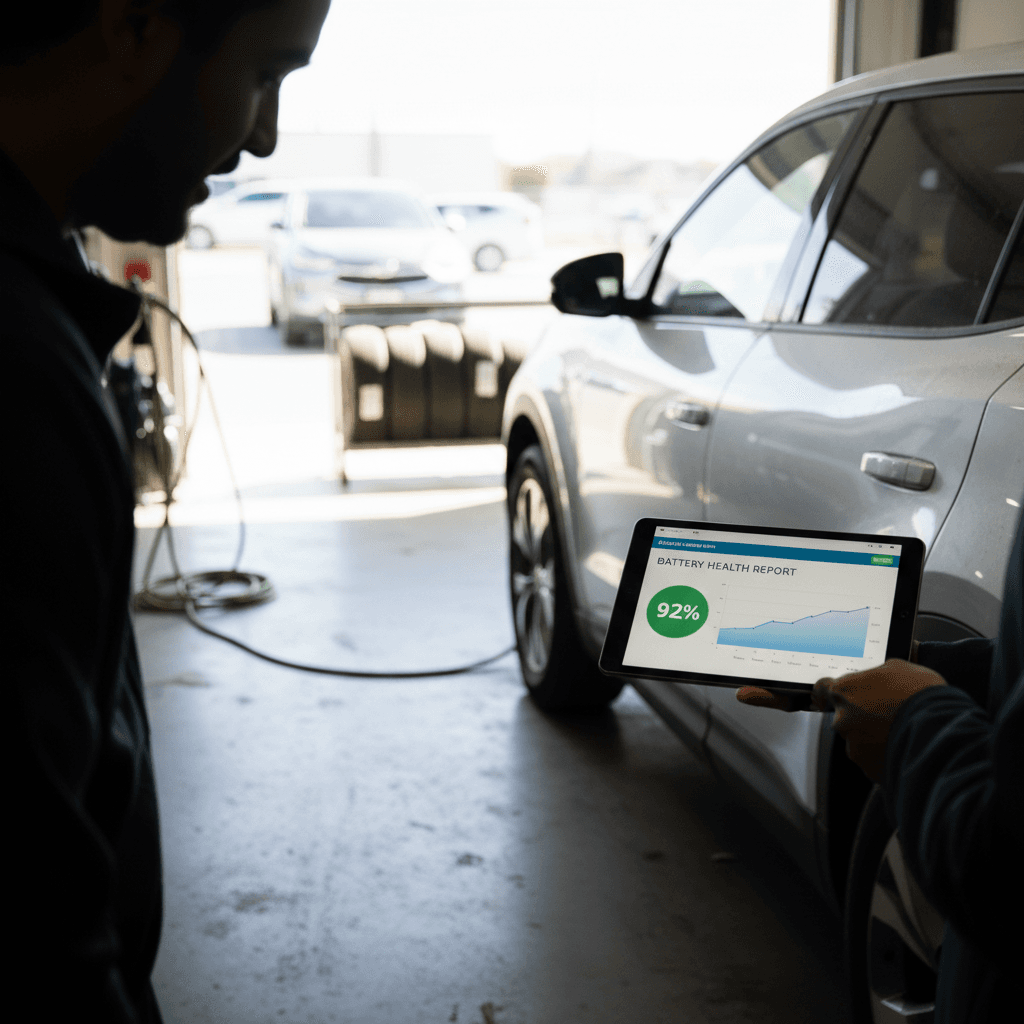
Understanding Battery Health on a Used EV
A gas car wears its age in rust and oil leaks. An electric car wears its age in the battery pack. Modern EV batteries are lasting longer than early skeptics predicted, but chemistry still wins in the long run. In California’s hot inland valleys and on heavily fast‑charged road‑trip cars, a battery with 100,000 miles may not behave like it did on day one.
- Most EVs lose range fastest in their first few years, then degradation slows into a gentler slope.
- DC fast‑charging is convenient, but frequent use and high temperatures can accelerate wear.
- Software updates sometimes adjust the range display, so always look at usable capacity, not just the number printed on the original window sticker.
- Battery warranties typically cover 8 years or around 100,000–150,000 miles for excessive degradation, but many 2017–2019 cars are now aging out of that coverage.
What a Good Battery Report Shows
Battery Red Flags
- Range that’s 25–30% lower than when new, especially on a relatively low‑mileage car.
- Inconsistent charging behavior, very slow DC fast‑charging or sessions that frequently stop.
- Battery or high‑voltage warning lights in the car’s history report.
- Unverified or vague claims about recent “battery work” with no documentation.
Battery Green Flags
- Detailed battery‑health metrics from a trusted diagnostic tool.
- Service records showing software updates and recall work completed.
- Prior owner used mostly home Level 2 charging instead of constant DC fast‑charging.
- Plenty of remaining capacity relative to similar vehicles of the same age.
Where to Buy a Used Electric Car in California
California gives you more options than almost anywhere else in the U.S. to buy a used EV, but the experience is not the same across the board. Inventory quality, battery transparency, and EV expertise matter far more here than they do on a typical used gas car.
Main Ways to Buy a Used EV in California
Pros and cons of the most common routes.
Traditional Dealerships
- Familiar process and the ability to see the car in person.
- Selection can be hit‑or‑miss; staff may not be EV experts.
- Battery‑health details often limited to generic “passed inspection” notes.
Online Marketplaces
- Huge selection across California and neighboring states.
- Transparency varies widely between listings.
- Buyer has to sort the great cars from the sketchy ones.
EV‑Specialist Platforms like Recharged
- Inventory focused on used electric vehicles only.
- Standardized battery diagnostics (Recharged Score), fair‑market pricing, and EV‑savvy support.
- Digital buying experience with nationwide delivery and a physical Experience Center in Richmond, VA for in‑person help.
How Recharged Fits In
Financing and Total Cost of Ownership in 2026
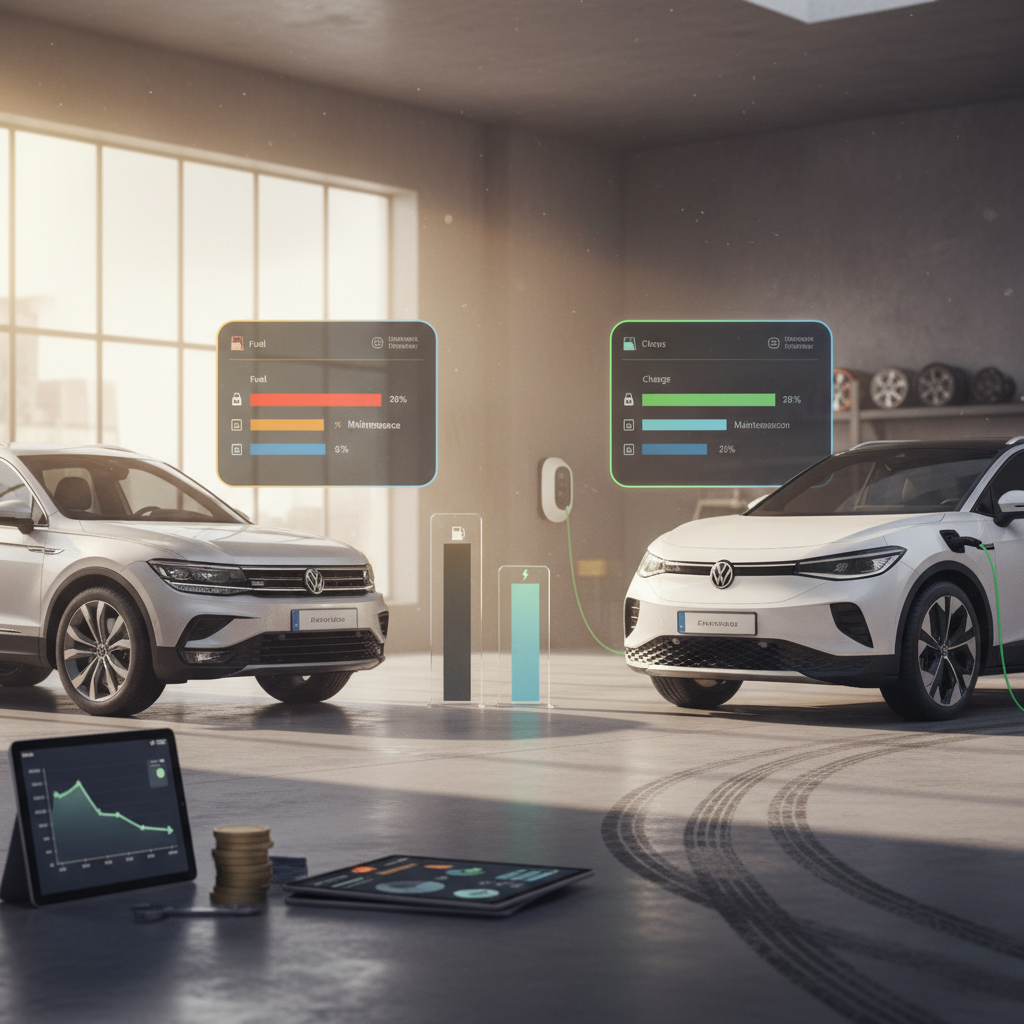
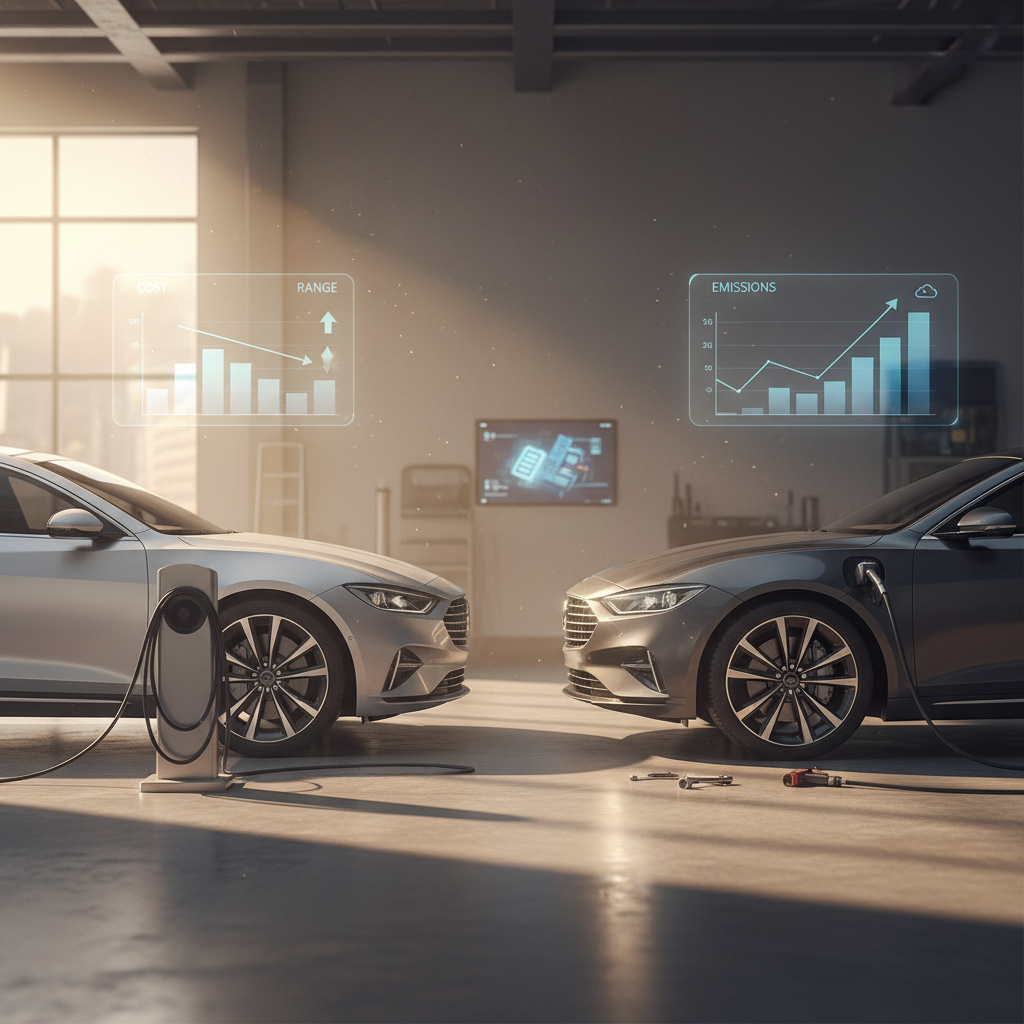
The price on the windshield is just the start. In 2026, higher interest rates have made monthly payments more sensitive to the purchase price and loan terms, but used EVs still shine when you zoom out to total cost of ownership, especially in a high‑fuel‑cost state like California.
Why Used EVs Can Be Cheaper to Own
- No oil changes, spark plugs, or smog checks.
- Brakes often last longer thanks to regenerative braking.
- Electricity, especially off‑peak home charging, usually undercuts gasoline on a per‑mile basis.
- Less depreciation shock versus new, since the first owner absorbs the steepest drop.
Costs to Budget For
- Home charging setup: Level 2 charger and any electrical work, if you own your home.
- Public charging premiums: DC fast‑charging on road trips costs more than home charging.
- Battery or high‑voltage repairs once the car is out of warranty, rare, but not cheap.
- Financing: interest rates and loan length; Recharged can help you compare options up front.
Use Pre‑Qualification to Set a Realistic Budget
Step-by-Step Checklist for Buying a Used EV in California
Your 10‑Step Used EV Buying Checklist (California, 2026)
1. Clarify Your Real Range Needs
List your daily commute, weekend errands, and occasional road trips. Many Californians discover they need far less range than they assumed, which opens up less expensive options.
2. Confirm Charging Access at Home or Work
If you rent, talk with your landlord or HOA about outlets or shared charging. If you own, price out a 240‑volt outlet or home Level 2 charger installation before you buy.
3. Shortlist Models That Fit Your Life
Use your range and space needs to narrow to 3–5 models, maybe a Bolt for commuting, a Model 3 for balanced range, or a Model Y/Mach‑E for family duty.
4. Research Typical Used Prices
Scan multiple marketplaces to understand realistic asking prices for age, mileage, and trim. Be wary of deals that seem far below market without a clear explanation.
5. Demand a Real Battery‑Health Report
Insist on more than a dash‑displayed range estimate. Look for third‑party diagnostics or tools like the <strong>Recharged Score</strong> that benchmark the battery against similar cars.
6. Review Vehicle History & Recalls
Pull a history report, check for open recalls, and look for repeated issues like charging system faults or accident damage around the battery area.
7. Inspect and Test‑Drive Like Any Car
Check tires, brakes, cabin electronics, and bodywork. On your test drive, sample highway speeds, parking‑lot maneuvering, and at least one full‑throttle merge.
8. Test the Charging Experience
If possible, plug into a Level 2 or DC fast‑charger during your evaluation. Watch how quickly the car takes power and whether the process is smooth and predictable.
9. Run the Numbers on Ownership Costs
Compare insurance quotes, registration fees, home charging costs, and any remaining warranty coverage, especially on the battery and drive unit.
10. Close the Loop on Paperwork & Support
Make sure you understand the return policy, any included service coverage, and who you’ll call if something feels off in the first weeks. With Recharged, EV‑specialist support is built into the process.
Frequently Asked Questions About Used Electric Cars in California (2026)
Used EVs in California: 2026 FAQ
Is 2026 a Good Year to Buy a Used EV in California?
If you zoom out from the month‑to‑month headlines, 2026 is a compelling moment to shop used electric cars in California. The state’s early bet on EVs has paid off in the form of rich inventory, more brands, and lower prices than just a few years ago. Yes, the easy headline tax credits have largely disappeared, but in exchange you’re seeing deeper discounts, more realistic pricing, and far better tools for judging battery health.
The key is to treat a used EV like the sophisticated machine it is: verify battery condition, understand your real‑world range needs, and choose a seller who actually understands electric vehicles. With tools like the Recharged Score, EV‑specialist support, flexible financing, and streamlined trade‑in and delivery options, Recharged is built to make that process simple, even if you’re buying from your couch in California. Do your homework, lean on the right data, and you can land an electric car that makes every mile of Golden State driving cleaner, quieter, and cheaper for years to come.