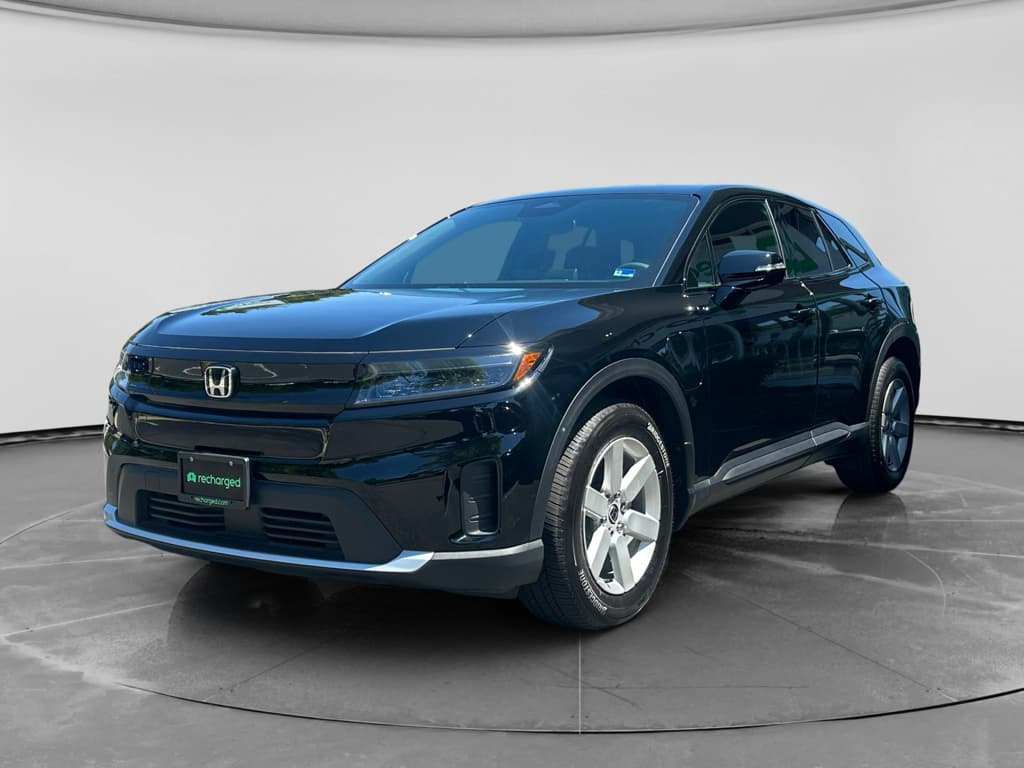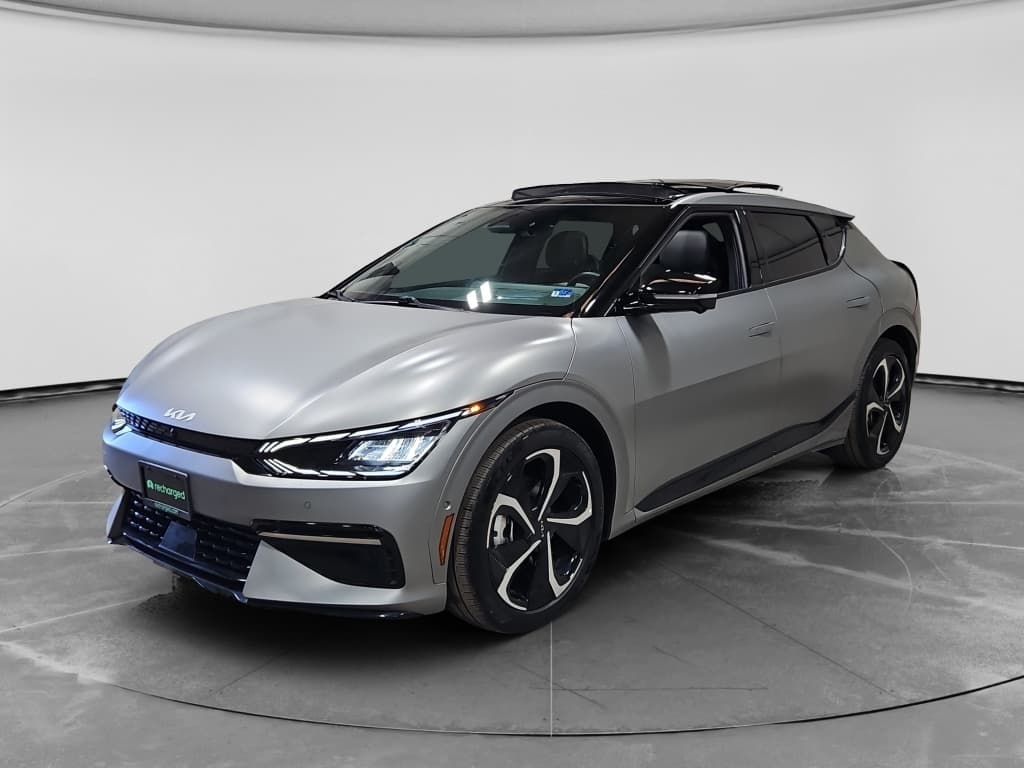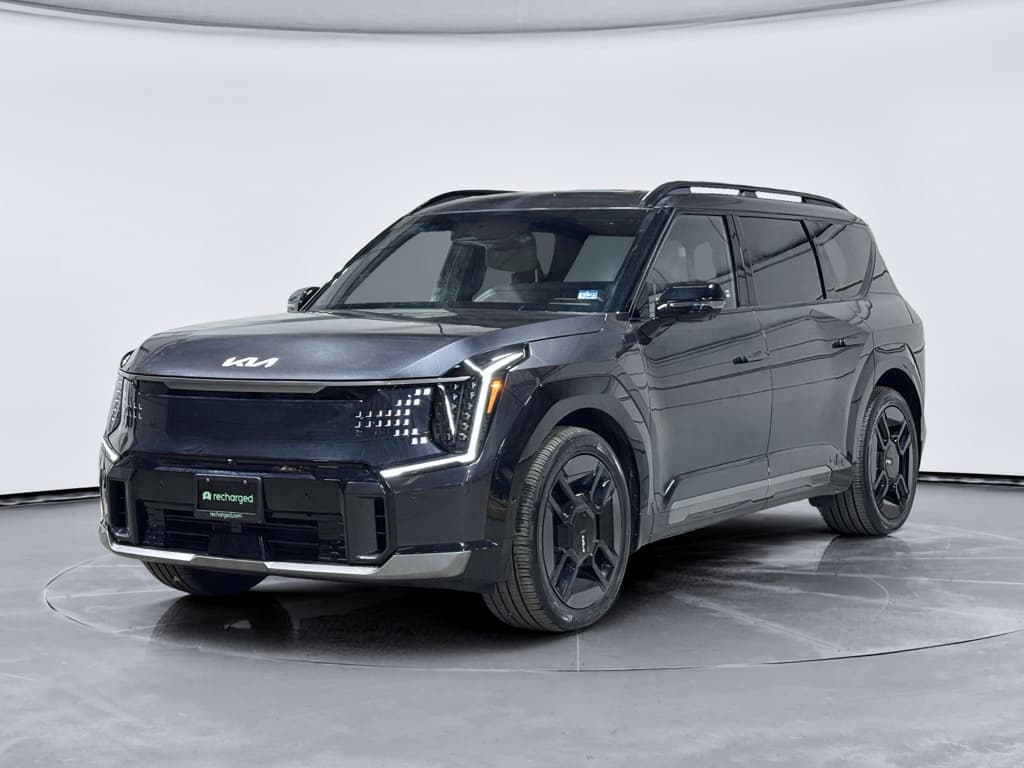
Used electric cars have moved from fringe curiosity to mainstream option in just a few years. With more than 7 million plug-in cars sold in the U.S. since 2010 and early EV leases now returning in volume, the used EV market in 2025 is big, diverse, and, if you know what you’re doing, full of value.
This guide walks you through how to shop for a used electric car confidently: what’s different from gasoline vehicles, how to judge battery health, what current pricing looks like, and how Recharged can simplify the whole process.
Used EVs are no longer a niche
Why used electric cars are so attractive right now
The used EV market in 2025 at a glance
Two trends make used electric cars particularly compelling in 2025. First, there’s simply more supply: popular models launched in 2018–2021 are now rolling off leases and fleet duty, landing on the used market in big numbers. Second, price pressure in the new-EV market, discounts, tax credits, and competition, has pulled used prices down, especially for Teslas, where many models now trade below the overall used-car price average.
For shoppers, that means you can often step into a relatively new EV with modern safety tech and plenty of range for less than a comparable gas car, while also lowering your running costs.
Who benefits most from used electric cars?
Three buyer profiles where used EVs make the most sense
Daily commuters
If you drive 20–60 miles a day and can charge at home or work, a used EV can cover all your routine driving while dramatically cutting fuel and maintenance costs.
Urban drivers
City driving plays to an EV’s strengths: regenerative braking, easy one-pedal driving, and no tailpipe emissions in stop-and-go traffic.
Value-focused families
Families who don’t need 400 miles of range can often find a well-equipped, 2–5-year-old EV with modern safety tech for less than an equivalent gas SUV.
Pros and cons of buying a used EV
Key advantages of used electric cars
- Lower purchase price: EVs often depreciate faster than gas cars, so you can get newer tech for less.
- Cheaper to run: Electricity is usually cheaper per mile than gasoline, and there are fewer moving parts to service.
- Quieter, smoother drive: Instant torque and low noise make daily driving more relaxing.
- Access to HOV or local perks: Some states still offer HOV lane access or reduced tolls for EVs, even when bought used.
Potential drawbacks to keep in mind
- Battery degradation: Range can drop over time, especially if the battery was fast‑charged heavily or lived in hot climates.
- Charging access: If you can’t plug in at home or work, life with an EV takes more planning.
- Model and tech turnover: Newer EVs may offer faster charging, better range, or more driver-assistance features.
- Resale uncertainty: With tech and policies evolving quickly, future values are harder to predict.
Depreciation cuts both ways
How much do used electric cars cost in 2025?
Exact prices depend on brand, trim, battery size, range, and local incentives, but some patterns have emerged in late 2024 and 2025. Tesla values, in particular, have fallen sharply as more off‑lease vehicles hit the market, while newer mainstream EVs from Hyundai, Kia, Ford, and GM are starting to appear on used lots in meaningful numbers.
Below is a simplified snapshot of what you might see retail from dealers or marketplaces in many U.S. regions. Local prices will vary, but the relative differences are helpful when you’re deciding where to start your search.
Illustrative used EV price ranges in 2025
Approximate asking-price bands for common used electric cars in the U.S. (actual prices vary by mileage, condition, trim, battery, and region).
| Model example | Age (approx.) | Typical range when new | Common price band |
|---|---|---|---|
| Chevrolet Bolt EV / EUV | 3–6 years | 238–259 mi | $13,000–$22,000 |
| Nissan Leaf (40–62 kWh) | 3–7 years | 149–226 mi | $10,000–$20,000 |
| Hyundai Kona Electric | 2–5 years | 258 mi | $18,000–$28,000 |
| Tesla Model 3 RWD | 3–6 years | 240–272 mi | $20,000–$30,000 |
| Tesla Model Y Long Range | 2–4 years | 303–330 mi | $28,000–$38,000 |
| Ford Mustang Mach‑E | 2–4 years | 224–312 mi | $24,000–$36,000 |
Use this as directional guidance, not a formal price book.
Watch the price gap vs. new
Battery health: the single most important factor
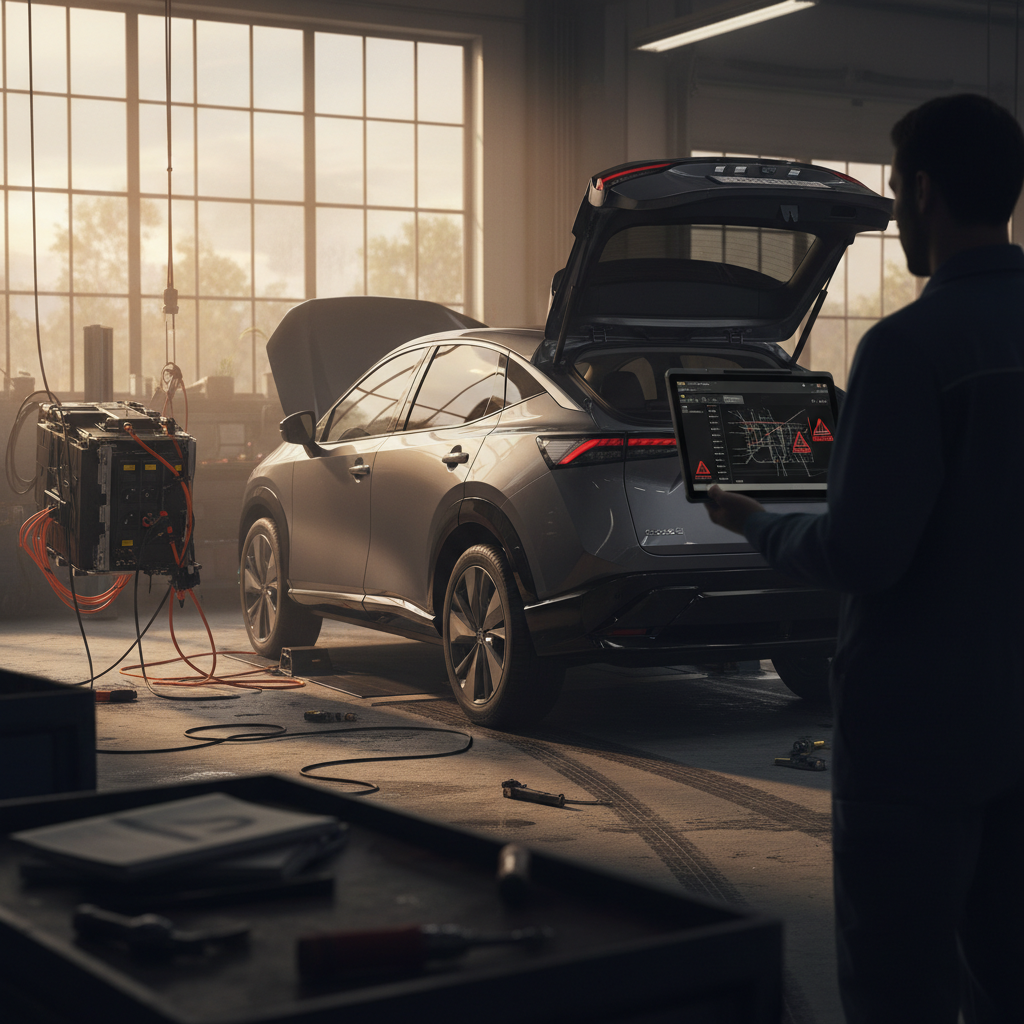
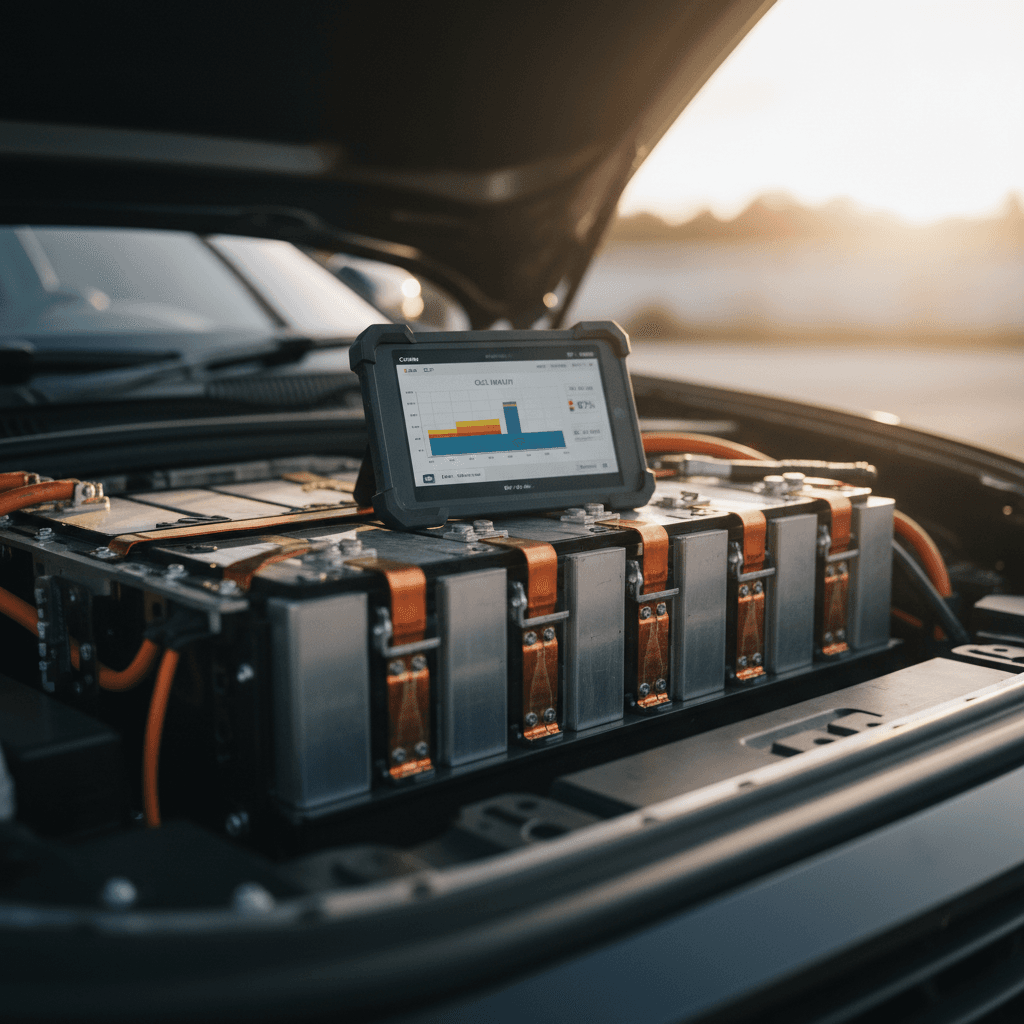
In a gasoline car, you worry about engine compression and transmission wear. In a used electric car, the traction battery plays that starring role. It’s the most expensive component in the vehicle, and its condition directly affects usable range and resale value.
Battery packs don’t just "die" overnight; they slowly lose capacity. How fast that happens depends on chemistry, thermal management, charging habits, climate, and mileage. Two EVs of the same age can have very different real‑world ranges based on how they were used.
How to evaluate a used EV’s battery health
Combine software data with a professional test when possible
Check in-car or app data
Many EVs display a battery health or range estimate on the dash or in a companion app. Compare that to the original EPA range to gauge approximate degradation.
Ask for a battery report
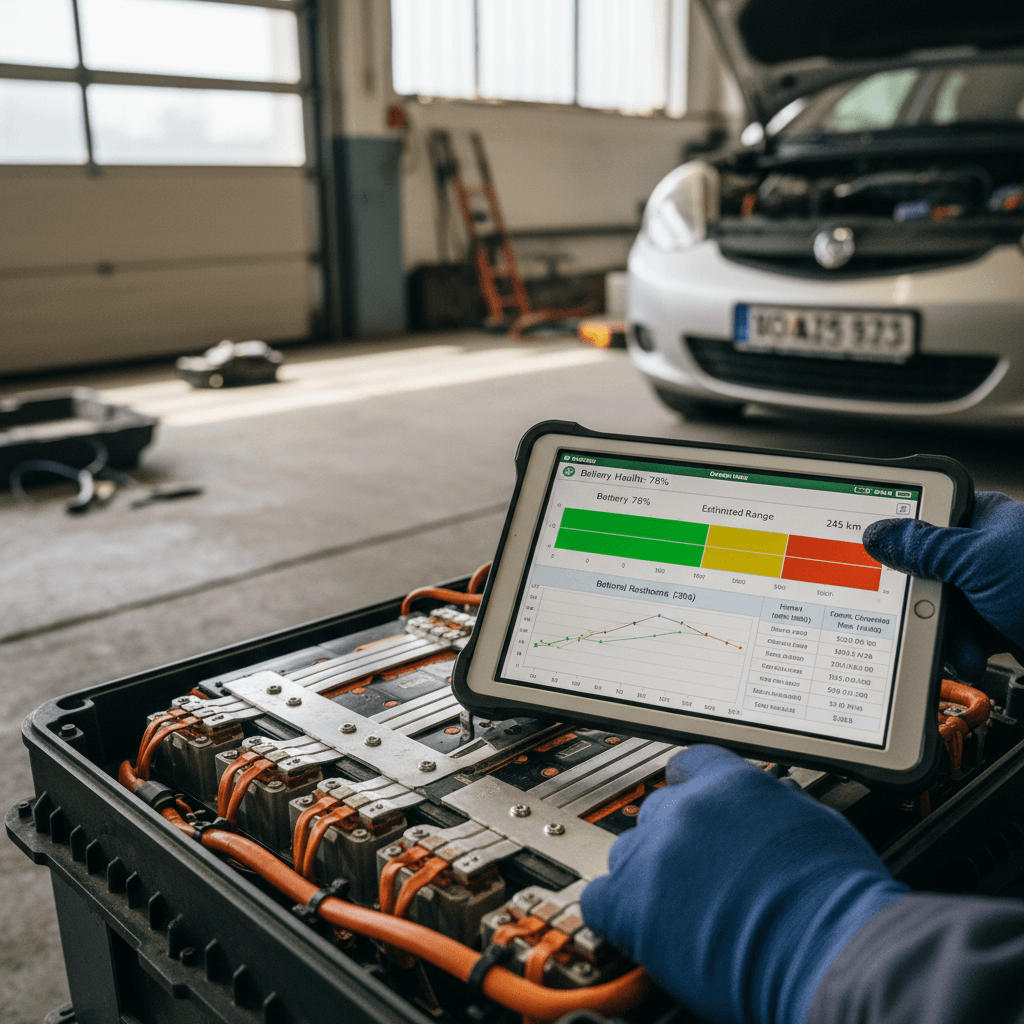
A professional test can measure State of Health (SoH), internal resistance, and cell balance. With Recharged, every car includes a Recharged Score battery report so you aren’t guessing.
Look at usage history
Frequent DC fast charging, heavy towing, or life in very hot climates can accelerate wear. Ask where the car lived and how it was charged.
Don’t buy blind on the battery
Other mechanical and tech checks beyond the battery
EVs eliminate oil changes, spark plugs, timing belts, and exhaust systems, but they’re not maintenance‑free. You still need to look closely at tires, brakes, suspension, electronics, and charging hardware. The good news: electric powertrains have fewer moving parts than internal‑combustion engines, and many wear items last longer thanks to regenerative braking.
- Test the onboard charger: Plug into Level 2 (240V) and confirm the car charges at the expected rate without fault codes.
- Inspect tires and brakes: EVs are heavier and can be harder on rubber and pads, uneven wear may hint at alignment issues.
- Run every driver-assistance feature: Adaptive cruise, lane keeping, and parking aids can be expensive to repair if cameras or sensors are damaged.
- Check infotainment and connectivity: Map updates, app connectivity, and over‑the‑air software support matter more in tech‑heavy EVs.
- Look under the car: Scan for impact damage to the battery enclosure or underbody shields from curbs or road debris.
Why a driving test still matters
Warranties, incentives, and total cost of ownership
Many used EVs still carry portions of their original factory warranty, especially on the high‑voltage battery and electric drive components. Several automakers offer 8–10‑year battery warranties with mileage caps, and some states layer on extended coverage for emissions‑related components.
On top of that, certain federal and state programs periodically offer tax credits or rebates on qualifying used EV purchases, subject to income caps and vehicle price limits. These incentives change frequently, so it’s worth checking current rules before you buy.
Typical EV warranty structures (check your specific model)
High-level patterns for EV warranties in the U.S. Always confirm the exact terms for the vehicle you’re considering.
| Component | Common coverage pattern | What it means for used buyers |
|---|---|---|
| Basic bumper-to-bumper | 3–4 years / 36,000–50,000 miles | Often expired on older used EVs; may still apply on late‑model off‑lease vehicles. |
| High-voltage battery | 8–10 years / 100,000–150,000 miles | Many 3–6‑year‑old used EVs still have substantial battery warranty remaining. |
| Electric drive unit & related components | 8 years / 100,000+ miles (varies) | Motor, inverter, and related parts may be covered beyond basic warranty. |
| Corrosion / rust | 5–7+ years | Valuable in salt‑belt states; check body and undercarriage for prior repairs. |
Battery and electric-drive warranties often outlast the basic bumper-to-bumper coverage.
Think in "cost per mile," not just sticker price
Where to buy used electric cars: dealers vs. marketplaces
You can find used electric cars in many of the same places you’d shop for any used vehicle: franchised dealers, independent lots, online marketplaces, and direct‑to‑consumer platforms. What’s different is how much EV expertise and battery transparency you get from each channel.
Popular ways to shop for used EVs
Pros and tradeoffs by channel
Traditional dealers & independent lots
Upside: Local inventory you can see and drive, potential for in‑person negotiation, and the ability to roll everything into dealer-arranged financing.
Downside: EV expertise varies widely, and many dealers still focus inspection on the body and interior rather than battery health.
Online marketplaces and EV specialists
Upside: Wider selection, transparent pricing, home delivery, and (with EV‑focused companies like Recharged) specialized battery diagnostics and support.
Downside: You may not test‑drive the exact car until late in the process, and inventory can move quickly in hot markets.
"Battery transparency and fair pricing are becoming the new Carfax for used EV shoppers. Buyers want more than a clean title, they want to know what’s happening under the floorpan."
How Recharged makes buying a used EV different
Recharged was built specifically around used electric cars, not gas vehicles with a few EVs sprinkled in. That focus shows up in three areas that matter most to shoppers: battery transparency, pricing, and support.
Every vehicle sold through Recharged includes a Recharged Score Report with verified battery health and a detailed condition overview. Pricing is benchmarked against real market data so you see how a vehicle compares to similar EVs nationwide. And from first click through delivery, you can chat with EV‑specialist advisors who live this segment every day.
- Digital-first experience with the option to visit an Experience Center in Richmond, VA for test drives and in‑person support.
- Recharged Score battery diagnostics that look beyond mileage to understand actual pack health.
- Financing options tailored to EV shoppers, with the ability to pre‑qualify without impacting your credit.
- Trade‑in and consignment options if you’re selling an existing vehicle, plus nationwide delivery for buyers.
- Guidance on home charging, incentives, and day‑to‑day EV ownership so your first month with the car is as smooth as the buying process.
Step-by-step checklist for buying a used EV
Your practical used EV buying checklist
1. Confirm your charging plan
Decide where you’ll charge most, home, work, or public. If you rent, talk to your landlord; if you own, investigate adding a 240V outlet or Level 2 charger.
2. Set a realistic range target
List your longest regular trips and add a buffer. For many people, a 200–250‑mile rated range is more than enough if home charging is available.
3. Shortlist models that fit your life
Cross‑shop body styles (hatchback vs. SUV), cargo space, seating, and driver‑assistance features. Articles like our future <a href="/articles/best-used-evs">best used EVs</a> roundup can help.
4. Check battery health and warranty
Review any available battery health data and confirm how much factory battery warranty remains based on in‑service date and mileage.
5. Inspect, test‑drive, and verify charging
Do a thorough walk‑around, test every major feature, drive on mixed roads, and, if possible, plug into Level 2 to confirm the car charges properly.
6. Run the total cost of ownership
Compare insurance, electricity vs. fuel, maintenance expectations, and any financing to confirm the used EV fits your monthly budget.
Frequently asked questions about used electric cars
Used electric car FAQs
Bottom line: are used electric cars worth it?
For many Americans in 2025, the answer is yes, used electric cars are one of the best values in the market. Generous early‑life depreciation, improving battery technology, and growing model choice mean you can often buy a relatively new, quiet, and quick EV for the price of a mid‑trim gas sedan or crossover.
The key is to treat the battery like the engine, insist on transparency, and buy from a seller that understands EVs. That’s the idea behind Recharged: verified battery health via the Recharged Score, market‑aligned pricing, EV‑savvy support, and a digital experience from search to delivery. Do that, and your first used EV is far more likely to feel like an upgrade, not a gamble.