If you’re shopping in 2025, the choice between a used electric car and a used plug‑in hybrid (PHEV) is no longer theoretical. Battery‑electric vehicles are mainstream, plug‑in hybrids are surging in popularity, and incentives and fuel prices are shifting under your feet. This guide breaks down costs, range, charging, reliability and resale so you can decide whether a used EV or a plug‑in hybrid fits your real life, not just the headlines.
Quick definition
Why the used EV vs plug‑in hybrid decision matters in 2025
How EV and plug‑in hybrid demand is shifting
For used‑vehicle shoppers, this matters for two reasons. First, more new EVs and PHEVs sold in 2023–2025 means more choice on the used market over the next few years. Second, policy changes in the U.S., including shifting federal tax credits and state emissions rules, are nudging automakers to keep investing in electrified tech even as pure‑EV growth slows slightly. As a buyer, you’re deciding not just what works in 2025, but what will still make sense in 2030 when you’re ready to sell or trade.
Used market reality check
Used electric car vs plug‑in hybrid: The basics
Used battery‑electric vehicle (EV)
- Fuel: Electricity only. No gas tank, no tailpipe.
- Range: Typically 200–300+ miles when new; used range depends on battery health.
- Charging: At home (Level 1 or Level 2) and public stations, including DC fast‑charging on most models.
- Complexity: Fewer moving parts than gas cars, no engine, transmission, exhaust or oil changes.
- Best for: Daily commuting, predictable routes, households with home or reliable workplace charging.
Used plug‑in hybrid (PHEV)
- Fuel: Electricity and gasoline.
- EV range: Most mainstream PHEVs deliver 20–50 miles of electric driving when new; less on a used battery.
- Hybrid mode: When the battery depletes, the gasoline engine runs like a conventional hybrid.
- Complexity: Has both an engine and an electric drive system, more parts overall than an EV or standard hybrid.
- Best for: Mixed driving, long trips, or buyers nervous about public charging access.
Think about your worst‑case day
Total cost: Used EV vs plug‑in hybrid ownership
In 2025, used‑EV pricing has cooled from the pandemic spike, and many models have taken sharper depreciation than comparable gas vehicles. That can be good news if you’re buying, but you still want to understand the full total cost of ownership (TCO): purchase price, fuel/electricity, maintenance, and resale.
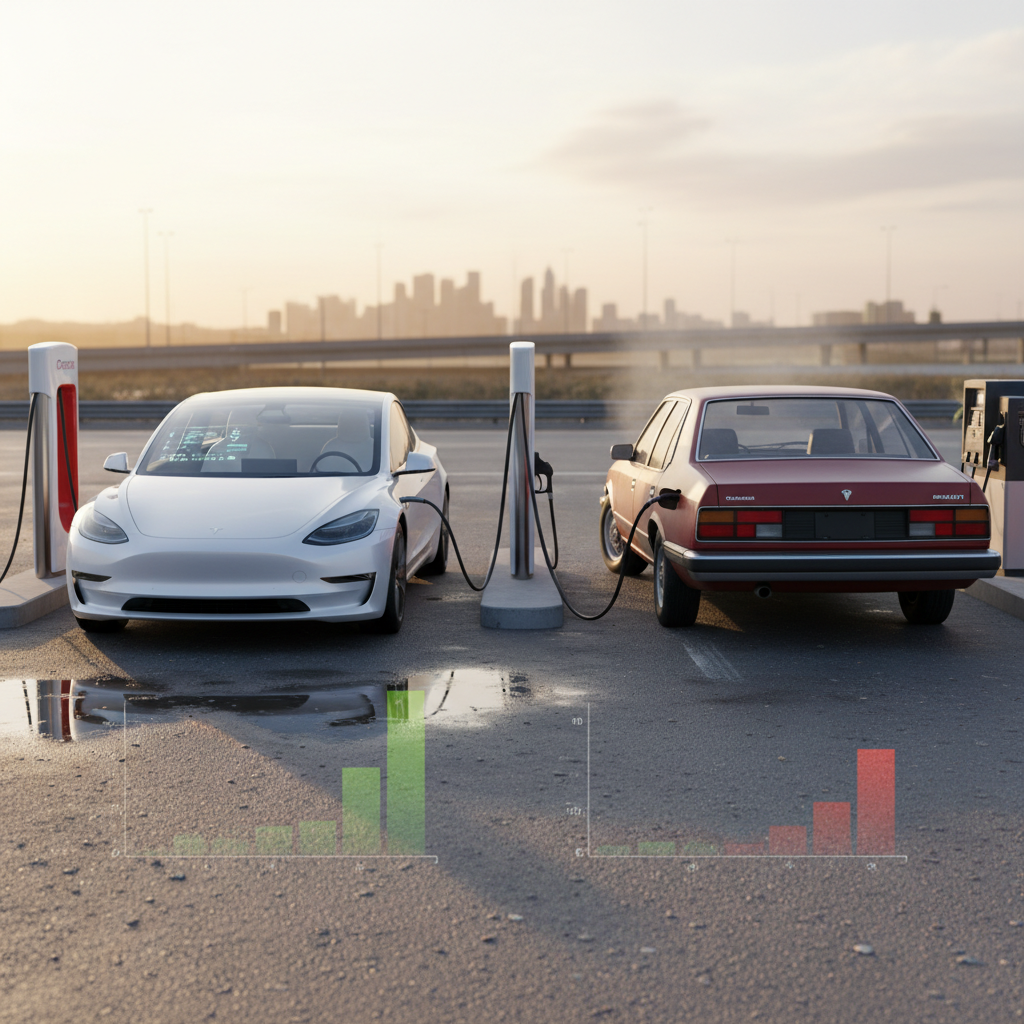
High‑level cost comparison: Used EV vs plug‑in hybrid (typical U.S. case)
These are directional patterns, not quotes. Real numbers depend on model, age, mileage, local electricity and fuel prices, and incentives.
| Factor | Typical used EV (BEV) | Typical plug‑in hybrid (PHEV) |
|---|---|---|
| Purchase price | Often similar or slightly lower than comparable PHEV after recent BEV price drops | Often priced like a well‑equipped gas model; some high‑demand PHEVs carry a premium |
| Fuel/energy cost | Lowest if you can charge at home on off‑peak rates; close to 3–4x cheaper per mile than gas in many states | Cheaper than gas‑only if you plug in regularly; if you rarely charge, costs look like a normal ICE |
| Maintenance | Lower, no engine, oil changes, or complex multi‑gear transmission; tires and brakes still wear | Higher, engine, transmission, exhaust, plus hybrid components; fewer oil changes than a pure ICE, but still needed |
| Repairs risk | Battery pack is the wild card; outside warranty, a major pack repair can be expensive, but most packs last years longer than early fears | Same battery‑risk question but smaller pack; engine issues and emissions components also in play |
| Resale outlook (2030) | Policy tailwinds and growing charging networks should support demand, especially for long‑range models from known brands | Depends heavily on gas prices and regulations; short‑range PHEVs (sub‑25 miles EV) may feel outdated sooner |
How a mainstream used EV compares with a similar plug‑in hybrid over ~5 years.
Where used EVs often win on cost
Where PHEVs can backfire
Range, charging and daily usability
On paper, PHEVs look like the easy answer to range anxiety: drive electric in town, use gas on the highway. In practice, the better choice in 2025 hinges on two things, where you can charge and how far you normally drive.
How a used EV vs PHEV fits common driving patterns
Match your real‑world driving to the powertrain, not the other way around.
Short‑range commuter
Profile: 25–40 miles of daily driving, mostly local, with driveway or garage parking.
Better fit: Used EV. Even a modest‑range BEV with some battery degradation can easily cover this, and you’ll refuel at home instead of gas stations.
Road‑trip family
Profile: Long highway trips several times a year, irregular daily mileage, uncertain charging access at destinations.
Better fit: Plug‑in hybrid, if you’ll still plug in at home between trips. Gas backup removes planning stress for 500‑mile days.
Apartment urbanite
Profile: Street or garage parking, heavy reliance on public charging, mix of city and highway driving.
Better fit: It depends. If you have consistent workplace or garage charging, a used EV works well. If public charging is scarce or unreliable where you live, a PHEV can be less stressful.
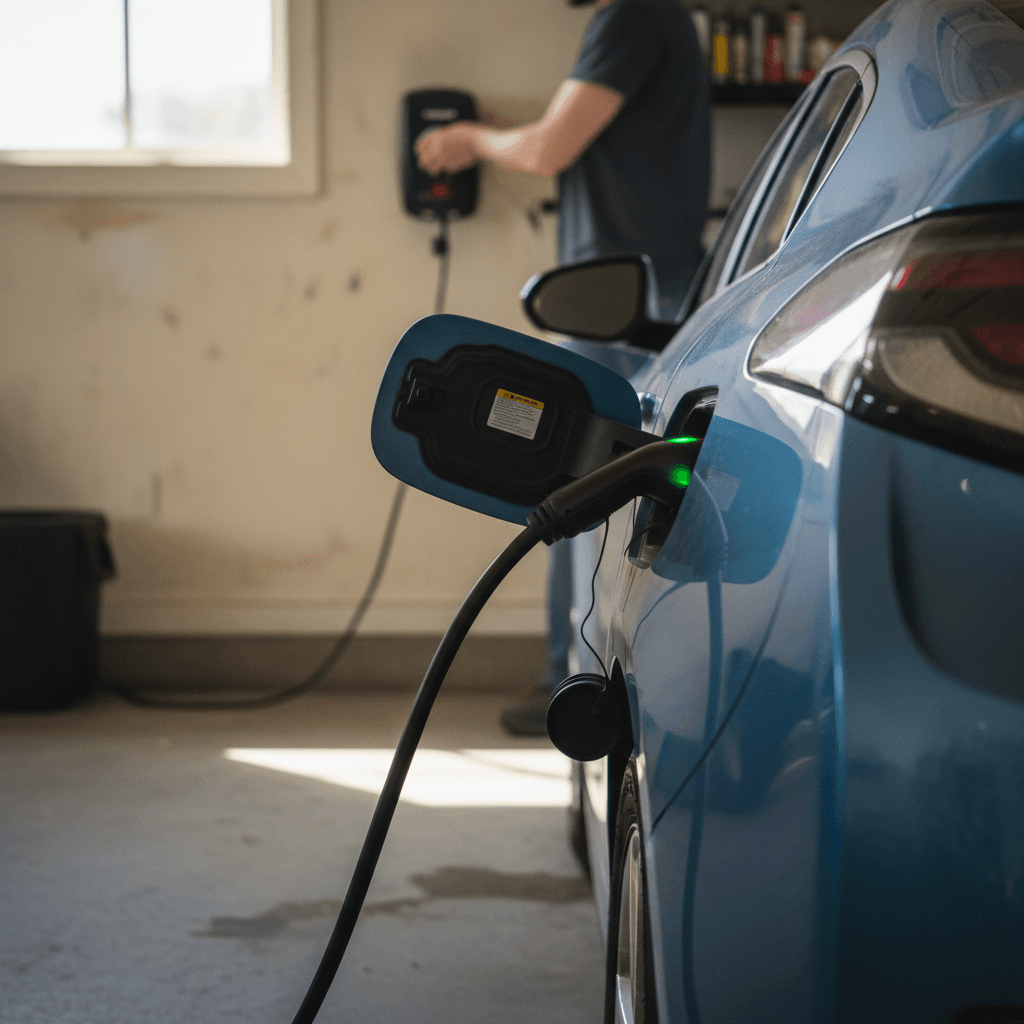
Home charging is the tiebreaker
Battery health, longevity and degradation risk
Whether you buy an EV or a PHEV, you’re buying a battery that’s already lived a few years. The good news: real‑world data from high‑mileage Teslas, Nissan Leafs, and other early EVs shows that most packs degrade slowly when properly cooled and managed. The bad news: if you’re unlucky enough to need an out‑of‑warranty pack replacement, it’s still one of the most expensive repairs on the car.
Battery risks on a used EV
- Impact if things go wrong: Range could drop below your comfort zone, or you might face a multi‑thousand‑dollar repair.
- Signs to watch for: Noticeably lower real‑world range than similar cars, frequent fast‑charging in past owner logs, or missing service history.
- Upside: Many modern EVs lose only a small percentage of range per year, especially those with liquid‑cooled packs.
Battery risks on a used PHEV
- Impact if things go wrong: You may lose most or all EV‑only range, but the car still drives as a regular hybrid on gas.
- Signs to watch for: EV mode drops out quickly, EV‑range estimate much lower than the window sticker value, or check‑engine/EV‑system lights.
- Upside: Even with a tired pack, the car remains usable, just with less fuel savings.
How Recharged tackles battery uncertainty
Reliability, maintenance and repairs
From a technician’s point of view, a pure EV is beautifully simple, no oil changes, timing belts, spark plugs, or exhaust system. A plug‑in hybrid is the opposite: it layers an electric drive system on top of a combustion drivetrain. That doesn’t make PHEVs unreliable by default, but it does mean more potential failure points as the vehicle ages.
What tends to wear out on used EVs vs PHEVs
Simpler hardware often translates into fewer big repair bills, if the battery checks out.
Used EV: Typical maintenance
- Routine: Tire rotations, cabin air filters, brake fluid, coolant checks for the battery/drive unit.
- Common wear items: Tires (EVs are heavy and torquey), suspension components, 12‑volt battery.
- Rare but costly: High‑voltage battery modules, onboard charger, drive unit failures, usually covered under long warranties on newer models.
Used PHEV: Typical maintenance
- Routine: Everything on the EV list plus engine oil, spark plugs, air filters, transmission fluid (where applicable).
- Common wear items: Same as a gas car, brakes, exhaust, emissions gear, plus hybrid cooling components.
- Complex repairs: Diagnosing issues across engine, transmission, and high‑voltage systems can require specialized shops.
Don’t forget fuel‑system age on low‑miles PHEVs
Incentives, policy changes and the 2025 landscape
The rules of the game shifted in 2024 and 2025. Federal purchase credits for new EVs and PHEVs tightened around North American–built models and specific price and income caps, and several states tweaked their own rebates and fees. For used‑vehicle shoppers, the headline is simple: you can still find real money on the table, but it’s not automatic.
- Some used EVs can qualify for a federal used clean‑vehicle credit if they meet price, age and income rules.
- State and utility programs increasingly offer rebates for installing home Level 2 charging, which tilts the economics toward a used EV if you own your home.
- Registration fees and road‑use charges for EVs vary by state; a handful of states have added or raised EV‑specific fees that slightly narrow the cost gap vs PHEVs.
- Local emissions rules, in states following California’s lead, are gradually squeezing new ICE sales, which can support long‑term demand for both EVs and capable PHEVs on the used market.
Run the math before you decide
- Any used‑vehicle or charging rebates in your ZIP code
- Expected fuel vs electricity costs based on your mileage
- Insurance quotes for specific VINs
Who should choose a used electric car vs a plug‑in hybrid?
Choose your lane: Used EV vs PHEV by driver type
You’re a commuter with home charging
Daily round‑trip under ~80 miles, mostly predictable routes
Driveway or garage where Level 2 charging is possible
Want to minimize fuel and maintenance costs
<strong>Better fit:</strong> Used EV. Focus on models with at least 200 miles of original EPA range and strong battery‑health data.
You take frequent long road trips
Regular 300–600‑mile days several times a year
Not excited about planning trips around fast‑chargers
OK with occasional gas‑station stops
<strong>Better fit:</strong> Plug‑in hybrid, especially with 30+ miles EV range. You’ll still save on fuel during the workweek.
You can’t install home charging
Apartment living or street parking with no outlet access
Some public charging nearby, but not always available
Want flexibility if chargers are down or busy
<strong>Better fit:</strong> Depends. If workplace charging is reliable, a used EV can still work. If not, a PHEV is safer.
You’re cost‑sensitive and plan to keep the car 8+ years
Looking for the lowest long‑term running costs
Willing to invest in home charging once
Prefer fewer big repair risks as the car ages
<strong>Better fit:</strong> Used EV with transparent battery‑health data (for example, a Recharged vehicle with a strong Recharged Score).
Buying checklist for used EVs and PHEVs
Key steps before you sign for a used EV or plug‑in hybrid
1. Confirm your charging plan
Decide exactly where you’ll charge: home Level 1/2, workplace, public DC fast‑charging, or a mix. If you can’t answer this confidently, lean toward a PHEV, or work out home charging before committing to a used EV.
2. Check battery health and remaining warranty
Ask for objective battery data, not just a dashboard guess. With Recharged, the <strong>Recharged Score Report</strong> gives you a verified look at battery condition and remaining coverage so you’re not gambling on pack health.
3. Compare real‑world range to your worst‑case routes
Use online owner forums, EPA ratings, and test drives to estimate cold‑weather and highway range on a used battery. Make sure your regular and occasional long drives fit comfortably with a margin for detours and bad weather.
4. Inspect charging hardware and cables
On both EVs and PHEVs, verify that the charge port, included cables and adapters are intact and functioning. Replacing missing equipment can cost hundreds of dollars.
5. Review maintenance and repair history
For PHEVs, scrutinize engine, transmission and hybrid‑system service. For EVs, look for software updates, recalls, and any past high‑voltage repairs. A transparent history is worth paying for.
6. Run a total‑cost‑of‑ownership comparison
Estimate 5‑year costs for your top candidates, including energy, insurance, maintenance, and any available incentives. A slightly higher purchase price EV can still end up cheaper to own than a lower‑priced PHEV.
FAQ: Used electric car vs plug‑in hybrid in 2025
Frequently asked questions
Bottom line: How to decide confidently
If your life supports home or reliable workplace charging, a used electric car is usually the smarter long‑term play in 2025, simpler hardware, lower fueling costs, and a policy tailwind that should support resale. A used plug‑in hybrid still makes sense if you’re locked out of home charging or take frequent long trips and don’t want to plan around fast‑charging stops.
Either way, the key is to buy the right used vehicle with transparent battery data, realistic range expectations and a clear charging plan. That’s exactly what Recharged is built for: verified battery‑health diagnostics, fair‑market pricing, EV‑savvy guidance, and nationwide delivery from our digital showroom and Experience Center in Richmond, VA. Do the math, be honest about your driving and charging habits, and the answer to “used electric car vs plug‑in hybrid in 2025?” gets much clearer.