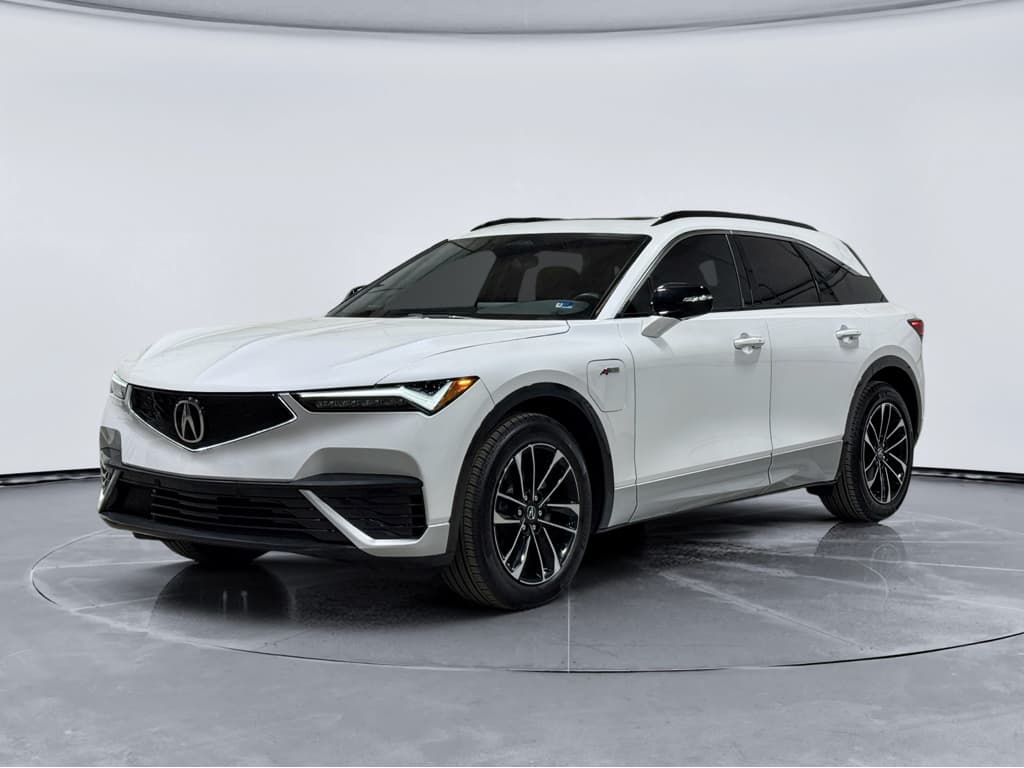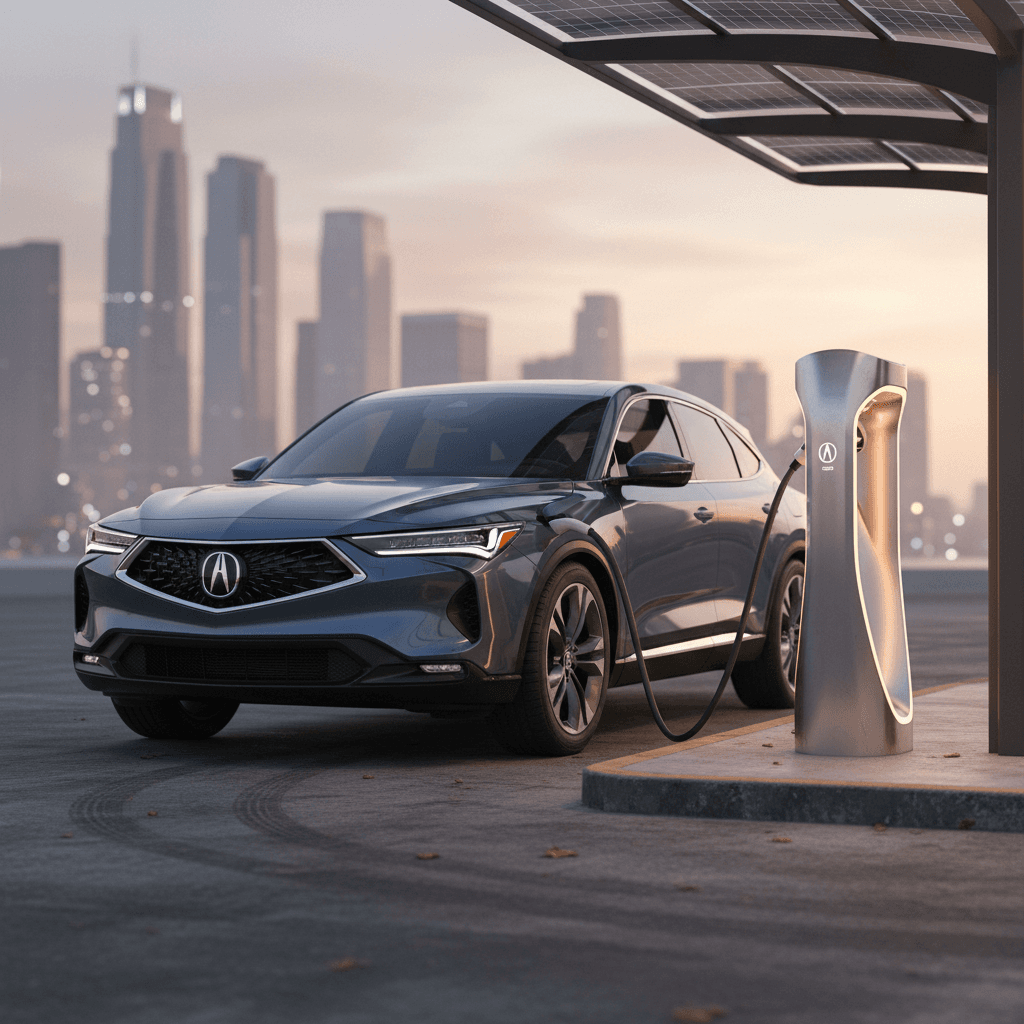
If you’re looking at the 2025 Acura ZDX, you’re probably wondering less about 0–60 times and more about one thing: **how far will it really go on a charge?** On paper the ZDX posts impressive EPA numbers, but real‑world range tests tell a more nuanced story, especially on the highway, in winter, or when you’re hustling this heavy Ultium‑based SUV down the interstate.
Quick take: ZDX range in the real world
2025 Acura ZDX range test overview
Acura’s numbers for the ZDX look competitive on the spec sheet. All trims share a large ~102–107 kWh usable battery on GM’s Ultium platform, paired with a maximum DC fast‑charge peak of about **190 kW** and Level 2 AC charging up to **11.5 kW**. In independent testing and early owner reports, though, the story shifts once you leave the EPA cycle and head out into the real world.
Acura ZDX range & charging at a glance
For this guide, we’ll lean on three sources of information: **EPA estimates**, independent instrumented tests and charging‑curve data, and **owner experiences** from long highway drives. Then we’ll translate all of that into simple planning numbers you can actually use, whether you’re driving a new ZDX or considering a used one through a marketplace like Recharged.
EPA range vs real‑world: what you can actually expect
2025 Acura ZDX: EPA estimates vs typical real‑world range
Approximate real‑world range targets are based on early testing and owner reports in mild weather with normal driving, not hypermiling.
| Trim | Drive | EPA range (mi) | Typical mixed real‑world (mi) | Likely 70–75 mph highway range (mi) |
|---|---|---|---|---|
| ZDX A‑Spec RWD | RWD | ≈313 | 250–270 | 215–235 |
| ZDX A‑Spec AWD | AWD | ≈304 | 240–260 | 210–230 |
| ZDX Type S AWD | AWD | ≈278–288 | 220–240 | 195–215 |
Use these as planning numbers, not promises, your driving style, climate, and speeds matter.
Acura’s own numbers and subsequent data put the **A‑Spec rear‑drive model** at the top of the heap for range, with official estimates in the low‑300‑mile band. Step up to **all‑wheel drive** or the sportier **Type S** and range drops, thanks largely to extra weight, bigger wheels, and stickier tires.
EPA range is not your highway range
Battery pack, efficiency, and what hurts your range
Under the ZDX’s sharp sheet metal sits a big Ultium battery pack, about **107.5 kWh usable** on the latest spec data for the Type S, with A‑Spec models using the same basic hardware. That big pack is your friend for road trips, but it’s also saddled with a lot of SUV mass and frontal area. In testing, reviewers have seen consumption figures in the **2.0–2.7 mi/kWh** range depending on conditions and trim, which matches what we’ve seen from its Cadillac Lyriq and Chevy Blazer EV cousins.
Four big factors that change your ZDX range
All EVs lose range in tough conditions, but the ZDX’s size and powertrain make it especially sensitive to these.
1. Speed
Push a tall, heavy SUV through the air at 75–80 mph and drag eats your range. Many owners see the biggest hit here, especially in states with higher speed limits.
2. Temperature
Cold batteries are less efficient and cabin heat is energy‑hungry. In winter, plan for **20–30% less range**, more if you’re doing short trips with lots of heat.
3. Load & wheels
Big 22‑inch wheels on the Type S, plus passengers, cargo, and roof boxes all work against you. The base 20‑inch A‑Spec on all‑season tires is your efficiency champ.
4. Driving style
Hard launches and aggressive passing burn watts. Smooth throttle, generous use of regen, and eco modes can easily add **20–30 miles** to a full‑charge range.
Easy way to estimate your range
Highway range and road‑trip planning in the ZDX
Most range tests that matter happen on the highway, because that’s where EVs are stretched. On long trips, the ZDX behaves like most modern big‑battery crossovers: you’ll rarely drive from 100% down to 0%. Instead, the sweet spot is **about 10–80% state of charge (SoC)**, because that’s where both range and charging speed balance out.
Realistic highway legs
- A‑Spec RWD: Plan on ~220–230 miles between fast‑charge stops at 70–75 mph in mild weather.
- A‑Spec AWD: More like 205–220 miles at similar speeds.
- Type S: Expect 190–210 miles, especially with 22‑inch performance tires.
These assume you’re using the 10–80% window rather than draining the pack to single digits every stint.
Time vs distance trade‑off
With DC fast charging in the ~30–35‑minute range from 10–80%, it’s often faster overall to:
- Drive a bit slower (65–70 mph) to stretch legs to 230–250 miles, or
- Accept shorter legs and spend less time worrying about arriving at a charger with a single‑digit buffer.
Use apps like ABRP and the built‑in Google Maps to experiment with both strategies before you leave.
Good news for road‑trippers
Charging speeds: how long you’ll sit at a fast charger
Range numbers don’t mean much if the car crawls when you plug in. The Acura ZDX uses the Ultium charging profile, with a claimed max of **190 kW**. In the real world, data logs and owner photos show peak rates in the **170–185 kW** range on healthy chargers, then a steady taper through the mid‑pack.
Acura ZDX charging times and real‑world expectations
Approximate times on a healthy, high‑power DC fast charger and at a strong Level 2 home charger.
| Charging method | Power | Typical use case | 10–80% time | Miles added (mixed driving) |
|---|---|---|---|---|
| DC fast charge (public) | Up to 190 kW peak, ~130 kW avg 10–80% | Road‑trip stop | ~30–35 minutes | ≈180–210 miles |
| Tesla Supercharger (with adapter or NACS) | Similar to above on 250 kW posts | Road‑trip stop | ~30–35 minutes | ≈180–210 miles |
| Level 2 home / public | Up to 11.5 kW onboard | Overnight or workplace | ~9–11 hours (0–100%) | Full battery for next day |
Times vary with temperature, starting SoC, and charger quality, but these numbers are a solid planning baseline.
Think in miles per minute, not just kW
At home, a 40–48 amp Level 2 unit sized to the ZDX’s **11.5 kW** onboard charger will comfortably refill a mostly depleted pack overnight. If you’re shopping wall units, look for a 48A (hard‑wired) or 40A unit on a 50A breaker to take full advantage of the car’s capability.
Tesla Supercharger access for Acura ZDX owners
Beginning in 2025, Acura ZDX drivers gained access to a large slice of Tesla’s Supercharger network in North America using a **CCS‑to‑NACS adapter** sold through Honda and Acura dealers, and to select stalls with built‑in Magic Dock hardware even without an adapter. That matters for range because it dramatically increases your options when you’re stretching a leg across rural stretches of highway.
What Tesla Superchargers mean for your range confidence
More plugs, more flexibility, less range anxiety, especially away from dense corridors.
1. Denser coverage
In many parts of the U.S., Tesla sites outnumber CCS sites. For a big‑battery SUV like the ZDX, having a Supercharger every 50–80 miles makes 200‑mile legs feel easy.
2. Consistent hardware
Superchargers tend to be well‑maintained, with clear power ratings and reliable uptime. That predictability matters when you’re arriving with 8% and a hungry family.
3. Easier route planning
Apps from Tesla and third‑party planners can now include ZDX support, giving you more realistic estimates of how far each charge will take you.
Don’t skip the backup plan
Cold weather, city driving, and daily‑use range
Not every range test happens at 72°F on an empty highway. In the messy real world, short commutes, cold mornings, and errands, the ZDX’s big pack is both a blessing and a curse. There’s lots of capacity, but the cabin and battery management system need a fair chunk of it when temps drop.
- In cold climates, expect **20–30% less range** than EPA in winter, especially on short trips where the cabin never really warms up efficiently.
- Stop‑and‑go city driving can actually be gentler on range than fast highway running, thanks to strong regen, provided you’re not blasting the heat.
- Preconditioning the cabin while plugged in at home is huge: you leave with a warm pack and cabin without burning into your driving range.
- Use the car’s trip computer over a full tank‑equivalent (200–250 miles) to build your own personal “EPA” number based on your life.
Winter range sanity check
Range questions to ask if you’re shopping used
Because Acura discontinued the ZDX after a short production run, most examples you’ll see from 2025 onward will be pre‑owned. That’s not a bad thing, EVs can make fantastic used buys, but you should be a little more range‑curious with an older battery pack than you might be on a new lease.
Used Acura ZDX range & battery checklist
1. Ask for recent road‑trip data
Have the seller (or dealer) show a recent highway trip: distance driven, starting/ending SoC, and average consumption. It’s a simple way to spot anything wildly out of line with typical ZDX numbers.
2. Compare trip computer to EPA
A healthy ZDX driven normally should average somewhere around 2.2–2.7 mi/kWh in mixed driving. Numbers far below that may point to tire choices, driving habits, or potential issues.
3. Check DC fast‑charge behavior
On a test drive, plug into a reliable DC fast charger if you can. You’re looking for smooth ramp‑up to triple‑digit kW and no repeated sessions dropping out with errors.
4. Inspect the charge port
Some early owners have noted physical wear or damage to DC pins causing charging errors. Make sure the port looks clean and intact; repairs can be expensive if parts aren’t readily available yet.
5. Review software and recalls
Confirm that the car has the latest software and that any battery‑ or charging‑related recalls or service bulletins have been completed. That can improve both range prediction and charging performance.
6. Get an independent battery health report
A platform like <strong>Recharged</strong> can provide a <strong>Recharged Score</strong> with verified battery diagnostics, so you aren’t guessing about remaining capacity on a used ZDX.
How Recharged can help
Ready to find your next EV?
Browse Vehicles2025 Acura ZDX range test: FAQ
Frequently asked questions about Acura ZDX range
Bottom line: is the Acura ZDX’s range enough?
The 2025 Acura ZDX doesn’t rewrite the record books for efficiency, but its **big battery, solid charging profile, and growing access to Tesla Superchargers** make it a very usable long‑range EV SUV. If you go in expecting an honest **200–240 miles between road‑trip fast‑charge stops** and roughly **230–270 miles in everyday driving**, you’ll rarely be surprised, and you’ll spend more time enjoying the quiet, confident ride than watching the range gauge.
If you’re thinking about a used ZDX, pairing those expectations with a verified battery health report is the smartest move you can make. That’s exactly what you get with a Recharged listing: a Recharged Score, transparent pricing, and EV‑savvy specialists who can help you compare the ZDX’s real‑world range to other electric SUVs you might be cross‑shopping.