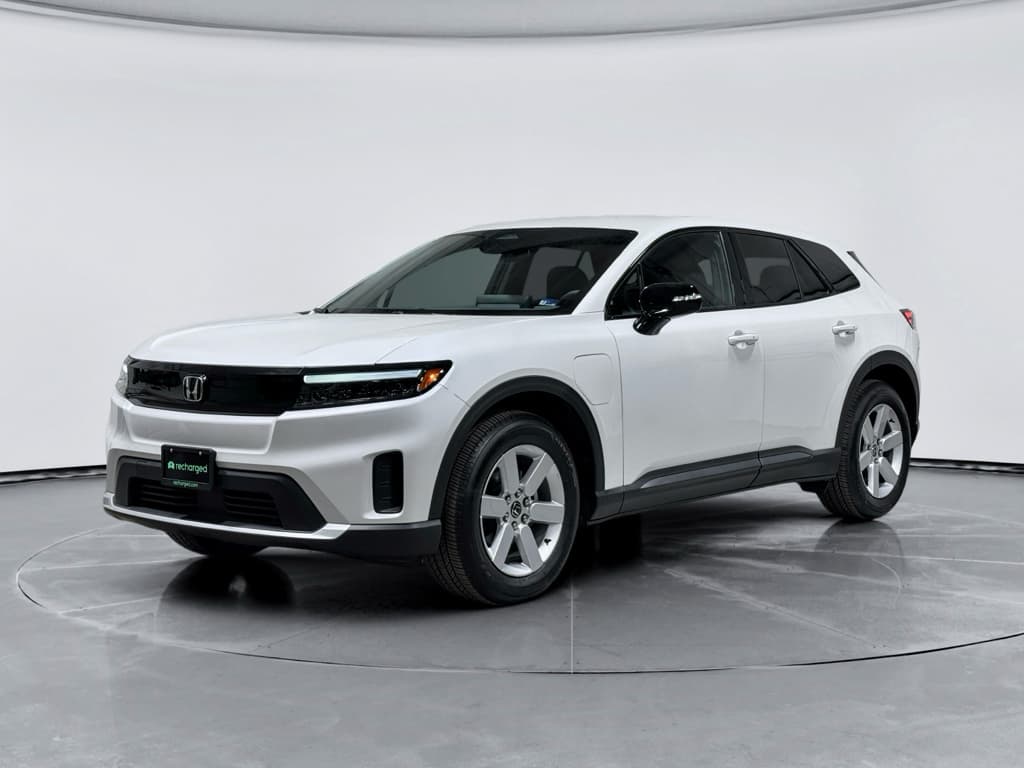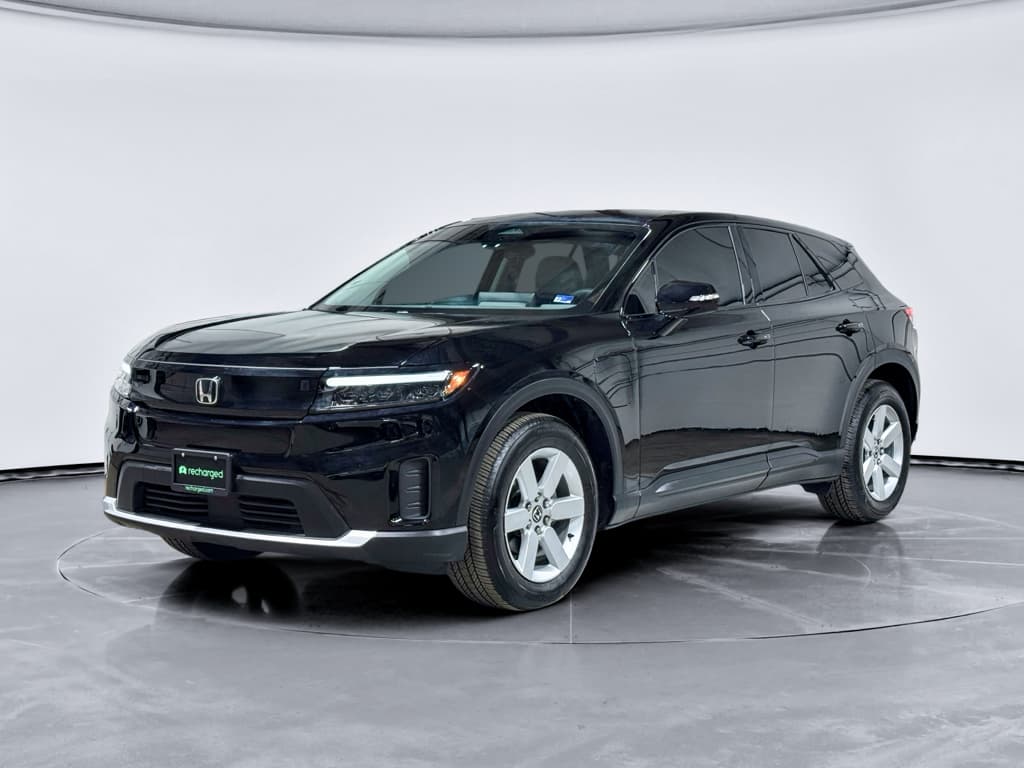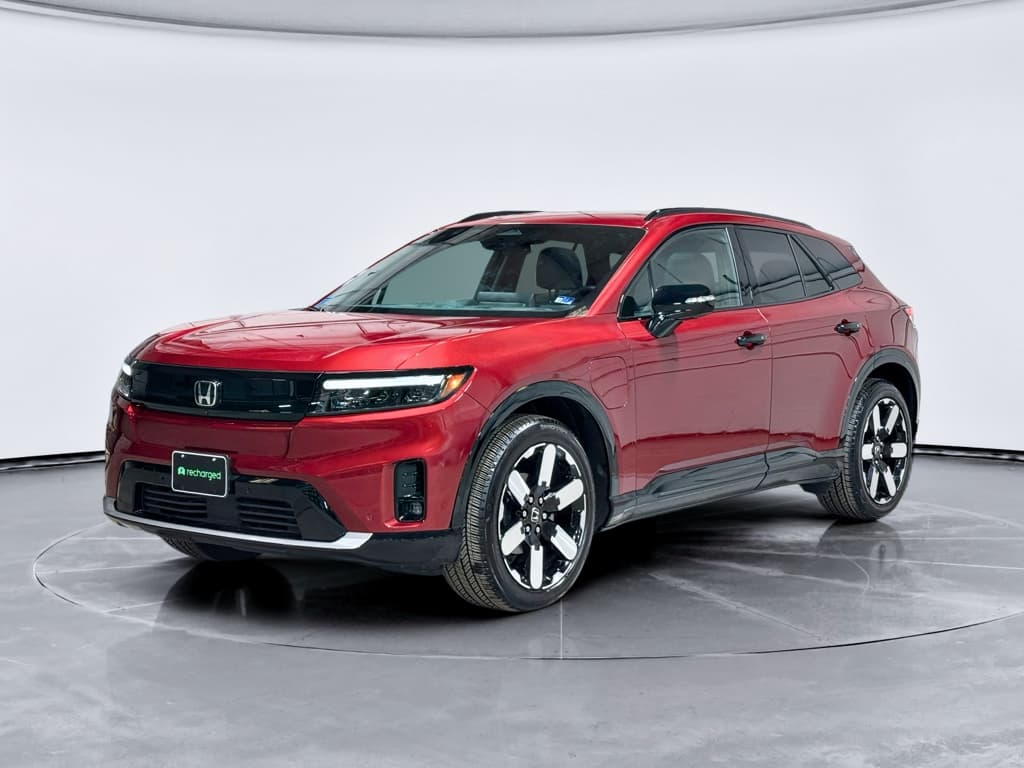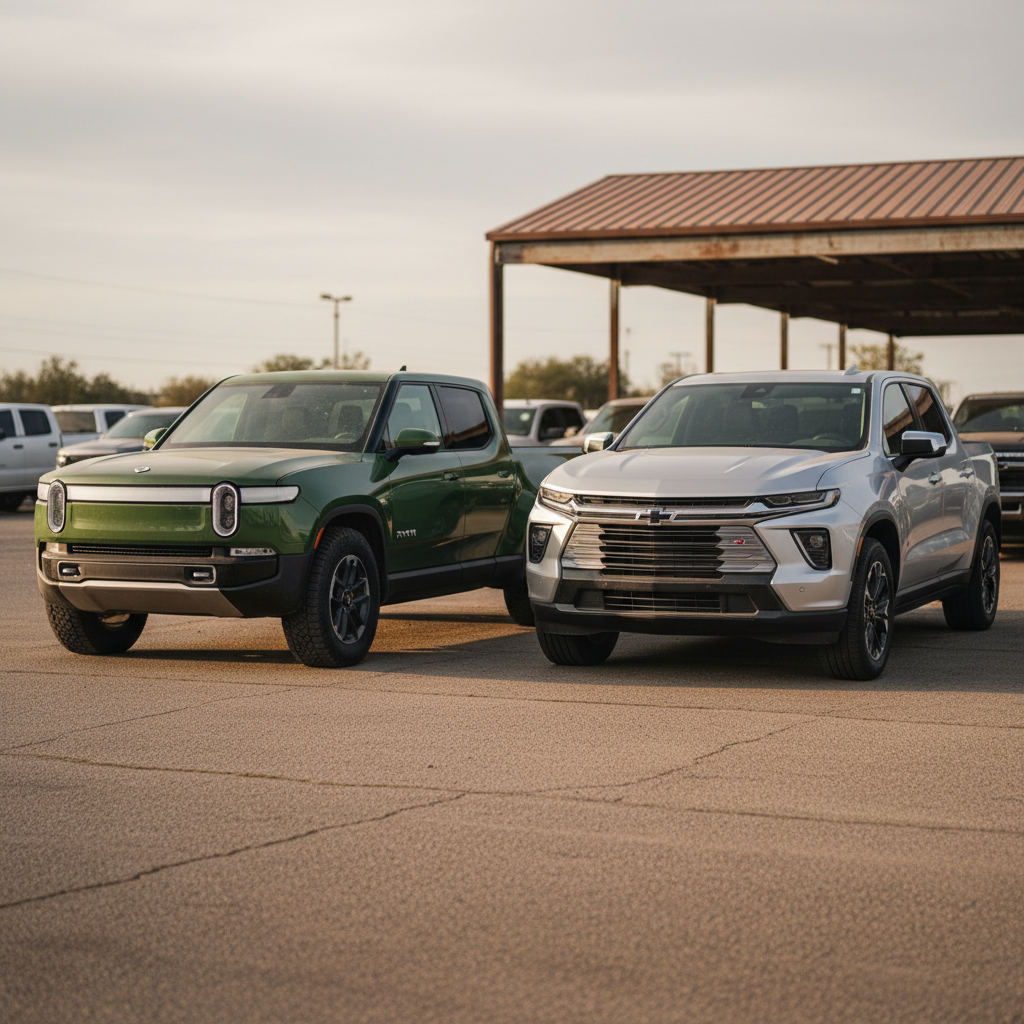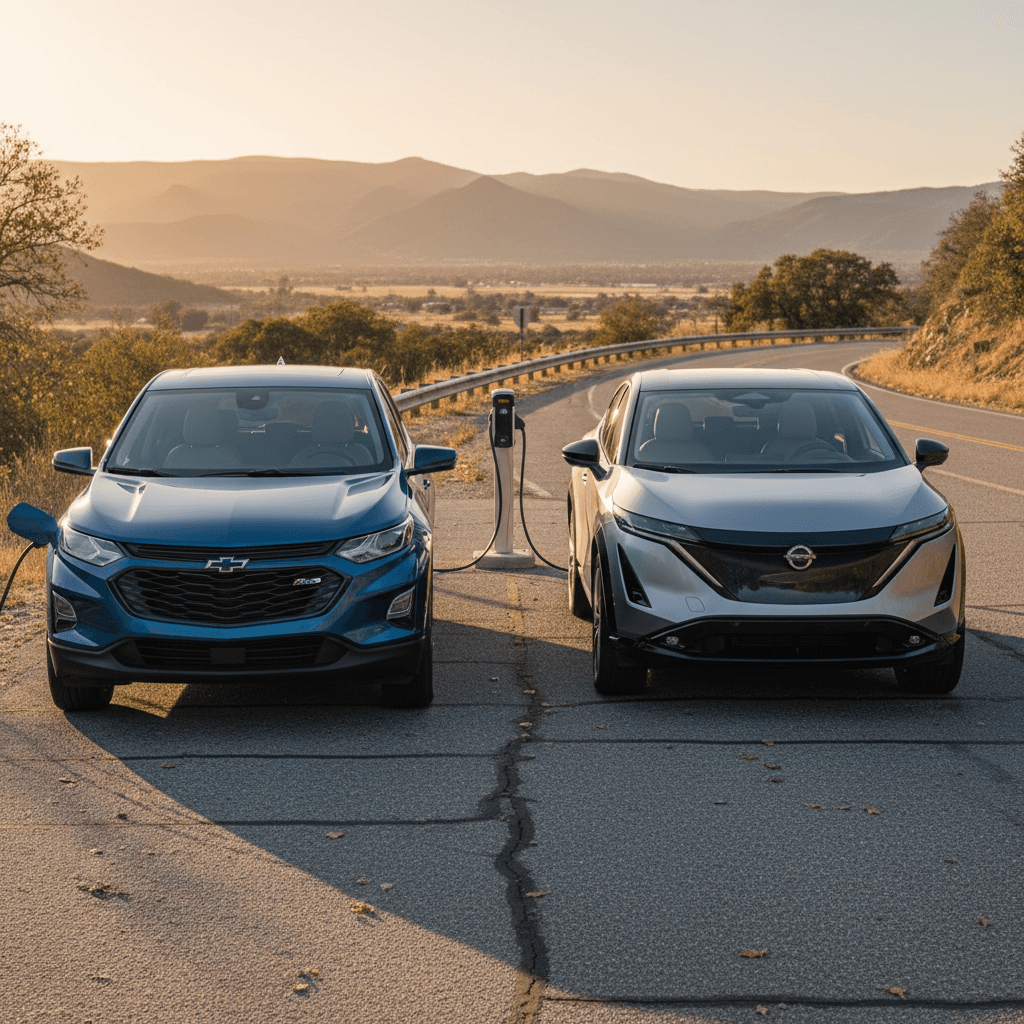
Shopping for a **used electric SUV** and torn between a used **Chevy Equinox EV** and a **Honda Prologue**? These two are closely related under the skin, they share GM’s Ultium platform, but they deliver very different experiences once you get behind the wheel, especially when you’re buying used rather than new.
Platform twins, different personalities
Why this comparison matters for used buyers
On paper, the **Equinox EV** and **Prologue** look like copy‑and‑paste SUVs: similar size, similar power, and the same 85 kWh battery pack. But a used‑market decision isn’t just about specs. You’re thinking about **real‑world range after a few years**, software updates, recall history, and resale value down the road.
- Both SUVs are likely to show up on the used market starting in the **mid‑to‑late 2020s**, primarily as off‑lease vehicles and early trades.
- They target the same shopper: you want a **practical family EV** with real range, not a science project.
- They differ sharply on **infotainment (CarPlay vs Google‑only)**, **ride and cabin feel**, and **brand reputation** in EVs.
- Because they’re new models, **battery health verification** and a clear pricing story matter more than ever.
Used‑EV reality check
Quick take: Chevy Equinox EV vs Honda Prologue
At a glance: which SUV fits which buyer?
Both are solid; the right choice depends on how you drive and what tech you love.
Why you’d pick a used Chevy Equinox EV
- Best range in this duo: FWD models are rated up to about 319 miles, with AWD versions around the low‑300s.
- Sportier feel and slightly smaller footprint, which helps in city driving and parking.
- Chevy pricing and incentives often make it the value play on the used market.
- Shares Ultium hardware with other GM EVs, so parts and service familiarity should improve over time.
Why you’d pick a used Honda Prologue
- Honda leans toward a calmer, more traditional cabin, familiar to CR‑V and Passport owners.
- Prologue keeps wireless Apple CarPlay and Android Auto across trims, a big draw if you live by your phone.
- Range is still strong: FWD trims are rated around 308 miles; AWD versions in the high‑200s.
- Honda reputation for long‑term reliability may matter if you keep vehicles a decade or more.
Core numbers: Equinox EV vs Prologue
Key specs: range, battery, and performance
Core specs when new (for context)
Actual numbers on a used example will vary slightly with wheel/tire choice, software revisions, and real‑world conditions, but this gives you a clear baseline.
| Spec | Used Chevy Equinox EV (2025 era) | Honda Prologue (2025 era) |
|---|---|---|
| Battery capacity | ~85 kWh Ultium pack | 85 kWh pack |
| Max EPA range (FWD) | Up to ~319 miles | Up to ~308 miles |
| Typical AWD range | High‑200s to low‑300s miles | Approx. 283–294 miles, depending on trim |
| Estimated 0–60 mph | Around mid‑5 to mid‑6 seconds (AWD) | Similar ballpark; Honda hasn’t emphasized performance numbers |
| Drive layouts | Standard FWD, optional dual‑motor AWD | Standard FWD, optional dual‑motor AWD |
EPA and manufacturer estimates; always check the specific vehicle’s window sticker or EPA listing if available.
From a range standpoint, the **Equinox EV has a clear edge**. Front‑drive models were rated up to about 319 miles when new, while equivalent Prologue trims tap out a little lower, around 308 miles. AWD cuts range in both, but the Chevy still tends to come out ahead by a handful of miles.
How to think about used‑EV range
Performance between the two is more or less a wash for daily driving. Dual‑motor AWD versions of both SUVs feel satisfyingly quick, and single‑motor versions are entirely adequate for merging and passing. If you enjoy a slightly firmer, more playful feel, you may lean toward the **Equinox EV**, but this isn’t a canyon‑carving matchup, these are family tools first.
Charging experience and road‑trip ability
DC fast charging
Both the used Chevy Equinox EV and Honda Prologue support modern DC fast charging on CCS when they launch, with peak rates in the 150 kW neighborhood. In practice, that means:
- About 60–75 miles of range added in 10 minutes on a strong charger.
- Roughly 20–35 minutes to go from 20–80% in good conditions.
On road trips, they’ll feel similar at the plug, your main variable will be which brand’s software does a better job planning and preconditioning for fast charging.
Home and workplace charging
At home, both SUVs behave like any modern EV on Level 2:
- 11.5 kW onboard chargers in many trims, giving roughly 30–35 miles of range per hour on a 240 V, 48‑amp circuit.
- Overnight charging from low state of charge to full is easy, even if you arrive home almost empty.
If you’re buying used, verify the seller includes any portable charging equipment or wallbox they originally purchased, they can easily be a $500–$1,000 value.
Supercharger and NACS future‑proofing
Tech and infotainment: Google vs CarPlay
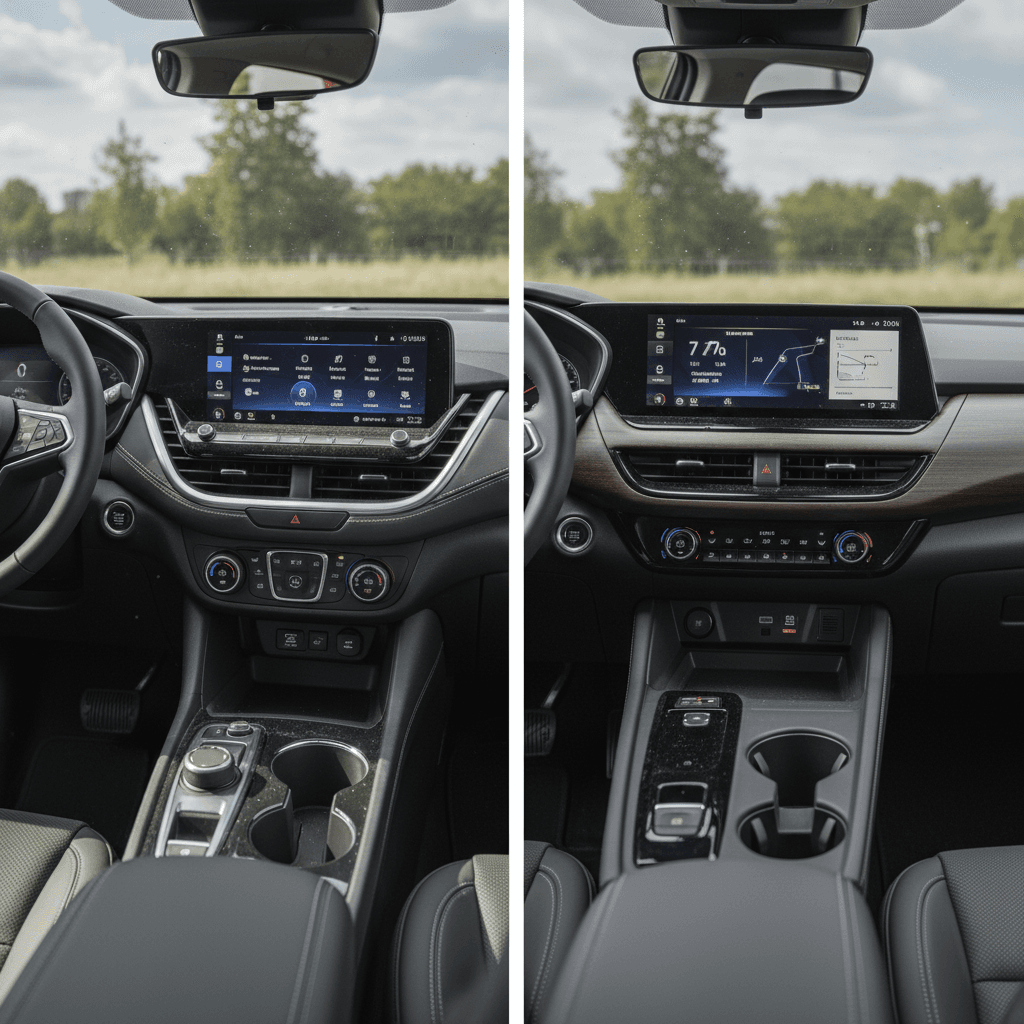
If there’s one area where shoppers have strong feelings, it’s infotainment. And here, the **used Equinox EV vs Honda Prologue** comparison is surprisingly stark.
Infotainment philosophy: which matches how you drive?
Chevy Equinox EV: Google‑only world
- GM has removed Apple CarPlay and Android Auto from its new EVs, including the Equinox EV.
- You live in the Google built‑in ecosystem for navigation, music, and apps.
- That brings tight integration with the car’s energy management and route‑planning, but only if you’re happy to move your life into Google’s lane.
If you’re an Android and Google Maps person anyway, this may not bother you. If you’re an iPhone loyalist who loves CarPlay, it can be a deal‑breaker.
Honda Prologue: keep your phone in charge
- Honda keeps wireless Apple CarPlay and Android Auto standard across Prologue trims.
- Google Built‑In is also available, but you can largely ignore it and stick with the phone‑projection setup you already know.
- For households that swap drivers often, this can make the Prologue feel instantly familiar.
If you want your EV to feel like your old crossover, just quieter and faster, the Prologue’s tech approach will feel more natural.
Used‑buying tech checklist
Space, comfort, and practicality
Interior and cargo space comparison
Numbers vary slightly by wheel choice and trim, but this captures the overall packaging differences between a used Equinox EV and Prologue.
| Dimension | Chevy Equinox EV | Honda Prologue |
|---|---|---|
| Overall length | About 190.6 in | About 192 in |
| Wheelbase | ≈116 in | ≈121.8 in |
| Passenger volume | ≈102 cu ft | ≈108–112 cu ft (trim‑dependent) |
| Cargo behind 2nd row | ≈26 cu ft | ≈24–25 cu ft |
| Max cargo with seats folded | ≈57 cu ft | ≈55–58 cu ft, depending on trim |
Passenger‑volume figures are approximate and based on early specifications.
The **Prologue is a little longer with a longer wheelbase**, which shows up in slightly more overall passenger volume and a more planted highway ride. The Equinox EV counters with a trimmer footprint that’s easier to thread into city parking spaces and garages, while still offering very competitive cargo room.
- Families with tall teenagers may appreciate the Prologue’s overall cabin airy‑ness, especially in EX trims with the most headroom.
- If you’re constantly parallel‑parking in tight urban neighborhoods, the Equinox EV’s slightly smaller dimensions will feel less stressful.
- Neither SUV has a front trunk ("frunk"); power electronics live under the hood, so most cargo goes in back.
Both are road‑trip friendly
Ownership costs, recalls, and reliability signals
On pure energy costs, these two are neck‑and‑neck. Their efficiency is similar and they share broadly similar tire sizes and brake hardware. Over five years, electricity and routine maintenance should be roughly comparable, especially if you charge mostly at home.
Warranty basics you’ll likely see on a used example
1. High‑voltage battery warranty
Both brands back the battery and electric drive components for about **8 years/100,000 miles** from the original in‑service date. On a 3‑ to 4‑year‑old used Equinox EV or Prologue, you’ll often have several years of coverage left.
2. Bumper‑to‑bumper coverage
Expect around **3 years/36,000 miles** new. Many first‑wave used vehicles will be just out of basic warranty but still covered on battery and motor components.
3. Roadside assistance and extras
Coverage varies by model year and brand programs. If you buy through a retailer that specializes in EVs, you may see additional coverage or guarantees layered on top.
Early‑generation recall watch
Honda’s long‑term reliability record with combustion vehicles is excellent, but the Prologue is its first Ultium‑based EV. That means both SUVs are effectively **first‑generation electric products**. Until more long‑term data rolls in, your best protection is a thorough inspection, a clear battery‑health report, and a seller that stands behind the car.
Used market outlook and pricing expectations
When new, the Equinox EV undercut the Prologue on price: Chevy targeted mainstream buyers with lower starting MSRPs, while Honda aimed slightly more upmarket with EX, Touring, and Elite trims. That should ripple into the used market as **the Equinox EV generally being the more affordable choice** at a given mileage and equipment level.
What to expect from used Equinox EV pricing
- Likely to show stronger discounts vs original MSRP as more GM EVs hit the road.
- Plenty of fleet and lease volume should feed a steady stream of 3‑year‑old examples into the used market.
- Tech decisions like dropping CarPlay could put some downward pressure on demand, which is good news if you don’t mind Google‑only.
What to expect from used Honda Prologue pricing
- Honda’s typical pattern is slower depreciation, thanks to brand loyalty and perceived reliability.
- Lower initial sales volume may mean fewer used Prologues on any given lot.
- Wireless CarPlay/Android Auto should keep demand high with shoppers who prioritize seamless phone integration.
Don’t shop on price alone
Which used EV SUV fits you better?
Match yourself to the right SUV
Use these quick profiles as a starting point, then let the specific vehicle condition and price break the tie.
Pick a used Equinox EV if…
- You want the maximum possible range in this pair, especially in FWD form.
- You’re comfortable living inside GM’s Google‑based infotainment and don’t need CarPlay.
- You like a slightly smaller, more agile SUV for city driving.
- You’re value‑driven and happy to let someone else take the first‑owner depreciation hit.
Pick a used Honda Prologue if…
- You or your family are deeply attached to Apple CarPlay or Android Auto and want it wireless and hassle‑free.
- You prioritize a calm, comfortable ride and a cabin that feels like a familiar Honda crossover.
- You’re willing to pay a bit more on the used market for perceived long‑term reliability.
Still not sure?
- Drive both back‑to‑back if you can. Pay attention to seat comfort, visibility, and tech frustration, not just acceleration.
- Compare **battery‑health reports** side‑by‑side. A slightly shorter‑range Prologue with excellent battery health may be a smarter buy than a higher‑mileage Equinox EV with more degradation.
Used Equinox EV vs Prologue: test‑drive checklist
1. Verify battery health and DC fast‑charge history
Ask for a <strong>formal battery‑health report</strong> and, if possible, data on how often the vehicle has fast‑charged. Frequent DC fast charging isn’t automatically bad, but you want to see a pattern that matches the story the seller tells you.
2. Check for completed recalls and software updates
Look up the VIN with NHTSA and ask for <strong>service records</strong> showing recall completion. For EVs, software updates can dramatically change behavior, so you want everything current.
3. Live with the infotainment for a while
Pair your phone, run maps, start your usual playlist, take a call. If you’re fighting the interface in the first 15 minutes, owning it for 5–7 years won’t get better.
4. Inspect tires and brakes carefully
These vehicles are heavy. Uneven tire wear, cheap replacement tires, or over‑worn brakes can tell you a lot about how a previous owner treated the car, and what you’ll need to budget soon.
5. Confirm included charging gear
Make sure you know whether you’re getting a <strong>portable Level 1/2 charger</strong>, any wallbox, or adapters. Replacing missing gear after the sale can be an unwelcome surprise.
How Recharged can help you shop smarter
Comparisons like **used Chevy Equinox EV vs Honda Prologue** are useful, but the real answer lives in the specific vehicle you’re about to buy. That’s where Recharged comes in. Every EV we sell comes with a **Recharged Score Report** that verifies battery health, checks fair‑market pricing, and highlights any issues before you sign anything.
- Expert EV specialists who can talk you through the nuances of Ultium‑based SUVs like the Equinox EV and Prologue.
- Transparent **battery diagnostics** so you’re not guessing about real‑world range.
- Financing, trade‑in, and even **instant offer or consignment** options if you’re moving out of a gas SUV into your first EV.
- Nationwide delivery and a digital‑first experience, plus an in‑person **Experience Center in Richmond, VA** if you prefer to see and touch before deciding.
Bring your own comparison
Ready to find your next EV?
Browse VehiclesFAQ: Used Chevy Equinox EV vs Honda Prologue
Frequently asked questions
The bottom line? In the **used Chevy Equinox EV vs Honda Prologue** matchup, there’s no wrong answer, only the wrong answer for how you actually live. If you want every mile of range and don’t mind committing to Google’s ecosystem, the Equinox EV is a compelling value play. If you crave familiar Honda comfort and can’t live without wireless CarPlay or Android Auto, the Prologue is worth the extra money. Whichever way you lean, let verified battery health, clean history, and a transparent seller be the deciding votes, not just the badge on the tailgate.