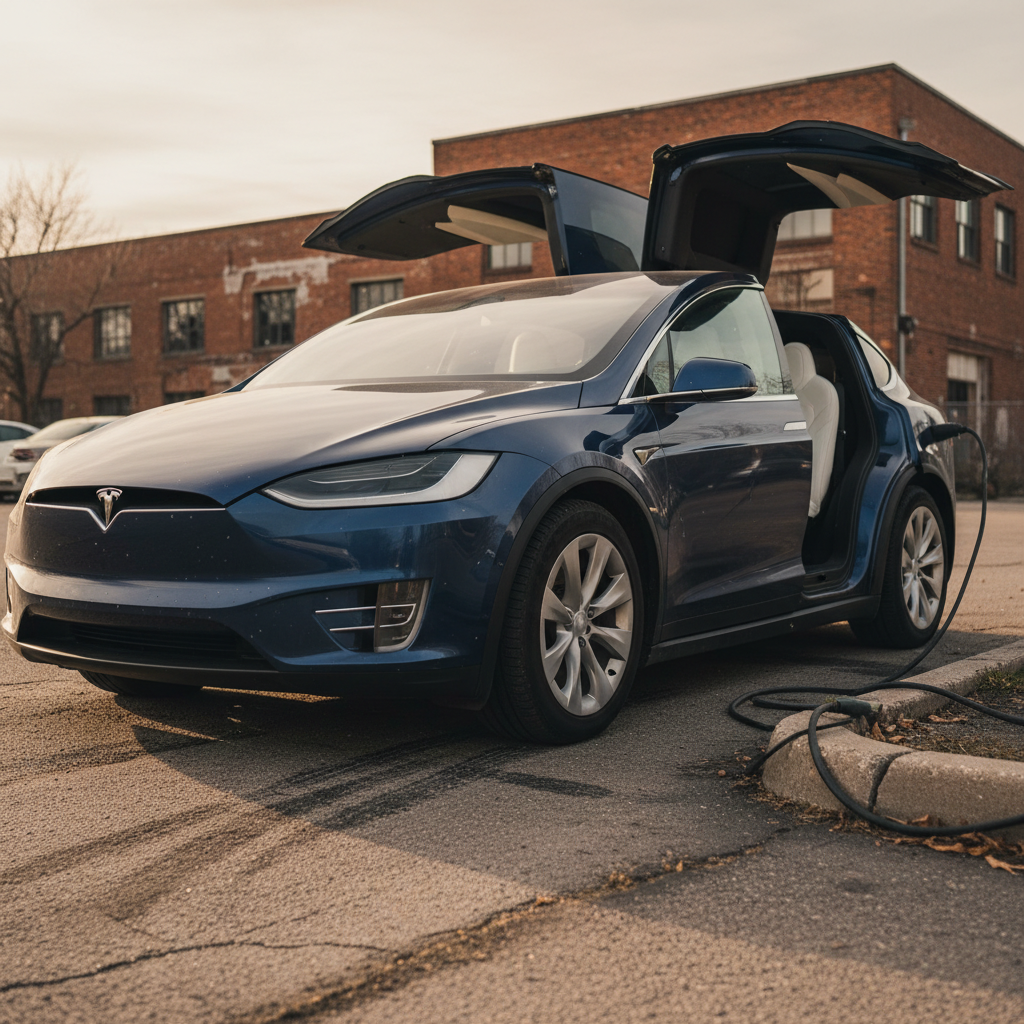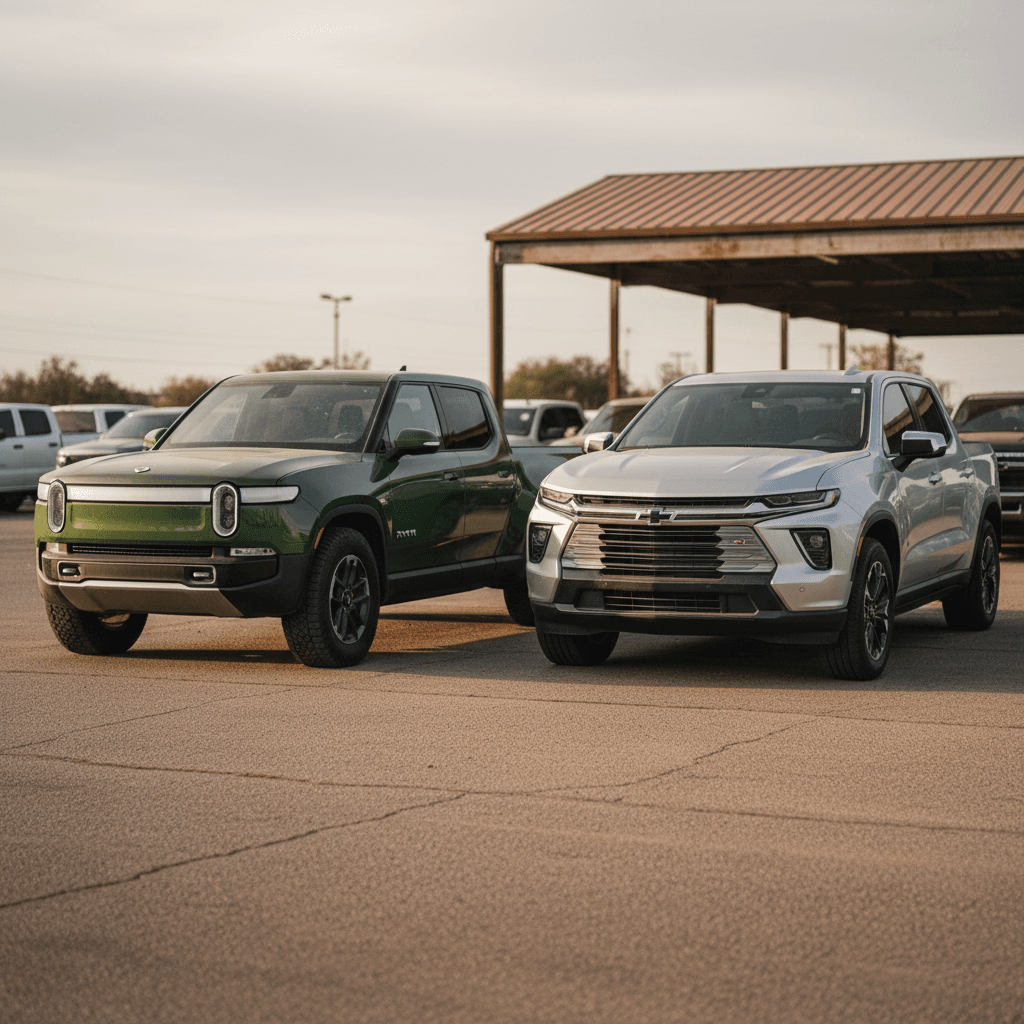
You don’t cross-shop a Tesla Cybertruck and a Chevy Silverado EV because you’re shy. These are electric pickups with big personalities, big batteries, and big expectations. On the used market they’re finally starting to collide, and if you’re staring at listings wondering whether to go stainless spaceship or Ultium workhorse, the choice is more complicated than "Which one looks wilder?"
Context: Where we are in 2025
Overview: Used Cybertruck vs Silverado EV
Tesla Cybertruck (used)
- Vibe: Stainless steel sci‑fi statement piece first, pickup second.
- Strengths: Tesla Supercharger access, wild performance, attention-grabbing design.
- Weak spots: Build-quality drama, polarizing looks, limited bed flexibility, early-production quirks.
Chevy Silverado EV (used)
- Vibe: Familiar full-size Chevy truck that quietly happens to be electric.
- Strengths: Huge range on some trims, excellent towing numbers, practical bed and midgate.
- Weak spots: Big and heavy, early trims skew pricey, DC fast charging network not as seamless as Tesla’s.
Quick gut-check
Key Specs at a Glance
Used Tesla Cybertruck vs Chevy Silverado EV: Core Numbers
These are typical specs you’ll see on 2024–2025 trucks entering the used market. Always confirm exact figures for the VIN you’re considering, because trims and software updates evolve quickly.
| Truck / Trim (common used) | Approx. EPA / est. Range | Battery Tech | Max Towing | Max Payload | DC Fast Charge Peak | Drivetrain |
|---|---|---|---|---|---|---|
| Tesla Cybertruck AWD | ~340 mi (Tesla est.) | Tesla proprietary pack ~120+ kWh | 11,000 lb | 2,500 lb | Up to 325 kW | Dual-motor AWD |
| Tesla Cybertruck Cyberbeast | ~320 mi (Tesla est.) | Tesla proprietary pack | 11,000 lb | 2,500 lb | Up to 325 kW | Tri-motor AWD |
| Chevy Silverado EV WT Extended / Max Range | 422–492 mi (EPA est., config-dependent) | Ultium battery platform | Up to ~12,500 lb | Up to ~2,100 lb | Up to 350 kW | Dual-motor 4WD |
| Chevy Silverado EV RST | ~390–460 mi (EPA / GM est.) | Ultium battery platform | Similar to WT high trims | Similar to WT | Up to 350 kW | Dual-motor 4WD with four-wheel steering |
Manufacturer estimates; real-world range and towing vary with load, temperature, and speed.
Specs vs reality
How Big Are These Electric Trucks, Really?
Real-World Range and Charging Experience
On paper, the Chevy Silverado EV is the range king. Some Work Truck and RST trims advertise over 400 miles of EPA-estimated range, and Max Range configurations push near 500 miles. By contrast, most Cybertruck trims fall in the low-to-mid 300-mile zone, and Tesla has already killed the promised range-extender pack. In highway reality, think 10–20% less than those numbers when unloaded, and much less when towing.
Cybertruck charging experience
- Supercharger access is the ace. You plug into the nation’s most reliable DC fast network with minimal fuss and slick integration in the Tesla app and nav.
- Peak rates up to ~325 kW on compatible V3+ Superchargers, with 100+ miles added in about 10–15 minutes under ideal conditions.
- Home charging: Typical Tesla 48A wall connector, about 30–35 miles of range per hour on a 240V circuit.
Silverado EV charging experience
- Peak rates around 350 kW on paper, thanks to an 800‑ish‑volt Ultium architecture that likes big fast chargers.
- You’ll live on CCS or NACS public networks depending on adapter support, Electrify America, EVgo, and others. They’re improving, but uptime still lags Tesla.
- Home charging: Similar 240V Level 2 speeds; big battery means overnight charges are your friend.
How to think about range
Towing, Hauling, and Actual Truck Work
Both trucks can absolutely do "real truck" things. The difference is that the Silverado EV feels like a truck GM built after a century of hard lessons, and the Cybertruck feels like a design experiment that happens to tow 11,000 pounds.
Work and Utility: Where Each Truck Shines
You buy a pickup for a reason. Here’s how these two behave when the Instagram shoot is over.
Chevy Silverado EV: The serious tool
- Bed & midgate: Traditional open bed plus a pass‑through midgate to extend floor length into the cab. Hauls lumber, bikes, appliances like an old‑fashioned longbed.
- Trailer manners: Mature trailer controls and familiar GM towing tech. Ultium’s torque and four‑wheel steering (on some trims) make tight lots less terrifying.
- Worksite power: Offboard power up to ~10 kW can run tools and gear without a generator.
Tesla Cybertruck: The stunt performer
- Impressive raw numbers: 11,000‑lb tow rating, 2,500‑lb payload, and brutal acceleration, especially in tri‑motor guise.
- Vault-style bed: Enclosed stainless "vault" with power tonneau is fantastic for keeping cargo secure and dry, but less friendly for tall or awkward loads.
- Off‑road party trickery: Height‑adjustable air suspension and strong approach/departure angles make it more desert toy than farm implement.
Reality check on long-distance towing
On-Road Comfort and Driving Feel
The Silverado EV drives like someone electrified a modern Silverado and then overachieved on smoothness. The ride is plush, the cabin familiar, and the ergonomics largely conventional. It’s a big truck, but the learning curve is short if you’ve ever owned a full‑size pickup.
The Cybertruck, meanwhile, is a rolling concept car that escaped from a motor show. Sightlines are odd, the angular dash feels like a set from a minimalist sci‑fi film, and your neighbors will film you parallel parking. Air suspension can be supple, but early trucks have seen their share of rattles, wind noise complaints, and quality-control roulette. When it’s good, it feels like the future. When it’s not, it feels like beta software on four very expensive wheels.
Daily-driver verdict
Tech, Interfaces, and Driver-Assist
Tesla Cybertruck tech
- Interface: Single large center screen running Tesla’s in‑house OS. Minimal physical controls; if you like sliders and sub‑menus, you’re home.
- OTA updates: Tesla is aggressive with over‑the‑air changes, features appear, disappear, and move. Great for improvements, confusing for new owners.
- Driver assist: Autopilot and optional more advanced systems can ease highway slog, but capabilities and branding change often, read the fine print.
Chevy Silverado EV tech
- Interface: More traditional mix of screens and physical buttons. Google‑based infotainment on many trims with decent voice and nav.
- Driver assist: Super Cruise on some models is one of the best hands‑off systems for mapped highways. It feels conservative but very polished.
- Updates: GM is newer to full‑fidelity OTA; expect slower change but fewer surprises.
Safety and assistance
Used Market Reality: Availability and Pricing
Because both Cybertruck and Silverado EV are still early in their lifecycles, the used market in 2025 looks less like a river and more like a series of puddles. Inventory is thin, pricing can be irrational, and regional differences are huge.
What You’ll Actually See on Used Listings
Patterns we’re seeing in early used EV truck sales.
Cybertruck pricing
Silverado EV pricing
Where they show up
If you’re shopping nationally, and you should for something this niche, factor in shipping or fly-and-drive costs. This is where a digital-first retailer like Recharged can tilt the table for you: nationwide inventory, transparent pricing, and logistics handled, instead of rolling your own cross‑country truck chase.
Ownership Costs, Reliability, and Battery Health
Running costs for both trucks are dramatically lower than for a gasoline or diesel 1500–2500 truck. No oil changes, no exhaust after‑treatment, no 15‑mpg gas bills. But you are buying into first-generation full-size EV trucks, with all the experimental energy that implies.
Battery and range over time
- Both trucks use large liquid‑cooled packs designed for longevity, but they’re asked to move 7,000+ lb on a regular basis.
- Fast‑charge-heavy use, especially while towing, adds thermal stress. A used truck that was a fleet tow mule will age differently from one that just commuted.
- This is exactly where a third‑party battery health report becomes gold. You want measured capacity, not seller optimism.
Reliability patterns so far
- Cybertruck: Early headlines have involved build quality, cosmetic corrosion, software bugs, and recall campaigns, not unusual for a radical new platform, but worth treating as a beta product with a stainless exoskeleton.
- Silverado EV: More conventional build with Ultium underpinnings shared across GM EVs. We’ve seen fewer headlines, which in reliability terms is usually good news, but long‑term data is still limited.
How Recharged helps on battery and value
Which Used EV Truck Is Right For You?
Choose Your Fighter: Cybertruck vs Silverado EV
Match the truck to the life, not the other way around.
Pick a used Cybertruck if…
- You live near a dense Supercharger network and road-trip often.
- You care as much about design drama and performance as you do about towing mulch.
- Your towing is occasional and moderate, not every‑week heavy hauling.
- You’re comfortable with rapid software and hardware change, this is the bleeding edge of Tesla’s truck experiment.
Pick a used Silverado EV if…
- You regularly tow, haul, or work out of the truck and want a familiar bed and cab layout.
- You value maximum range more than maximum TikTok views.
- You or your fleet already run Chevys and want continuity for servicing and driver familiarity.
- You’re willing to live with a bigger footprint in exchange for a calmer ownership experience.
Checklist: How to Shop a Used Cybertruck or Silverado EV
11 Steps Before You Sign for a Used EV Truck
1. Define your real use case
Write down how often you tow, how far you drive on a typical day, and where you’ll park and charge. A truck that’s overkill on paper is wasted money in real life.
2. Decide your minimum usable range
Take your longest regular trip, add 30–40% buffer for weather and degradation, and that’s your <strong>minimum usable range</strong>. Compare that to real‑world reports, not just window stickers.
3. Verify charging fit for your life
Do you have, or can you install, 240V home charging? Are there reliable fast chargers on your usual routes? A Cybertruck near Superchargers is a different proposition than one living in a DC fast desert.
4. Pull detailed service and recall history
For both trucks, check that recall work and software campaigns are up to date. Ask for dealer or Tesla service invoices, not just verbal assurances.
5. Get a battery health report
Insist on a <strong>capacity test</strong> or independent battery health scan. At Recharged, this is built into the Recharged Score so you’re not guessing about remaining kWh.
6. Inspect tires, brakes, and suspension
These trucks are heavy. Tires and brakes suffer. Uneven wear or tired dampers tell you more about prior use than any listing description.
7. Check towing hardware and logs
Look for factory hitches, wiring, and signs of heavy towing (worn receivers, scuffed bumpers). Ask if the owner used it for frequent heavy trailers or only the occasional weekend run.
8. Test all driver-assist features
On a test drive, deliberately exercise cruise control, lane‑keeping, parking cameras, and trailer aids. Glitches here can indicate software issues or prior damage.
9. Examine bed, midgate, and vault
Open and close the Cybertruck’s tonneau/vault multiple times. On the Silverado EV, work the tailgate and midgate. Any binding, leaks, or warning messages are red flags.
10. Compare total cost of ownership
Look beyond purchase price. Include energy costs, insurance quotes, tires, and potential tax credits for used EVs. A slightly pricier truck with better efficiency and coverage can win over 5–7 years.
11. Consider a specialist retailer
Buying through an EV‑focused retailer like <strong>Recharged</strong> gives you nationwide choice, expert support, and a clear window into battery health and pricing, advantages that matter more the more experimental the truck.
FAQ: Used Tesla Cybertruck vs Chevy Silverado EV
Frequently Asked Questions
The used Tesla Cybertruck and Chevy Silverado EV aren’t just two ways to avoid the gas pump; they’re two very different philosophies of what a truck should be in the electric age. One is a stainless provocation parked in front of your house; the other is a quietly radical re‑imagining of a work tool America already trusts. If you match the truck to your actual range needs, towing habits, and charging reality, and back it up with a serious battery health check, either can be a brilliant, if bold, used buy. And if you’d rather not play EV-truck roulette alone, Recharged’s battery diagnostics, pricing transparency, and nationwide reach are there to tilt the odds in your favor.