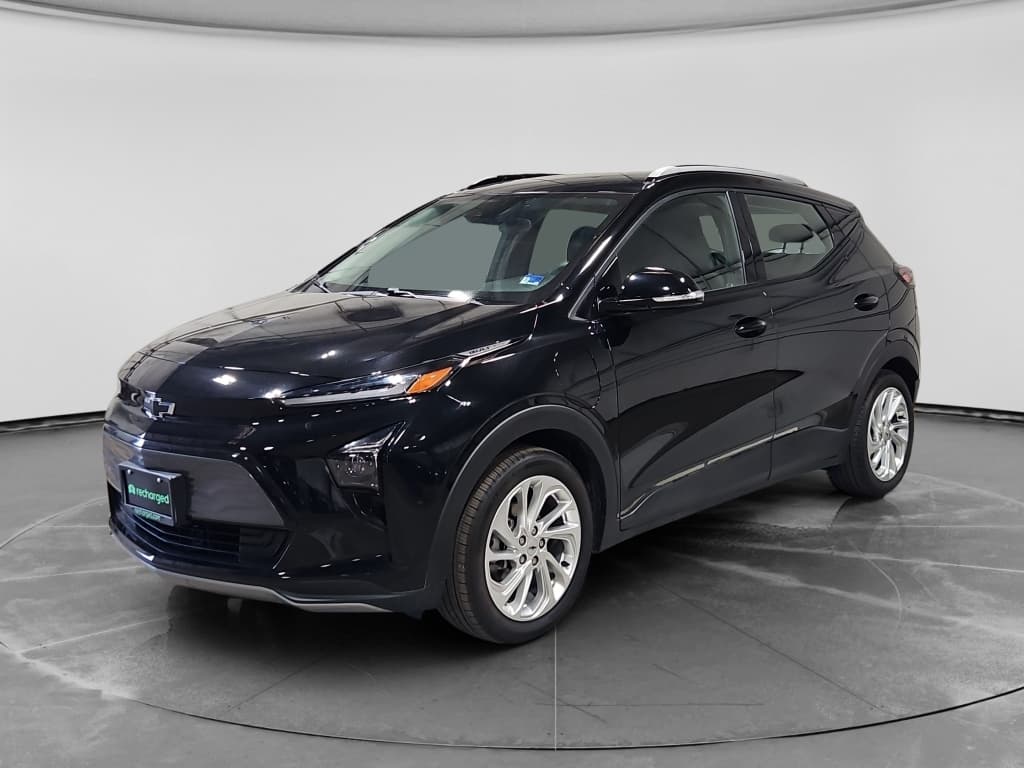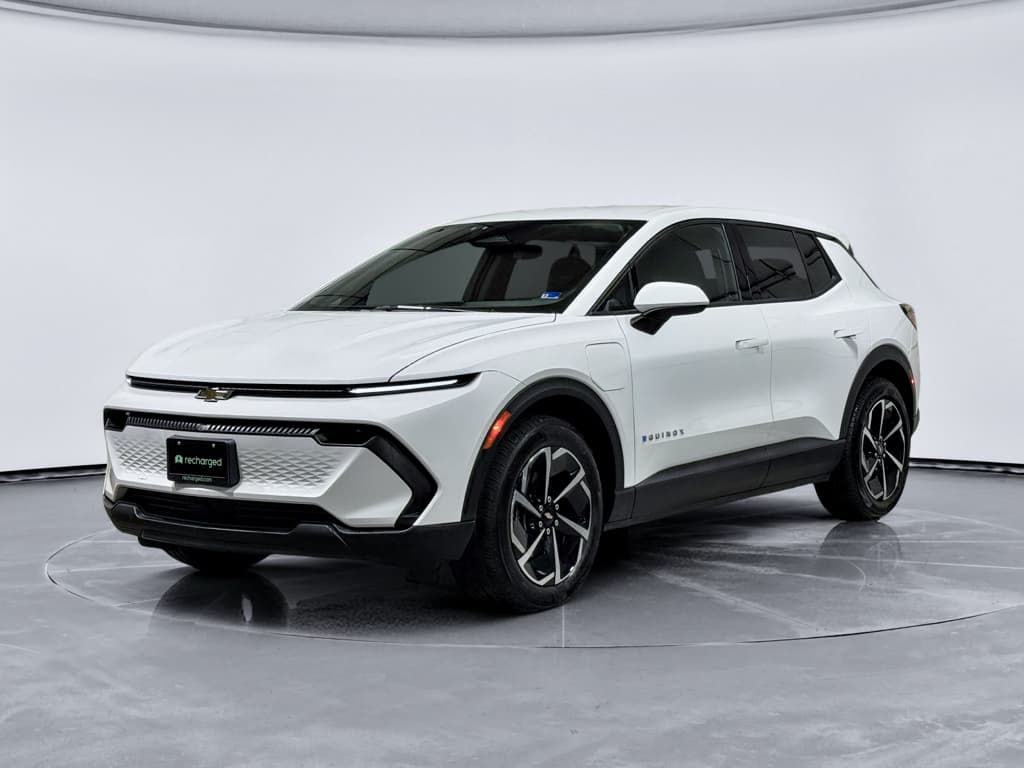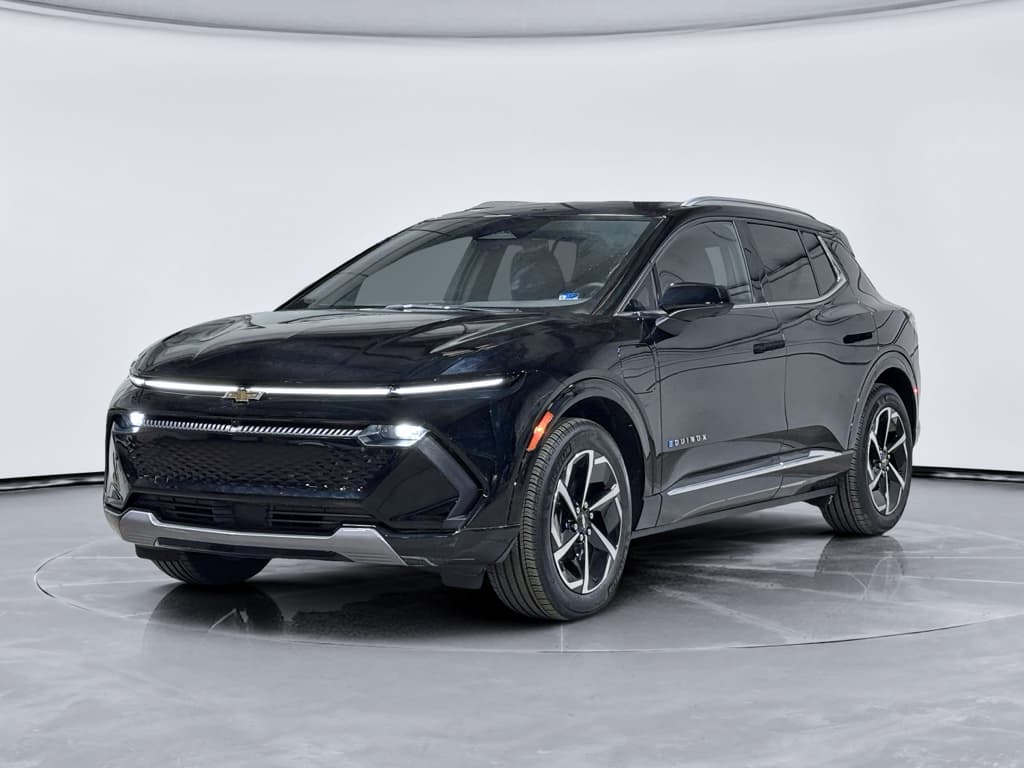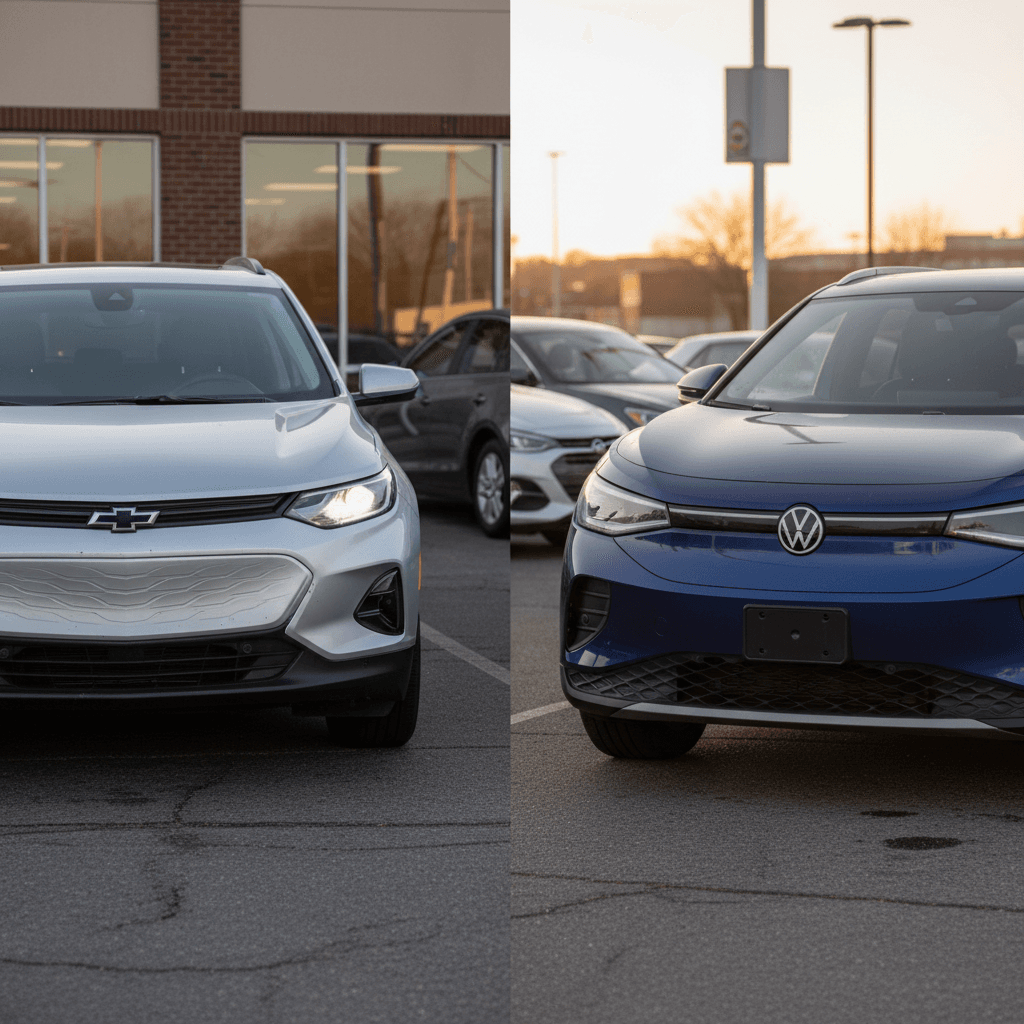
If you’re shopping for a used electric SUV, odds are the used Chevy Blazer EV vs Chevy Equinox EV matchup is on your radar. They share GM’s Ultium platform and a lot of tech, but they feel very different in the real world, especially once you factor in used pricing, range, and long-term ownership costs.
Two EVs, one platform
Blazer EV vs. Equinox EV overview
Think of the Chevy Blazer EV as the sporty, style-forward midsize SUV and the Chevy Equinox EV as the value-focused compact SUV. Both offer front-wheel drive (FWD) and all-wheel drive (AWD) versions, generous range for daily driving, and the same 17.7-inch center screen with Google built-in. But the Blazer EV can be had in high-performance SS trims and generally costs more new and used, while the Equinox EV is positioned as Chevy’s affordable, mainstream EV SUV.
At a glance: used Blazer EV vs. Equinox EV
Bigger and bolder or smaller and smarter?
Chevy Blazer EV (used)
- Segment: Midsize electric SUV
- Personality: Sporty, expressive, available SS performance trim
- Range (best trims): Around 320–330 miles estimated when new
- Typical buyer: Wants style, power, and more presence, even if it costs more
Chevy Equinox EV (used)
- Segment: Compact electric SUV
- Personality: Practical, value-focused, still modern
- Range (best trims): Up to about 319 miles EPA when new
- Typical buyer: Wants maximum range and value in a smaller footprint
Key specs: used Blazer EV vs. Equinox EV
Core specs when new (typical trims you’ll see used)
Exact specs vary by trim and model year, but this gives you a realistic starting point for what you’ll find on the used market.
| Spec | Blazer EV (typical RS / LT trims) | Equinox EV (typical LT / RS trims) |
|---|---|---|
| Size class | Midsize SUV | Compact SUV |
| Battery (approx.) | 85–102 kWh usable, depending on trim | ~85 kWh usable |
| Max EPA range (when new) | Around 320–334 miles in select RWD/FWD trims; high 200s in many AWD trims | Up to about 319 miles (FWD); around 285 miles (AWD) |
| Horsepower | Roughly 288 hp (AWD core trims) to 550+ hp in SS | 213 hp (FWD) or about 288 hp (AWD) |
| Drive options | FWD, AWD, and (in some years) RWD performance variants | FWD or AWD |
| Max DC fast-charge rate | Around 190 kW | Around 150 kW |
| Level 2 AC charging | 11.5 kW on most trims | 11.5 kW on most trims; up to 19.2 kW on select high-spec trims |
| Towing (when equipped) | Up to about 3,500 lbs | Up to about 1,500 lbs |
Always confirm exact specs against the specific VIN and window sticker when you shop used.
Specs can change by year and trim
Range and charging: how far and how fast?
If you’re cross-shopping a used Chevy Blazer EV vs Chevy Equinox EV, range and charging speed are probably near the top of your priority list. The good news: both deliver very usable real-world range and competitive charging when you’re on a road trip.
Range and charging highlights
Real-world range on a used Blazer EV
In most everyday driving, a used Blazer EV, especially RS or LT trims with larger batteries, will feel like a long-range EV. Expect something in the high-200s to low-300s miles on a full charge when the car was new, depending on configuration and driving style. On the used market, actual range will depend on battery health and temperature, so a car with a well-cared-for pack can still deliver impressive distance between charges.
Because many Blazer EVs were sold in higher trims early on, you’re more likely to find examples with bigger battery packs and good road-trip capability, but also at higher prices.
Real-world range on a used Equinox EV
The Equinox EV was engineered to deliver strong range per dollar. FWD versions were rated up to about 319 miles EPA when new, while AWD trims come in around the mid-280s. That means a used Equinox EV will typically give you similar or slightly lower range than a comparable Blazer EV, but at a lower purchase price.
If your driving is mostly commuting and errands under 150 miles a day, either vehicle will feel very comfortable. For budget-conscious buyers, the Equinox EV’s combination of strong range and lower cost is one of its biggest advantages.
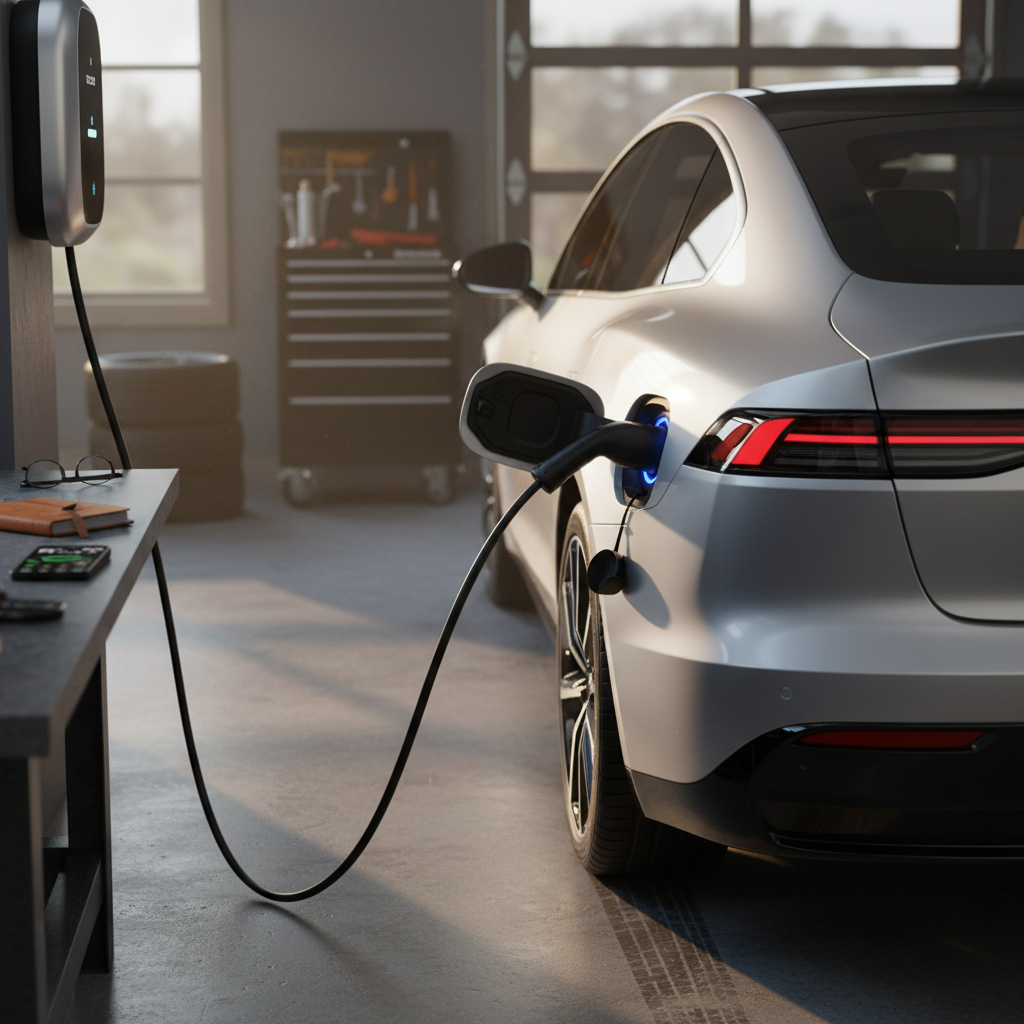
Don’t forget Level 2 at home
Space, comfort, and design
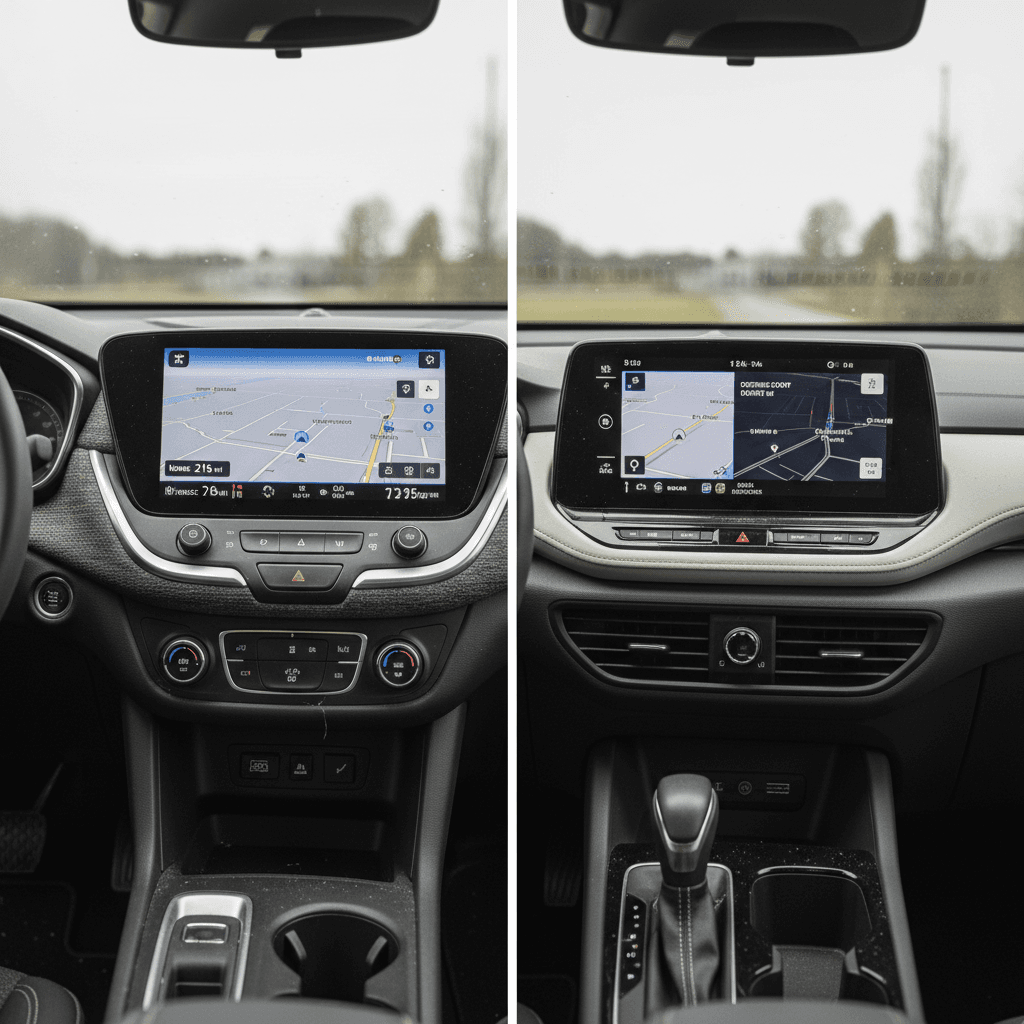
Inside, the Blazer EV and Equinox EV look more alike than different at first glance. They share the same big center screen, an 11-inch digital cluster, and similar driver-assistance and comfort options. Yet there are meaningful differences in space and character that matter on the used market.
Interior feel: bold vs. understated
How they differ once you’re behind the wheel
Blazer EV: bigger and bolder
- Cabin design: Sportier, with Camaro-inspired touches and dramatic lighting on many trims.
- Space: More front legroom and slightly more overall passenger volume than Equinox EV.
- Cargo: Rear seats folded, it offers around 59 cubic feet of space, handy for big Costco runs or road trips.
- Presence: Wider stance and more aggressive exterior styling.
Equinox EV: smart packaging
- Cabin design: Simpler, more understated, but still modern with ambient lighting and attractive materials on upper trims.
- Space: A bit smaller overall, but very efficient interior layout.
- Cargo: Seats-down cargo volume is only slightly less than Blazer EV, and seats-up cargo is actually a touch better in some configurations.
- Parking ease: Easier to maneuver and park in tight urban environments.
Family and cargo reality check
Performance and driving feel
On paper, the Blazer EV looks like the performance hero, and that’s true, especially in high-output SS trims. But when you focus on the versions you’re actually likely to find used and can afford, the difference between a typical Blazer EV and Equinox EV is narrower than you might think.
Blazer EV: from brisk to downright quick
Most Blazer EVs you’ll encounter used in mainstream trims deliver around the high-200s horsepower and punchy all-wheel-drive acceleration. They feel strong merging onto the highway and confidently quick in everyday driving.
Then there’s the Blazer EV SS. With well over 500 hp and sub-4-second 0–60 times in some configurations, it’s a different animal, more hot-rod SUV than family hauler. If you can stretch to that level, you’ll get thrilling performance, but also a higher purchase price, bigger wheels, and potentially higher tire and insurance costs.
Equinox EV: enough power for real life
The Equinox EV leans into balance. FWD versions around 213 hp feel perfectly adequate for commuting and suburban errands, and the dual-motor AWD versions with roughly 288 hp feel genuinely quick. You won’t win many drag races against a Blazer EV SS, but that’s not the point.
In daily driving, an AWD Equinox EV feels strong off the line, smooth, and quiet. If you’re not chasing maximum acceleration times, you may never miss the Blazer EV’s upper performance ceiling.
Performance sweet spot for most buyers
Pricing and used-market realities
The Blazer EV launched as the more premium offering, and early SS and RS trims pushed well into luxury territory. The Equinox EV came in as Chevy’s more affordable EV SUV. That hierarchy follows them onto the used market.
- Used Blazer EV pricing: Expect to see higher asking prices, especially for well-optioned RS and SS trims with larger batteries and performance upgrades. You’re paying for size, style, and power.
- Used Equinox EV pricing: Generally lower entry prices, especially for FWD trims. That makes the Equinox EV one of the more budget-friendly ways to get into a modern Ultium-based GM EV.
- Depreciation behavior: Like many new EVs, both models have seen notable early depreciation. That’s tough for first owners, but good news if you’re buying used and want a lot of tech for the money.
- Incentives on used EVs: Depending on when you’re shopping and the vehicle’s age and price cap, you may qualify for a federal or state incentive on a used EV. It’s worth checking current rules before you buy.
Leverage depreciation to your advantage
Ownership costs, reliability, and software quirks
Under the skin, the Blazer EV and Equinox EV share the same Ultium DNA: battery modules, power electronics, and many core systems. That means their long-term battery performance and charging behavior will be more alike than different. But there are a few ownership details that matter if you’re buying used.
What to know before you buy used
Battery, software, and day-to-day costs
Battery health & warranty
Both vehicles were sold with substantial battery warranties when new. On the used market, that coverage may still apply based on age and mileage. A trusted diagnostic, like the Recharged Score battery health report, can show you how much usable capacity remains so you’re not guessing at real-world range.
Software & infotainment
Both SUVs rely on a Google-based infotainment system that, in certain years, does not support Apple CarPlay or Android Auto. Make sure you’re comfortable with native apps and wireless connectivity. Check for completed software updates and recalls as part of any used purchase.
Running costs
Your day-to-day costs, electricity, tires, insurance, will usually be a bit higher for a Blazer EV, especially in SS trims with big wheels and performance tires. The Equinox EV’s smaller size and more modest performance can keep operating costs slightly lower over time.
Don’t skip a thorough used-EV inspection
Which Chevy EV fits you best? Real-world scenarios
Choosing between a used Chevy Blazer EV vs Chevy Equinox EV isn’t just about specs. It’s about how the vehicle fits your life, your commute, your parking situation, your budget, and even your driving style.
Match the EV to your lifestyle
Commuter with a family
You have kids and routinely carry passengers in both rows.
You take a few road trips a year and want stable highway manners.
You value a bit more space for strollers, sports gear, and luggage.
<strong>Better fit:</strong> Blazer EV, especially non-SS trims with larger batteries.
Urban or suburban couple
You mostly drive solo or with one other adult.
Street parking or tight garages make a big SUV less appealing.
You want strong range but don’t care about 0–60 bragging rights.
<strong>Better fit:</strong> Equinox EV, especially FWD trims for value and range.
Performance-minded enthusiast
You care about acceleration, styling, and driving fun.
You’re okay paying more for power, wheels, and options.
You still need usable rear seats and cargo, not a sports car.
<strong>Better fit:</strong> Blazer EV SS or higher-output trims.
Budget-conscious first-time EV buyer
You’re coming from a gas SUV or sedan and want to try an EV without overspending.
You drive under 200 miles a day and can charge at home or work.
Value, simplicity, and warranty coverage matter more than maximum size or power.
<strong>Better fit:</strong> Equinox EV, especially well-optioned used examples that have already taken the big depreciation hit.
How Recharged helps you shop used Chevy EVs
Both the Blazer EV and Equinox EV can be excellent used buys, if you have the right information. That’s where Recharged comes in. Every vehicle we list comes with a Recharged Score Report that includes verified battery health, fair market pricing analysis, and vehicle history insights, so you’re not left guessing about range or value.
- Verified battery diagnostics: Our Recharged Score battery health check tells you how the pack is performing compared with when the vehicle was new.
- Fair pricing guidance: We benchmark each Blazer EV and Equinox EV against national and regional market data so you can see whether the asking price is in line with reality.
- EV-specialist support: Our team can walk you through differences between trims, charging options, and home charging setup, especially helpful if this is your first EV.
- Flexible ways to buy and sell: Finance your used Chevy EV, trade in your current vehicle, request an instant offer, or choose consignment, all through a fully digital experience, plus our Experience Center in Richmond, VA if you’d like in-person help.
- Nationwide delivery: Find the right Blazer EV or Equinox EV for your needs, not just the one that happens to be within a few miles of home.
Buying checklist for a used Blazer EV or Equinox EV
Used Blazer EV & Equinox EV checklist
1. Confirm trim, drive layout, and battery
Is it FWD, AWD, or (on some Blazer EV years) RWD? Which battery size does it have, and what was the original EPA-rated range? This dramatically affects value and usability.
2. Review battery health and real-world range
Ask for a recent battery health report or range test. With Recharged, your Recharged Score Report includes a diagnostics-based view of usable capacity and expected range.
3. Check software, recalls, and charging behavior
Confirm that major software updates and any recalls have been handled. Test Level 2 and, if possible, DC fast charging before you buy to ensure normal charging speeds.
4. Evaluate wheels, tires, and brakes
Big wheels and performance tires on a Blazer EV SS look great, but they’re more expensive to replace. On both models, check tire wear patterns and brake feel.
5. Inspect interior tech and driver aids
Make sure the 17.7-inch screen, cameras, parking sensors, and any hands-free driving features (like Super Cruise, if equipped) work properly. Tech repairs can be costly out of warranty.
6. Match range to your daily use
Look at your actual driving: average miles per day, longest common trip, and access to charging. A lower-range but more affordable configuration may still fit your life perfectly.
Used Chevy Blazer EV vs Equinox EV FAQ
Frequently asked questions
Bottom line: Blazer EV vs. Equinox EV
If you want a larger, more expressive SUV with the option of serious performance, a used Chevy Blazer EV makes a compelling case, especially in non-SS trims that balance power, range, and price. If you’re more focused on value, efficiency, and parking ease, a used Chevy Equinox EV is tough to beat, delivering nearly the same real-world range for less money in a smaller, easier-to-live-with package.
Either way, the smartest move is to buy with clear data on battery health, pricing, and condition. That’s exactly what Recharged is built for. Explore used Blazer EV and Equinox EV listings with Recharged Score Reports, flexible financing and trade-in options, and EV specialists who can help you make the right call for how, and where, you drive.