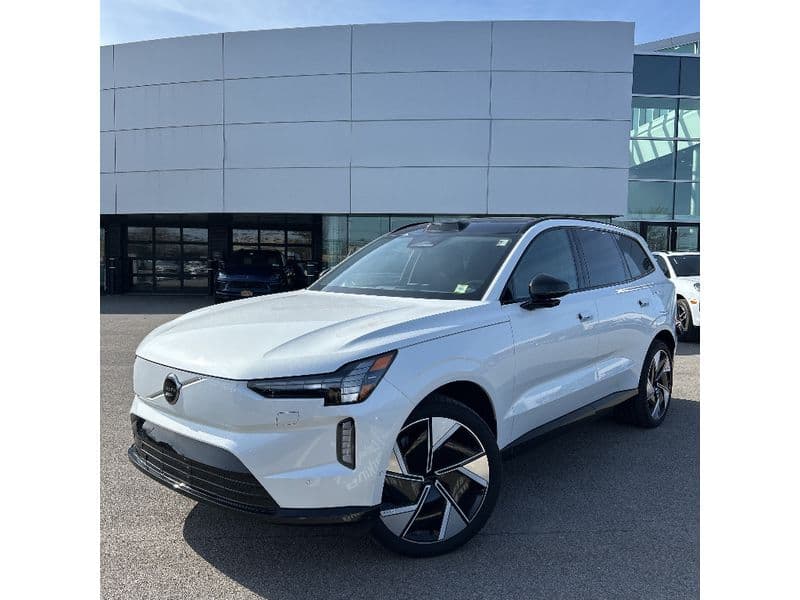
If you’re eyeing a Volvo EX90, whether new or used, it’s smart to ask one unglamorous question: how fast does the Volvo EX90 depreciate? Because the EX90 is brand‑new and fully electric, there isn’t a decade of resale data yet. But by combining early transaction prices, lease residuals, and what we already know about the XC90 and other luxury EV SUVs, you can get a realistic picture of what to expect over the first 3–5 years.
Quick answer
Volvo EX90 depreciation: what we know so far
The EX90 only started reaching U.S. driveways in late 2024, so there isn’t a long resale track record yet. Instead, you have to read the signals the market is already sending:
- MSRP for early EX90 trims has generally landed in the high‑$70,000s to low‑$90,000s, depending on spec and options.
- Lease programs for new EX90s have used residuals around the high‑40% range at 3 years for typical mileage, implying more than 50% depreciation over that period.
- Real‑world used listings and early CPO deals are already showing 5,000–10,000 mile EX90s discounted by $10,000–$20,000 versus comparable new inventory in 2025–2026.
- Legacy data from the gas Volvo XC90 shows about 55% depreciation in 5 years, and most luxury EV SUVs are currently doing slightly worse over the same window.
Data still evolving
Early Volvo EX90 value signals (big picture)
Why EVs and luxury SUVs often depreciate faster
To understand how fast the Volvo EX90 might depreciate, it helps to zoom out and look at the two categories it lives in: luxury SUVs and battery‑electric vehicles. Both already tend to lose value faster than a mainstream crossover.
Two forces pushing EX90 values down
Luxury pricing plus fast‑moving EV tech
1. Luxury SUV math
High‑end SUVs usually start with large MSRPs and high equipment content. That creates more dollars to fall, even if the percentage loss is similar.
- Big options packages and premium audio rarely hold their full value.
- Three‑row luxury SUVs see demand shift as families age or downsize.
- Many are leased, which bakes significant early depreciation into residuals.
2. EV technology curve
EVs face an additional challenge: technology is evolving quickly.
- Newer models often add range, charging speed, or driver‑assist features quickly.
- Battery health anxiety makes some shoppers cautious on older EVs.
- Incentives and price cuts on new EVs can drag down used values.
Why some EVs have crashed in value
Early price data: new vs. lightly used Volvo EX90
Even with a short sales history, you can already spot the EX90’s early depreciation pattern by comparing new MSRP to real‑world used deals.
Illustrative early Volvo EX90 pricing
Approximate numbers based on early 2025–2026 U.S. market observations. These are directional, not guarantees.
| Scenario | Odometer | Typical Asking / Deal Price | Implied Depreciation From New |
|---|---|---|---|
| New EX90 Plus | 0 miles | $78,000–$82,000 | Baseline |
| New EX90 Ultra | 0 miles | $88,000–$94,000 | Baseline |
| Lightly used EX90 Ultra CPO | ~5,000 miles | ≈$61,000–$70,000 | About 20–30% off comparable new |
| Demo / service loaner EX90 | 8,000–12,000 miles | Often $8,000–$15,000 under MSRP | Roughly 15–25% first‑year drop |
Comparing new MSRP to lightly used transaction prices gives a feel for first‑year depreciation on the EX90.
What these numbers really mean for you
3–5 year Volvo EX90 depreciation forecast
To answer “how fast does the Volvo EX90 depreciate” over a typical ownership cycle, you can combine three clues: historic XC90 behavior, luxury EV trends, and current lease residuals.
3‑year outlook
- Gas XC90s historically lose about 45–55% of value in 5 years, with roughly half of that in the first three.
- Many non‑Tesla EVs are currently losing 45–55% in just three years, especially when new‑car pricing falls.
- EX90 lease programs hint at residuals in the high‑40% range at 36 months, implying low‑50s depreciation at average mileage.
Reasonable forecast: an EX90 bought new in the low‑$80,000s could be worth roughly $40,000–$45,000 after three years, assuming normal miles and condition.
5‑year outlook
- Traditional Volvos like the XC90 show around 55% loss in 5 years in many cost‑to‑own studies.
- EV‑specific uncertainty (battery health perceptions, tech upgrades) adds risk on the downside.
- On the flip side, strong safety ratings and Volvo’s brand reputation support used values.
Reasonable forecast: expect the EX90 to land near 55–60% depreciation by year five. That would put a well‑kept EX90 that cost $80,000 new in the $32,000–$38,000 range at around 5 years old.
Depreciation vs. total cost of ownership
Volvo EX90 vs. BMW iX and Mercedes EQE SUV depreciation
The fairest way to judge EX90 depreciation is against its direct rivals: other three‑row or midsize luxury electric SUVs like the BMW iX and Mercedes‑Benz EQE SUV.
Estimated 5‑year depreciation: luxury electric SUVs
Directional comparison based on current EV resale patterns, segment data, and early transaction behavior.
| Model | Segment role | Estimated 3‑year loss | Estimated 5‑year loss | Relative outlook |
|---|---|---|---|---|
| Volvo EX90 | Three‑row luxury EV SUV | ~40–45% | ~55–60% | Middle of the pack, helped by Volvo’s safety and brand |
| BMW iX | Sport‑leaning midsize luxury EV SUV | ~45–50% | ~60%+ | Performance focus and rapid tech updates may fuel faster drops |
| Mercedes EQE SUV | Luxury EV SUV | ~45–55% | ~60%+ | Heavier discounting and incentives have already pressured used prices |
| Tesla Model X | Benchmark luxury EV SUV | ~35–40% | ~50–55% | Historically stronger resale, but vulnerable to Tesla’s price cuts |
The EX90 is likely to sit in the middle of the luxury EV SUV pack on depreciation, worse than a Tesla Model X, but potentially better than some German rivals that have seen steep discounts.
Why the EX90 could age better than some rivals
Key factors that will shape EX90 resale value
Because the EX90 is still early in its lifecycle, several open questions will influence how fast it depreciates over the next decade. As a buyer, these are the levers you should watch.
Four drivers of Volvo EX90 depreciation
The variables that matter most to future buyers
Battery health & warranty support
Future shoppers will care deeply about battery health and whether Volvo stands behind high‑mileage EX90 packs.
- Strong real‑world range at 5–8 years old will support prices.
- Clear battery warranty coverage and goodwill repairs reduce risk.
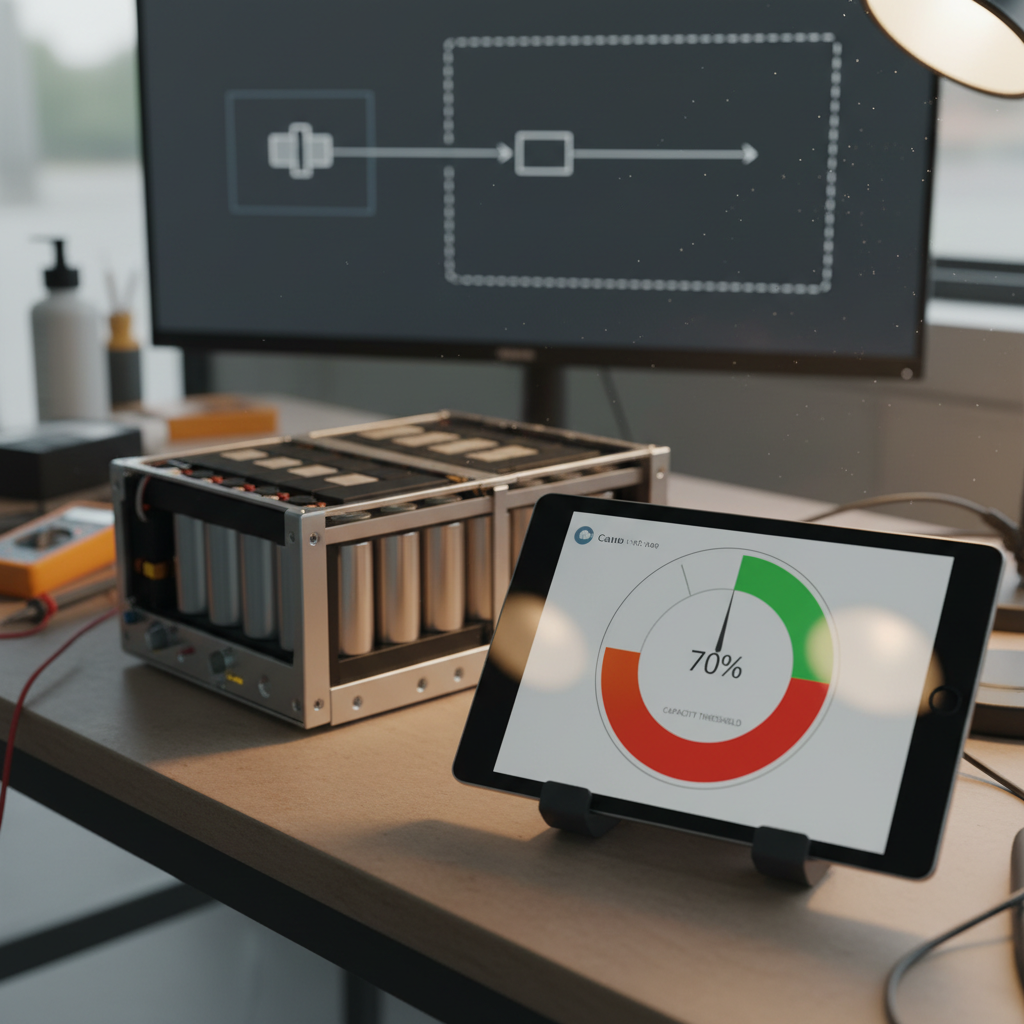
- Third‑party battery health reports (like the Recharged Score) can prove pack condition.
Software & feature updates
The EX90 leans heavily on software and sensors for safety and driver‑assist features.
- Consistent over‑the‑air updates keep older EX90s feeling modern.
- If key features become paywalled or dropped, resale could suffer.
- Buyers will value models that support newer charging and infotainment standards.
Charging ecosystem & standards
The EX90’s long‑term appeal hinges on how easy it is to charge in 5–10 years.
- Support for widely adopted fast‑charging standards is critical.
- Adapter availability and network access will influence road‑trip usability.
- Regions with strong public charging tend to support used EV prices.
New‑car pricing and incentives
If Volvo cuts EX90 prices or layers on big incentives, used values can tumble.
- Large factory rebates make new cars more attractive versus lightly used.
- Tax credit eligibility shapes what shoppers are willing to pay used.
- Production volumes, too many EX90s chasing too few buyers, also matter.
Model‑specific issues can change everything
How to limit your Volvo EX90 depreciation
You can’t control the whole market, but you can absolutely make choices that put you on the right side of the EX90’s depreciation curve, especially if you’re open to buying used.
Strategies to reduce EX90 depreciation pain
1. Let someone else take the first‑year hit
The single biggest move is simple: <strong>buy a 1–2 year‑old EX90</strong> instead of new. Many early owners will trade or end leases just as the steepest depreciation is behind them, leaving you a better price baseline.
2. Prioritize battery and charging health
Always review <strong>battery health data</strong> and charging history when buying used. At Recharged, every EX90 listing includes a <strong>Recharged Score battery health report</strong>, so you’re not guessing about pack condition or range loss.
3. Choose timeless, easy‑to‑resell specs
Neutral colors, popular wheel sizes, and mainstream trim levels typically hold value better than niche combinations. A well‑optioned Plus or Ultra in a conservative color is usually easier to resell than a rare color with odd options.
4. Avoid over‑paying during hype cycles
New models sometimes command markups or sell with minimal discounts at launch. If there’s a waiting list and dealers aren’t negotiating, depreciation risk is higher. Consider waiting until inventory normalizes and incentives appear.
5. Maintain software and records
Keep <strong>software updates current</strong>, document all service, and fix minor cosmetic issues before they snowball. Clean history and a complete paper trail boost resale value, especially on tech‑heavy EVs like the EX90.
6. Match your finance or lease term to reality
If you plan to swap vehicles in 3 years, don’t stretch a 7‑year loan. Consider leasing if you want to cap your depreciation exposure, or plan to hold long‑term and drive until depreciation naturally slows.
Use data, not guesses, when you shop
When buying a used Volvo EX90 makes the most sense
Because the EX90 is expected to lose value quickly in its first few years, you’re likely to find the best value for money in a specific ownership window rather than at either extreme.
- Best value window: EX90s that are about 18–48 months old often balance modern tech, remaining battery warranty, and a big discount from new.
- Consider older if: you plan to keep the SUV for a long time, are comfortable with out‑of‑warranty ownership, and can verify battery health and charging behavior.
- Be cautious with very early builds: the first model‑year of any new EV can have more software updates and running changes. Some buyers prefer year two or three of production for that reason.
- Watch for off‑lease waves: when the first crop of 36‑month leases ends, you may see a bump in EX90 supply, and softer prices, roughly three years after launch.
How Recharged fits in
Ready to find your next EV?
Browse VehiclesVolvo EX90 depreciation FAQ
Frequently asked questions about Volvo EX90 depreciation
Bottom line: how fast does the Volvo EX90 depreciate?
Put simply, the Volvo EX90 is likely to depreciate faster than a traditional Volvo XC90, but roughly in line with other high‑end electric SUVs. Expect a sharp 20–25% drop in year one, around 40–45% loss by year three, and roughly 55–60% by year five, depending on how the broader EV market evolves.
If you’re buying new, go in knowing that the first few years are where most of the value loss happens. If you’re buying used, especially through a platform like Recharged that verifies battery health and market‑fair pricing, that same depreciation can become your advantage, letting you step into a safe, tech‑forward EX90 for far less than its original sticker while still enjoying many years of useful life.