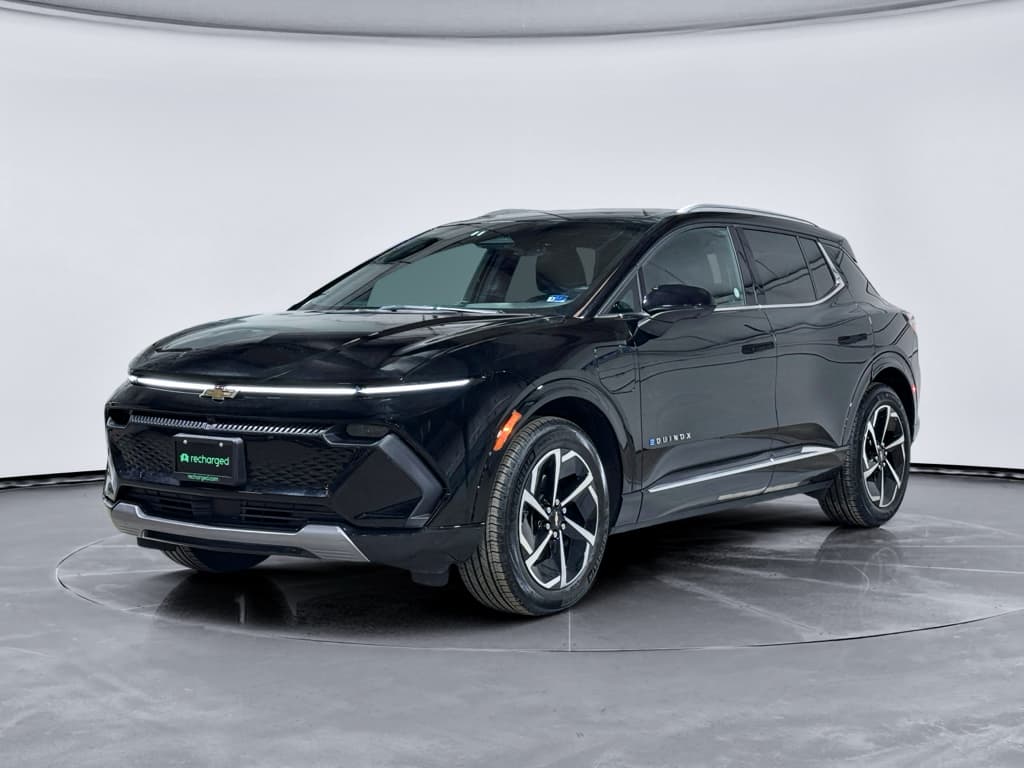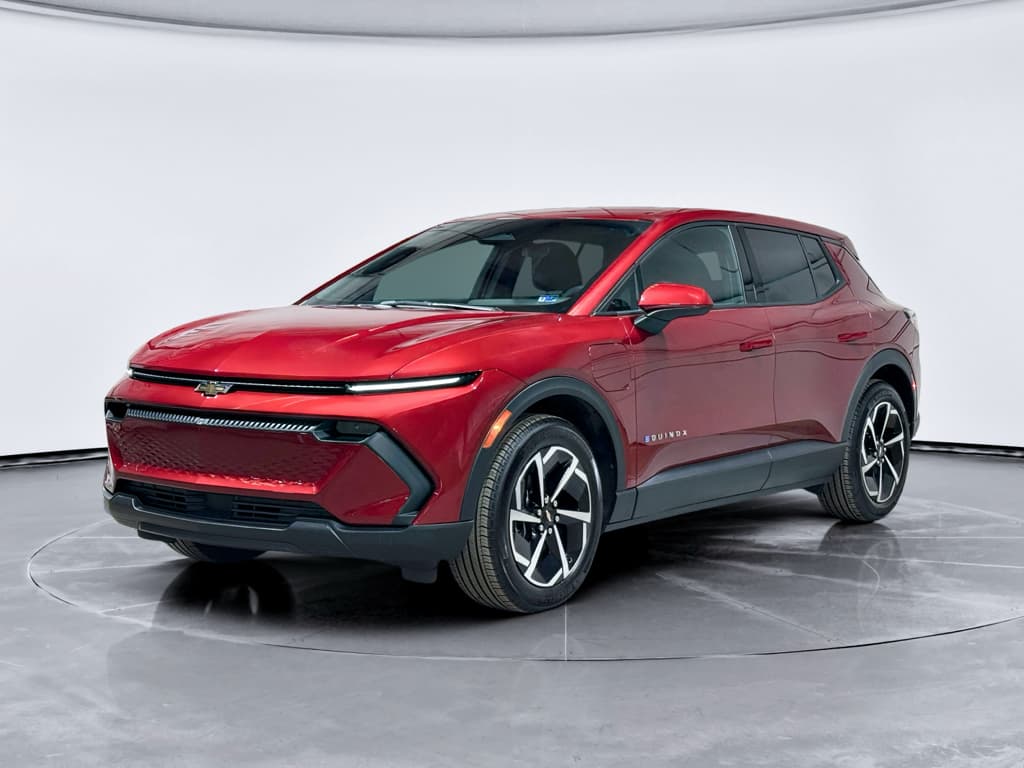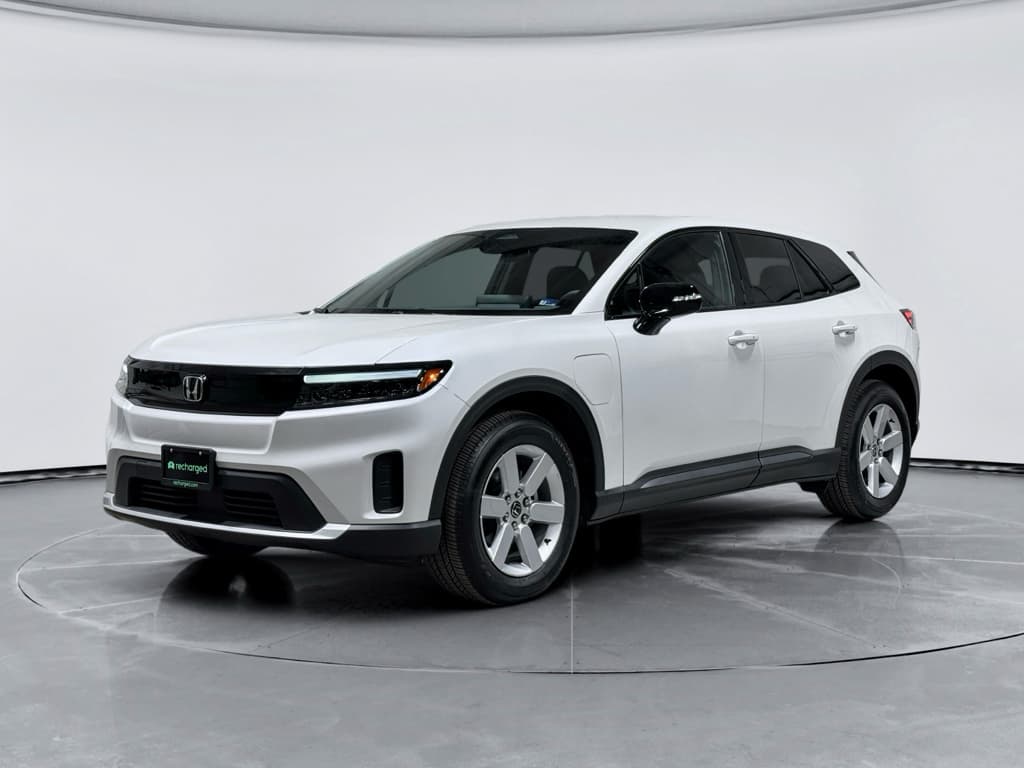
If you’re cross‑shopping a used Chevrolet Equinox EV vs Honda Prologue in 2026, you’re shopping in one of the most interesting corners of the EV world: practical, family‑ready electric SUVs built on GM’s Ultium platform, now hitting the used market in meaningful numbers. The good news is that both can be smart buys. The catch is that they behave very differently on price, tech, and depreciation.
Two siblings, different personalities
Overview: Used Equinox EV vs Prologue in 2026
By early 2026, the **Chevrolet Equinox EV** has hit the market in far greater numbers than the **Honda Prologue**. Heavy incentives and aggressive discounting on new Equinox EVs have pushed **used prices down quickly**, which is fantastic if you’re a buyer and painful if you bought new. The Prologue, sold in smaller volumes and positioned slightly more upmarket, tends to hold its value better but also costs more on the used lot.
Both SUVs offer roughly **mid‑to‑high‑200‑mile EPA ranges**, DC fast‑charging up to about 150 kW, and roomy cabins sized right for family duty. Where they really differ is in **infotainment strategy**, feature content at comparable prices, and how comfortable you are buying an EV that has already taken a big depreciation hit.
Used Equinox EV vs Prologue: 2026 Snapshot
Quick Specs Cheat Sheet
Core Specs: Chevrolet Equinox EV vs Honda Prologue
Approximate specs for common trims you’ll see used in 2026. Always verify individual vehicle equipment and ratings.
| Spec | Used Equinox EV (2024–2026, typical trims) | Used Honda Prologue (2024–2025, typical trims) |
|---|---|---|
| Platform | GM Ultium, compact/midsize SUV | GM Ultium, midsize SUV |
| Battery size | ~85 kWh usable (larger pack on 2025+ trims) | ~85 kWh usable |
| EPA range (FWD) | Up to ~300 miles depending on trim | Up to ~296 miles (FWD) |
| EPA range (AWD) | Mid‑ to high‑200s miles on common trims | Around 273–280 miles (AWD) |
| Max DC fast charge | ~150 kW peak | ~155 kW peak |
| Onboard AC charger | 11.5 kW (up to 19.2 kW on some Equinox 3RS) | 11.5 kW |
| Drive layouts | FWD and AWD | FWD and AWD |
| Infotainment | Google built‑in, **no** Apple CarPlay/Android Auto | Google built‑in **plus** wireless CarPlay & Android Auto |
| Typical new MSRP when launched | Marketed as around $30k entry; many real‑world stickers mid‑$40ks+ | Initial base pricing around high‑$40ks |
| Used market positioning, 2026 | Value‑leader, heavier discounts, more inventory | Pricier, more limited supply, more traditional Honda feel |
Specifications may vary slightly by model year, trim, and wheel/tire choice.
Spec sheets vs real cars
Pricing on the 2026 Used Market
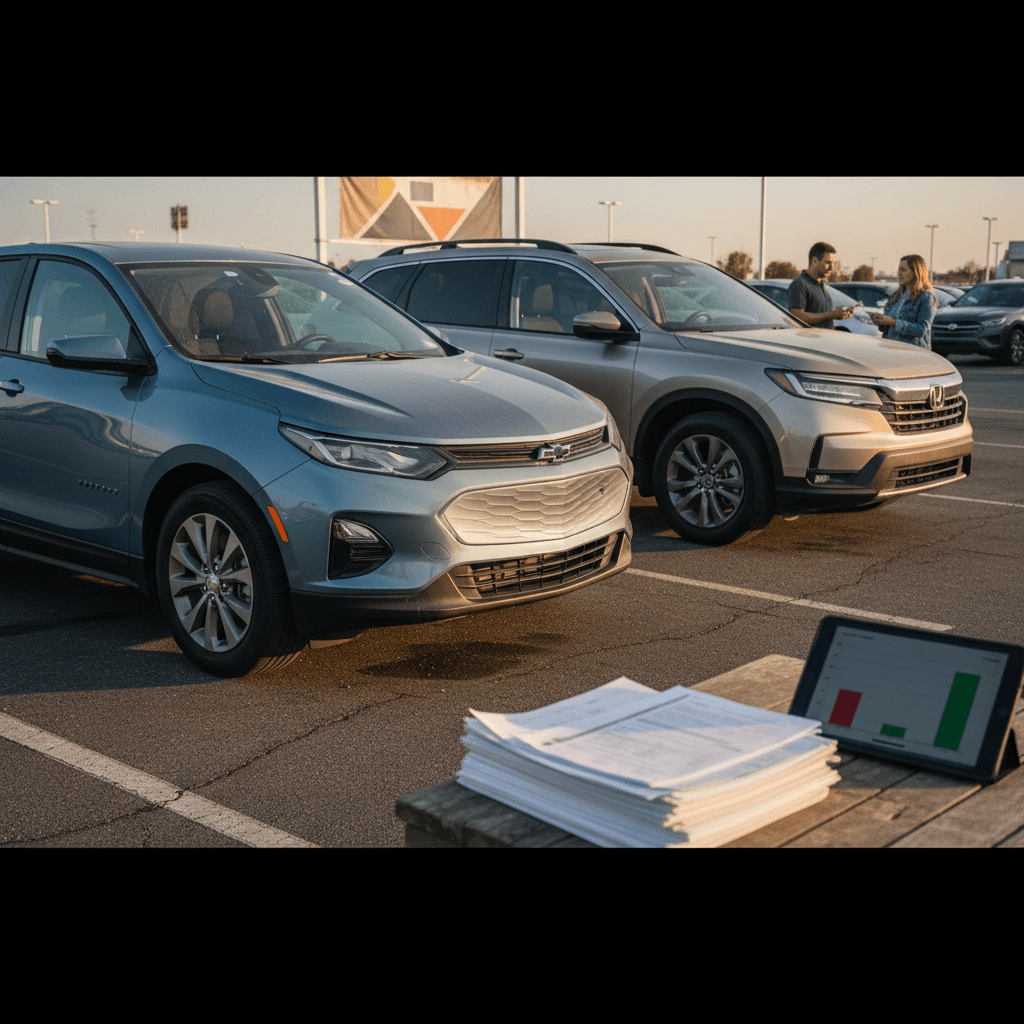
Because new‑vehicle pricing and incentives have been so volatile, used pricing in 2026 doesn’t track the old "residual value" rules very well. The **Equinox EV** has often been deeply discounted new, which pulls **used prices down quickly**. In some markets, late‑build 2025–2026 Equinox EV RS models that stickered in the mid‑$40,000s new have already been advertised in the mid‑$20,000s after just a year or less of use.
The Honda Prologue, by contrast, tends to **hold a bit more price discipline**. Smaller volumes, strong Honda brand equity, and a more conservative dealer strategy mean you’re typically shopping **several thousand dollars higher** for a similarly equipped used Prologue than for an Equinox EV. You’re paying for the badge, a more familiar Honda cabin, and the fact that Prologue hasn’t been discounted as aggressively on the new side.
How Pricing Usually Stacks Up in 2026
Assuming clean titles and average mileage; your local market may vary.
Used Chevrolet Equinox EV
- Sweet spot: 2024–2025 LT/RS models in the mid‑$20,000s to low‑$30,000s.
- Plenty of supply in some regions, especially former lease and demo units.
- Exceptional value if you’re comfortable with faster early‑life depreciation.
Used Honda Prologue
- Typical range: low‑$30,000s to low‑$40,000s for well‑equipped 2024–2025 examples.
- Inventory is thinner; you may have less choice on color and trim.
- Better value retention could help when you go to sell or trade again.
How Recharged can help on price
Range and Efficiency Compared
From a range standpoint, you’re splitting hairs. Most **Equinox EV** and **Prologue** trims you’ll see used in 2026 fall in the **270–300‑mile EPA range band**, with exact numbers depending on drive layout, wheel size, and trim. Front‑wheel‑drive variants of both typically post the best numbers, while all‑wheel drive and larger wheels trade a bit of range for traction and style.
Where the Equinox EV shines
- GM has marketed the Equinox EV as one of the most affordable 300‑mile EVs, and many trims live near that mark in EPA testing.
- Real‑world range reports from owners suggest that the Equinox EV behaves predictably on mixed driving when you’re not constantly fast‑charging.
- If you prioritize long highway range for the money, the Equinox EV is hard to beat on a dollars‑per‑mile basis on the used market.
Where the Prologue shines
- EPA range ratings for Prologue FWD trims reach into the mid‑290‑mile area, close to top Equinox EV specs.
- Honda typically tunes its efficiency and driver‑assist systems conservatively, which can appeal if you want a "set it and forget it" commuter SUV.
- The Prologue’s aero‑clean design and familiar Honda driving feel make its range feel very approachable for first‑time EV drivers.
Range reality check
Charging Speeds and Real-World Road Trip Use
On paper, these two are very close: the Equinox EV tops out around **150 kW** on DC fast chargers, while the Prologue is rated up to about **155 kW**. Both have **11.5‑kW onboard AC chargers**, which means a properly wired Level 2 home station can comfortably refill the battery overnight.
The nuance comes from charge‑curve behavior and software. Early owner reports on the Equinox EV point to **charge curves that can taper sooner than you’d expect**, especially on crowded or hot fast‑charging sites, extending your total stop time. The Prologue’s peak numbers are similar, but Honda’s calibration and thermal management may feel more conservative and predictable, even if neither SUV is at the very front of the fast‑charge pack.
Charging Experience: What You’ll Notice Day to Day
Home charging
- Both can add roughly 30–35 miles of range per hour on a 48‑amp Level 2 home charger.
- Plan for a dedicated 240‑V circuit if you own your home.
DC fast charging
- Neither is a "charge in 10 minutes" hero, but both can comfortably support road‑trip use with a bit of planning.
- Expect 10–80% sessions in the 30–40‑minute range under good conditions.
Charging networks
- As more non‑Tesla EVs gain access to NACS‑equipped Superchargers, network choice matters less than it did in 2022–2023.
- Still, check which stations are convenient on your regular routes before you buy.
Be realistic about road‑trip charging
Tech, Comfort, and Driving Feel
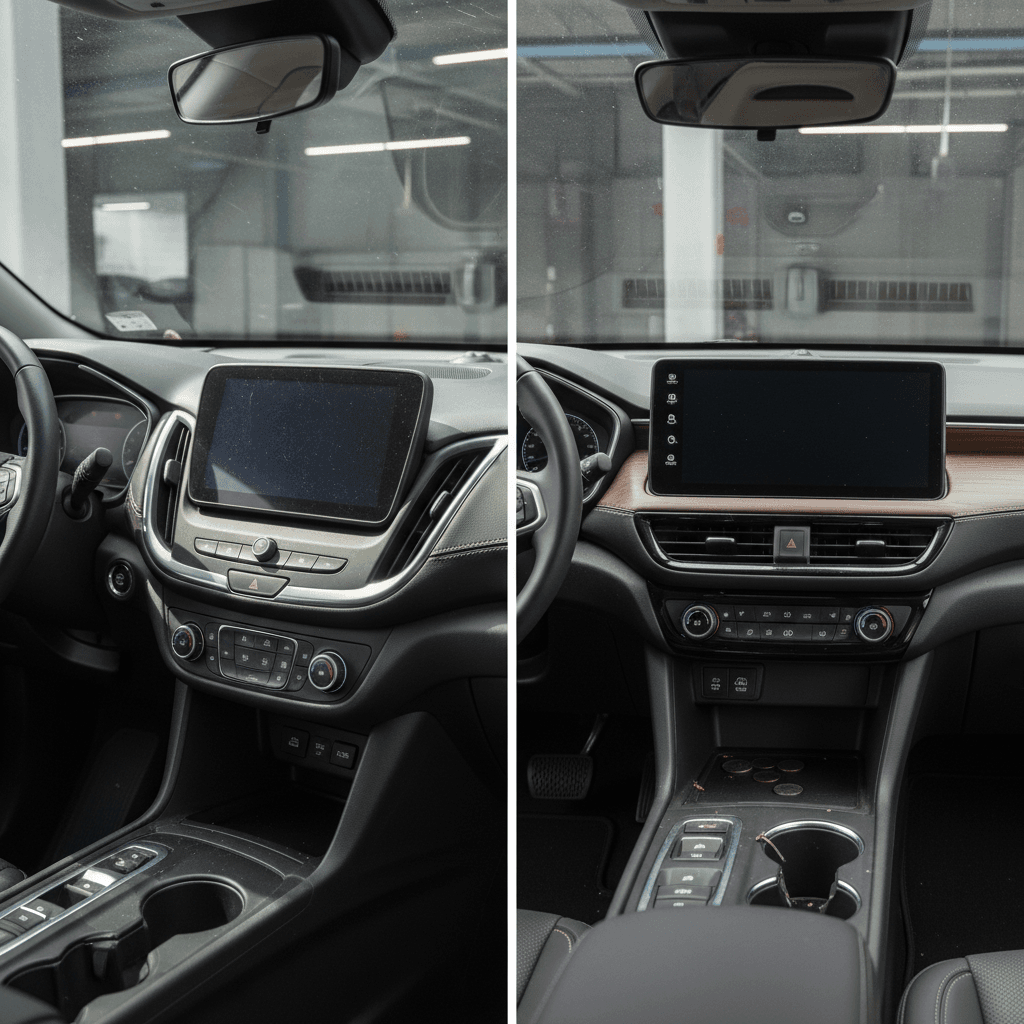
This is where many shoppers feel the biggest difference. Mechanically, the Equinox EV and Prologue are close cousins. Inside, they reflect **two very different philosophies** about software, infotainment, and the "feel" of the cabin.
Chevrolet Equinox EV: GM’s software‑first SUV
- Large central touchscreen (up to around 17.7 inches on many trims) with Google built‑in.
- No Apple CarPlay or Android Auto; GM wants you living inside its native software ecosystem.
- Clean, modern design that clearly differentiates it from gas Equinox models.
- Available features like heated and ventilated seats, heated steering wheel, and advanced camera views on higher trims.
Honda Prologue: Familiar Honda with an EV twist
- Also ships with Google built‑in, so you get native Google Maps and voice control.
- Wireless Apple CarPlay and Android Auto remain standard, which is a big deal if you love your phone‑based apps.
- Cabin look and control layout will feel very familiar if you’ve driven any recent Honda SUV.
- Honda’s driver‑assist tech (Honda Sensing) is well‑sorted and tends to err on the side of smooth, predictable behavior.
Who wins on tech?
Battery Health and Depreciation Trends
Both SUVs use GM’s Ultium battery architecture, and we’re still in the early years of real‑world data. The encouraging news so far is that **degradation on Ultium packs has generally been modest** in normal use, especially for owners who mostly charge at home and avoid hammering DC fast chargers day after day.
Where they diverge sharply is **depreciation**. Forecasts and early‑life data suggest that the **Equinox EV has taken steeper early depreciation hits**, in some cases losing well over half of its original MSRP within five years when heavily discounted examples and fleet sales are factored in. That’s rough for first owners, but it creates excellent opportunities for you as a used buyer. The Prologue, with smaller volumes and a reputation tied closely to Honda reliability, appears to be holding value better so far.
Depreciation: Pain for First Owners, Opportunity for You
Equinox EV on the used market
- Steep early price drops, especially in markets where dealers over‑ordered.
- Plenty of nearly new examples with low miles at big discounts from original price.
- Great pick if you want maximum SUV for the money and plan to keep it for years.
Prologue on the used market
- Less inventory and tighter pricing.
- Higher residual values may make leasing new more attractive than buying used in some cases.
- Appeals to buyers who value resale strength and Honda’s long‑term track record.
Why battery diagnostics matter
Ownership Costs and Warranty Coverage
Routine maintenance costs for both SUVs are pleasantly low compared with gas counterparts: no oil changes, fewer moving parts, and regenerative braking that extends pad life. Your biggest ownership‑cost levers will be **electricity rates, insurance, tires, and eventual depreciation**.
- Both the Equinox EV and Prologue carry battery and electric‑drive limited warranties typically around 8 years/100,000 miles from original in‑service date (check the exact language and transferability for the vehicle you’re considering).
- If you buy a 2‑year‑old used example, you may still have 6+ years of battery coverage left, which is reassuring for first‑time EV buyers.
- Tire costs can be higher than you’re used to, these are heavy, torquey SUVs, and some trims use larger wheels with expensive rubber.
- Insurance pricing can vary: some companies still price EVs cautiously, while others recognize their lower maintenance and crash‑avoidance tech. It pays to get quotes for both models.
Don’t assume all warranties transfer
Which Used EV SUV Fits You Better?
Looking strictly at the spec sheets, it’s tempting to call this one a draw. But you don’t drive spec sheets; you live with a vehicle’s software, ergonomics, and financial behavior. In 2026, the used **Equinox EV** and **Honda Prologue** appeal to slightly different buyers, even though they share so much hardware.
Buyer Profiles: Equinox EV vs Prologue
Match your priorities to the SUV that fits best.
Choose a used Equinox EV if…
- You want maximum value and don’t mind that someone else absorbed the steep early depreciation.
- You like bold EV styling that looks nothing like the gas Equinox.
- You’re comfortable living inside Google built‑in without CarPlay or Android Auto.
- You plan to keep the SUV for many years, so future resale is less critical than today’s purchase price.
Choose a used Honda Prologue if…
- You prefer a familiar Honda driving experience with traditional controls and ergonomics.
- Wireless Apple CarPlay and Android Auto are non‑negotiable.
- You’re willing to spend more upfront for potentially stronger value retention.
- You want an EV that feels like a natural upgrade from a CR‑V or Passport rather than a complete reset.
The bottom line
Checklist: Buying a Used Equinox EV or Prologue
Essential Checks Before You Commit
1. Verify remaining factory warranty
Use the in‑service date and mileage to confirm how much battery, electric‑drive, and bumper‑to‑bumper coverage is left. Ask the seller or a franchise dealer to print a warranty summary by VIN.
2. Review a battery health report
Don’t rely on guesswork. A <strong>Recharged Score Report</strong> or other third‑party diagnostic can reveal past DC fast‑charging habits, usable capacity, and any warning signs before you buy.
3. Check charging history and habits
Ask how the previous owner charged: mostly at home Level 2, or constant DC fast charging? The latter isn’t automatically a deal‑breaker but can affect long‑term battery health.
4. Inspect tires and brakes
Heavy EV SUVs can be tough on tires. Check for uneven wear, budget for replacement if needed, and make sure brakes feel consistent, regen does most of the work, but pads and rotors still matter.
5. Test infotainment and driver assists
On a test drive, live with the tech you’ll use daily, Google built‑in, CarPlay/Android Auto (Prologue only), adaptive cruise, lane‑keeping, and parking cameras. Make sure everything updates and functions properly.
6. Confirm home charging readiness
If you own your home, confirm you have or can install a 240‑V circuit near your parking spot. Renters should verify charging options at work or nearby public stations before buying.
7. Compare real market values
Use Recharged’s pricing tools and Recharged Score to compare your candidate SUV to similar listings nationwide. A "cheap" SUV in one zip code might still be overpriced relative to a broader market view.
FAQ: Used Equinox EV vs Honda Prologue
Frequently Asked Questions
If you’re shopping the **used Chevrolet Equinox EV vs Honda Prologue comparison in 2026**, you’re already looking in the right place: practical, long‑range EV SUVs that finally make sense on the used market. The Equinox EV delivers standout value and bold EV styling at aggressive prices, while the Prologue leans on Honda familiarity and phone‑friendly tech to win hearts. Decide which personality fits your life, lean on real battery‑health data instead of guesses, and you’ll be far ahead of most shoppers. And if you’d like a second set of eyes on a candidate SUV, Recharged’s EV specialists are built exactly for that job.